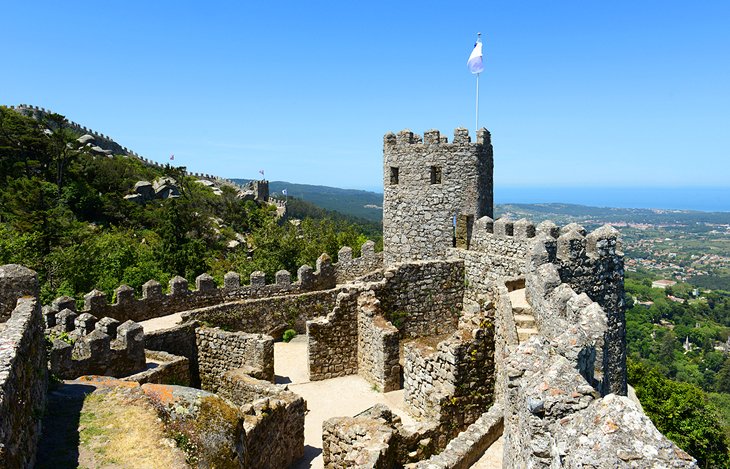
Portuguese dishes include meats (pork, beef, poultry mainly also game (hunting) and others), seafood (fish, crustaceans such as lobster, crab, shrimps, prawns, octopus, and molluscs such as scallops, clams and barnacles), vegetables and legumes (a variety of soups) and desserts (cakes being the most numerous). Portuguese often consume bread with their meals and there are numerous varieties of traditional fresh bread like broa which may also have regional and national variations within the countries under Lusophone or Galician influence. In a wider sense, Portuguese and Galician cuisine share many traditions and features.

Francesinha
Francesinha is a Portuguese sandwich originally from Porto, made with bread, wet-cured ham, linguiça, fresh sausage like chipolata, steak or roast meat, and covered with melted cheese and a hot and thick spiced tomato and beer sauce. It is typically served with french fries.
The original sandwich is currently credited to a man named Daniel da Silva sometime in the early fifties. Silva was a Portuguese emigrant to France, who returned and worked as a cook for the restaurant ‘A Regaleira’ in Porto. It was here he began to serve his homage to the Croque-Monsieur to the locals.
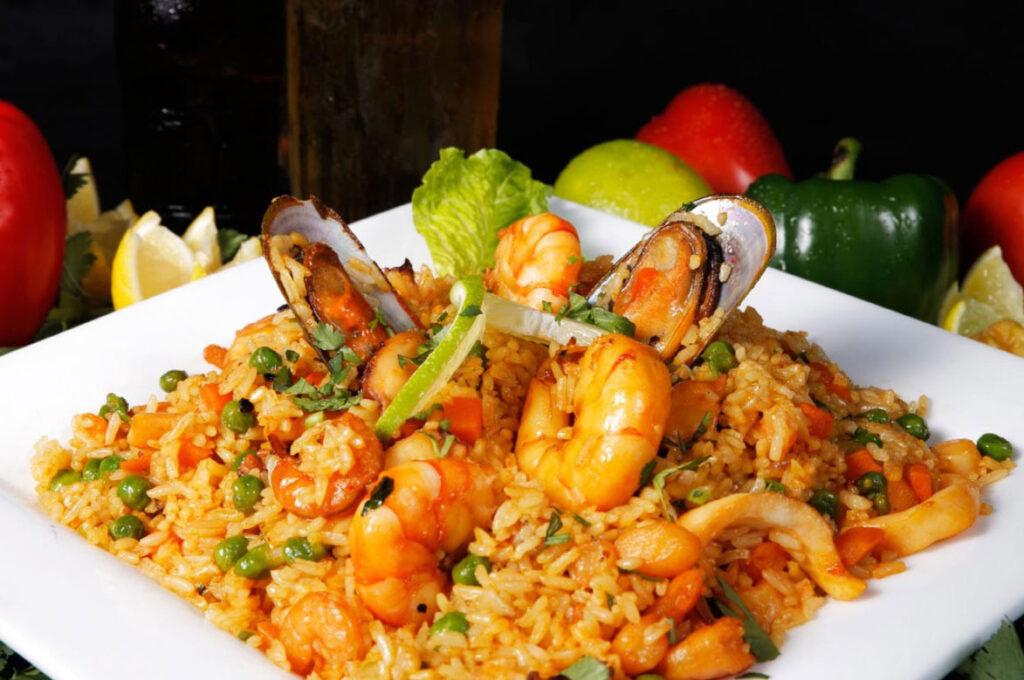
Arroz de Marisco
Arroz de Marisco is a rich seafood stew that’s made up of fish and rice. It’s a Portuguese favourite, and it’s also another of the 7 wonders of Portuguese gastronomy.
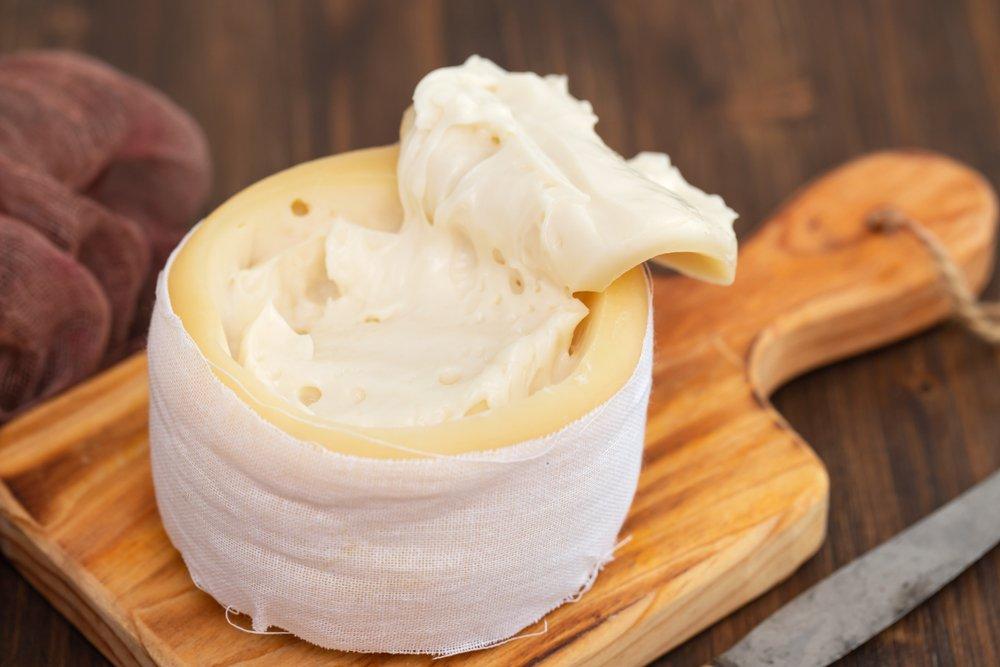
Queijo (cheese)
Be sure to try buttery Serra de Estrela, a sheep’s milk cheese produced in (and named after) Portugal’s highest mountain range; creamy Azeitão, an unpasteurized sheep’s milk cheese from the foothills of the Arrábida Mountains south of Lisbon; and São Jorge from the Azores, a semi-soft cow’s milk cheese with a spicy kick.
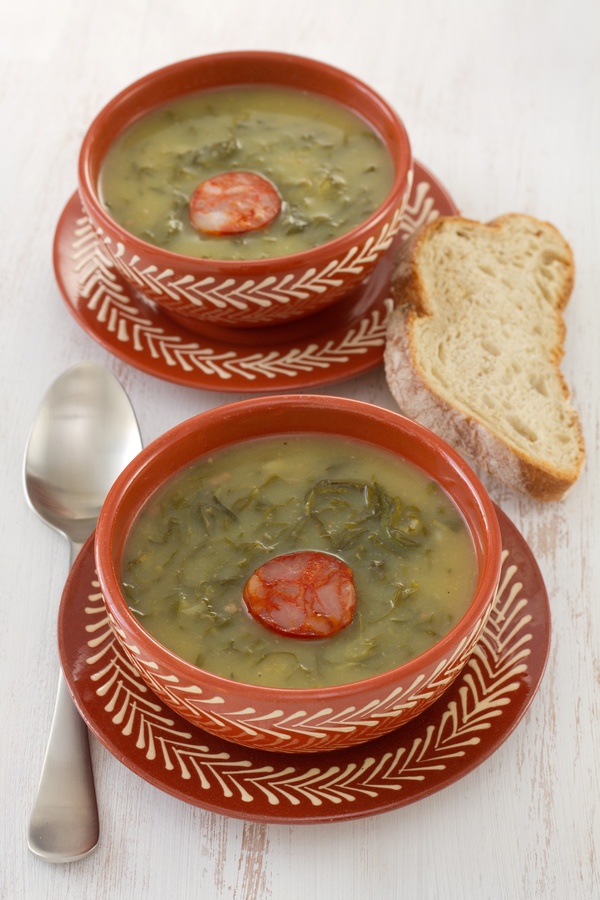
Caldo Verde
Caldo Verde is a simple soup that contains shredded kale, onions, potatoes, garlic, and chouriço. It originates from the North of Portugal, but it’s served all over the country. It’s also listed as one of the 7 wonders of Portuguese gastronomy.
Bacalhau

Bacalhau is dried and salted cod. Rumour has it that there are more than 365 different ways to cook bacalhau, and some people say that’s even an under-estimation.

Most Portuguese menus will contains at least one bacalhau dish. Favourites to look out for include bacalhau com natas (bacalhau with cream and potatoes), bacalhau à lagareiro (bacalhau with lots of olive oil), and bacalhau com broa (bacalhau with a type of cornbread).
Most cafés will also have pastéis de bacalhau (or bolinhos de bacalhau, depending on what part of the country you’re in), which is also a fantastic way to enjoy bacalhau.

Pastéis de Nata
It’s probably Portugal’s most famous food, and there’s a good reason for that. Pastéis de Nata (or Portuguese custard tarts as they’re known outside of Portugal) are just delicious. They originate from Lisbon, but you’ll find them in just about every café in Portugal.
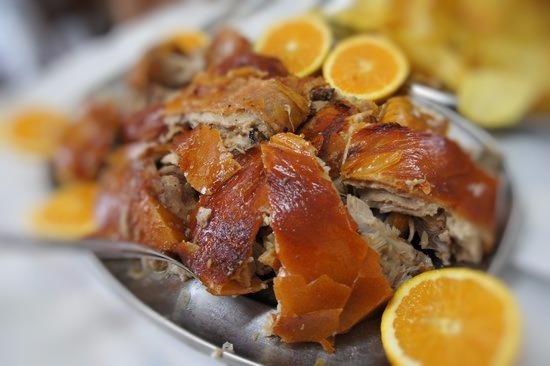
Leitão assado (suckling pig)
A few Portuguese events compare to a traditional spit-roasted whole-hog feast in Mealhada, which is cooked to perfection (tender and juicy on the inside, crunchy on the outside). The town is located 14 miles north of Coimbra in central Portugal and is the undisputed suckling pig capital of the country.
The piglets are slaughtered at four to six weeks old, then rubbed with garlic, pig fat, coarse salt, and pepper before being roasted for hours in eucalyptus wood-burning ovens. Mealhada’s suckling pig specialty restaurants—Pedro dos Leitões, Nelson dos Leitões, Rei dos Leitões, O Castiço, Meta dos Leitões, and Pic Nic dos Leitões , nearly outnumber its population.