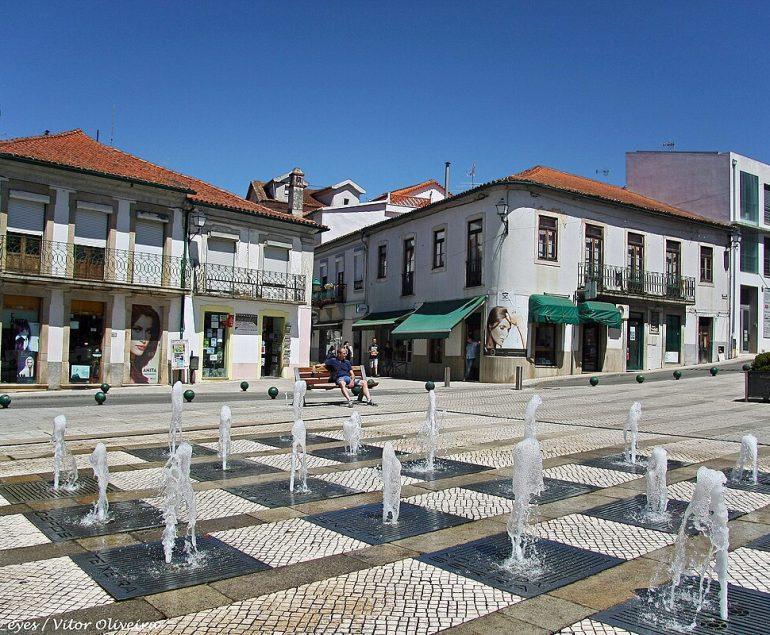
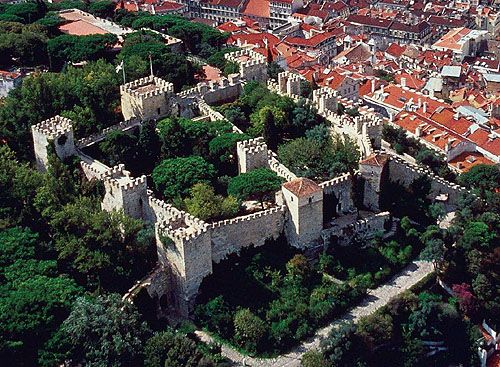
A castle is a type of fortified structure built during the Middle Ages predominantly by the nobility or royalty and by military orders.
Today, Portugal’s more than 150 forts and castles are enduring monuments to the nation’s will to be independent. While larger and mightier countries were absorbed by others, Portugal, with its proud castles and the soldiers who defended them, evolved independently.
Portugal was a crossroads of cultures during the Middle Ages, with hostile Moors to the south and rival Spanish kingdoms to the east. Today, Portugal’s more than 150 forts and castles stand as permanent testaments to the country’s desire for independence. While larger and more powerful countries absorbed others, Portugal, with its magnificent castles and troops who guarded them, evolved on its own.
Portugal’s geographical limits are strongly defined, with the Atlantic Ocean to the south and west and rivers and mountains to the east and north. It is located in the westernmost part of the Iberian Peninsula. The country is also characterized by topographical contrasts, as is customary on a peninsula. Northern Porto is steep and green, with fertile river basins and rocky coast. As the green mountains extend eastward, they become less fruitful and get ferociously high as they approach the Beiras. Along the coastline of Beiras, the geography changes to more hilly terrain with pine forests and a sandy beach. The area surrounding Lisbon’s city is noted for its white cliffs, olive groves, and open spaces. The huge river Tejo divides the country in half, with the Lisbon area’s yellow hills and cow fields on the north side. To the east are the Beiras granite highlands. The wide golden plains known as the Alentejo are located south of the river. Finally, to the south, the Algarve’s red cliffs and green hills await.

Portugal’s castles are quite unique in comparison to their European equivalents. The Portuguese learned the art of fortification from the Romans and Moors’ great builders. The Romans, who held Portugal for more than 400 years, defended their towns with magnificent forts with high walls and strong towers. The Moors brought inventive masonry and highly defended gates to Portugal when they invaded the Iberian Peninsula in 711 A.D. Northern Europe and England continued to construct wooden forts during this time of the Dark Ages, but Portugal’s early encounters with the enlightened Moors and the nascent nation’s conflicts against them elevated the art of castle construction to a new level. Of course, the Celtic tribes, dubbed Lusitanians by the Romans, fortified their villages with stone walls, but these were insignificant in comparison to what was to come.
Portugal was formed as a nation in the 12th century from the kingdom of Castile and Leon. D. Afonso Henriques, the country’s vibrant young monarch, mounted a daring expedition to wrest the southwestern half of the Iberian Peninsula from the Moors.
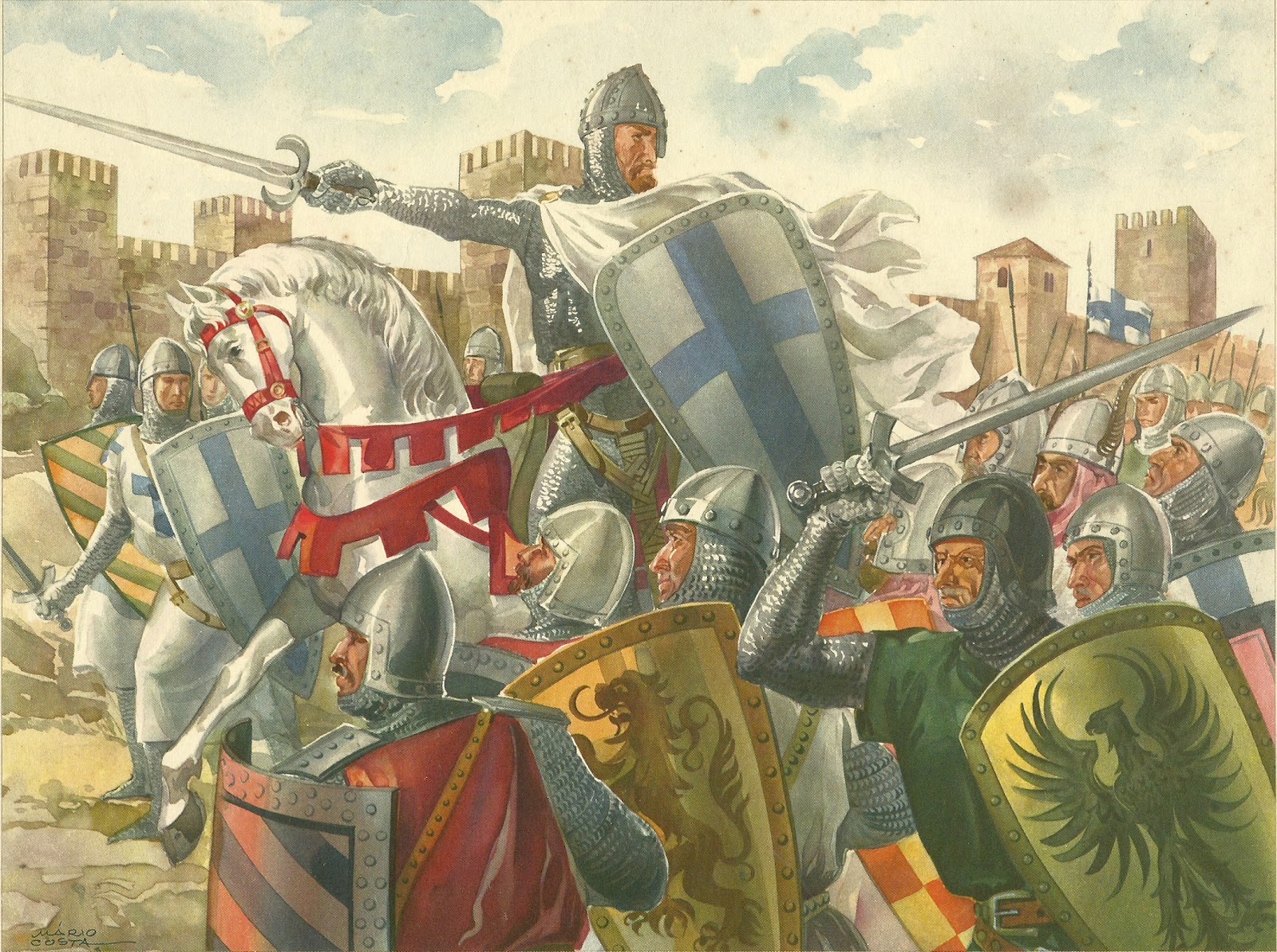
Many of Portugal’s early castles were reconstructions of Moorish and Roman forts during the post-1139 A.D. period. Their Ogival style is characterized by several recurring themes: Simple granite walls, a dual-towered gatehouse, a cistern, and pointed castellated walls characterize this structure. However, as the Gothic period supplanted the Romanesque, Portuguese castles grew increasingly spectacular and lethal, complete with archers’ loops in castellated walls, oil spouts at the base of parapets, and progressively tall keep and towers.
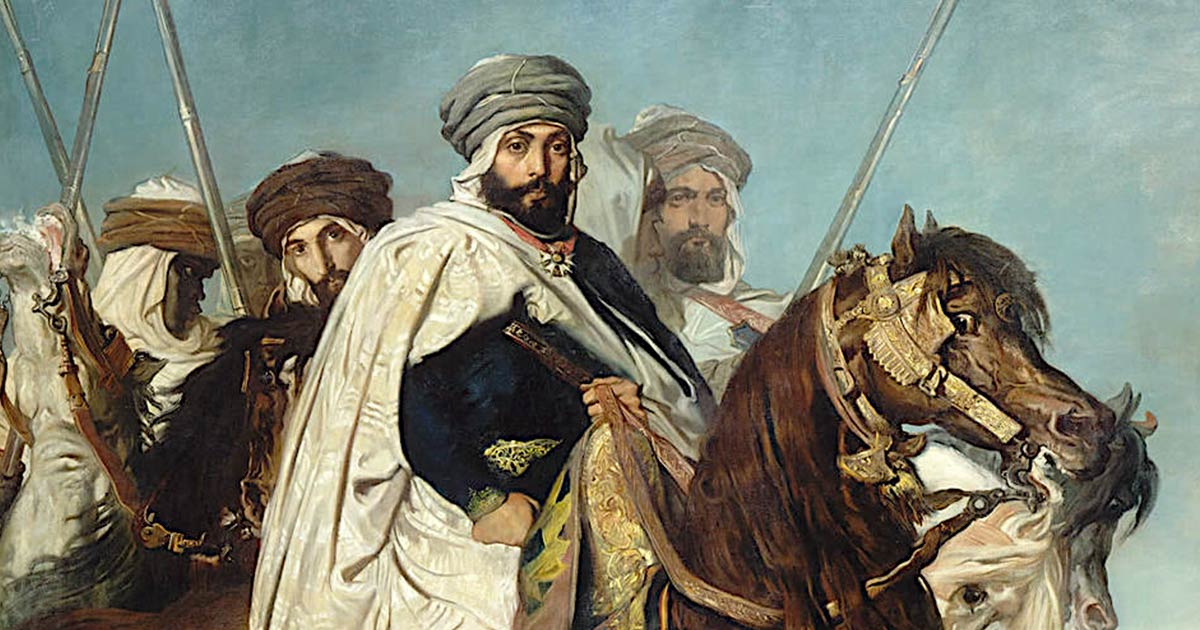
By 1249, the Moors had been driven out of southern Portugal, and the country became Europe’s first to establish modern borders. The focus of the castles shifted away from east-west waterways and toward cities along the long border with rival Castile.


The 13th-century castles built under King D. Dinis I, who rebuilt nearly every significant castle in the country, were the pinnacles of this time. Until D. Dinis, most of Portugal’s castles consisted of a three-story keep surrounded by one or two rings of walls. Now, new tall keep structures have been constructed, such as the one at Beja or the five-sided keep at Sabugal. Numerous rings of fortifications were constructed, each with staggered gates and concealed escape routes. Wooden garrison structures were constructed with more space for provisions and soldiers.
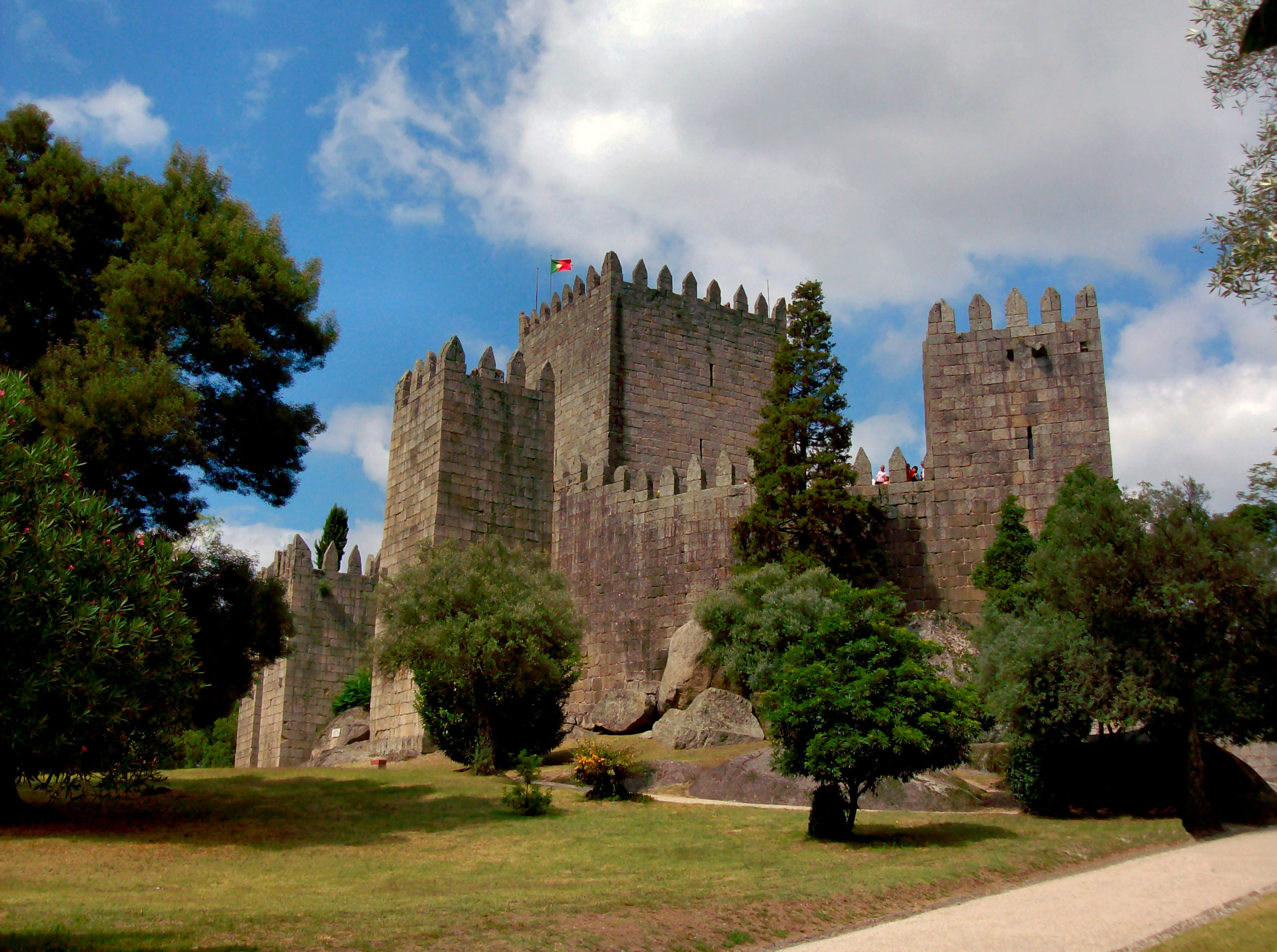
In the 13th and 14th centuries, castle construction became more flamboyant, with more ornamental flourishes and features such as pepper pots on towers, intricate brickwork, and gigantic stone halls. Many became fortified palaces, but just as castle construction reached its pinnacle, the age came to an abrupt end in 1453, when the Turks used cannon fire to demolish Byzantium’s formerly invincible walls.
The period of castles had come to an end. However, the age of huge forts had just recently begun. High walls, pompous keepers, and fortified towers all vanished. Now, modest stonewalls were constructed around earthen mounds to deflect cannon rounds.

The straight lines of the walls were changed with star-shaped angles to enable the crossing of cannon and artillery with lethal results against the enemy. In the 16th and 17th centuries, these forts became increasingly advanced. To safeguard the empire, Portuguese engineers constructed hundreds of spectacular forts. Numerous specimens can still be discovered in South America, Africa, and Asia. In Portugal, the finest specimens can be seen in Almeida, Valença do Minho, Marvo, and Elvas. These gun forts were in service until the 1830s Civil Conflict, the last war fought on Portuguese soil, and some remained in use until the twentieth century for military purposes.
Identifying the Castle
The majority of large towns with castles have well-defined roads marked with yellow or white signage directing visitors to the “Castelo.” As a general rule, the castle is always elevated, that is, on a hill or above a town. Additionally, search for the castle near the town’s oldest section. The castle is usually highly visible in a village. Occasionally, you will come across a locked gate. Monday is a holiday for most monuments, however, the remainder of the week is open. Few ask for an entry fee, and those who do usually charge a little one. In distant places, the castle key may be kept in a nearby house or café. If you come across a sign for “chave” or “key,” keep an eye out for a home number. Take care when ascending and descending stairs, barriers, and towers. These medieval remains were not constructed with modern safety standards in mind, therefore stone staircases may be slanted, towers and walls may be rough, and keep interiors may be quite dark. A headlamp and proper footwear can be extremely beneficial. Fortunately, the majority of Portuguese castles are neither planted or over-restored; they simply stand in various levels of ruin, imparting a feeling of place and history to the visitor.