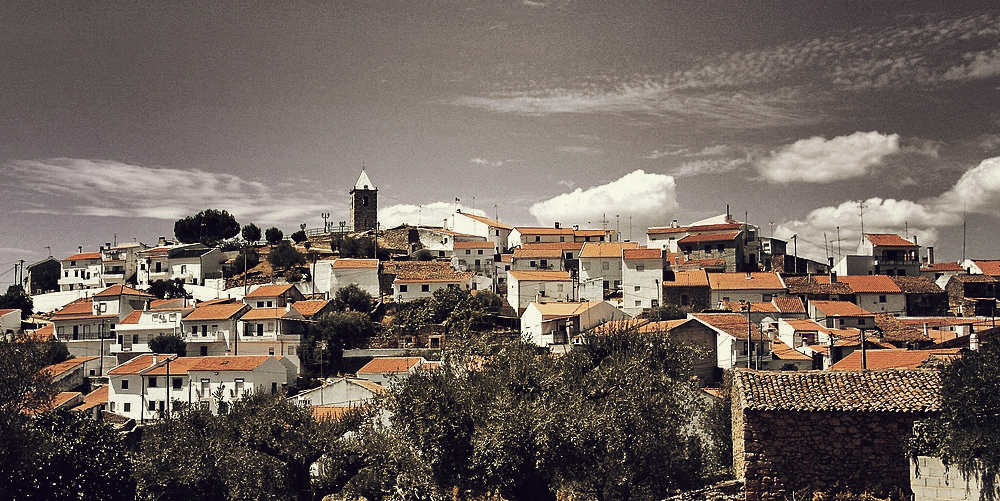
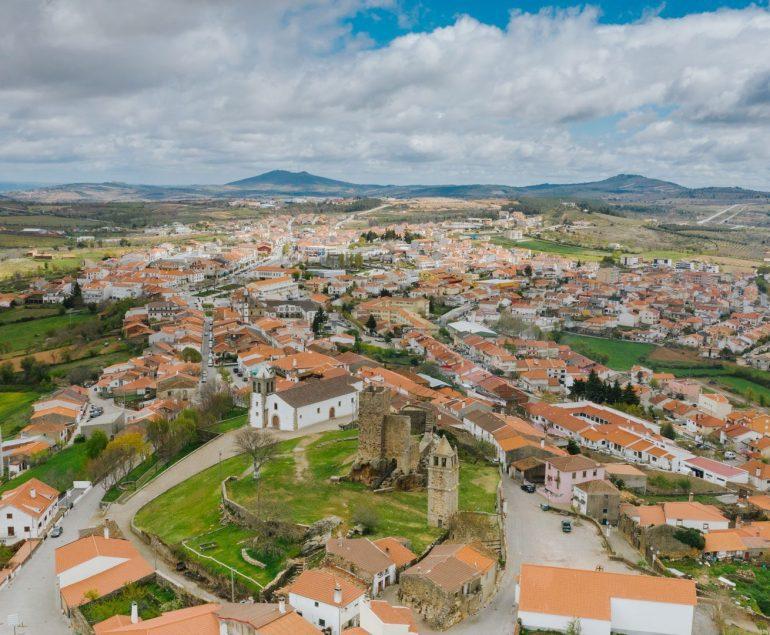
Tucked into the rugged heart of the Montemuro mountains in Castro Daire, the village of Mezio is a revelation for travelers yearning for genuine encounters and untapped Portuguese character. Mezio’s alpine landscape, often described as harsh and parched, enfolds a community shaped by stone and resilience—its meandering, narrow lanes lined with rustic granite cottages are an invitation to wander and discover details lost to time


One of Mezio’s most intriguing hidden treasures is Ervanária Ervital, a pioneering organic agricultural firm perched at the village’s summit. Ervital grows aromatic and medicinal plants—think wild mountain herbs and floral infusions—under pristine ecological conditions at roughly a thousand meters altitude. This sustainable initiative doesn’t just harvest from the land; it relies on village residents for planting, picking, and processing, meaning every cup of Ervital’s organic tea tells a local story

Visiting Ervital goes beyond shopping. The experience offers guided tours through fragrant fields, working greenhouses, and the production facility itself—perfect for anyone eager to understand the rhythms of rural life in Montemuro or take home an authentic, meaningful souvenir. The farm shop offers a wide selection of teas and herbal products, all packed with a sense of place and tradition.
Those looking for more immersive exploration will find that Mezio is crossed by the Camino de Santiago, making it possible to walk sections of this ancient pilgrimage route while soaking in the region’s most verdant, hilly scenery. Along the way, pause to admire the village’s many traditional mills—silent witnesses to centuries of rural ingenuity.
Mezio’s religious heritage is quietly impressive. The Igreja Matriz, Chapel of Senhora das Antas, and stone crosses like Cruzeiro do Senhor do Bom Fim and Cruzeiro do Senhor dos Aflitos serve as spiritual and architectural anchors, reminders of the faith that threads through village life. These sites offer intimate glimpses into the rituals and artistry of rural devotion.
No visit would be complete without savoring the local cuisine. At Restaurante do Mezio, treat yourself to their celebrated rice and beans with salpico. Hearty mountain fare takes center stage—expect succulent sausages and ham, oven-roasted goatling, silky rice pudding, baked bread, and the essential village cornbread and toast. Meals here are an expression of both landscape and memory: everything sourced and prepared with pride.
Artisan crafts provide another layer of authenticity. The Cooperative of Craftsmen is both a shop and a modest museum, where you can browse meticulously woven towels, bedspreads, carpets, basketry, and handcrafted wooden dolls. These are not mass-produced trinkets—they are keepsakes woven from Mezio’s heritage, lovingly displayed alongside the tools and stories of their makers.
Time your visit for the second Sunday in May to catch the celebration in honor of Saint Michael, Mezio’s patron saint. During this lively festival, the village’s Group of Songs, Dances, and Art of Well-Talk fills the streets with music and color—a perfect framework for experiencing local traditions at their most joyful and vibrant.
Mezio captivates with its understated beauty and immersive authenticity. For those who cherish the lesser-known, the village is a rare find—rooted in tradition, alive with the pulse of the mountains, and eager to share its grace with those who make the journey.
[/vc_column_text][/vc_column][/vc_row]