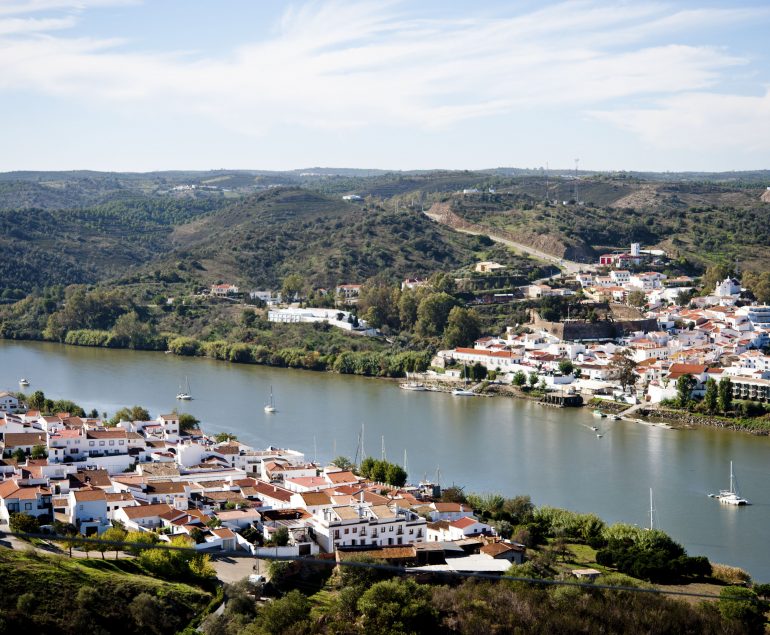
Marvão is a picturesque medieval village located in the northeast of Portugal, close to the border with Spain. The village, perched atop an 862-metre-high hill, is known for its historical significance, stunning architecture, and natural beauty. Marvão has been inhabited since prehistoric times, and its strategic location overlooking the plains made it a significant military stronghold during medieval times. Today, Marvão is a popular tourist destination, attracting visitors from all around the world to discover its rich heritage, explore the winding streets and alleys, and enjoy the stunning views of the surrounding landscape. In this article, we will take a closer look at the history, culture, and modern-day charm of the medieval village of Marvão and offer insights into what makes this hidden gem such a unique and fascinating destination.
Introduction to Marvao and its Historical Significance
Marvão is a small medieval village situated in the northern part of Alentejo, Portugal, close to the Spanish border. This picturesque village is perched on a hill at an altitude of 850 metres. The hilltop village offers breathtaking views of the surrounding countryside and the Spanish plains to the east. The village has a rich history, dating back to the eighth century. Marvão was once an important stronghold, a symbol of power and defence, and a thriving Jewish community. Today, the village is a popular tourist destination, known for its medieval architecture and spectacular views.

Location and Setting
Marvão is located in the Serra de Sao Mamede Natural Park region of Portugal, close to the Spanish border. The village sits on a hilltop at an altitude of 850 metres, which provides breathtaking views of the surrounding countryside. The only way to access the village’s imposing walls and cobblestone streets is through an impressive gate.
History of Marvão
Marvão has a long and rich history that dates back to the eighth century, when the Moors conquered the Iberian Peninsula. Since the Christians took control of the village in the twelfth century, it has served as a significant stronghold and defensive post. During the Middle Ages, Marvão was a bustling centre of trade, and its castle played a crucial role in defending the border between Portugal and Spain
The Importance of Marvão in Mediaeval Times
Marvão played a crucial role in the defence of the Portuguese border, protecting against attacks by Spanish and Moorish armies. The village was also home to a thriving Jewish community, which flourished until the Inquisition in the sixteenth century. The castle of Marvão served as a symbol of power and defence during the Middle Ages and was an important stronghold for the Portuguese monarchy.
The Architecture and Layout of the Medieval Village
Marvão’s medieval architecture and layout are among the best preserved in Portugal. An impressive wall that served as a defence barrier in mediaeval times surrounds the village. The cobblestone streets are lined with stone houses, some dating back to the thirteenth century. The village’s architecture is a blend of Gothic and Manueline styles, which are typical of Portugal’s medieval architecture.
The Castelo de Marvão
The Castelo de Marvão is a symbol of the village’s power and defence. The castle dates back to the thirteenth century and underwent significant renovation and expansion in the seventeenth century. The castle is one of the best-preserved medieval castles in Portugal and offers stunning views of the surrounding countryside.
The Walls and Gates
The walls and gates of Marvão are a testament to the importance of the village’s defensive capabilities during the Middle Ages. The walls surrounding the village are almost completely intact, and the only entrance to the village is through a large gate at the foot of the hill. The impressive gate is a remarkable example of medieval architecture and design.
The Village Houses and Streets
The village’s cobblestone streets are lined with well-preserved medieval houses, some of which date back to the thirteenth century. The houses are made of stone and have typical Portuguese medieval architecture with Manueline and Gothic elements.
The Castle of Marvão: A Symbol of Power and Defence
Marvão’s castle is one of the best-preserved medieval castles in Portugal. The castle served as a symbol of power and defence during the Middle Ages and was an important stronghold for the Portuguese monarchy.
History of the Castelo de Marvão
The Castelo de Marvão dates back to the thirteenth century, when it was built to defend the border between Portugal and Spain. The castle underwent significant renovation and expansion in the seventeenth century.
Architecture and Design of the Castle
The architecture of the Castelo de Marvão is typical of Portuguese medieval architecture, with Gothic and Manueline style elements. The castle’s design reflects its defensive capabilities, with high walls and towers that provided a vantage point for archers and soldiers defending against the enemy.
Significance of the Castle in Medieval Times
The Castelo de Marvão was an essential part of the Portuguese defence system during the Middle Ages. It served as a symbol of power and defence and played a crucial role in the defence of the Portuguese border against Spanish and Moorish armies.
The Jewish Heritage of Marvão
Marvão was once home to a thriving Jewish community that played a significant role in the village’s history.
The Jewish Community in Marvao
The Jewish community in Marvão flourished during the Middle Ages and was an essential part of the village’s economic and social life. The Jews of Marvão were skilled artisans, merchants, and tradespeople.
The Jewish Quarter and Synagogue
The Jewish quarter in Marvão is one of the best-preserved in Portugal. The synagogue, which dates back to the thirteenth century, is now a museum that showcases the history of the Jewish community in Marvão.
The life of Jews in Marvão during the Inquisition
The Inquisition of the sixteenth century had a devastating effect on the Jewish community of Marvão. Many Jews were forced to flee, and those who remained were subject to persecution and discrimination. Today, the Jewish community in Marvão is a memory of a rich and diverse past that is celebrated and remembered.
Legends and Tales of Marvão’s Origin
Legend has it that the legendary hero Martim Moniz, one of the Christian knights who fought the Moors in the 12th century, founded Marvão. When the Christians were about to lose the battle, Martim Moniz sacrificed himself by wedging his own body into the castle doors, allowing his fellow knights to enter and emerge victorious.
Another legend tells the story of the magical well in the village. It is said that a beautiful Moorish princess lived in the castle of Marvão, and the water from the well was so pure and clean that it cured her of all ailments. Since then, the well has been deemed to have magical powers, and locals often gather water from it for healing purposes.
The Legend of the Knight Templar
One of the most fascinating stories in Marvão is that of the Knight Templar. It is believed that thTemplars hid their treasures in Marvão before the Catholic Church persecuted and disbanded them. Many believe that the ruins of the castle still conceal the treasures that the Templars left behind.
The local folklore and superstitions
Marvão has its fair share of folktales and superstitions as well. One popular belief is that sneezing once is a good omen, but sneezing twice in a row is a sign of bad luck. Another superstition is that if you see a bird with a black head, it means that someone you love is about to die.
The local dishes and recipes
One of the most famous dishes in Marvão is migas. It is a dish made of breadcrumbs, garlic, and olive oil, and it is typically served with pork, chorizo, or other meats. Another popular dish is Sopa de cação, a flavorful fish soup made with sharks.
The traditional arts and crafts of Marvão
Marvão is also renowned for its traditional crafts, particularly pottery. The pottery produced in Marvao is known for its intricate designs and vibrant colors. Locals also weave beautiful tapestries and blankets, which are often sold in local markets.
The Annual Feasts and Festivals
Marvão is known for its vibrant festivals and celebrations, particularly during the summer months. The most famous festival is the Feira da Castanha, which is held in November and celebrates the chestnut harvest.
Exploring the Natural Beauty Surrounding Marvão
The Natural Park of Serra de Sao Mamede
The Serra de Sao Mamede Natural Park is home to a vast array of flora and fauna. You can hike through the rugged terrain, spot various species of birds and mammals, and enjoy the fresh mountain air.
The Flora and Fauna of the Region
The flora and fauna of the region are breathtaking. From the majestic Iberian lynx to the colourful wildflowers in springtime, the natural environment in Marvão is a sight to behold.
The hiking trails and outdoor activities
Marvão has many hiking trails to explore. One of the most popular is the Rota dos Contrabandistas, which takes you through the smugglers’ trails that were once used to transport goods across the border.
The Modern-Day Charm of Marvão and Tourist Attractions
While Marvao is steeped in history, it also offers modern amenities for visitors, including restaurants, cafes, and shops. The village’s streets are lined with traditional homes and buildings, offering a glimpse into the region’s past.
Recommended tourist activities and sights
Some of the must-visit attractions in Marvão include the Castelo de Marvão, the Igreja de Santa Maria, and the Museu Municipal. Visitors can also take guided tours of the village, allowing them to learn more about its history and traditions.
Practical Information for Visiting Marvão
Marvão is easily accessible by car or public transportation. Visitors should note that the village’s steep hills and narrow streets make it difficult to navigate by car, and parking can be a challenge. It is best to explore the village on foot. Marvão is a testament to the rich history and culture of Portugal and a reminder of the importance of preserving the heritage of our ancestors. Whether you are a history buff, a nature lover, or simply looking for a picturesque spot to visit, Marvão has something to offer everyone. From the stunning architecture and vibrant culture to the natural beauty and outdoor activities, this hidden gem of Portugal is sure to leave a lasting impression on all who visit.
1. What is the best time to visit Marvão?
The best time to visit Marvão is between March and October when the weather is mild and pleasant and the days are longer. However, if you want to avoid crowds, visiting during the off-season (November to February) can be a good option.
2. How do I get to Marvão?
Marvao is located in the northeast of Portugal, close to the Spanish border. The nearest airport is Lisbon, and from there, you can take a train or bus to Portalegre, which is the nearest town to Marvão. From Portalegre, you can hire a taxi or take a bus to Marvão.
3. What are the top tourist attractions in Marvão?
Marvão is home to several tourist attractions, including the Castelo de Marvão, the Jewish Quarter and Synagogue, the municipal museum, and the natural park of Serra de Sao Mamede. Additionally, the winding streets and alleys of the village, the local cuisine, and the traditional arts and crafts are also worth exploring.
4. Is Marvão suitable for families with kids?
Yes, Marvão is a family-friendly destination, and there are several activities that kids can enjoy, such as hiking, exploring the castle, and learning about the local culture and history. However, parents should keep in mind that the village is located on a hill, and there are some steep streets and alleys that may not be suitable for strollers or wheelchairs.