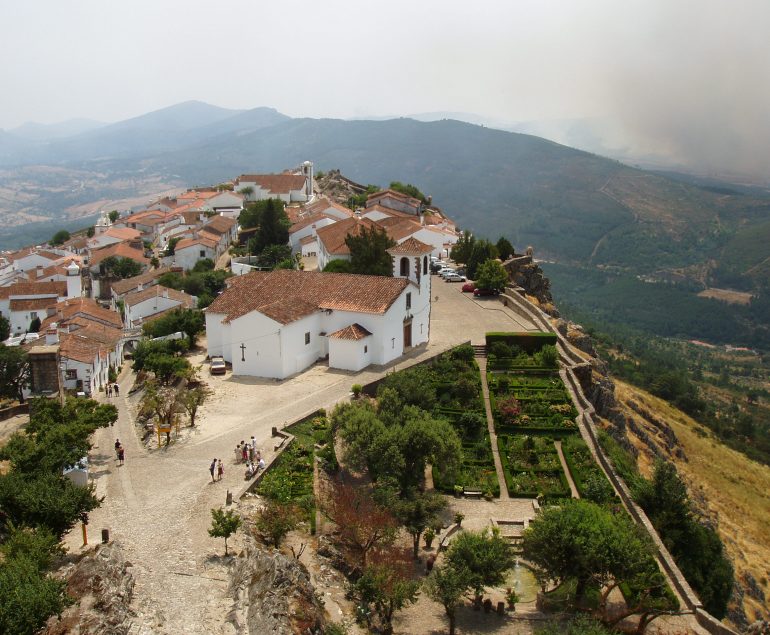
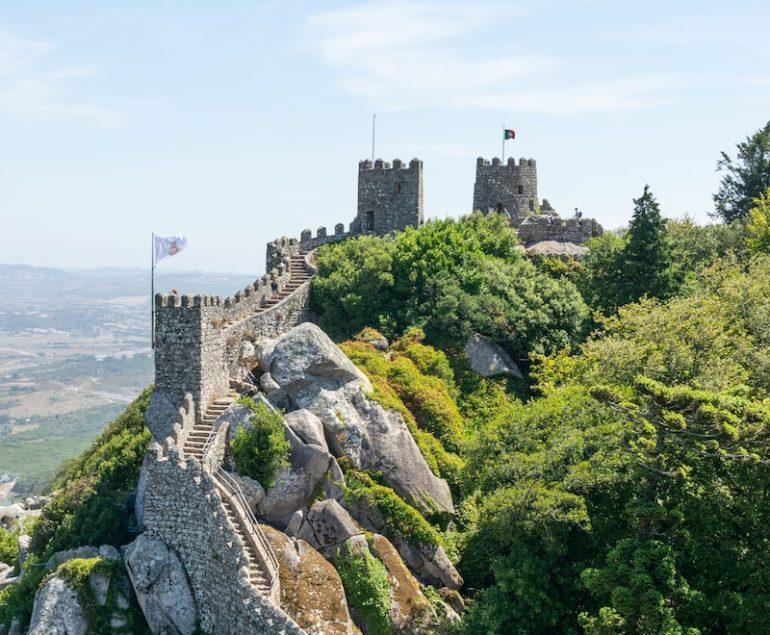
History: The Portuguese explorations of the sea in the 15th and 16th centuries are a big part of Madeira’s history. In 1419, Portuguese sailors were the first to find the islands, and soon after, colonists from Portugal moved there. Madeira quickly became an important hub for maritime trade, serving as a stopover point for ships travelling between Europe, Africa, and the Americas. The island’s fertile soil and favourable climate also made it a key producer of sugar, which was in high demand in Europe at the time.
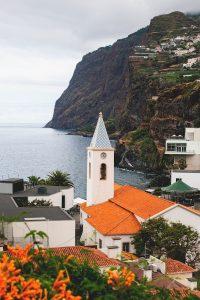 Madeira is a group of volcanic islands with two main ones, Madeira and Porto Santo, and several smaller ones. The islands are about 600 miles southwest of Lisbon, Portugal, in the Atlantic Ocean. Madeira is known for having a rough landscape with steep cliffs, deep valleys, and high peaks. The island’s highest point is Pico Ruivo, which stands at 1,862 metres. A network of narrow roads and trails connect the small villages, farms, and vineyards that dot the landscape.
Madeira has a subtropical climate, which means that the weather is mild and there is a lot of moisture in the air. The temperatures on the island don’t change much from season to season, staying between 16°C and 24°C all year. Most of the rain falls in the winter, especially in the mountains, and tropical storms and hurricanes sometimes hit the island. Even though it rains and blows sometimes, Madeira’s climate is generally thought to be very nice and good for outdoor activities.
Culture: Madeira has a rich cultural heritage that is a blend of Portuguese, African, and Brazilian influences. The island’s music and dance are particularly distinctive, with traditional styles like fado, bailinho, and tchatchatcha still popular today. Fresh seafood, tropical fruits, and wines made in Madeira are also famous for their food. The island is well-known for its festivals, which include the spring flower festival, the February carnival, and the Christmas and New Year’s celebrations, which feature spectacular fireworks displays.

Tourism: Madeira is a popular tourist destination that attracts visitors from all over the world. The island’s natural beauty and mild climate make it an ideal destination for outdoor activities like hiking, mountain biking, surfing, and swimming. Madeira is also known for its historic sites, such as the Santa Clara Convent and the Cathedral of Funchal, and for its many museums and galleries. The island’s botanical gardens and parks are also major attractions, with the Madeira Botanical Garden and the Monte Palace Tropical Garden among the most popular.
Economy: Madeira’s economy is largely based on tourism, agriculture, and fishing. The island’s fertile soil and favourable climate make it a major producer of bananas, sugar cane, and other tropical fruits, while its vineyards are known for producing high-quality fortified wines like Madeira. Tourism is the island’s biggest industry, with visitors spending an estimated 1.6 billion euros in 2019. Madeira is also home to a number of offshore companies and financial institutions, which contribute to the island’s economy.
Madeira’s official language is Portuguese, but a lot of people in tourist areas speak English. Many locals also speak French, German, and Spanish, particularly those who work in the tourism industry.
Cristiano Ronaldo Madeira International Airport, which is close to the island’s capital Funchal, provides transportation services for Madeira. The island also has a good network of roads and public transport, including buses and taxis. Many visitors choose to rent a car.