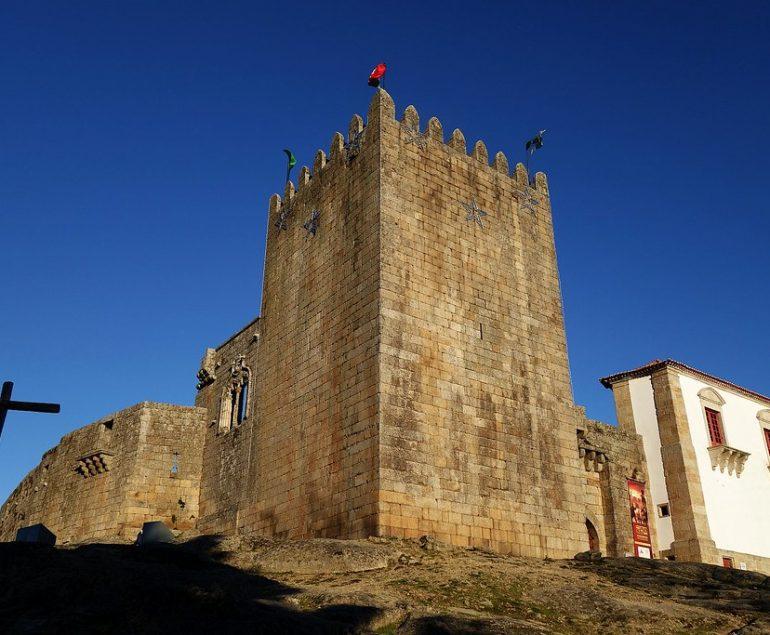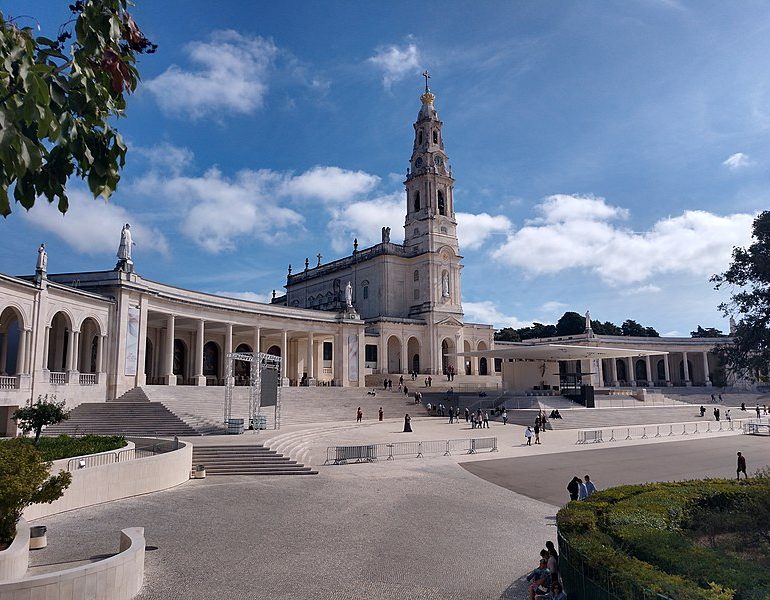
The first thing you notice about Caldas da Rainha is that it doesn’t rush to impress you.
It isn’t Lisbon with its drama of hills and river, nor Porto with its crumbling splendour.
Caldas draws you in differently — through quiet detail, the hum of market stalls, the warmth of tiled façades in morning light, and the faint scent of minerals in the air that hints at its centuries-old heartbeat: the thermal springs.
This is a place where life has revolved around healing waters, art, and the steady pulse of local life for over 500 years. And the best way to experience it is to walk it slowly, letting the city reveal itself corner by corner.
The Journey In — How to Get to Caldas da Rainha
From Lisbon, it’s an easy escape — about 90 km north. You can take a Rede Expressos bus from Campo Grande station (about 1 hr 15 min), or drive via the A8 motorway, which winds past rolling countryside, vineyards, and small villages.
Arriving by car gives you the freedom to explore the surrounding Silver Coast — Foz do Arelho, Óbidos, and São Martinho do Porto are all within 20 minutes — but even if you come by bus, Caldas da Rainha is a perfectly walkable city.
A City Born from Healing Waters
The name literally means “Queen’s Hot Springs.” In the late 15th century, Queen Leonor, wife of King João II, was travelling through the area when she saw people bathing in sulphur-rich waters to ease ailments. Intrigued, she tried it herself and was so impressed she founded a hospital and thermal baths here in 1485 — the first of their kind in the world.
The Hospital Termal still stands, an elegant stone building that anchors the historic centre. Today, it’s a working spa offering treatments, but even if you’re not booking a session, its exterior, arches, and sense of history are worth lingering over. Inside, the light falls on azulejo-covered walls and echoes off tiled floors, carrying the sound of water running unseen below.
Morning in Caldas — Start at Praça da Fruta
Caldas wakes with its market. Praça da Fruta (Fruit Square) is the only daily open-air fruit and vegetable market in Portugal still operating in its original location. Its patterned cobbles are framed by 19th-century buildings with wrought-iron balconies, and its stalls spill over with the season’s best: cherries in early summer, figs in late August, pumpkins in autumn.
Here, bargaining is gentle, conversations are long, and the produce is grown by people who often sell it themselves. You’ll find cheeses wrapped in cloth, golden broas (cornbread), bunches of fresh herbs, and flowers in every colour.
If you want to feel the city’s rhythm, come early. Order a bica (espresso) at one of the cafés edging the square and watch the market unfold.
Into the Green — Parque Dom Carlos I
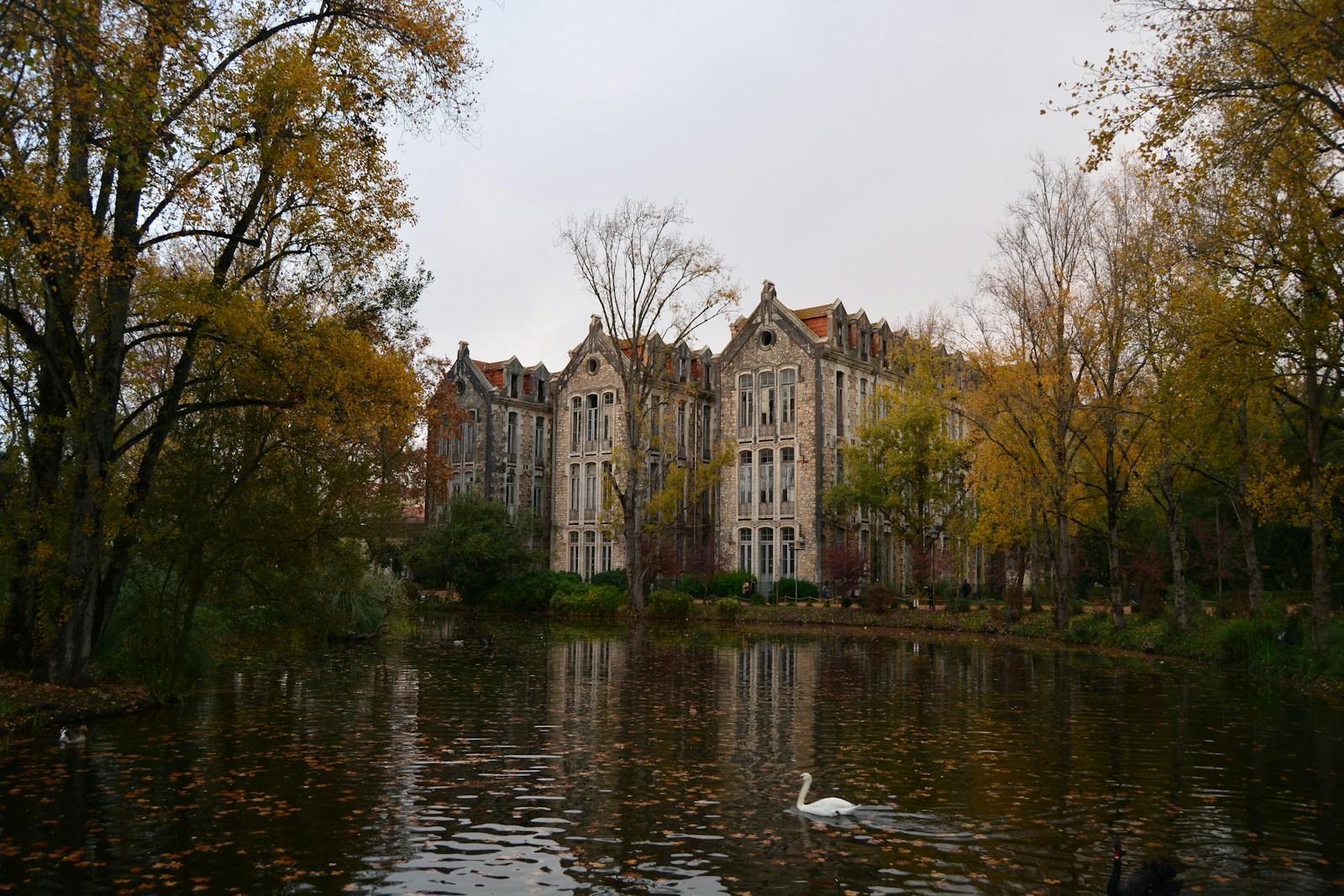
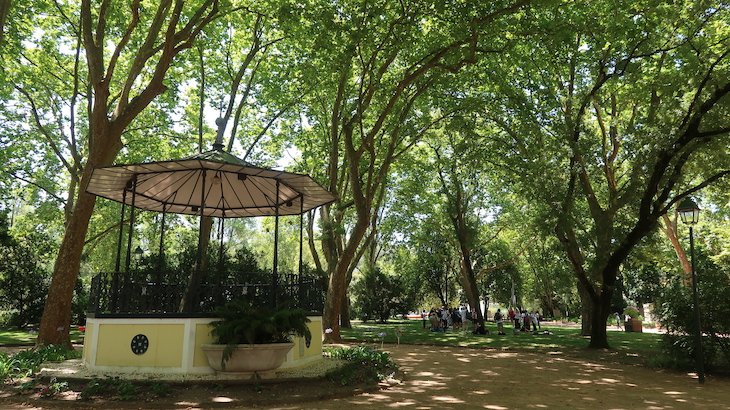
From the square, it’s a short stroll into Parque Dom Carlos I, the city’s green lung. Opened in 1889, it’s a landscape of wide lawns, shaded avenues, and two lakes where ducks paddle between willows. The air smells faintly of pine and damp earth.
Locals walk dogs here, children feed the swans, and couples sit reading on benches. In spring, the flower beds explode with colour; in autumn, the trees turn amber and gold.
Tucked inside the park is the Museu José Malhoa, dedicated to Portugal’s leading realist painter. The building, with its tile-clad facade and central dome, is as beautiful as the art it houses. Inside, Malhoa’s works sit alongside pieces by other Portuguese artists, offering a glimpse into the late 19th and early 20th centuries through paint.
The Artistic Soul — Bordallo Pinheiro and Beyond
Caldas da Rainha’s personality is as much about art as it is about healing waters.
Rafael Bordallo Pinheiro, the famed 19th-century ceramicist and political caricaturist, made his home here, and his playful, nature-inspired creations still shape the city’s visual identity.
Visit the Fábrica Bordallo Pinheiro, where cabbages, sardines, and swallows are reimagined in glossy ceramics. You’ll find shop displays full of lifelike fish platters, vine-leaf serving dishes, and the iconic ceramic swallows that flutter across Portuguese homes.
But art here isn’t confined to museums or factories. Wander the streets and you’ll stumble upon contemporary murals, ceramic sculptures on roundabouts, and unexpected bursts of colour — a cabbage the size of a small car, a wall of azulejos with comic scenes, a street installation that blends humour with craftsmanship.
What to See and Do — The Essentials
If you’re short on time, here’s a curated list of what not to miss:

1. Praça da Fruta
Daily market (morning only). Best for fresh produce, local cheese, bread, and a slice of city life.
2. Parque Dom Carlos I
Stroll the paths, rent a small rowboat on the lake in summer, and visit the Museu José Malhoa.
3. Hospital Termal / Termas da Rainha Dona Leonor
Historic thermal baths. Guided visits sometimes available; otherwise, admire the exterior and peek inside.
4. Museu da Cerâmica
Located in a charming 19th-century manor house, it displays Portuguese ceramics from the 17th century to the present, including Bordallo Pinheiro’s work.
5. Fábrica Bordallo Pinheiro
Tour the factory shop for ceramics — from classic to quirky—and maybe take home a cabbage salad bowl.
6. Igreja de Nossa Senhora do Pópulo
Built by Queen Leonor, this Gothic church features striking tile work and an intimate atmosphere.
7. Centro Cultural e de Congressos
Check what’s on—from concerts to theatre, this is the city’s main performance space.
8. Street Art Trail
Caldas embraces public art — keep your camera ready for murals, sculptures, and installations scattered across the city.
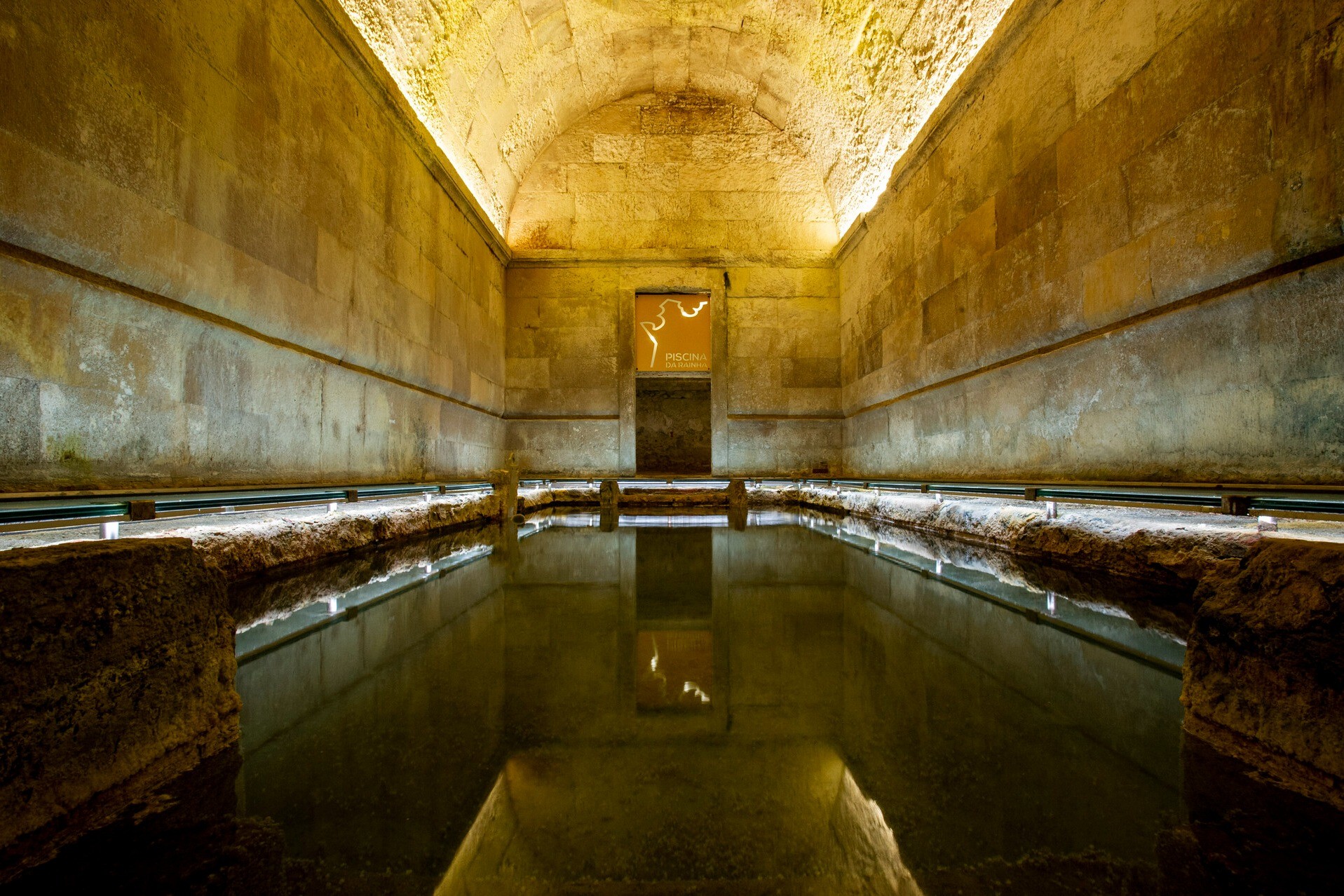
9. Caldas da Rainha Hot Springs
For the full experience, book a spa treatment using the mineral-rich waters. Options range from thermal baths to modern hydrotherapy.
10. Day Trips from Caldas
-
Óbidos – A perfectly preserved medieval town, just 10 minutes by car.
-
Foz do Arelho – A stunning lagoon-meets-ocean beach, 15 minutes away.
-
São Martinho do Porto – Horseshoe-shaped bay, calm waters, ideal for swimming.
Eating and Drinking in Caldas
Caldas doesn’t put on a tourist show — it feeds you the way it feeds itself. You’ll find family-run tascas with menus that change daily, pastelarias with glass cases of golden pastries, and more than a few spots for a well-poured glass of vinho verde.
What to try:
-
Cavacas – The city’s signature pastry: crisp, light, and glazed.
-
Pastéis de Feijão – Sweet bean tarts, richer than they sound.
-
Fresh fish – Especially dourada or robalo, grilled and served with potatoes and greens.
-
Amêijoas à Bulhão Pato – Clams in garlic, olive oil, and coriander.
Recommended spots:
-
Solar dos Amigos – A few kilometres out of town, famous for generous portions and traditional Portuguese flavours.
-
Sabores d’Italia – If you’re craving Italian, this is a favourite among locals.
-
Maria dos Cacos – A cosy spot for coffee and pastries.
Afternoon Wandering — The Joy of Slow Travel Here
After lunch, Caldas is best explored with no fixed plan. Slip into side streets lined with blue-and-white azulejos, pop into artisan shops, and watch locals playing cards in the shade. You might find a small gallery exhibiting local artists or a doorway leading to a hidden courtyard.
The city’s scale means you can take your time — nothing is far, and each turn has the potential for something unexpected.
When to Visit
Caldas da Rainha works year-round, but each season has its charm:
-
Spring – Mild weather, blooming parks, market stalls full of strawberries.
-
Summer – Bustling, especially with nearby beaches just minutes away.
-
Autumn – Rich harvest produce, golden leaves in the park.
-
Winter – Quieter, atmospheric, and perfect for spa treatments.
Final Thoughts — Why Caldas Stays With You
Caldas da Rainha is not a city you “do” in a checklist sense. It’s a place that invites you to slow down, wander without aim, and notice the details — the curve of a balcony railing, the way light hits the market square at 10 am, and the playful tilt of a ceramic sardine in a shop window.
It’s the mix of the tangible — healing waters, markets, museums — with the intangible — the rhythm of daily life, the creativity baked into its streets — that makes Caldas linger in your mind long after you leave.
I came for the history. I left with a bag of ceramics, a pocket full of market figs, and the kind of quiet contentment you can only get from a place that knows exactly who it is.