A Fortress at the Edge of Portugal
At the northernmost edge of Portugal, where the River Minho carves a natural border with Galicia, rises Castelo de Melgaço. For nearly nine centuries, this fortress has watched over invasions, smuggling routes, and trade along the frontier. Today, it’s a peaceful guardian of history—part lookout tower, part museum, and part-time machine into Portugal’s medieval soul.
“Here, at the edge of Portugal, stone walls tell stories of kings, wars, and the stubborn will to endure.”
A Brief History
- Founded in 1170 by King Afonso Henriques, Portugal’s first king, the castle was one of the earliest strongholds constructed to defend the new kingdom.
- By 1183, Melgaço had received a royal charter, encouraging settlers to establish a community beneath its walls.
- Over centuries, the castle expanded and adapted—especially during the 17th century, when new bastions were added to withstand cannon fire.
- Declared a National Monument in 1910, it has since been preserved as one of Portugal’s iconic frontier castles.

Architecture That Stands Out
Unlike most Portuguese castles, Melgaço’s design is circular, enclosing the town’s heart in thick granite walls. Key highlights include:
- Keep Tower (Torre de Menagem): A square-plan, three-story tower that dominates the site. Once a military lookout, today it houses a small museum.
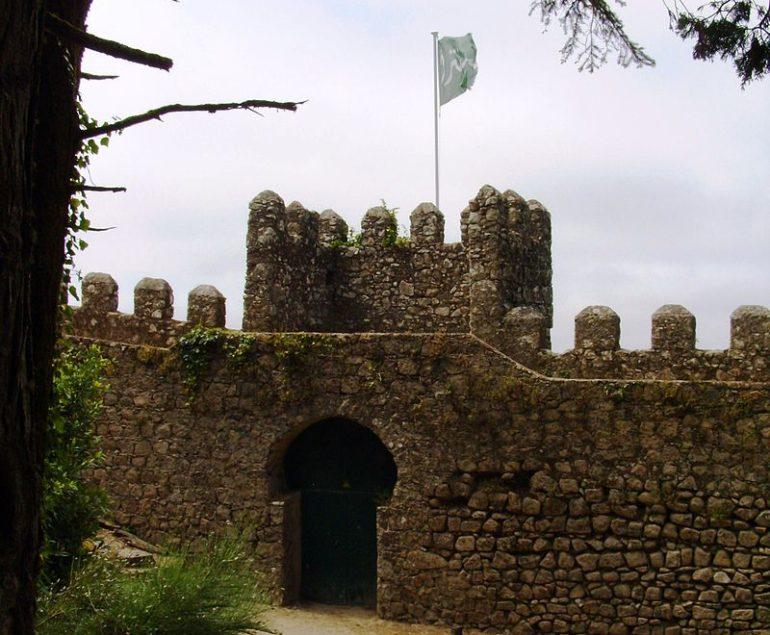
- Prismatic Merlons: Distinct battlements crown the walls, a hallmark of medieval defense.
- Hidden Gates: The west gate opens grandly onto the town, while a smaller northern “betrayal gate” once allowed secret movement in or out.
- Barbican Remains: The outer defensive wall still hints at the castle’s layered protection.
Climb the tower, and you’ll be rewarded with panoramic views over the River Minho and across the hills of Galicia.
What to See Inside
The castle isn’t a vast ruin; it’s compact, evocative, and atmospheric. Inside, you’ll find:
- Archaeological Exhibits—From medieval tools to fragments of daily life unearthed nearby.
- Documentary Film—A short feature on the convents and defensive role of Alto Minho.
- Town Views—Stone houses, narrow lanes, and the red-tiled roofs of Melgaço spread out below.
- Castle Grounds—Benches, gardens, and little corners perfect for pausing and imagining the centuries that passed here.
How to Visit
- Location: Vila and Roussas parish, Melgaço, Viana do Castelo district.
- Opening Hours: Typically open daily, with seasonal variations (check locally at the tourism office).
- Tickets: Entry to the grounds is often free; a small fee may apply for the museum tower.
- Best Time to Go: Late afternoon, when golden light softens the granite walls and the River Minho glimmers below.
Getting There
- By Car: The easiest route is from Viana do Castelo (a 1h20 drive) or Porto (just over 2 hours).
- By Public Transport: Buses connect Melgaço to regional hubs like Monção and Valença, though frequency is limited.
- By Bike/On Foot: The surrounding Minho region is popular for cycling and hiking, especially along the EcoVia do Rio Minho, a scenic path following the river.
Nearby Attractions
Turn a castle visit into a full day in Melgaço:
- Alvarinho Wine Tasting—Melgaço is part of the Alvarinho wine route; stop by local producers for wine tastings.
- Solar do Alvarinho—a wine museum inside a noble 17th-century house in the town center.
- Termas de Melgaço—Thermal spa waters, known since Roman times, are set in a lush valley nearby.
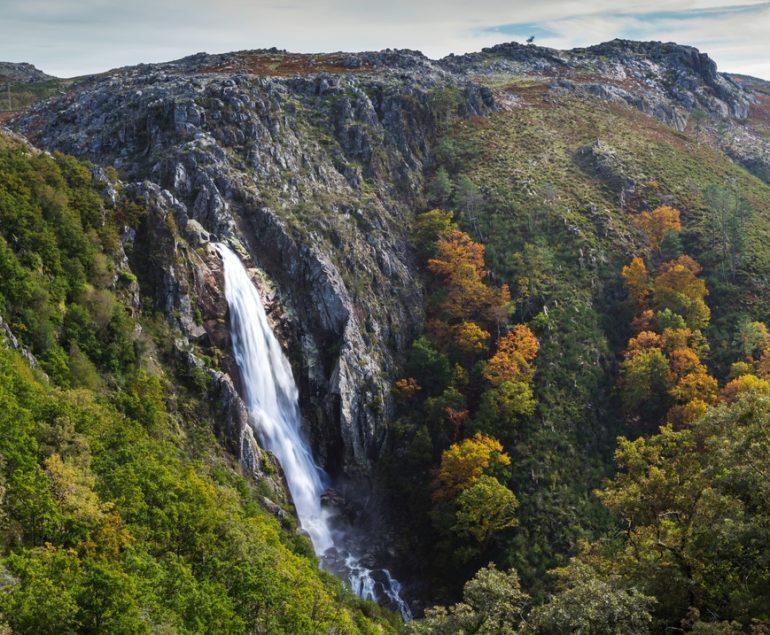
- Peneda-Gerês National Park – Just a short drive away, this wilderness offers waterfalls, granite villages, and hiking trails.
“In Melgaço, history pairs beautifully with Alvarinho wine, mountain air, and the gentle flow of the Minho.”
Tips for Travellers
- Wear comfortable shoes—the cobbled streets and castle steps can be steep.
- Pair your visit with a wine tour, as many cellars are within a 10-minute drive.
- If you’re into photography, the sunset from the keep is unbeatable.
- Plan at least half a day: stroll the town, linger at a café, and climb the walls without rushing.
Why go?
The Castle of Melgaço is not the largest or most imposing fortress in Portugal, but it’s one of the most atmospheric. Its frontier spirit, unique circular design, and setting on the edge of Portugal make it unforgettable. A castle that tells a story—of a country finding its borders, of kings who dreamed of permanence, and of a land where culture and history connect the landscape.