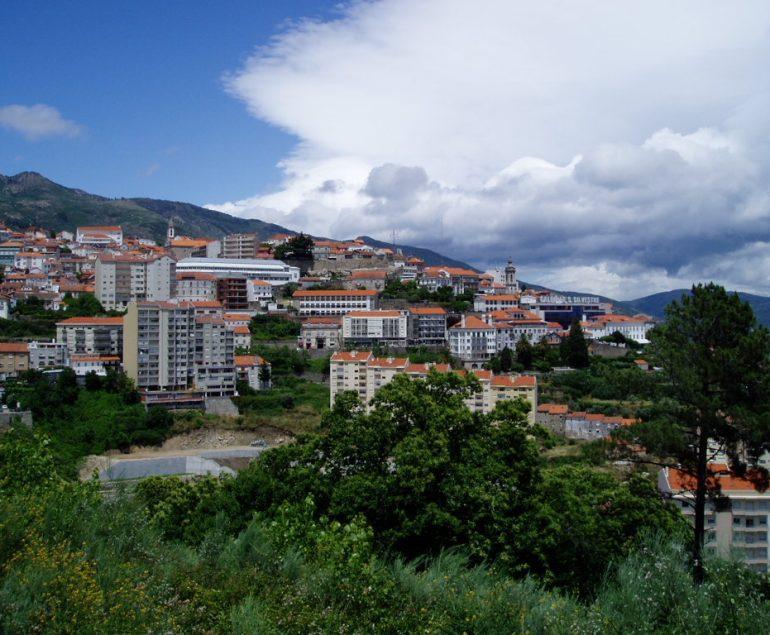
Nestled above the small town of Sertã in the district of Castelo Branco, the Castelo da Sertã stands as a modest but compelling piece of Portugal’s layered past. Though its scale may not match some of the grander fortresses, what it lacks in size it more than makes up for in tangible atmosphere and story.
A Brief History
What this castle really means is a snapshot of shifting epochs. Here’s a breakdown:
- Archaeological evidence shows occupation of the site around the 10th-11th centuries, likely under Moorish influence.
- In 1165, the first Portuguese king, Afonso Henriques, donated the site and its domains to the Order of the Templars.
- Over time it passed to other knightly/military orders (Hospitallers, Malta, Crato).
- A local legend says the name “Sertã” originates from a woman named Celinda who hurled a frying-pan of boiling oil from the battlements of invading Romans. The Portuguese word sertã means “frying-pan”.
- Excavations in the 1990s found remnants of a barn, chapel, pavement from the 15th/16th centuries and Arab-era ceramics inside the castle perimeter.

What to See & Why It Matters
When you visit, here are the points that stand out:
- The vantage: Because the castle sits above the town, you get sweeping views of Sertã and the surrounding forested valleys. It connects you to the landscape in a quiet way.
- Ruined charm: The walls and towers are partly in ruins, which gives them a romantic aura rather than a pristine fortress feel. Many visitors appreciate this authenticity.
- Historical layers: Walking around you’re literally on top of eras—Moorish occupation, Templar hands, later Christian reconquest. That layering enriches the place.
- Legend and local culture: The frying-pan story isn’t just quirky—it gives the place local identity, and when you stand by the wall you can almost feel the mythic moment.
- Quiet atmosphere: Unlike the big tourist forts, this castle offers a more peaceful, intimate experience—suitable for slow travel, reflection, and the “lesser-visited” side of Portugal.

Practical Tips for Visiting
- Access: The castle is in the town of Sertã (postal code 6100-732) and located at coordinates approximately 39.8049°N, -8.0988°E.
- Time of day: Going early in the morning or just before sunset gives gentle light and fewer people—ideal for photography or sitting quietly on a wall.
- Combine with nature: Sertã lies in a lush region with rivers and forest, so build in some time for a stroll or a riverside pause after the castle.
- What to bring: Good walking shoes (the terrain inside may be uneven), maybe a water bottle, and expect minimal visitor infrastructure (it’s less “tourist-factory”, more discovery).
- Mind the weather: In this part of Portugal the seasons shift nicely but evenings can cool—pack a light jacket if you’re going outside summer.
- Local flavour: After your visit, linger in the town, sample a local café, absorb the slower pace. The castle gives you context; the town gives texture.
For the Reflective Traveler
Since you’re crafting for the reflective-traveler audience of Let Us Discover, here’s how the castle fits emotionally:
Standing on those ancient stones, you’re invited to think about time’s passage, human resilience, small acts of defiance (hello Celinda), and our connection to place. It’s ideal for someone in a life-transition phase—wandering, reflecting, closing a chapter. Sitting on the battlement, looking out at forests and river valleys, you can feel grounded and expansive at once.
Recommendation & Narrative Hook
If I were to boil it down: Visit the Castelo da Sertã because it offers more than a photo-op. It offers space. Space for reflection, myth, place-memory. It’s modest rather than monumental, which in its way makes it more accessible, more human. For couples or solo travellers wanting a meaningful stop away from the crowds, this works beautifully. Anchor your visit with a moment of silence atop the wall, a journal entry inspired by the story of the frying-pan, a coffee in the town square afterwards.