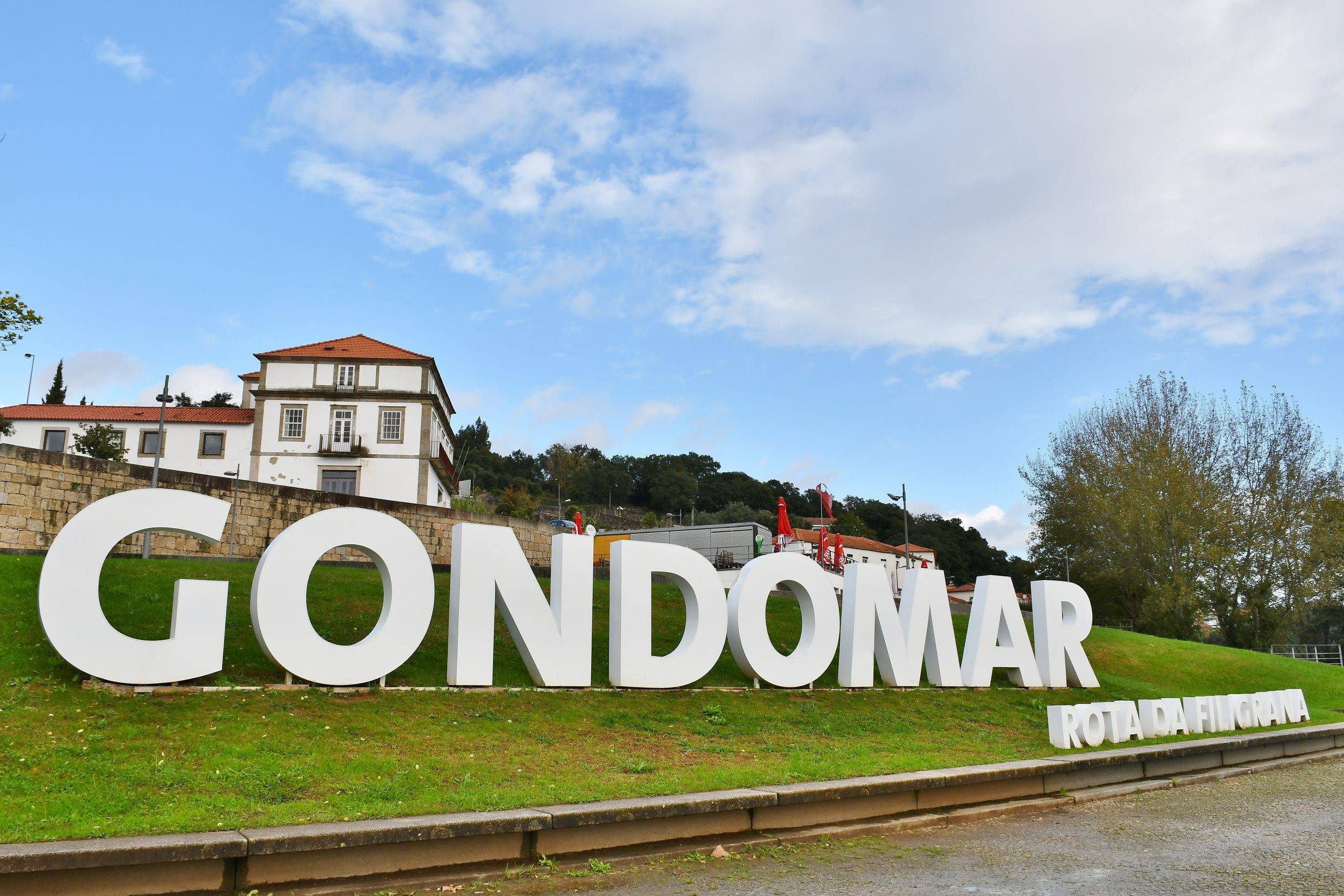
Gold, river light, and a quieter rhythm just outside Porto
Some places don’t shout for attention. They wait. Gondomar is one of those places.
Tucked along the Douro River, just east of Porto, Gondomar lives in the soft overlap between city and countryside. It’s close enough to feel connected, far enough to breathe. Known for its centuries-old gold filigree craftsmanship, riverfront calm, and deeply local way of life, Gondomar is not a headline destination. That’s exactly why it works.
This is a place for people who like texture over spectacle. Daily rituals over bucket lists. A coffee taken slowly. A river watched without urgency.
Let’s break it down.
Where is Gondomar?
Gondomar is a municipality in northern Portugal, part of the Porto Metropolitan Area, located on the right bank of the Douro River.
Geographically, it sits just 7–10 km from central Porto, bordering the city to the east. You can be in Porto’s historic Ribeira in under 20 minutes, yet Gondomar feels distinctly its own.
It’s made up of several parishes, including São Cosme, Valbom, Rio Tinto, Baguim do Monte, and Fânzeres. Each has a slightly different character, but all share the same undercurrent: local life comes first here.
Gondomar doesn’t compete with Porto. It complements it.
A brief sense of history
Gondomar’s story is inseparable from two things: the Douro and gold.
The river shaped trade, transport, and livelihoods for centuries. Long before highways and metro lines, the Douro was the main artery connecting inland Portugal to the Atlantic. Small boatyards, river commerce, and working-class neighborhoods grew along its banks.
Gold, however, gave Gondomar its identity.
Since at least the 18th century, the area has been Portugal’s heartland for filigrana, an intricate form of gold filigree jewelry made from impossibly fine threads of precious metal. This wasn’t decorative excess for royalty. It was symbolic jewelry for everyday people: hearts, crosses, earrings worn at festivals and weddings.
Even today, Gondomar is widely regarded as the national capital of Portuguese filigree.
The art of filigree: Gondomar’s quiet pride
Walk through parts of São Cosme or Valbom and you’ll still find small workshops where filigree is made the old way. No glass façades. No curated storytelling. Just benches, tools, and hands that know what they’re doing.
The Filigree Heart of Viana, often associated with northern Portugal more broadly, owes much of its refinement to Gondomar’s artisans.
There’s also the Museu da Filigrana, which anchors this tradition in a contemporary cultural space, offering exhibitions, demonstrations, and context for visitors who want to understand why this craft matters.
In Gondomar, gold isn’t about luxury. It’s about inheritance.
Life by the Douro
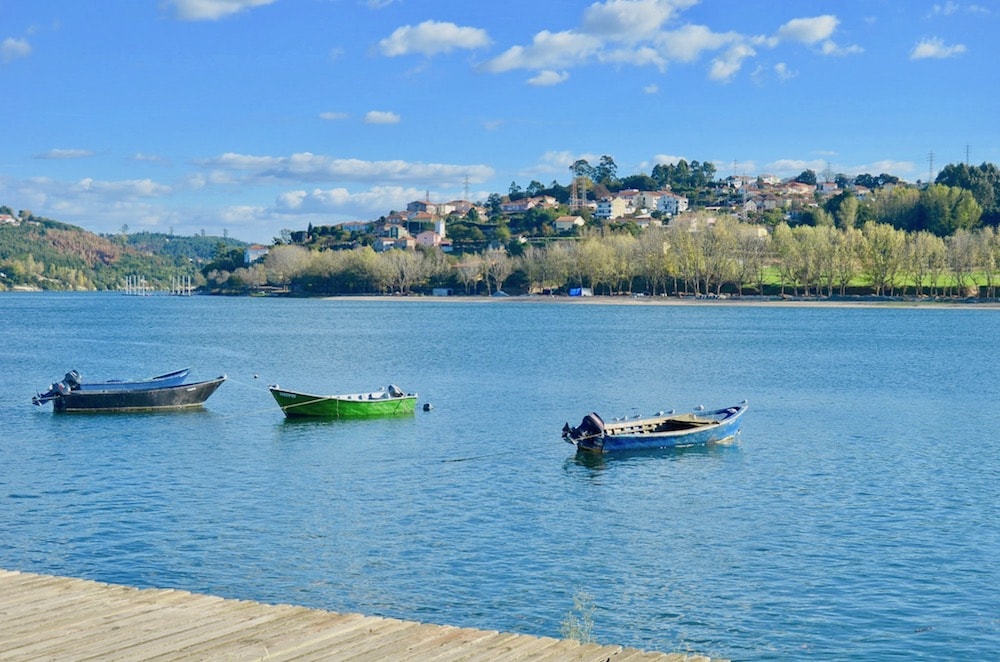
The river is Gondomar’s emotional center.
Riverside paths stretch through Valbom and other parishes, offering long, flat walks ideal for cycling, running, or doing very little at all. Fishermen still appear early in the morning. Families gather in the evenings. The light here is slower than in Porto. Softer.
You’ll see rowing clubs, small docks, and cafés that exist mainly for locals. No rush to impress. No need.
This stretch of the Douro feels lived-in rather than staged.
What Gondomar is like to visit
This is not a city of must-see lists. Gondomar rewards presence.
A typical day might look like this:
-
Morning coffee at a neighborhood pastelaria
-
A walk along the river in Valbom
-
Lunch at a family-run tasca with no English menu
-
A visit to a filigree shop or small museum
-
Late afternoon vinho verde by the water
-
Dinner that starts late and ends slowly
If you’re looking for nightlife, you’ll go into Porto. If you’re looking for grounding, you’ll stay.
Gondomar is where Porto exhales.

Facilities and infrastructure
Despite its low-key feel, Gondomar is extremely functional. This is a place people live full-time, not a museum town.
Transport
-
Metro connections via nearby Rio Tinto and Baguim do Monte
-
Regular buses into Porto and surrounding municipalities
-
Easy access to major roads including the A43 and A4
-
Porto Airport is about 20–25 minutes away by car
Healthcare
-
Public health centers across the municipality
-
Proximity to major hospitals in Porto
-
Private clinics, pharmacies, and diagnostic centers widely available
Education
-
Public and private primary and secondary schools
-
Close access to universities and institutes in Porto
-
Music schools and vocational training centers locally
Shopping and services
-
Supermarkets, local markets, bakeries, and butcher shops
-
Shopping centers nearby in Rio Tinto and Porto
-
Banks, post offices, municipal services all easily accessible
Sports and leisure
-
Municipal swimming pools
-
Gyms and fitness studios
-
Football clubs, rowing clubs, cycling routes
-
Green spaces and riverside recreation areas
In short: Gondomar is quietly well-equipped.

Food culture: simple, honest, satisfying
You won’t find experimental dining here. What you will find is food that knows its role.
Expect:
-
Grilled fish, especially sardines and sea bass
-
Slow-cooked meats, stews, and rice dishes
-
Fresh bread, pastries, and strong coffee
-
Local wine poured without ceremony
Restaurants tend to be family-run, serving regulars who don’t need menus explained.
In Gondomar, good food doesn’t announce itself. It just arrives.
Who Gondomar is for
Gondomar suits a very particular kind of traveler or resident.
It’s for:
-
People who want proximity to Porto without living inside it
-
Long-stay visitors who value routine and realism
-
Creatives who need calm more than stimulation
-
Families looking for space and community
-
Travelers tired of curated experiences
It’s not for those chasing highlights. It’s for those building days.
Living in Gondomar
Property prices in Gondomar have traditionally been more accessible than in central Porto, though this is changing as people look outward for livable neighborhoods.
You’ll find:
-
Apartments with river views at more reasonable prices
-
Traditional houses in older parishes
-
New developments near transport hubs
-
A strong sense of neighborhood identity
Daily life here feels Portuguese in a way that hasn’t been overly translated for visitors.
Gondomar vs Porto
Let’s be clear. Gondomar doesn’t replace Porto. It balances it.
Porto is texture, drama, history, and tourism. Gondomar is continuity. School runs. Morning walks. Familiar faces.
Many people live in Gondomar and work in Porto. Many visit Porto and retreat back here to rest.
That relationship is the point.
When to visit
Spring and early autumn are ideal. Warm days, soft evenings, fewer crowds everywhere.
Summer brings local festivals, especially linked to saints’ days and river traditions. These are lively, communal, and very much for residents.
Winter is quiet but atmospheric. River mist, slower meals, deeper conversations.
Final thoughts
Gondomar doesn’t perform. It exists.
It offers a version of northern Portugal that feels intact. Unrushed. Still owned by the people who live there.
If Porto is a story you read, Gondomar is the place you underline quietly and return to later.