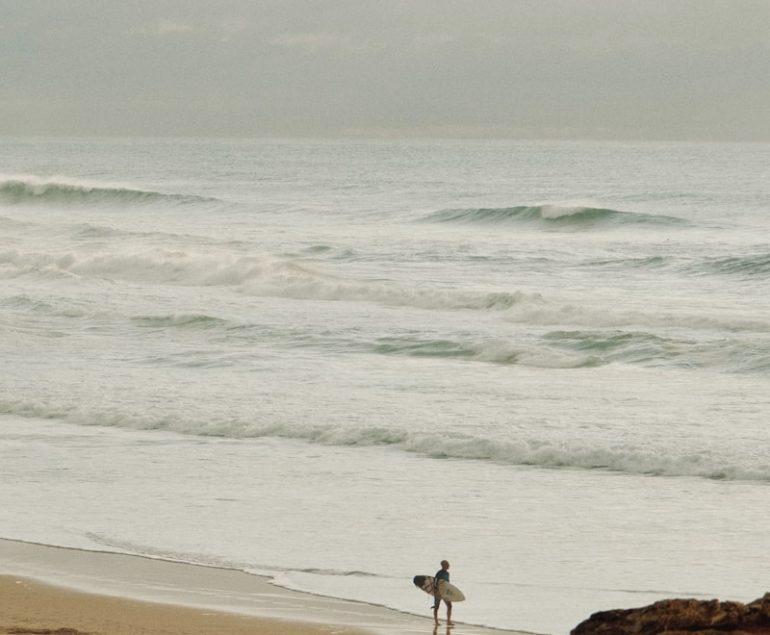
From navigating the maze of tiny alleys in ancient districts to cooling down on the Atlantic coast’s sandy beaches, life in Lisbon is never dull! There are so many sites to visit in Lisbon, from small eateries that enable you to experience Lisbon off the main route to places where you can interact with the locals.

Cacilhas
Although this is technically not in Lisbon, it is definitely worth checking out. Take the commuter boat from Cais do Sodré to Amalda and exchange views of the Tagus river’s southern banks and the Christo Rei monument for a glimpse of the Lisbon cityscape. You’ll disembark at Cacilhas, a seafood lover’s heaven. While this neighbourhood lacks the polished appearance of the city centre, its somewhat weathered style provides insight into an alternate Lisbon. The sheer amount of seafood restaurants that meet you as you get off the boat may be daunting, and they all seem uncomfortably similar, so I’d suggest avoiding the confusion and following the small street that runs down the river to Ponto Final. This no-frills restaurant is one of Lisbon’s best-kept secrets, and the relaxed ambience will entice you to remain indefinitely.
Cais do Sodré to Cascais
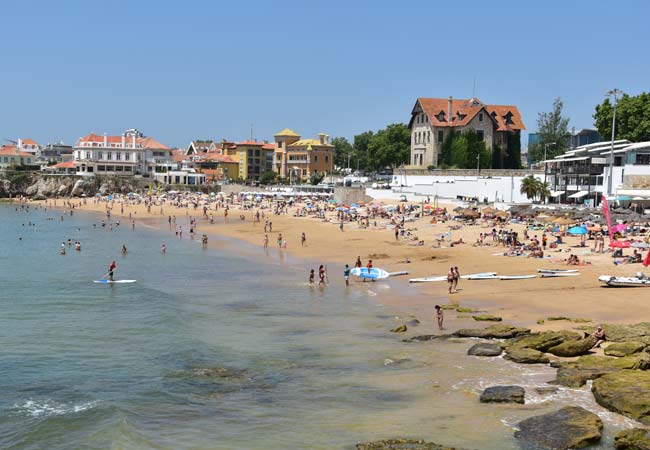
Take the train to Cascais from Cais do Sodré station and choose one of the sun-drenched beaches that border the way out of Lisbon. This ancient fishing town is just a half-hour train ride away and is really one of Lisbon’s hidden treasures, but it is not the only stop along the route. You’re spoilt for choice along this length of the coast, as each station provides gorgeous beaches, clear water, and a few pubs and restaurants, making this the ideal location for a beach day. Praia de Carcavelos and São Pedro are two of the best-kept secrets in Lisbon. Both towns are famous for their surf but are also popular with residents wanting to spend the day soaking up the sun and enjoying drinks and small plates at one of the waterfront bars and cafés.
Os Amigos da Severa
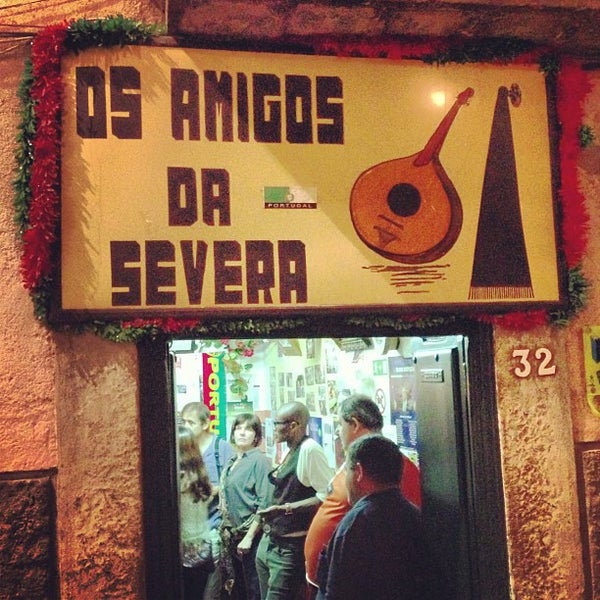
You couldn’t possibly explore Lisbon off the main route without seeing fado at some time – it would be impolite, and even if you did, it would be impossible to avoid it. The finest locations to hear this traditional music, which originated in the city’s medieval district, are in ancient Mouraria or Alfama, but rather than paying a set fee for admission, a drink, and sometimes supper, stop by Amigos da Severa instead.
This is one of Lisbon’s best-kept secrets, a small pub where residents take up their instruments and perform for one another, for themselves, and for anybody else who manages to fit into the bar at the moment. Additionally, this is an excellent location to sample the native cherry liqueur, ginja. There are definitely more renowned places in the city centre to have a drink or two, but for a local atmosphere and handmade liqueur, this pub cannot be beaten.
The history of the establishment can be deduced from the objects that adorn the walls and cover the small counter; from a statue of Our Lady of Fatima to vintage fado posters, record sleeves to football scarves, dried flowers and even a string of garlic – it appears as though little has changed since your grandmother was a girl, but the locals wouldn’t change a thing!

Ribeira das Naus
This route goes away from Lisbon’s central plaza, the Praça do Comércio, and along the river to the railway station. It’s a hidden treasure in Lisbon, where people go on weekends to socialize, sunbathe, and/or play with their children.
There is a small kiosk with deckchairs where you may relax and take in the panoramic views of the river, but if you want to experience life like the locals, buy some beers from a nearby store and sit down on the stone floor that slopes down to the river. Continue going down the seafront when the main road bends to the right and you’ll come to a cluster of pop-up pubs and street food vendors. Locals congregate on the benches in the evenings, sipping mojitos and getting a bite to eat – it’s the ideal place to cool down in the nights.
Chinês Clandestino
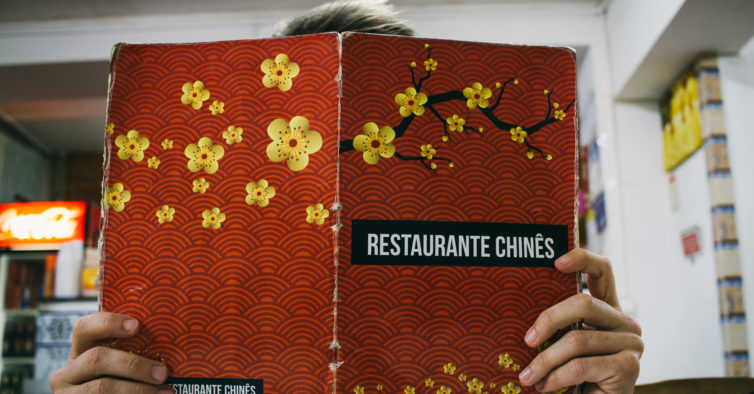
There is another side to Lisbon, although it is unlikely to be included in your guidebook. Mouraria, an older neighbourhood, has seen the emergence of a limited number of ‘illegal’ Chinese eateries near the Martim Moniz metro station.
Locals refer to these establishments as clandestinos; they are basically extensions of someone’s house, with meals prepared in their kitchen and bathrooms identical to those used by the family that lives there. Some owners have transformed their apartments to resemble a restaurant.
Those unfamiliar with these areas would stroll right by them, since the only way to tell them apart from the neighbouring apartments is to look for a red Chinese lantern hanging in the window, or if you’re fortunate enough to get a tip from a local. So, inhale deeply, ring the doorbell, and prepare to sample genuinely authentic Chinese cuisine. While this may seem odd, these restaurants have been ingrained in the fabric of local life in this region, and it’s an experience unlike any other. Two of these hidden gems are located at 59 Rua do Benformosso, but they are also located at Rua do Terreirinho and Beco da Oliveira.

Palace of the Marquesses of Fronteira
The absolutely stunning 17th-century Fronteira Palace is located just outside of Lisbon’s historic centre, away from the crowds. It was constructed in 1640 as a luxurious summer retreat for a nobleman, D. Jaoa Mascarenhas, 1st Marquis of Fronteira. And the present marquis is still living there.
The Room of Battles at the palace is often referred to as “the Sistine Chapel of Tilework.” It portrays events during the Restoration War, which pitted the Portuguese against the Spanish.
The palace’s stunning grotto-like garden, though, steals the show. The garden is influenced by Italy, and it shines with blue tile work. It is regarded as some of the best in Portugal. Greek gods surround azulejo panels representing the liberal arts on the terrace.
Fronteira Palace is one of Lisbon’s best-kept secrets since getting there requires some effort. Its off-centre position also protected it from significant damage during the 1755 Great Earthquake. As a result, it is one of the oldest and most historic attractions in Lisbon.
Visitor Information for the Fronteira Palace:
Address: Largo Sao Domingos de Benifca 1, Lisboa, 1500-554
Hours: Monday through Friday, 9:30 a.m. to 5:00 p.m., Saturday, 9:30 a.m. to 1:00 p.m. Sundays and holidays are closed. The inside of the palace is only accessible in the morning.
Getting there: A 10-15 minute trip from the heart of Lisbon. Alternatively, you might utilize Uber. You may also stroll from the Metro Station Jardim Zoologico.

Thai Pavilion, Belém, Portugal
This 22-foot-high Thai pavilion, known as “Sala Thai,” was a gift from Thailand to Portugal. It was installed in Belém’s gardens in late 2011, commemorating the 500th anniversary of the Portuguese presence in that Asian nation.
The monument was built in Bangkok and transported to Lisbon along the same path used by Portuguese navigator-diplomat Duarte Fernandes in 1511. The formal opening took place in February 2012, in the presence of Crown Princess Maha Chakri Sirindhorn, confirming Portugal’s diplomatic ties with her country, the longest alliance between a European nation and Thailand. The red and gold building was influenced in part by the Jeronimos Monastery, but it adheres to Thai traditions such as assembly without the use of any metal, nails, or screws, and a roof covered with patterns resembling dragon skin.
The Sala Thai is one of the most unique landmarks in Lisbon since it is one of just four such buildings discovered outside of Thailand.

Capela de São Jerónimo, Lisbon, Portugal
The chapel, which is located on the outskirts of the property belonging to the Hieronymos Friars, was constructed in 1514 by Rodrigues Afonso.
This is a square structure with a modest façade that has Manueline-style architectural elements such as conical pinnacles, gargoyles similar to those seen in the Monastery’s Cloisters, the royal shield, the crown, and armillary spheres. The carved triumphal arch and the ribbed vaults are two more characteristics that define the style of the interior.
Following the abolition of the religious orders in 1834, the grounds were divided into lots, and the chapel was cut off from the rest of the Belém ecclesiastical complex.