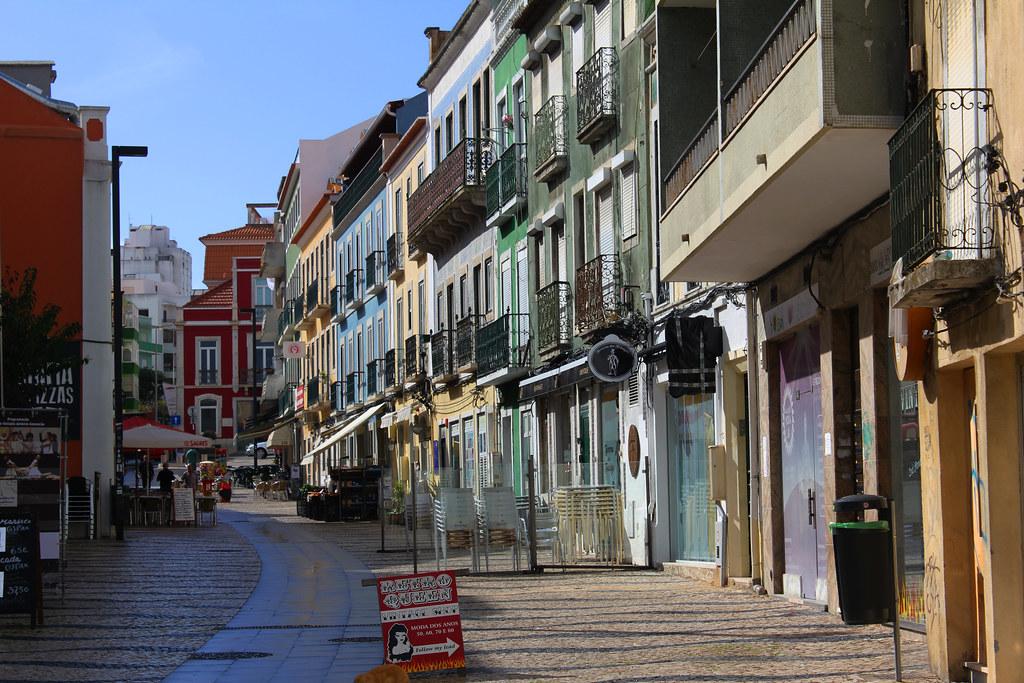
Almada is a captivating city and municipality located on the south bank of the Tagus River, often affectionately referred to as “the other side of the river” from Lisbon. Steeped in over 870 years of history, Almada is a vibrant blend of cultural richness, natural beauty, and historical significance. Its residents exemplify a unique sense of belonging, inspired by the area’s multicultural spirit, creativity, solidarity, and tolerance.
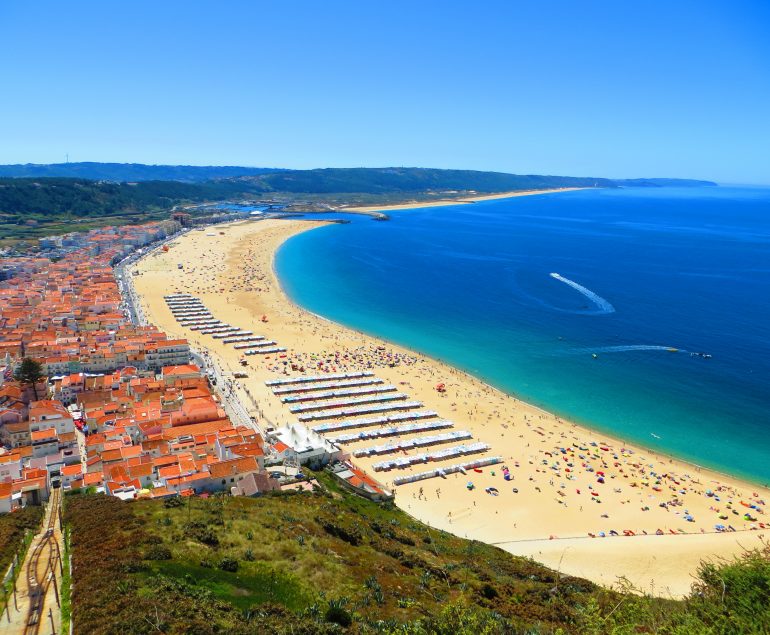
Surrounded by both river and sea, with panoramic views of Lisbon that leave a lasting impression, Almada’s landscape seamlessly merges lush natural scenery with centuries of cultural, artistic, religious, military, industrial, and rural heritage. Its coast boasts more than 13 kilometres of pristine white sand beaches, many set within protected natural environments—making them a year-round attraction for beach lovers and surf enthusiasts alike.
From fresh fish grilled over charcoal (carvoadas) to hearty stews and a tempting variety of pastries, Almada’s gastronomy is a journey in itself, ranging from traditional Portuguese recipes to inventive contemporary cuisine.
Historic Significance
Almada has been inhabited since the late Neolithic period, around 5000 years ago. Archaeological findings suggest it was home to nomadic tribes before becoming a strategic settlement during the Islamic period, when Muslims built a defensive fort to safeguard the mouth of the Tagus River.
Over the centuries, Almada became a prosperous trading post for Phoenicians, Romans, and Moors. In 1147, it was captured by the forces of King Afonso I of Portugal with the aid of English Crusaders. The king’s 1170 charter granted protection to the diverse communities—Christians, Moors, and Jews—settling in Lisbon, Almada, Palmela, and Alcácer.
In 1190, Almada was granted its foral (charter) by King Sancho I but faced attacks from Almohad forces under Miramolim Jacub-Abu-Jassuf. The conflict forced many residents to seek refuge, and control over the area shifted several times before returning to Portuguese governance.
The Order of Santiago played a crucial role in repopulating the region, stimulating agriculture, and boosting the local economy.
How to Get to Almada from Lisbon
By Bus
Bus services to Almada are operated by Transportes Sul do Tejo (TST). Routes to the city depart from:
-
Areeiro – Bus 160
-
Cidade Universitária – Bus 176
-
Praça de Espanha – Bus 152
All routes arrive at S. João Baptista Square in central Almada, where connections can be made via the Metro Sul do Tejo for local travel.
By Train
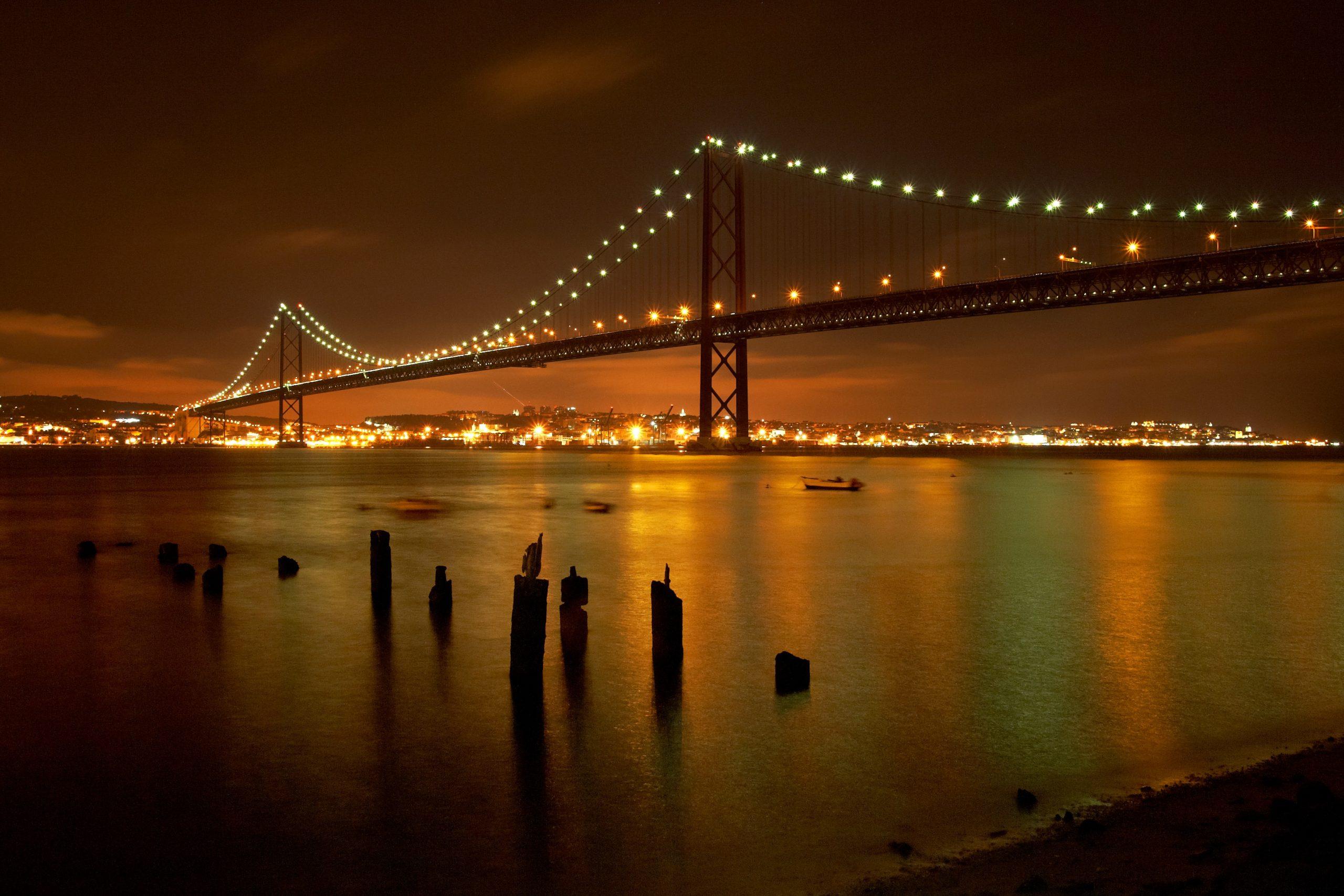
The Fertagus train network links Lisbon to Almada, departing from Roma/Areeiro, Entrecampos, Sete Rios, or Campolide stations toward Pragal. From Pragal, buses connect to various parts of Almada. The train journey offers a dramatic crossing of the 25 de Abril Bridge with sweeping views of the Tagus River.
By Boat
A scenic and efficient option is the ferry between Cais do Sodré in Lisbon and Cacilhas in Almada, operating daily from 5:00 am to 1:20 am.
Travel time is around 20 minutes, with bus and tram connections available from Cacilhas.
By Car
Driving from Lisbon to Almada takes approximately 20 minutes via the A2 freeway or the 25 de Abril Bridge. Taxis and ride-shares are widely available.
Top 10 Things to See and Do in Almada
-
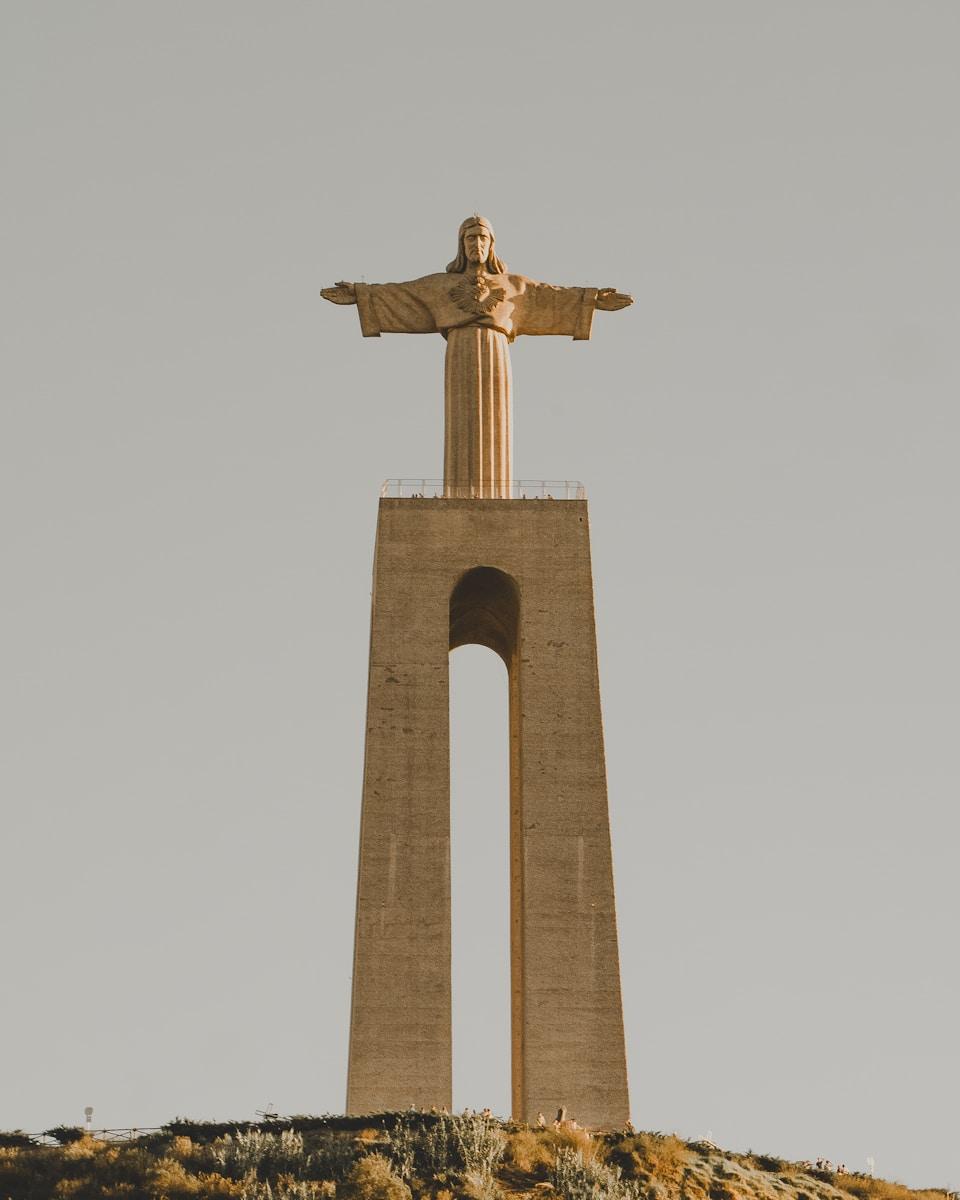
Cristo Rei Statue – Inspired by Rio de Janeiro’s Christ the Redeemer, this towering monument offers panoramic views of Lisbon and the Tagus.
-
Cacilhas – A lively riverside district lined with seafood restaurants and stunning views across the water.
-
Dom Fernando II e Glória – The last wooden frigate of the Portuguese Navy, now a museum ship.
-
Caparica Coast – A 13 km stretch of sandy beaches ideal for surfing, swimming, and sunbathing.
-
Boca do Vento Elevator – A riverside elevator offering spectacular views and easy access between Almada’s upper and lower areas.
-
Casa da Cerca – A cultural center combining art exhibitions with beautiful gardens and Tagus views.
-
Convento dos Capuchos – A centuries-old convent surrounded by lush gardens and forest trails.
-
Almada Forum – One of the region’s largest shopping centers with retail, dining, and entertainment options.
-
Naval Museum – Chronicling Portugal’s rich maritime history.
-
Parque da Paz – A peaceful urban park perfect for walks, picnics, and family outings.