Here’s the thing: there’s a particular kind of quiet magic in the town of Arganil, tucked away in Portugal’s Central region. It doesn’t shout. It whispers. And if you lean in, you’ll hear stories in the rustle of the trees, the glint of the river, and the stone of old bridges still bearing the weight of centuries.
I spent time wandering its streets, absorbing its rhythms, letting the landscape do the talking. I want to take you there, not just as a destination, but as a place that holds memory, possibility, and reflection. All the things we travel for.
A First Impression
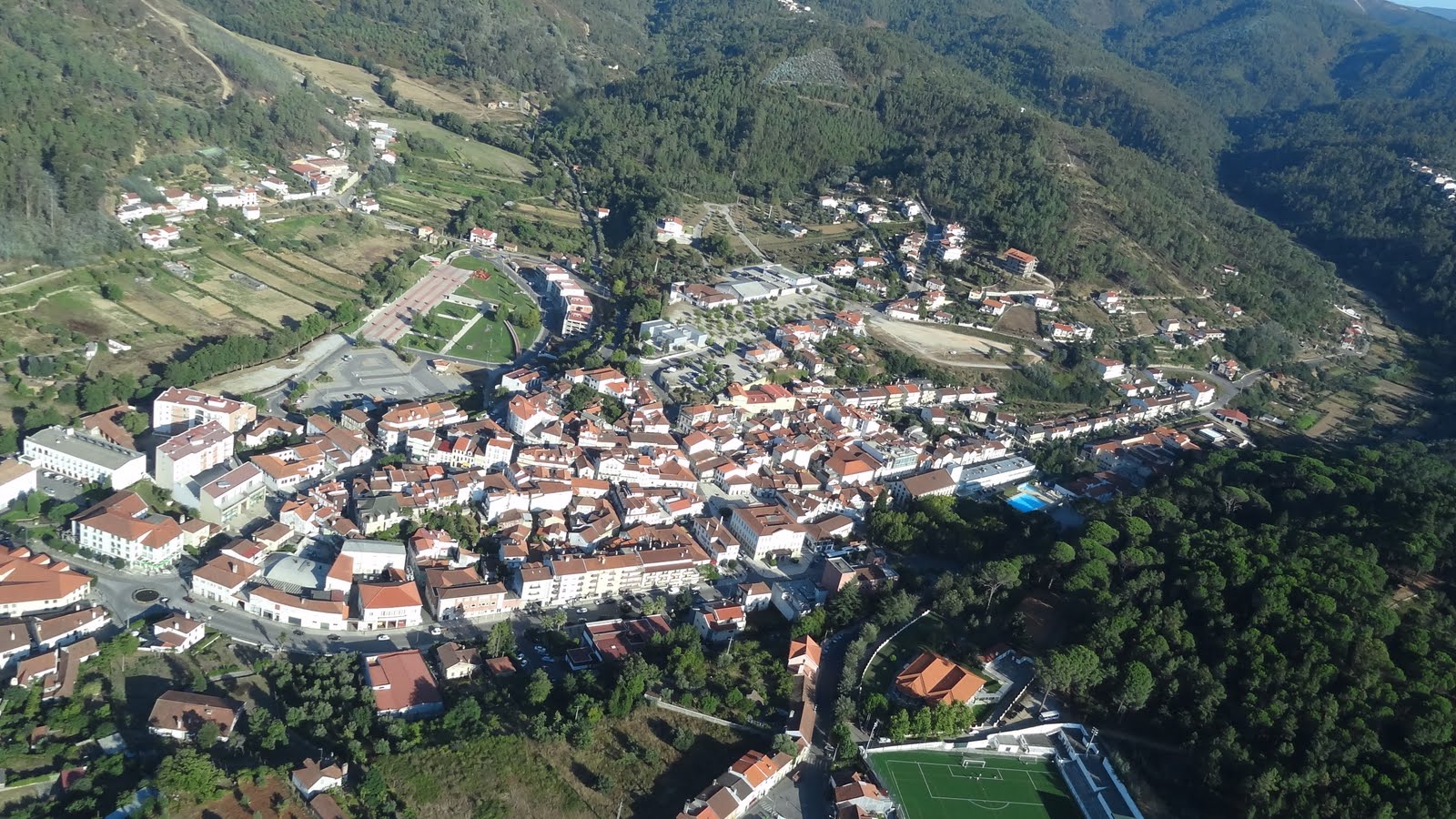
Driving into Arganil, you feel it. The air shifts as forested slopes and tributaries weave through the hills, creating a mellow sense of retreat. The municipality covers about 332 square kilometers and had around 12,000 residents in 2011. You’re no longer in the rush of the coast or a major city. You’re in the folds of central Portugal, in territory that invites slower steps and deeper breaths.
The main parish, also called Arganil, reported around 3,800 residents in 2021 within its 34-square-kilometer area. So when you walk its lanes, you’re passing through the lives of people who are rooted, people who know these hills, these woods, these rivers. That gives everything a sense of authenticity.

A Journey Through Time
Let’s look at the story of Arganil, because part of what makes it compelling is how layered it is.
The name Arganil comes from an old Portuguese word meaning “little field,” a diminutive of agra from Latin agro, meaning field. It gives you a hint of the landscape: cultivated, human-scaled, and intimate.
Archaeological traces show human presence long ago near Lomba do Canho and the Dolmen dos Moinhos de Vento, where remains of Roman installations can still be found.
Over time, it passed through the hands of Romans, Lusitanians, Arabs, the medieval Portuguese monarchy, and the Church. Each left a mark. Even if the records are fragmentary, the sense of continuity remains.
One early document mentions that Queen D. Teresa, mother of King Afonso Henriques, donated the town to the diocese of Coimbra, proof that this place mattered.
And yet, even with all that history, it hasn’t turned into a museum piece. Life still moves here on a modest scale, in connection with nature, balanced between past and future.
Visiting Arganil isn’t about ticking off famous monuments, though there are some. It’s about stepping into a living environment where past and present coexist. It’s about noticing the old bridge, the riverbank, the quiet café, and the woods beyond.
Landscape, Nature, and the Wild Side
For me, the soul of Arganil lives outdoors. The town and its surrounding municipality are blessed with nature: forest slopes, rivers, streams, and hidden corners where water reflects the sky and trees.
Locals often say nature is the main character here. The rivers Alva and Ceira carve through valleys filled with waterfalls and shaded trails. The region is also home to praias fluviais—river beaches—where you can swim in clear, cool water.
Among the highlights is the historic village of Piódão, nestled deep in the Serra do Açor mountains within the Arganil municipality. Its schist houses stacked along narrow lanes feel almost frozen in time.
Then there’s Praia Fluvial do Caneiro de Côja, one of the most beloved spots for a summer afternoon. The river flows lazily, smooth rocks glisten in the sun, and pine trees throw their reflections across the surface.
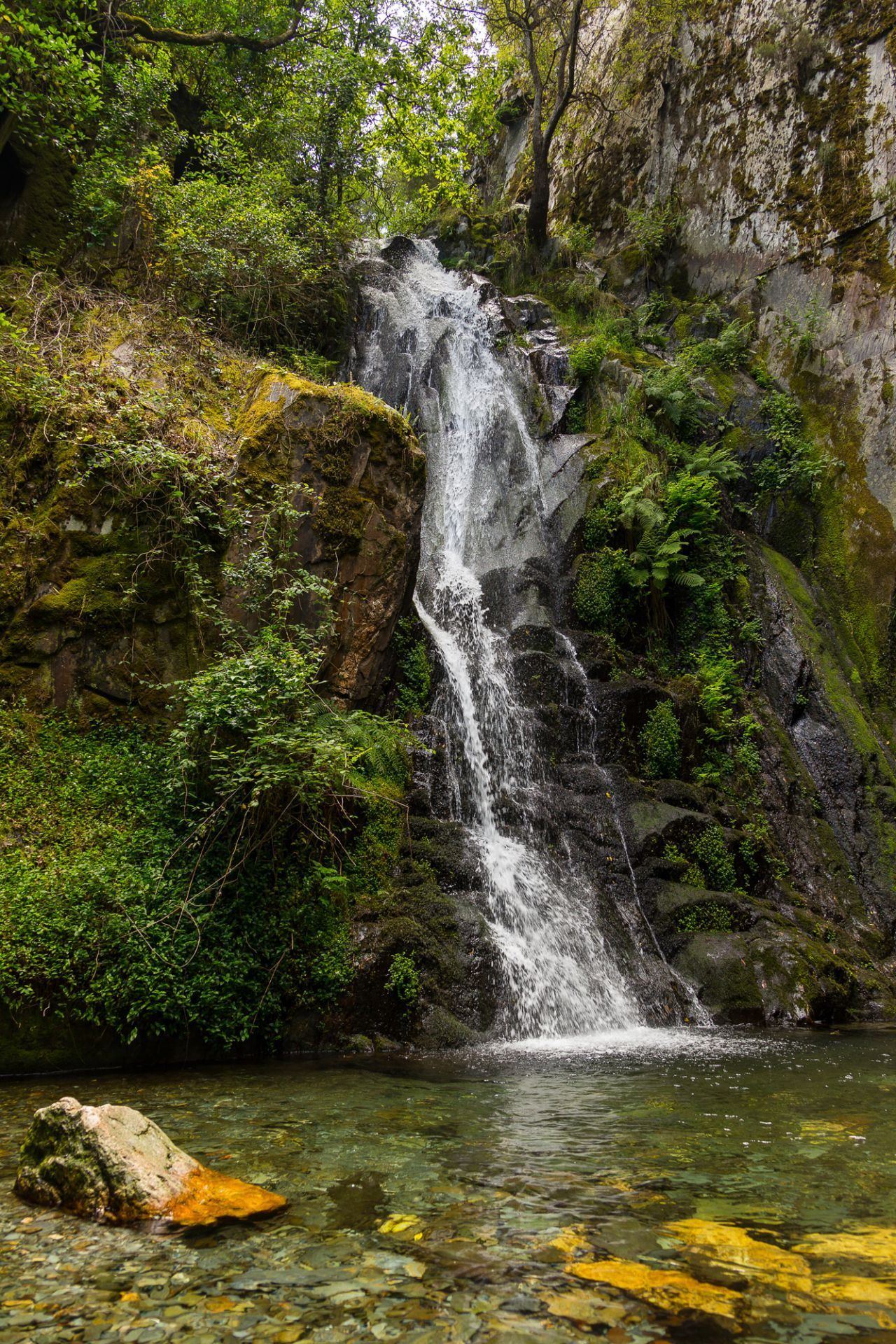
Picture this: you leave the town, climb a little, follow a dirt path, hear the rush of water, and arrive at a natural pool framed by stone and green. That’s Arganil’s promise—wildness, stillness, and a rhythm that asks nothing of you but to stay a while.
The forests matter too. The hills around Arganil belong to protected mountain ranges and natural parks where wildness still feels close. It’s a place of both solace and adventure.

Village Life and Local Rhythms
Walking through Arganil’s town center, you see both continuity and change. Local shops and cafés hum softly through the day. The parish church, the market, and the fairground all feel like they’ve been part of the story forever.
On a broader level, Arganil’s economy leans on agriculture, forestry, small-scale industry, and local commerce. It’s not a town chasing trends; it’s one that sustains itself by staying real.
As a visitor, the best thing you can do is engage with these rhythms instead of rushing through tourist lists. Have your morning coffee in the square. Watch locals talk about politics and weather. Then walk toward the river and pause at the bridge built in 1850, its stone arches catching the afternoon light.
In the evening, the hills return to quiet. The light softens. The woods turn into silhouettes. Birds settle, and the faint sound of the river takes over.
Key Spots to Explore
If you decide to make your way to Arganil, or are simply curious about it, here are a few must-sees.
- Piódão
This historic slate village is one of Portugal’s most picturesque spots. Hidden deep in the mountains, its narrow streets, stone roofs, and tiny windows make it feel like something out of a legend. It’s remote, but worth every curve of the road. - River Beaches and Nature Trails
Take your pick: Praia Fluvial do Caneiro de Côja, the River Alva, or smaller streams tucked in the hills. These are perfect for swimming, picnics, and slow walks through nature. - Arganil Town Center and Heritage
Check out Igreja Paroquial de São Pedro, the Misericórdia Church, and the old Pelourinho (pillory). They’re small but rich in detail, telling centuries of local stories through stone.

Why Go and What It Means
You might ask, am I just visiting another small historic town? The answer is yes and no.
What stands out here is depth over flash, simplicity over spectacle. And for many travelers, especially those seeking connection, quiet, and perspective, that’s gold.
Here’s what visiting Arganil really gives you:
- A chance to step off the beaten path. Arganil isn’t crowded with tourists.
- Nature that feels untouched. Rivers, trails, and forests are raw and alive.
- Space for conversation with the land, the people, and yourself.
- A look into genuine local life, where people still wave at strangers.
- A slower pace that turns a simple morning walk into meditation.
Practical Matters and Local Tips
Because it helps to know how to be there, not just go there.
Getting There and Around
Arganil sits in the Coimbra district, roughly halfway between Lisbon and Porto. Driving is the best way to get there, and once you do, having a car will let you explore nearby villages, rivers, and trails at your own pace.
Where to Stay and Eat
You’ll find charming guesthouses, converted stone cottages, and small hotels, many run by families. Eat where the locals eat. Order hearty stews, fresh bread, and local wine. In town, café culture rules; in the hills, meals come with a view.
What to Pack
- Good walking shoes for forest and river trails
- A light jacket since evenings can turn cool even in summer
- Swimwear if you plan to visit the river beaches
- A camera or your phone because the light here changes everything
- A quiet kind of curiosity—that’s the real key
When to Visit
Spring and early fall are ideal. Everything’s green, the light is gentle, and the air is fresh. Summer is lively and warm, perfect for swimming. Winter brings mist and stillness, turning the hills into something out of a painting.
Be Respectful
Arganil’s charm lies in its authenticity. Stay on marked paths, respect private homes and farms, support local artisans, and leave nature as you found it.
A Moment to Reflect
Here’s where I pause. When we travel, we often chase difference—something exotic or spectacular. But sometimes what we really need is place: somewhere that quiets the mind. Somewhere built for people, not for performance.
Arganil gives you that. It doesn’t ask for anything. It rewards you for being present.
When you’re there, notice how the air feels against your skin. How your steps slow without you realizing it. How the hills and rivers shape your thoughts.
Travel with meaning can be as simple as this—arriving, being, and leaving a little changed.
For Families, Solo Travelers, and the Slow-Travel Kind
If you’re wondering whether Arganil fits your travel style, here’s the truth: it probably does.
Families will love the nature spots, river picnics, and safe, walkable villages.
Solo travelers will find peace, space to think, and places that spark reflection.
Couples can ditch the schedule and rediscover time with quiet breakfasts, mountain drives, and long sunsets.
Outdoor adventurers can hike, cycle, or swim in crystal-clear rivers.
Final Thoughts
When I left Arganil, something lingered. It wasn’t about monuments or fame. It was a feeling: I was here. I slowed down. I listened.
If you’re planning a trip, or even just dreaming of one, consider Arganil. Not to conquer it, but to enter it. Let yourself become part of its landscape for a while. Bring a notebook, or nothing at all. Just bring the willingness to let the hills, the river, and the town teach you something.
Because travel that truly matters isn’t about collecting places. It’s about collecting moments. And Arganil has plenty of those waiting for you.