ChatGPT said:

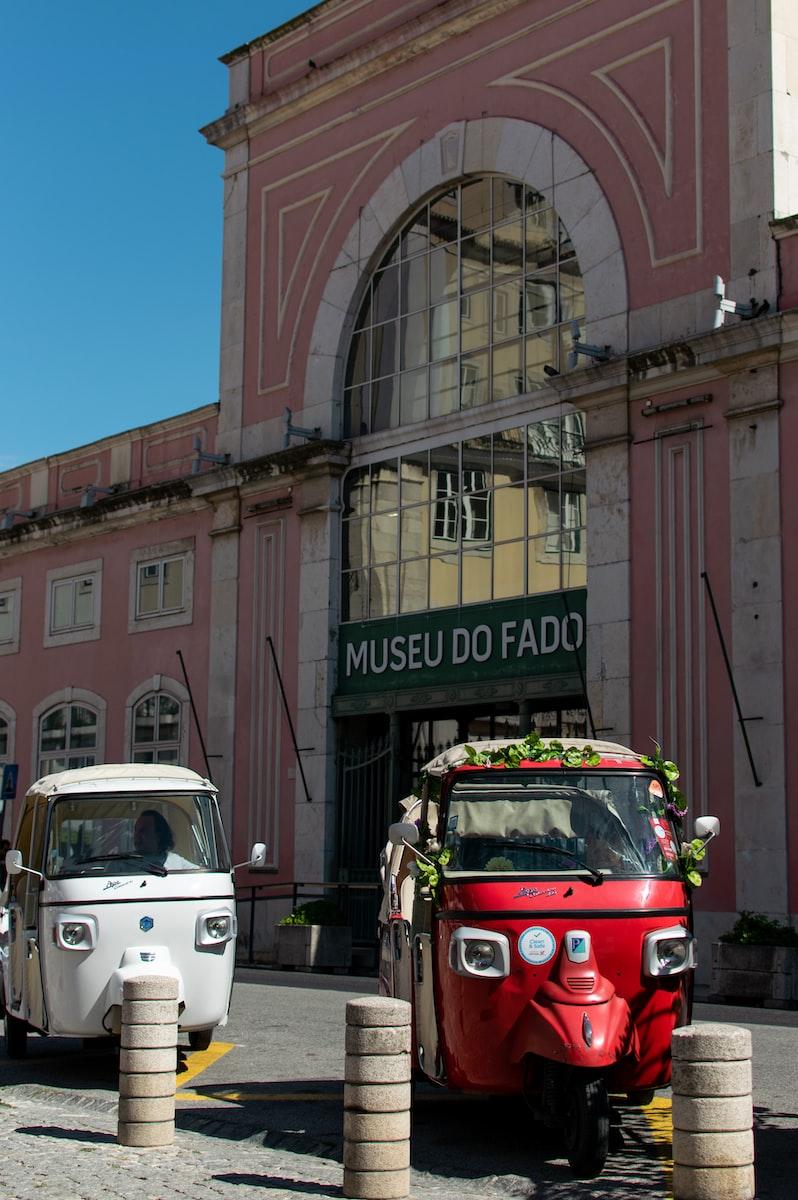
Fado is more than music — it’s Lisbon’s heartbeat. Born in the old quarters of Alfama and Mouraria, this haunting blend of voice and guitar tells stories of love, loss, and longing. Step into candlelit taverns, listen closely, and you’ll hear the city’s soul.
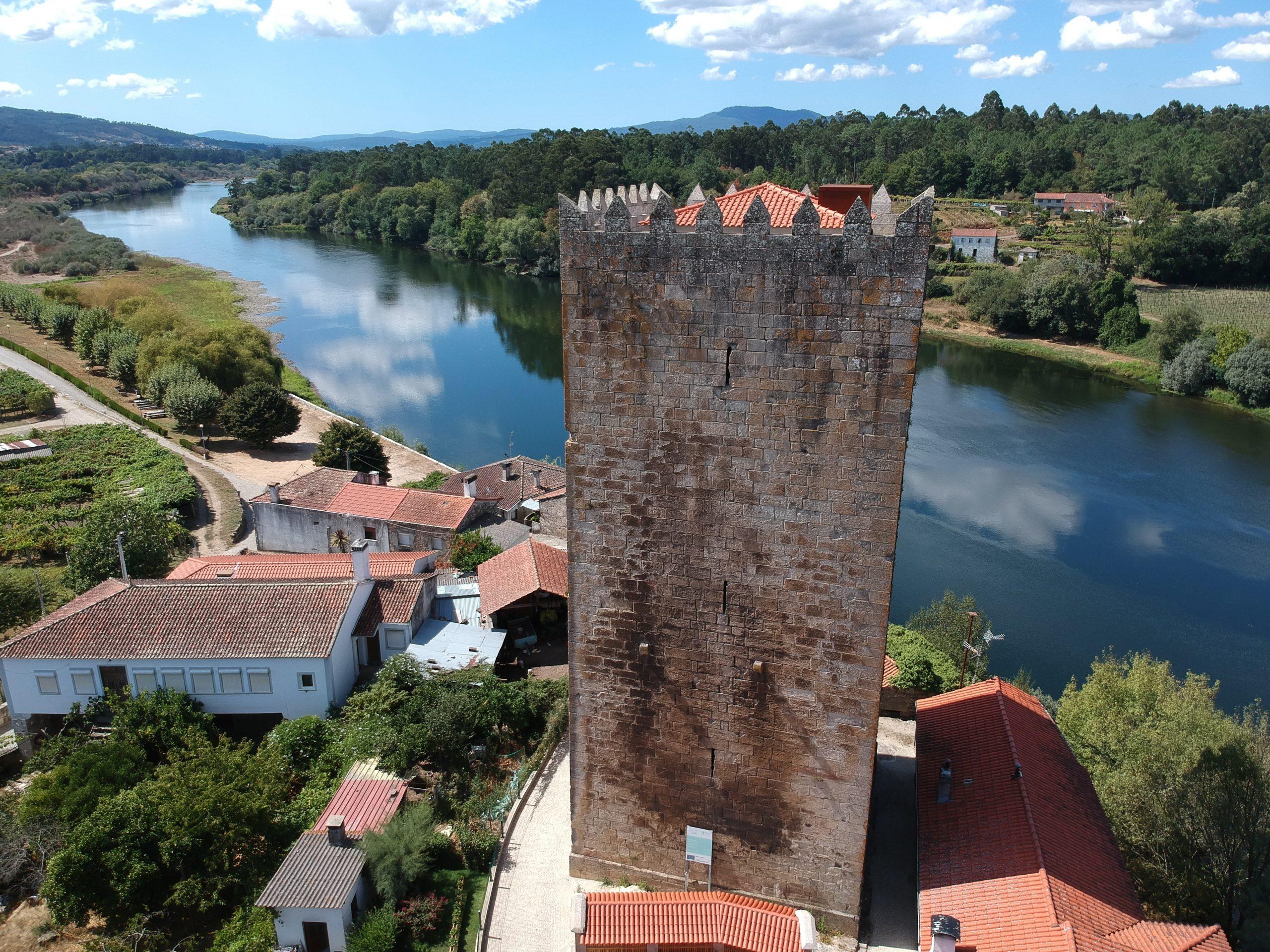
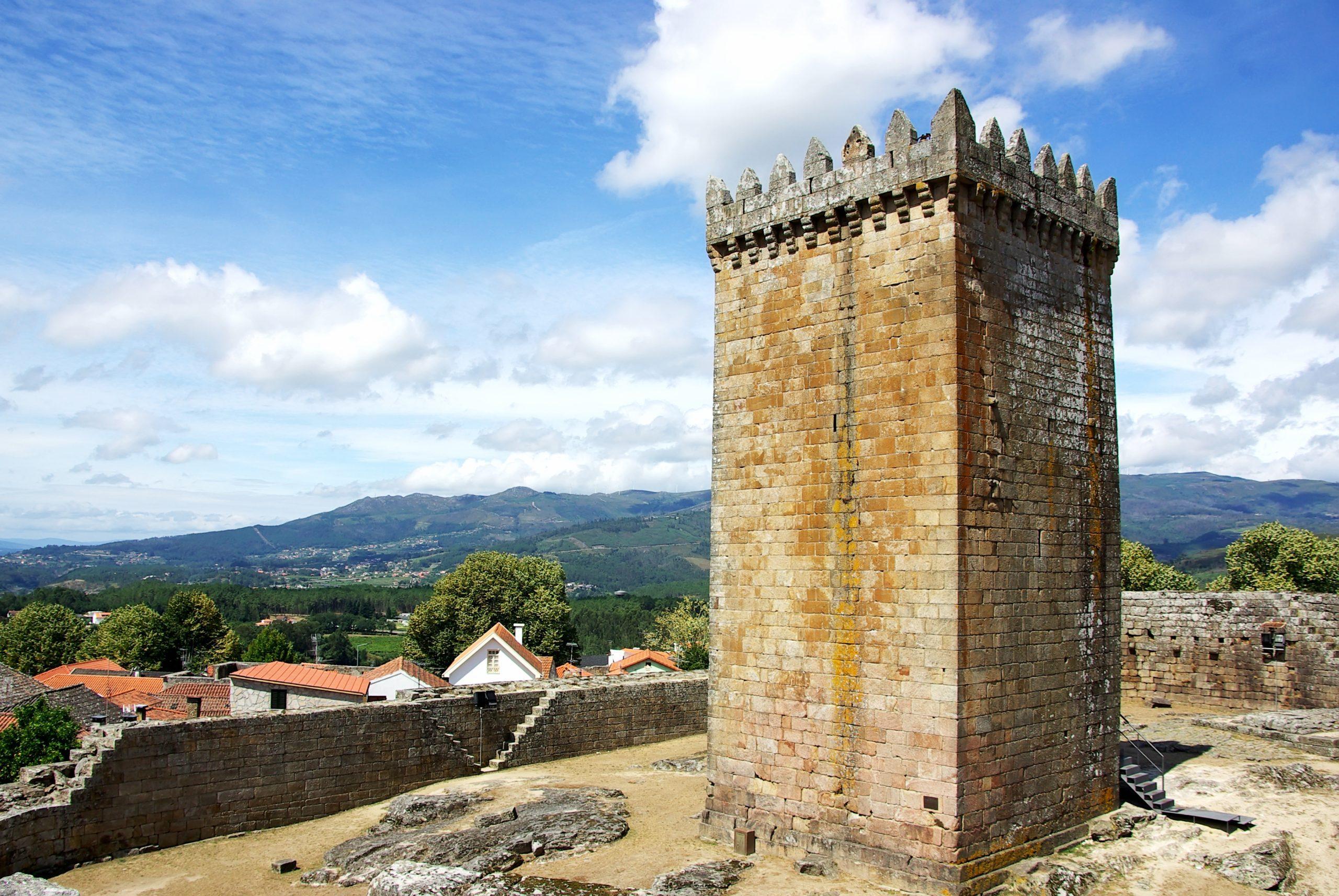
On the edge of Portugal, the Castle of Melgaço rises above the River Minho. This rare circular fortress has guarded the frontier since the 12th century. Today, visitors come for its history, dramatic views, and the chance to pair a castle climb with a glass of crisp Alvarinho wine.

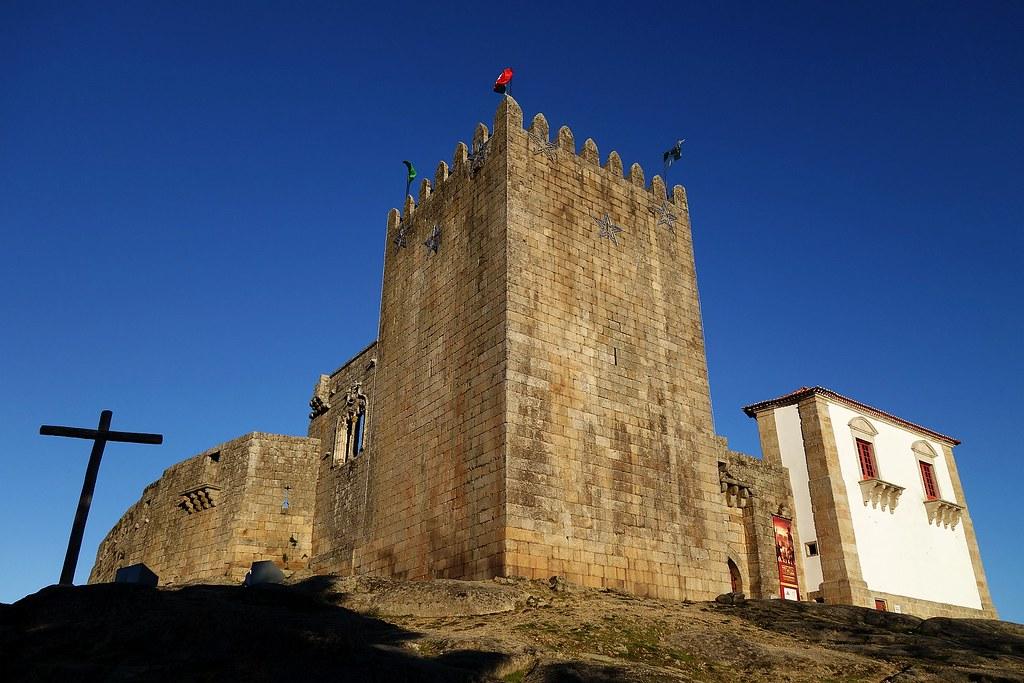
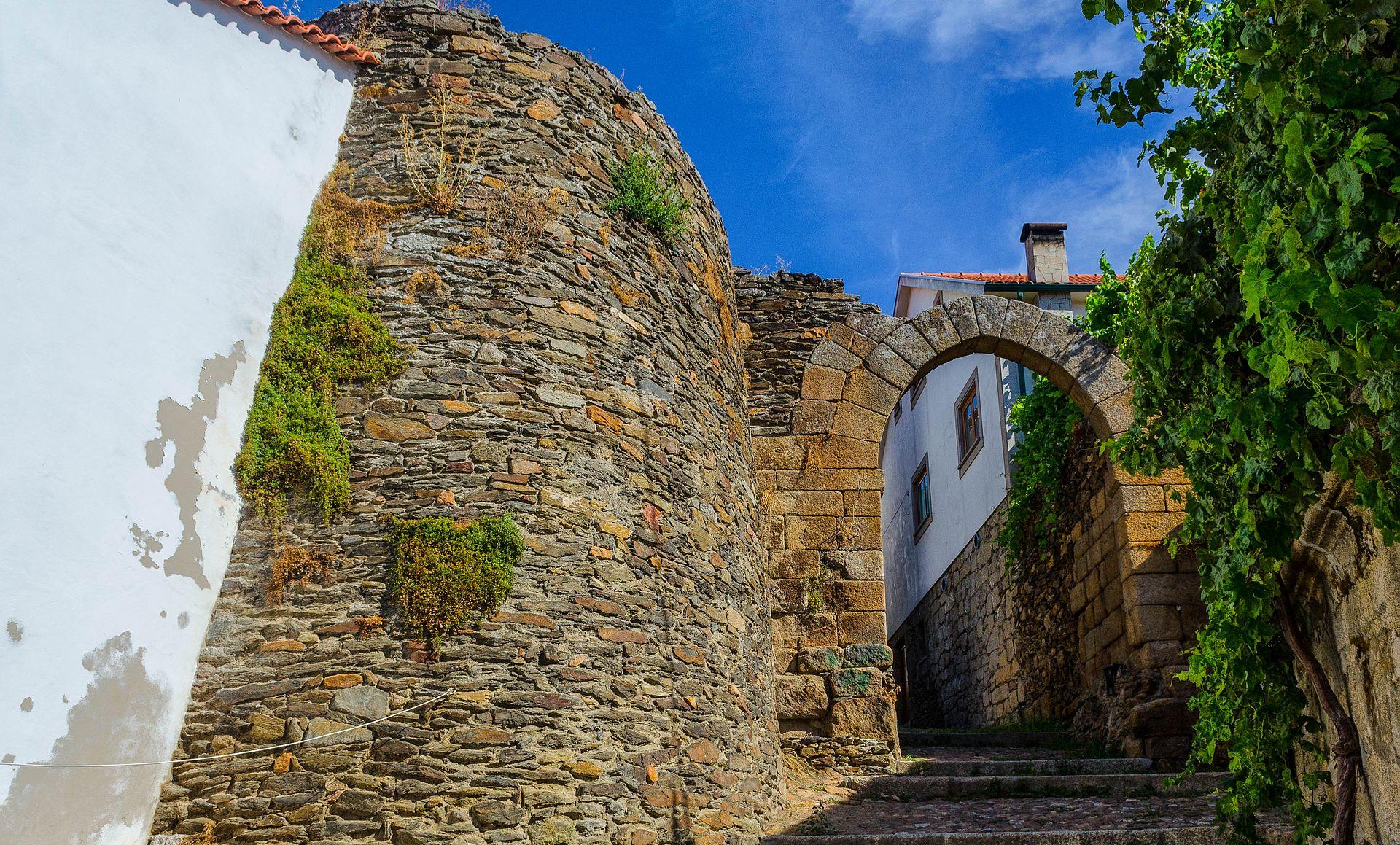
High in the hills of Trás-os-Montes, the Castle of Vila Flor whispers of medieval battles and village lifelong past. Today its ruins frame sweeping views of olive groves, baroque churches, and the gateway to the Douro Valley — an authentic slice of Portugal where history meets slow travel.

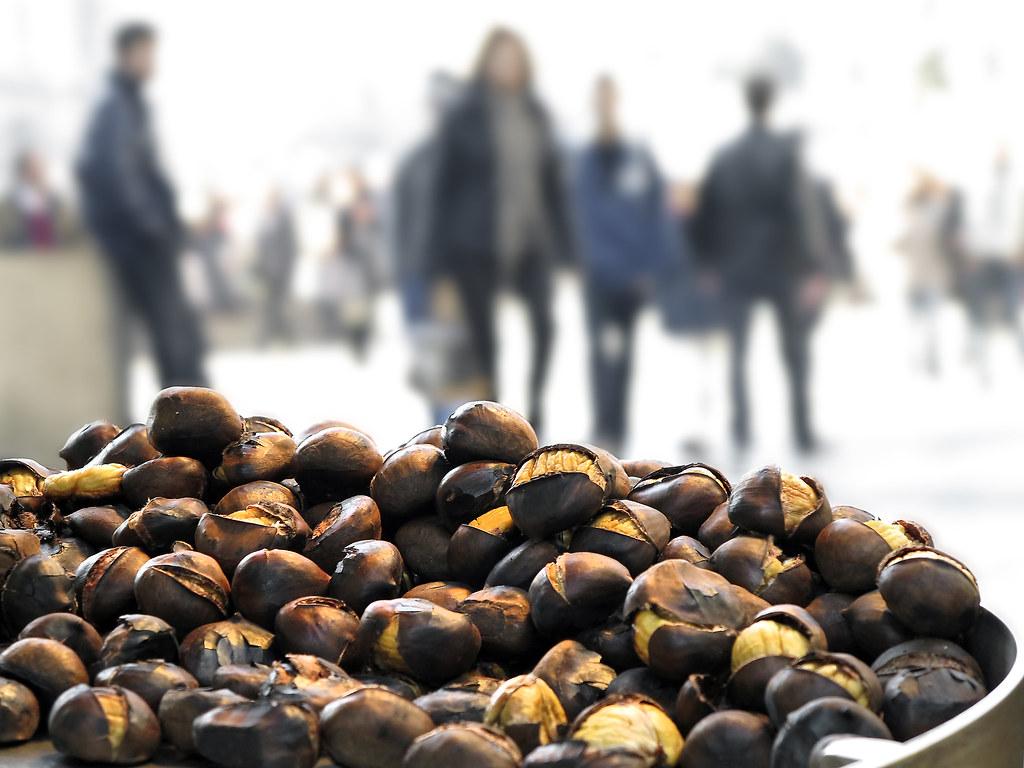
Magusto is one of Portugal’s most heartfelt traditions. Every November, villages gather around bonfires to roast chestnuts, drink local wine, and celebrate St. Martin’s Day — a cultural festival that blends history, food, and the warmth of rural community life.

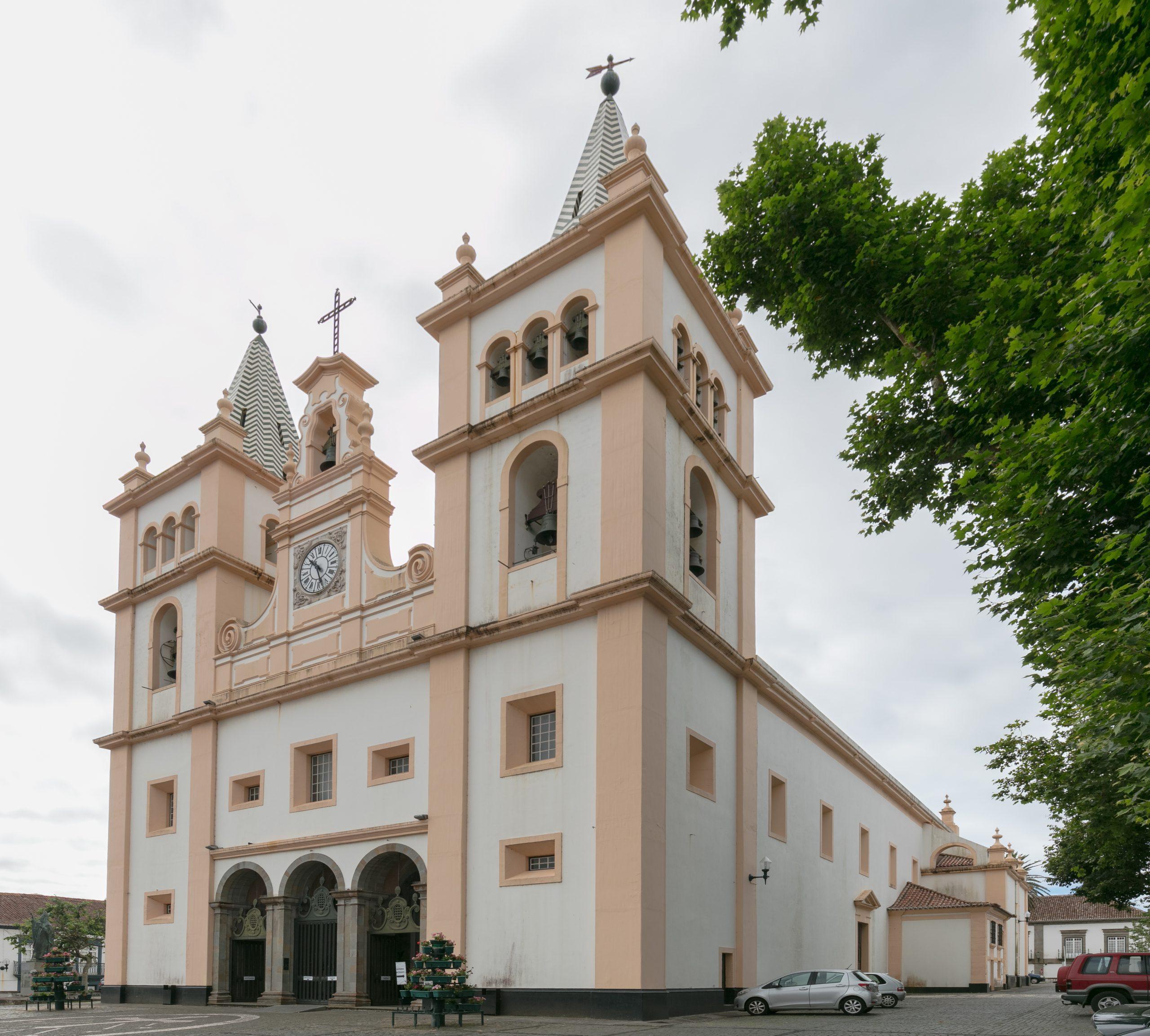
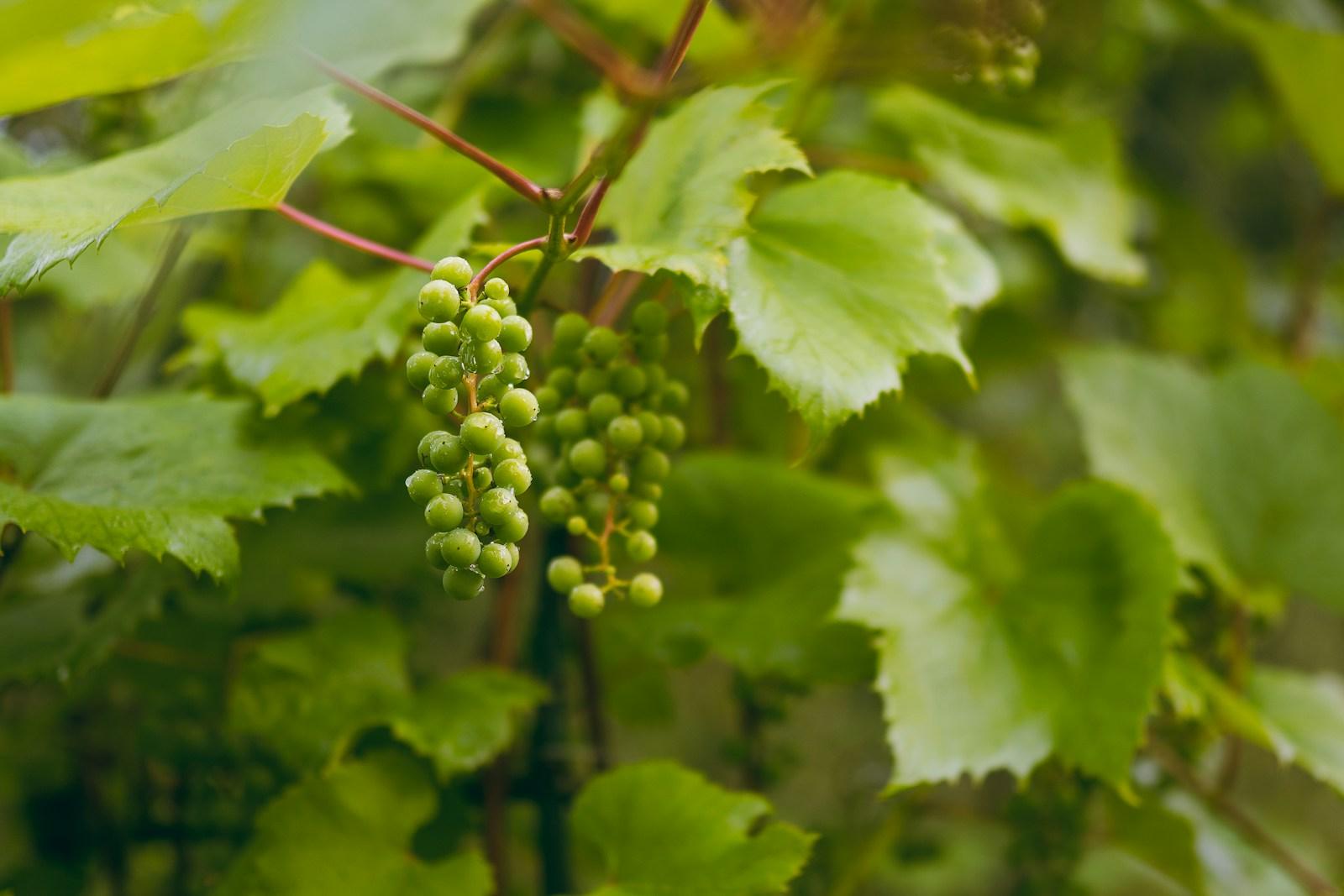
Wine in the Azores is unlike anywhere else on earth. Picture vineyards carved into volcanic rock, ocean spray on the breeze, and wines that taste like the sea itself. From Pico’s UNESCO-protected landscapes to Terceira’s intimate cellars and Graciosa’s quiet whites, wine tourism here is a journey into heritage, resilience, and unforgettable flavor.