The summer months are a time when, traditionally, everywhere is crowded, filled with visitors looking for the most famous and most beautiful places in Portugal where they can take the perfect Instagram picture. Whether you’re a local or a tourist, you might want to escape the hustle and bustle and look for some alternative destinations in Portugal this summer, perfect destinations for a socially distanced holiday a little off the beaten track. 


Leave Sintra and head to Viana do Castelo

Sintra is renowned around the world for its romantic castles and unique palaces. Being one of the country’s jewels, classified as a World Heritage site by UNESCO and located just 27 kilometres (17 miles) from Lisbon, the summer months are the busiest season in Sintra. 

But what you might not know is that in the north of Portugal you can find another city that is arguably just as beautiful: Viana do Castelo. This city is filled with stunning architectural treasures and isn’t as crowded as Sintra. The most impressive building is the 20th-century Byzantine Santuário de Santa Luzia, looming over Viana do Castelo from its hilltop perch, with panoramic views of the city and coast. Visitors can climb the steps to the church or take a cable car for a scenic round trip where the best of the views can be enjoyed. If you are looking for the perfect souvenir, make sure to check out the unique gold jewellerywhich is created in the area.

View of Coimbra and the Mondego river / Flickr

Visit Lisbon and Porto, but don’t leave Coimbra behind

Lisbon and Porto are absolute mandatory stops on your tour to get to know Portugal, but if you want to experience a truly authentic Portuguese town, then you must also head to the city of Coimbra.

Did you know that Coimbra was once the capital of Portugal? With its charming cobbled medieval streets and historic treasures like the burial site of the country’s first two kings, King Alfonso I and King Sancho I in the Monastery of Santa Cruz, Coimbra is also the home of the oldest university in Portugal (and one of the oldest in the world), a landmark famous for its history, unique traditions, and beautiful Baroque library (the Biblioteca Joanina).

Fado is just one of the many other surprises awaiting you in Coimbra. Although this famous Portuguese musical style originated in the streets of Alfama and Mouraria in Lisbon, Coimbra has its own style known as fado de Coimbra, developed by students at the city’s university.
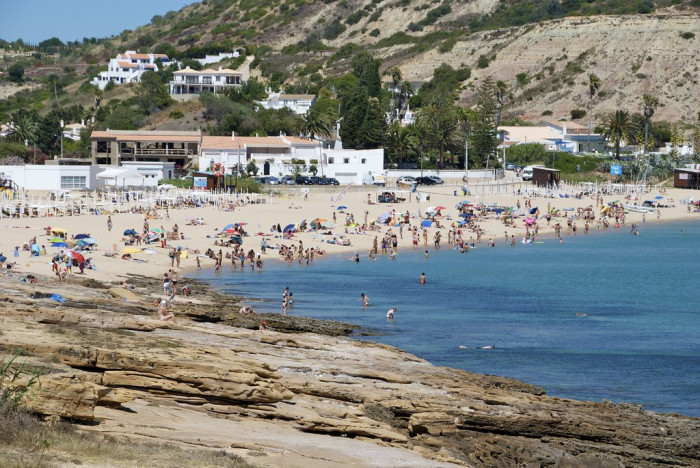
Sunbathing and swimming at Praia da Luz are a great summer plan / Flickr

Discover Praia da Luz or Sagres

If you just can’t help it and must head to the Algarve, then there are some alternatives to the busiest beaches. A good idea could be moving away from the major tourist and expat areas like Albufeira and Lagos and trying somewhere new.

Sagres, for example, and its neighbouring villages, such as Praia da Luz, in the Vila do Bispo area offer some popular local surfing schools, lots of rugged coast, rolling waves and natural forest scenery, perfect for more outdoor activities.
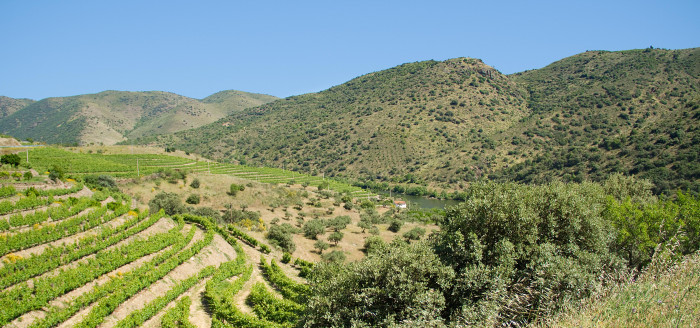
Vineyards in the Douro's International Natural Park / Wikipedia

Swap the cities for the countryside

When you think of Portugal, people automatically think of the country’s cities and beaches, but not much is said about the countryside in Portugal. If you want to head off the beaten track and escape regular tourist activities, try getting lost in the countryside, hiking through the mountains and tasting local dishes in traditional restaurants.

If you love wine, then you must visit the many vineyard areas that Portugal has to offer. Visit the Douro Valley to taste locally-produced sweet port (the country’s famous dessert wine), head to Minho for a sip of crisp vinho verde wine, or pay a visit to the Alentejo, full of rustic vineyards surrounded by cork trees (where a variety of red and white wines are produced).

Portugal also has many other hidden gems to offer in its vast countryside. UNESCO has recognised many villages for their role in protecting the country from invasions, and the fortifications are standing memorials that double as unforgettable landmarks. Monsanto, Almeida, and Castelo Novo are just a few of the historic villages in Portugal that we recommend visiting. 
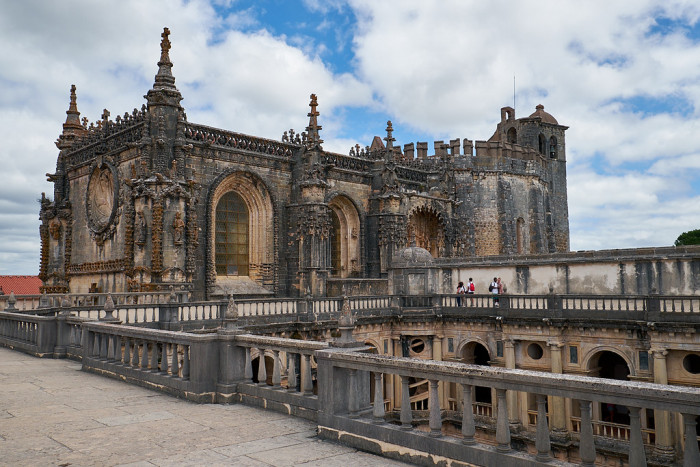
El impresionante Convento de Cristo, en Tomar / Flickr

Tour the Convent of Christ instead of the Jerónimos Monastery

Sure, the Jerónimos Monastery is an amazing landmark and a beautiful architectural masterpiece that took 100 years to build, but the Convent of Christ is equally spectacular and has the added wonderment as the once headquarters of the Knights Templar in Portugal. Walk through the castle, church, and gardens where this mysterious group once lived, organized, and changed their identity to the ‘Order of Christ’.
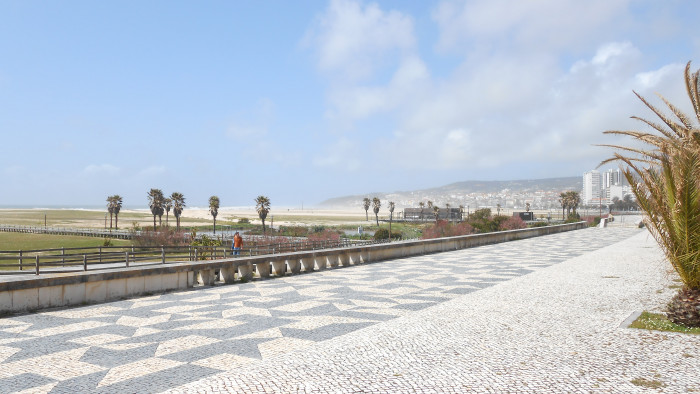
El hermoso paseo marítimo de Figueira da Foz / Wikimedia Commons

Opt for Figueira da Foz or Ericeira over Nazaré

Nazaré is a beautiful fishing village in central Portugal that has built a reputation for surfing as massive as its waves. Unfortunately, due to the size and power of said waves, only the bravest surfers seek a challenge in this part of Portugal.

The beaches in Figueira da Foz are just as extensive but the waves, though powerful in their own right, are less intimidating. Surfing tours and championships are held there yearly, it has a long boardwalk perfect for running and cycling, and the seaside restaurants are popular among Portuguese residents for their delicious seafood – Figueira (as it’s known for short) may actually be one of Portugal’s best-kept beach secrets. Ericeira is another popular surfing spot and closer to Lisbon (about an hour away by car).

Un puesto de verduras tradicionales en el Mercado do Livramento en Setúbal / Wikimedia Commons

Shop at the Mercado do Livramento instead of the Mercado da Ribeira

Traditional markets are a feast for the senses – the Mercado da Ribeira is Lisbon’s famous food market (and has been since 1892), but since Time Out Magazine converted part of it into a food court and remote-working offices opened on the upper level, it has become inundated with visitors.

Time Out Market offers a unique experience with so many Portuguese flavors in one place (a number of stalls belong to Michelin chefs), but it’s easy to get distracted and spend a lot of extra money here, especially if all you really want do is head out for a traditional food shopping experience. Luckily, the Mercado do Livramento in Setúbal is about 50km (31 miles) away and well worth the drive.

Considered one of the best markets in the country, the long rows of fresh fish and produce are two main magnets that attract residents from different parts of the region, while the myriad cheeses, sausages, olive oil, and other staples sweeten the deal. It’s also a beautiful building – the bright orange-red facade is hard to miss, and the azulejo mosaics inside are picture-perfect.

Swap Sintra for Viana do Castelo

Fairy tale Sintra, renowned for its neighbourhoods filled with romantic castles and unique palaces, is without a doubt one of Portugal’s jewel destinations. Located close to 27 kilometres (17 miles) from Lisbon, it’s also convenient to visit. Unfortunately, that means that it’s usually crowded, especially during the summer.

UNESCO-classified Sintra is truly breathtaking but equally stunning is Viana do Castelo in the north of Portugal. Brimming with architectural gems, it’s considered one of Portugal’s more beautiful northern cities, and other than local Portuguese families visiting on the weekends, it lacks the extreme crowds.

The most impressive building is perhaps the 20th-century Byzantine Santuário de Santa Luzia, looming over Viana do Castelo from its hilltop perch – the panoramic views from the church take in the city and coast.
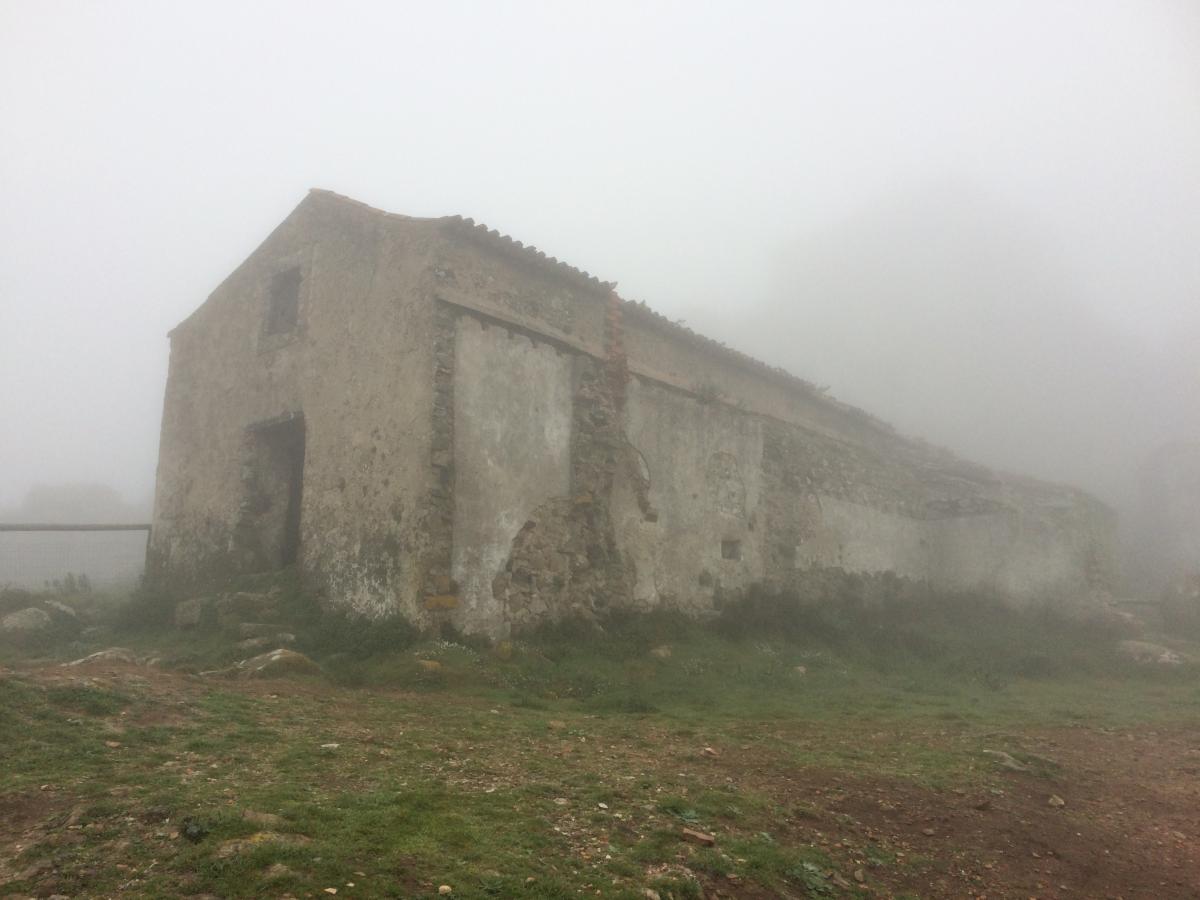
The Sanctuary of Peninha is situated in the Sintra Mountains in the Sintra-Cascais Natural Park, in the Lisbon District of Portugal. It stands at an altitude of 448 metres on top of a rocky outcrop, which provides views over the coastline and inland areas. In addition to a baroque chapel, completed in 1710, the location contains the Palace of Peninha, which dates from 1918 and remains of a hermitage. The interiors of neither the chapel nor the palace can presently be visited.

IMG 2715
IMG 2692

What makes hiking here special is the unpredictability of the weather conditions in this region and the incredible ruins and hidden structures you can find there. The Ermida Peninha and its sanctuary is one such site to be found.

The Peninha hills had been the location for a small hermitage ever since the foundation of Christianity in Portugal. Evidence of the physical foundations of a medieval hermitage can still be seen and archaeological excavations carried out by the Sintra–Cascais Natural Park uncovered a necropolis made up of graves excavated in the rock, with burials dating from the end of the 12th century, together with a cistern dug into the rock. The Hermitage of San Saturnino was built on the site in the mid-sixteenth century, added to in the seventeenth century and used by monks until the dissolution of the monasteries in Portugal in 1834. It was still occupied by farmers until the 1960s when it passed to being used as a barn.

The site became popular during the rule of King John III of Portugal (1521 – 1557) as one where the Virgin Mary appeared to a young shepherdess. Following earlier attempts to build a chapel after the vision, the present Chapel of Nossa Senhora da Penha was constructed by the monks around a century after the apparition, with financial assistance from King Dom Pedro II and was completed in 1711.

Given its altitude of 448 metres and difficulty of access, visiting the sanctuary became a form of penance, as well as a popular pilgrimage site for sailors’ families, who would both pray for the safe return of the sailors and try to see returning ships from the summit, which gives visibility out to sea of up to 50 kilometres.

How to get there: Peninha is close to Malveira da Serra (mid-way between Sintra and Cascais). From Sintra, take the N9 south towards Cascais for about 6km and turn right onto N9-1 towards Malveira da Serra. After about 7km, turn right on to the narrow Caminho dos Fetos and continue for another 2.5km. Take a right at the crossroads and after 1.3km turn right to the Peninha Chapel parking area.

Penela da Beira, Portugal

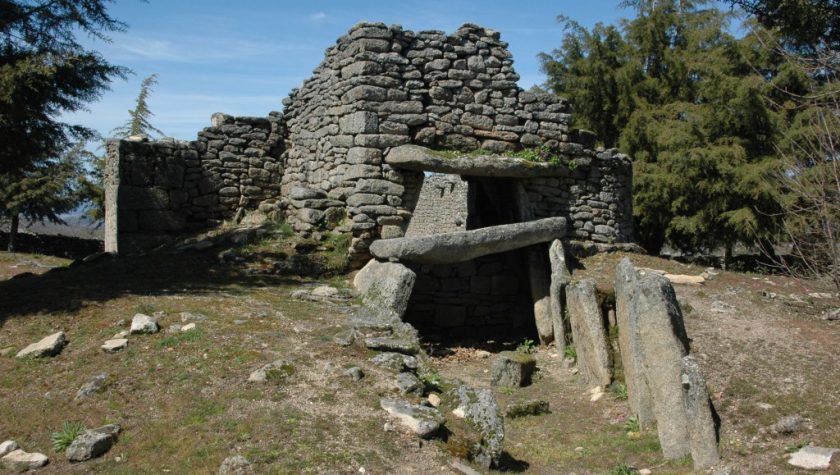
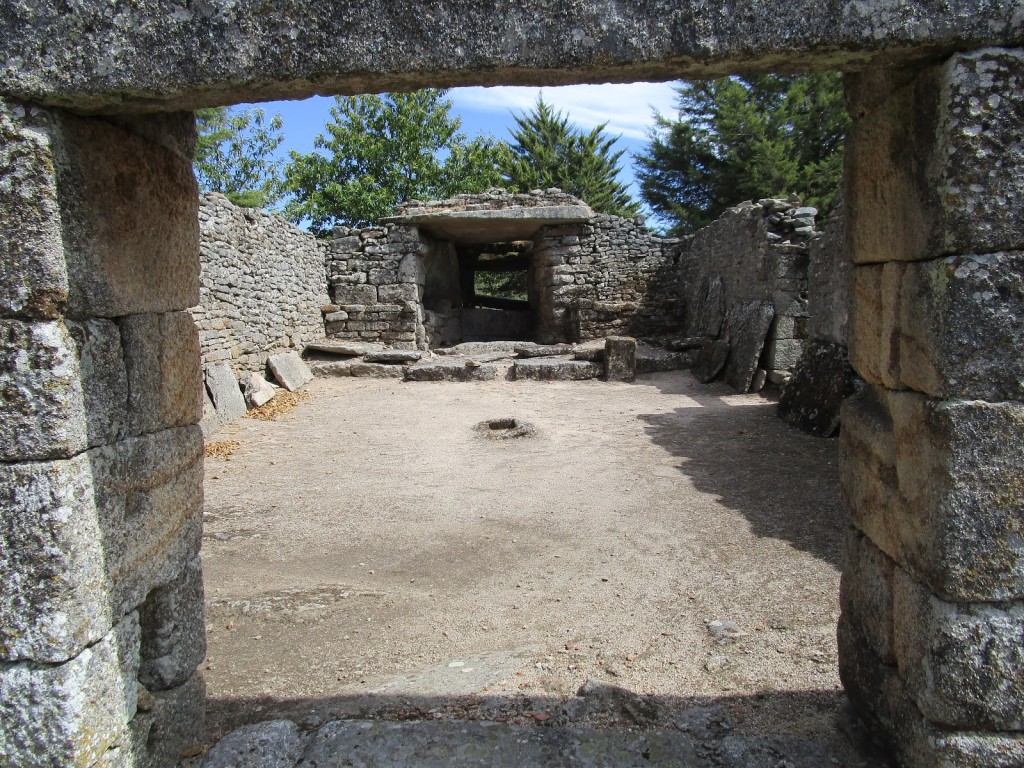
Lady of the Mount Chapel Dolmen is an ancient tomb that still stands in Portugal. It is the jewel among the megalithic funerary monuments in all of Beira Alta! It was classified as a National Monument in 1961, given its rarity and exceptional importance in the context of the national prehistoric heritage. It is located in the centre of a wide plateau and stands out in the landscape for the heritage set in which it is inserted.   It is a large dolmen that was Christianized in the Middle Ages through the construction of a chapel, having been the funerary chamber adapted to the religious space. It is a monument formed by a polygonal chamber, with a long corridor and atrium.   The archaeological interventions made it possible to get to know the funerary monument in-depth and several finds were exhumed, which are now exposed in the Identity and Memory Space, such as blades, axes and ceramic containers, microliths, a spheroid and even coals related to ritual fires (dated between the 3290s – 3010 BC)

Penela da Beira, Portugal

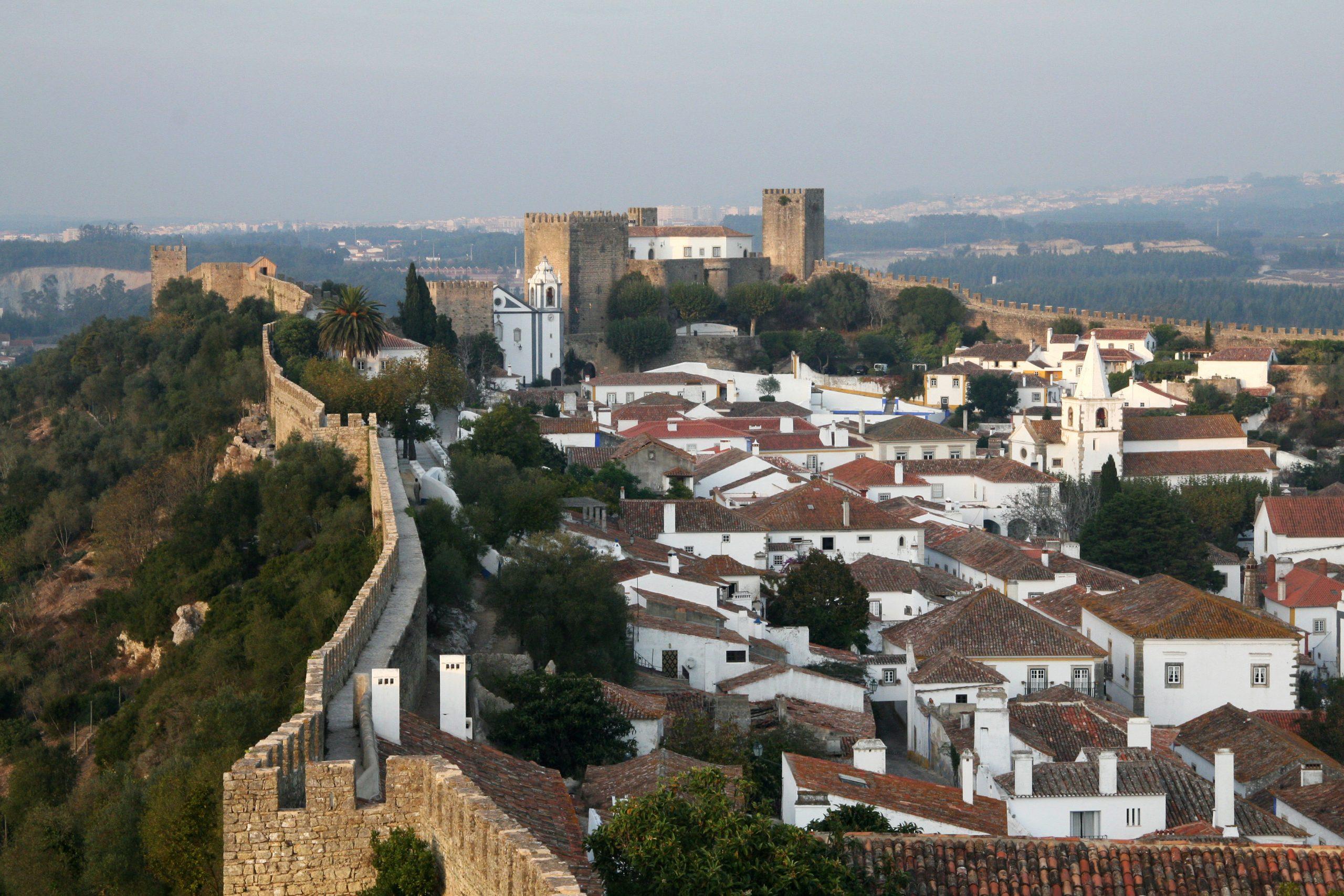
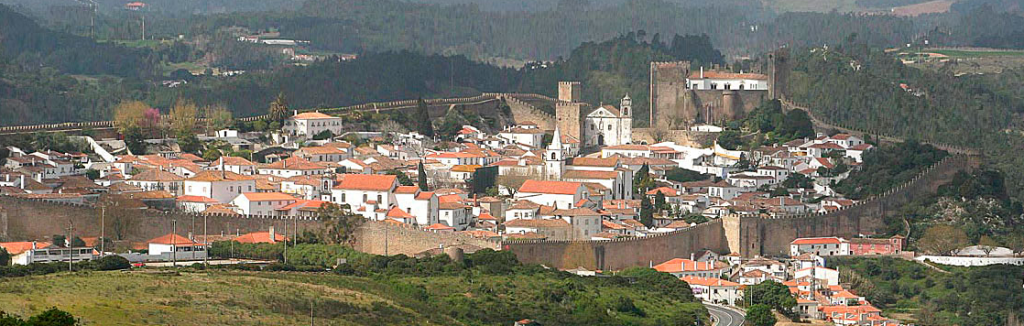
Located on a hill amidst the rolling plains of Portugal, one may find the captivating mediaeval town of Óbidos. As a travel writer, I am delighted to lead you through this charming and scenic destination, where the passage of time appears to halt and the echoes of history resonate in every little lane.

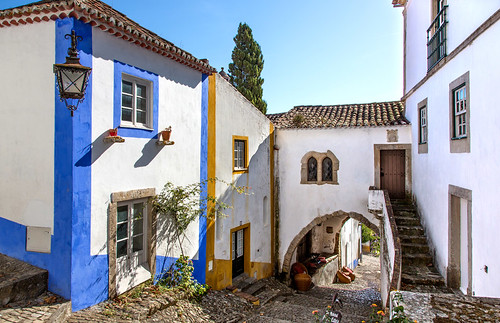
Upon arrival, one is immediately met with a picturesque setting reminiscent of a fairy tale: charming buildings painted in white and embellished with bougainvillaea, while small pathways entice visitors to explore further into the heart of the town. As you progress, the reverberations of past periods envelop you.

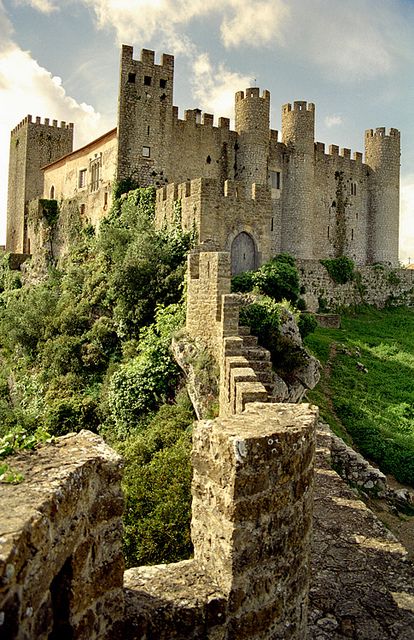
However, the most remarkable feature of Óbidos is its splendid castle, which serves as a witness to the town’s rich history. Enter through the ancient gates and see the enduring craftsmanship. The views from the castle’s walls are really awe-inspiring, providing a glimpse of the stunning Portuguese landscape below.

As you continue to explore, you will uncover concealed gems at every corner, ranging from delightful squares embellished with vibrant window boxes to elaborately carved Manueline porticoes that narrate stories of a past age. Additionally, it is important to explore the religious and civic edifices in the town, since they provide tangible evidence of Óbidos’ extensive historical and cultural legacy.

Óbidos offers a captivating experience that transports visitors to a bygone era, seamlessly blending historical and contemporary elements in a delightful display of elegance and allure.

Óbidos Castle

The impressive Öbidos Castle, perched magnificently atop the hill, offers a breathtaking perspective over the mediaeval town of Bidos. During the seventh century, when the Romans occupied Portugal, the Moors erected the first foundations for this remarkable monument. But since 1148, a number of Portuguese kings have carried out maintenance and enhancements that have shaped the castle’s modern Moorish architectural design.

Built in 1375, the castle’s opulent main turrets stand as silent witnesses to the stormy events that have taken place inside its walls over the ages. Apart from its strategic significance, the castle served as a royal home, offering luxury and a haven appropriate for kings. In actuality, an opulent hotel now occupies the spaces that the Portuguese nobility once occupied after a protracted restoration project that started in 1932.

Walking through the castle’s hallways and courtyard in the present, one can’t help but feel the stifling weight of the past. Each stone seems to whisper stories of kings who walked these halls in the past, of battles fought and victories gained. Nonetheless, there’s a calm vibe that invites visitors to pause and consider the passing of time.

Beyond being only a defensive structure, Óbidos Castle is a living representation of Portugal’s rich cultural heritage and continues to pique the curiosity of those who see it. Thus, take a moment to appreciate the grandeur of this historic landmark and consider the enduring influence that earlier generations have left behind as you stand in front of its ancient ramparts.

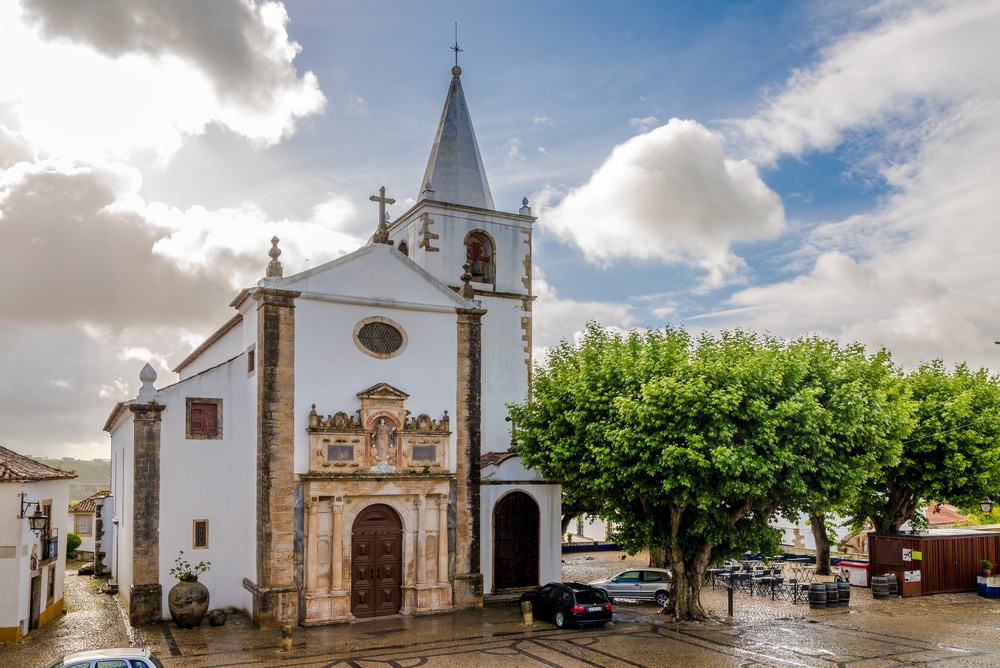
Igreja De Santa Maria

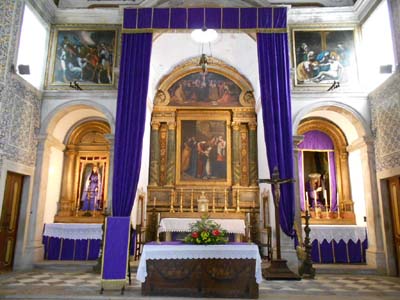
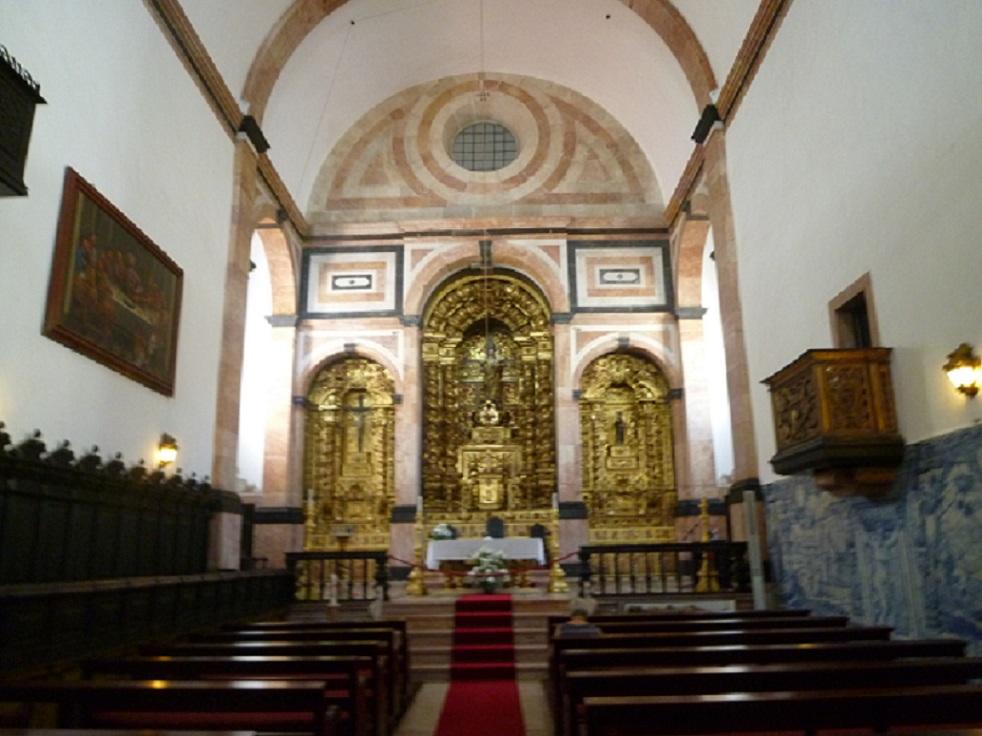
The Santa Maria Church in Óbidos has indeed undergone a fascinating journey through history, reflecting various cultural and religious influences. Originally starting as a Visigothic temple, its transformation into a mosque and later into a Christian church mirrors the region’s diverse past. The current structure largely reflects renovations and additions from the 1600s, following significant damage from the 1535 earthquake. The painted wood ceiling from 1676 and the blue and yellow tiles adorning the walls between 1680 and 1690 add to the church’s aesthetic appeal and historical significance. Inside, visitors can admire several notable artworks, including a baroque retable and a painting by Josefa de Óbidos depicting the “Martyrdom and Life” of St. Catherine. The presence of the image of the Virgin Mary, once situated on the Gate of Our Lady of Grace, adds to the religious importance of the church. One of the highlights is the tomb of João de Noronha, a prominent local aristocrat, dating back to 1525. Carved entirely from stone, this tomb is a remarkable example of Portuguese Renaissance art and is classified as a National Monument, showcasing the cultural heritage of the region. Additionally, the presence of a 17th-century pipe organ in the choir adds to the church’s musical and architectural significance, providing a complete sensory experience for visitors exploring its rich history and cultural heritage.

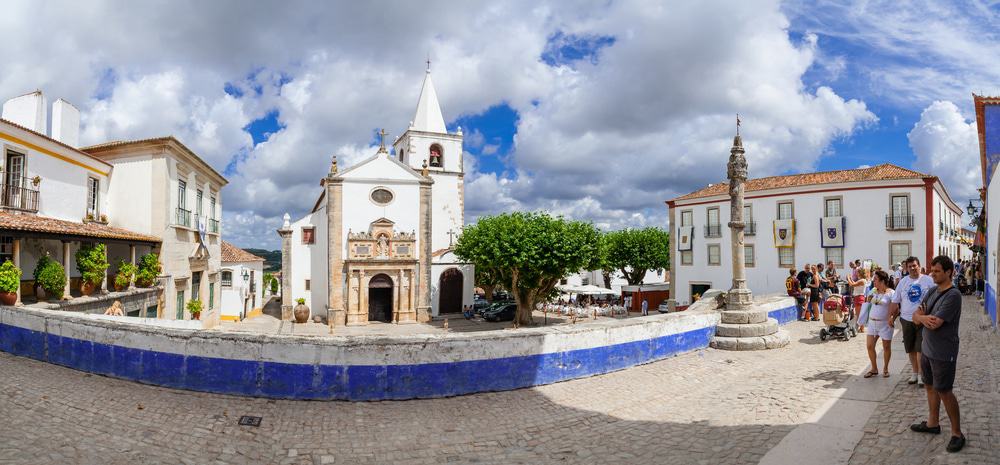
Praça de Santa Maria

Praça de Santa Maria is a beautiful square located a little bit south of the main street. The square is surrounded by a covered market and some old houses.

In this square lie some of the most iconic monuments of the beautiful city of Óbidos, such as the Picota (XV century), crowning a fountain and carrying the arms of Queen Leonor, among them, the net signifying the death of her son, drowned in the river Tejo, near Santarém in 1491, since the corpse of the boy was taken to her covered in a fishing net.

Allow some time to potter around the square in front of the church, as there are some neat things if you know where to find them. One is the pillory, a monument to the town’s autonomy and a place to punish criminals. This is from the 1400s and bears the coat of arms of Eleanor of Viseu. Beneath this is a 16th-century fountain once fed by the town’s aqueduct. Upon the north side are the Telheiro, a building easy to recognise for its portico with six columns, and housing the town’s indoor market until the 1900s.

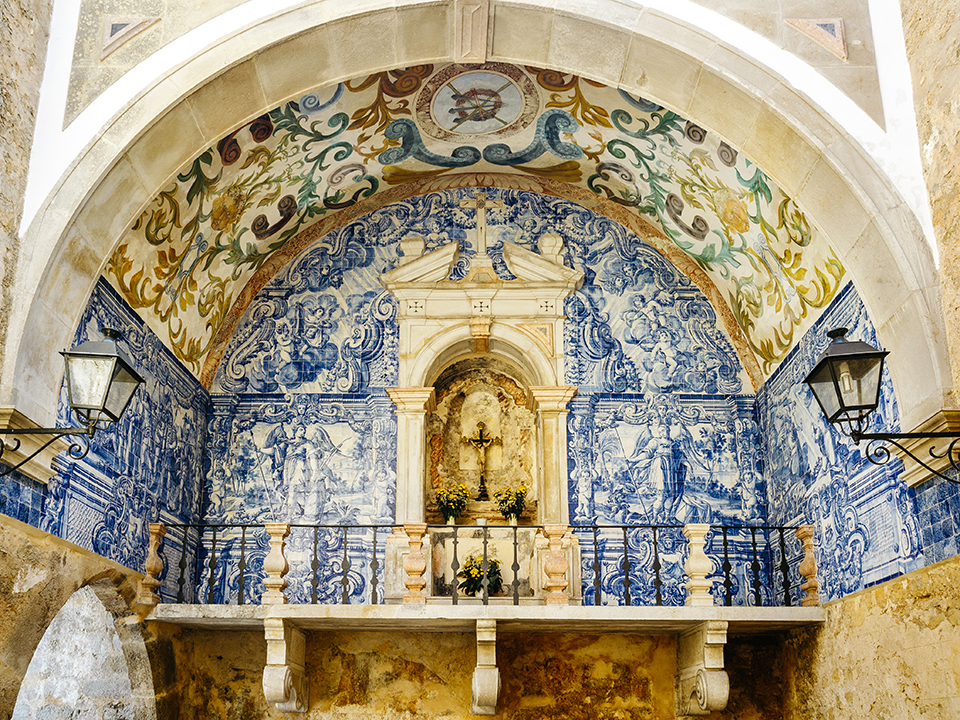
 Porta da Vila


Porta da Vila is Óbidos’ main town gate. It’s made up of two low-rise staggered gateways to prevent a direct cavalry charge, as was common in gothic Portuguese castles. Between the gateways is a balcony that served as an oratory, embellished with beautiful blue and white tile panels from 1740, depicting the Passion of Christ. They include an inscription related to Our Lady of Sorrows (Óbidos’ patroness saint) — “The Virgin, Our Lady conceived without original sin.” The painted ceiling above the tiles illustrates a crown of thorns.

Misericórdia Church, Óbidos

Founded by Queen Dona Leonor in the 15th century, this church has an important set of artistic treasures. One of the most significant images is the old blue porcelain statue of the Virgin Mary, which can be seen in the entrance porch.

The church’s interior is completely covered in 17th-century tiles, placed here during the last important phase of restoration (1678). Also of interest is the tomb of the Countess of Cavaleiros, Dona Luiza Guerra. The wooden barrel vaulting of the ceiling is painted with various decorative motifs and the royal crown.

Formerly the “Chapel of the Holy Spirit,” it became known as the Church of Mercy or of the Almshouse since 1498, when Queen Leonor founded the local almshouse. It was rebuilt in the 17th century, and was the place of worship of the sick and the poor, many of them hospitalized in the baroque annex. Today it’s more a museum than a place of worship, exhibiting several works of art.

Óbidos Aqueduct

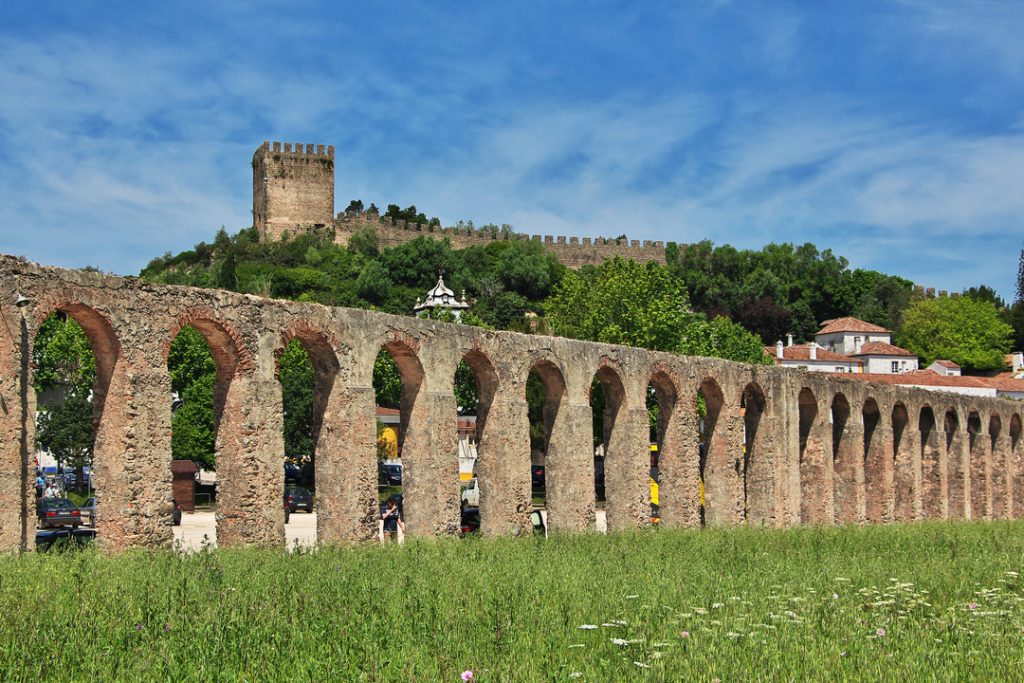
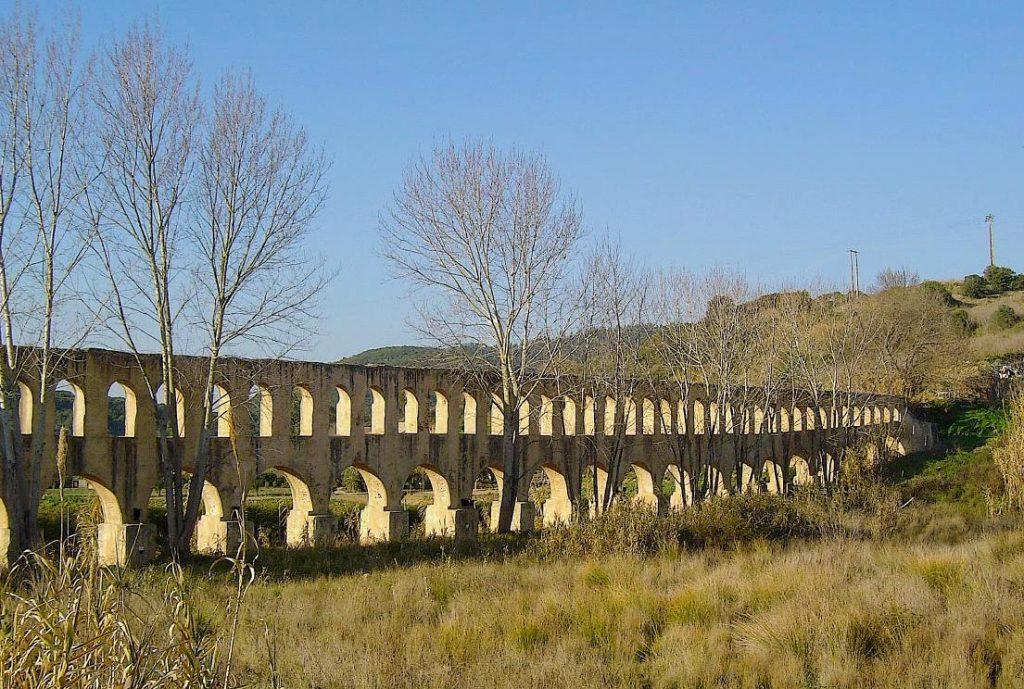
Commissioned by Queen Catherine of Austria (wife of Portugal’s King João III) in 1573, this aqueduct carried drinking water for the people of Óbidos. Its arches crossed 3km of vineyards and orchards, starting on a spring in nearby Usseira, and its water ended up in the town’s fountains. The queen paid for the monument herself, by selling her lands around Óbidos. It was restored in the 1600s and survived the great earthquake of 1755. You’ll see it as soon as you arrive in Óbidos, and it’s completely intact. The area around it is now used as a parking lot and is where many tourists leave their car. The town gate is just across the road.

Ginja De Óbidos

The best way to end your trip to Óbidos is with a shot of “ginja de Óbidos,” or “ginjinha”. This cherry liqueur is a famous local drink and is often served in a chocolate cup. It originated with 17th-century monks from the region, who combined Morello cherries and brandy, and drank it as an aperitif or after dinner. Today, any time is a good time to try the dark red drink, as many visitors to Óbidos do. You’ll find several spots down Rua Direita where you can have a sip, and may even buy a bottle. In fact, it just may be the perfect souvenir.

Mercado Medieval ( Medieval Fair)

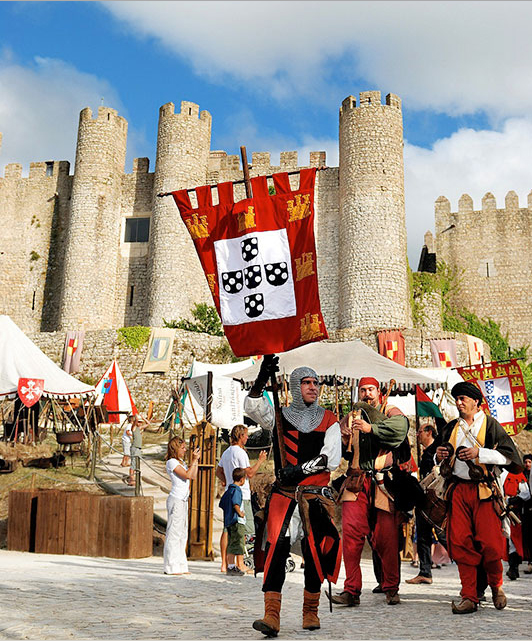
Amedieval fair recreates the Middle Ages in Óbidos for about one month every July. Knights and fortune tellers stand around the large terrace behind the castle, and there are theater performances and concerts of medieval music on a big stage.

Visitors are taken on a journey back in time to medieval Europe in different ways, including in the food served at several stalls. There are also campsites, displays of weapons and tools, and live animals such as ponies, donkeys, falcons, and snakes.
To access the site with all of the events and activities, you must purchase a ticket at the entrance.

Prison of Óbidos

The former prison of Óbidos, which is located in the town’s historic centre, is now one of its most picturesque buildings. The building dates back to the 14th and 15th centuries and served as the town hall during that time. In the 20th century, it was converted into a private residence and became the home of the Portuguese painter and scenographer Abílio de Matos e Silva.

Today, the building is a popular tourist attraction, and visitors can explore its interior, which has been beautifully restored and decorated with traditional Portuguese tiles and furnishings. It also houses a small museum that showcases the work of Abílio de Matos e Silva as well as temporary exhibitions of contemporary art.

The former prison’s location in the heart of Óbidos’ historic centre makes it a convenient stop for visitors exploring the town’s other attractions, such as the castle, the Church of Santa Maria, and the numerous shops and restaurants that line its cobblestone streets.

How to get there from Lisbon.

Coordinates 39.3606° N, 9.1608° W.

Obidos is only an hour’s drive north of Lisbon. Most tourists go there on a tour, but many use public transport to get there. 

Here’s what you can do:

There are several ways to get to Óbidos from Lisbon, including by car, bus, or train.

By car, you can take the A8 highway westbound from Lisbon and follow the signs to Óbidos. The journey takes approximately 1 hour.

By bus, you can take the Rede Expressos bus from Lisbon’s Sete Rios bus station to Óbidos. The journey takes approximately 1 hour and 15 minutes.

Bus from Lisbon to Obidos

Express buses from Lisbon may transport you to Obidos in only one hour.

The Campo Grande terminal is where they leave from; it is located next to the Alvalade XXI/Sporting Lisbon stadium.

The stadium is visible as soon as you walk outside the metro station after exiting on the Alameda das Linhas de Torres. The terminal is accessible via the green or yellow lines.

The terminal was divided into “Terminal 1” and “Terminal 2” in 2022; Terminal 2 is where the Obidos bus leaves from and is to your right as you exit the metro station.

The Rodoviária do Oeste company’s bus with the ultimate destination of Caldas da Rainha is the one that may be found in bays 30 or 31.

Before getting to Obidos, it only stops once at Bombarral, after which it carries on to Caldas da Rainha.

On weekdays, it leaves every hour in the morning and every 15 minutes during the afternoon rush, with fewer departures on weekends.

As it gets to Obidos, it comes to a halt just beyond the town’s walls.

Return to the same location to wait until you arrive in Lisbon.

The air-conditioned buses are contemporary, spotless, and comfy.

There are no reserved seats and no advance ticket sales.

You can pack your stuff into the spaces under the car if you’re going somewhere with it.

Price of admission: Please check prices on their website (Tickets are purchased from the driver.)

By train, you can take the Linha do Oeste train from Lisbon’s Estação do Oriente to Óbidos. The journey takes approximately 1 hour and 30 minutes.

Torres Vedras - Portugal Travel Guide

The small town of Torres Vedras is approximately 40 kilometres north of the capital Lisbon in the Oeste region of Portugal. A strong agricultural region linked with its vineyards and intense commercial and industrial life. This is also a town with a long and rich history. 

Inhabited in prehistoric and Roman times, Torres Vedras received its Charter in the mid-13th century. The Convent of Varatojo, one of the most important religious monuments in the region, was founded in 1470 by King Dom Afonso V, in gratitude for the conquests in North Africa.

In the 19th century, during the Napoleonic invasions, Torres Vedras had a very important role, because it was here where the beginning of the retreat of the French army started and Napoleon’s loss of dominance in Europe. The building of the “Lines of Torres Vedras”, a series of military fortifications lined up around Lisbon, was successful in its aim of preventing the French troops from advancing on Lisbon forcing them to retreat.

Things to Do in Torres Vedras (Portugal)

Forte De São Vicente De Torres Vedras

1. Forte de São Vicente de Torres Vedras

The outstanding local remnant of the Lines of Torres Vedras is this fort that is dug into the tallest hill in the area.

It was one of the system’s key defences, begun in 1809, with a 1.5-kilometre wall, 39 cannons and able to hold 4,000 men if necessary. The fort never saw action as André Masséna the Marshal in charge of the French force in 1810 saw how difficult it would be to get through the Lines of Torres Vedras and pulled back to Spain. The fort has been left as it was at the start of the 19th century and has deep trenches, a chapel and a powder room. 

Castelo De Torres Vedras

2. Castelo de Torres Vedras

On the steep forested slopes north of the city is the castle, which has been in use on and off for almost 2,000 years.

The Romans were the first to occupy this site, constructing two cisterns, while the Moors erected the first walls.

When the Christians took over in 1148 they pulled these down, but had to build new ones straight away for Moorish attacks, including a mighty siege in 1184. Much later it was brought up to 19th-century standards, as stronghold 27 in the Lines of Torres Vedras, with 11 cannon positions.

Each era left its signature on the castle, like the Portão de Armas from the start of the 16th century, which still sports Manuel I’s coat of arms, flanked by two armillary spheres.

Igreja de Santa Maria do Castelo

3. Igreja de Santa Maria do Castelo

Contained by the castle’s outer walls is a church built directly after Afonso I reconquered the region in 1148. It’s a Portuguese National Monument, and the traces of  Romanesque design here are the only ones to be found in the Torres Vedras area.

One of these is in the main portal, which has a double archivolt with capitals carved with doves and intertwining branches.

You should also come round to the side portal, which has two epigraphs dated to 1250. The bell in the 16th-century tower continues to set the rhythm of the day in Torres Vedras.

Museu Leonel Trindade

4. Museu Leonel Trindade

Torres Vedras’ municipal museum is in the Convento da Graça and is brimming with artefacts unearthed at the local archaeological sites.

There’s a prehistoric settlement a few moments to the west, yielding tools and ceramics, while models of the copper smelting furnaces have been constructed. There are also Roman inscribed stones, mosaics and jewellery from the castle and local villas.

And if you’re curious about the Napoleonic era there’s a big display on the Lines of Torres Vedras and the Peninsular War, with guns, swords, uniforms, models and tableaux.

5. Aqueduto da Fonte dos Canos

The background of this aqueduct that stretches for two kilometres on the east side of Torres Vedras is actually hazy.

All that is known is that it was extended in the 1560s at the behest of Maria of Portugal, daughter of King Manuel I. There are two tiers of Gothic arches, most eye-catching when the structure crosses the Sizandro River.

Chafariz Dos Canos

6. Chafariz dos Canos

The destination of the aqueduct’s water was first mentioned in 1331, and today is recognised as a Portuguese National Monument.

The current design is from 1561, the same time the aqueduct was restored and extended by Maria of Portugal. Inside there’s a rectangular tank with two stone spouts that have Baroque vegetal carvings. This is covered by a pavilion with ogival arches and a cross vault that has ribs resting on conical corbels. And crowning the structure are ornamental merlons that have been painted white and continue along the wall behind.

7. Igreja de Nossa Senhora da Misericórdia

Maybe the most charming of all the city’s churches is in a complex with the city’s historic hospital.

It was constructed in the last years of the 17th century and has kept hold of all of its original fittings.

In the nave you won’t be able to miss the blue and white glazed tiles, which have images from the Old Testament.

Above this is a gallery, which had a side door so that the hospital’s sick wouldn’t have to miss mass.

Also see the pulpit sticking out from the right wall of the church, and the central altar, both of which are adorned with gilded wood, sculpted to an extraordinary standard.

Lugares na minha terra - Torres Vedras's... - Lugares na minha terra -  Torres Vedras | Santa cruz, Lugares, Portugal wedding

8. Santa Cruz

Despite being attached to the resort these have a rare natural beauty, with golden sands and a line of cliffs that breaks off into a couple of dramatic outcrops.

The immense boulder at Praia de Formosa has a natural arch that you can view from a platform that has been cut into the neighbouring outcrop.

The shoreline is completely open to the Atlantic, and if wave sports are your thing you need to put Ocean Spirit in your diary.

Every July, this is an international festival, holding competitions for skim-boarding, surfing, body-boarding as well as an open water swim race.

Castro Do Zambujal

9. Castro do Zambujal

Close to Torres Vedras are the ruins of a settlement from the third millennium BC. The Castro do Zambujal is from the copper age, and is believed to have been a vital centre for smelting and ore trading until it was pulled down around 1700 BC. The site was discovered in 1938 and quickly declared a National Monument.

What’s left is a courtyard 25 metres in diameter and ringed by a large wall.

This is defended by semicircular barbicans, and the openings would have  been so small that people could only crawl through.

A lot of the inner fortifications have been excavated, as well as some of the narrow passageways leading into the courtyard.

Azenha De Santa Cruz

10. Azenha de Santa Cruz

Overlooking the ocean at Santa Cruz is an interesting glimpse of rural life from the not too distant past.

This hydraulic mill is from the late 1400s and functioned until as recently s 1950 when it was finally abandoned.

It was left to decay until 2009 when it was restored and opened to the public.

An interpretation centre has been set up inside for traditional flour and bread-making, with a restored waterwheel and replica of the mill’s grinding mechanism inside.

Carnaval de Torres Vedras desfila em Lisboa pelo Ambiente - MUNICÍPIO de  LISBOA

11. Carnival

This a special time to be in Torres Vedras, as the carnival celebrations are unique, both because they are distinctly Portuguese and because they rely on the spontaneous participation of the locals.

The whole city cuts loose, with crazy parades, live djs and bands and bars that are packed with revellers until the early hours.

Carnival has been observed here for centuries, but it was in 1924 when the current tradition began; there are 13 satirical floats with very bawdy themes, giant ceremonial puppets, two carnival kings that are usually local personalities and “matrafonas”, guys dressed up in outlandish drag.

Pastel De Feijão

12. Traditional Food

In the 1800s the Torres Vedras resident Joaquina Rodrigues invented the pastel de feijão (bean pie), which started out as a family recipe but spread to friends and acquaintances and eventually became a hallmark sweet for the city.

White beans are turned into a sweet paste and baked in pastry and dusted with icing sugar.

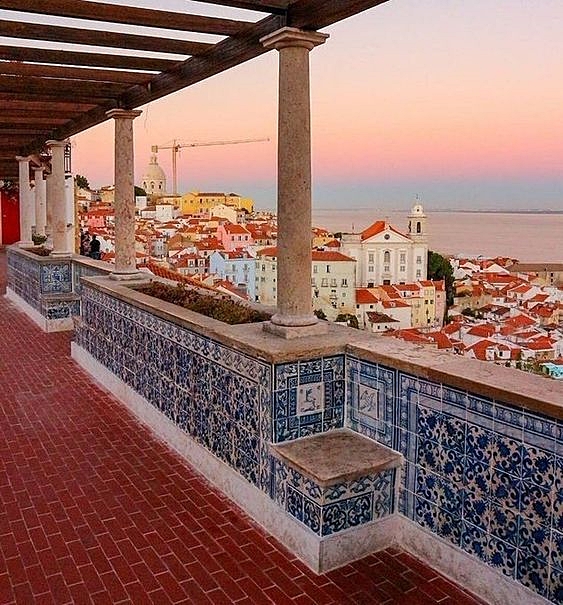
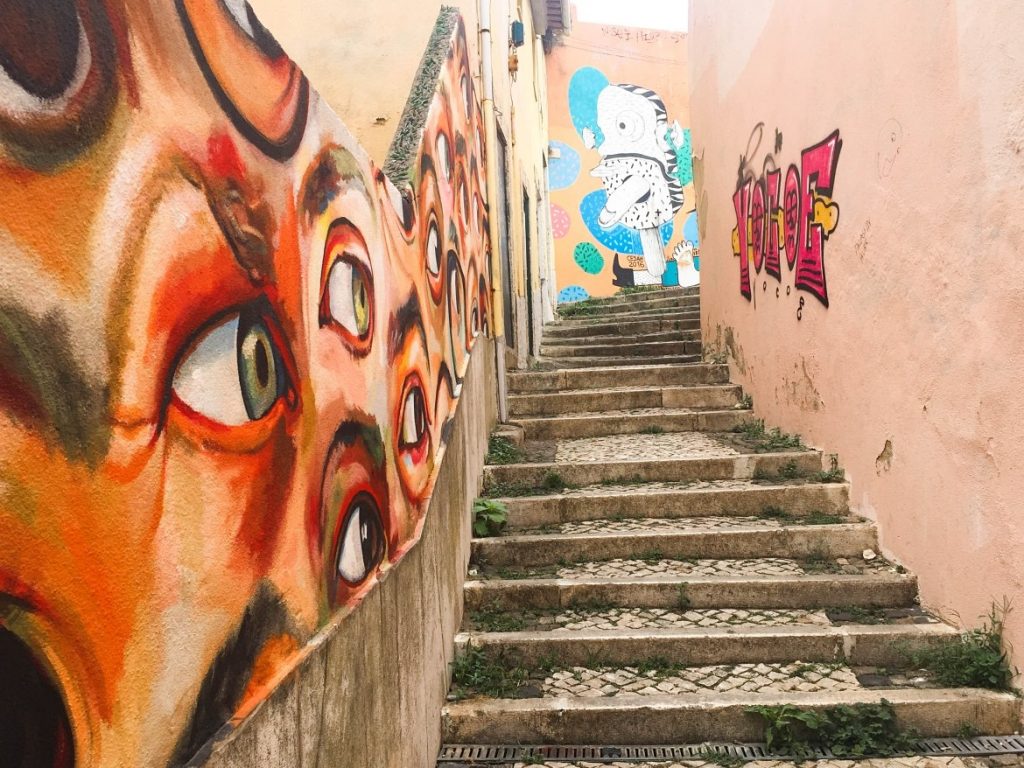
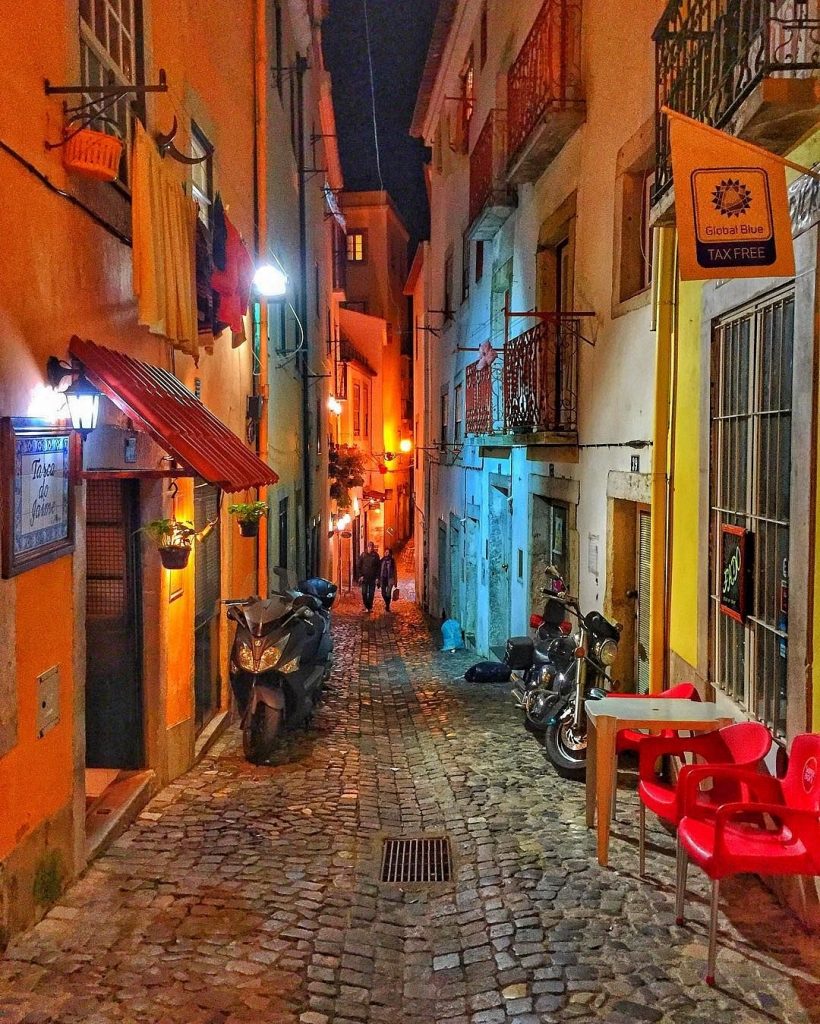
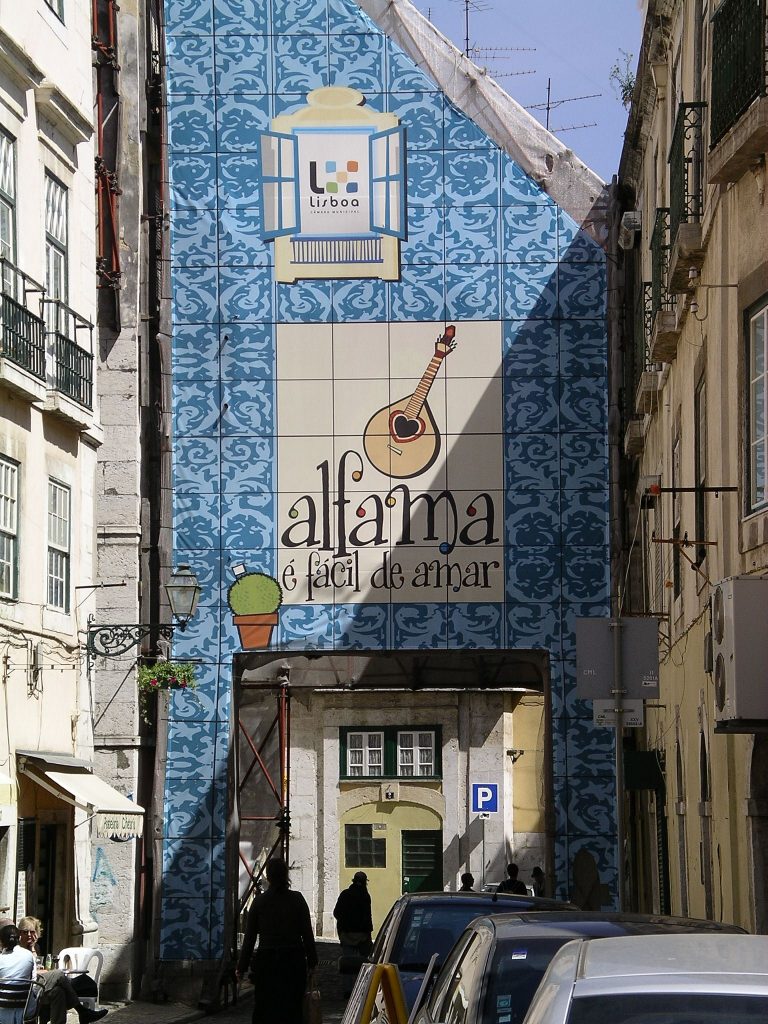
Santo Estêvão e o rio Tejo (6197363529) (cropped).jpgThe Alfama is Lisbon’s oldest neighbourhood, spreading on the slope between the São Jorge Castle and the Tagus river. The district includes the freguesias (parishes) of São Miguel, Santo Estêvão, São Vicente de Fora and part of the two streets, “Freguesia da Sé: Rua do Barão” and “Rua São João da Praça”. 
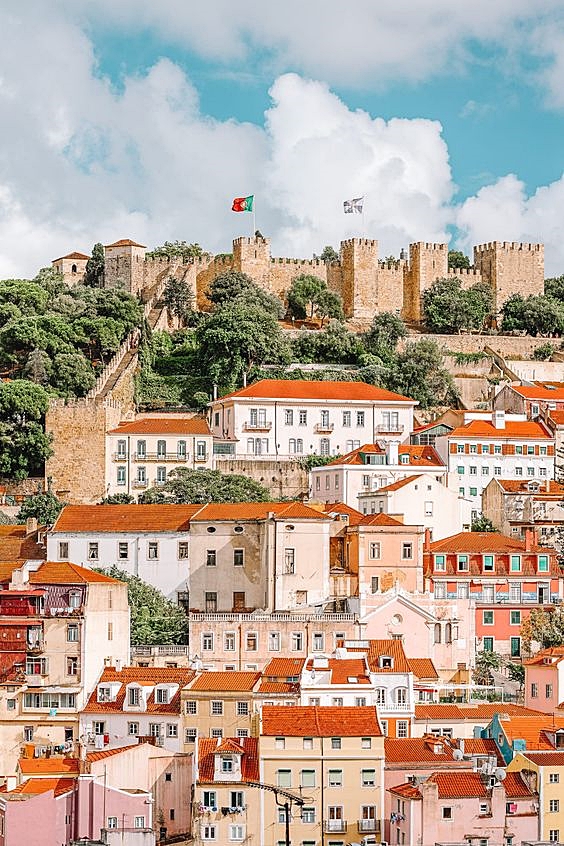
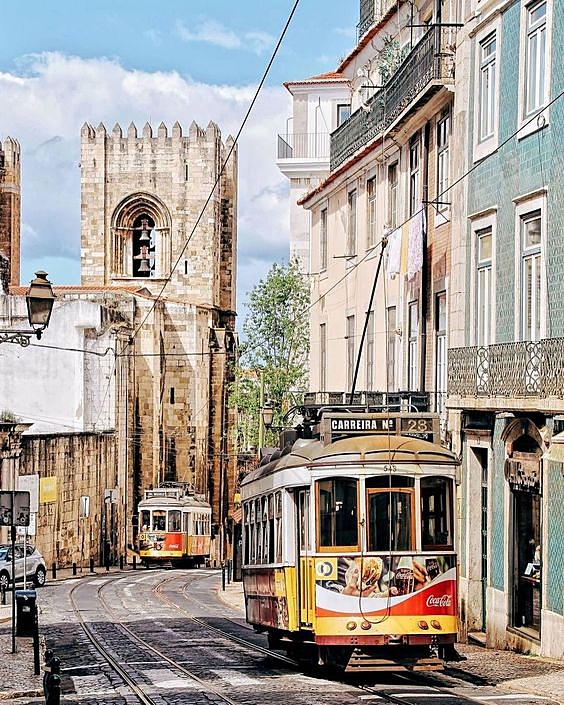
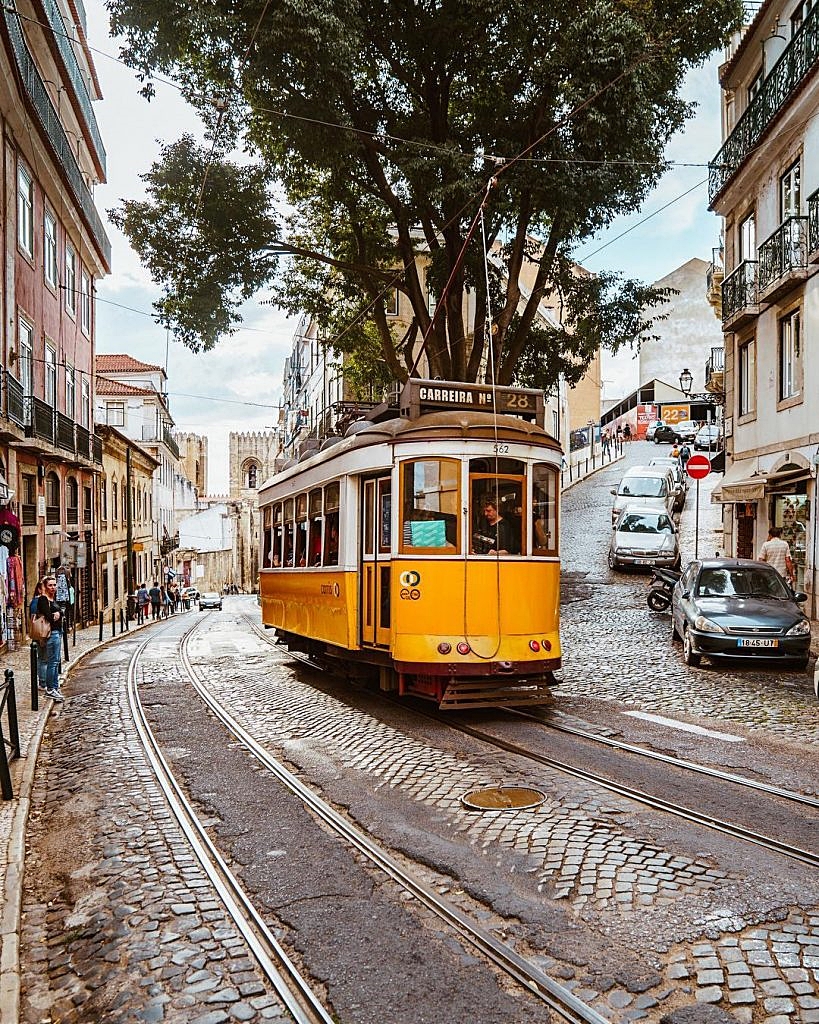
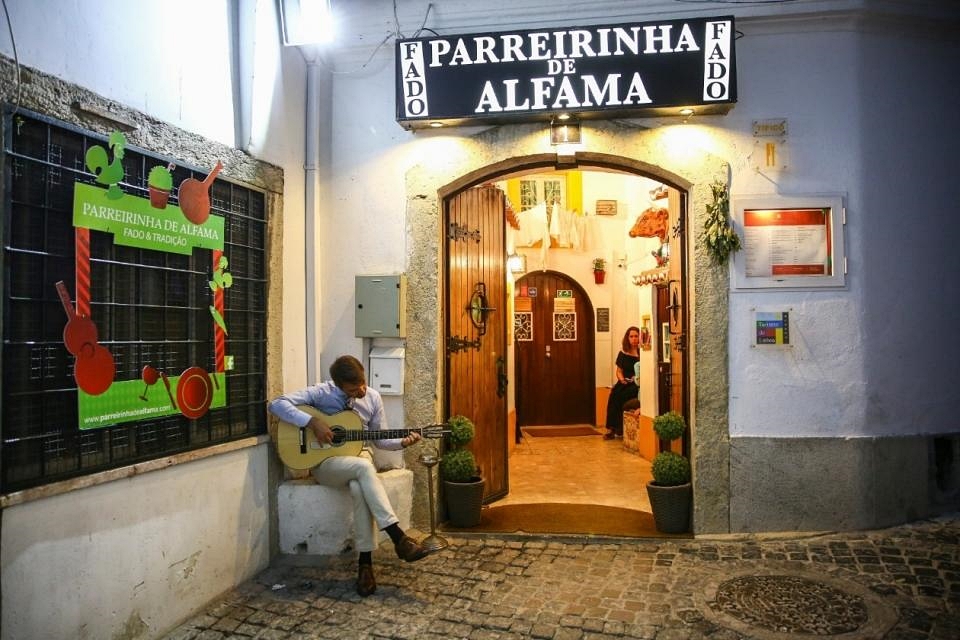
The steep streets of Alfama, one of Lisbon’s oldest areas, are lined with shops selling traditional crafts and cafes. Passengers pack the historic no. 28 tram, which winds through Alfama on its way up to 11th-century São Jorge Castle. Views from Miradouro da Graça terrace stretch over the city to the River Tagus. In the evening, melancholy Fado music can be heard in some of the area’s long-running restaurants.

Pastel de Nata is a delightful Portuguese treat, featuring a creamy egg custard nestled in a flaky pastry shell, finished with a dusting of cinnamon.

The origins of pastéis de nata trace back to the monks of the Hieronymites Monastery (Mosteiro dos Jerónimos) in Lisbon, who crafted them before the 18th century. At that time, religious houses relied heavily on egg whites to stiffen the habits worn by nuns and friars. To make use of the leftover yolks, these communities turned to baking, giving rise to a variety of delectable sweets that became cherished across Portugal.

In the wake of the 1820 Liberal Revolution, which dismantled religious orders and threatened the survival of convents and monasteries, the monks sought a new way to sustain themselves. They began offering pastéis de nata for sale at a local sugar refinery. When the monastery closed in 1834, the recipe passed into the hands of the refinery’s owners, who, in 1837, founded the Fábrica de Pastéis de Belém—a legacy that endures under the stewardship of their descendants to this day.

Some of the best pastel de nata stops in Lisbon are listed below.

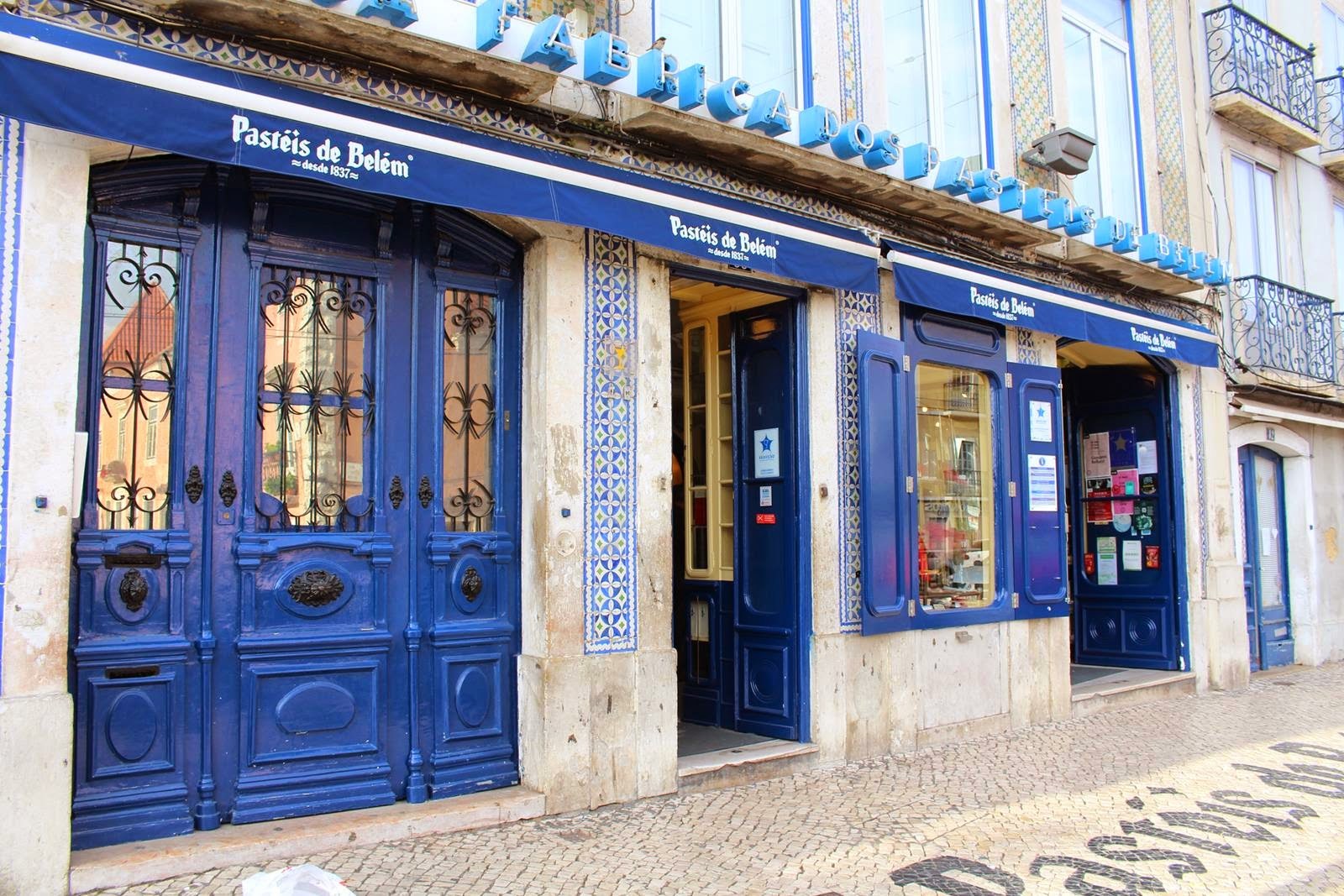
Pasteis de Belem store - Lisbon - Lisbon City Guide

Pastéis de Belém

No journey would feel complete without a visit to Pastéis de Belém, the birthplace of this iconic treat. They began crafting the authentic Pastéis de Belém in 1837, following a time-honoured recipe handed down from the Mosteiro dos Jerónimos. Each day, skilled bakers in their shop bring that closely guarded formula to life, relying solely on age-old techniques. Remarkably, the recipe has stayed true to its roots since 1837.

Pastelaria Santo António

Craving a sweet pick-me-up as you make your way toward the storied Castelo de São Jorge? Nestled in the charming Alfama district, this unassuming building boasts a striking blue-and-white tiled exterior that hides a sophisticated yet welcoming padaria (bakery). Inside, you’ll find a delightful array of freshly made treats, including their acclaimed pastéis de nata—crisp, creamy, and baked to perfection. But the offerings don’t stop there: indulge in fluffy waffles, cool scoops of ice cream, hearty sandwiches, or a robust shot of espresso to fuel your adventure. This modern gem seamlessly blends tradition with contemporary flair, making it the perfect stop to recharge while exploring Lisbon’s historic heights.

portugal - where to eat eggtart | Chasingboheme

Manteigaria, Rua do Loreto

If you ask a Lisbon local where to find the best pastéis de nata, chances are—more often than not—they’ll point you toward Manteigaria. Tucked away in the lively Bica neighborhood, this unique spot blends the charm of a traditional bakery with the buzz of a nata-making workshop. Here, you can peek behind the counter and watch skilled pastry artisans weave their magic, transforming simple ingredients into golden, custard-filled delights. Pair your freshly baked treat with a strong espresso and savor the moment. It’s a favorite ritual for locals, who flock here in the early mornings or swing by after dinner—the shop stays open until around midnight to accommodate the crowds. Whether you’re grabbing a quick bite or snagging some to enjoy on the go, keep it snappy: this isn’t a place to linger, as the small space fills up fast. For another chance to taste their wares, check out their second outpost at the bustling Time Out Market, housed within the historic Mercado da Ribeira.

PASTELARIA CRISTAL - Patisserie/Cake Shop - R. Buenos Aires, 25, Lisboa,  Portugal - Phone Number

Pastelaria Cristal

Tucked away in the elegant, palace- and embassy-dotted residential enclave of Lapa-Estrela, Pastelaria Cristal is a charming little café that punches well above its weight. Despite its modest appearance, this cozy spot has earned a towering reputation for serving what many consider the pinnacle of pastéis de nata. Each bite reveals a flaky, melt-in-your-mouth pastry cradling a custard so divine it warms the soul, leaving you with a blissful, contented glow. It’s no surprise that Cristal has won over the hearts of locals while also garnering praise on a national stage. For the perfect pairing, savor it alongside uma bica—a classic, no-nonsense shot of espresso that complements the sweetness beautifully.

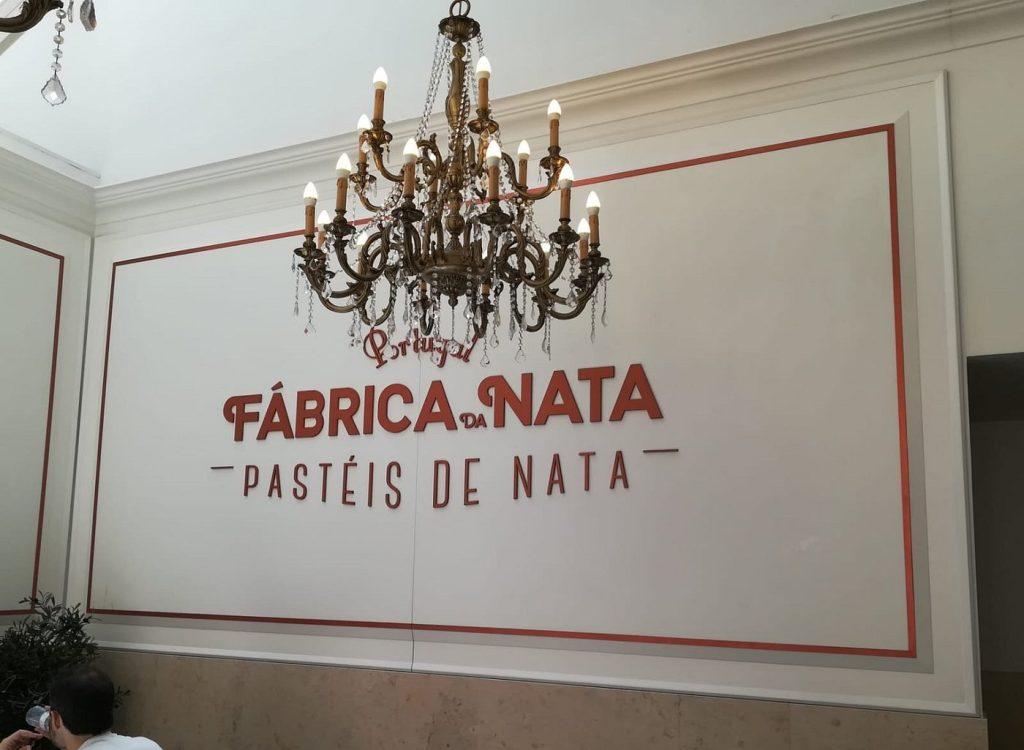
Fábrica De Nata

Wandering the relaxed, tree-lined streets of Lisbon’s Areeiro district and feeling a craving for something sweet? Make your way to this understated bakery on Avenida João XXI, a true hidden gem far from the tourist-packed hotspots. Their take on the classic pastel de nata is a standout—boasting a luscious, creamy filling cradled in a perfectly crisp, airy pastry that delivers satisfaction in every bite. Off the beaten path, it’s a spot where you can enjoy an authentic treat without the crowds. For a heartier break, pair your tart with a savory sandwich and a refreshing glass of freshly squeezed orange juice, transforming a simple afternoon snack into a satisfying lunch to fuel your day.

The first Rhinoceros to set foot on European soil since Roman times did not last long. Surviving the 120-day sea voyage to Portugal, the rhino was a diplomatic gift from India. Arriving in 1515, the Indian rhinoceros was off-loaded near the construction site of the Tower of Belem in Lisbon.

Tragically, the rhino never made it to Rome, drowning instead in a shipwreck off the coast of Northern Italy.

Strangely, the short-lived rhino inspired a famous woodcut by the artist Albrecht Dürer, who never saw the animal in person. He based his illustration on secondhand descriptions and a sketch by an unknown artist. The resulting woodcut shows a magnificent beast in riveted armour. Real rhinos being in somewhat short order at the time, this fanciful interpretation of reality became known as “Dürer’s Rhinoceros” and went on to inspire dozens of paintings and sculptures across Europe.

Meanwhile, the beautiful Tower of Belem was being built as the third in a series of fortifications designed to protect the natural port of Lisbon. Constructed between 1514 and 1520 of local limestone, the tower is an example of the distinctive Portuguese “Manueline” style, named for King Manuel I. The style incorporates motifs inspired by the great Age of Discovery and the recent return of Vasco de Gama from explorations to the Far East. Design elements from Morocco, Venice, and India mingle with nautical symbols like a rope. The entrance to the tower is marked with carvings of armillary spheres representing Manuel’s support of exploration.

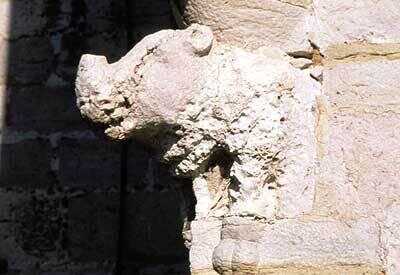
The turrets are decorated with carvings of exotic beasts. At the base of one of the turrets, stone carvers immortalized the rhinoceros they saw in 1515, now well worn, but notably lacking the armour of Dürer’s interpretation.

The 100-foot tall tower survived the disastrous earthquake of 1755 and has been restored many times. It is now a UNESCO World Heritage Site.

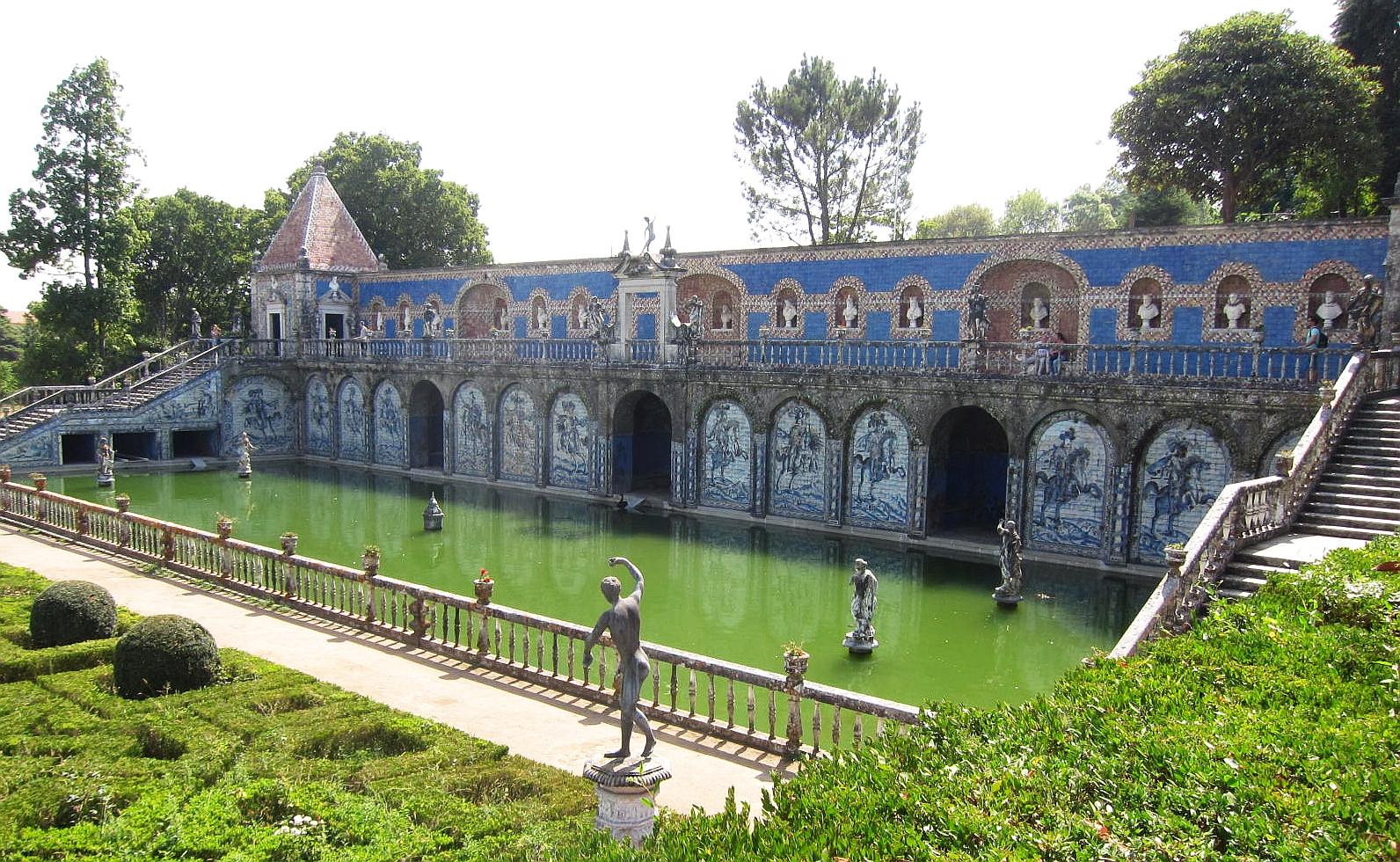


The Palace of the Marquesses of Fronteira was built in 1671 as a hunting pavilion to Dom João de Mascarenhas, 1st Marquis of Fronteira, who received his title from King Afonso VI of Portugal for his loyalty to the House of Braganza in the Portuguese Restoration War.

The palace is the private residence of the Marquesses of Fronteira

The palace is located in a very quiet area, near Monsanto Forest Park. The house and the garden have glazed tiles representing different themes such as battles or monkeys playing the trumpets.

The Room of the Battles has panels representing scenes of the Portuguese Restoration War. They depict the Battle of Montijo (1644), Battle of Arronches (1653), Siege of Badajoz (1658), Battle of the Lines of Elvas (1659), Battle of Ameixial (1663), Battle of Castelo Rodrigo (1664), Battle of Montes Claros (1665), and encounter at Chaves (1667).

The dining room is decorated with portraits representing some members of the Portuguese nobility, painted by artists such as Domingos António de Sequeira.

The chapel, dating from the end of the 16th century, is the oldest part of the palace. The façade is adorned with stones, shells, broken glass and porcelains. It seems that those pieces were used during the palace’s inauguration and were broken on purpose just not to be used again.

In spite of being the current residence of the Marquis of Fronteira some of the rooms, the library and the garden are open to public visits.

Type of Historical Garden: Baroque Garden, inaugurated in 1670.


Address:

Palácio Fronteira – Largo São Domingos de Benfica nº 1 – 1500-554 Lisboa Portugal

Phone:

(+351) 217 782 023 / (+351) 217 784 599


Web: fronteira-alorna.pt
E-mail: fundacao@fronteira-alorna.pt / fcfa-cultura@fronteira-alorna.pt


Region: Lisbon Metropolitan Area
Municipality : Lisbon
Town : São Domingos de Benfica, Lisbon
Place : Lisbon
Google Maps Coordinates:

38º44’25.33 N; 9º10’49.64 W
38.740554 -9.180420

Access from the provincial capital :

Direct. Lisbon bus Bus nr. 770 stops in front of the palace gate


12 Best Beaches near Lisbon | PlanetWare

The westernmost beaches of Europe are located near the continent’s sunniest capital. Lisbon’s abundance of sunshine, mild temperatures, and long stretches of sand make it one of Europe’s most blessed cities and a one-of-a-kind tourist destination, combining urban pleasures with seaside fun. With a varied and beautiful coastline, it is the European capital closest to sandy beaches, facing the Atlantic. The majority of it carries the Blue Flag, which indicates cleanliness and water quality, and it is also a popular surfing destination in Europe. There is always a spot for you whether you head west to the resort towns of Cascais and Estoril or south to the Caparica coast.

– Easiest to Reach by Public Transportation:
Praia da Conceição, Praia da Rainha, Praia do Tamariz, Carcavelos

– Most Beautiful Beaches:
Praia da Ursa, Praia do Ribeiro do Cavalo, Praia dos Galapinhos, Praia do Creiro, Praia da Adraga, Praia do Guincho, Praia de Santa Marta, Praia da Rainha

– Closest to the Center of Lisbon:
Carcavelos, Praia de Santo Amaro, Praia de Caxias

Visit Praia de Caxias | Beach activities, Dolores park, Beach
Praia de Caxias

– Best Beach for Sports:
Carcavelos

– Best Beaches for Surfing:
Carcavelos, Costa da Caparica, Praia do Guincho, Praia da Cresmina, Praia Grande, Praia do Magoito

– Largest Beaches:
Costa da Caparica, Carcavelos, Troia
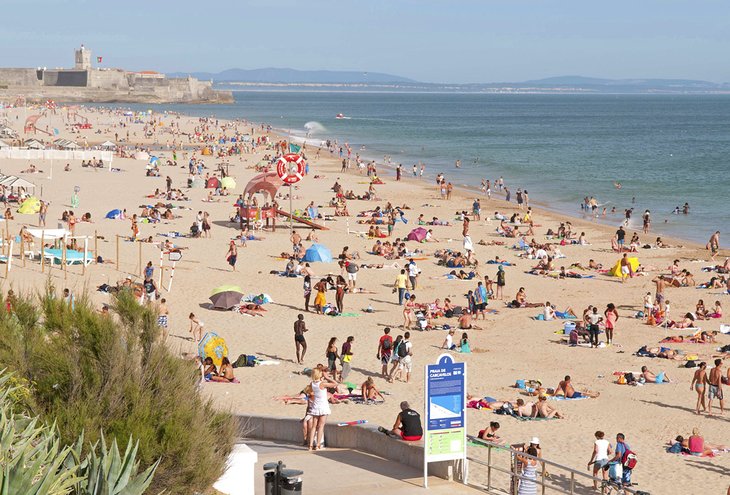
Lovely beach just 30 minutes from Lisbon - Traveller Reviews - Praia de  Carcavelos - Tripadvisor
Carcavelos

– Best Beaches for Families:
Praia da Rainha, Praia das Moitas, Praia de Santo Amaro, Praia das Maçãs, Praia da Figueirinha, Praia do Creiro

– Romantic Beaches:
Praia da Ursa, Praia do Ribeiro do Cavalo, Praia do Creiro, Praia da Rainha, Praia de Santa Marta

– Gay Beach: Praia 19

Chat – Praia 19 – Praia de Nudismo Gay

– Nude Beaches: Meco, Rio da Prata, Fonte da Telha, Praia 19, Praia da Ursa, Praia da Aguda

Beach-going in Lisbon | www.visitportugal.com
Meco
Praia da Fonte da Telha | Atracções | Grande Lisboa, Lisboa
Fonte da Telh
PEDRO LARANJEIRA - Roteiro de Praias
Rio da Prata
30 reasons why you will definitely fall in love with Cascais
Cascais

– Best resort town: Cascais