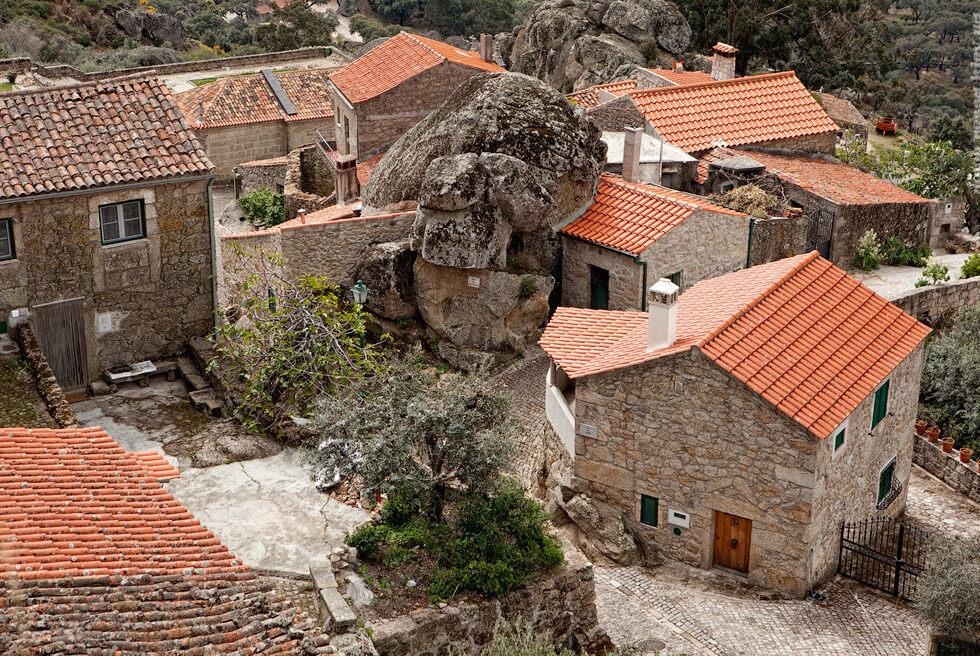

Monsanto, perched atop a mountaintop and interwoven with the Portuguese landscape, epitomises a geographical marvel. The village is characterized by houses that are cleverly nestled among, atop, and beneath colossal boulders. The remnants of a Templar castle, partially demolished by an explosion in the 19th century, crown this mountaintop, which has held significant strategic importance since prehistoric times.
The architectural fabric of Monsanto has remained largely unchanged for centuries, affirming its status as a living museum within Portugal. This designation prohibits any alterations, allowing the village to maintain its quintessential charm.
The village has hardly changed in hundreds of years, and enjoys distinction in Portugal as a living museum.
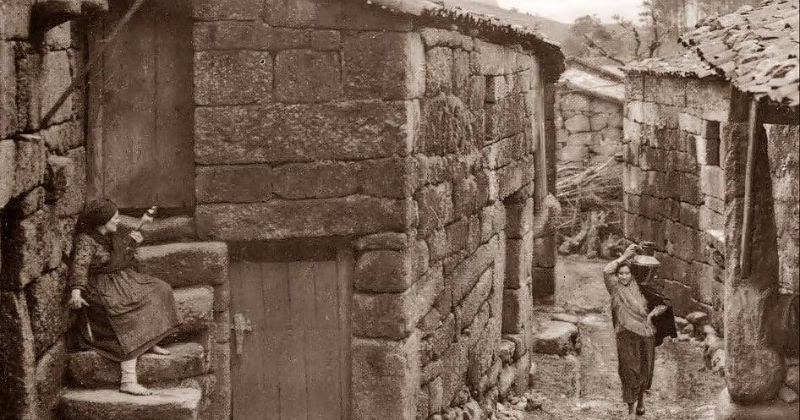
The village’s narrow lanes ascend steeply, flanked by cottages with red roofs pressed against verdant boulders, some of which feature doors leading into interiors carved directly from the rock. This integration of natural elements provides a distinctive twist on traditional Portuguese architecture.
A stroll along its cobblestone streets reveals that Monsanto is a condensed representation of Portugal itself. The architecture here reflects the Manueline style, as evidenced by several edifices and a church. While it adheres to the classic Portuguese village aesthetic, the unique ‘boulder chic’ cottages frequently eclipse the appeal of the mediaeval Romanesque or Manueline styles.
Monsanto exudes a timeless aura, encapsulating a panorama that includes Castelo Branco and the Estrela Mountains. For centuries, the village’s Lucan’s Tower has chimed the hours in an unaltered cadence, anchoring the community in a seemingly eternal moment.

The village’s ancient origins, steeped in prehistoric ties to pagan rituals, and its subsequent history under the stewardship of Gualdim Pais, Master of the Knights Templar, who fortified it with an impregnable castle, illustrate its remarkable and enduring legacy.




 Ericeira itself is still a laid-back place of cobbled streets, grilled sardines, narrow lanes and whitewashed houses, although with Lisbon less than an hour’s drive south (35Km). Ericeira’s surprisingly good nightlife is well-served by weekend visitors. The main square, Praca da Republica, is lined with pavement cafes and cake shops, while the Rua Dr Eduardo Burnay, which leads from the main square to Praia do Sul, is full of bars and excellent seafood restaurants.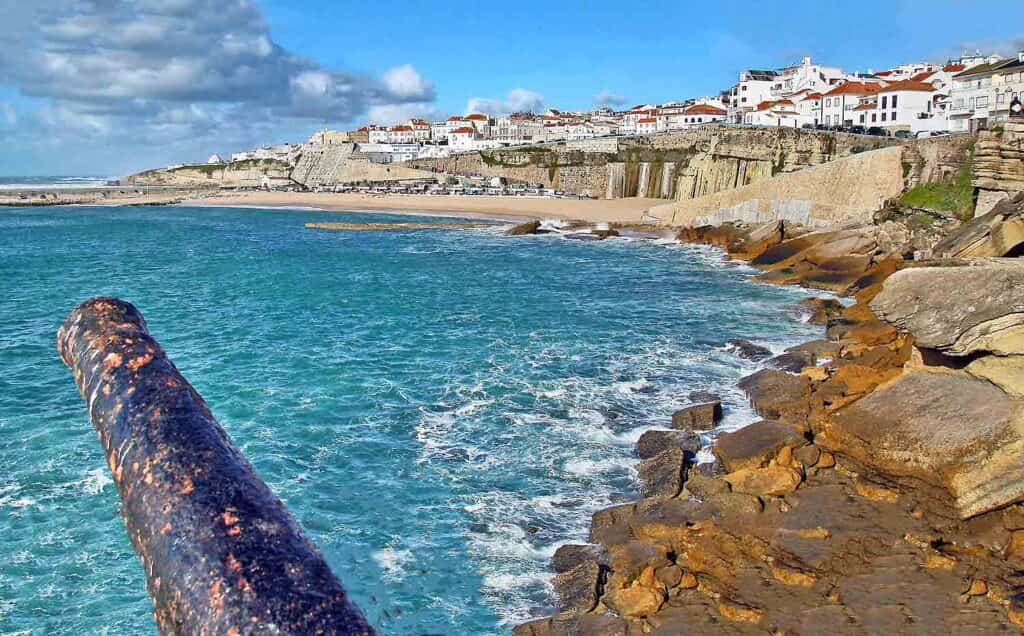







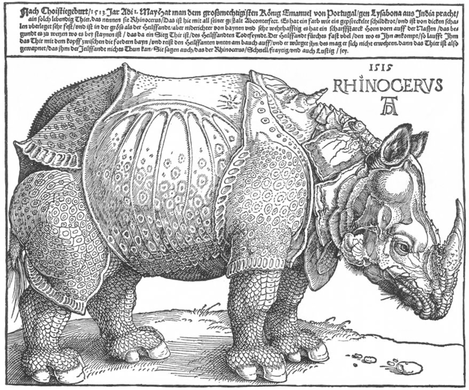
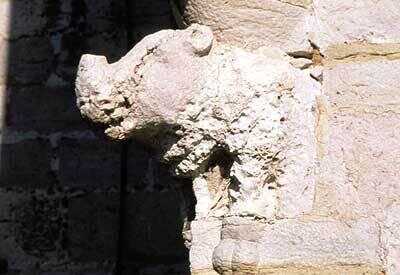 The first Rhinoceros to set
  Meanwhile, the beautiful Tower of Belem was being built as the third in a series of fortifications designed to protect the natural port of Lisbon. Constructed between 1514 and 1520 of local limestone, the tower is an example of the distinctive Portuguese “Manueline” style, named for King Manuel I. The style incorporates motifs inspired by the great Age of Discovery and the recent return of Vasco de Gama from explorations to the Far East. Design elements from Morocco, Venice, and India mingle with nautical symbols like a rope. The entrance to the tower is marked with carvings of armillary spheres representing Manuel’s support of exploration.
 The 100-foot tall tower survived the disastrous earthquake of 1755 and has been restored many times. It is now a UNESCO World Heritage Site.

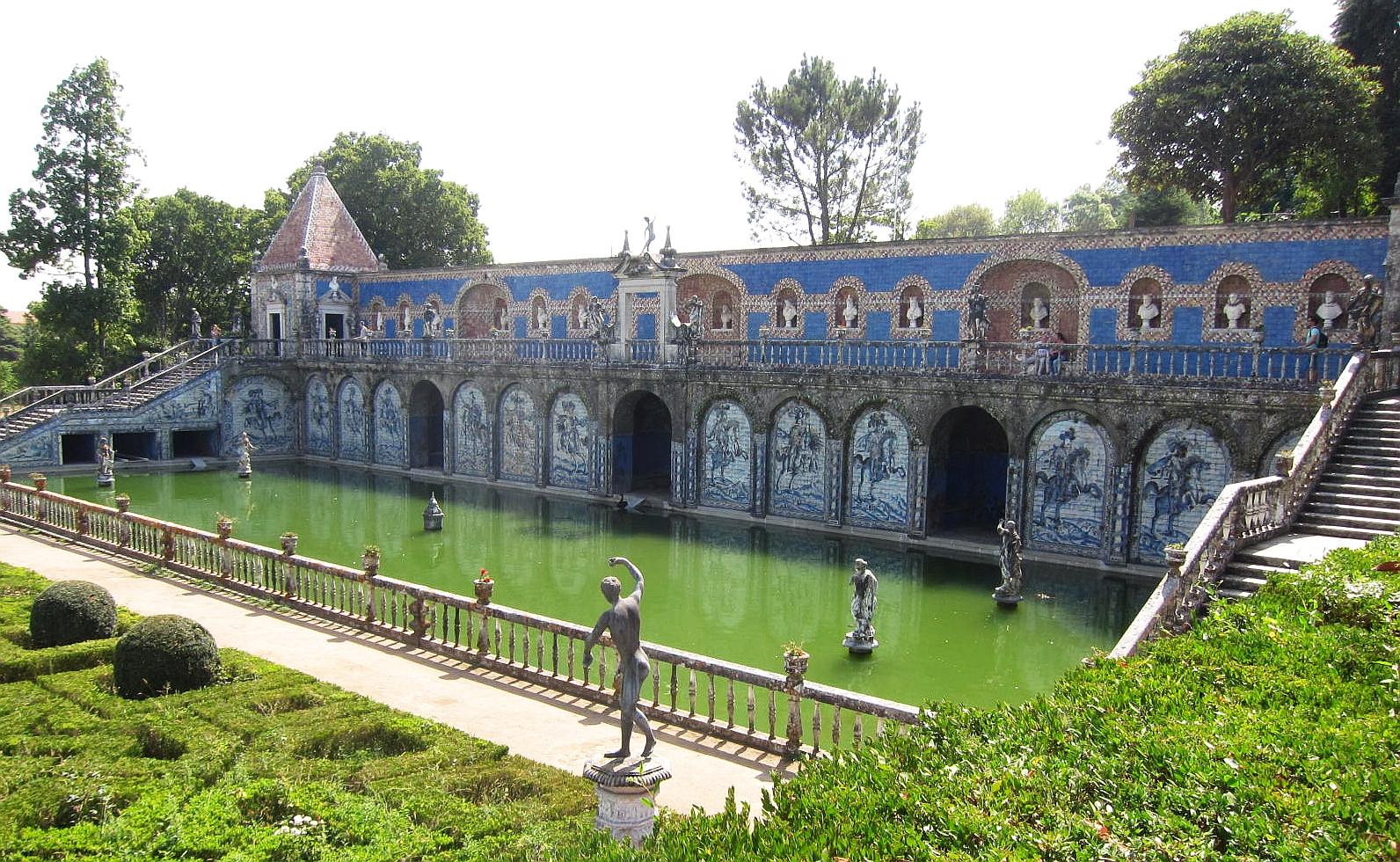
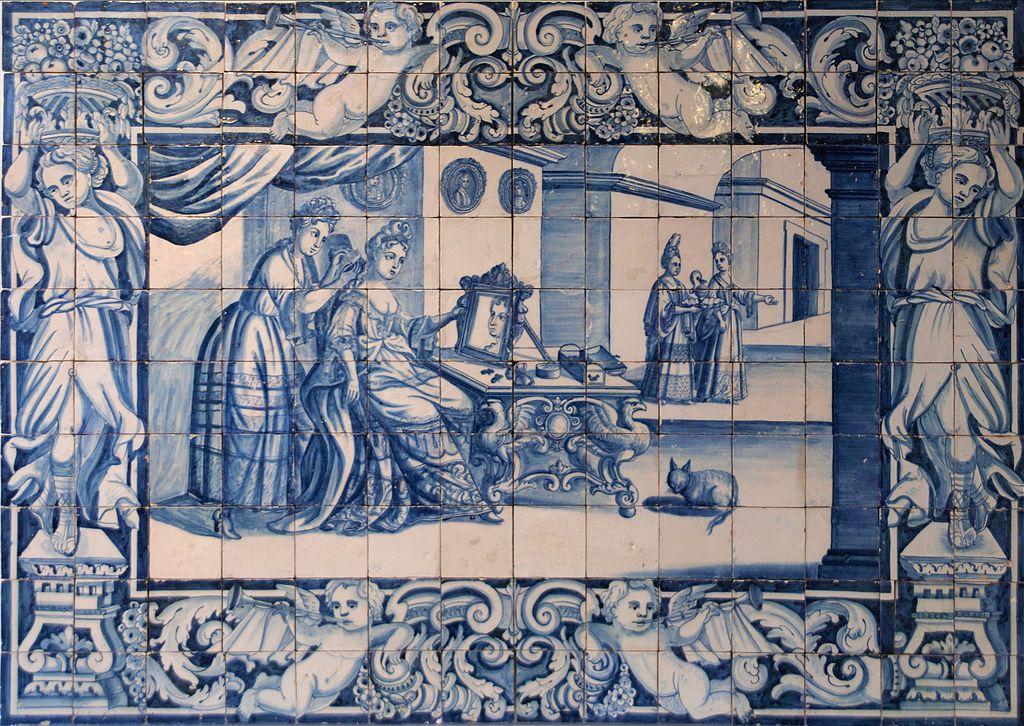
 The palace is located in a very quiet area, near Monsanto Forest Park. The house and the garden have glazed tiles representing different themes such as battles or monkeys playing the trumpets.