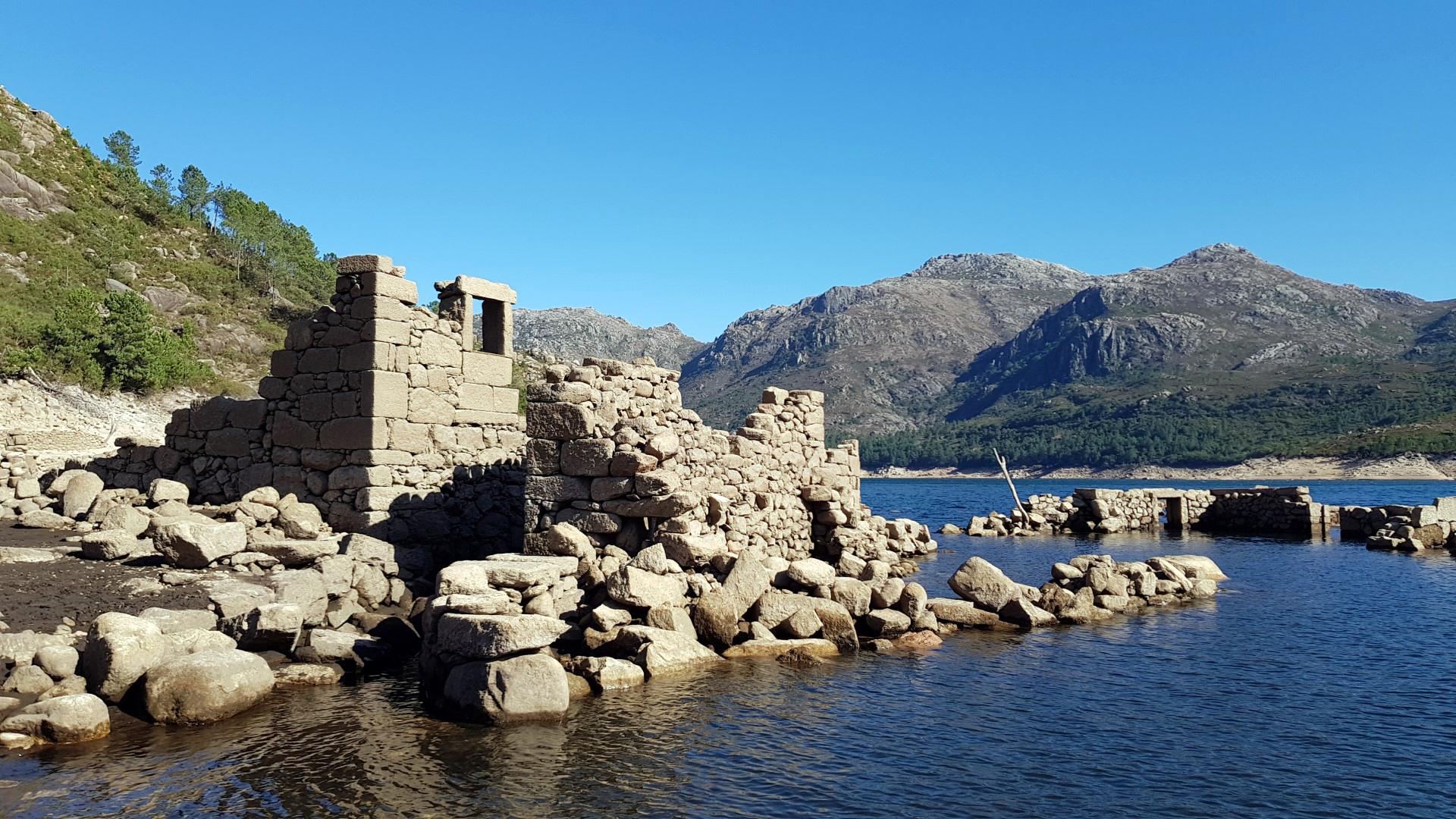
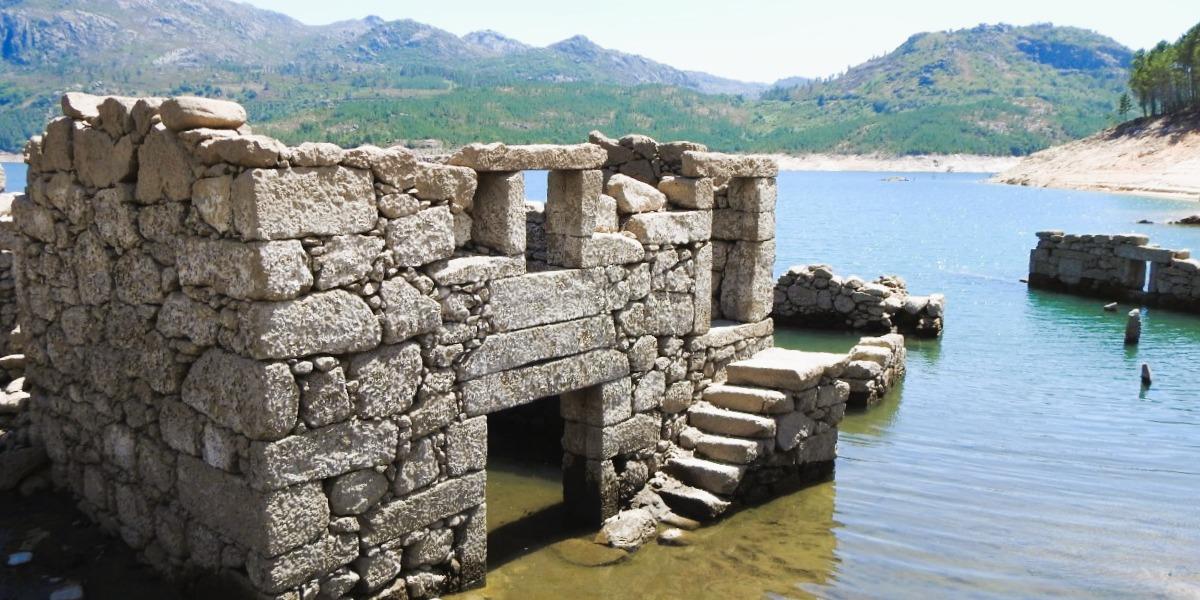
In Portugal’s storied Minho region, a fascinating revelation appears in rare moments of drought: the haunting remains of Vilarinho da Furna rise from beneath the waters, exposing the silent skeletons of a lost community. Where a placid lake now ripples most of the year, ancient stone walls, doorways, and memories resurface in the shimmering sun, captivating all who witness this extraordinary scene.

The tale of Vilarinho da Furna is as compelling as its rare emergence. In 1967, ambitions for hydroelectric progress led the Portuguese Electricity Company to commence construction on a dam along the River Homem. The project promised power for the region, but at a mammoth cost—a small, tightly-knit village with roots tracing back some 2,000 years would be forever changed. Oral histories recall the Roman founding in the 1st century C.E., and for countless generations, life flourished in this valley. Yet, progress could not be stopped. Residents—around 300 souls—accepted compensation and said their final farewells, the last villager departing in 1971 as the waters inched ever closer.

Come 1972, Vilarinho da Furna surrendered to the rising tide, its ancient homes and cobbled paths swallowed entirely. Occasionally, when the dam’s water level recedes after a prolonged dry season, the spectral village returns. Its time-worn architecture—walls, windows, and doorframes—emerges briefly from the deep, an evocative reminder of centuries past.
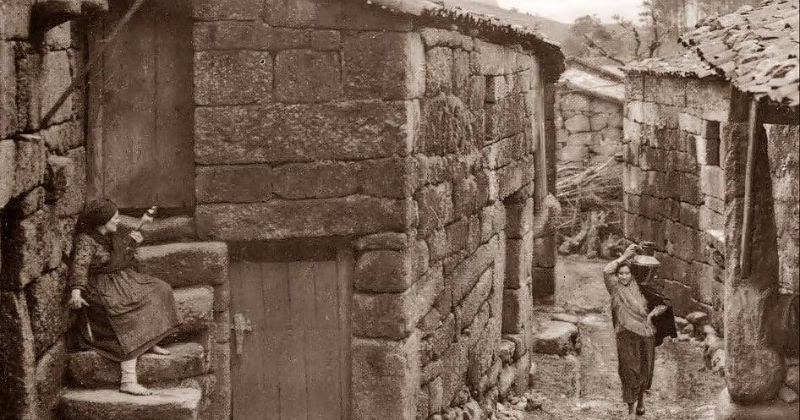
The “Ghost Town” of Vilarinho da Furna, a Drowned Roman Village ~ Vintage  Everyday

Today, the spirit of Vilarinho da Furna is kept alive in nearby São João do Campo, where a museum stands as a tribute to the submerged city. Commemorative efforts and oral storytelling ensure that its rich history endures. Recently, transparent-bottomed boat excursions have become a novel way for visitors to catch glimpses of the hidden village when conditions allow—though approaching the submerged ruins is risky and strongly discouraged due to fluctuating water levels and unpredictable hazards.

Should fortune guide you to the region during an exceptionally dry spell, you may witness this submerged marvel firsthand. Otherwise, local boat operators are available for safe lake tours, offering stories and context about life before the flood. Whether seen or simply imagined beneath the water, Vilarinho da Furna remains a poignant emblem of resilience, loss, and memory in Portugal’s dramatic Minho landscape.

How to get there

To visit the submerged village of Vilarinho da Furna, you will first need to head towards the Peneda-Gerês National Park in northern Portugal, specifically the civil parish of Campo do Gerês, within the municipality of Terras de Bouro, Braga district. Here’s how to get there:

By Car

  • From Braga (the nearest major city), drive about 48km northeast towards Campo do Gerês. This takes approximately 54 minutes and provides the most flexibility, allowing you to reach the area near the dam and the museum in São João do Campo.
  • In the summer months, you may be able to access closer to the ruins by car for a fee. At other times, access is typically on foot.

By Public Transport

  • From Braga, you can take a bus from the Centro Coordenador de Transportes de Braga to Campo do Gerês. The journey takes about 1 hour and 14 minutes, with the bus running several times a week. Expect a transfer to local routes in Terras de Bouro, then a local taxi or a hike to the site.
  • For those relying on public transport, the nearest bus stops to the area include Veiga de S. João and Campo do Gerês (Museu Etnográfico)—the latter a short walk from the starting point of local trails.

Points of Interest

  • The Ethnographic Museum of Vilarinho das Furnas in São João do Campo provides background and context to your visit. The museum is open Tuesday to Sunday and is easily accessible once you arrive in Campo do Gerês.

Tips

  • The submerged ruins are only visible during times of severe drought when water levels recede.
  • Local guides or boat tours are sometimes available, but it’s wise to check conditions in advance, as the area can be dangerous due to fluctuating water levels.

This journey is best suited for those with a car, but determined explorers can reach the vicinity via bus and short hikes. The village remains hidden under the waters except during rare dry spells, making any visit especially memorable if the ruins are visible.
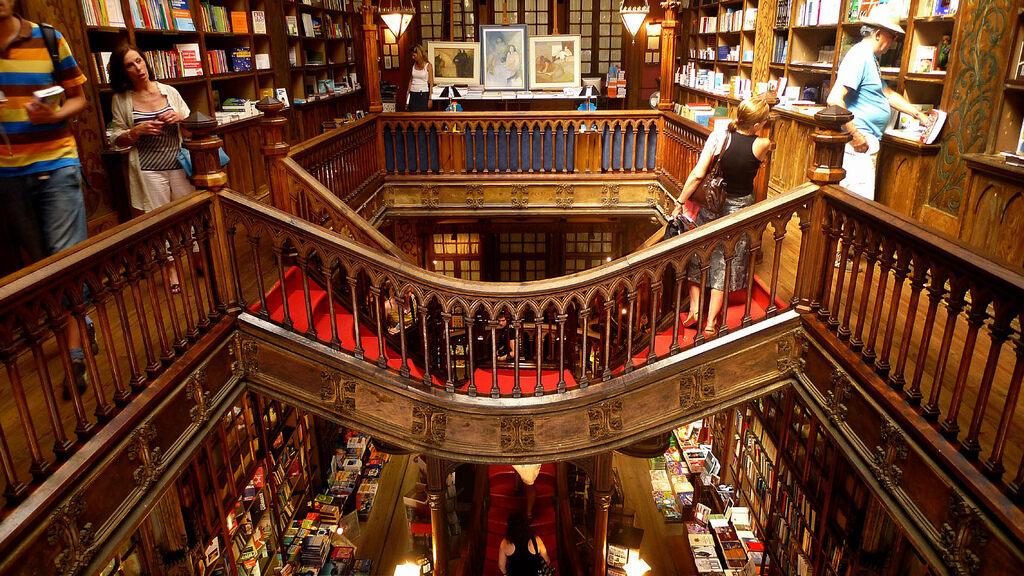
Livraria Lello, often referred to as Livraria Lello & Irmão (Lello & Brother), is not only renowned for its stunning architectural features but also for its rich history and cultural significance. Located in the heart of Porto’s historic centre, this iconic bookstore has become a must-visit destination for book lovers and architecture enthusiasts from around the world.

In 1906, Livraria Lello, a building designed by Xavier Esteves, opened its doors to the general public. Esteves combined elements of art nouveau and neo-Gothic styles to create a truly unique and captivating space. The bookstore’s Neo-Gothic interior complements the intricate art nouveau details on its facade, which include decorative motifs and ornate ironwork.

Instead of a bookstore, Livraria Lello greets visitors with a breathtaking sight resembling a cathedral. The interior is adorned with exquisite craftsmanship, including intricately carved wood panelling, soaring columns, and a magnificent stained glass ceiling that bathes the space in a kaleidoscope of colours when sunlight filters through.

One of the most striking features of Livraria Lello is its iconic curvaceous staircase, which winds its way up to the upper floors of the bookstore. Crafted from rich, dark wood and adorned with delicate carvings, the staircase is not only a functional element but also a work of art in its own right, evoking a sense of timeless elegance and sophistication.

Throughout the bookstore, visitors can admire the attention to detail in every aspect of its design, from the hand-painted figures over the windows by artist José Bielman, symbolising “science” and “art,” to the stained glass window bearing the monogram of “Lello and Brother” and their motto, Decus in Labore (“Honour in Work”). Plant motifs and geometric shapes further enhance the ambiance, creating a harmonious blend of beauty and functionality.

Over the decades, Livraria Lello has retained its status as a beloved cultural landmark in Porto, attracting not only book enthusiasts but also literary figures, artists, and tourists alike. It has served as a source of inspiration for writers such as J.K. Rowling, who reportedly drew inspiration from its enchanting ambiance while living in Porto and working on her Harry Potter series.

Today, Livraria Lello continues to thrive as both a bookstore and a symbol of Porto’s rich literary heritage, offering visitors an unforgettable experience that combines history, art, and literature in a truly magical setting.

This is one of those places that you will remember for the rest of your life.


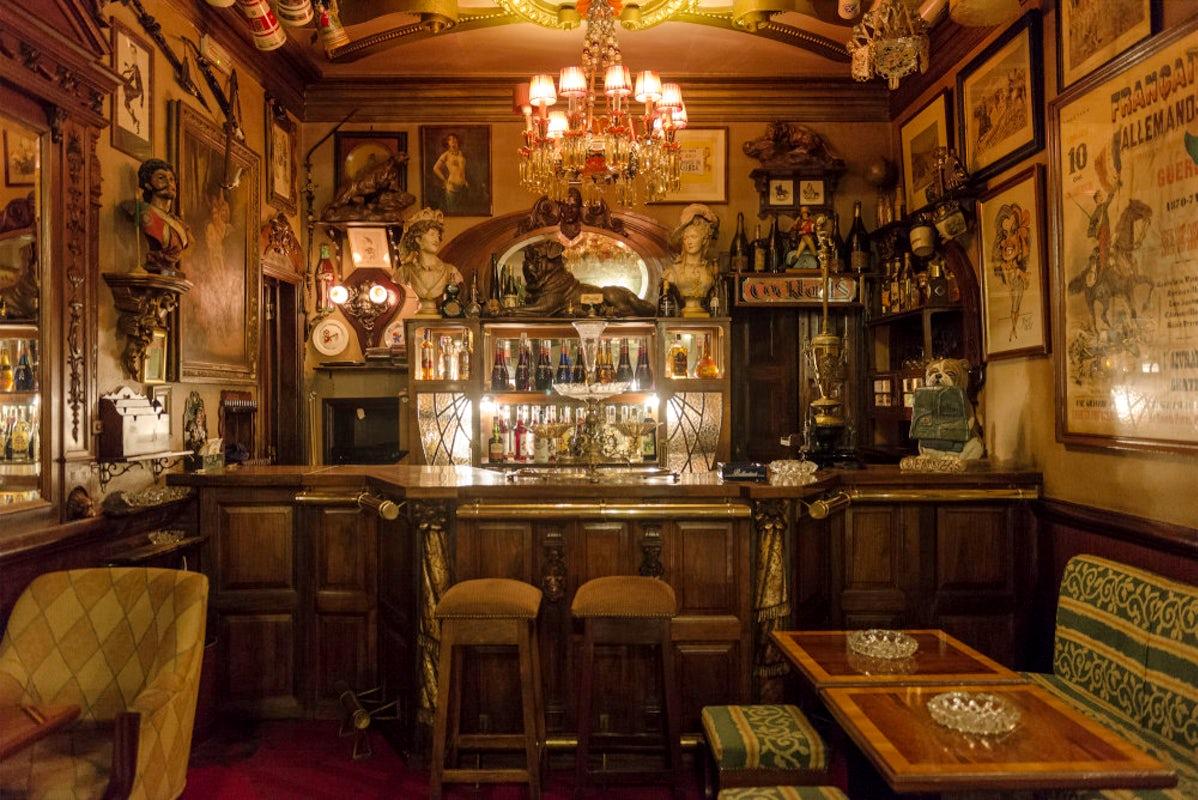
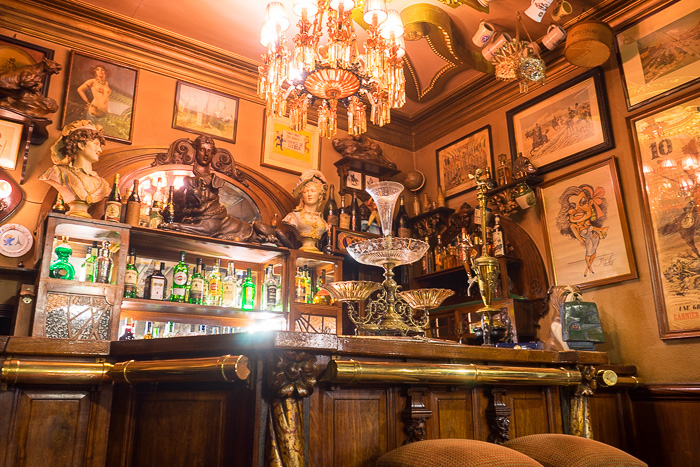
Hidden behind a big red door in the heart of Príncipe Real, Lisbon, Pavilhão Chinês is a bar unlike any other—a blend of museum, curiosity cabinet, and nostalgic sanctuary. There’s no neon sign luring you in and no fanfare besides the subtle rite of ringing the doorbell, making each visit feel exclusive and whimsical.


What to Expect Inside

  • Unique Atmosphere: The venue features five rooms, each overflowing with oddities. Think dark, polished wood and lavish crimson walls, illuminated by the glint of ceiling-hung model airplanes and spotlit glass cabinets overflowing with antique toy soldiers, comic figurines, retro porcelain, and historical memorabilia.

  • A Living Collection: This isn’t a kitschy themed bar—it’s a curated, living collection. Every shelf tells a story, inviting guests to wander, take photos, and lose themselves in a world of vintage discovery.

  • Relaxed Elegance: Despite its maximalist decor, the ambience is never pretentious. Overstuffed leather armchairs and a classic pool table in the back make it just as suited for a quiet drink as for a lively night with friends.

Service and Cocktails

  • Professional Staff: Expect red-vested, old-school staff—a significant part of the charm—who are both welcoming and attentive.

  • Serious Cocktails: The drinks menu favors timeless classics, all crafted with balanced flavors and traditional techniques. You won’t find flashy gimmicks or over-the-top concoctions, just perfectly executed cocktails.

Why Visit?

  • Experience one of Lisbon’s most unforgettable night spots.

  • Enjoy the freedom to explore five eclectic rooms.

  • Revel in a place where word of mouth keeps it thriving—a true local secret.

  • Immerse yourself in a vibrant blend of history, nostalgia, and relaxation, all tucked away behind an iconic red door.

Pavilhão Chinês offers a night out that feels like stepping into someone’s personal treasure trove, welcoming you not with advertisements but with stories waiting to be discovered.

Pavilhão Chinês
Rua Dom Pedro V, 89/91
Príncipe Real
Lisboa
 

Vila de Rei celebra Dia do Concelho e 740 anos de Foral | Médio Tejo

Vila de Rei - Turismo Centro Portugal


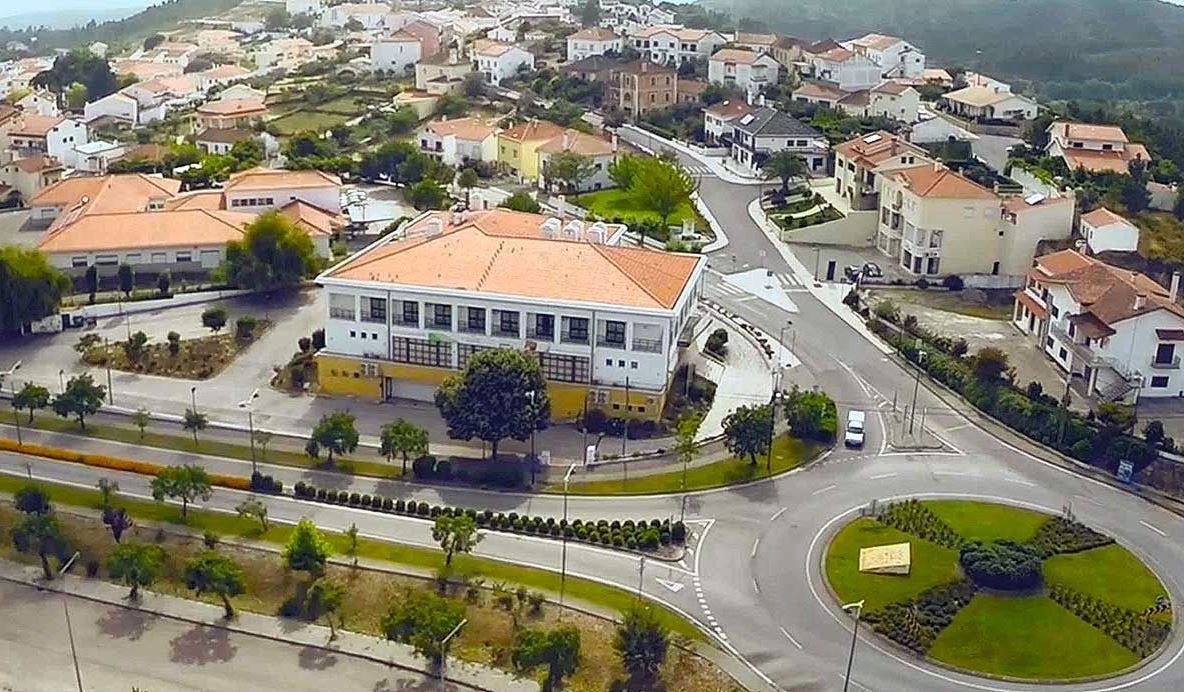
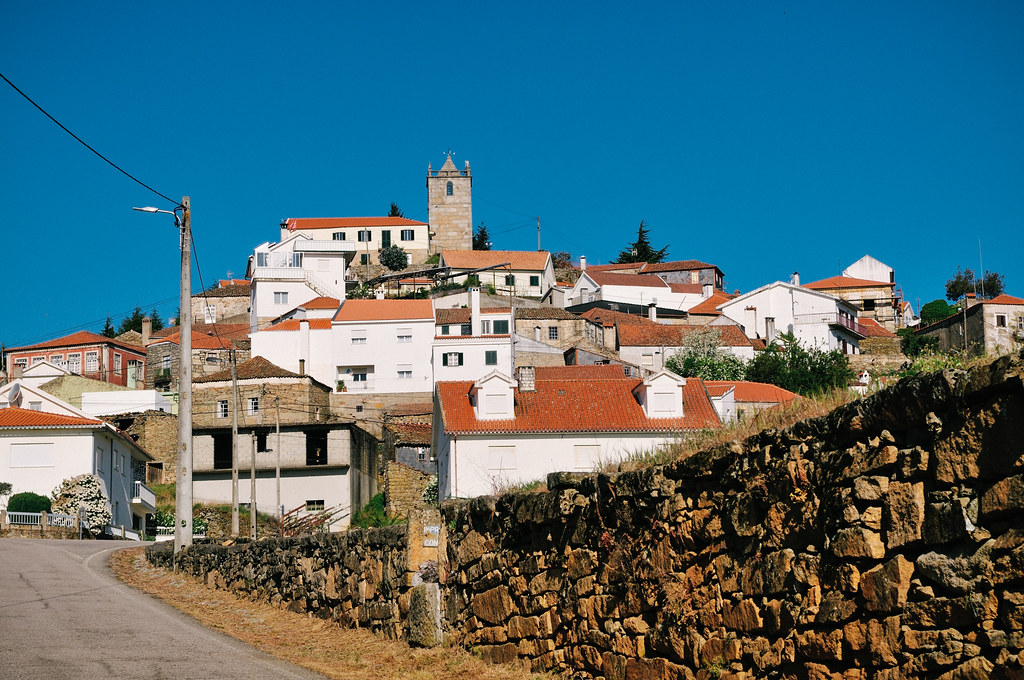
The small town of Vila de Rei, which translates to “King’s Town,” is 30 kilometres north of Abrantes and is a charming place set in a wonderland of pinewoods, lakes, running streams, and waterfalls right in the centre of Portugal.


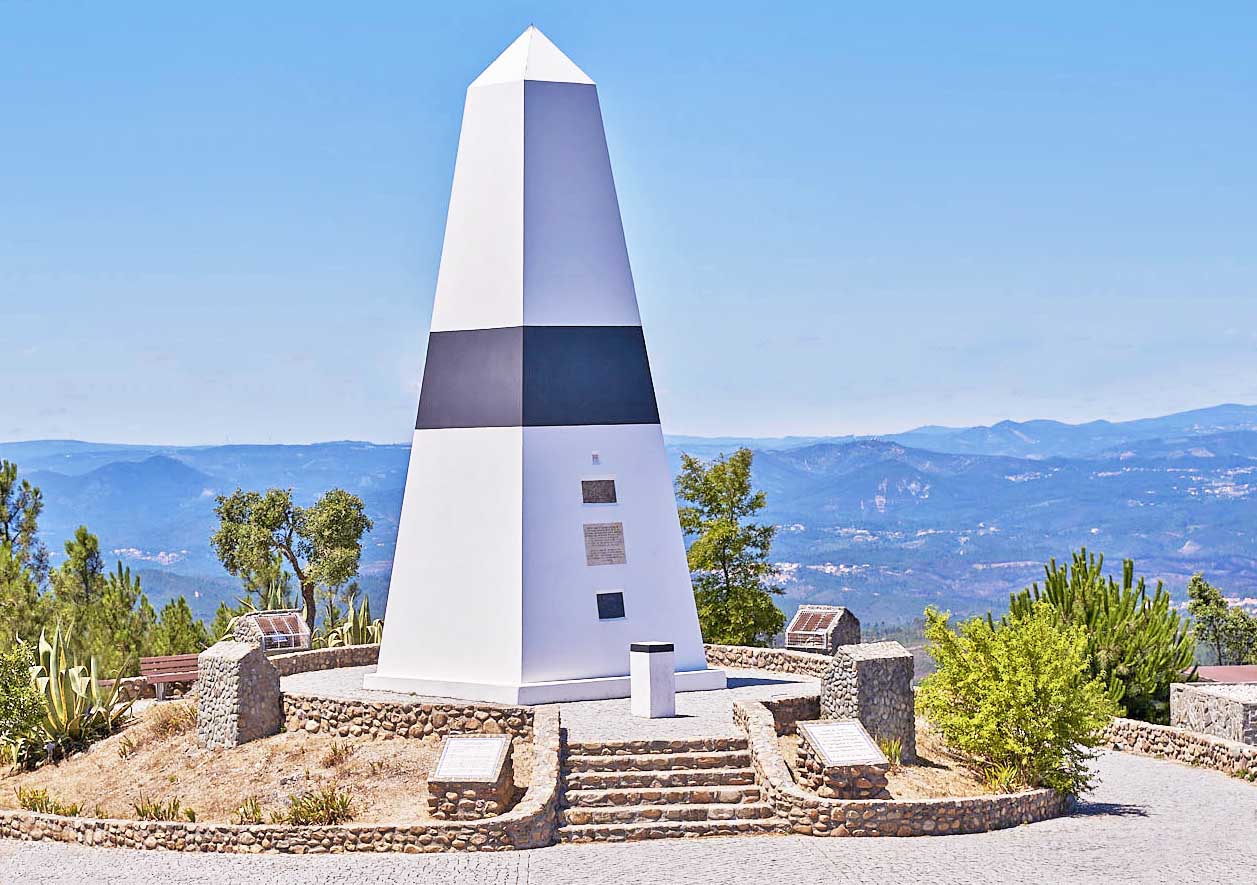
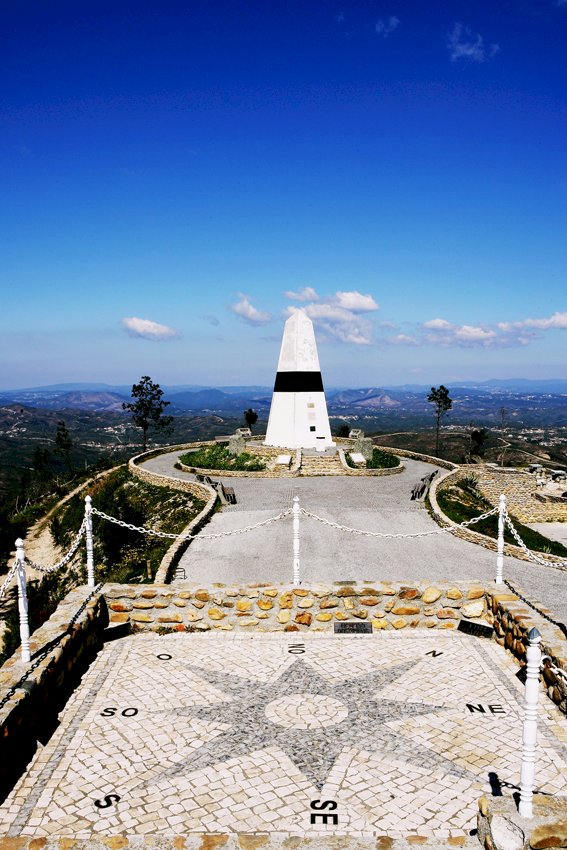
The Picoto da Melrica, a monument that depicts the geodesic centre of the Portuguese Mainland, demonstrates how central the city is to Portugal.
 
The town is situated precisely in the geographic centre of Portugal, which is indicated by a tower on Milriça Peak, a small municipality surrounded by dense forest.
 
The tower, which is one of the most fascinating sights in central Portugal, is 600 metres (2,000 feet) high and was constructed to mark mainland Portugal’s geodesic, which is the location with the shortest distance from all other locations in the nation.
 
A small Geodesy museum highlighting its geographic significance is also located on Milriça Peak, which additionally provides the most breathtaking panoramic views ov

Olhar Portugal-Centro Geodésico de Portugal, Vila de Rei - Descla

er a vast area. The Vila de Rei Council and the Portuguese Geographic Institute collaborated to create the museum, which includes a permanent exhibition, a small multimedia auditorium, and a café. It is situated precisely at the Portuguese Geodesic Center at the summit of Serra da Melriça.
 
It is worthwhile to admire the Miserichord Chapel and the parish church from the 18th century in the small town of Vila de Rei. Saint Michael Castro is a fortified and walled settlement that is thought to be of Celtic origin, dating from the Iron Age, and has been designated as a National Monument. It is located at the summit of the Ladeira mountains, at a height of about 493 metres (1,600 feet). A particularly stunning example of a shale village along the route that passes through Vila de Rei is Gua Formosa. Vila de Rei itself is well worth a visit to admire its lovely parish church from the 17th century, which is particularly notable for its exquisitely painted coffered ceiling.
 
The Penedo Furado is a natural wonder of Vila de Rei. It is a large, pierced boulder that has been changed to hold two belvederes on a rocky platform surrounded by woods and waterfalls.
 
The Knights Templar and the Order of Christ helped establish, protect, and develop Vila de Rei and its surroundings in the fourteenth century. King Manuel I later renewed the charter in 1513.
 
The neighbourhood of Castelo Branco, where Vila de Rei is located, is full of interesting historical and natural landmarks. The magnificent Castelo de Almourol, a fairy-tale fortress in the middle of the River Tagus, is one of Portugal’s most photographed castles, and visitors to the area can get up close to it. The historic city of Tomar, which is home to the Convent of Christ, is one of Portugal’s most significant landmarks, as are the towns of Abrantes, Constância, and others that are nearby.

[/vc_column_text][/vc_column][/vc_row]

Vila de Rei


Ericeira Street

Ericeira, perched on high cliffs some thirty meters above a string of sandy beaches, has benefited greatly from its location. A small fishing village whose name derives from sea urchins.

In his guidebook, published in 1910, Baedeker described Ericeira as ‘a fishing village with excellent sea-bathing. In spite of burgeoning development this description still pretty much holds true today. The town’s main beach, Praia do Sul, is often crowded and has less than perfect water quality due to its proximity to the Porto de Pesca (fishing port), but numerous others such as Foz de Lizandro, two kilometres south of the main town and protected by a river that guarantees safe swimming no matter what the condition of the sea, are both unspoilt and uncrowded. The best is probably at São Lourenco, a peaceful hamlet about five kilometres north of the town.

Lately, it is the beaches that have been grabbing all the attention as a burgeoning surf culture increasingly focuses on the quality of Ericeira’s many waves. Portugal’s most famous surfer, Tiago Pires, hails from Ericeira, where there are more than 30 spots that offer good surf. One of these, the renowned beach of Praia da Ribheira d’Ilhas, 3Km north of the town, is now a regular stop on the ASP world surfing tour. In spite of a growing abundance of surf schools, surf shops and local shapers Ericeira has until recently managed to avoid the somewhat hectic atmosphere of the equally famous Peniche.

Ericeira itself is still a laid-back place of cobbled streets, grilled sardines, narrow lanes and whitewashed houses, although with Lisbon less than an hour’s drive south (35Km). Ericeira’s surprisingly good nightlife is well-served by weekend visitors. The main square, Praca da Republica, is lined with pavement cafes and cake shops, while the Rua Dr Eduardo Burnay, which leads from the main square to Praia do Sul, is full of bars and excellent seafood restaurants.
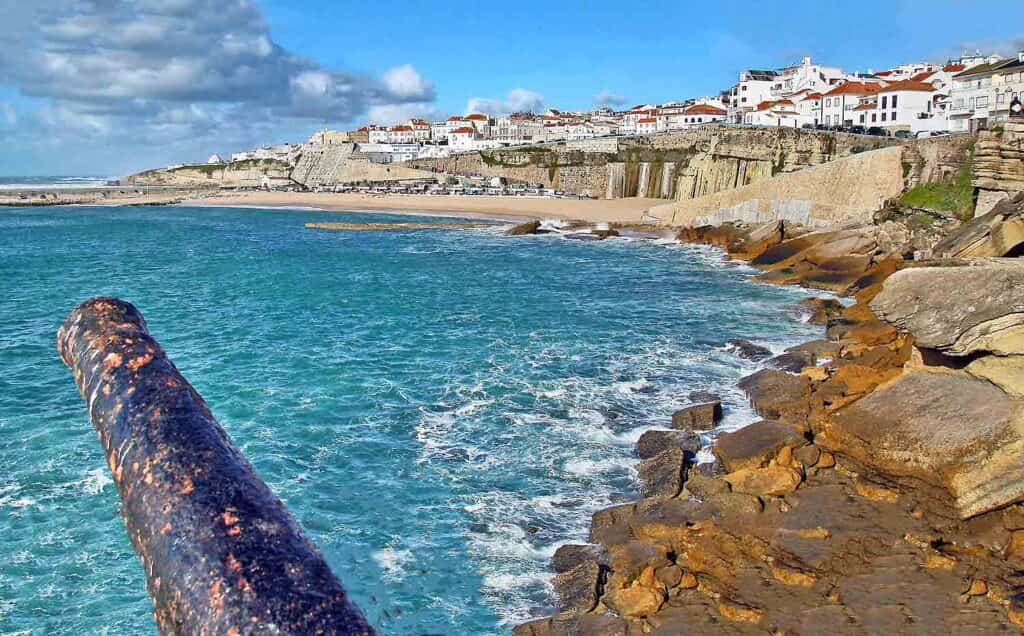
The Seaside Town of Ericeira | Portugal Travel Guide

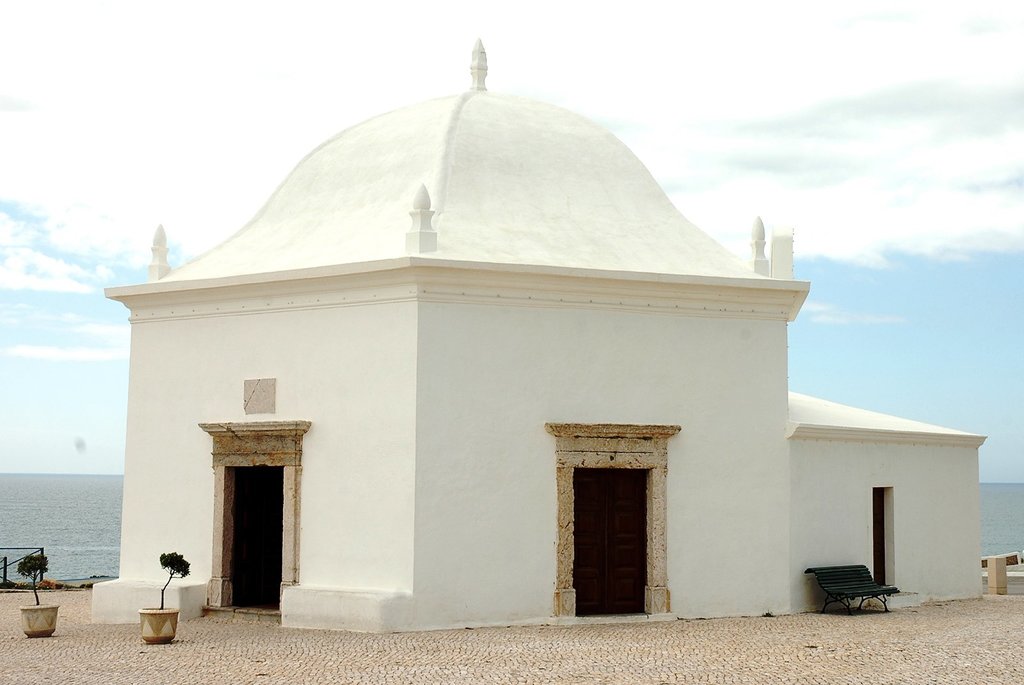
Capela de São Sebastião, Ericeira | Mafra

On the northern edge of town, the little mosque-like chapel of São Sebastião stands alone in front of the vast, sandy Atlantic coastline, this small chapel dedicated to St. Sebastian dates back to the 13th century. It was completely rebuilt in the 1700s

The town’s Misericordia church has interesting 17th and 18th-century paintings and gilded baroque woodwork, while the adjoining museum provides an insight into the town’s history with a large collection of model boats, a variety of fishing equipment and a fine collection of old paintings.

Ericeira

Portugal's Museums
No Comments

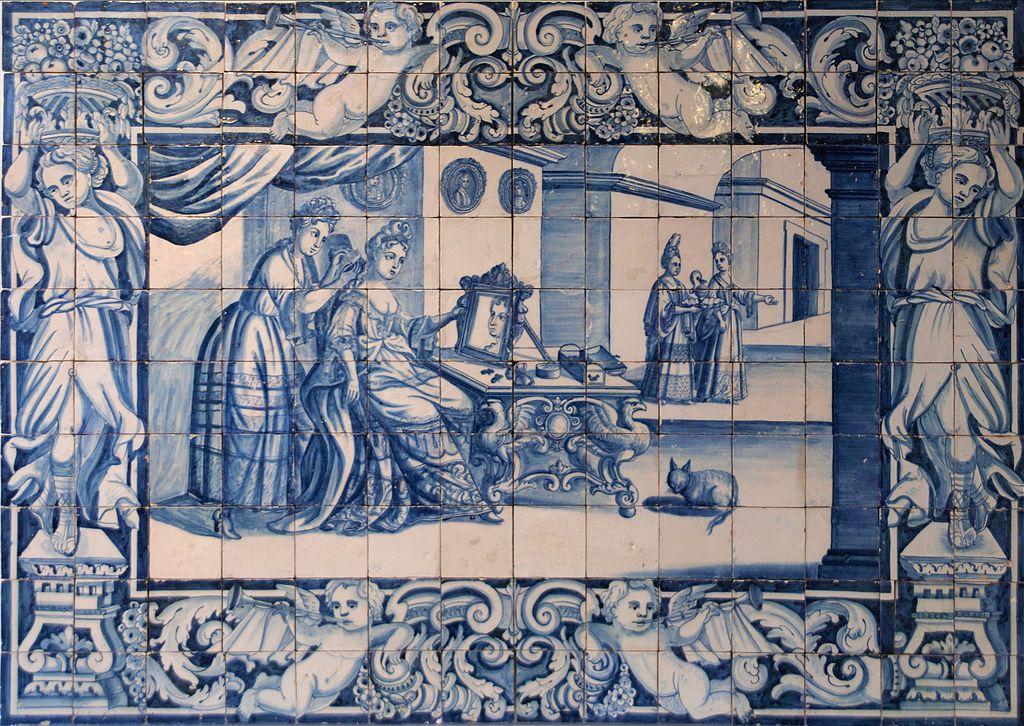
At first, you might think a tile museum sounds exceedingly dull. But Lisbon’s National Tile Museum, the Museo Nacional do Azulejo, is a revelation.

It’s an art museum in Lisbon, dedicated to the azulejo, traditional tilework of Portugal and the former Portuguese Empire, as well as of other Iberophone cultures. Housed in the former Madre de Deus Convent, the museum’s collection is one of the largest of ceramics in the world.

Inside the museum, every inch is covered with azulejos. The exhibits are arranged chronologically from the Moorish-influenced tiles of the 16th century to abstract designs of the 20th century. The museum is still relatively secret because it’s outside central Lisbon. Most tourists are too busy in Alfama, Belem, or Sintra. This museum is often left off the must-see list, and, trust me, it shouldn’t be.

The permanent exhibition of the museum is displayed in the rooms of an ancient monastery and shows the history of tile heritage in Portugal from the 16th century till modern times. The church, the chapels of Saint Anthony and Queen Leonor, and the choir are parts of this exhibition as well.

A must-see for people interested in the history and design of ceramic tiles, this speciality museum houses a splendid collection of decorative tiles dating from the 15th century to the present.

Address: R. Me. Deus 4, 1900-312 Lisboa, Portugal

Hours:  Opens 10AM Closes 5PM

Phone: +351 21 810 0340

Regardless of your personal feelings towards bullfighting, it is undeniable that the “sport” remains important to Portuguese culture, despite several activist groups’ repeated calls for its abolition. A variety of disciplines, extravagant costumes, and coordinated routines are all part of the Portuguese show.

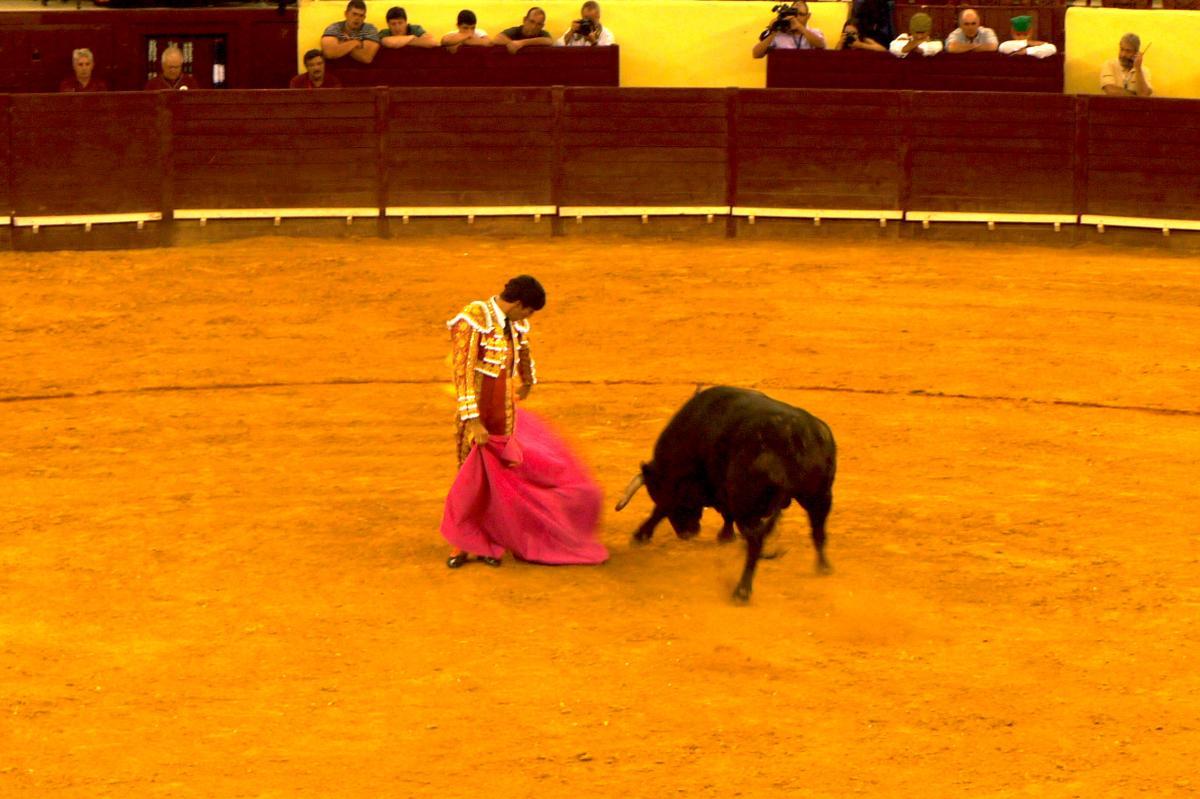
Many people are unaware that Portuguese bullfighting differs significantly from the more usually observed Spanish-style. Most significantly, the matador does not slaughter the bull in front of the audience (and has not done so since the mid-nineteenth century). Furthermore, cavaleiros (horsemen/women) and forcados (weaponless bull wrestlers) have always played a role in the show, but these disciplines do not exist in the Spanish bullring at all.

Bandarilheiros, who use capes, calls, and other attention-grabbing techniques to distract the bull and shift him to different areas of the ring, is also used in the Portuguese bullring. They wear a gold/pink cape and a dazzling suit, but never with gold sequins.

Portuguese Bullfighting Disciplines

The cavaleiros are horseback riders who are typically outfitted in period attire from the eighteenth century. Their objective is to entice the bull to charge and then get near enough to insert a single dart, or bandarilha, into the bull’s back muscle. A good “stick” is one that keeps the dart lodged. If it falls out, the attempt is deemed a failure. These cavaleiros ride magnificent Lusitano horses that have been carefully trained for the bouts, and their moves are not only daring but aesthetic. Additionally, this breed of horse has a lengthy history of victorious battles in Asia, Africa, and Southern Portugal.

Tourada à corda

As famosas touradas da Terceira nos Açores quase a fazer 400 anos - Mundo  Português

There are many styles of traditional bullfighting in Portugal, some of which are quite distinct from the one described above. Bullfighting in the Azores is frequently compared to the running of the bulls in Pamplona, Spain, in that those most at risk are human people, not the bulls themselves. The Azorean technique entails a group of people competing in a tug-of-war with a young bull while clinging to a long, sturdy rope looped around the bull’s neck. This is referred to as the tourada à corda (‘game’ of a bull on a rope).

An 18th-century basilica on a rocky outcrop with sweeping views of the surrounding valleys & mountains.

Sanctuary of Nossa Senhora da Piedade

Carmelite sanctuary located on a hill overlooking a castle. The sanctuary includes three chapels: Our Lady of Pity, Saint John and Our Lady of Agony. The sanctuary includes the fifteenth century painted limestone sculptures of São Paio and Saint John the Evangelist.

The Feast of the Patron Saint takes place here on Ascension Sunday.

The Sanctuary of Nossa Senhora da Piedade is located 48 kilometres from Belo Horizonte and 16 kilometres from the city of Caeté. It is the best spot for meditation, prayer, and meeting with God because it is built on top of the mountain at an elevation of 1746 metres. The Sanctuary, which houses the patron saint of Minas Gerais, is ideal for visitors seeking peace and natural beauty. Every moment in this region of breathtaking beauty is worth capturing. Always keep a camera handy.

Penela

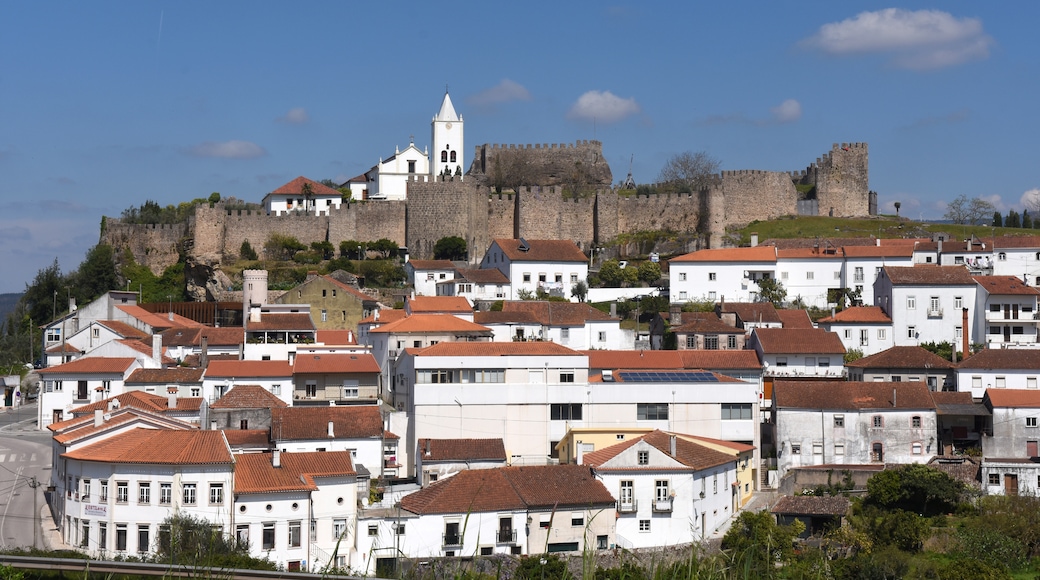
Located in the Centre of the country, Penela is the southernmost municipality of the Coimbra district, bordering Ansião, Figueiró dos Vinhos, Condeixa-a-Nova, Miranda do Corvo and Soure. Its name came from the region’s geographic features: Penela is the diminutive of “Penha”, a Celtic word meaning cliff. The Castle originated in an ancient Lusitanian Castro that was also used by the Romans later in the 1st century BC. Dom Afonso Henriques was granted the first charter in 1137 and therefore it is one of the country’s oldest counties. 

It is without a doubt the parish that has the most archaeological and historical testimonies. Its antiquity is witnessed by the largest megalithic necropolis in the Municipality, consisting of five monuments, including the Dolmen of the Chapel of Senhora do Monte.

The former municipality of Penela da Beira dates back at least to the mid-eleventh century, which is unusual in Portugal. At the end of the 10th century, this territory fell to the Moors, from which, after 1055 and before 1065, the Leonese King Fernando I, the Great, freed it when entering the Cima/Coa. Thus emerged one of the oldest municipalities in Portugal.

After the extinction of the Municipality of Penela, the parish was included in the municipality of Trevões, which was extinguished on October 24, 1855. It belongs to the Municipality of Penedono, later to that of S. João da Pesqueira, to return to that of Penedon in 1898.

Places of interest:

Dolmen of the Chapel of Senhora do Monte
Dolmen of Carvalhal
Roman Sidewalk
Church of N. Senhora do Pranto
Chapel of N. Senhora da Piedade
Chapel of S. Sebastião
Chapel of S. Tirso
Chapel of S. António
Chapel of Senhora do Monte
Sepultura

Festivals and pilgrimages: N. Sra. da Piedade and Senhor da Aflição
Other places of tourist interest: Anta da Senhora do Monte (National Monument) Cabeço Alto, Monte do Pendão and Reboledo, Maria Garcia Forest Park, the Ethnographic Museum, Lugar de Britelo, Santo Tirso and Castedal

Penela da Beira

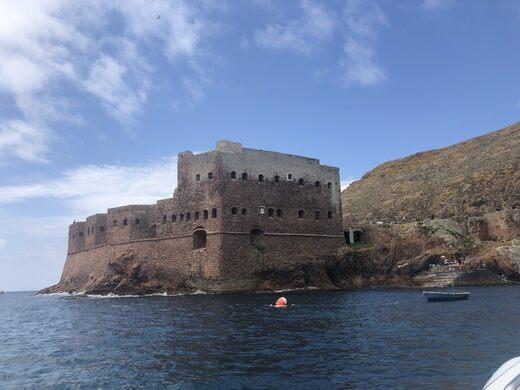
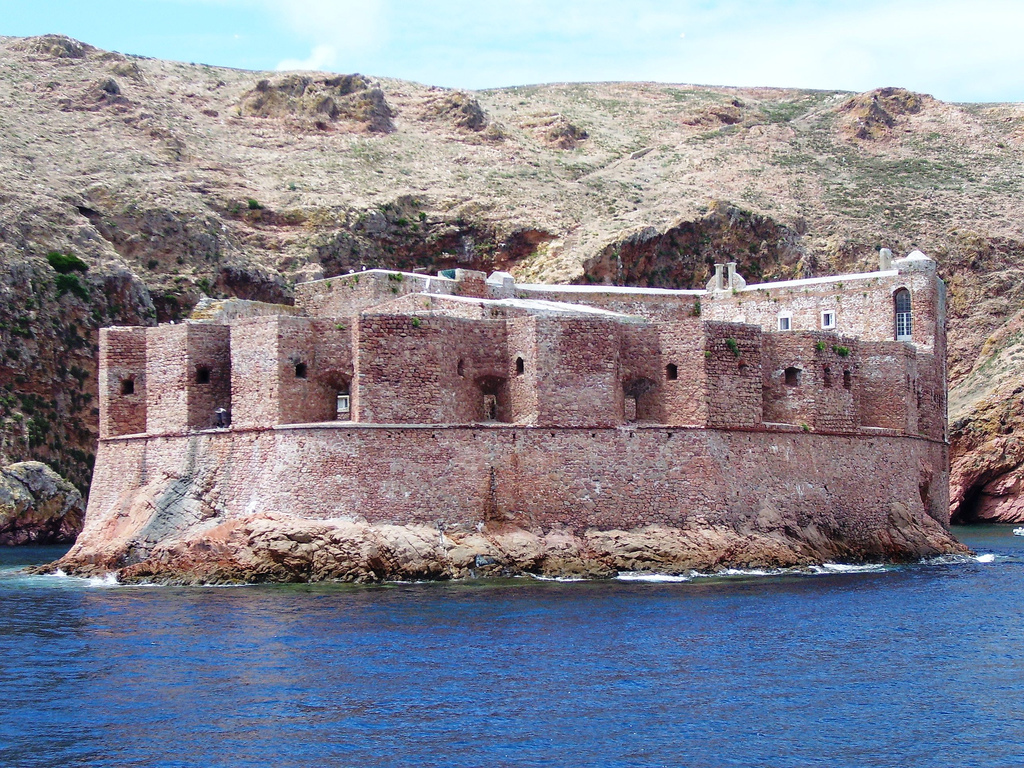
A fortress off the West coast of Portugal that dates back to 1502. 

ForteBerlengas-CCBY.jpg

The Fort of São João Baptista das Berlengas is located on the largest island of the archipelago of the Berlengas, in the municipality of Peniche in the Oeste region. The fortification belonged to a group of defensive military structures meant to protect the municipality located on the coast.

The Berlengas archipelago is a marine reserve and has been classified by the Council of Europe as a “Biosphere Reserve”. The archipelago consists of a large island, Berlenga Grande, and some small granite islands and rocks (Estelas, Farilhões and Forcadas), situated some 7 miles off the headland of Cabo Carvoeiro to the north-west of Peniche, Leiria, Portugal.

King Manuel of Portugal ordered the construction of a fortress on Berlenga Grande in 1502, which was immediately rectified under the reign of King Sebastian of Portugal. The fort was constructed from the remains of a pre-existing monastery (the Monastery of the Misericórdia da Berlenga), which had previously been abandoned.

In the early 16th century, Hieronymite monks had, decided that the Berlengas were well situated to provide aid for seafaring people in need of shelter. The islands isolation also provided ideal conditions for the monks to live in austerity through solitude and silence, assiduous prayer and healthy penance. But, the monks became victims of frequent attacks by Algerian, Moroccan, English, and French pirates and privateers. Further, violent weather often cut off communication to the mainland, which was especially distressing during pirate incursions, as result, the Monastery was abandoned.

The fort is located in the waters off the southeastern coast of Berlenga Grande, on a small islet connected to the island by a causeway/arch-bridge and anchorage to the north.

The structure is an irregular octagon, longer from north to south, with a similarly irregular rectangular structure on this base covered in paved terraces, with a slight incline two-storey walls serve as both defence and narrow enclosed corridors that circuit its perimeter, broken by several arched windows on the northern and western facades. Meanwhile, the southern and eastern facades are broken by an irregular curtain of cannon embrasures.

The structures on the exterior wall functioned as the casemates, while the central body functioned as the armoury.

Know Before You Go

The fort itself is located in the Berlengas archipelago which can be reached by boat from Peniche, Portugal. Once on Berlenga Grande, another boat will take you to the fortress where you can stay and explore or you can walk there and back, or even rent a room at the hostel that is now run out of the fortress.

There is a restaurant and a cafe on the island, both of which are cash only so be prepared. You can also pack a picnic if you’re day-tripping from Peniche.  

On windy days, the trip over can be quite rough. There are opportunities to swim in crystal clear water there so you may want to pack a bathing suit as well.