

Portugal’s 1,700 kilometre-long shoreline is home to some fantastic diving locations. The possibilities are unlimited from north to south, from Porto to the Algarve. Whether you want to go shark diving or learn to scuba dive for beginners, there is something for every budget and interest.
Portugal is renowned for having Europe’s most diverse diving spots. This is unsurprising, considering the country’s eight marine reserves. There are also sunken ships and submarines, which are great places for shipwreck diving.
Nature Reserve of Berlengas
When discussing diving in Portugal, it’s nearly hard to avoid mentioning the Berlengas Nature Reserve. Access to this natural reserve in the Berlengas Archipelago is around ten kilometres from Peniche, a major fishing town. It is remote but lovely, making the journey worthwhile. The archipelago is well-known for its picturesque forts and dramatic scenery, which make for an impressive spectacle.
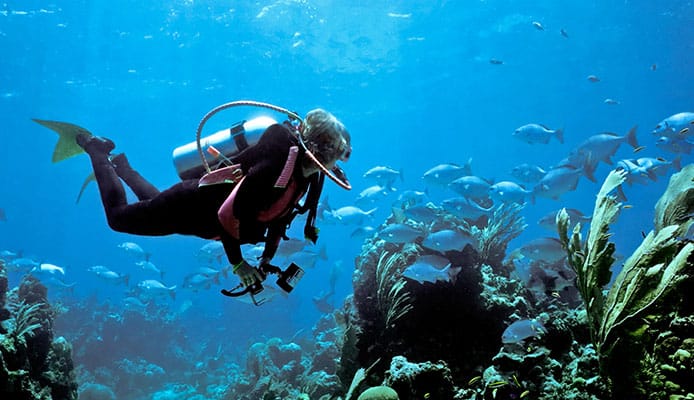
Under the surface of the sea, an incredible surprise awaits. Prepare your diving masks and dive to see the magnificence of the Berlengas Nature Reserve up close and personal. It is well-known for its volcanic and rocky seafloor, which is home to a variety of marine life. Prepare to be mesmerised by crayfish, manta rays, and octopuses!
If you wish to try cave diving, another incentive to visit the Berlengas is to do so. There are several red gorgonians in this cave. On the other hand, the sandy bottoms and walls are teeming with vibrant anemones.
June through October is the main diving season in the Berlengas. The water temperature is roughly 19 degrees Celsius throughout these months.
Burgau Wreck
If you’re a novice seeking the greatest diving spots in Portugal, the Burgau wreck is a must-see. This is a 1980s barge that sunk. Because the typical depth is just 5 to 10 metres, diving here does not need high technical abilities. At the absolute least, you should be familiar with fundamental abilities like buoyancy management and diving signals.
A conga eel is frequently sighted hiding in a conduit at one end of the wreck when it comes to aquatic life. Other intriguing species, like octopuses, can be found in the nooks and crannies. Additionally, spider crabs and cuttlefish are abundant in the vicinity. If you dive during the summer months, you will come face to face with a vast population of triggerfish.
Princess Alice Bank
Those looking for the greatest diving locations in Portugal should not overlook Princess Alice Bank, sometimes known locally as Banco Princesa Alice. This hidden seamount was found in 1896 and has since become one of the most popular diving locations in the Azores.
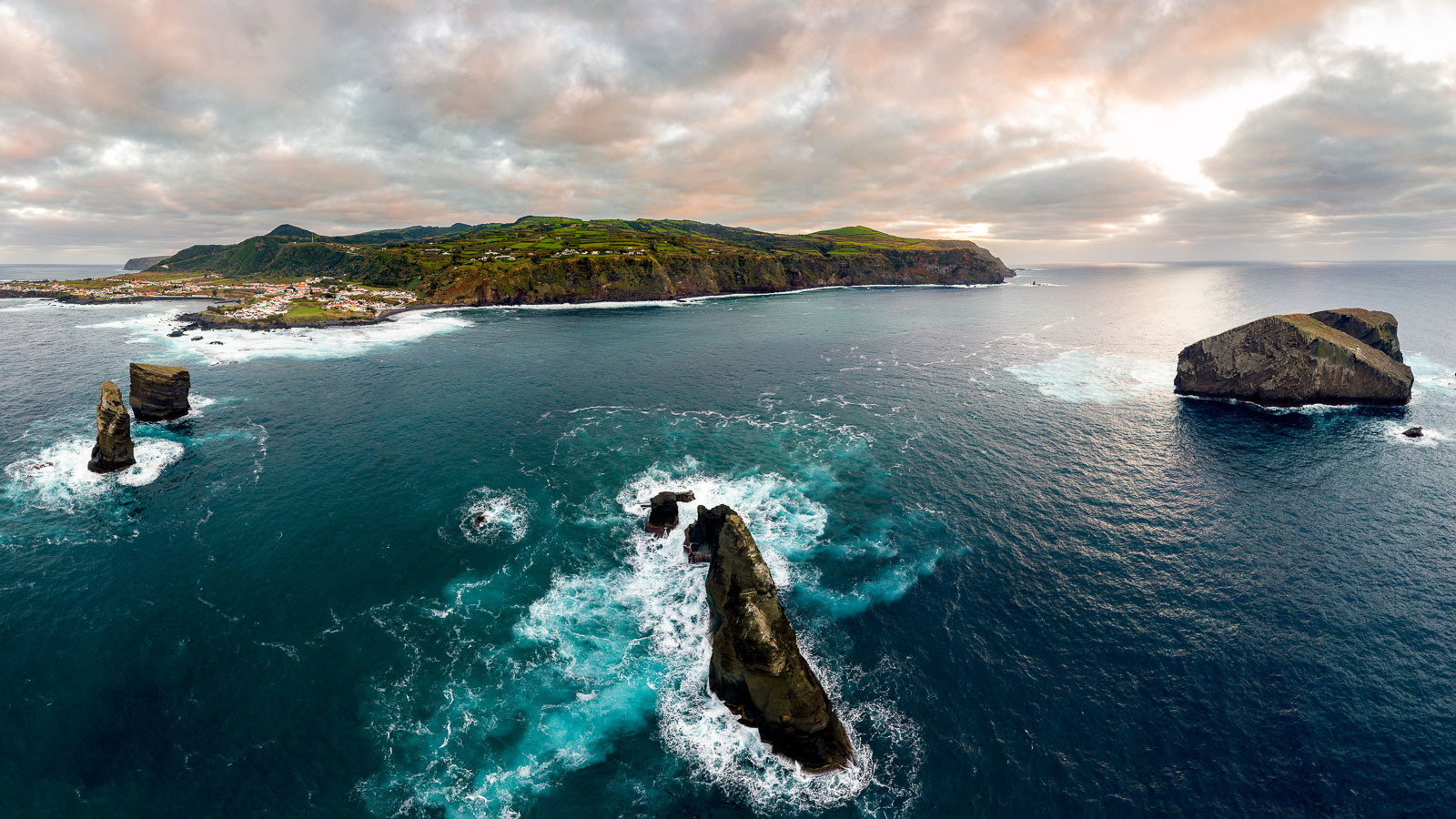
The lowest depth is 104 metres, and powerful currents are possible. When you reach the main diving area, you can anticipate the water to be amazingly clean, which is one of the reasons this site attracts so many visitors. Due to the complexity of diving, you should ensure that you have advanced certification prior to visiting. Acquaint yourself with scuba diving safety precautions. Remember to bring your diving safety equipment!
If you’re planning to dive here, the optimum time to visit is between July and mid-October. The average water temperature at these periods is between 18 and 23 degrees Celsius.
Island of Porto Santo
If you’re visiting Madeira, you might as well visit Porto Santo Island. It’s about 43 kilometres from the island of Madeira. Due to the island’s size, you won’t have to limit your underwater exploration to a single location. Numerous locations are certain to be worthwhile of your time.
The island is home to Madeirense, a ship that was deliberately sunk in 2000 and is currently one of the area’s most popular wreck diving locations. With a 70-meter length, you may be astonished by what you find during your dive here. At depths of up to 40 metres, visibility is excellent. Barracudas, lilies, tunas, common whales, sperm whales, and dolphins are just a few of the wildlife you may encounter here, depending on the season.
There are 23 diving spots in Porto Santo that you may enjoy depending on your ability level. The majority of these diving spots are within a ten- to ninety-minute boat journey of the shore.

