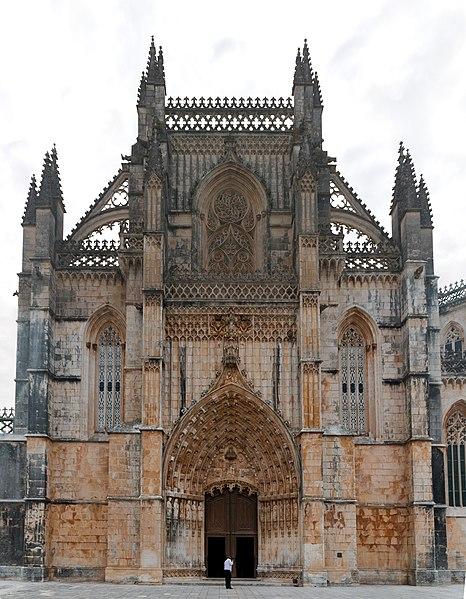
Portugal offers something unique and exciting for everyone to explore. With gorgeous beaches, rugged landscape, and rich history, these are a few of Portugal’s most magnificent locations.
University of Coimbra, Coimbra
Botanical Garden, Library, University, Cathedral

Coimbra is one of Portugal’s oldest and most beautiful cities, with ancient buildings and a picture-perfect position along the Mondego River. Without a doubt, its most appealing monument is the public university. It was originally located in Lisbon in the 13th century but was relocated to its current location in the 16th century. The University of Coimbra was inscribed on the Unesco World Heritage List in 2013, and highlights on campus include the Alcáçova Royal Palace, the baroque Joanina Library, the 18th-century botanical garden, and the University Tower.
Pena Palace, Sintra
Monastery, Park
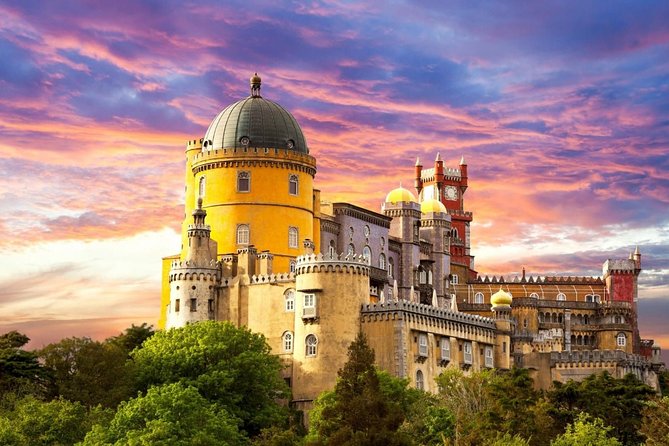

Despite its appearance as though plucked from the pages of a dream, Pena Palace was indeed the work of King Ferdinand II, the German prince who married Portugal’s, Queen Maria II. The palace was built as part of an endeavour to restore the abandoned 16th-century monastery of Our Lady of Pena. The ideas featured romantic gardens with local and exotic vegetation, as well as strolling trails and benches. While you’re there, make time to see one of the other palaces or the historic Moorish Castle.
The Coast, Sagres

The shore of Sagres, in Portugal’s southwesternmost region, is unlike any other section of the Algarve. It is wild, secluded, and romantic. Mostly frequented by surfers and residents seeking an escape from the tourist hordes, it exudes an isolated atmosphere, particularly during the colder winter months. Visit Sagres, not just for leisure, relaxation, and fresh seafood, but also to get up close and personal with a region of Portugal that experienced a watershed point in human history: the Age of Discovery. The School of Navigation of Prince Henry the Navigator began at Sagres, and the prince lived in this region of Portugal until his death in 1460.
Sé Cathedral, Braga
Cathedral

Religious legacy is one of Braga’s most distinctive qualities, as the city is Portugal’s oldest and most important religious centre. Not only is the country’s oldest cathedral located here, but Braga is also the country’s oldest city. Visiting all of the churches would be quite an undertaking, but the Sé Cathedral, the Igreja da Misericordia de Braga, and the neighbouring Santuario de Bom Jesus do Monte should be included on your sightseeing itinerary.
City center, Angra do Heroísmo, Terceira, Azores

All of the Azorean islands are stunning, but Terceira may be the archipelago’s most gorgeous city. The centre of Angra do Heroismo is a visual feast, with buildings painted blue, yellow, and orange and set against a lush, green countryside. Additionally, it is a Unesco World Heritage Site for its role as a vital port during the Age of Discovery. When visiting, visit the Sé de Angra Cathedral, the Misericórdia Church, the Town Hall, the Castle of São João Baptista and Monte Brasil.
Funchal, Madeira

The bright capital of Madeira is a terrific visit year-round and a one-stop-shop for discovering the island’s culture. Nestled between the coast and mountains, the city offers an abundance of outdoor activities, which is aided by the pleasant, dry climate. Browsing the markets for fresh seafood and exotic fruits is a pleasant way to spend the day. At night, the city comes alive with pubs and clubs. While in Funchal, be sure to visit the botanical gardens and arrange a toboggan ride down the mountainous streets, which are pulled by guys dressed in the customary white shirt, white pants, cap, and rubber-soled shoes.
Rua Direita, Óbidos

Rua Direita is Bidos’ major thoroughfare, lined with stores, restaurants, and ginjinha bars. The name translates literally as “right street,” as it is the way immediately ahead after entering the city through the guarded gate. After touring Rua Direita, take a trip around the castle walls – but be cautious if you suffer from vertigo since much of the walk is narrow and without a protective barrier. Additionally, stop visit the Literary Man Hotel, an 18th-century monastery converted into a bookworm-friendly hotel.
Ribeira District, Porto

Since 1996, the Ribeira District has been a UNESCO World Heritage Site. It is Porto’s most recognisable neighbourhood. It is idyllically positioned on the Douro River and offers a wealth of sights and activities, including views of the main bridges, boats, welcome café patios, centuries-old landmarks, baroque architecture, and thousands of years of history. Make a point of visiting the Casa do Infante, which was previously the customs office but is now better known as the birthplace of Prince Henry the Navigator, before continuing into the city to A Pérola do Bolho, where you can purchase gifts such as traditional cuisine and wine.
Costa Nova, Aveiro

As an art nouveau hotspot, Aveiro’s city centre resembles a living artwork. However, the most vibrant locale is perhaps Costa Nova, a neighbouring beach lined with rainbow-striped fishermen houses. Easily accessible from Aveiro’s central business district, the Costa Nova is a tranquil spot to unwind, enjoy the shore, and watch some surfers in action. Additionally, there are several eateries serving delectable fish.
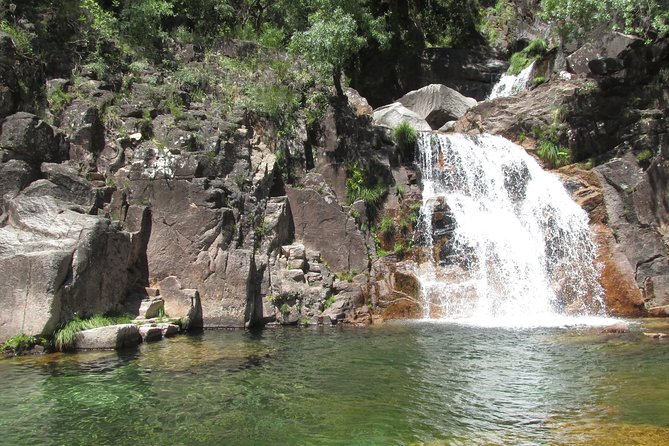
Peneda-Gerês National Park
Almost everyone in Portugal is proud of Peneda-Gerês National Park. The country’s only national park and a popular site for hiking, bird viewing, and camping, the park is located in the lush and green Minho Region, which is home to the oldest section of Portugal (including Braga), as well as stunning vineyards and attractive villages. The scenery includes everything from river valleys to mountain summits, as well as breathtaking flora and fauna. Those who do visit should make a point of locating the Roman route, which features thousands of years-old distance marks.
Évora Center, Alentejo

Évora’s mediaeval centre is a playground for old monuments and well-maintained architecture. The main plaza, Praça do Giraldo, is a popular gathering place, where café and restaurant terraces provide views of gothic architecture, converted mansions, the 16th-century Church of Santo Antão, and an exquisite 16th-century water fountain. The spooky yet lovely Chapel of Bones, the Roman Temple, the Royal Palace, the 18th-century Cathedral of Évora, and the Évora Museum are all within a short walk of the central plaza.
Terra Nostra, Furnas, Azores

Terra Nostra Garden in São Miguel, Azores, stands as one of Europe’s most enchanting and exotic gardens. Boasting a rich array of plant life, a vast geothermal swimming pool, and smaller geothermal hot baths, this garden is a true oasis. Connected to an on-site hotel, it has earned a well-deserved reputation as a wellness resort, drawing visitors eager to unwind and rejuvenate.
Open year-round from 10 a.m. to 6 p.m. at an affordable admission cost, the park is easily accessible, making it a must-visit on any itinerary to São Miguel Island. Immerse yourself in the allure of Terra Nostra Garden, where nature’s beauty and therapeutic waters combine to create an unforgettable experience of relaxation and tranquilly.