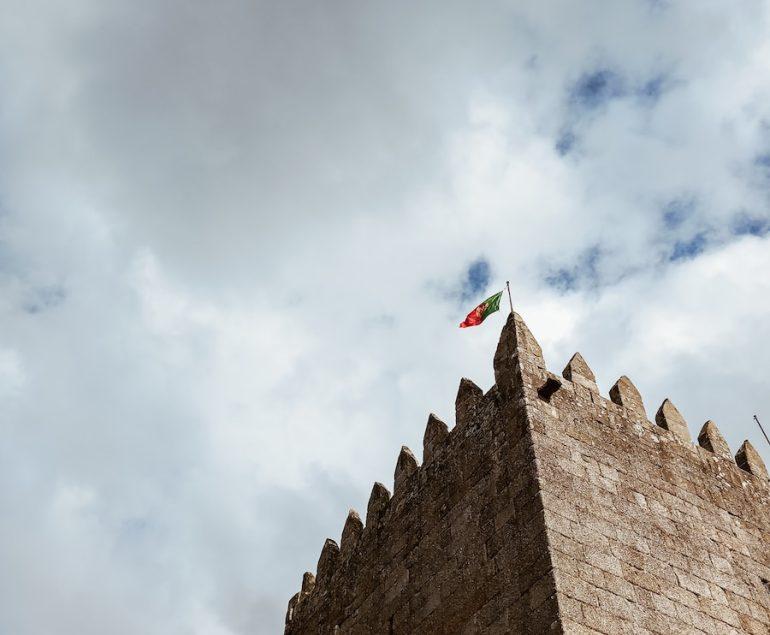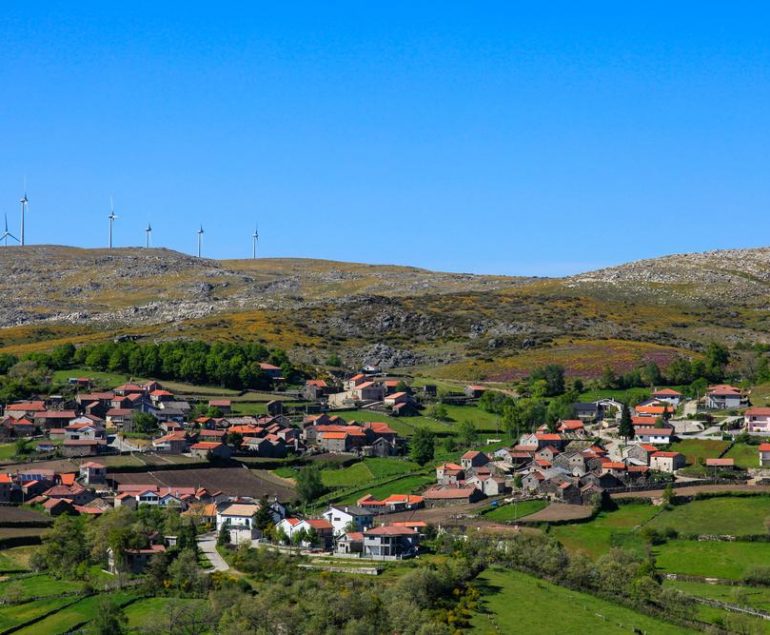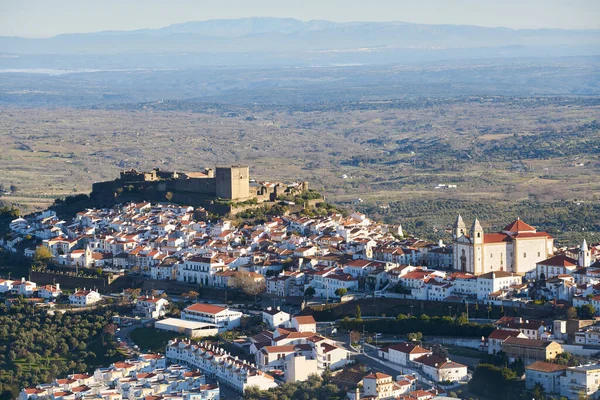
Castelo de Vide is a village located in northern Alentejo at the foot of a double hill dominated by a 13th-century castle built by D. Dinis and the Fortress of São Roque. Within the stronghold is a church with the same name. Between the 18th and 19th centuries, the Igreja de Santa Maria Devesa Church was constructed between the fortification and the castle.
This village does not have many landmarks, yet it is a wonderful place for a day trip or an overnight stay. The location is especially beautiful during sunrise and sunset.
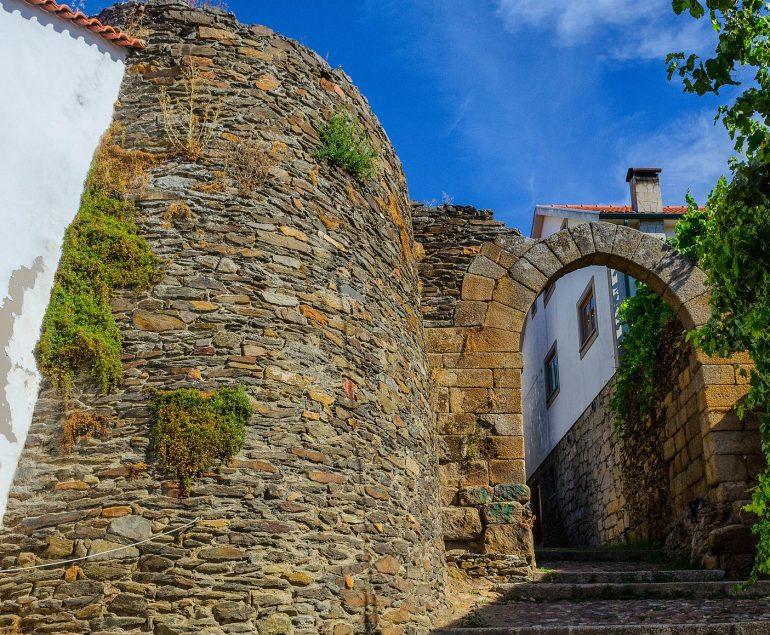
The castle is accessible via the steep lanes of the renowned “Gothic Quarter,” which is lined with buildings with Gothic gateways and large windows. Next to the castle are the Megalithic Center and the Military History and Architecture Museum. Following the expulsion of Jews from Spain in the 15th century, a little Judiaria (Jewish neighbourhood) reached its height. This is evidenced by the tiny synagogue, which is now a museum.

 The Fonte da Vila, a 16th-century marble fountain that has deteriorated with time, is located east of the Judiaria. This fountain offers great-tasting mineral water, which is also available at other public fountains. This wonderful water made Castelo de Vide famous.
At the Castelo de Vide Cultural Center, there are many temporary displays that change throughout the year.
Numerous megaliths are dispersed around the region, with the Coureleiros Anta (8 kilometres north of the city) and Menhir da Meada (8.5 kilometres beyond) being the most remarkable.
Easter week is a beautiful time to visit Castelo de Vide. It’s one of the longest-running community celebrations that is usually teeming with activity. Every year, from April to March, the festival lasts four days and features dances and processions.