In the highlands of Trás-os-Montes, where the Douro Valley gives way to rugged hills and scattered olive groves, lies the quiet town of Vila Flor. At first glance, it appears to be a timeless Portuguese village: whitewashed houses, cobbled lanes, and an unhurried rhythm. But tucked within its centre are the remains of a once-mighty fortress—the Castle of Vila Flor. Today, only fragments of its walls stand, yet they carry centuries of history, power, and survival.
To wander here is to step into a layered story: one part medieval battleground, one part rustic charm, and one part modern countryside retreat.
A castle born of frontier struggles
The Castle of Vila Flor emerged in the Middle Ages, a period when Portugal was still defining its borders. The region of Trás-os-Montes was a frontier land—vulnerable to raids, contested by kingdoms, and strategically essential. King Dinis, the “Farmer King,” granted Vila Flor its first charter in 1286, recognizing the need to protect and populate the area.
It was during this period that the fortress was built. Constructed on a commanding hilltop, the castle was enclosed by thick granite walls reinforced with square towers. Its purpose was clear: to defend the settlement, safeguard the fertile lands, and ensure the crown’s influence stretched into these northern reaches.
The castle also became the heart of Vila Flor’s identity. Around its ramparts grew a small community of farmers, shepherds, and craftsmen who relied on its shelter. Inside the walls were narrow streets, simple homes, and the parish church—the rhythm of daily life unfolding under the shadow of the towers.
Decline and disappearance
Like many Portuguese castles, Vila Flor’s fortress gradually lost its military importance. By the 16th century, with advances in artillery and shifting political stability, its walls became less relevant. Records show that by the 17th century, the fortress was already in decline, its stones reused in local buildings with its towers dismantled.
Today, only traces remain. Sections of the walls, a few foundations, and the outline of its enclosure remind visitors of what once stood here. Yet those ruins are powerful: they mark the persistence of a town that outlived its fortress and re-invented itself across the centuries.
The castle today: atmosphere over architecture
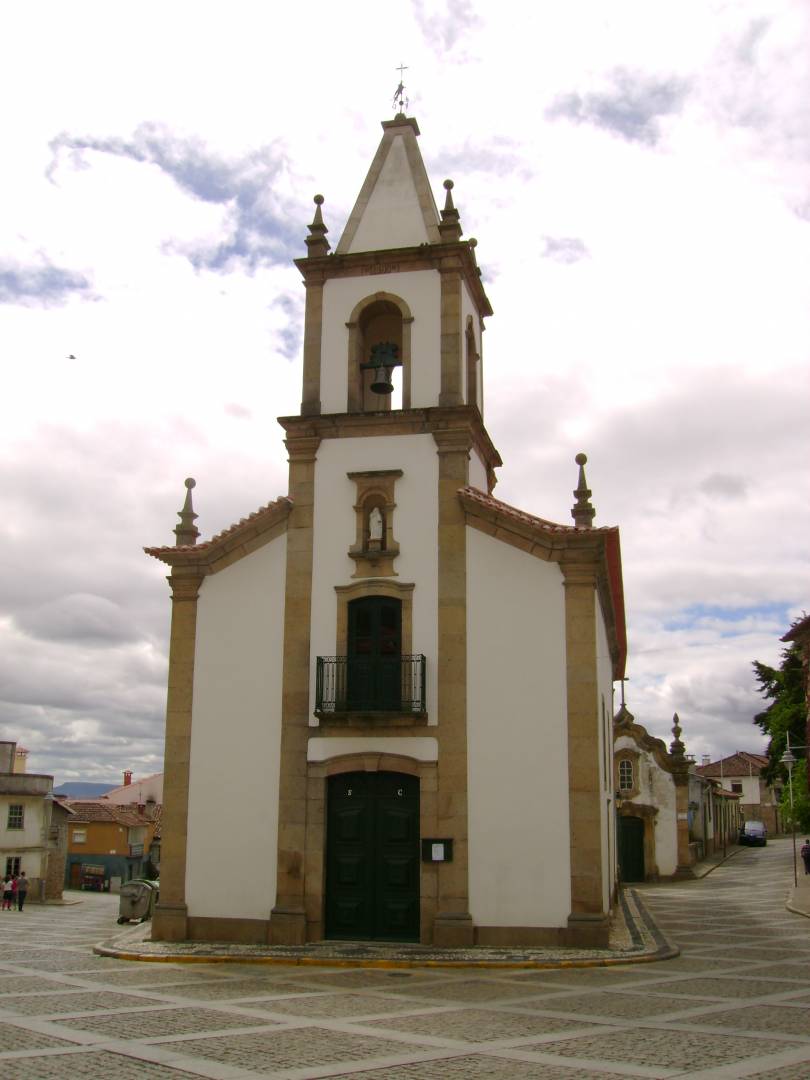
Walking through Vila Flor, you may have to look closely to find the old castle. It is not like Óbidos or Guimarães. Instead, it reveals itself in fragments—a stretch of wall here, a doorway there, granite stones embedded in modern houses.
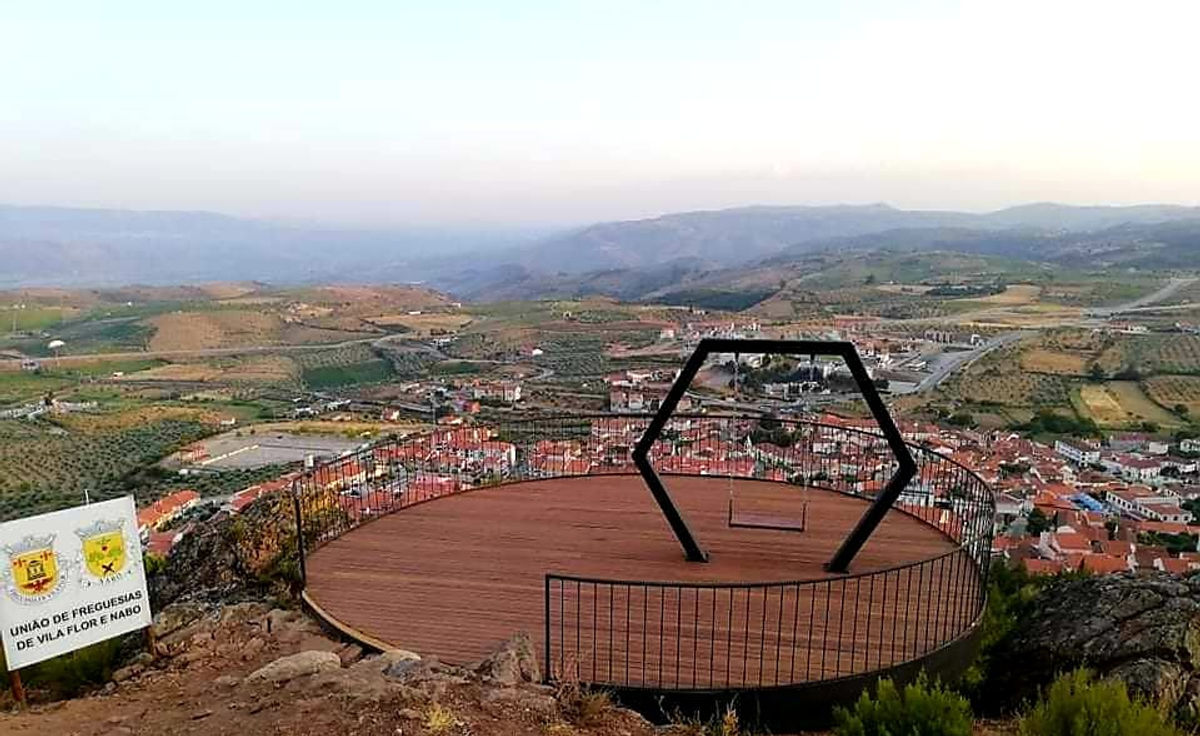
The atmosphere, however, is unmistakable. Stand on the hilltop, and you feel the weight of history pressing through the silence. From here, the views sweep across undulating farmland, olive groves that shimmer silver in the sunlight, and distant ridges of the Bornes mountains. It’s easy to imagine sentinels once keeping watch, scanning the horizon for signs of movement.
The surviving walls are rough but evocative. Touch the stone, and you sense not just centuries of erosion, but also the resilience of a town that clung to its land. Unlike castles polished for tourism, Vila Flor’s fortress speaks in whispers—an authenticity that appeals to travelers seeking a raw, unfiltered connection with the past.

Exploring Vila Flor
The castle is only part of Vila Flor’s charm. The town itself is a patchwork of traditions, with treasures tucked into its streets.
- Igreja Matriz de Vila Flor (Parish Church): Built in the 18th century on top of older foundations, its baroque façade and gilded altars echo artistry and devotion.
- Capela de Santo António: A small chapel with sweeping views, perfect for a pause of reflection.
- Casa do Cabo: A noble manor house that hints at Vila Flor’s once-prominent families.
- Traditional houses: Walk through the old quarter and admire granite-built homes, their balconies adorned with flowers in spring and summer.
Markets and small shops add to the experience. Local olive oil is of the finest in Portugal, and chestnuts, honey, and regional wines reflect the richness of Trás-os-Montes agriculture.

Beyond the castle: landscapes and nearby treasures
Vila Flor sits in a privileged location between the Douro Valley and the Trás-os-Montes highlands. From here, you can explore a wide circle of natural and cultural gems:
- Serra de Bornes: A mountain range known for its forests, hiking trails, and quiet villages.
- Douro Superior: Just to the south lies one of Portugal’s most spectacular wine regions, where terraced vineyards line the riverbanks. Visits to estates offer tastings of both port and table wines.
- Mirandela: Famous for its alheiras (smoked sausages), this riverside town blends gastronomy with history.
- Bragança: With its perfectly preserved citadel, Bragança offers a counterpoint to Vila Flor’s ruins—a glimpse of what a fully intact fortress looks like.
These excursions make Vila Flor an ideal base for slow travelers who want to combine history, nature, and gastronomy.
Practical travel tips
Getting there: Vila Flor is in Bragança district, about 2 hours from Porto by car. The drive takes you through scenic highways and smaller rural roads that reveal Portugal’s countryside at its best.
When to visit:
- Spring—olive groves in bloom, comfortable weather for exploring.
- Autumn—harvest season for grapes and olives, with golden landscapes.
- Winter—quiet, atmospheric, and authentic, though cold in the evenings.
Where to stay: Small guesthouses and rural tourism units dominate. Look for turismo rural accommodations that combine comfort with local hospitality. Many feature stone walls, fireplaces, and farm-to-table meals.
What to taste: Don’t leave without trying azeite de Vila Flor (local olive oil), chestnut dishes, and regional wines. If you visit in November, you may encounter magusto celebrations—traditional chestnut roasts around bonfires.
The Castle of Vila Flor may not impress with soaring towers or intact battlements, but that is precisely its power. It asks visitors to slow down, to imagine, and to look beyond stones into the layers of history embedded in a small town.
This is Portugal at its most authentic: where ruins are not polished tourist attractions but living parts of a community. The fragments of Vila Flor’s fortress whisper of kings and peasants, of frontier struggles and forgotten battles, and of resilience and continuity.
To stand on its hilltop is to see both past and present at once—a quiet village that carries the soul of a fortress. And in that blend lies the true beauty of travel: the discovery of places where history has softened into memory but never disappeared.
How to Get There
Vila Flor sits in the Bragança district of northern Portugal, about halfway between the Douro Valley and the Trás-os-Montes highlands. The easiest way to reach it is by car.
- From Porto: Roughly 2 hours. Take the A4 freeway east towards Vila Real and Bragança, then exit near Mirandela and follow the signs to Vila Flor. The drive is scenic, especially as you approach the rolling olive groves of the region.
- From Bragança: Around 1 hour south via the A4.
- From the Douro Valley (Peso da Régua or Pinhão): Expect about 1.5 hours on winding but beautiful roads that climb out of the Douro’s terraced vineyards into the high plains.
Public transport is limited. There are regional buses from Bragança, Mirandela, and Porto, but services are infrequent. If you’re on a tight schedule, hiring a car is the best option, as it also gives you freedom to explore the nearby villages, vineyards, and mountains.
Closest airports:
- Porto (OPO)—best for international visitors, with easy freeway links.
- Vila Real—a smaller regional option with limited flights.