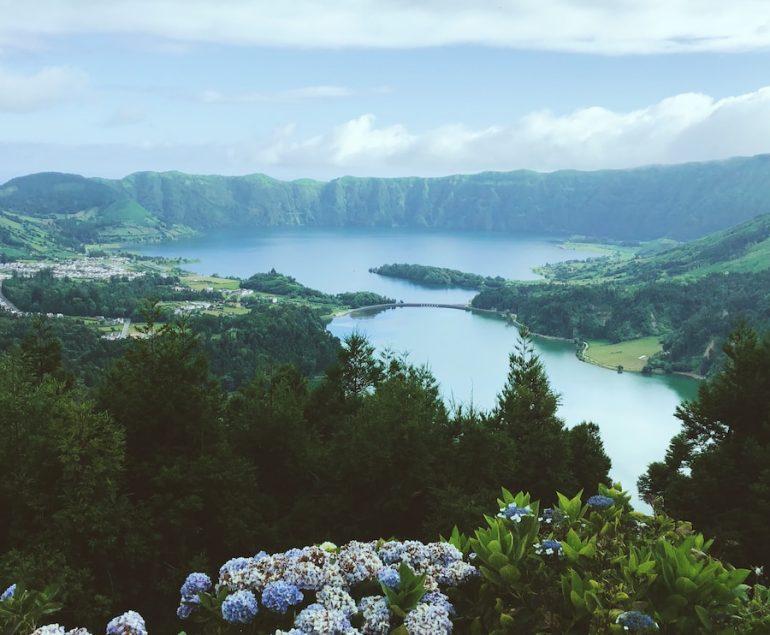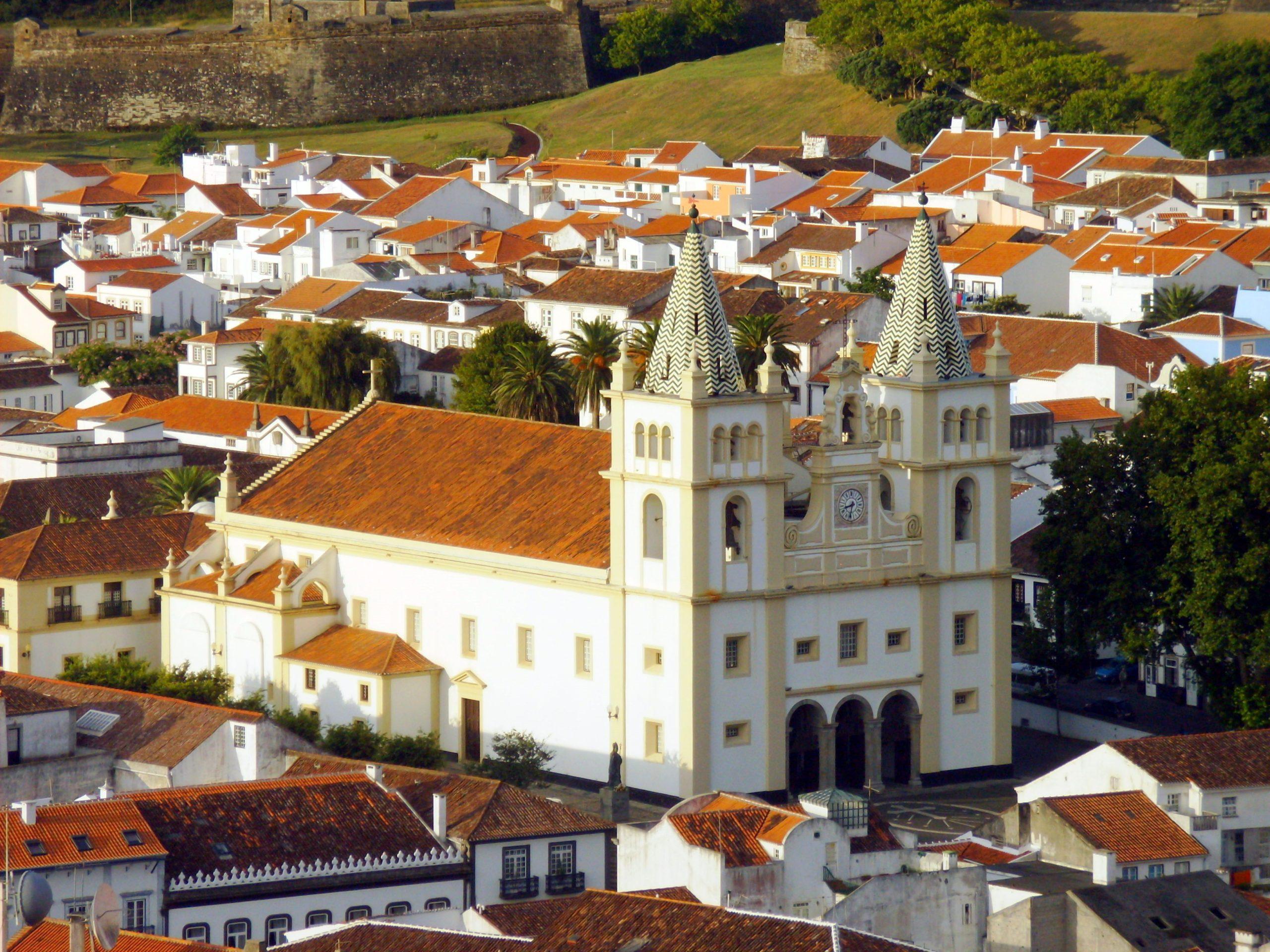
Perched at the heart of Terceira Island’s capital, the Cathedral of Angra do Heroísmo isn’t just the largest church in the Azores—it’s a symbol of resilience, artistry, and faith. For centuries, its towers have looked out over the Atlantic, watching as sailors, settlers, and storms swept through the port city that UNESCO later recognized as a World Heritage Site.
A Monumental Beginning
The cathedral’s story began in the late 16th century, when Angra had grown wealthy from trade routes linking Europe, Africa, Asia, and the Americas. Construction started in 1570 under the order of King Sebastian of Portugal, with the intention of creating a grand temple that matched the city’s importance. Dedicated to the Holy Savior, the cathedral was built in the Portuguese “Mannerist” style—solid, symmetrical, and monumental.
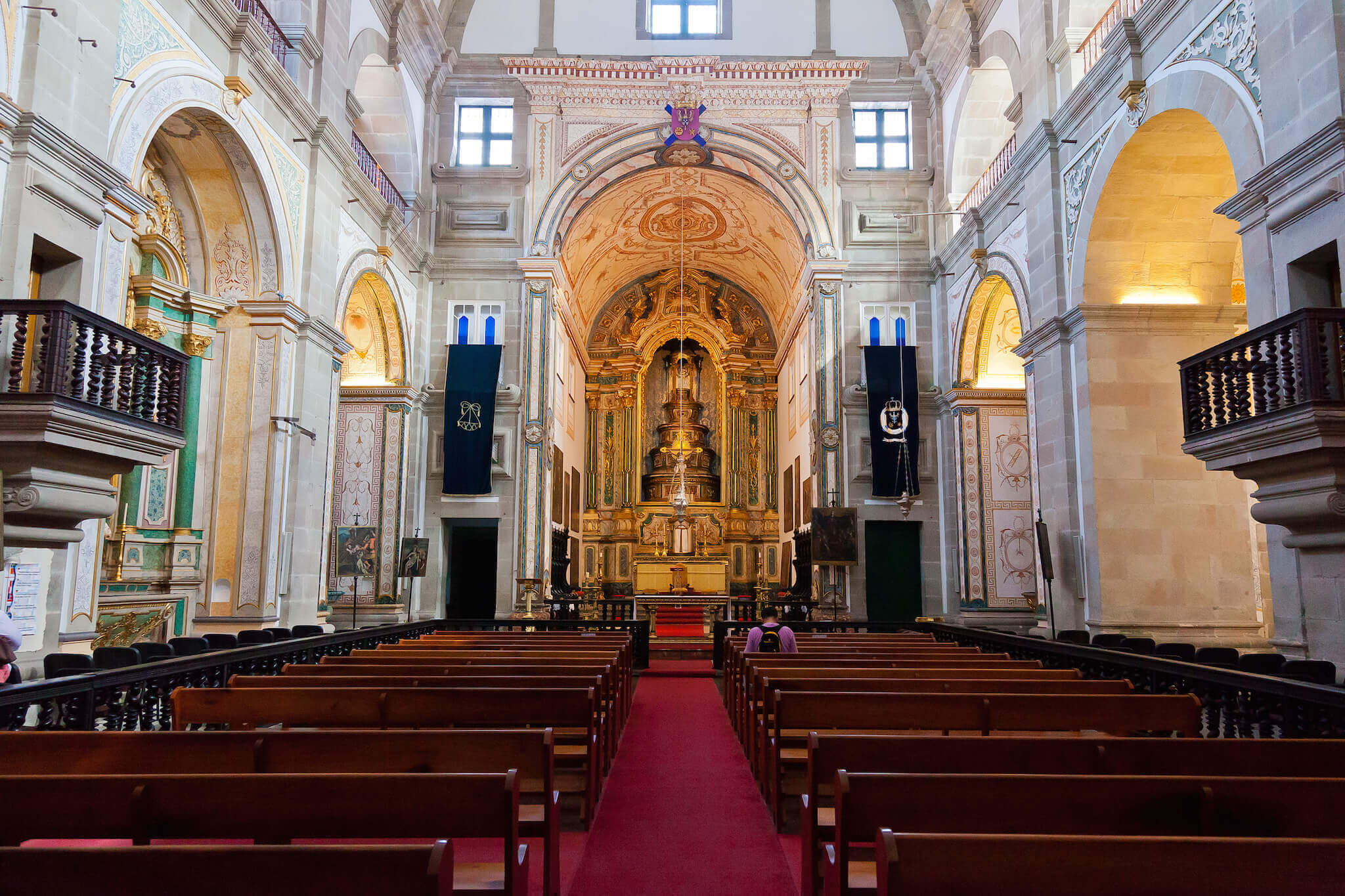
What makes it remarkable is its sheer scale. At nearly 60 meters long, with three naves separated by soaring stone arches, it dwarfed every other church in the archipelago. For islanders, it wasn’t only a place of worship but a declaration of belonging to a wider, global Portugal.
Art, Interiors, and Treasures
Step inside, and you’ll find the cool, echoing grandeur of its stone columns and vaulted ceilings. The high altar glitters with gilded woodwork, while chapels on either side reveal intricate azulejos—blue-and-white ceramic tiles—that tell biblical stories in timeless Portuguese fashion.
But what sets the Cathedral apart is the extraordinary collection of historic and artistic artifacts it preserves. Among the most striking pieces are
- The facade and silver lamps of the Chapel of the Most Holy
- Several hand-worked pieces of wooden furniture
- Panels of cedar wood depicting the life of Christ (16th century), originally from the primitive church of São Salvador
- A rosewood lectern in Indo-Portuguese style with ivory details, crafted by artisans of the Escola dos Mestres da Sé (Master School of Sé)
- A collection of 17th-century sculptures also produced by the Masters School
- Azulejo tiles dating to the 18th century
- A pontifical register of King John V of Portugal
- A Chinese Ming Dynasty vase
- A manger from the school of Machado de Castro
- A gallery of paintings representing the Bishops of Angra
Together, these pieces form a tapestry that reflects the Azores’ role as a crossroads of cultures, faiths, and global trade routes.

Trials by Fire and Earthquake
The cathedral has weathered more than its fair share of hardship. Fires in the 18th and 19th centuries consumed parts of the interior, and the devastating 1980 earthquake shook Terceira to its core, severely damaging the cathedral. For years, scaffolding became as familiar a sight as its twin towers.
But restoration has always followed destruction. Local craftsmen and international experts worked tirelessly to return the cathedral to its former glory. Today, its whitewashed façade with ochre trim gleams once more in the Atlantic sun, a reminder of how faith and determination can outlast disaster.
The Beating Heart of Angra
The cathedral isn’t just a historic monument—it’s a living part of Angra do Heroísmo’s daily life. It hosts processions during the island’s Holy Spirit festivals, weddings, and moments of collective mourning or celebration. The bells mark the rhythm of the city, echoing through cobbled streets lined with colorful houses and palm-shaded squares.
Why You Should Visit
Visiting the Cathedral of Angra do Heroísmo is more than ticking off another church on your travels. It’s stepping into the layered history of the Azores, where trade, faith, and resilience meet. From its sweeping nave to the treasures tucked in its chapels, the cathedral invites you to pause, reflect, and sense the centuries of lives that have passed through its doors.
How to Get There
- By air: Daily flights connect Lisbon and Porto with Terceira’s Lajes Airport. From there, Angra is a 20-minute drive.
- By car: Parking is available near Praça Velha, the main square, just steps from the cathedral.
- On foot: Angra’s compact historic center is best explored on foot; the cathedral is its undeniable focal point.

Practical Tips
- Opening hours vary, but mornings are best for a quiet visit before tours arrive.
- Dress modestly; it is an active place of worship.
- Climb the nearby Alto da Memória for a view that showcases the cathedral in its full cityscape.
A Lasting Impression
Standing inside the Cathedral of Angra do Heroísmo, you can almost hear the echoes of sailors’ prayers before setting off into the Atlantic or the whispered thanks of survivors after earthquakes and storms. It’s not only a monument; it’s the heartbeat of Terceira—strong, steady, and eternal.