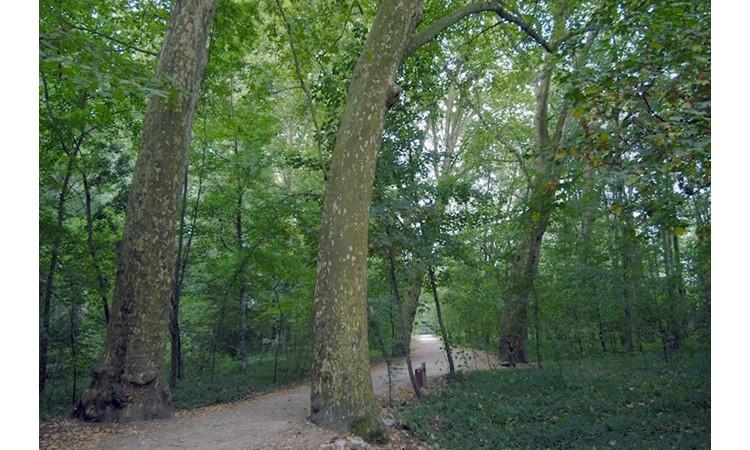
From Porto to Santiago de Compostela, cycle the Camino, the Way of St James, through ancient roads that pass through woodlands, farmlands, historic cities, towns and villages such as Barcelos, Ponte de Lima, Tui, and Pontevedra. This is a six-day bike trip via St James’s roads, trails, and paths, past chapels, churches, convents, and the ubiquitous road markings in northern Portugal, as well as Galiza’s rich cultural legacy.
Here is a suggested route:
Day 1: Cycling the Camino of Santiago from Porto to Barcelos (57km, 890 metres accumulated height)
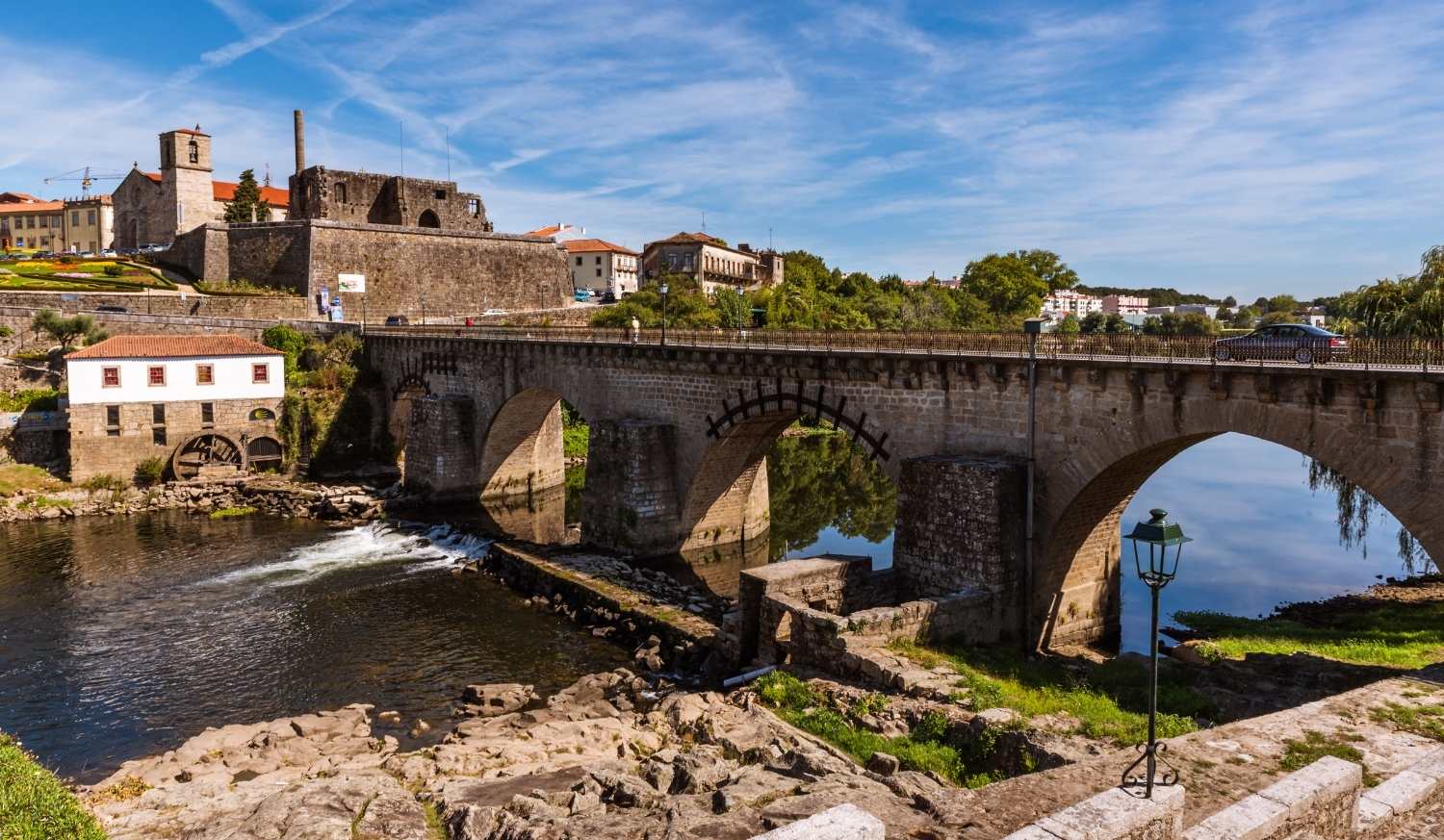
Cycle down the Douro river towards the coast until you reach Leça da Palmeira, your first day on the Way of St James is primarily comprised of urban roads. From Leça, you’ll largely be cycling along the beach, with little effort, until you reach Vila do Conde, a beautiful place on the Ave river with a lot of historical significance. We’ll ride inland from Vila do Conde, into Rates, where you’ll join the major Camino, and then continue on country roads and via Roman bridges until you reach the centenary city of Barcelos.
Barcelos is a city worth exploring; it has a 14th-century bridge and the old historic centre retains its original cobblestone pavement and several churches, residences, and structures dating from the 14th century. Manueline through neoclassical architectural styles are shown. Discover the “rooster legend” and how the rooster evolved into a near-symbol of the Portuguese.
Day 2: Cycling the Camino de Santiago de Compostela: Barcelos – Ponte de Lima (35km, 530 metres of accumulated height)
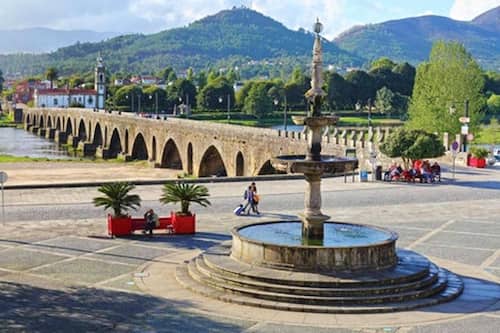
After breakfast, begin riding the Camino de Santiago to Ponte de Lima, passing through forest regions, tiny villages, and churches in the Minho region until you reach Ponte de Lima, Portugal’s oldest village, which sits alongside the magnificent Lima River. Due to its rich cultural, natural, and historic traditions, this village has filed its application to become a UNESCO world heritage site. Don’t miss the handicrafts, pastries, and cuisine.
after your breakfast, you’ll resume pedalling the Camino, escorted by the pilgrims’ yellow arrows, the Way of St James’ route markers. Today, you’ll face the “Labruja” climb; while there is a way around it, this is the most difficult section of your Way. We’re still in the Minho area, which is rich with greenery, trees, and forests, as well as excellent restaurants and wine. You’ll travel through Valença do Minho, a fortified city on the Minho River’s banks that faces Spain. From the fortress’s gothic and baroque architecture, visitors may take in the panorama of the Minho region. Cycling the Camino, cross into Spain via an ancient Eiffel-inspired international bridge and explore Tui’s historic mediaeval neighbourhoods, a Spanish city located just across the river from Valença.
Day 3: Cycling the Camino from Ponte de Lima to Tui (41km, 730 metres of accumulated height)
After your breakfast, you’ll resume pedalling the Camino, escorted by the pilgrims’ yellow arrows, the Way of St James’ route markers. Today, you’ll face the “Labruja” climb; while there is a way around it, this is the most difficult section of your Way. We’re still in the Minho area, which is rich with greenery, trees, and forests, as well as excellent restaurants and wine. You’ll travel through Valença do Minho, a fortified city on the Minho River’s banks that faces Spain. From the fortress’s gothic and baroque architecture, visitors may take in the panorama of the Minho region. Cycling the Camino, cross into Spain via an ancient Eiffel-inspired international bridge and explore Tui’s historic mediaeval neighbourhoods, a Spanish city located just across the river from Valença.
Day 4: Cycling the Camino de Santiago from Tui to Pontevedra (53km, 845 metres of accumulated height)
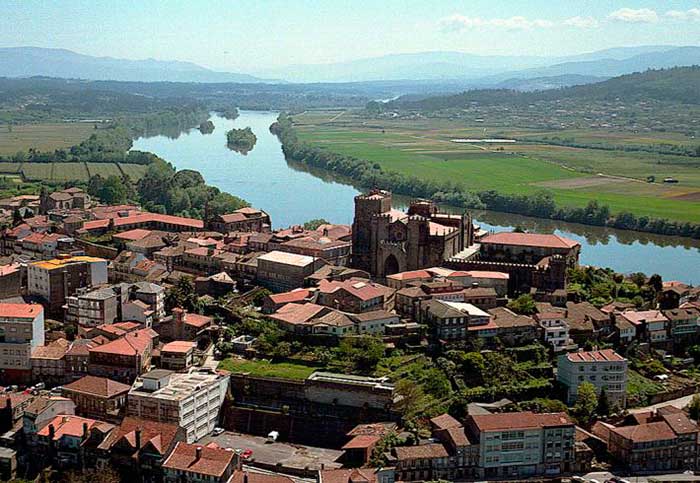
After breakfast and your first night in Spain, you’ll undoubtedly note that, except for the language, the clothing, traditions, and terrain are quite similar to those of Portugal, at least until Redondela, where the Way enters the stunning coastal region of Galicia and continues until Pontevedra. This is the city you stop at for the night. It is also a significant coastal city in Galicia, with a beautiful historic core that is home to two significant monuments: the Basilica of Santa Maria Maior and the church of La Peregrina. Stroll through the historic plazas and tiny lanes of the old town and savour the fresh seafood from the estuary and the Atlantic Ocean.
Day 5: Cycling the Camino de Santiago from Pontevedra to Padrón (41km, 550 metres of accumulated height)
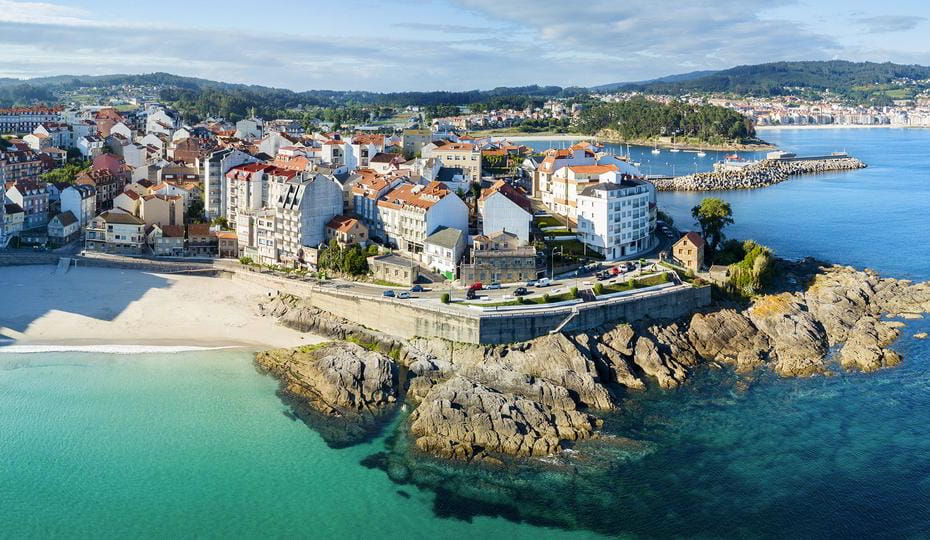
After your breakfast, you’ll continue your journey with the sense that you’re coming close to Santiago. You’ll notice another shift in the environment when you leave the shore and head inland to Galicia’s beautiful green woodlands and wooded areas. Your day’s stop is at Padrón, a village famous for being the cradle of Galicia and for its Padrón Green Peppers. Spend some time exploring the village, climbing to the viewing point of Santiaguio do Monte, or visiting the botanical gardens or Toxa waterfall.
Day 6: Cycling the Camino de Santiago de Compostela: Padrón – Santiago de Compostela (26km, 490 metres of accumulated height)

Following breakfast, you’ll embark on the final section of your Way of St. James journey. This will be a modest test of your determination and persistence since the road begins ascending practically immediately. You’ll pass through little communities and churches that serve as unmistakable indicators that the Way’s finish is nearing. When you arrive, pay a visit to the Cathedral of Santiago de Compostela, the culmination of your trip. Compostela is a millennium-old city with locations and monuments worth visiting, including the plazas in the old town’s core area, the narrow lanes, and traditional marketplaces.