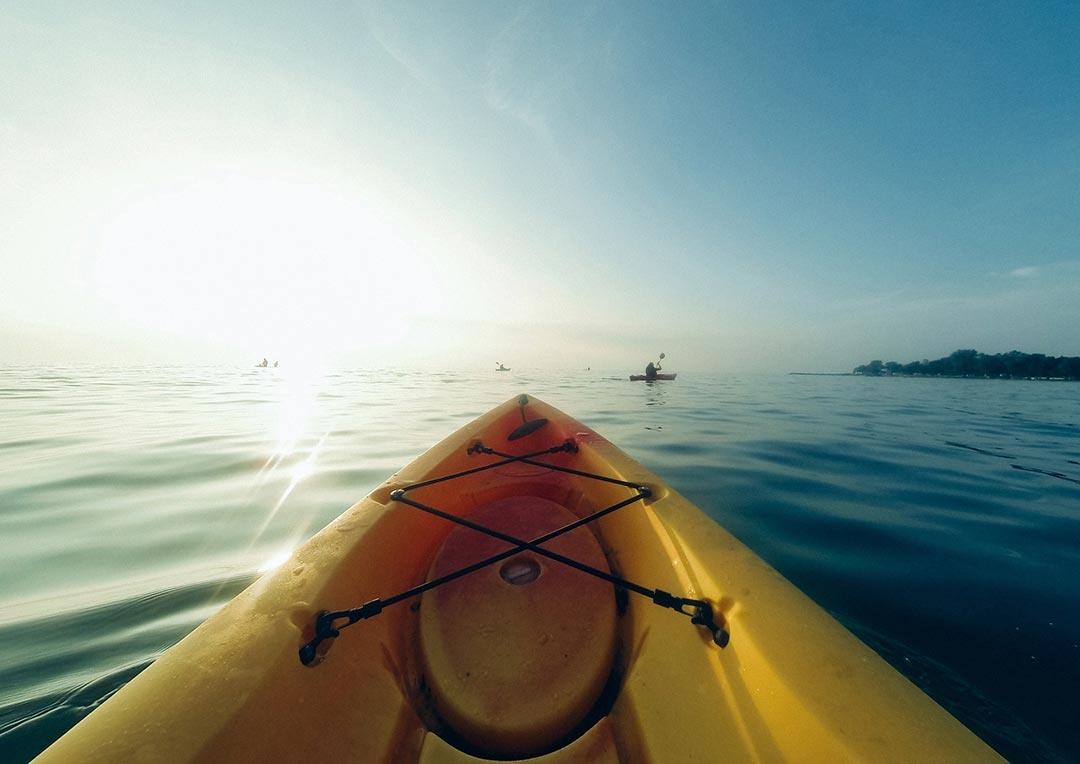
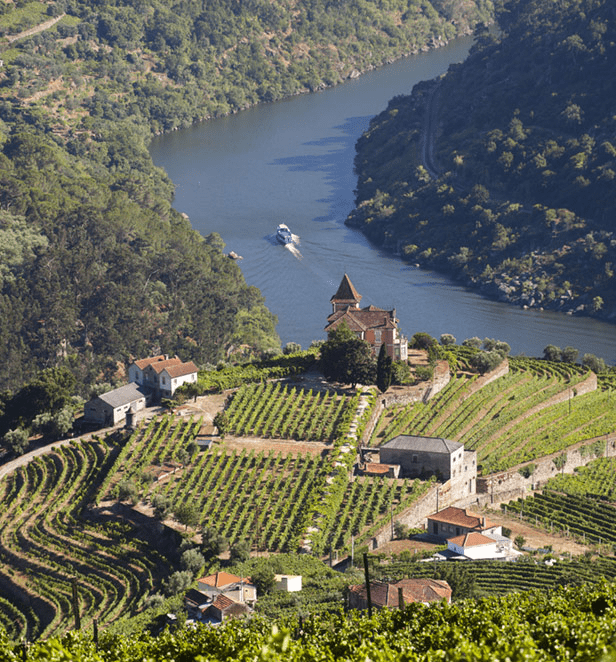
It always starts with the light. That golden, honeyed glow that spills down the terraced vineyards at dusk clings to the rolling hills and kisses the river until it gleams like molten glass. That’s the Douro—quiet, storied, and suddenly at the centre of the luxury river cruising world.
Long overshadowed by the Rhine or the Danube, Portugal’s Douro River is having its moment—and not because it’s flashy. Quite the opposite. It’s serene. Slow. Underrated in the best way. And now, beautifully equipped for travellers who want elegance without excess. For those who understand that luxury isn’t about grandeur—it’s about presence, depth, and the feeling that the world has stopped, just for you.

From Porto to Vega de Terrón: A River That Unfolds Like a Story
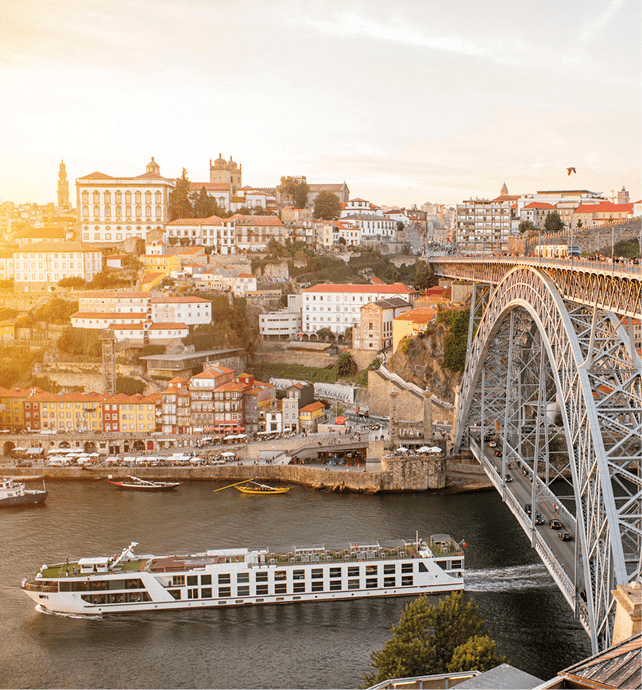
Most Douro River cruises begin in Porto, Portugal’s second city and arguably its most soulful. You board your ship here—a sleek, low-slung vessel built to navigate the Douro’s unique topography—and before long, the urban bustle slips away. What follows is a 7- to 8-day passage that traces the river inland to the Spanish border at Vega de Terrón.
And what a passage it is.
There’s Peso da Régua, heart of the Douro wine region. Pinhão, a postcard of painted tiles and riverfront cafes. Barca d’Alva, where the river narrows and the hills swell, wild and untouched. At each bend, there’s something quietly spectacular—olive groves clinging to the cliffs, almond trees in soft pink bloom, centuries-old quintas (wine estates) nestled in folds of green.
It’s not about speed. It’s about the space between.
The Luxury Difference: Not Just a Cruise, But a Floating Hotel
Forget what you think you know about river cruising. The new generation of Douro vessels—think AmaDouro, Uniworld’s SS São Gabriel, or Scenic Azure—are more boutique hotel than boat. Suites with floor-to-ceiling windows let you wake up to misty vineyards and fall asleep to a moonlit view of the water. Interiors are dressed in polished wood, linen textures, soft neutrals with bursts of tile and brass—a nod to Portugal’s design heritage.
Dining isn’t just “included.” It’s curated. Expect regional dishes with seasonal flair: octopus confit with paprika oil, slow-cooked pork with orange and cloves, or a perfectly crisp pastel de nata served with a chilled glass of white port.
And service? Impeccable, but never stiff. There’s a casual sophistication to it all. Staff greet you by name by day two. The sommelier remembers which vinho verde you liked with lunch. Your suite is turned down with lavender sachets and a note about tomorrow’s sunrise.
Onboard, you’ll find:
-
- Spas with locally inspired treatments
- Infinity plunge pools overlooking the valley
- Wine tasting salons with curated pairings
- Quiet libraries stocked with Lusophone literature
- Daily excursions led by expert historians, not just tour guides
This isn’t mass tourism. It’s tailored, tranquil, and intimate.
What You’ll See: Vineyards, Villages, and Living History
The Douro Valley is a UNESCO World Heritage Site for good reason—and your cruise immerses you in it. Here’s what stands out along the way:
1. Peso da Régua
The valley’s unofficial capital. You’ll disembark here for wine tastings at historic quintas like Quinta do Seixo, perched high above the river, where port has been aged for generations in vast cellars that smell of oak and time. You’ll sip tawny and ruby ports in candlelit rooms, surrounded by barrel-lined walls.

2. Pinhão
Small, gorgeous, and tiled to perfection. The train station alone is worth the stop—blue-and-white azulejos tell the story of harvests and river life. You might join a scenic walk through the village or hop aboard a traditional rabelo boat for a side journey into the deeper reaches of the valley.
3. Castelo Rodrigo
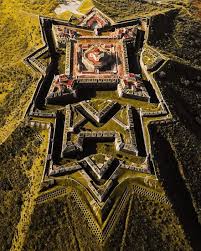
One of Portugal’s twelve “historical villages,” this mountaintop hamlet offers sweeping views and stone alleyways untouched by time. Climb to the castle ruins, browse the artisan shops, and try local almonds dusted with cinnamon.
4. Salamanca (Day Trip into Spain)
Yes, you’ll cross into Spain—with a full-day trip to Salamanca, the golden city. Here you’ll tour one of Europe’s oldest universities, enjoy lunch in the buzzing Plaza Mayor, and return with a new appreciation for how cultures blend at borders.
Each day is punctuated by both the land and the table—there’s no such thing as a rushed meal or a throwaway view.
When to Go: Seasons of the Douro
Spring (April–June) is the ideal time. The hills are impossibly green, wildflowers bloom, and temperatures are gentle. Summer brings heat and colour—almond groves in full foliage and long, golden evenings. But early autumn (September–October) is perhaps the Douro at its finest. The harvest is on, the vines glow bronze and red, and the air smells like crushed grapes and woodsmoke.
“The light in October,” one past traveller said to me over breakfast on the upper deck, “makes you want to paint, write, or fall in love. Possibly all three.”

Theme Cruises: For the Curious and Cultured
Luxury river cruises on the Douro often offer themed sailings. These aren’t gimmicks—they’re opportunities to dive deeper.
-
- Wine Cruises: Led by sommeliers or winemakers. Exclusive tastings, cellar tours, and food pairings.
- Culinary Cruises: Cooking demos with local chefs, market visits in Porto, and multi-course tasting dinners inspired by regional dishes.
- Art & Culture Voyages: Focused on Portugal’s literary, artistic, and architectural heritage, including museum visits and private gallery access.
Each experience is intimate, educational, and indulgent in its own way.
A River of Stillness and Soul
Here’s the thing about the Douro: it doesn’t try to impress you. It doesn’t dazzle or shout. It hums. Quietly. Steadily. And if you let it, it changes the rhythm of how you move through the world.
“This was the first time in years,” said a couple from Toronto, “we actually felt our shoulders drop. Like the stress evaporated somewhere between the third glass of port and that afternoon in Pinhão.”
Planning Tips
Some things to keep in mind:
-
- Pack layers: Mornings can be cool, even in summer. A linen scarf or cashmere wrap goes a long way.
- Leave heels at home: Cobbled streets in villages like Castelo Rodrigo are not heel-friendly.
- Bring a journal: You’ll want to remember how this place feels—and maybe sketch the way the vines wrap the hills.
Final Thought: Why Now?
The Douro is no longer a hidden gem—but it still feels like one. It’s for travellers who want luxury that whispers, not shouts. Who’d rather sip something rare on a quiet deck than fight for a reservation in a city that’s already been overdone.
So if you’ve done the Rhône, the Seine, or the Danube—or if you’ve never tried river cruising at all—this is your invitation.
Float, taste, wander, repeat.