Batalha Monastery, also known as Mosteiro Santa Maria da Vitória, is a magnificent gothic-style monastery located in the Portuguese village of Batalha. It was constructed to celebrate the country’s triumph against Castile in the Battle of Aljubarrota in 1385, and it is now one of Portugal’s most prominent historical and cultural icons. In this blog post, we will discuss some fascinating facts about the Batalha Monastery and the surrounding area of this magnificent site.
The monastery of Batalha’s history
Construction on the Batalha Monastery began in 1386, immediately after the Battle of Aljubarrota, and lasted for more than 150 years. King João I of Portugal initiated the project to venerate the Virgin Mary for her role in the victory over Castile. He chose the battlefield, where his army had camped prior to the conflict, to construct the monastery.
Afonso Domingues, who created the founder’s chapel, and Huguet, who created the Royal Cloister, were among the architects in charge of overseeing the monastery’s construction. Gothic features like carvings, vaulted ceilings, and stained glass windows were popular throughout the construction of this structure in the 14th century. The creation of the monastery was a huge undertaking that included the participation of the monarch, the church, and rich benefactors.
The Batalha Monastery was finished in 1517 and was named a UNESCO World Heritage Site in 1983. It is still a prominent emblem of Portugal’s rich cultural legacy, attracting thousands of tourists each year.

Interesting information regarding the Batalha Monastery
The Batalha Monastery was intended as a royal cemetery. The Capelas Imperfeitas, or Unfinished Chapels, were intended to hold King João I’s and his wife, Philippa of Lancaster’s, burials. Due to financing issues, the sanctuaries were never constructed, and the tombs were relocated to the adjacent St. Mary of Alcobaca Monastery.
A star-shaped cupola with the emblems of the royal family and nobles distinguishes the monastery’s Chapter House. The Chapter House was utilized for meetings of the chapter, the monastery’s governance authority.
The Batalha Monastery contains one of Europe’s largest stained-glass windows. The window is located in the church’s nave and is 15 meters tall and 10 meters wide. It depicts incidents from Christ and the Virgin Mary’s lives.
The Royal Cloister of the monastery is a Gothic architectural masterpiece. It features ornate stonework and intricate engravings, including biblical scenes and saints’ lives.

Azulejos, the well-known blue and white tiles that are a distinctive feature of Portuguese architecture, are used to embellish the monastery’s interior. These ceramics depict biblical scenes and Portuguese history.
Visitors to the Batalha Monastery can anticipate being in awe of the building’s magnificent architecture and extensive history. Visitors can investigate the various chapels, cloisters, and halls of the monastery on a daily basis, with the exception of certain festivals.
The Capelas Imperfeitas, or Unfinished Chapels, are one of the most striking elements of the monastery. Although they were never completed, they offer a fascinating look at the building’s design and construction. Additionally, visitors can view the Tomb of the Unknown Soldier, which was added to the monastery in 1921 to honor the fallen Portuguese soldiers of World War I.
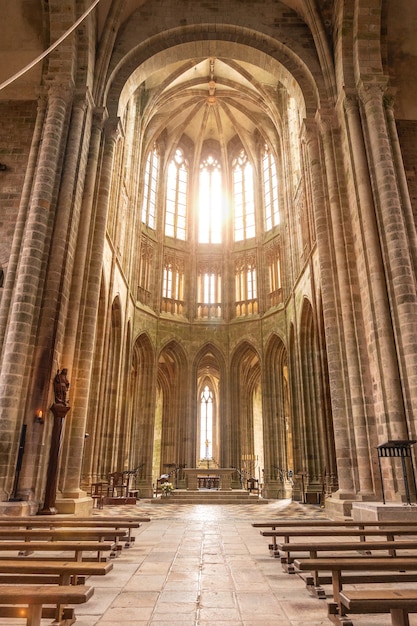
The monastery’s church is a must-see, with its high vaulted ceilings, elaborate carvings, and huge stained-glass window. When sunlight cascades through the window, producing a vibrant and ethereal effect, is when the window is especially impressive.
The Royal Cloister is another feature of the monastery, with its beautiful brickwork and decorations. Visitors can explore the cloister while observing the intricate details and envisioning what life was like for the monks who lived and worked there.
The Batalha Monastery is located in the fascinating city of Batalha. The municipality has a rich history and is home to several historic structures, such as the Church of São João Baptista and the former Bishop’s Palace.
In the town’s many stores and eateries, tourists can sample regional cuisine and purchase mementos. Batalha is situated in the center of Portugal’s wine region, so visitors should not pass up the chance to experience the local wines.
A visit to the Batalha Monastery is a unique and unforgettable experience that no visitor to Portugal should pass up
How to get there:
A8 Lisbon/Leiria
A1 Lisbon/Porto – Fátima/Batalha exit
A19 Leiria / Batalha
IC2 Lisbon/Porto – Batalha exit
IC9 Tomar/Nazaré – exit Batalha
Interurban buses (Largo 14 de Agosto, next to Igreja Matriz)