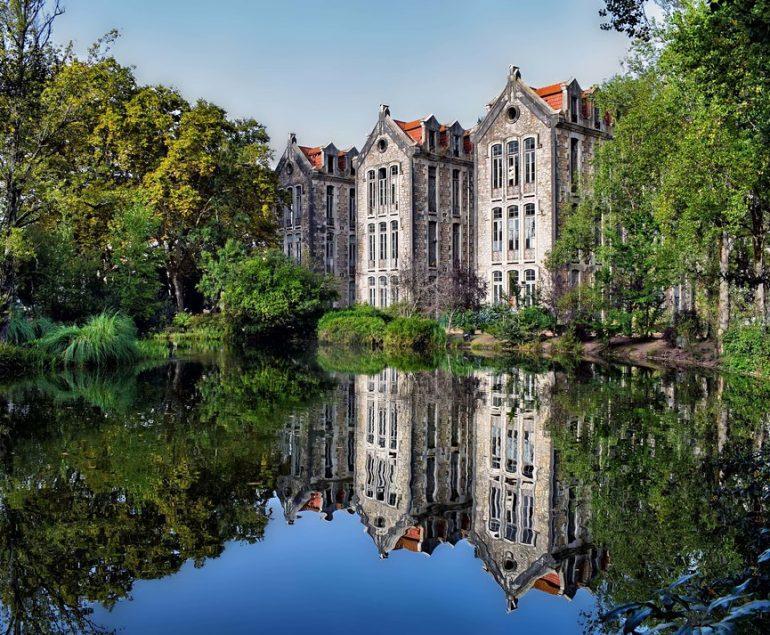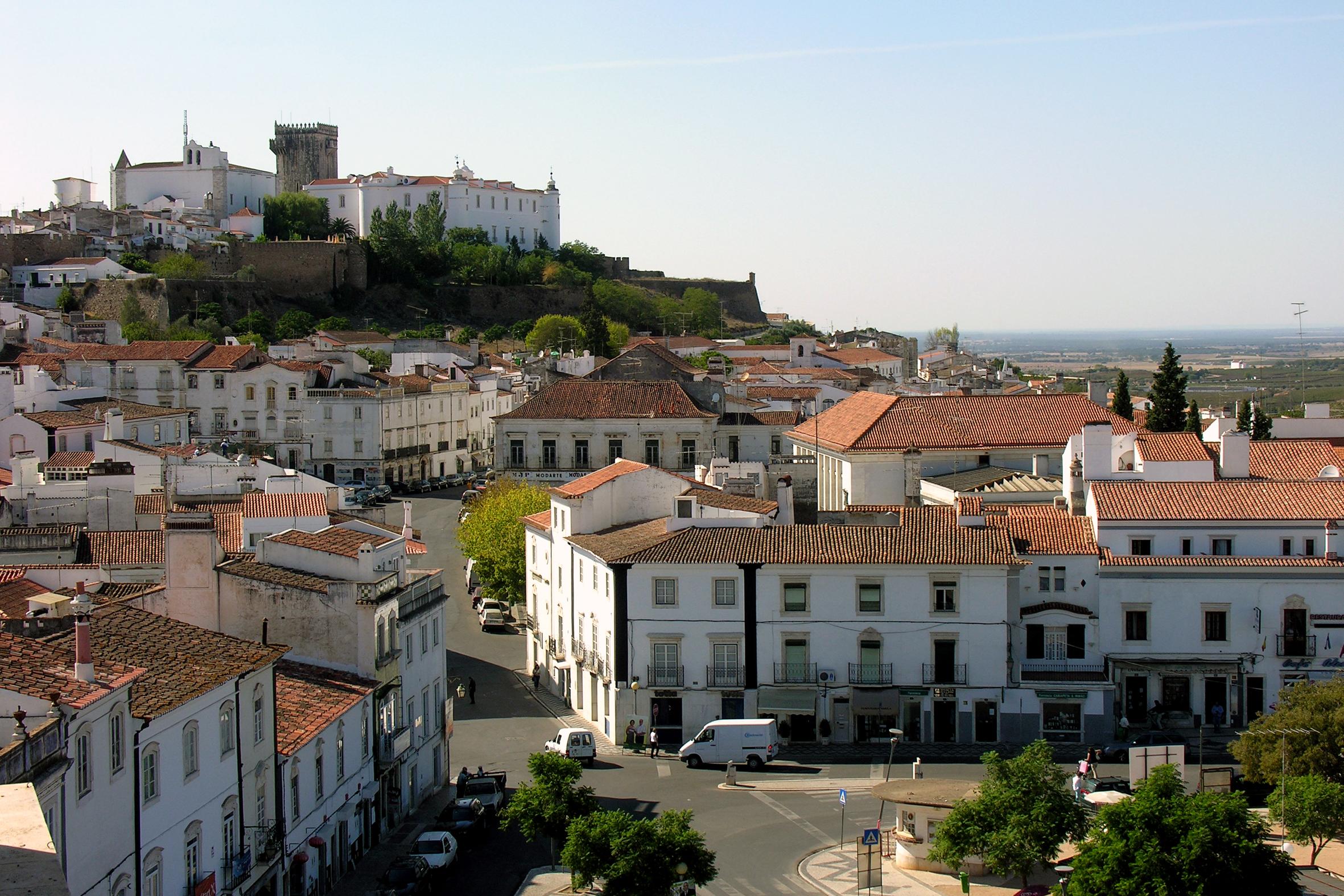
About an hour and a half north-east of the city of Évora is the lovely town of Estremoz. It's a great place to visit in Portugal's beautiful Alentejo region.
Long, straight roads built by the Romans run into this peaceful, pleasant town through great gateways that cut through the 17th-century fortifications that were built to protect the city from Spanish invasions.
Estremoz is in the middle of one of Portugal's most important marble-quarrying areas, and its fortified tower, built in the 13th century, dominates the landscape and can be seen from miles away.
This bustling agricultural centre has many stories to tell about Portugal’s long and chequered history, especially in relation to the country’s 771-year-long monarchy.
The region around Estremoz has been inhabited since prehistoric times. There are also vestiges of Roman, Visigoth and Muslim occupation. During the Reconquista, Estremoz was captured in the 12th century by the army of knight Geraldo Sem Pavor (Gerald the Fearless), who had also conquered neighbouring Évora. However, Estremoz was soon retaken by the Moors and only in the mid-13th century was it reconquered by the Portuguese King Sancho II.
The royal palace, located in the heart of the city, is where Portugal’s mediaeval kings held court. Both Queen Isabel and Inês de Castro’s lover, King Pedro I, died there in 1336 and 1367, respectively.
Estremoz has two lines of fortifications, the first of which dates from the 13th century and the second of which was built during the Portuguese Restoration War (1640–48), when the town served as the staging area for several decisive military campaigns against Spanish forces, including the famous Battle of Ameixial, which took place just a few kilometres away. The mediaeval upper town is surrounded by strong ramparts and is dominated by the Torre das Três Coroas (Tower of the Three Crowns), a 27-meter-high grey marble keeps built during the reigns of three kings, Sancho II, Afonso III, and Dinis I.
This iconic keep was the main defence of what was once one of the Alentejo region’s most powerful castles, with balconies from which attackers were thrown boiling oil. Historiographers consider it to be one of the best examples of mediaeval military architecture in southern Europe today.
The adjoining castle and royal palace were built for Dona Isabel (King Dinis’s wife), who maintained devout habits throughout her life, founding several orphanages and other charitable institutions as well as helping the sick and poor whenever possible. The Holy Queen’s life and miracles are depicted in 17th-century azulejo tile panels, which were canonised by Pope Urban VIII almost three centuries after her death. The panels can be found in the palace’s chapel of Santa Isabel.
The castle’s narrow, cobblestone streets are lined with small shops and boutiques selling marble items and beautiful hand-made pottery from the Alentejo region, which is known for its red colour and life-like figures depicting everyday life in the region. The great squares of the lower town (particularly the largest, known as Rossio), lined with houses of bright white stucco and moon-coloured marble, give visitors a contrasting impression of open space and urban brightness, enhanced with a delightfully mediaeval twist.
![Estremoz - Portugal | See where this picture was taken. [?] | Vitor Oliveira | Flickr](https://live.staticflickr.com/2432/3709681076_3abea53cdd_b.jpg)
The Misericórdia church in Rossio, which was built in 1539 and was once a Knights of Malta convent, is now known for its charming Gothic cloisters. Another convent dedicated to St Philip of Nery (a local bishop), whose life is beautifully depicted in some of the old azelujo tiles adorning its walls, was located near a fine 17th-century building, now serving as Estremoz Town Hall.
The municipal museum of Estremoz’s street-level galleries features an impressive display of bonecos, small clay figures that were added to UNESCO’s Representative List of Intangible Cultural Heritage of Humanity in 2017. A very authentic reconstruction of a typical Alentejan country kitchen is also on display at the museum.
Visitors to Évoramonte, a few kilometres south of Estremoz, can see the site where King Miguel I abdicated and thus relinquished all claim to the Portuguese throne by signing the Concession of Évoramonte on the 26th of May, 1834.
Borba, a charming wine town east of Estremoz, is worth a visit for its late 16th-century church of S. Bartolomeu (full of marble treasures) and the convent of Servas, which has a large double-renaissance cloister set around an old fountain.
Estremoz, along with the other two marble towns of Borba and Vila Viçosa, is famous for its fine to medium marble, which comes in a variety of colours, including white, cream, pink, grey, and black, as well as streaks of any of these colours. The pink marble (Rosa Aurora and Estremoz Pink) is particularly popular.
Since antiquity, this marble has been used for sculpture and architecture. The first Roman exports were most likely for the construction of Emerita Augusta’s Circus Maximus in modern-day Spain. This marble was exported by Portuguese navigators to Africa, India, and Brazil. The Monastery of Jerónimos, the Monastery of Batalha, the Monastery of Alcobaça, and the Tower of Belém were all built with marble from this region.
Military Heritage
Estremoz is quite rich in military heritage from the attribution of its first charter in 1258. With no archaeological remains to prove the contrary, the town was born from the need to carry out a rapid military settlement, with the entire first medieval walled belt being completed in 1261.
Later, in the 17th century, it also played a fundamental role as a weapons square and war warehouse in the Alentejo, helping the first lines of fortification (Elvas, Juromenha, Campo Maior, etc.) Restoration.
Royal Seat
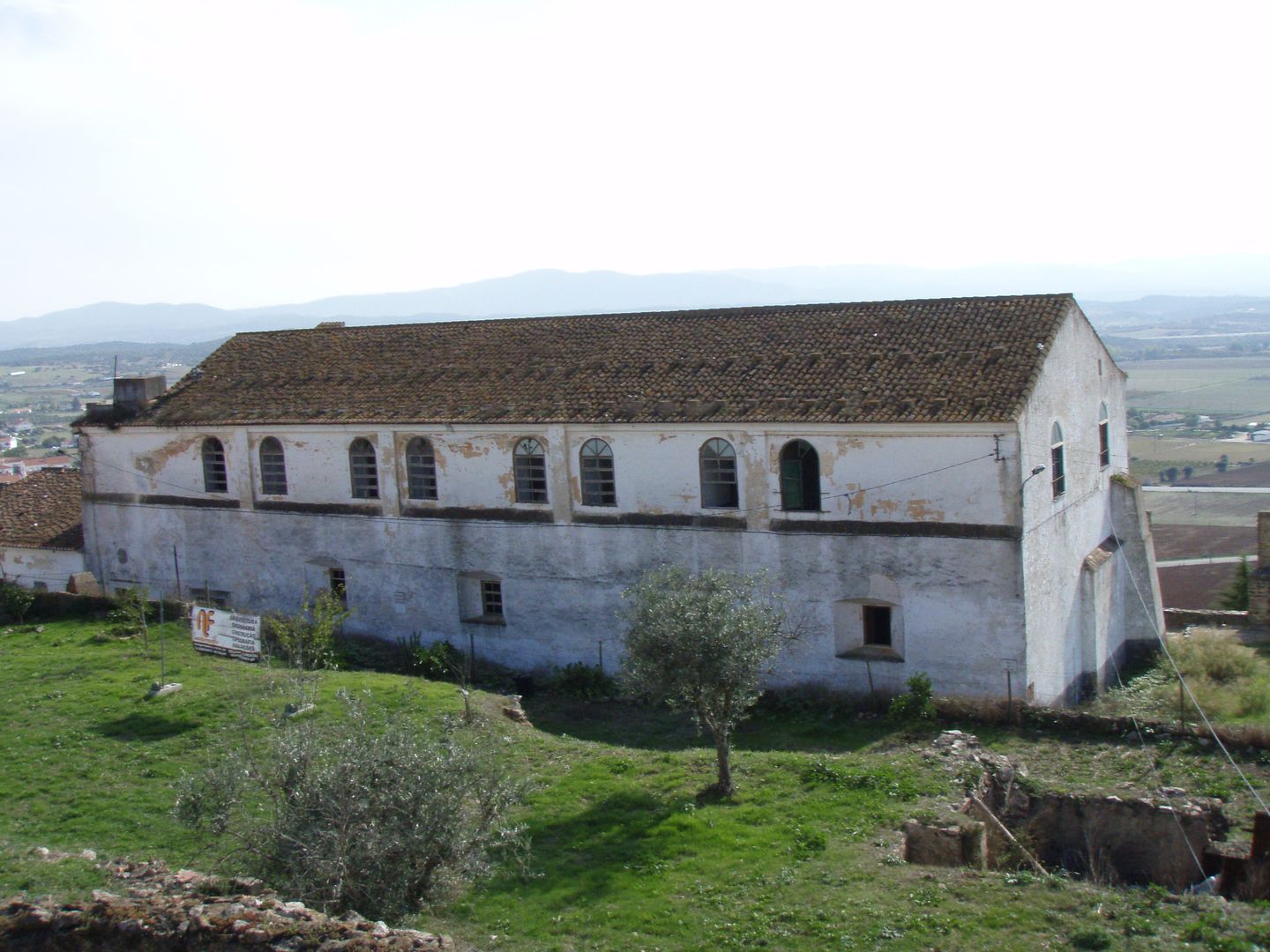
It was built in 1740
According to Tlio Espanca, the Assento Real was designed by the Marquis of Tancos and was originally conceived as a uniform warehouse for the army of the Province of Alentejo.
It was also used as a military bakery, producing up to 40,000 loaves of bread per day for the Alentejo army.
Frandina’s Watchtower
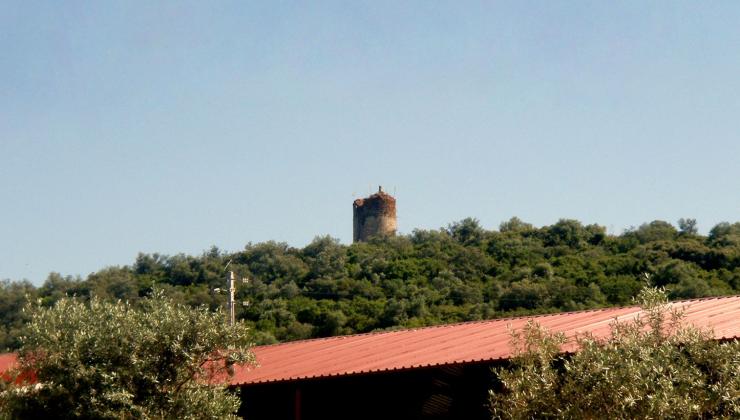
Atalaia is an Arabic word (at-talai’a, plural of talaia) that means “place of surveillance.”
As is likely the case with the Atalaia da Frandina, and is defined by the presence of a tower (square, circular, pyramidal, etc. ), with the purpose of controlling the territory and communicating between watchtowers and/or castles.
Veiros Castle
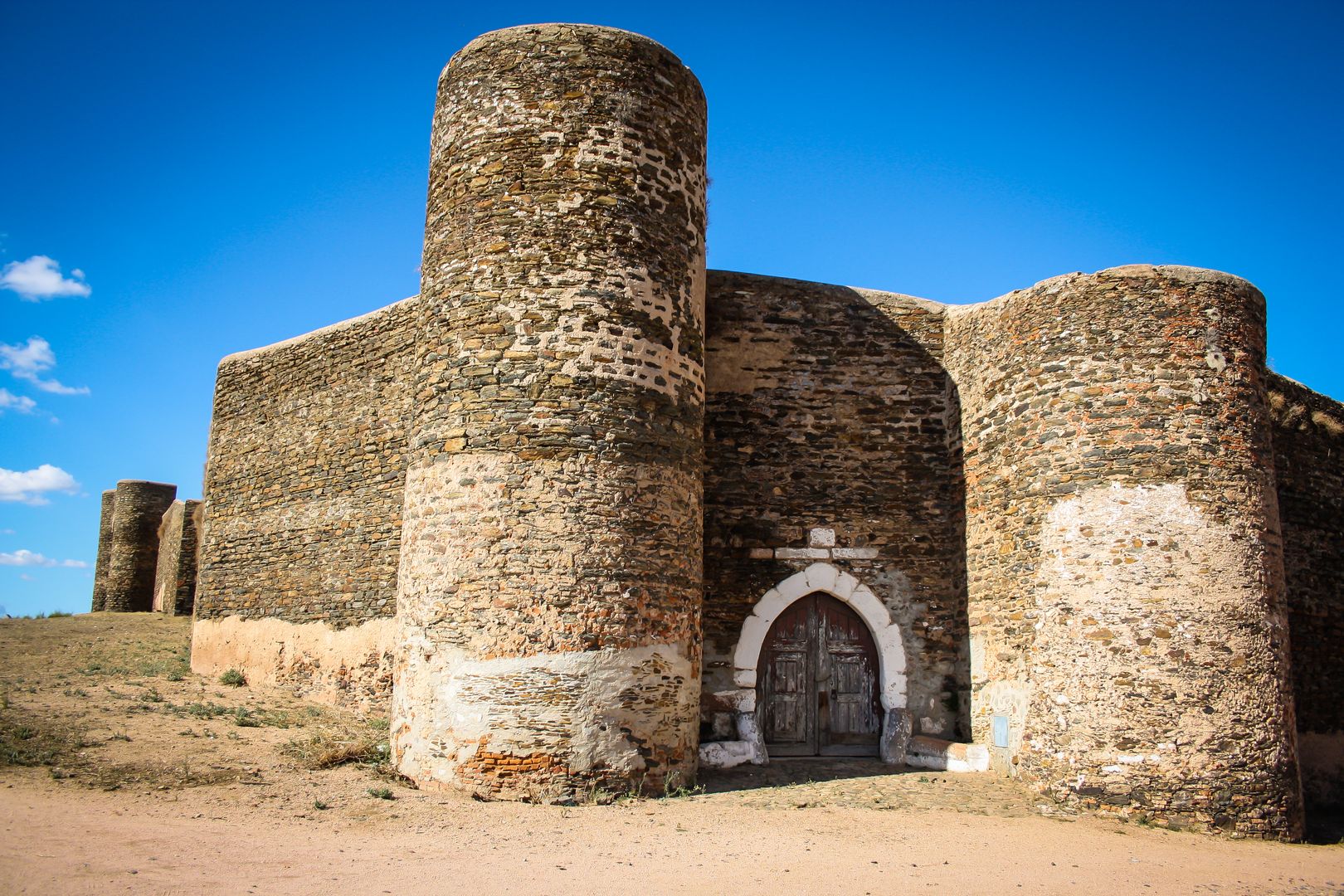
The date of construction of the castle of Veiros is unknown; the only information available is that it began in 1308, during the reign of D. Dinis (r. 1279-1325), on the orders of D. Lourenço Afonso, the then master of the Order of Avis. According to the commemorative tombstone that would be embedded over the entrance door of the Torre de Menagem (which was completely destroyed by order of D. Joo de Austria in 1662), which is now over a small wall, the master-builder was stonemason Pero Abrolho.
Castle and Medieval Fence of Evoramonte
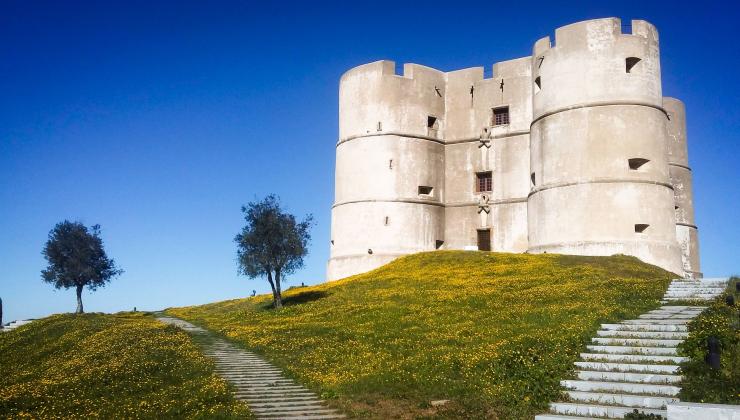
The mediaeval fence of Evoramonte was built in 1306, during the reign of D. Dinis (r. 1279–1325). The walled perimeter forms an isosceles triangle whose longest side follows the NE-SW line. It still maintains its four main doors and a wicket: the door of Freixo, with a Gothic arch without imposts and protected by two cylindrical turrets, faces south and has an inscription that corresponds to the beginning of the construction of the fence; the Sun Gate, very similar to the previous one, is oriented to the west; the door of São Brás is oriented towards the chapel with the same name and still maintains its trunnions; the door of São Sebastião has direct access by road to the hermitage of the same patron, which indicates 14th or 16th-century influences.
Monumental Ensemble of the Alcáçova de Estremoz – Castelo de Estremoz
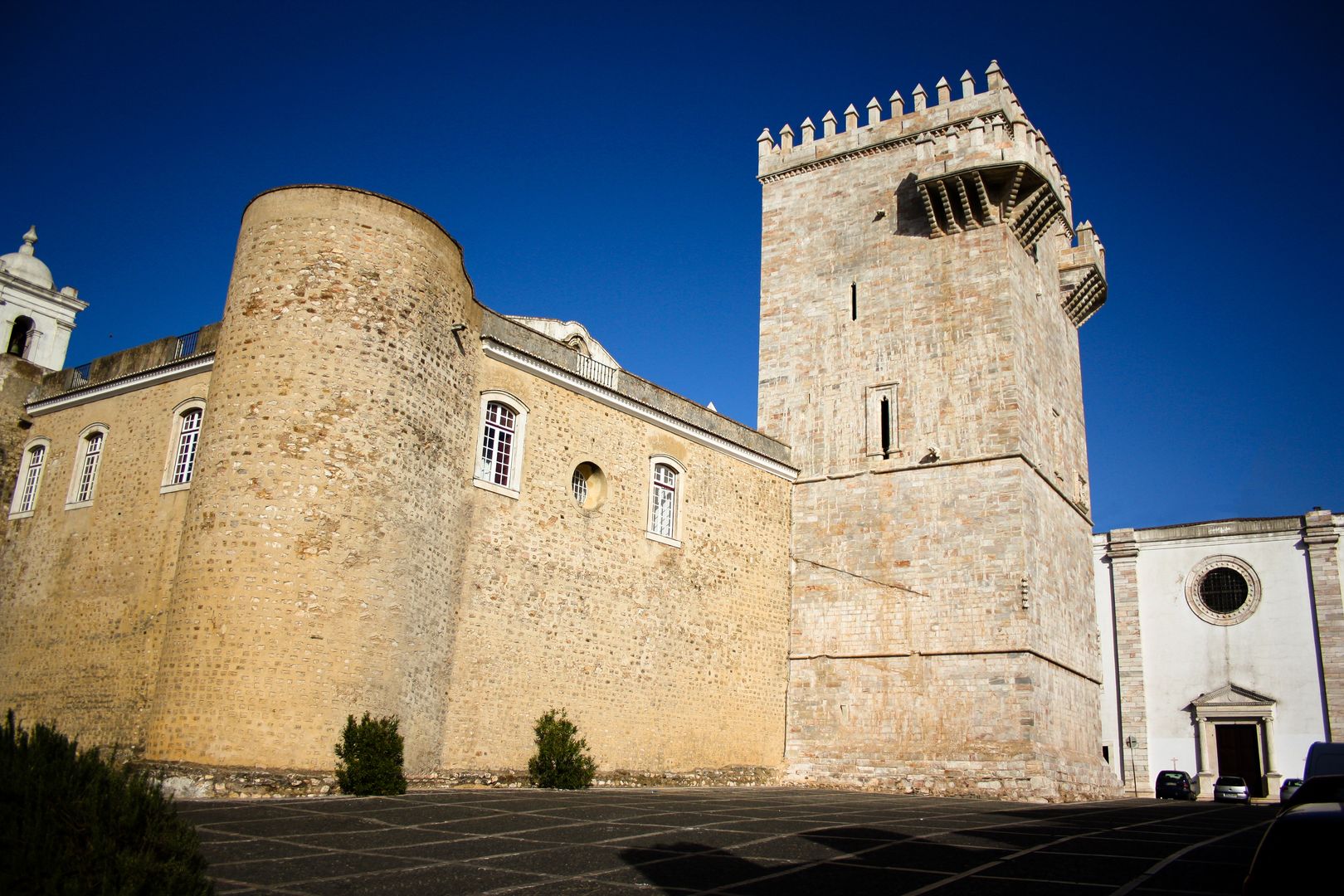
In the centre of the medieval village stands the Torre de Menagem, one of the best-preserved in the country. About 27 meters high, it has a quadrangular plan and is crowned with pyramid-shaped merlons. Typical of Portuguese military architecture from the end of the 13th century and the beginning of the 14th century, it is what remains of the primitive fortress, together with the 13th-century building of Paços do Concelho. On the second floor, there is a beautiful octagonal room with columns of capitals with animalistic and anthropomorphic motifs.
Monumental Ensemble of the Alcáçova de Estremoz – Medieval Fence – Porta da Frandina
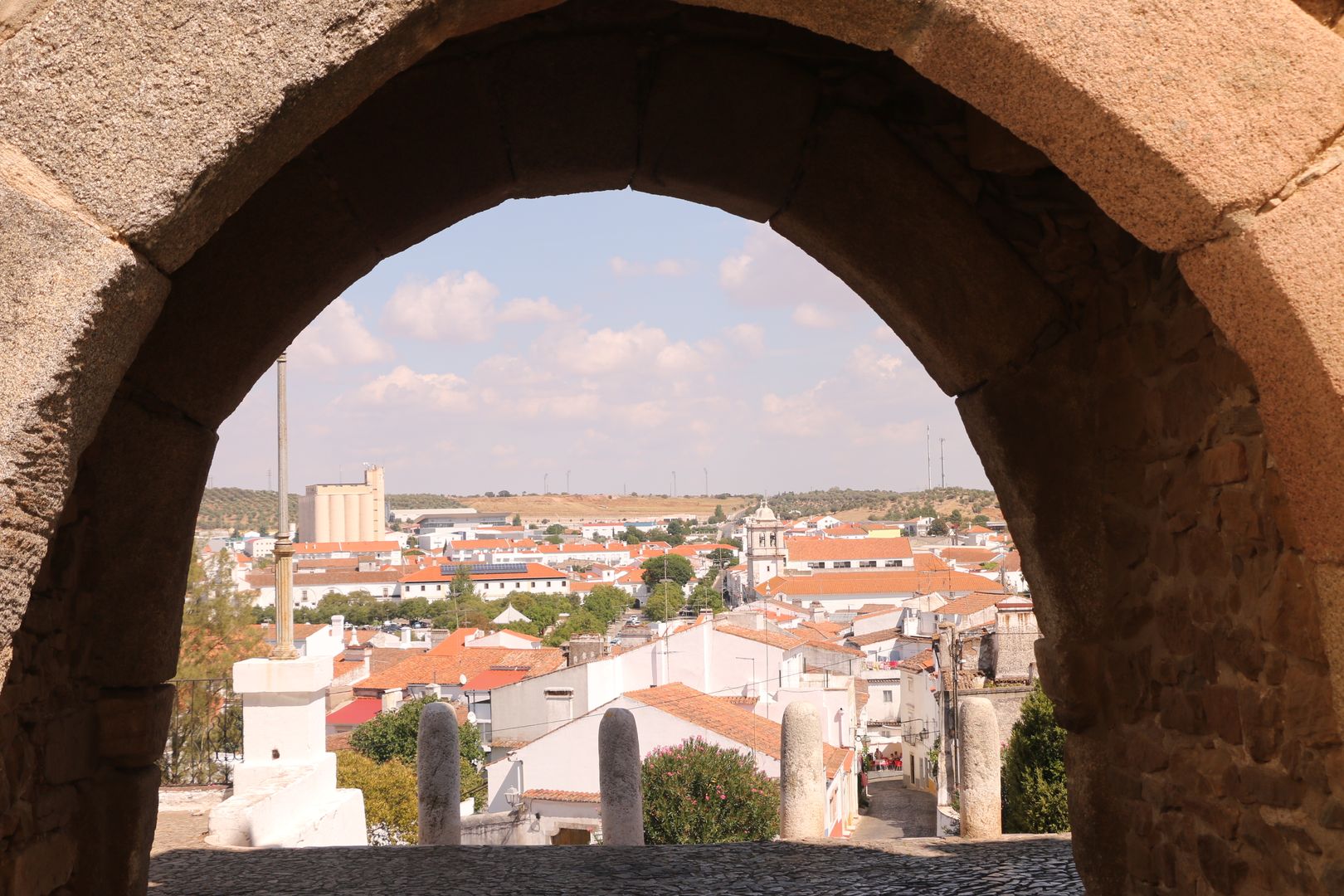
The medieval fence of Estremoz was built by King Afonso III (r. 1245-1279) in 1261 and improved by his successors, mainly by his son D. Dinis (r. 1279-1325). It has two main opposite doors (EO axis): Porta do Sol or Porta da Frandina and Porta de Santarém.
The Porta da Frandina, facing east, is flanked by a semi-cylindrical tower, with a recessed portal on the outside and round on the inside. Above the arch, at the entrance, is a tombstone invoking the Immaculate Conception, patron saint of Portugal, as is customary in the reign of King João IV (r. 1640-1656), after the Restoration.
Religious Ancestry
As with the rest of the Alentejo territory, the religious presence in Estremoz is ancient but also quite profuse, as evidenced by the architectural fabric of the city and other urban centres in the county, particularly Evoramonte and Veiros.
The presence of the Church and religious orders (particularly the Order of Avis in Estremoz and the surrounding region) was necessary for a territory that needed to be re-Christianized and populated.
The county contains over 70 structures that demonstrate how religious people lived there. This list includes convents and churches, as well as hermitages, dolmens, and cruises.
Dolmen of Entre Águas

From the Greek Mega (Big) and Lithos (Stone), Megalithism is the first major manifestation of a demarcated funerary space. A phenomenon that encompasses several typologies (dolmens, cists, masonry tholoi , use of natural caves), appears in the context of the transition from the Old Neolithic to the Middle Neolithic (mid-5th millennium BC) in Europe.
Queen Santa Isabel’s Chapel
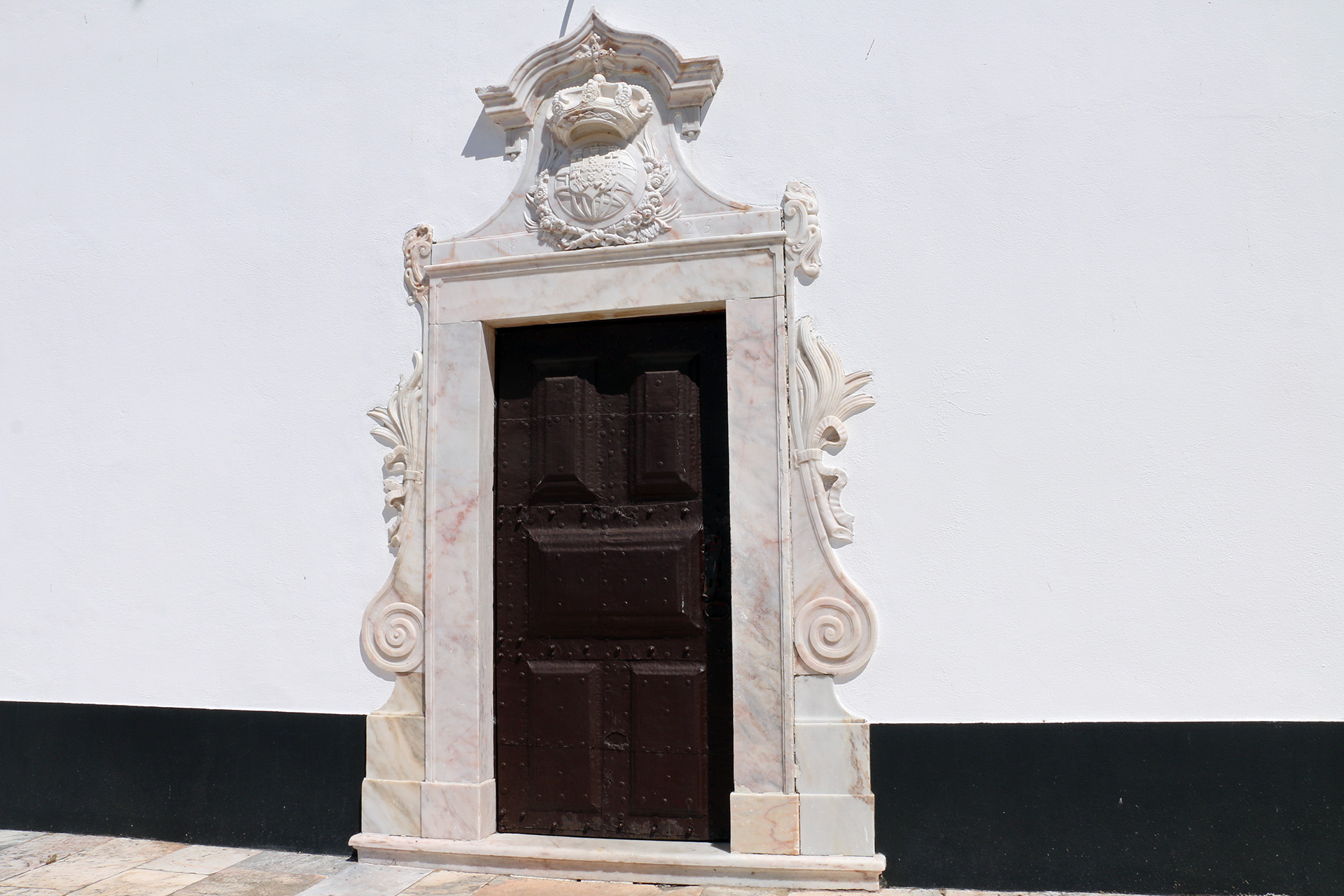
According to Túlio Espanca, an oratory was constructed here in 1659 on the order of D. Lusa de Gusmão, the widow of D. João IV (r. 1640-1656), in gratitude for the Portuguese victory in the Battle of the Lines of Elvas. Father Francisco Tinoco da Silva carried out works on the temple’s behalf in 1680, during the reign of D. Pedro II (r. 1675-1706). Inevitably, 18 years later, in 1698, following the explosion of the castle’s powder magazine, new works were required, despite the fact that, according to a contemporaneous account, this chapel did not sustain significant damage, implying yet another miracle of the Holy Queen.
The Church of Our Lady of the Martyrs
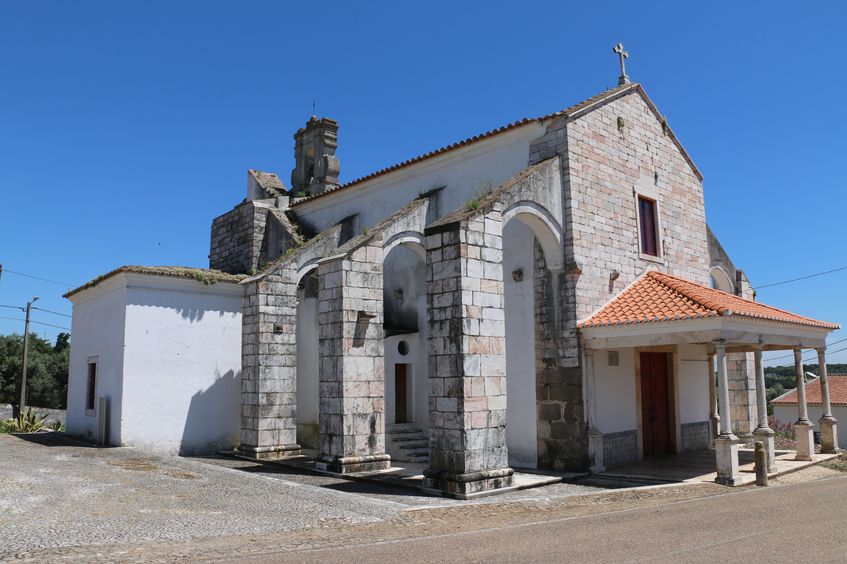
Nossa Senhora dos Mártires is one of the few chapels in the Municipality of Estremoz with mediaeval characteristics. It was built by D. Nuno Álvares Pereira, according to Fernão Lopes, and the first reference to its existence is dated 1493. However, in 1379, the Confraria de N.ª Sr.ª dos Mártires already appears in the documentation, not meaning, perforce, that that temple already existed. In any case, its architectural features most likely take us back to the 14th century.
The Chapel of Santo Cristo

This small property was built by the Senate in 1574, erecting a simple calvary. Miguel Borralho is responsible for the current appearance of the temple, promoting the construction of a cross and its integration into a closed chapel in 1751.
The Chapel of San Sebastian
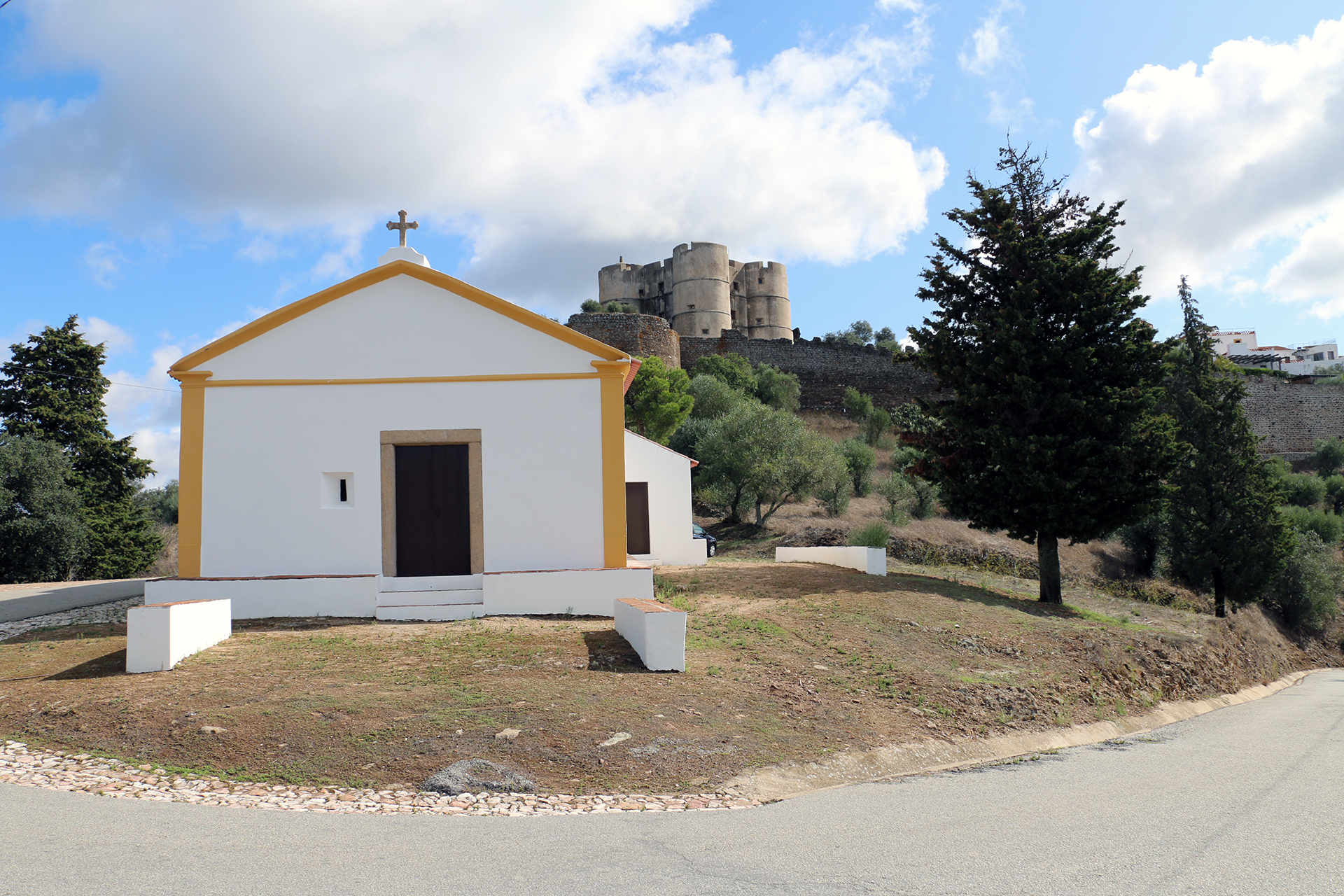
The hermitage of São Sebastião, next to the road that connects the lower town to the Castle of Evoramonte, shows the contemporary construction of almost all the extramural hermitages in the parish. The square chancel has a hemispherical dome, which is also the oldest element of the property.
The Church of San Francisco
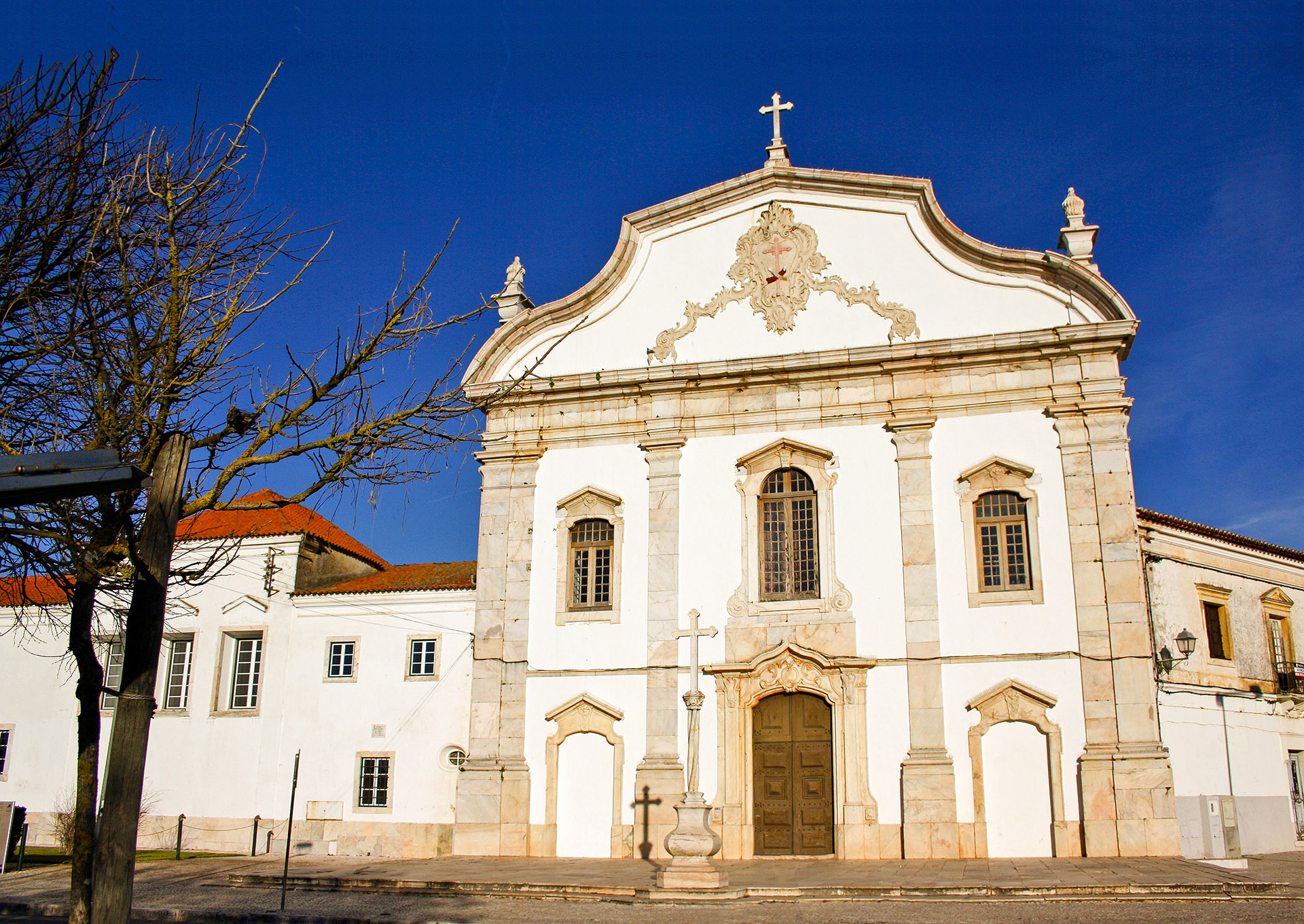
It already existed in the 1270s, knowing that in 1272 its custody belonged to Lisbon, passing only to Évora in 1330, the year in which it was created. There is also an interesting document from 1277 that mentions a dispute between these Franciscans and the friars of the Order of Avis.
The interior has a rectangular plan with three naves and five bays. The Gothic verticality is proof of its mediaeval foundation, and the decorative elements of this period are naturalistic, zoomorphic, and anthropomorphic.
From the Baroque period is the Tree of Jesse, from the reign of King João IV (r. 1640–1656). It was paid for by the Brotherhood of Nossa Senhora do Rosário in 1652. This rare altarpiece of gilded woodcarvings corresponds to one of the three beautiful examples that still exist in Portugal.
The Network of Museums in the Municipality of Estremoz is made up of a diverse set of museums, from different properties, which are a living testimony to the richness of the culture of Estremoz. Thus, in Estremoz, you can visit Prof. Joaquim Vermelho, the Alfaia Agrícola Museum Center, the Firefighter Museum, the Military Museum, the Rural Museum, and the Museum of Sacred Art, in addition to the Living Science Center.
In the village of Veiros, the José Matos Cortes Agricultural Museum and the Veiros Mercy Museum Rooms are open to the public.
Things to do and see
- Watch a show at the Bernardim Ribeiro Theater.
- Buy an Estremoz Puppet.

-
Taste rich and varied gastronomy.
-
Discover more than eight centuries of history.
- Discover the Natural Heritage: lose yourself in the Landscape.
- Shop at the Saturday Market.
- Stroll through the largest square in the country – Rossio Marquês de Pombal is considered by many to be the largest and most beautiful square in the country.
- Explore a county with three castles.
- Taste the wines of Estremoz.
- Feel the grandeur of a marble quarry.
- Climb to the Fortifications of Estremoz.