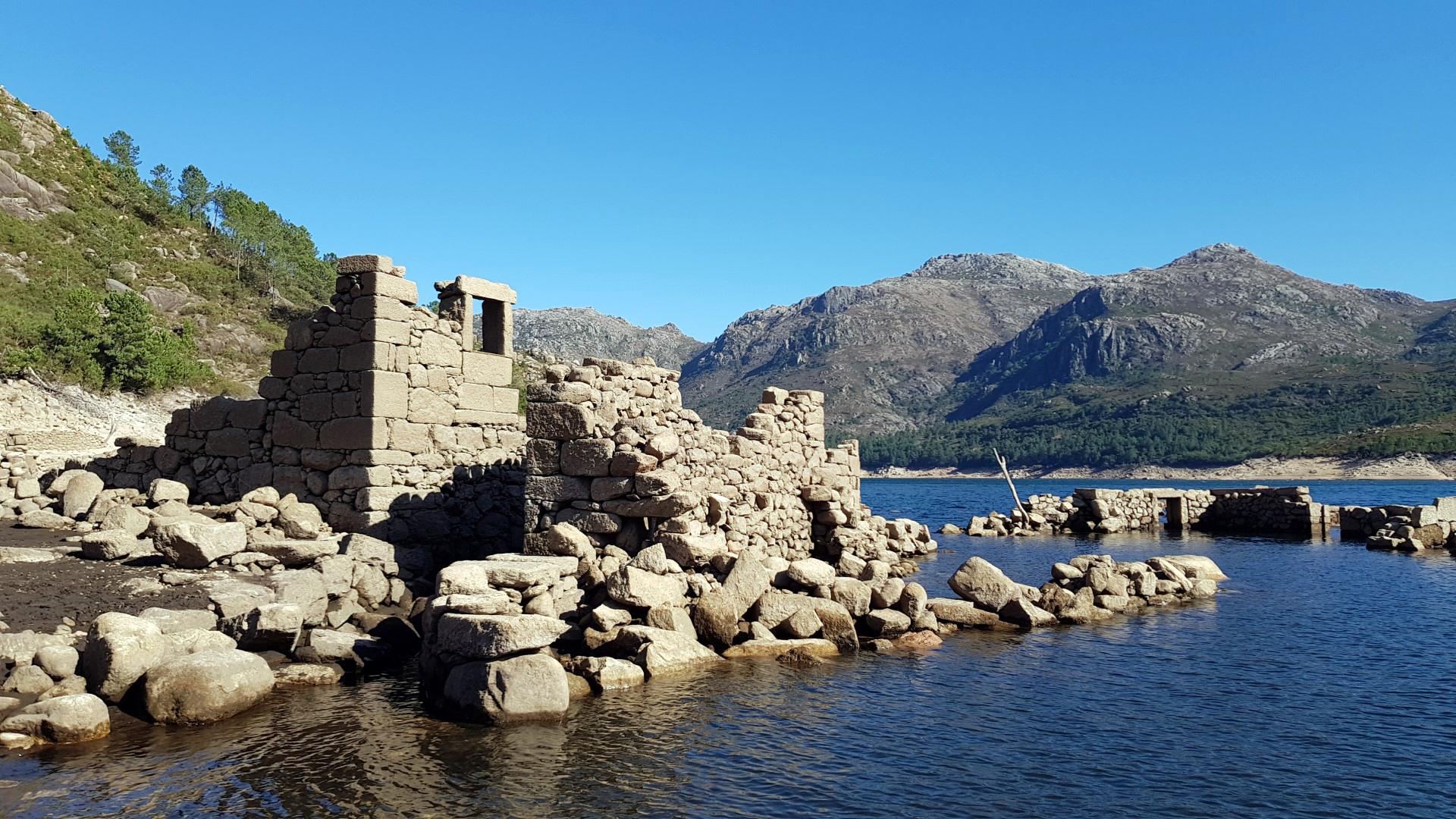
This “Stonehenge” in Portugal is even older than its British counterpart.
The Almendres Cromlech is so named because the stones are shaped like almonds (almendres in Portuguese), but they are actually more similar to menhirs, which are freestanding monolithic stones, than to dolmens. The location’s Portuguese name is Cromeleque dos Almendres.
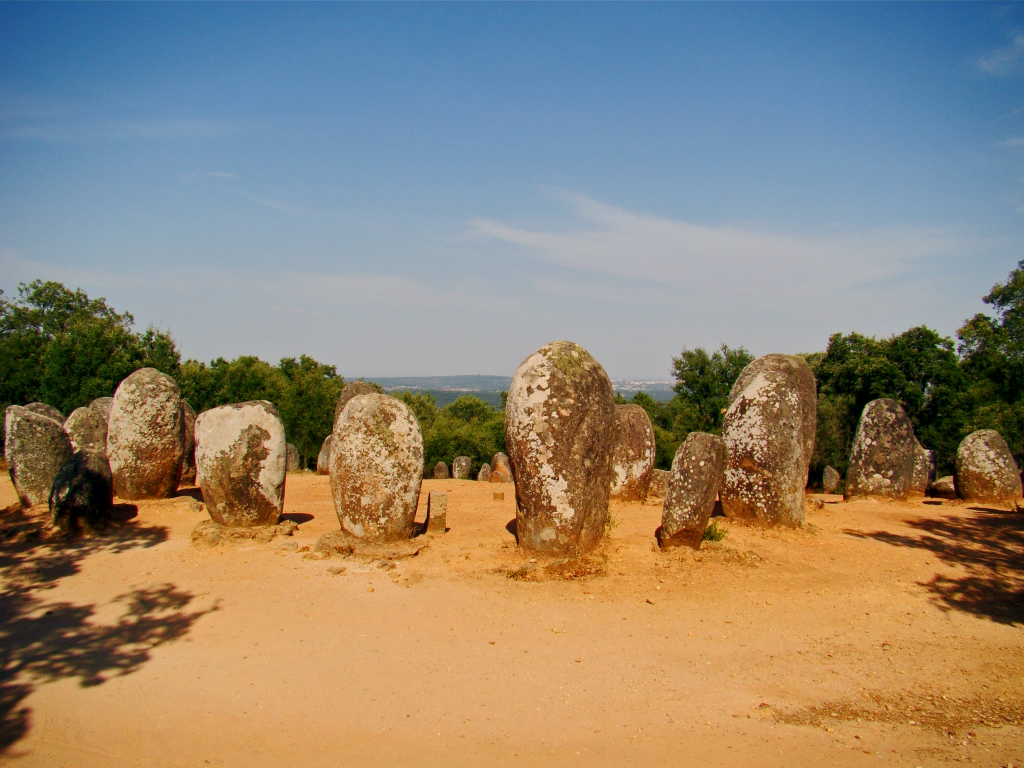
Stonehenge in England may be the most well-known megalith, but it is not the only one or the oldest. In reality, when it comes to age, it most clearly isn’t. In Portugal, the Cromlech of the Almendres is even older. This is regarded as the best Neolithic construction in the Iberian Peninsula and one of the best in Europe.
The Cromlech of the Almedres is a Portuguese megalithic formation. It is the greatest surviving group of built menhirs in the Iberian Peninsula. A “cromlech” is a massive stone block megalithic structure.
It is said to be thousands of years old, dating back to the sixth millennium BC—far older than Stonehenge or the Great Pymaids. However, the oldest permanent site known to date is the 14,000-year-old Karahan Tepe in Turkey, which is a sister site to Gobekli Tepe (excavations are ongoing now).
The relative chronology of the cromlech and menhirs has been demonstrated to be quite complex. It spanned the Neolithic to the Chalcolithic periods.
It is thought that, like many other similar places in Europe, it was once used for religious or ceremonial purposes or to study the stars.
Many of the stones had fallen over over the millennia, so the Portuguese government began a huge restoration project in the 1960s to put them back where they belonged.
Some of the stones have unique markings or properties. Among these are:
Stone 48: A small figure holding a staff or crosier is depicted.
Stone 57 is flat on one side and has 13 pictures of well-known things from the past.
Stone 56: Has A Human Face; It Is Considered A Menhir Statue—Perhaps A God
Stone 58 features three solar discs and sunray lines.
The Cromlech of the Almendres is not isolated; it is situated in a region rich in megalithic monuments. The Vale Marie do Meio Cromlech is about six miles away, and nearby are two neolithic dolmens, or megalithic graves, as well as the Portela de Modos cromlech.
Who knows how many additional sites will be discovered? Only in 1993 was the Vale Marie do Meio Cromlech uncovered.
The District of Evora: A Megalithic Hotspot
They are located in the Evora region of Portugal, and there are more than the places described above. These are some of Europe’s oldest monuments, dating back to the time when man was changing from hunter-gatherer to farmer.
There are around ten megalithic enclosures, over 100 isolated menhirs, about 800 dolmens, and nearly 450 megalithic dwellings in just one district alone. That’s some major history right there, and it’s not even touristy!
The Cromlech of the Almendres (Portuguese: Cromeleque dos Almendres/Cromeleque na Herdade dos Almendres) is a megalithic complex (commonly known as the Almendres Cromlech) situated 4.5 road kilometres west-southwest of the village of Nossa Senhora de Guadalupe, in the civil parish of Nossa Senhora da This archaeological site contains many megalithic structures: cromlechs and menhir stones, which belong to the so-called “megalithic universe of Évora,” with clear parallels to other cromlechs in the Évora District, including Portela Mogos and the Vale Maria do Meio Cromlech.
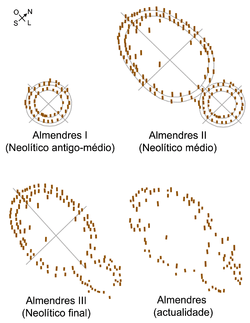
The construction of these structures dates back to the 6th millennium BC. They were rediscovered in 1966 by Henrique Leonor Pina, who was carrying out fieldwork relating to the country’s geological charts.
The excavation of the site unearthed a series of both megalithic and neolithic construction phases; Almendres I 6000 BC (Early Neolithic), Almendres II 5000 BC (Middle Neolithic), and Almendres III 4000 BC (Late Neolithic). The relative chronology of the cromlech and menhirs is extremely complex and covers a period from the Neolithic to the Chalcolithic. It is believed that the monument either had a religious or ceremonial purpose or functioned as a primitive astronomical observatory.
Visiting the Site
Today, it’s a wonderful place to stop for people exploring Portugal’s off-the-beaten-path treasures. As this place has not been promoted as a tourist destination, it is likely that you will have the spot to yourself. Since there is no transportation service to the location, it is advisable to drive oneself.
According to reports, the site is managed with a carefree attitude, and it is not roped off or fenced off, so exploration is permitted.
Alternative name: Cromlech of the Almendres Estate
Évora, Central Alentejo, Alentejo, Portugal
38° 33′ 27′′′′N, 8° 03′ 40′′′′W are the coordinates.
No admission charge
Hours of Operation: Not Applicable-Open Constantly
Facilities: Basic or None