A shawl, a Portuguese guitar, a voice, and raw emotion. This simple graphic could be used to illustrate Fado, a well-known icon of Portugal and a truly Portuguese piece of world music.
At its core, it is about sentiment, lost love, longing for a gone loved one, ordinary life, and accomplishments. After all, the ups and downs of life give an unending supply of topical inspiration.
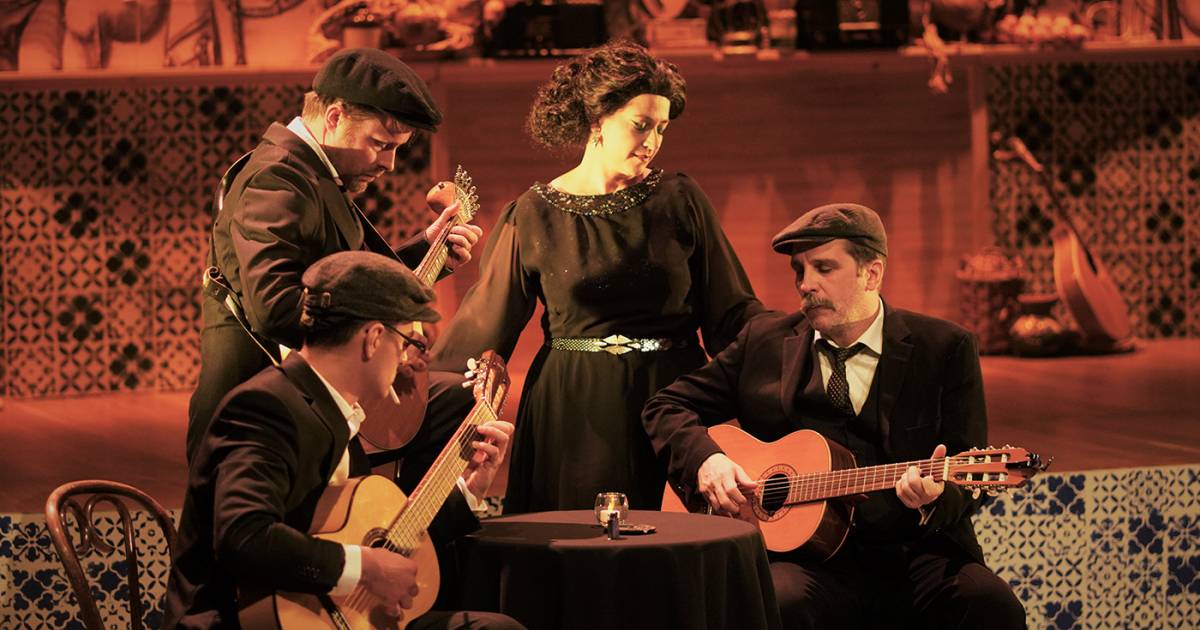 They say fado is entrenched in the Portuguese soul, with no exceptions. Even still, some venture to distinguish the difference between a professional and an amateur vocalist. Professionals make a living by using their voices. Amateurs sing Fado, also known as vadio (vagabond), which has distinct qualities, yet longing remains a prominent leitmotif. Fado vadio performers, who are making a comeback in Lisbon’s working-class neighbourhoods, are never invited… they invite themselves and do not have a predetermined repertoire. Fado has distinct qualities in Coimbra and is sung by students
Fado was designated a World Heritage Site by UNESCO in 2011 as an urban Lisbon song indicative of the city and the country.
The easiest way to discover all the specifics is to go to the Fado Museum in Alfama, one of Lisbon’s ancient neighbourhoods. With a rich collection amassed from hundreds of bequests, you may learn about the history of Fado from the first part of the nineteenth century to the present.
The house where Amália lived, which is now a museum, is also in Lisbon, near Madragoa. She was the most charismatic of all fado singers, bringing fado across borders to big European halls. We owe the classic picture of the black dress and shawl to her, a performer with a commanding presence on stage and a natural instinct for spectacle.