A Quiet Treasure Beside the Douro
Here’s the thing: Gondomar isn’t the kind of place that tries to impress you at first glance. It doesn’t need to. Just a few kilometres east of Porto, this northern Portuguese village reveals itself slowly — through the glint of gold in its jewellers’ windows, the rhythm of river life, and the quiet dignity of people who’ve spent centuries mastering their craft.
Gondomar isn’t built for spectacle. It’s built for discovery. And if you lean into its calm pace, you’ll find stories of skill, resilience, and beauty forged in the heat of the goldsmith’s flame.
Where Craft Meets Origin
The roots of Gondomar run deep. Archaeological finds show traces of Roman and prehistoric life, and the Douro River has always shaped its destiny. The land was rich with minerals, and over time the art of working with them became second nature.
Today, Gondomar is known as the capital of filigree — Portugal’s most intricate and poetic form of jewellery-making. The technique, which involves twisting and weaving fine gold and silver threads into delicate patterns, feels almost otherworldly. Yet here, it’s an everyday skill, carried from one generation to the next like a family heirloom.
Wander the streets and you’ll still hear the soft ring of hammers on metal. Small workshops tucked behind modest façades are where this centuries-old artistry continues. It’s not showy. It’s quiet, steady work — the kind that gives a place its soul.
Why Visit Gondomar
1. The Craftsmanship
This is a town that takes pride in detail. Visit a filigree workshop and watch how impossibly thin threads of metal become flowers, hearts, or symbols of faith. Every curve tells a story, every shimmer reflects time and patience.
2. The River’s Calm
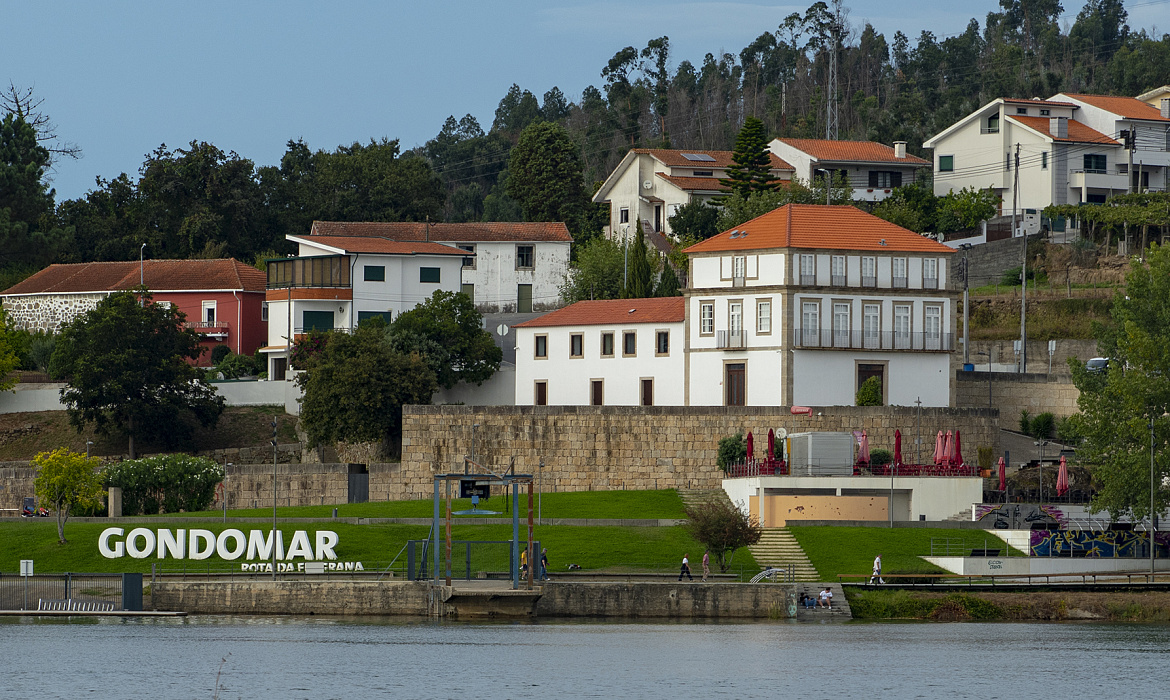
The Douro winds lazily along Gondomar’s southern edge, offering soft views and river beaches like Praia de Melres and Praia da Lomba. These aren’t glamorous resorts — they’re places where locals come to breathe, picnic, and reconnect. It’s Portugal at its most human.
3. The Sense of Balance
Close enough to Porto for a day trip but distant enough to feel grounded, Gondomar gives you the best of both worlds. It’s a gateway between urban energy and rural stillness.

What to See and Do
The Filigree Museum
A must for anyone curious about craftsmanship. Inside, you’ll see delicate pieces that could only have come from human hands and hearts devoted to precision. There’s something humbling about realising that such beauty is shaped by skill, not machines.
São Pedro da Cova Mining Museum
Before goldsmithing defined Gondomar, mining sustained it. The local museum — set in the former miners’ houses — tells a tougher story of labour and endurance. It’s a window into the community’s industrial past and a reminder that creativity often grows from hardship.

Riverside Walks
Set aside an afternoon for the Douro. Follow the water’s edge, pause under a tree, and let the slow rhythm of the river match your breath. This is what makes Gondomar special: the quiet spaces between things.
Monte Crasto Viewpoint
From here, you can see the whole valley — the Douro flowing like a ribbon of light, the roofs glinting in the distance. Bring a journal. Bring a thought you’ve been meaning to sit with. There’s something about that view that helps you find clarity.
Local Workshops
Step inside one of Gondomar’s family-run goldsmith studios. You might meet an artisan whose grandfather taught him the craft, or a young apprentice blending traditional methods with modern design. Watching their hands work is almost meditative.
Where to Eat and Drink
Gondomar’s food scene is simple and satisfying — no fuss, just heart.
Try the grilled river fish, a nod to the Douro’s bounty, or “rojões à moda do Norte,” small cubes of pork fried in their own juices. Sweet tooth? Look for “bolo de mel” or honey cake, often made with local honey and almonds.
Find a neighbourhood tasca with checkered tablecloths, order a bottle of vinho verde, and settle in. Time moves differently here — softer, kinder.
Where to Stay
You won’t find endless resorts, and that’s a good thing. Small guesthouses, family inns, and restored farmhouses near the river give you comfort without noise.
If you prefer a livelier base, Porto is only a short drive away. But if you’re here to slow down, stay in Gondomar. Let the mornings be quiet, the evenings unhurried.

How to Get There
From Porto, it’s a short drive or bus ride east. The roads follow the Douro, winding through small towns and vineyards. You can also come by metro to Fânzeres or São Cosme, then explore locally by foot or car.
Once you’re here, distances are small. You could cross the town’s highlights in a day — but to understand it, give yourself two.
“The gold here shines not for wealth, but for skill.”
Best Time to Visit
Spring and autumn are perfect. The air is soft, the hills glow green, and the river is calm. Summer brings warmth and more life to the river beaches, while winter has its own kind of stillness — mist rolling over the Douro like smoke from a blacksmith’s forge.
A Two-Day Slow Travel Plan
Day One
-
Morning: Arrive and explore the old centre.
-
Midday: Visit the Filigree Museum, then have lunch at a local tasca.
-
Afternoon: Wander through a few workshops, talk to the goldsmiths.
-
Evening: Walk along the Douro, find a riverside restaurant, and let the day fade with a view.
Day Two
-
Morning: Hike or drive up to Monte Crasto for the panorama.
-
Midday: Explore São Pedro da Cova and its mining museum.
-
Afternoon: Relax by the river beach at Melres.
-
Evening: Write, reflect, or plan your next Portuguese discovery.
Travel Tips
-
Comfortable shoes are essential — many streets are cobbled.
-
Learn a few Portuguese words; locals appreciate the effort.
-
Don’t rush. Gondomar rewards patience.
-
Buy jewellery directly from artisans. It supports families and keeps tradition alive.
-
Watch the light — the way it hits the gold in the late afternoon is unforgettable.
Why Gondomar Belongs on Your Map
Gondomar doesn’t shout. It hums — softly, persistently, with a kind of grace that comes from knowing who you are and what you’re made of.
It’s a place for travellers who want connection, not consumption; who value stories, not spectacles. For Let Us Discover, it embodies what slow, soulful travel should be: discovery through attention.
Here, beauty isn’t curated — it’s crafted. Every piece of filigree, every ripple on the Douro, every quiet smile from a jeweller behind a counter is an invitation to look closer.
So take that invitation. Discover Gondomar not as a tourist, but as a listener. Let its rhythm settle into you.
“In Gondomar, beauty isn’t made for display — it’s made by hand.”