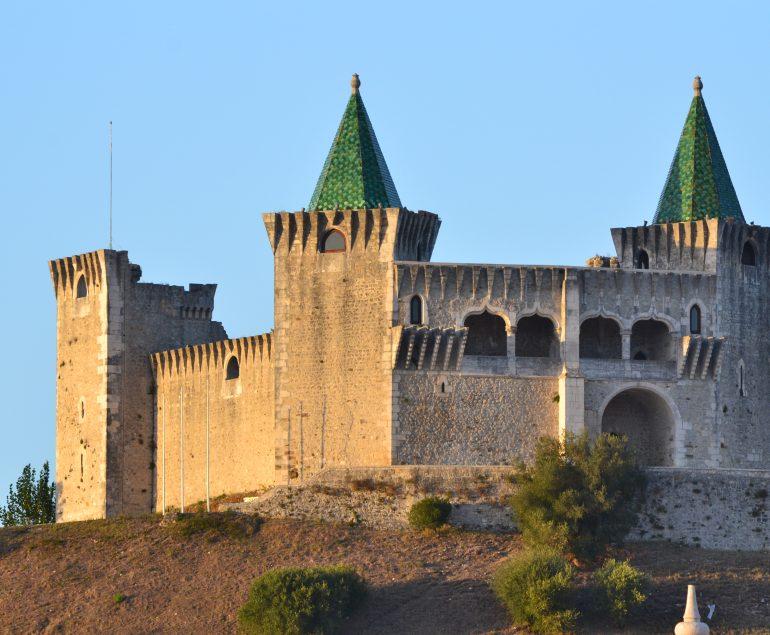
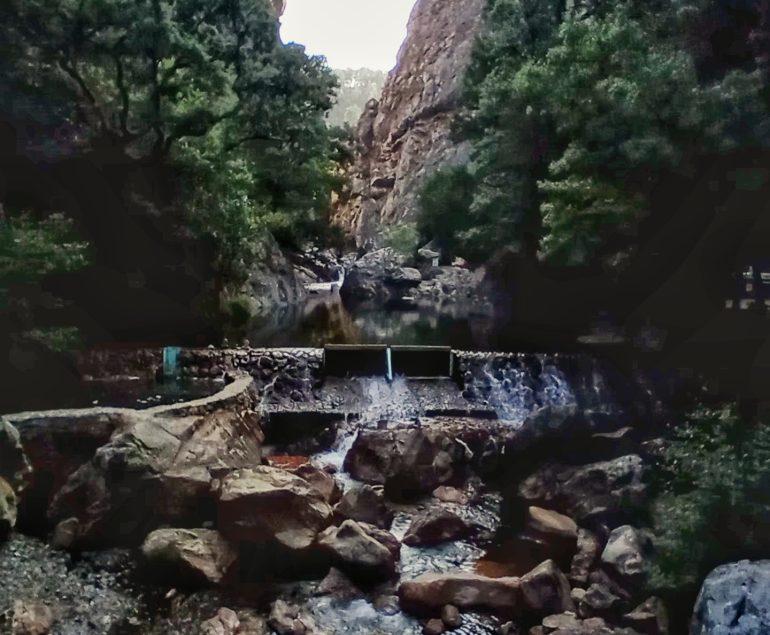
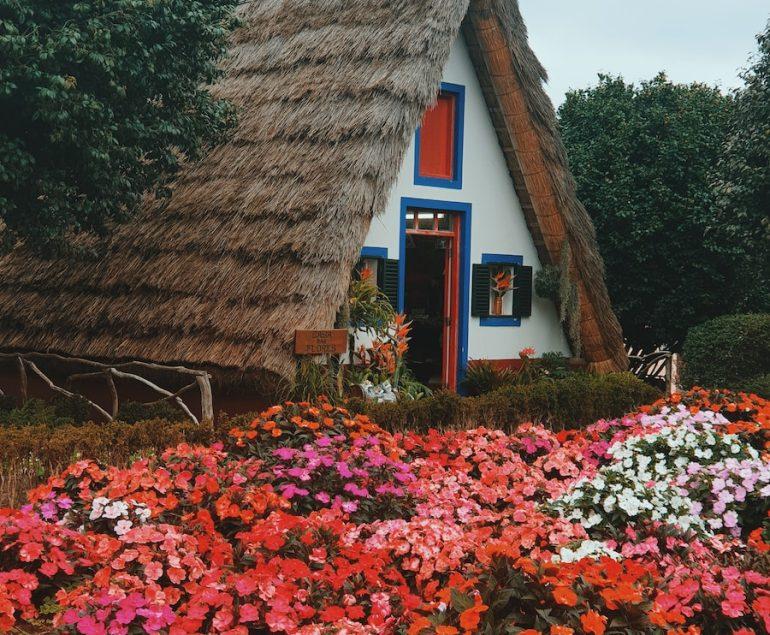
The Camino Portugues follows the shoreline all the way from Porto to Santiago.
This Camino route begins in the beautiful UNESCO-listed city of Porto and takes you to attractive beach towns and villages in Northern Portugal like as Viana do Castelo and Vila Praia de Ancora before crossing the River Minho by boat to A Guarda in Galicia.
The grade is moderate. The walking is done on a mix of coastal paths, tiny quiet roads, woodland tracks, and paved walkways, with considerable deformation along the shore as one would anticipate. The walking is perfectly achievable for someone with a moderate degree of fitness, with days of roughly 20km.
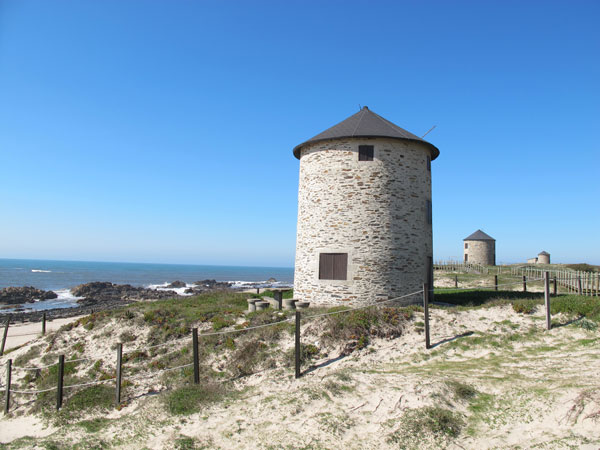
Why would you walk here?
Despite appearances, Portugal is one of Europe’s hidden beauties. While tourists flock here in droves, more than a third of them only visit the Algarve, with the remainder focused on Lisbon and Porto. Outside of these little pockets of beauty, there is a really lovely nation, steeped in rich culture, just waiting to be found. The people of Portugal are extremely nice, quite welcome, and constantly eager to assist. The Portuguese people make it a pleasure to visit their country.

Between March and October, you can walk the Camino Portugués: Coastal Way. While summer in many regions of southern Europe is excessively hot, it is not that awful here, so you may walk pleasantly on this path even in the hotter months of July and August. There are several direct flights into and out of Porto, making travel to and from the route a breeze.
Begin your Camino de Santiago walk in Porto, which has a UNESCO-listed historic town, a scenic riverfront, and is the birthplace of Port wine.
Day 1 – Povoa de Varzim – 25km
Today, take the Metro to Matosinhos to bypass the outskirts of Porto and get to the seaside to begin your Camino de Santiago walk. Take the bus to the ‘Mercado’ stop. You’ll walk along the coast, through fishing towns, forts, and chapels, the prehistoric Castro of São Paio and, of course, lovely sandy beaches.
Day 2 – Esposende – 22km
Before continuing your Camino, take a stroll along the picturesque Póvoa de Varzim harbour and visit its historic quarter. The nicest views of the town and the surrounding coast may be seen by walking up to the Convento de Santa Clara. You will travel through the popular seaside town of Póvoa de Varzim with its sandy beaches on your journey to Esposende, as well as the Coastal Natural Park, Parque Natural do Litoral Norte.
Day 3 – Viana do Castelo – 24km
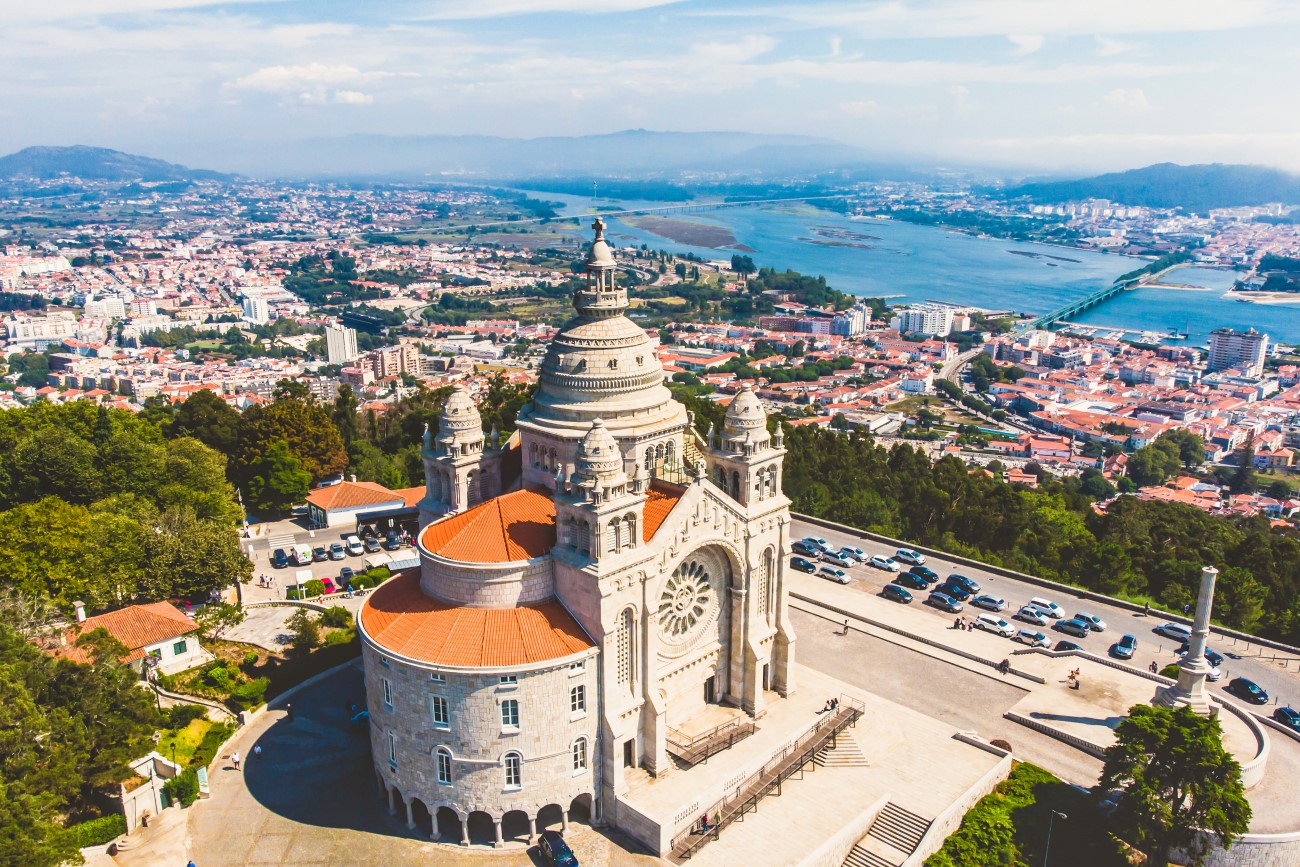
Today you will continue your Camino de Santiago seaside walk from Esposende to Viana do Castelo, passing through the Coastal Natural Park. Take advantage of the chance to sample the local food, visit the historic centre, and ride the funicular to the Basilica de Santa Luza for spectacular views. According to legend, when the Romans arrived at Viana in the first century BC, they felt they had arrived in heaven because of the town’s beauty.
Day 4 – Vila Praia de Ancora – 19km
Today you will leave Viana do Castelo and go north along the lovely Atlantic coast. Today is a rather simple day, with plenty of time to enjoy a moderate pace and see the beach villages and towns along the route. Stay the night at Vila Praia de Ancora, a beach village.
Day 5 – A Guarda – 13km

You will continue on your coastal Camino from Vila Praia de Ancora to Caminha, close by the Minho estuary, where the river meets the Atlantic. From Caminha, take the Santa Rita de Cássia ferry across the Minho River to Galicia. There are around ten crossings every day between Caminha and A Guarda (the schedule varies depending on the season). You may either proceed straight to A Guarda from the boat or take a diversion along the estuary for spectacular coastline views (4km longer). If you have time, pay a visit to A Guarda’s spectacular hilltop ‘castro,’ a Celtic hamlet.
Day 6 – Baiona – 30km
Your road continues north from the fishing community of A Guarda, where you will be rewarded with additional spectacular views of the ocean on your left. Tonight you’ll arrive at Baiona, a bustling coastal town with a beautiful marina. Visit one of the town’s attractions, such as the Museo de la Carabela Pinta and the Monumento Encuentro entre dos Mundos, while in Baiona.
Day 7 – Vigo – 26km
Today, travel the coast from Baiona to Nigrán and then to Vigo. You will have spectacular views of the Bay of Vigo, as well as the famous Illas Ces with its Natural Park in the distance. On a hot day, stop at Nigrán’s blue flag beach Praia América for a brief swim.
Day 8 – Arcade – 23km
Today is your final day along the coast, and it’s a short walking day so you can enjoy the beach. Stop at Arcade’s fishing town to sample the famed oysters.
Day 9 – Pontevedra -12km
You will cross the Verdugo River through Ponte Sampaio. Napoleon’s army suffered one of its most devastating defeats in Galicia over this bridge. The Camino continues along a cobblestone route from Ponte Sampaio to the 13th century Church of Santa Mara, where travellers may enjoy wonderful views of the Bay of Vigo while walking towards Pontevedra.
Day 10 – Caldas de Reis – 22km

Today, the Camino de Santiago will take you through chestnut forests, pine and eucalyptus woodlands, beginning at Pontevedra. Take a moment to observe the rectory of Santa Mara de Alba in Ponte Cabras. A statue of Saint James with his walking stick, pointing the path for pilgrims, can be found in Lombo da Maceira. On your route to Caldas de Reis, you’ll pass through Tivo, which has a wonderful fountain and a public washing place. Spend the night in the resort town of Caldas de Reis.
Day 11 – Padron – 18km
The Camino Portugués leads from the resort town of Caldas de Reis over the Umia River and the hot springs that have given the town its name since Roman times. The Camino route leads you back into the woods, gradually ascending to the settlement of Santa Maria. After a descent, you will bridge the Fontenlo River before making your way through pine trees to today’s ultimate destination: Padrón, which is thought to be the arrival place of Saint James’ body when it was taken to Santiago de Compostela by ship.
Day 12 – Santiago de Compostela – 25km

Santiago de Compostela is a hidden gem of a city, small enough to explore and discover on foot while being energetic and alive. Wander the cobblestone alleys of its UNESCO-listed old town, take a stroll through Alameda Park, and sample regional flavours at the local market (Mercado de Abastos) and the numerous restaurants and pubs.