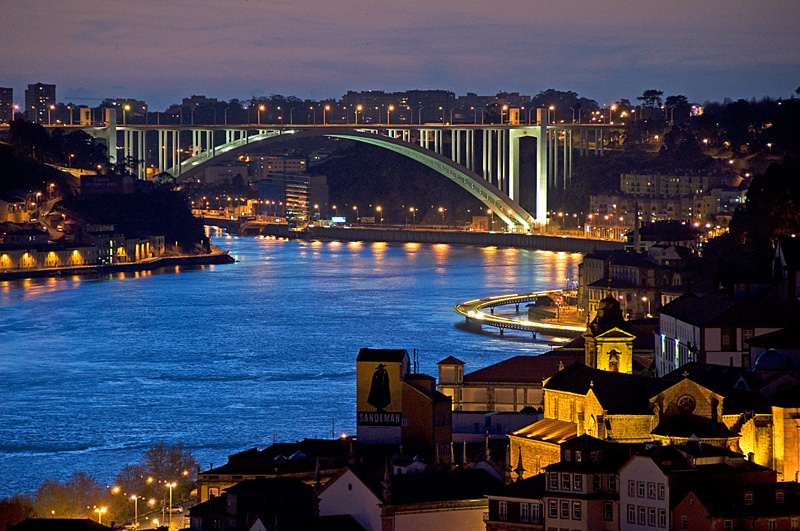
Ribeira, Porto’s lively area, is the most eclectic portion of the city, attracting people from all walks of life to sit by its banks, including locals, students, and visitors. There is a lot to see in this historical town, which is also a UNESCO World Heritage Site, and the scenic aspect of the river, cafés, houses, and statues further adds to the charm. The following are a few notable landmarks that should be seen and appreciated while exploring these wonderful areas of the city:
Casa do Infante

This building, which was constructed in the 14th century, was originally known as the Old Customs House (Alfândega Velha), because it housed the customs agency in charge of supervising the movement of goods and products into and out of Portugal. The Casa do Infante (Prince’s House) was built in the late 14th century as the birthplace of Henry the Navigator, earning it the title of “Prince’s House.” It is almost 600 years old, but the current appearance of the structure reflects modifications carried out in the 17th century, despite its great age.
D. Pedro IV’s Equestrian Statue (Equestrian Statue of D. Pedro IV)

Porto and Lisbon both have symbolic depictions of King Pedro IV, however, the monument in Porto is positioned on the grand Avenida dos Aliados, which is a landmark in the city. In addition to commemorating a king from Portugal and Brazil’s shared past, the monument serves as a fantastic gathering point for the community because it is one of the city’s most famous landmarks.
Igreja de Santa Clara
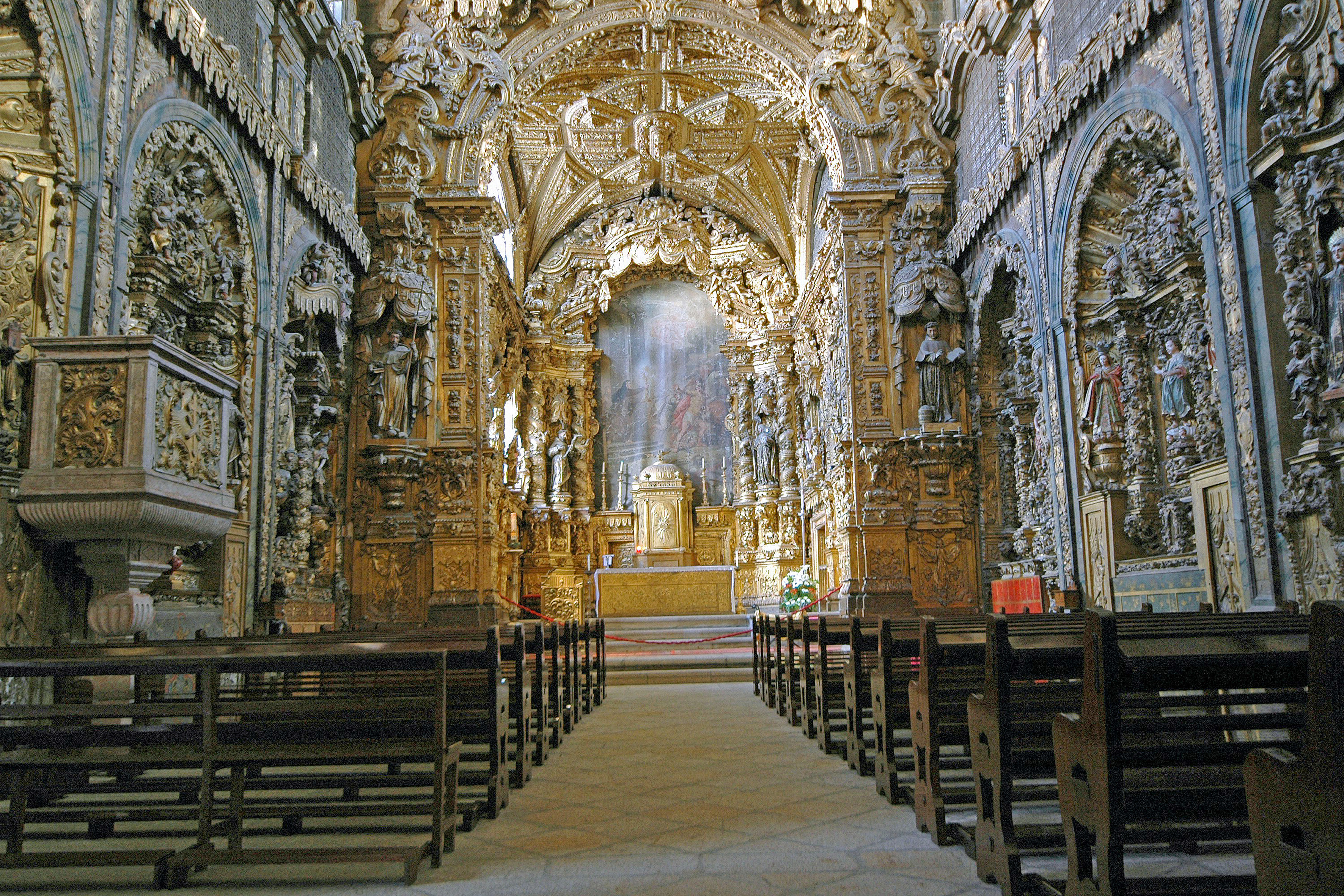
The 15th-century Santa Clara church may be one of the finest examples of 17th-century Portuguese woodwork, combining Baroque and Rococo (late Baroque) styles. Although it appears to be rather straightforward on the outside, it may require some exploring to locate, these efforts will be rewarded once you pass the historic doorway and enter the magnificent floor to ceiling details.
A Pérola do Bolhão


How about buying in an old-fashioned grocery store? While not as historic as other sights, visiting A Pérola do Bolho is an intriguing experience because it allows tourists today to buy in a traditional early 1900s grocery store. This is an excellent location for purchasing dried fruits, cheeses, olive oils, and wines.
Muralha Fernandina

In Porto, walking is the most efficient method to see and do everything. While walking, make sure to take a stroll along the 14th-century Muralha Fernandina – or Fernandina’s Walls. While the majority of the original walls have been incorporated into other municipal structures, the part that remains is worth visiting and provides a peek into the past when this Roman fort aided in the protection of the city.
Escadas do Codeçal

These stone steps may convince anyone to forego the funicular in favour of climbing. They will take you up to the Santa Clara Church, so make a note of it to prevent seeking for an extended period of time. Along with providing exercise and a guaranteed route to the church, climbing the steps rewards climbers with unparalleled views of the river and Dom Luís Bridge.
Alminhas da Ponte

A small and sometimes missed historical shrine is located off to the side of the Dom Luís Bridge. According to legend, Porto’s Bridge of Boats (literally composed of linked boats) collapsed during the Peninsular War when citizens rushed to flee the invading French Army. Incapable of supporting the added weight, the bridge collapsed into the Douro River, engulfing and killing up to 4,000 people. Today, anybody who takes a moment to look for this bronze shrine is welcome to place their own flower or candle in addition to those already there.
Capela da Lada

Portugal’s churches, as a Catholic country, are well worth a look. The Capela da Lada is located distant from the centre Ribeira district’s concentration of pubs and restaurants, but immediately before the Dom Luís Bridge. The architectural design and embellishments on the interior and outside make this little devotional structure a must-see when in Porto’s Ribeira neighbourhood.