

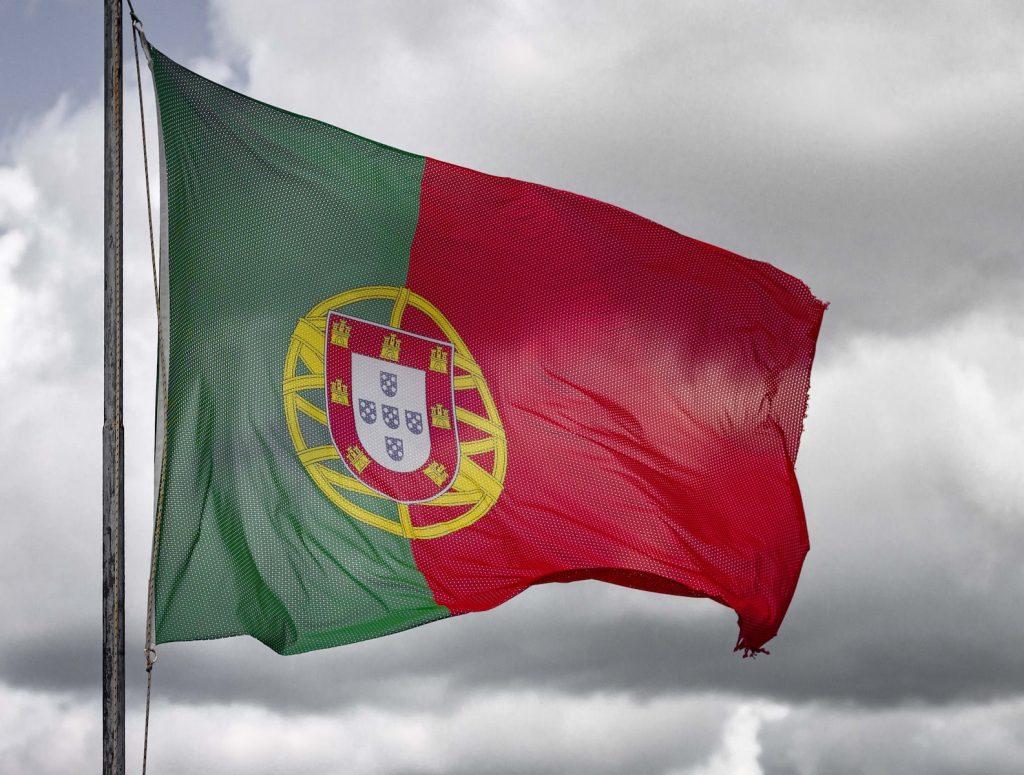
The word “Portugal” is derived from the combination of two words: “Portus,” a Latin word meaning “port,” and “Cale,” a Celtic word that is believed to have been the name of a settlement or tribe that inhabited the area where present-day Porto and Vila Nova de Gaia are located. The settlement of Portus Cale was located along the banks of the Douro River, which is in the northern part of modern-day Portugal. Over time, the name Portus Cale evolved into Portugal, which is the name of the country today.
Portugal is a country in southern Europe that was founded in 1143 and has a total area of 92,212 km2. Its official name is The Portuguese Republic. The mainland is located on the southwest side of the Iberian Peninsula, bordering Spain to the north and east and the Atlantic Ocean to the west and south. The Portuguese territory includes two autonomous regions: the archipelagos of Madeira and the Azores, both in the Atlantic Ocean. The archipelago of Madeira is formed by the islands of Madeira and Porto Santo and the island groups of Desertas and Selvagens; the archipelago of the Azores consists of nine islands: Santa Maria, São Miguel, Terceira, Graciosa, São Jorge, Pico, Faial, Flores, and Corvo, as well as several islets.
Portugal is divided into three main areas: the north, the middle, and the south.
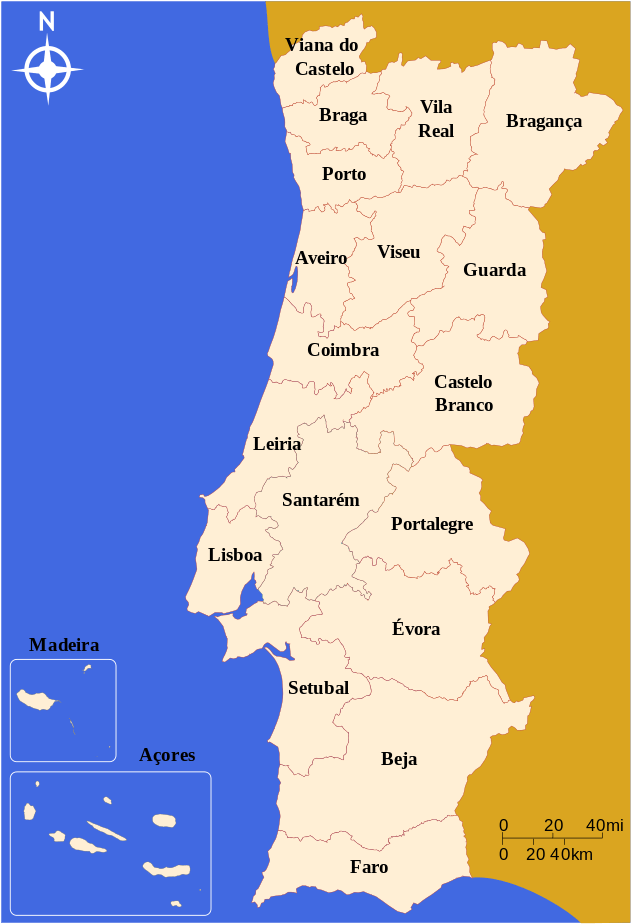
The Northern Region includes the following districts:
- Braga
- Bragança
- Porto
- Viana do Castelo
- Vila Real
The Central Region includes the following districts:
- Aveiro
- Castelo Branco
- Coimbra
- Guarda
- Leiria
- Santarém
The Southern Region includes the following districts:
- Beja
- Évora
- Faro
- Lisbon (Lisboa)
- Portalegre
- Setúbal
- Viseu
The districts of Madeira and the Azores, which are the two autonomous regions of Portugal, are in the Atlantic Ocean and not included in the three mainland regions.
| CoA | District | Municipalities | Parishes | Pop. (2021) | Area (km2) | Density (/km2) |
|---|---|---|---|---|---|---|
 | Azores | 19 | 156 | 236,413 | 2,322 | 106 |
 | Aveiro | 19 | 147 | 700,787 | 2,798 | 250 |
 | Beja | 14 | 75 | 144,401 | 10,229 | 14 |
 | Braga | 14 | 347 | 846,293 | 2,706 | 313 |
 | Bragança | 12 | 226 | 122,804 | 6,608 | 19 |
 | Castelo Branco | 11 | 120 | 177,962 | 6,675 | 27 |
 | Coimbra | 17 | 155 | 408,551 | 3,947 | 104 |
 | Évora | 14 | 69 | 152,444 | 7,393 | 21 |
 | Faro | 16 | 67 | 467,343 | 4,960 | 94 |
 | Guarda | 14 | 242 | 142,974 | 5,518 | 26 |
 | Leiria | 16 | 110 | 458,605 | 3,505 | 131 |
 | Lisbon | 16 | 134 | 2,275,385 | 2,761 | 824 |
 | Madeira | 11 | 54 | 250,744 | 801 | 334 |
 | Portalegre | 15 | 69 | 104,923 | 6,065 | 17 |
 | Porto | 18 | 243 | 1,785,405 | 2,408 | 742 |
 | Santarém | 21 | 141 | 424,973 | 6,747 | 63 |
 | Setúbal | 13 | 55 | 874,806 | 5,064 | 173 |
 | Viana do Castelo | 10 | 208 | 231,266 | 2,255 | 103 |
 | Vila Real | 14 | 197 | 185,695 | 4,328 | 43 |
 | Viseu | 24 | 277 | 351,292 | 5,007 | 70 |
 | Total Portugal | 308 | 3,092 | 10,343,066 | 92,097 | 112 |
People of Portugal, ethnic groups, and languages
Portugal is mostly made up of Portuguese people, who make up about 95% of the country’s population. The other 5% are made up of people from many different countries and cultures, such as Brazilians, Angolans, Cape Verdeans, Ukrainians, Chinese, and others.
The majority of the population speaks Portuguese, which is the official language of Portugal. Mirandese, a regional language spoken in the northeast of Portugal, is also recognized as a co-official language.
English is widely spoken and understood in Portugal, especially in tourist areas. In addition, a sizable number of people speak Spanish, French, and German, particularly in the tourism and business sectors.
Portugal has a long history of different cultures and languages because it is in the middle of Europe, Africa, and the Americas. In addition to Portuguese, people in the country also speak Galician, Leonese, and Asturian, as well as their different dialects.
The Portuguese are a mix of many different cultures, such as the Celtic, Roman, Visigoth, and Moorish. This mix of cultures and peoples has left an indelible mark on Portuguese culture, food, and language.
In recent years, Portugal has become a more diverse country, with more people moving there from Brazil, Angola, Cape Verde, Guinea-Bissau, Mozambique, and other countries that used to be Portuguese colonies. As a result, the country has become more diverse both in terms of ethnic and linguistic backgrounds.
Portugal has a lot of festivals, traditions, music, and art that show off its rich cultural history. Fado music, which is sad and shows how the Portuguese feel, is well-known in the country. It has been named a UNESCO Intangible Cultural Heritage of Humanity.
In terms of cuisine, Portugal is known for its seafood, especially cod, which is a staple of Portuguese cuisine. Other popular dishes include grilled sardines, octopus rice, and various types of stews.
Religion is also an important part of Portuguese culture, and most people there are Roman Catholic. However, there is also a growing number of non-religious people and followers of other faiths.
Overall, Portugal is a lively and diverse country with a rich cultural history and a multicultural society that is growing.