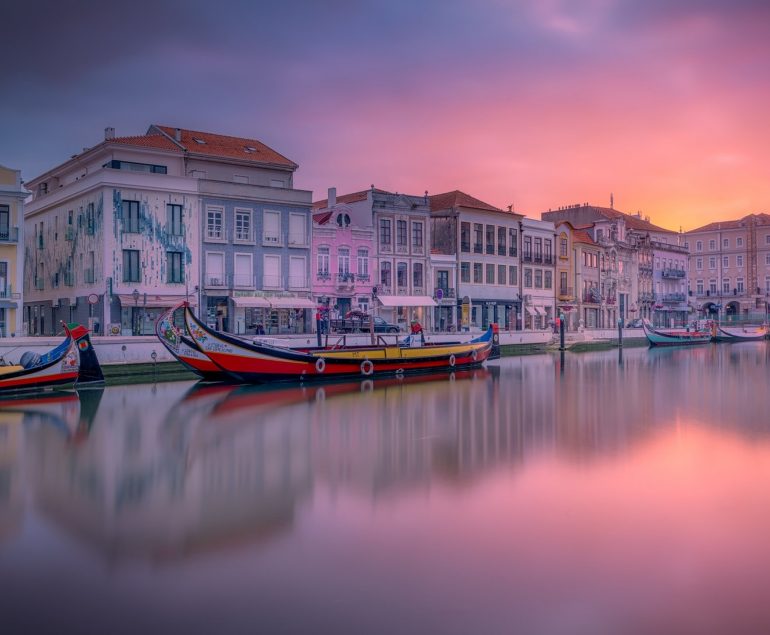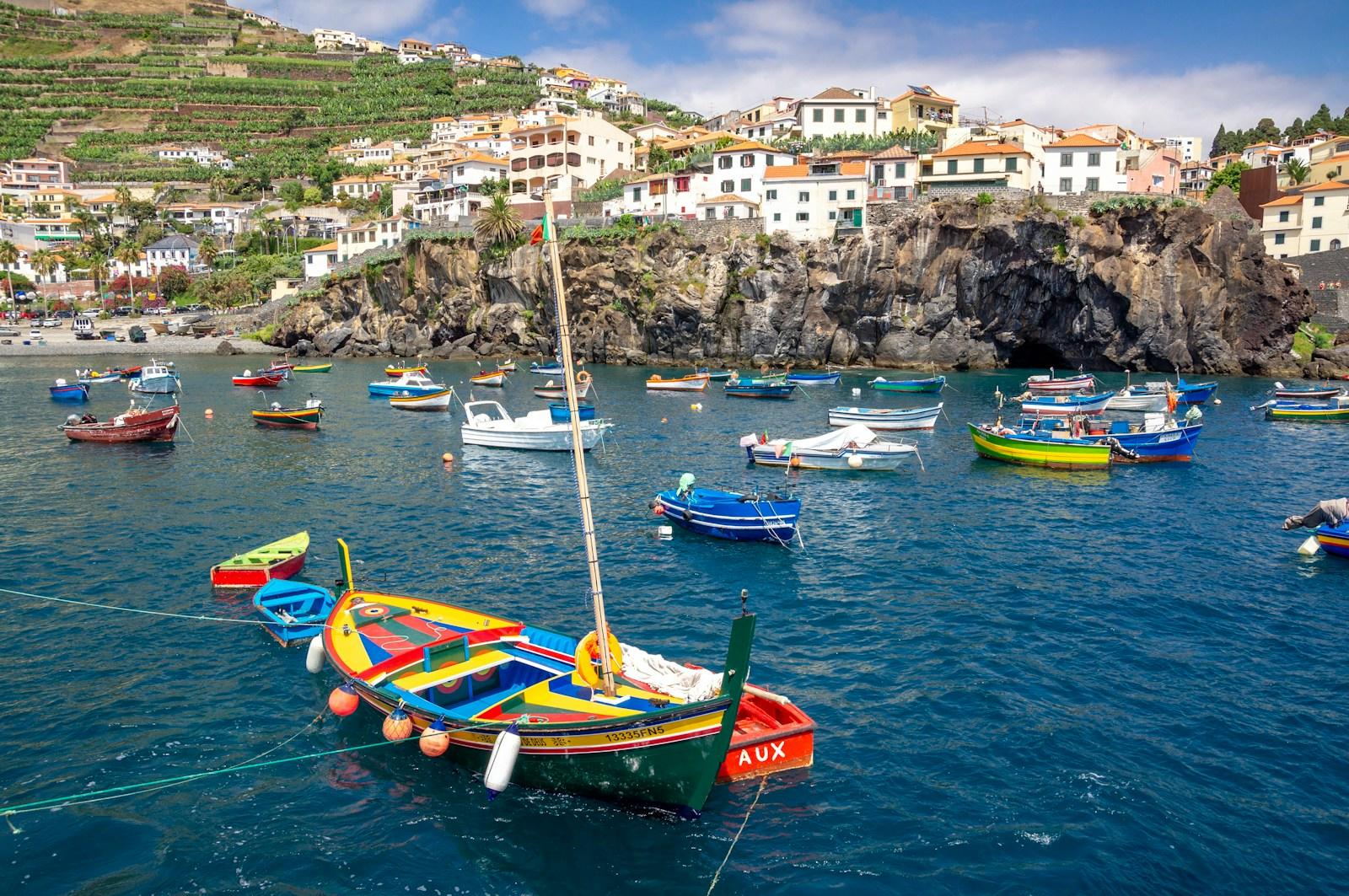
Madeira is a vibrant jewel in the Atlantic, a Portuguese archipelago famed for its dramatic landscapes, year-round mild climate, and rich cultural tapestry. This travel guide covers everything you need to know to make the most of your visit — whether you’re here for adventure, relaxation, local culture, or simply to soak in breathtaking views. We’ll explore Madeira Island along with its neighboring islands, Porto Santo and the Desertas, giving you a full picture of this diverse destination.
1. Getting There and Getting Around
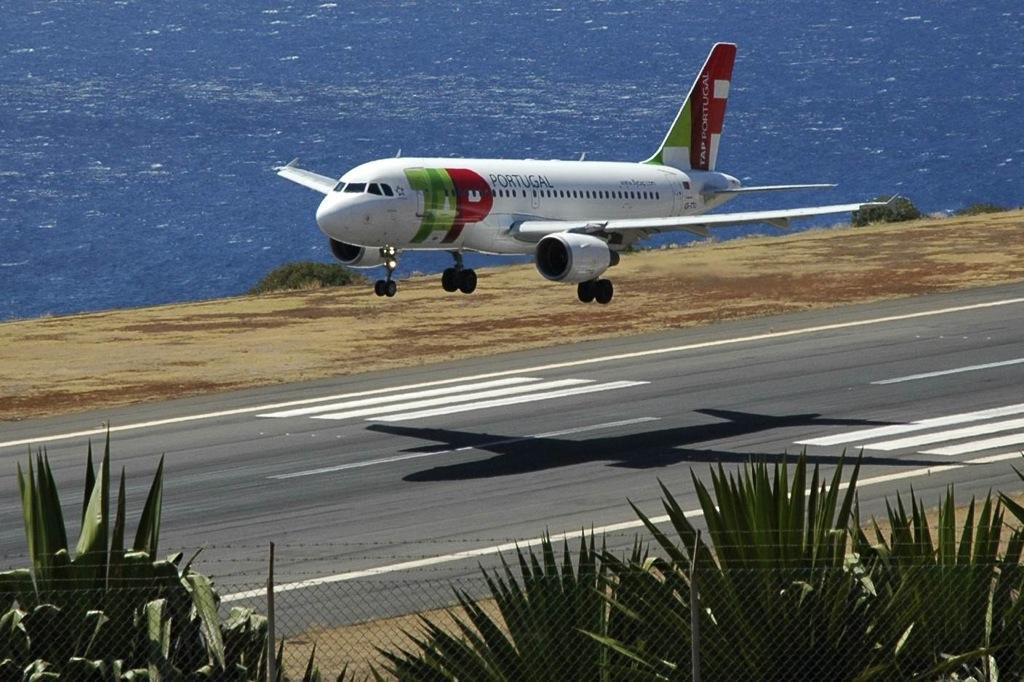
Madeira’s main gateway is Cristiano Ronaldo International Airport (FNC), located near the capital, Funchal. Direct flights connect from major European cities and some North African hubs. For those wanting to explore beyond the main island, ferries and smaller flights link Madeira to Porto Santo and the Desertas Islands.
On Madeira Island, renting a car is the most flexible way to explore, especially if you want to reach remote hiking trails or mountain villages. The public bus network is reliable for main towns and popular spots, but less frequent in rural areas. Porto Santo is smaller and easily explored by car or bicycle, while the Desertas Islands are mostly a protected nature reserve, accessible only by boat tours.
2. Best Time to Visit: Seasonal Insights
Madeira’s climate is famously mild year-round, often called the “Island of Eternal Spring.” Spring (March to May) and autumn (September to November) offer pleasant temperatures and fewer tourists, ideal for hiking and sightseeing. Summer (June to August) is warmer and busier, perfect for beachgoers and festival lovers. Winters are mild but wetter, which can be great for whale watching and indoor cultural experiences.
3. Exploring Madeira Island: Nature and Adventure
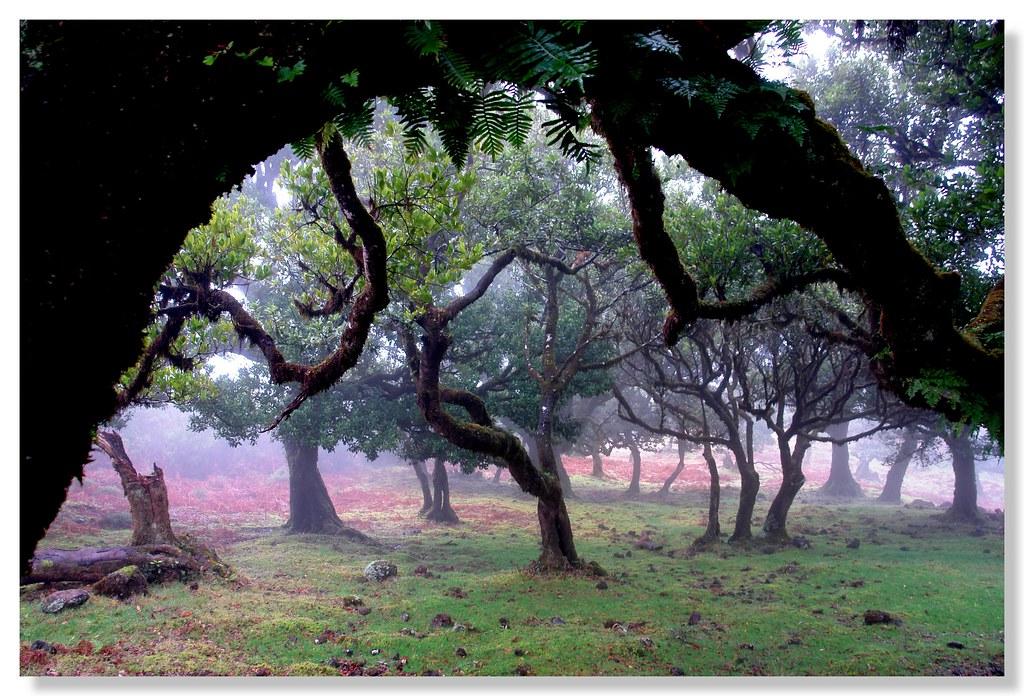
Madeira Island is a playground for nature lovers. The levadas — historic irrigation channels — provide a unique network of hiking trails through lush forests and mountains. Pico Ruivo, the highest peak, rewards climbers with panoramic views of the archipelago. Coastal cliffs, natural pools, and botanical gardens offer diverse landscapes in one compact area.
Adventure seekers can try canyoning, paragliding, or diving. For something more relaxed, the Laurisilva forest, a UNESCO World Heritage Site, is a must-see for its rare flora and fauna.
4. Porto Santo: The Golden Beach Escape
Just a short ferry ride from Madeira, Porto Santo is known for its expansive golden sand beach — a rarity in the archipelago. It’s quieter and less developed, ideal for travelers looking to unwind by the sea. The island also has golf courses, historic sites, and walking trails through volcanic landscapes. Porto Santo offers a different pace, perfect for combining with Madeira’s rugged terrain.
5. The Desertas Islands: A Wildlife Sanctuary
The Desertas are a small chain of uninhabited islands primarily reserved for wildlife conservation. They are home to rare species like the Mediterranean monk seal and several seabirds. Visits are limited to guided boat tours, which provide an opportunity to observe the islands’ unique ecosystem without disturbing it. This makes for a fascinating day trip for nature enthusiasts.
6. Food and Drink: Taste of Madeira
Madeira’s culinary scene blends Portuguese tradition with local ingredients. Try the famous espada (black scabbardfish), often served with banana, or bolo do caco, a garlic bread staple. Fresh seafood, tropical fruits, and rich wines, especially Madeira wine, are highlights. Funchal’s markets and waterfront restaurants offer both authentic and contemporary dining experiences.
7. Festivals and Culture
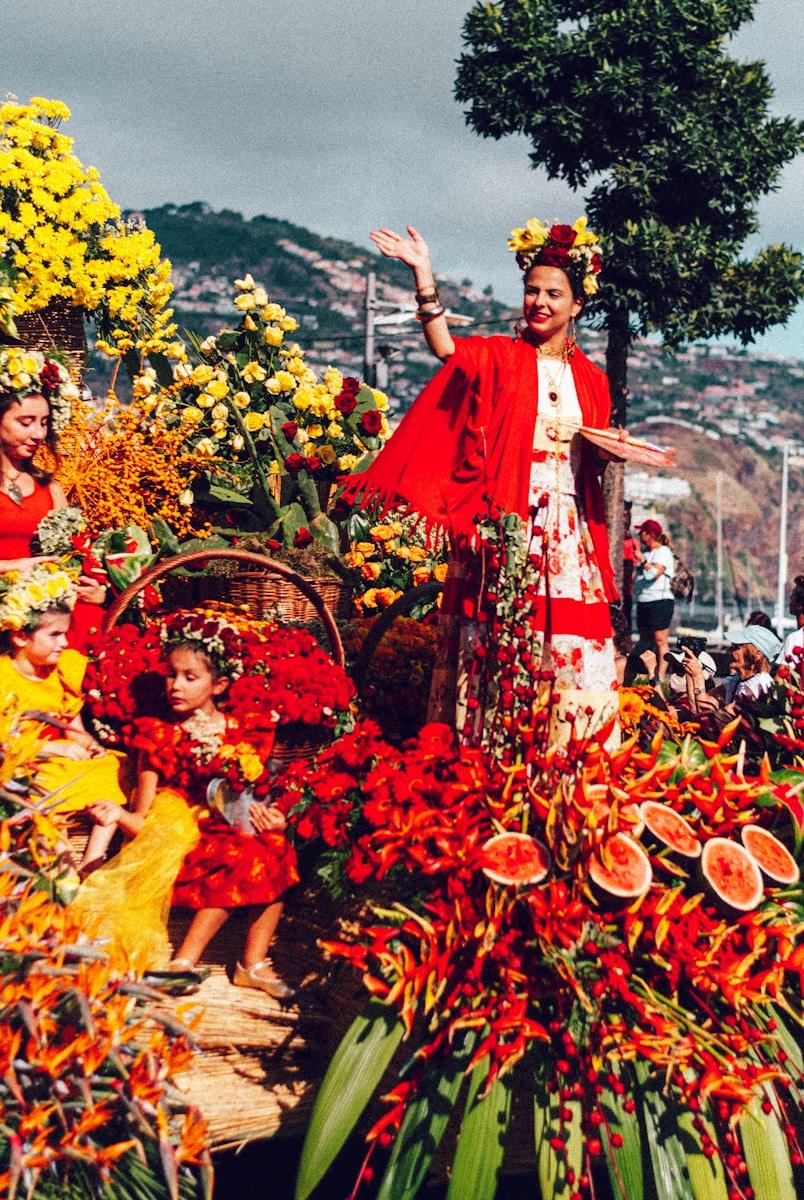
Madeira’s cultural calendar is packed with vibrant festivals. The Flower Festival in spring transforms Funchal into a kaleidoscope of colors with parades and floral displays. Carnival, held before Lent, is a riot of costumes and street parties. The Atlantic Festival in summer features fireworks and music, while the Wine Festival in autumn celebrates the island’s viticulture with tastings and folk events.
8. Accommodation: Where to Stay
Funchal offers a range of hotels, from luxury resorts with ocean views to boutique guesthouses in the city center. For a quieter stay, look to smaller towns like Machico or Ponta do Sol. Porto Santo has seaside hotels and guesthouses catering to beach lovers. Booking early is wise during peak festival periods.
9. Budget Tips
Madeira can accommodate all budgets. Public buses are affordable and cover most main routes. Dining in local tascas (small eateries) gives authentic flavors without breaking the bank. Renting a car may cost more but offers freedom. Consider visiting during shoulder seasons to avoid higher prices and crowds.
10. Practical Tips: Language, Currency, and Safety
Portuguese is the official language, but English is widely spoken in tourist areas. The currency is the Euro (€). Madeira is safe and well-equipped for tourists, but it’s smart to carry layers for sudden weather changes in the mountains and comfortable shoes for exploring.
Key festivals and events happening across Madeira, organized by month to help you plan your visit:
February – March: Carnival Season
-
Carnival Festivities (Feb 26 – Mar 9): A vibrant celebration featuring the Children’s Parade (Feb 28), Allegoric Parade (Mar 1), and the Slapstick Parade (Mar 4), filling Madeira with music, dancing, and colorful costumes.
May: Madeira Flower Festival
-
Madeira Flower Festival (May 1–25): A month-long celebration in Funchal, showcasing stunning floral displays, intricate flower carpets, and lively parades. Highlights include the Wall of Hope Ceremony (May 3) and the Grand Allegoric Flower Parade (May 4).
June: Atlantic Festival
-
Atlantic Festival (June 6–29): A month-long celebration in Funchal, featuring the Madeira International Fireworks Competition on June 7, 14, 21, and 28, along with diverse entertainment throughout downtown Funchal.
July: Summer Events
-
Summer Opening Festival (July 17–19): A series of musical concerts taking place in different places in the region, including wineries and sunset environments, offering live musical performances and tastings of fortified wines.
-
Madeira Gastronomic Festival “SAL” (July 11–20): A gastronomic event celebrating the region’s cuisine and heritage, combining tradition and innovation.
-
Classic Car Festival at Quinta Magnólia (July 26–27): A showcase of classic cars in a picturesque setting, celebrating automotive history and design.
August: Wine and Music
-
Madeira Wine Rally (July 31 – Aug 2): A motorsport event featuring challenging rally stages through Madeira’s scenic landscapes.
September: Harvest Celebrations
-
Estreito’s Wine Harvest Festival (Sept 13): A cultural and gastronomic celebration in Câmara de Lobos, featuring grape picking, wine making, and tasting, accompanied by lively music.
October: Cultural Events
-
Madeira Wine Lounge (Aug 28 – Sept 14): An event in Funchal’s Praça do Povo, offering tastings of Madeiran wines, local cuisine, folk shows, and live music in a picturesque setting.
December – January: Festive Season
-
Christmas & New Year’s Festivities (Dec 1 – Jan 5): A season of cultural, folk, and artistic events, with Funchal’s streets magnificently decorated and illuminated, creating a festive atmosphere.
Final Thoughts
Madeira and its neighboring islands offer something for everyone: spectacular nature, rich culture, delicious food, and plenty of ways to unwind or get active. Whether you’re planning your first visit or returning for more, this travel guide covers everything to help you explore this Atlantic paradise with confidence and ease.