Portugal: A Land of History, Culture, and Natural Beauty
Whether you’re planning a visit or simply want to dive into the intriguing world of Portugal, this nation offers a tapestry of captivating stories and vibrant traditions. From its ancient history and vibrant culture to its robust economy and natural wonders, Portugal never ceases to amaze.
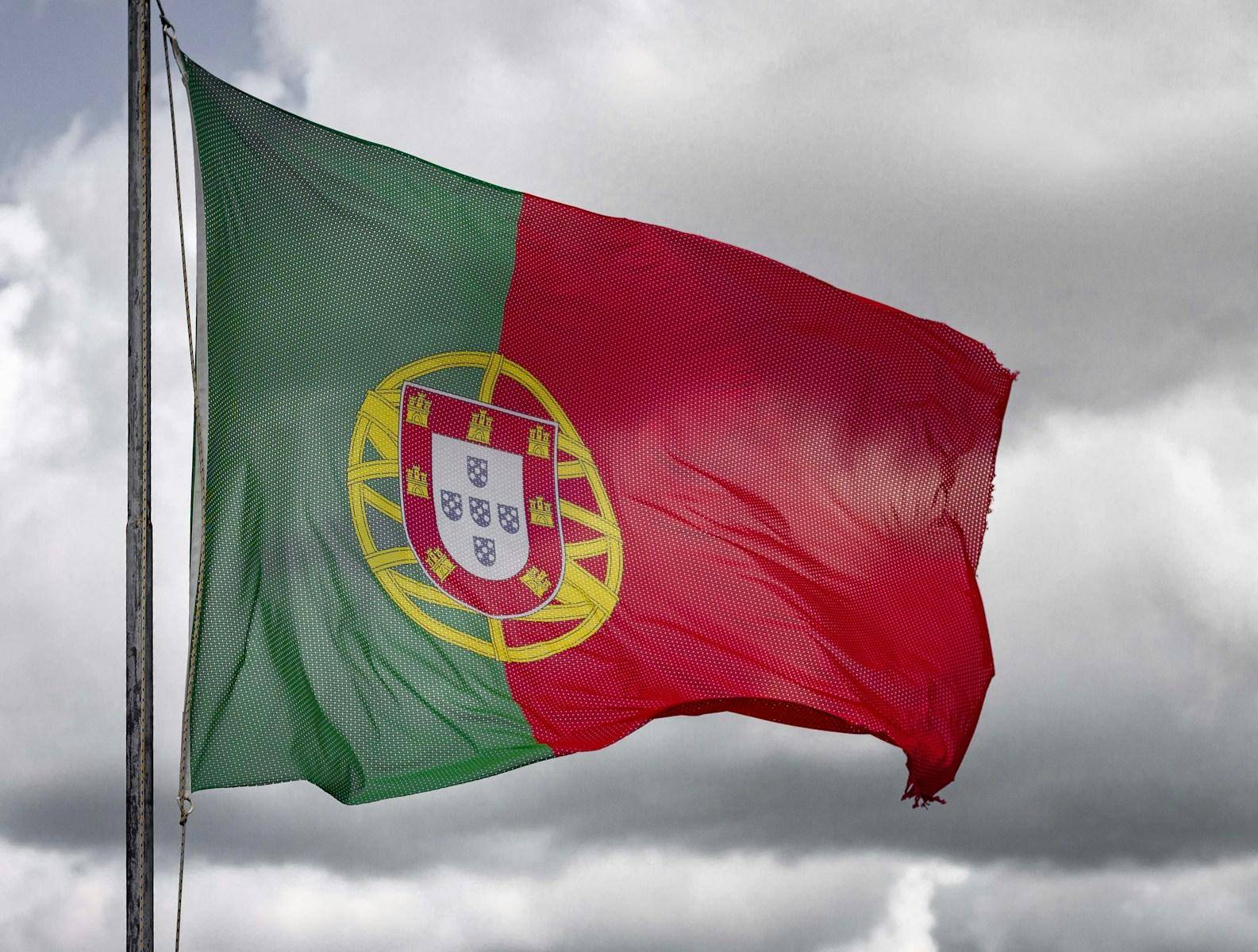



1. Portugal’s borders have remained largely unchanged since 1139. The founding of the Portuguese nation is attributed to Afonso I, who proclaimed himself King of Portugal after the Battle of Ourique. The Treaty of Zamora in 1143 formalised Portugal’s independence from the Kingdom of Leon, and in 1179 Pope Alexander III recognised it as a kingdom.
2. Lisbon: The Timeless Capital Lisbon, Portugal’s vibrant and historic capital, is the second-oldest European capital after Athens. It is thought to have been founded by the Phoenicians around 1200 BC. Built on seven hills overlooking the River Tagus, Lisbon is a delight to explore with its unique bright pastel buildings and iconic yellow trams. The city combines ancient heritage, such as the Moorish castle of São Jorge, with modern culture and nightlife in districts like Bairro Alto.
3. The Age of Discovery Portugal was at the forefront of the Age of Discovery in the 15th and 16th centuries. Portuguese explorers such as Vasco da Gama, who found the sea route to India, and Ferdinand Magellan, whose expedition was the first to circumnavigate the globe, played a crucial role in mapping the world. The Discoveries Monument in Belém, Lisbon, pays tribute to these explorers, as does the UNESCO-listed Jerónimo’s Monastery, a masterpiece of Manueline architecture.
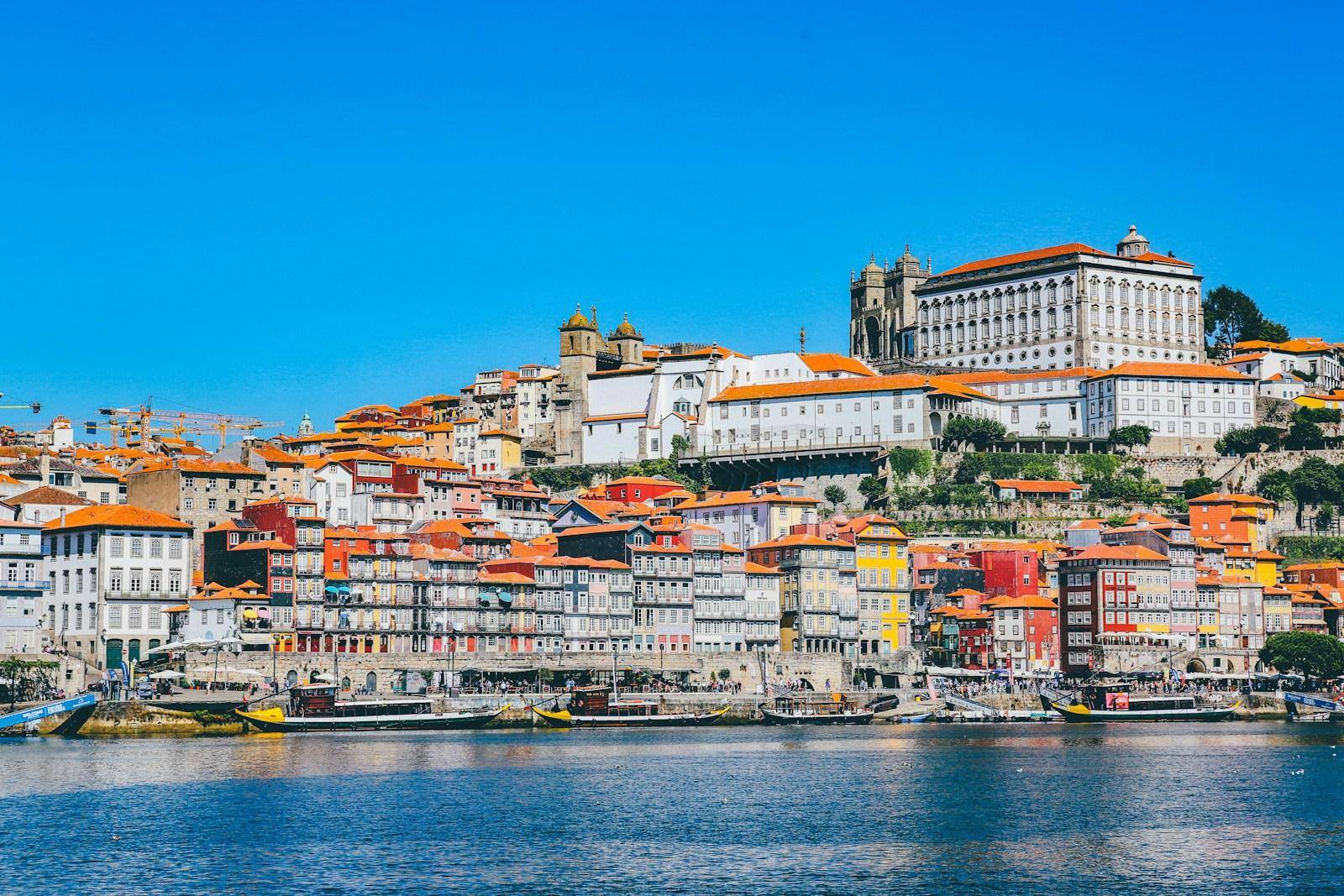
4. UNESCO World Heritage Sites Portugal is home to 17 UNESCO World Heritage Sites, showcasing its historical and cultural wealth. Highlights include the historic centre of Porto, famous for its beautiful riverside promenade, historical buildings, and port wine cellars.
Batalha Monastery: A Gothic masterpiece was built to honour the Portuguese victory at the Battle of Aljubarrota in 1385.
The cultural landscape of Sintra is famous for its colourful Pena Palace, romantic gardens, and mystical Quinta da Regaleira with its iconic Initiation Fountain.
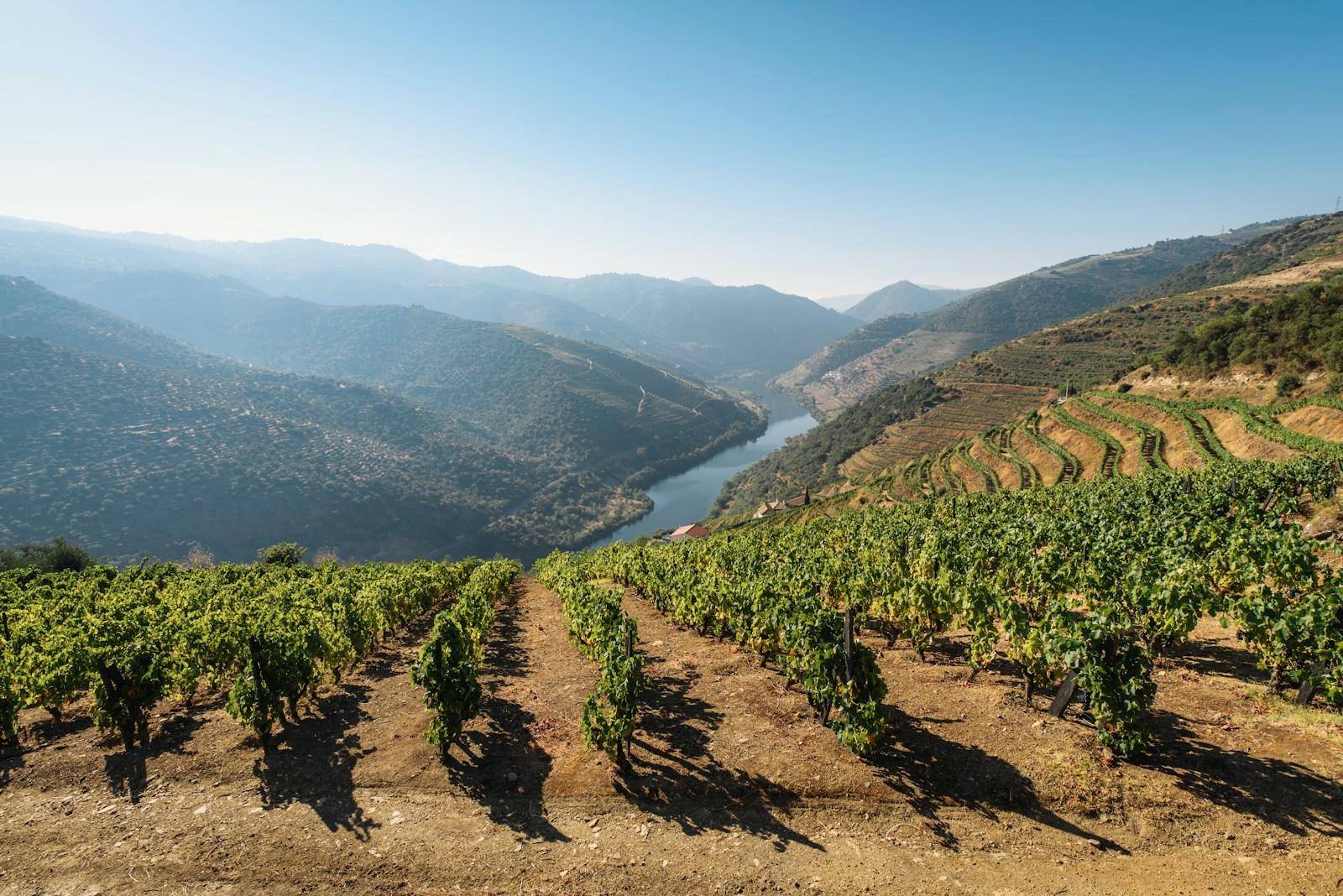
5. Portugal is famous for its wines, with the Douro Valley being the oldest demarcated wine region in the world. The port wine produced in this region is internationally renowned. The country also boasts excellent red wines from the Alentejo region and the crisp Vinho Verde from the north. Portuguese cuisine is rich and varied.
Bacalhau: They say you can eat a different cod dish every day of the year, with over 365 recipes.
Pastel de Nata: These creamy custard tarts are best eaten straight from the oven, especially at the famous Pastéis de Belém bakery.
Francesinha: A hearty sandwich from Porto, layered with meat and covered in melted cheese and a rich beer-based sauce.
6. Cork Capital of the World Portugal produces around 50% of the world’s cork. The cork oak forests, mainly in the Alentejo region, support rich ecosystems and encourage sustainable practices. Cork is not only used for wine stoppers but also in fashion and design, with innovative cork products becoming increasingly popular.
7. Fado Music: Soulful storytelling Fado, which means ‘destiny’, is a traditional genre of Portuguese music characterised by melancholic melodies and lyrics about the sea, love and longing. Lisbon and Coimbra are the epicentres of fado, each with its own style. Fado performances often take over small, intimate venues, immersing listeners in the powerful storytelling.
8. Azulejos: Art in Tiles The iconic blue and white ceramic tiles (azulejos) tell stories of Portugal’s history, religion and daily life. These tiles can be found adorning the walls of churches, palaces, and ordinary buildings. The National Azulejo Museum in Lisbon offers a deep insight into this artistic tradition.
9. Portugal has a wide variety of landscapes, from the golden beaches of the Algarve to the lush greenery of the Azores and the rugged mountains of the north. The country enjoys a Mediterranean climate, with mild winters and long, warm summers, especially along the coast.
10. Traditions and festivals Portugal celebrates many traditional festivals, such as
Festas de Lisboa (Santo António Festival): In June, the city’s streets come alive with parades, music, and grilled sardines.
Carnival in Madeira: One of Portugal’s most vibrant carnivals, with colourful parades and street parties.
Feira de São Mateus in Viseu: One of Portugal’s oldest fairs, with concerts, traditional food, and crafts.