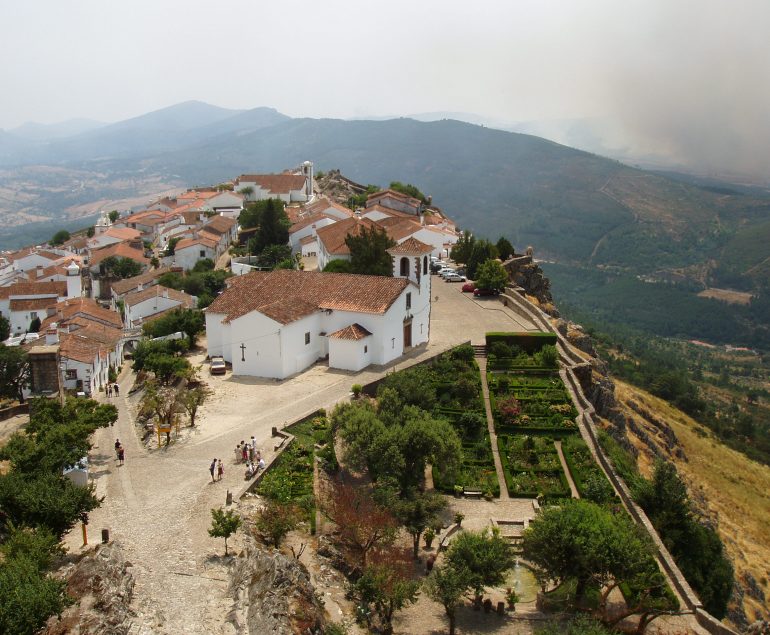
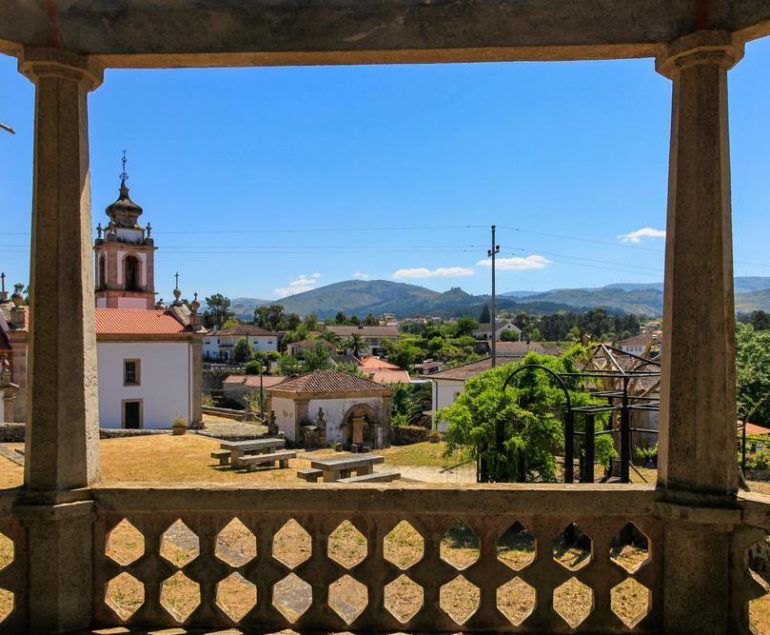
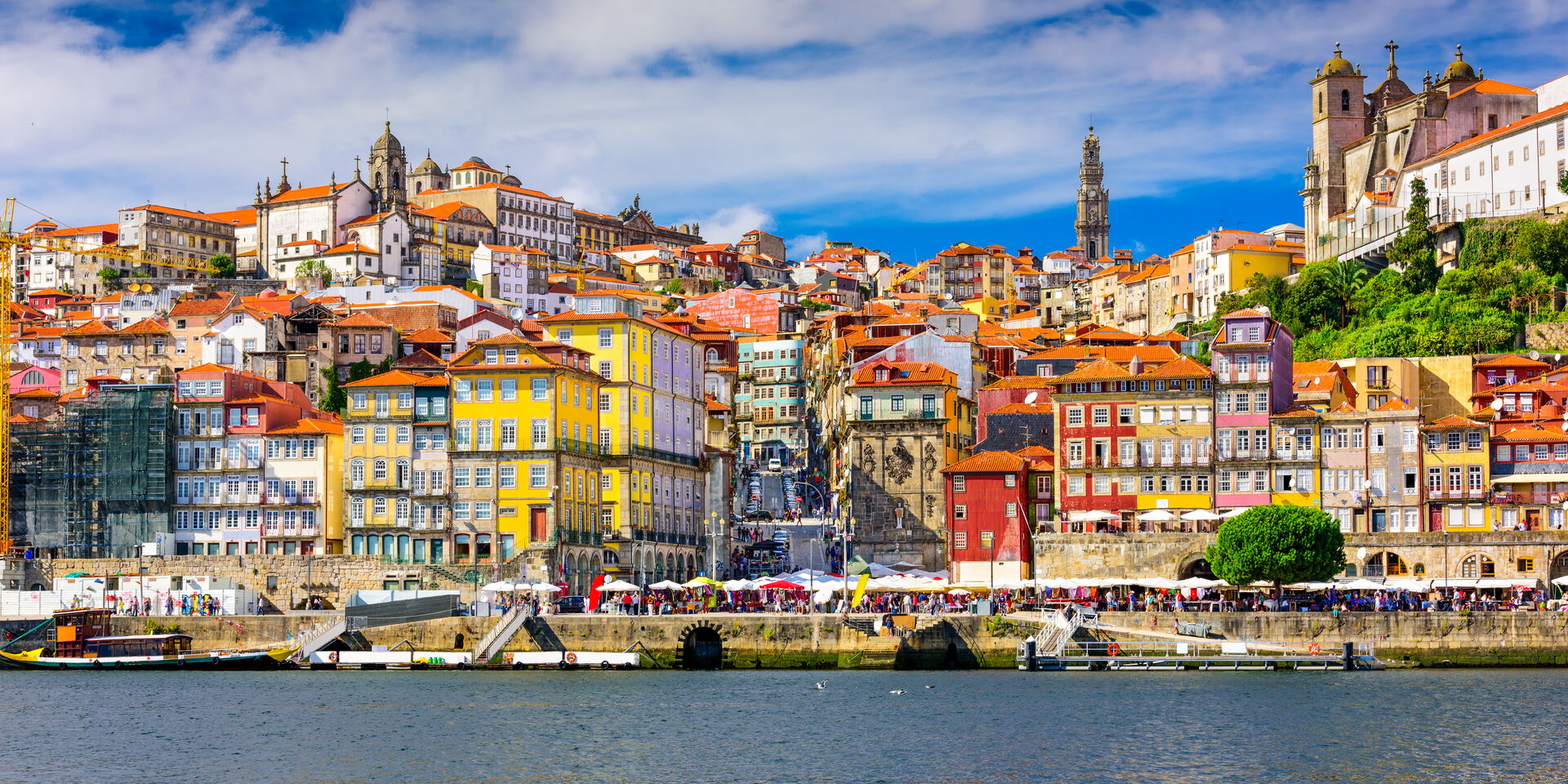
The Ria Formosa lagoon, located in southern Portugal’s Algarve region, sits on the Portuguese mainland and has a year-round moderate climate with sunny days. It consists of a group of barrier islands connected by six inlets to the sea. Five of these inlets occur naturally and are mobile. The sixth is an artificial inlet designed to facilitate access to Faro’s port. In 2010, the lagoon was designated as one of the country’s seven natural wonders.
Within the Ria Formosa system, diverse and even antagonistic applications exist. While the system includes a Natural Park, Ria Formosa is also critical to the region’s economy. Additionally, the system supports economic activity such as seafood farms (especially grooved carpet shell harvesting) and the Faro port.
Kayaking is a wonderful way to stay active while also viewing some of the Ria Formosa’s unique beauty. You’ll be able to paddle along waterways that are too shallow for boats, allowing you to get closer to the shallows and animals than you would on a regular boat trip. If you’re comfortable with your kayaking abilities, you may just rent one for the day and explore at your leisure, discovering your own island and beach!
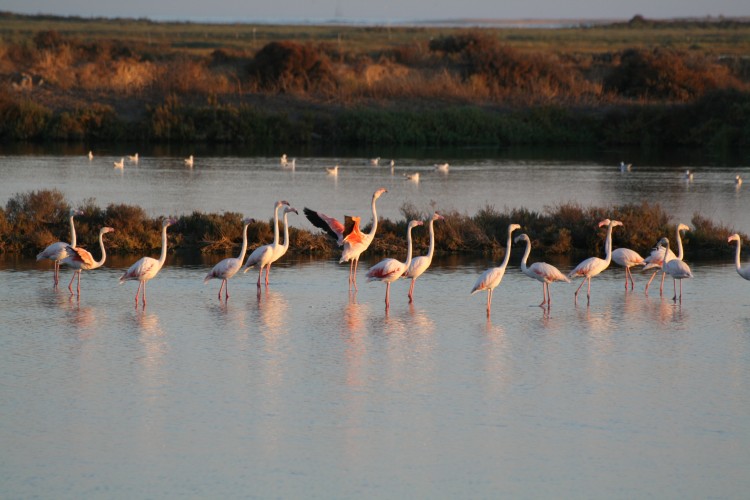
During the spring and autumn migration seasons, the Ria Formosa is also a recognised Natural Park covering around 170 square kilometres and serving as a stopover for hundreds of migrating birds. Around 30,000 birds may be observed yearly from Ria Formosa, which serves as a migratory corridor and is home to some of Europe’s last remaining nesting grounds for various bird species.
Ria Formosa is both a Ramsar site and a natural park. Ria Formosa has been declared an Important Bird Region by BirdLife International, both in its lagoon region of 23,296 hectares and in its oceanic zone of 19,900 hectares.
There are several excellent hiking trails inside the Ria Formosa.

Around the Ria Formosa, the most notable cities are Tavira, Faro, and Olho.

The surrounding little villages and towns, such as Cabanas de Tavira, are densely packed with taverns, cafés, and restaurants that flank the riverbank and stretch a few streets inland.
This area includes the villages of Fuzeta (in the municipality of Olho), Santa Luzia, Cabanas de Tavira (in the municipality of Tavira), and Cacela Velha (in the municipality of Vila Real de Santo António).
Numerous buses operate on weekdays between Tavira and Cabanas; however, there are no services on Saturday afternoons, Sundays, or holidays, even throughout the summer. Conceiço is the closest train station, located on the Tavira-Vila Real line. This is around one mile (1.6 kilometres) of easy walking. Daily trains stop there, but at somewhat irregular intervals.
Beaches in the Ria Formosa area are well-known. The wetland encompasses the majority of the Algarve’s islands, including Armona, Barreta, Cacela, Culatra, and Tavira. There are additional small communities here, such as Vale do Lobo, Cabanas de Tavira, Cacela Velha, and Manta Rota. Barril Beach is a prominent naturist location. Tavira Island Beach features a campsite.
The Ria Formosa is a fantastic location that blends the finest of the Algarve with access to the great outdoors and wildlife. There truly is something for everyone, and an experience for everyone.
| Location | Algarve, Portugal |
|---|---|
| Coordinates | 36°59′51.5″N 7°51′39.2″W |