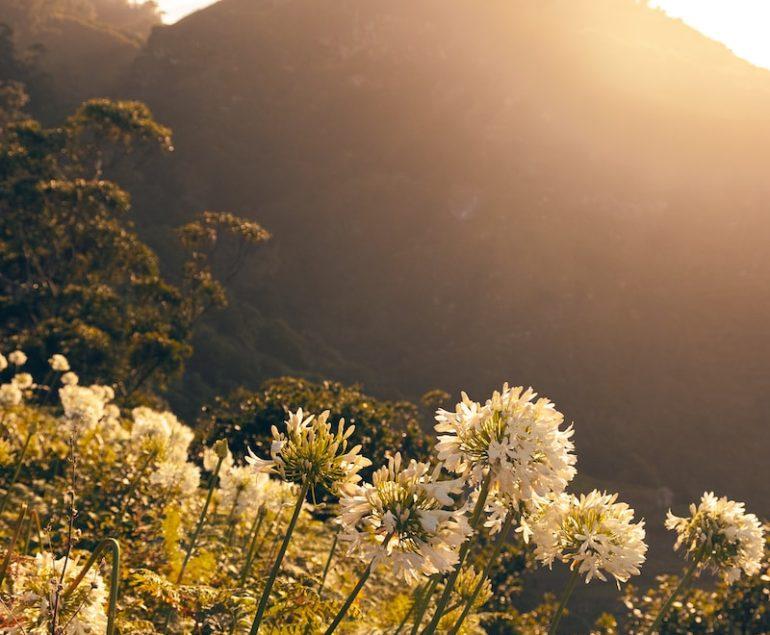
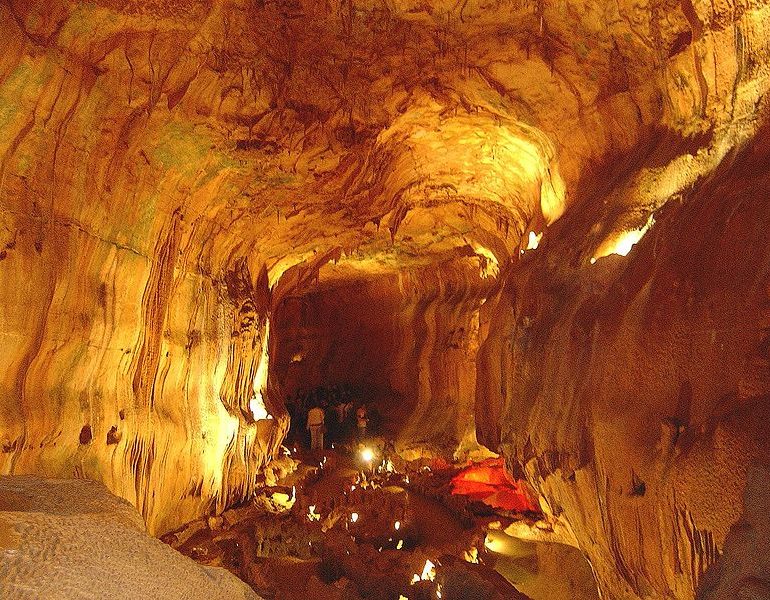
The area surrounding Serpa consists mostly of farms and cultivated lands of wheat, that have traditionally been the staple of the local economy, employing many people. Due to the area's strong agricultural reliance, the local population has traditionally been agrarian farmers and sheepherders.

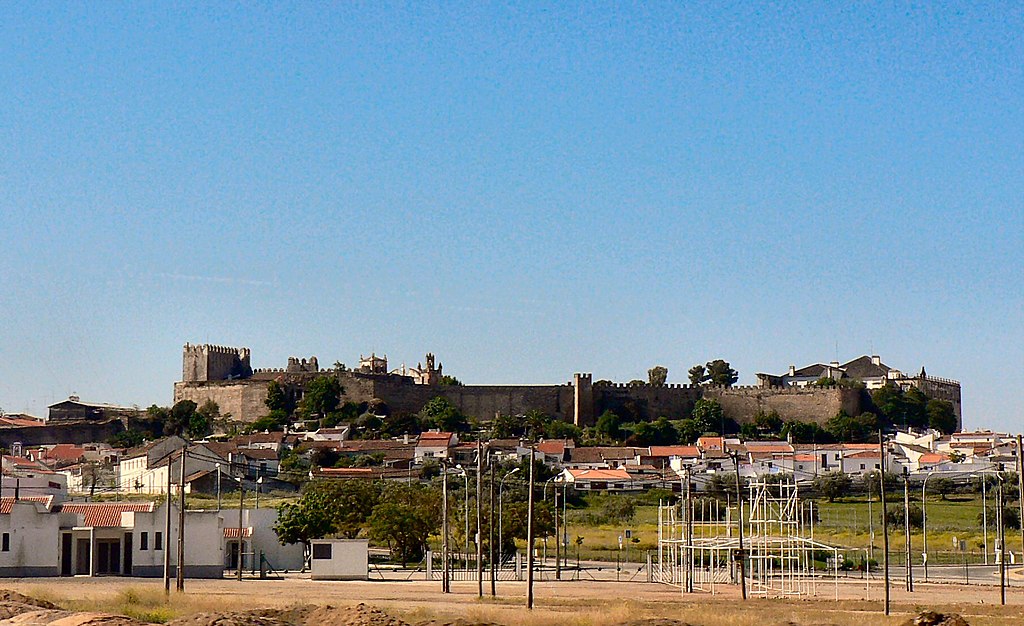
Serpa, in rural Alentejo, is a peaceful hilltop village. Because of the town’s proximity to the Spanish border, high town walls and a tiny castle were built, the ruins of which are now available to visitors.

The fortress was erected in the late thirteenth century by King Dinis and is of Moorish origins. During the Spanish invasion in 1707, the fortress was severely damaged. The castle is accessed by a huge hole in the wall. The battlements provide expansive views of the surrounding plains, and the Museu de Arqueologia houses a small but fascinating collection of Paleolithic, Neolithic, Roman, and Moorish artefacts from Serpa’s long history; the town was founded in 400BC by the Turdelos, one of Iberia’s original peoples.
Serpa’s rural setting and laid-back attitude attract urban inhabitants from Lisbon, Beja, and other cities, who retain country properties in the region or visit for weekend getaways.
Shepherd’s Lamb Stew, clam and pork dish, and sweet potato cakes are among the local and regional delicacies.

Things to see and do in Serpa
- Castelo de Serpa
Serpa’s castle, which formerly dominated the town, is now a lovely ruin, having been devastated by the Spanish and abandoned since the 1600s.
However, this does not diminish the monument’s significance, since its battlements remain intact, and you may scramble up to observe the town and surrounding Alentejo region.
- Muralhas de Serpa

Serpa’s middle ages outer walls still protect a large portion of the ancient town.
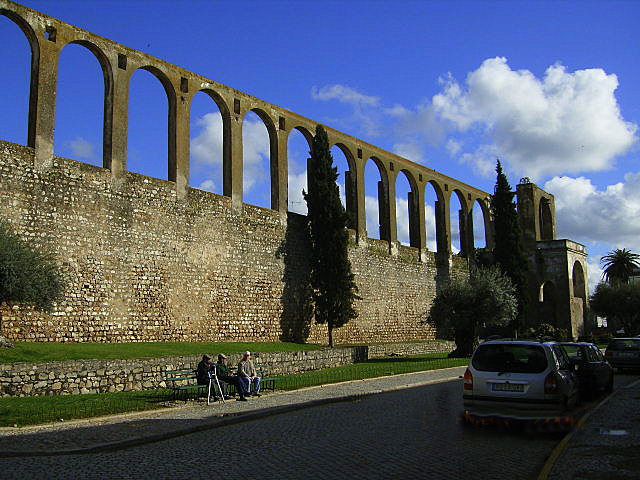
The most photogenic section of the wall has to be to the west, where it is surmounted by an aqueduct. Below here, you’ll find the Porta de Beja, the most spectacular of Serpa’s two remaining city gates. Two strong, crenellated towers surround the entryway.
- Aqueduto de Serpa
On the city’s western side, the unique sight of an aqueduct running along the top of the city walls may be discovered.
What makes this even more unique is that it was not established as a public water supply for the city; rather, it was designed for a single mansion, the Solar dos Condes de Ficalho, which backs up to the city’s defences.
At the southern end of the aqueduct, you’ll spot the wheels that conducted water from a Moorish well onto the aqueduct.
- Museu do Relógio

Serpa’s clock museum is in the Convento do Mosteirinho, the only attraction of its kind on the Iberian Peninsula. This dates from the 15th century and provides an evocative backdrop for the displays.
There are over 2,400 mechanical timepieces on display, the oldest of which dates from 1630. Perhaps the centrepiece is a 17th-century Edward East clock, for which the museum has turned down six-figure bids.
The museum, which is now in its second generation, has its own clock restoration workshop.
- Igreja de Santa Maria de Serpa

In its namesake square near the top of Serpa, the town’s church was probably built over the Moorish Mosque. The bell tower was most likely the mosque’s minaret.
Although the remainder of the façade is more baroque, the Gothic ogival arches that partition the nave from the two aisles indicate that this church has mediaeval origins.
These are supported by columns carved with foliate designs in the 14th century.
The chancel and two neighbouring chapels at the church’s end are Mannerist expansions from the 1500s, and they’re brimming with the gleaming Baroque gilt-wood that was popular in the 1700s.
- Serpa Old Town
Inside the walls, Serpa has the layout of a town built to make life difficult for invaders.
There’s a confusing tangle of ravine-like streets, walled by handsome whitewashed houses with wrought-iron balconies. Turn a corner and suddenly you’ll be on the spacious Praça da República facing Serpa’s arcaded town hall.
Take a break from your own quest at the cafe or browse the bakeries and cork artisan shops in this square and its side streets.
Make time to visit the Solar dos Condes de Ficalho, which is located near the walls and was once fed by the 17th-century aqueduct.
- Torre do Relógio
At the highest point of the town, just next to the Church of Santa Maria, you won’t help but notice this eye-catching square tower.
The building has had a timepiece since 1440, which makes it Portugal’s third-oldest clock tower.
- Museu Municipal de Arqueologia
On the ground floor, the museum handles the town’s prehistoric, bronze and iron age heritage, while the first floor deals with everything from Roman times through to the middle ages.
There’s pottery, Roman gravestones like the ones seen in the castle walls, Templar crosses, and a Bronze Age necklace.
- Ermida de Nossa Senhora de Guadalupe ou de São Gens

A hermitage dedicated to the municipality’s patron saint, Nossa Senhora de Guadalupe, can be found on a hillside a few kilometres south of Serpa. Since the 500s, when Leander of Seville brought a Marian statue from Rome, this saint has been honoured in these areas.
The chapel’s style is Gothic-Mudéjar, with a significant Moorish influence visible in the domes. Outside, there’s a glazed tile panel depicting the Sacred Heart of Mary, as well as stunning views of the Alentejo countryside of parched hills and olive orchards.
The existing Marian figure at the altar comes from the 1400s and is nested in giltwood.
- Museu Etnográfico de Serpa
Serpa’s ethnographic collection is housed in the city’s former municipal market from the late 1800s, providing yet another immersive setting for a museum.
The museum displays Serpa’s hereditary skills and savoir-faire, most of which was lost as agriculture became industrialised in the mid-twentieth century.
You’ll find restored workshops or ancient utensils from basket-weavers, wheelwrights, potters, blacksmiths, cheese-makers, furniture manufacturers, potters, fisherman, shoemakers, and tailors.
- Pulo do Lobo

If you follow the Guadiana River into the Vale do Guadiana Natural Park, you’ll come to a waterfall at the head of a difficult gorge.
The environment is as harsh as it is beautiful, with rock eroded into jagged shapes by the green water.
In this usually parched region, the Guadiana harbours a lot of life, and if you’re patient, you could observe watersnakes and turtles in the water, as well as a variety of birds, including hawks, hovering overhead.
It’s best to visit in the spring when there’s a flow of water, as it can get a little dry in the summer.
- Outdoor Activities
If you get to Serpa before it becomes too hot in the summer, the landscape of low hills is a joy to explore on foot or by bike.
Spring is especially lovely when the fallow fields are carpeted with marigolds.
You may visit the town’s Tourist Office or contact a few firms, such as Serpa Lovers, for information on guided hikes or one-time activities, such as balloon rides.
Many vacation properties also rent out canoes or stand-up paddleboards for the Alqueva Reservoir, which is about a half-hour drive north of town.
This massive body of water was just created in the 2000s, following the construction of the $1.7 billion Alqueva Dam.
Nocturnal events are also organised in and around Serpa, as the night skies are spectacular in this remote part of Portugal.