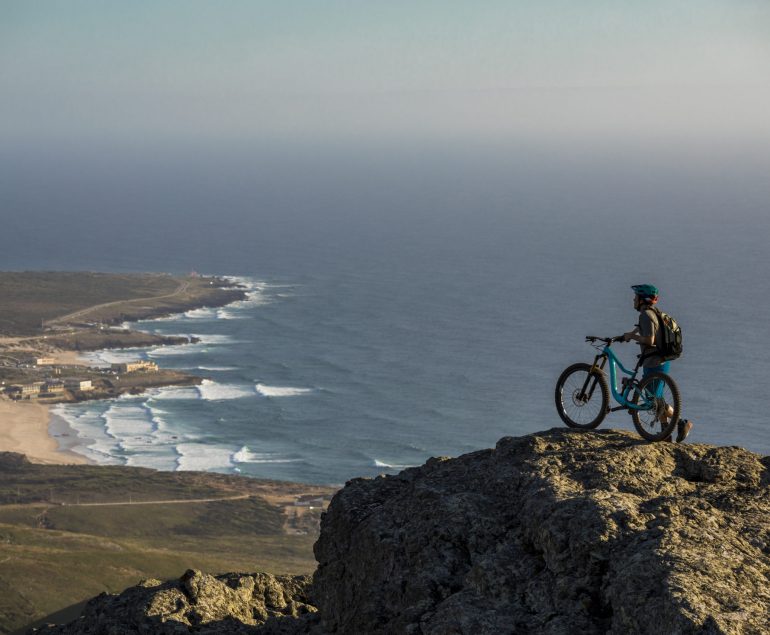
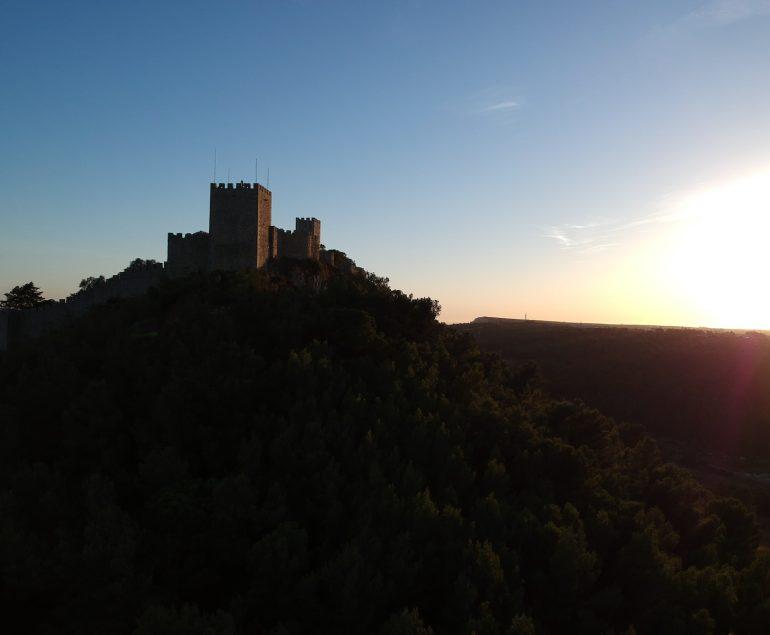
The Azores, a group of nine islands in the middle of the Atlantic Ocean, are a hidden gem that offer a unique and unforgettable travel experience. With its lush green landscapes, volcanic mountains, hot springs, and crystal-clear waters, the Azores has something for everyone. Its mild oceanic climate, rich history and culture, and diverse range of activities make it a popular destination for tourists from around the world. From hiking to whale watching, from sampling delicious local cuisine to relaxing in natural hot springs, the Azores promise a truly unforgettable experience for all who visit.
São Miguel
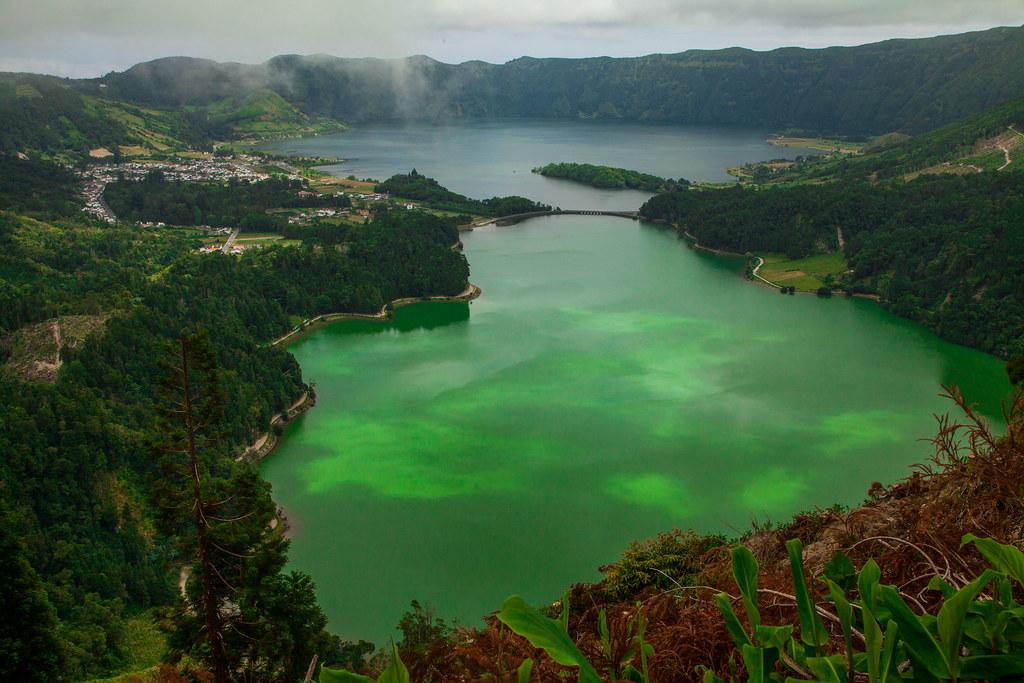
São Miguel is the largest and most populous island in the Azores archipelago. Here are some facts and information about São Miguel:
Geography:
- São Miguel has an area of approximately 759 square kilometres, making it the largest island in the Azores.
- The island has a diverse landscape, with volcanic craters, lakes, hot springs, and forests, as well as sandy beaches and rugged cliffs along its coastline.
- The highest point on the island is Pico da Vara, which rises to 1,103 metres above sea level.
- The capital of São Miguel is Ponta Delgada, which is also the largest city in the Azores.
History and Culture:
- São Miguel has a rich history, with evidence of human habitation dating back to the 15th century.
- The island played an important role in the Age of Exploration as a stopover point for ships travelling to the Americas, and it was also a strategic military base during World War II.
- São Miguel has a vibrant cultural scene, with festivals, music, and dance playing important roles in its traditions.
- The island is also known for its traditional crafts, such as pottery, lacemaking, and embroidery.
Tourism:
- São Miguel is a popular tourist destination, known for its natural beauty, rich history, and unique culture.
- Visitors can explore the island’s many natural wonders, such as the Sete Cidades twin lakes, the Fogo Lake, and the Caldeira Velha hot springs.
- There are also many cultural attractions on the island, such as museums, old churches, and traditional festivals and celebrations.
- Visitors can also enjoy outdoor activities such as hiking, biking, surfing, and whale-watching.
Overall, São Miguel is a fascinating and beautiful island with a rich history and culture, making it a must-see destination for travellers who are interested in exploring the Azores.
Terceira
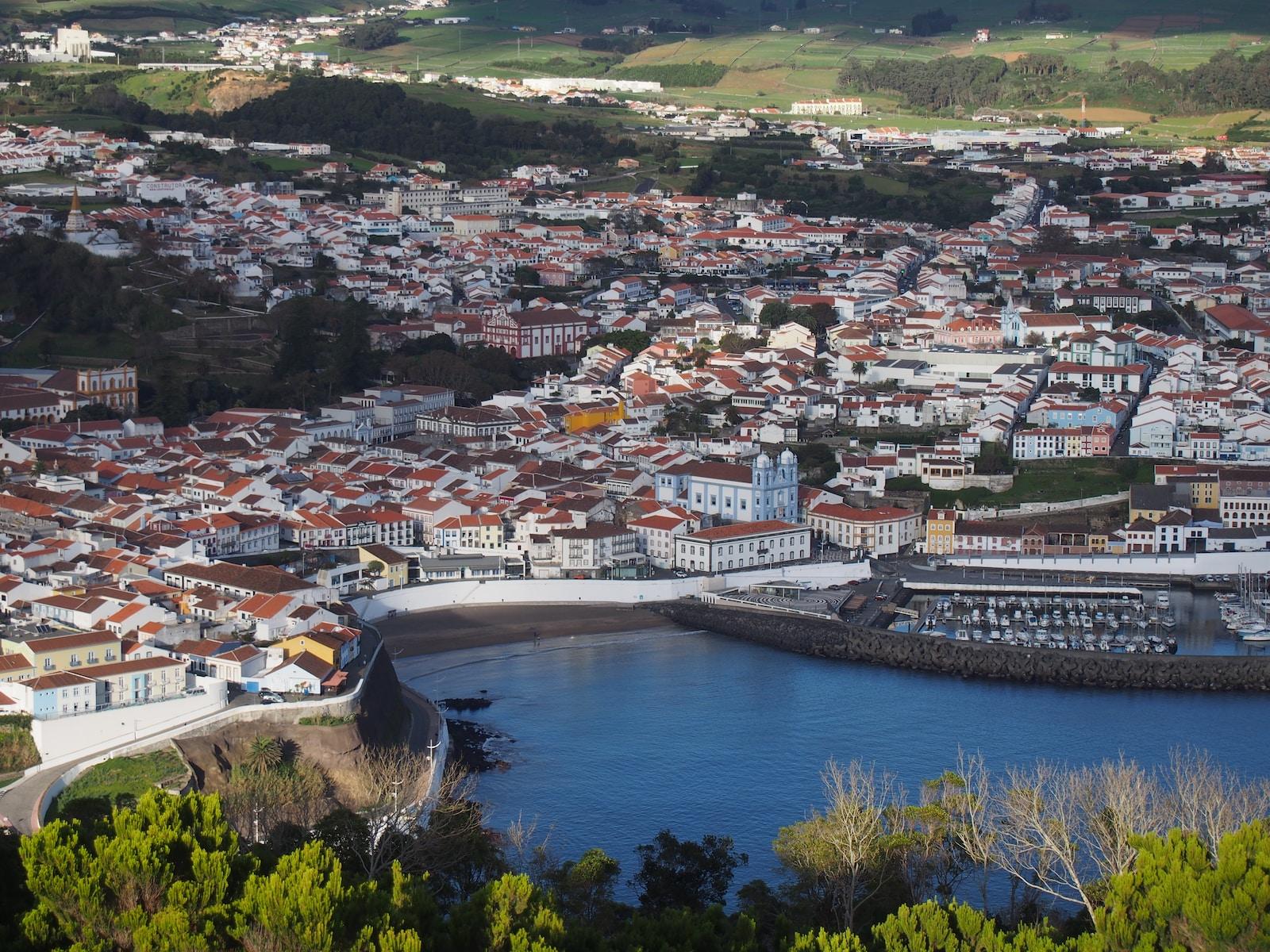
Terceira is one of the nine volcanic islands that make up the Azores archipelago. The Azores are in the Atlantic Ocean, about 1,500 kilometres west of Lisbon, Portugal. Here are some facts and information about Terceira:
Geography:
- Terceira is the third-largest island in the Azores, with an area of approximately 400 square kilometres.
- The island has a rough coastline with many bays, coves, and rocky cliffs. In the middle of the island, there are fertile valleys and plains.
- The highest point on the island is Serra de Santa Bárbara, which rises to 1,023 metres above sea level.
- The capital of Terceira is Angra do Heroísmo, which is a UNESCO World Heritage Site.
History and Culture:
- Terceira has a long history. There is evidence that people lived there as early as the Neolithic period.
- In the 15th century, the Portuguese were the first people to live on the island. During the Age of Exploration, it was a major stop for ships going to the Americas.
- Terceira has been the site of several significant battles and conflicts throughout its history, including a battle between Portuguese and Spanish forces in 1583 and the Portuguese Civil War in the 19th century.
- The island has a vibrant cultural scene, with festivals, music, and dance playing important roles in its traditions.
- Terceira is also known for its traditional architecture, including the “casas de ramadas,” which are houses with thatched roofs.
Tourism:
- Terceira is a popular place for tourists to visit because it has beautiful natural scenery, a long history, and a unique culture.
- Visitors can explore the island’s many natural wonders, such as the Algar do Carvão cave, the Furnas do Enxofre hot springs, and the Monte Brasil volcanic complex.
- There are also many cultural attractions on the island, such as museums, old churches, and traditional festivals and celebrations.
- Visitors can also enjoy outdoor activities such as hiking, biking, surfing, and whale-watching.
Overall, Terceira is a fascinating and beautiful island with a rich history and culture, making it a must-see destination for travellers who are interested in exploring the Azores.
São Jorge

São Jorge is an island in the Azores archipelago. Here are some facts and information about São Jorge:
Geography:
- São Jorge has an area of approximately 246 square kilometres, making it the fifth-largest island in the Azores.
- The island has a rugged coastline with steep cliffs, as well as deep valleys and steep ridges in its interior.
- The highest point on the island is Pico da Esperança, which rises to 1,053 metres above sea level.
- The main town on the island is Velas.
History and Culture:
- São Jorge has a rich history, with evidence of human habitation dating back to the Neolithic period.
- The Portuguese first settled the island in the 15th century, and it was a significant stopover for ships sailing to the Americas during the Age of Exploration.
- São Jorge has a vibrant cultural scene, with festivals, music, and dance playing important roles in its traditions.
- The island is also known for its traditional cheese, which is made from the milk of cows that graze on the island’s lush pastures.
Tourism:
- São Jorge is a popular tourist destination, known for its natural beauty, rich history, and unique culture.
- Visitors can explore the island’s many natural wonders, such as the Fajãs (coastal plains), the Caldeira de Santo Cristo lagoon, and the Pico do Pedro mountain.
- There are also many cultural attractions on the island, such as museums, old churches, and traditional festivals and celebrations.
- Visitors can also enjoy outdoor activities such as hiking, biking, and whale-watching.
Overall, São Jorge is a fascinating and beautiful island with a rich history and culture, making it a must-see destination for travellers who are interested in exploring the Azores.
Pico

Pico is an island in the Azores archipelago. Here are some facts and information about Pico:
Geography:
- Pico has an area of approximately 447 square kilometres, making it the second-largest island in the Azores.
- The island is dominated by its volcano, Pico Mountain, which at 2,351 metres above sea level is the highest point in Portugal.
- The island has a rugged coastline with steep cliffs, as well as vineyards and forests in its interior.
- The main town on the island is Madalena.
History and Culture:
- Pico has a long history. There is evidence that people lived there as early as the Neolithic period.
- The Portuguese first settled the island in the 15th century, and it was a significant stopover for ships sailing to the Americas during the Age of Exploration.
- Pico has a vibrant cultural scene, with festivals, music, and dance playing important roles in its traditions.
- The island is also known for its wine, which is produced from the Verdelho grape and grown on the island’s unique lava soil.
Tourism:
- Pico is a popular tourist destination known for its natural beauty, rich history, and unique culture.
- Visitors can explore the island’s many natural wonders, such as the volcanic landscape of Pico Mountain, the lava tubes and caves, and the natural swimming pools along the coastline.
- There are also many cultural attractions on the island, such as museums, old churches, and traditional festivals and celebrations.
- Visitors can also enjoy outdoor activities such as hiking, biking, and whale-watching.
Overall, Pico is a fascinating and beautiful island with a rich history and culture, making it a must-see destination for travellers who are interested in exploring the Azores.
.
Santa Maria

Santa Maria is an island in the Azores archipelago. Here are some facts and information about Santa Maria:
Geography:
- Santa Maria has an area of approximately 97 square kilometres, making it the third-smallest island in the Azores.
- The island has mostly flat terrain, with some hills and valleys in the interior.
- The coastline is characterised by sandy beaches and rocky cliffs.
- The main town on the island is Vila do Porto.
History and Culture:
- Santa Maria has a long history. There is evidence that people lived there as early as the 15th century.
- Early in the 15th century, the Portuguese established the island, and as a stopover for ships sailing to the Americas, it was significant during the Age of Exploration.
- Santa Maria has a unique cultural identity, with influences from Portugal, Africa, and Brazil.
- The island is also known for its traditional pottery, which is made using local clay and fired in wood-burning kilns.
Tourism:
- Santa Maria is a popular place for tourists to visit because of its beautiful beaches, beautiful scenery, and easygoing vibe.
- Visitors can explore the island’s many natural wonders, such as the Praia Formosa beach, the Pico Alto mountain, and the Barreiro da Faneca natural swimming pool.
- There are also many cultural attractions on the island, such as museums, old churches, and traditional festivals and celebrations.
- Visitors can also enjoy outdoor activities such as hiking, biking, and water sports.
Overall, Santa Maria is a unique and beautiful island with a rich history and culture, making it a great destination for travellers who are looking for a more relaxed and authentic Azorean experience.
Graciosa

Graciosa is an island in the Azores archipelago. Here are some facts and information about Graciosa:
Geography:
- Graciosa is one of the smallest islands in the Azores. It is about 61 square kilometres in size.
- The island has relatively flat terrain, with some hills in the interior.
- The coastline is characterised by cliffs, coves, and sandy beaches.
- The main town on the island is Santa Cruz da Graciosa.
History and Culture:
- Humans have been living on Graciosa since the 15th century, so it has a long history.
- Early in the 16th century, the Portuguese settled the island for the first time, and it was significant to the Azores’ whaling industry.
- Graciosa has a unique cultural identity, with influences from Portugal, Africa, and Brazil.
- The island is also known for its traditional lacework, which is made using local techniques and materials.
Tourism:
- Graciosa is a relatively undiscovered tourist destination, known for its quiet and relaxed atmosphere.
- Visitors can explore the island’s many natural wonders, such as the Furna do Enxofre lava tube, the Caldeira do Norte crater, and the Praia de Graciosa beach.
- There are also many cultural attractions on the island, such as museums, old churches, and traditional festivals and celebrations.
- Visitors can also enjoy outdoor activities such as hiking, biking, and whale-watching.
Overall, Graciosa is a charming and peaceful island with a rich history and culture, making it a great destination for travellers who are looking for a more off-the-beaten-path Azorean experience.
Flores

Flores is an island in the Azores archipelago. Here are some facts and information about Flores:
Geography:
- Flores is one of the bigger islands in the Azores. It is about 143 square kilometres in size.
- The island is mostly made up of mountains, and a few of them are higher than 800 metres.
- The coastline is characterised by rugged cliffs, deep bays, and beautiful natural swimming pools.
- The main town on the island is Santa Cruz das Flores.
History and Culture:
- Flores has a long history. There is evidence that people lived there as early as the 15th century.
- Early in the 16th century, the Portuguese settled the island for the first time, and it was significant to the Azores’ whaling industry.
- Flores has a unique cultural identity, with influences from Portugal, Africa, and Brazil.
- The island is also known for its traditional crafts, such as basket weaving and embroidery.
Tourism:
- Flores is a popular place for tourists to visit because of its stunning natural beauty and fun things to do outside.
- Visitors can explore the island’s many natural wonders, such as the Sete Lagoas (Seven Lakes), the Rocha dos Bordões (Basalt Columns), and the Fajã Grande waterfall.
- There are also many cultural attractions on the island, such as museums, old churches, and traditional festivals and celebrations.
- Visitors can also enjoy outdoor activities such as hiking, biking, and bird watching.
Overall, Flores is a stunningly beautiful island with a rich history and culture, making it a great destination for travellers who are looking for a more adventurous and nature-focused Azorean experience.
Faial

Faial is an island in the Azores archipelago. Here are some facts and information about Faial:
Geography:
- Faial is one of the bigger islands in the Azores. It is about 172 square kilometres in size.
- The island is mostly made up of mountains, with Cabeco Gordo being the highest point at 1,043 metres.
- The coastline is characterised by steep cliffs, coves, and sandy beaches.
- The main town on the island is Horta.
History and Culture:
- Faial has a rich history, with evidence of human habitation dating back to the 15th century.
- Early in the 16th century, the Portuguese settled the island for the first time, and it was significant to the Azores’ whaling industry.
- Faial has a unique cultural identity, with influences from Portugal, Africa, and Brazil.
- The island is also known for its historic landmarks, such as the 16th-century Fort of Santa Cruz and the Church of Nossa Senhora das Angústias.
Tourism:
- Faial is a popular tourist destination, known for its picturesque towns, stunning natural beauty, and outdoor activities.
- People can see the Caldeira crater, the Capelinhos volcanic complex, and the Ponta dos Capelinhos lighthouse, which are all natural wonders on the island.
- There are also many cultural things to do on the island, such as museums, art galleries, and traditional festivals and events.
- Visitors can also enjoy outdoor activities such as hiking, biking, whale-watching, and scuba diving.
Overall, Faial is a charming and dynamic island with a rich history and culture, making it a great destination for travellers who are looking for a mix of outdoor adventure, cultural experiences, and scenic beauty in the Azores.
Corvo

Corvo is the smallest island in the Azores archipelago. Here are some facts and information about Corvo:
Geography:
- Corvo is the smallest island in the Azores. It is only about 17 square kilometres big, which makes it the smallest island in the group.
- The island has a mountainous terrain, with its highest peak, Morro do Fontão, reaching 718 metres in elevation.
- The coastline is characterised by steep cliffs, deep bays, and natural swimming pools.
- The main town on the island is Vila do Corvo.
History and Culture:
- Corvo has a long history. There is evidence that people lived there in the 1600s.
- Portuguese colonists were the first people to live on the island, and in the 19th century, it served as a significant stopover for transatlantic voyages.
- Corvo has a unique cultural identity, with influences from Portugal and other parts of the Azores.
- The island is also known for its traditional handicrafts, such as basket weaving and lace making.
Tourism:
- Corvo is a relatively undiscovered tourist spot. Each year, a small number of people visit, but that number is growing.
- Visitors can explore the island’s many natural wonders, such as the Caldeirão crater, the Algar do Carvão lava tube, and the Rocha dos Bordões (Basalt Columns).
- There are also many cultural attractions on the island, such as museums, old churches, and traditional festivals and celebrations.
- Visitors can also enjoy outdoor activities such as hiking, bird watching, and diving.
Overall, Corvo is a charming and tranquil island with a rich history and culture, making it a great destination for travellers who are looking for a peaceful and authentic Azorean experience.