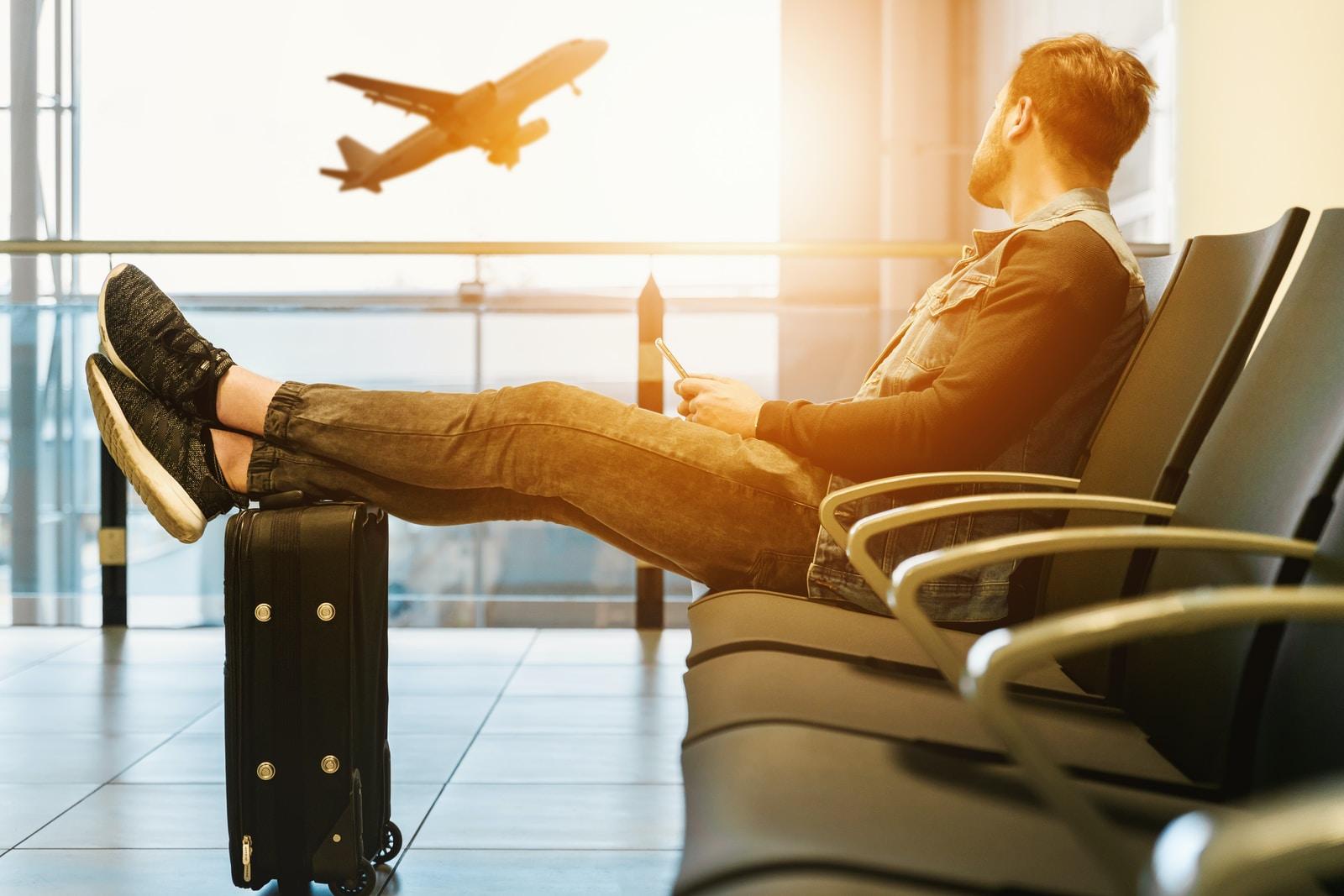
If you’ve never travelled with only a carry-on, we strongly encourage you to do so. Why? Because it is liberating. There is no need to wait for your checked luggage at the airport. You can quickly pass through security. At the very least, you’ll always have what you need with you.
In most cases, a carry-on-sized bag forces you to be more conscientious about what you bring, which means you won’t have to lug around bulky luggage or excess gear. Even if you stuff your bag to the brim, it’s still a manageable size.
The packing techniques we’ll discuss are ideal for long journeys, weekend getaways, and everything in between.
Step 1: Choose Your Bag
Step 2: Lay It All Out
Step 3: Compartmentalize
Step 4: Pack It Up
Step 1: Choose a Bag
Which bag you choose is entirely dependent on your intended use, travel style, and personal preferences. Travelling with a backpack elevates the concept of carry-on luggage. Your hands are free with a backpack. And, because you are not restricted by roller luggage, you can easily navigate almost any terrain—from cobblestone streets to picturesque beaches.
PRO TIP: If you choose a boxy-shaped bag, it will be easier to maximise the interior space.
Step 2: Arrange Everything
Now that you’ve determined which bag to pack, it’s time to gather all the items you believe you’ll need, lay them out, and get organised.
It’s critical to arrange your belongings in a staging area where you can see everything you’re bringing. You can use your bed, the floor, a kitchen or dining room table, or anything else you have available. Simply ensure that this area contains only the items you wish to pack.
Once you’ve laid out everything, it’s time to organise.
Three effective organisational techniques are listed below.
To begin, you can organise your gear according to Context.
This includes storing complementary pieces that you intend to use in close proximity to one another. To stay warm, you could bring a hat, buff, gloves, and a packable jacket. Therefore, group those items together. Alternatively, you may bring a tablet, pen, and notebook for reading, taking notes, or working. You can also combine those items. You can also organise by outfit, but keep in mind that the majority of the clothing you bring on a trip should be interchangeable with the majority of the items you pack. Consider what you can wear in transit to free up space in your bag.
Second, you can organise according to Type.
This method is simple—simply group similar objects together. Sort your socks into one pile, your underwear into another, and your t-shirts into yet another. This system is ideal if you’re packing with smaller organiser pouches or a bag with a lot of internal organisation, as it allows you to keep things separate. Additionally, it works well for larger, bulkier items that will be carried independently in your bag.
Thirdly, you can categorise your items.
This method is similar to Type but encompasses a broader range of objects. For instance, rather than sorting your shirts separately, you’ll pack all your tops together—t-shirts, button-up shirts, sweaters, and so on. Then, group together all of your bottoms—pants, underwear, and socks. This method also works well for toiletries.
Step 3: Segment
After you’ve laid out and sorted everything according to your preferred strategy, it’s time to compartmentalise. Begin by sizing your groupings and determining the most effective method of compartmentalising the elements. Essentially, decide how you want to keep these groupings distinct within your pack.
You can pack your belongings straight inside your bag, utilising any built-in organisation if that is your preference. Alternatively, you can organise your belongings using packing cubes and other organiser packs. You may also use old Ziploc bags and rubber bands to keep everything together (they’re convenient to take on the road, and you may already have some hanging around).
Packing cubes, pouches, and Dopp kits have proven to be invaluable friends on the road. Pick up packing cubes in different colours to further organize your gear.
Fold your clothes first. Now, there are a variety of fancy folding techniques available. We prefer to keep things simple. And by simple, we mean that they are rolled. We’ve discovered that rolling your garments makes them more compact and helps a little with creases.
All of our cold-weather gear (categorised) will be placed into a single packing cube. It’s a good idea to leave your rain jacket out (loose inside your luggage) to facilitate access in the event of an unexpected downpour.
Keep our sandals in a separate shoe pouch after wrapping the garments. This way, if they become soiled, sand-covered, or otherwise unsanitary, we can keep them apart from the rest of our gear. Wear heavier shoes—as in, not sandals—during transit. There is no requirement to pack them. Additionally, if you travelling with a hat, which you can wear, put it at the top of your pack, or clip with a carabiner to the outside.
Two points to consider when organising your toiletries:
1. Attempt to locate the tiniest possible versions of everything. Full-sized toiletries and grooming items may become very large, so if you can reduce the size of your razor, toothbrush, or even nail clippers, the packing will be a breeze. Additionally, you can soak your liquids in tiny containers and leave the large containers at home. This is especially critical for carry-on travel, as all liquids must comply with TSA regulations.
2. A Dopp kit with a clear window is ideal for packing liquids that must be TSA-compliant. Additionally, it is preferable if your toiletry bag is weather-resistant or waterproof since this ensures that any liquids that leak will not spill all over your bag. (No one enjoys opening their bag and discovering that a shampoo wrestling match occurred somewhere across the Atlantic.)
If you’re travelling with technology, you’ll need the means to manage all those cords and other accessories. We recommend carrying a tech pouch. The size and number of tech pouches you carry will depend on your equipment.
Prepare two separate pouches for the stuff you set out and arranged. The smaller cords, cables, chargers, and battery bank will all fit in one pouch. The other will be used for bulkier stuff, such as that cumbersome laptop charger.
If you’re travelling with a backpack, it’s generally a good idea to keep your heavier stuff close to your back. Additionally, attempt to keep them in the upper portion of your bag. This helps distribute the weight and makes carrying it more pleasant during those lengthy trip days. This is less critical when packing a duffle bag or rolling luggage.
We’ll begin by putting our sandals in the bottom of the bag, followed by the four packing cubes of clothing.
As if you were laying bricks for a house, pack in flat layers. Packing your clothes flat will allow you to maximise the space in your bag while avoiding any unexpected bulges that will make it difficult to zip shut.
We’ll move our tech pouches, tablet, and other loose items to the secondary compartment on the front of the bag now that the main compartment is full.
Leave an exterior or quick-access pocket empty so you can quickly dump items from your pockets into your bag while passing through airport security.
This post contains affiliate links, which means we may receive a small commission, at no additional cost to you, if you make a purchase through these links. See our full disclosure page.


UGREEN Electronics Travel Organizer Accessories Cord Cable Storage Bag with Double Layer for Mouse, Power Bank, USB-C Charger, SD Card, Hard Drive, USB…
Why choose UGREEN Electronics Travel Organizer?
Lots of cables? A lot of electronic equipment? Do you spend a lot of time organizing daily or travelling? Own this electronics accessories organizer, you can keep them in order and save your time.
- Well organized your electronic accessories and wires, no need to search everywhere.
- Protect your electronic accessories from scratches, breaks, dust and accidental drops.
- Application: SD card, U disk, earphone, USB cable, charging head and other accessories.
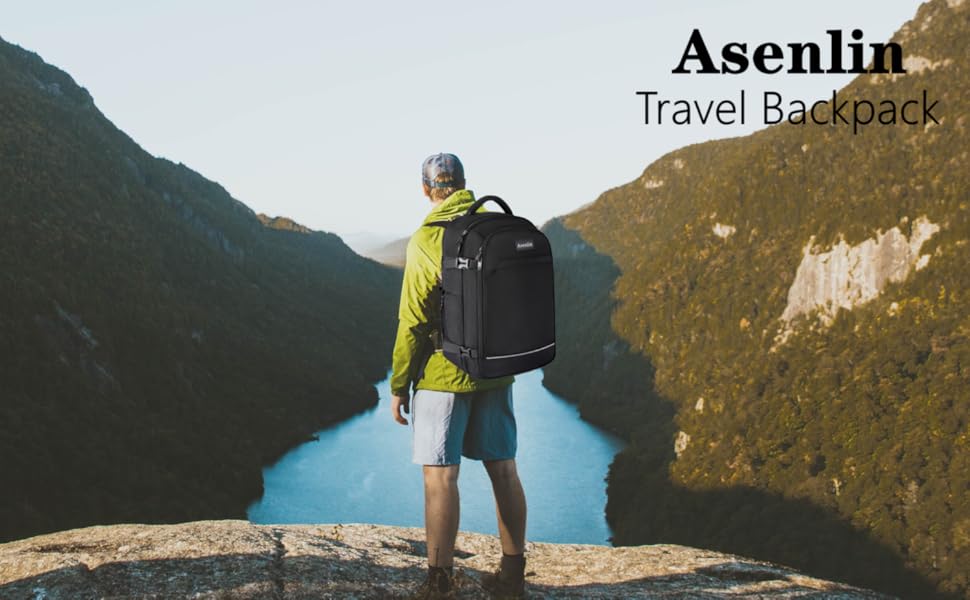
Asenlin 40L Travel Backpack. Flight Approved Luggage Carry-On.
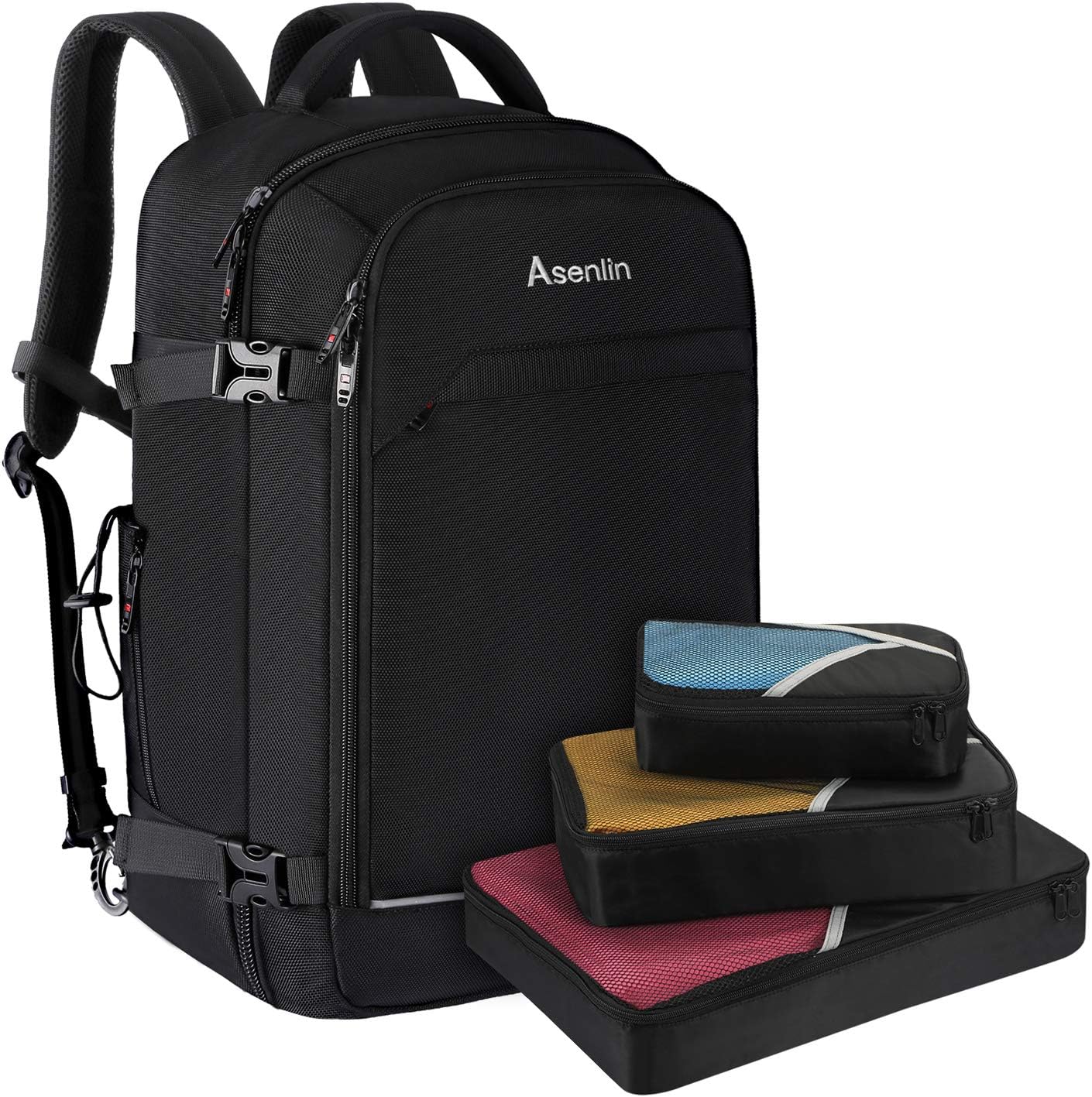 Carry and travel: The large backpack accommodates three custom-made storage bags. The overall size meets the airliner size standards, and the portable zipper opening allows you to quickly pass through airport security. It has straps built-in to keep your clothes from falling out.
Dimensions and materials: The measurements of the travel backpack are 18.5 * 12.5 * 9.5 inches, and it includes a special pocket that can hold a 17-inch laptop. The backpack can be attached to the trunk pole or carried by hand; it is made of water-resistant high-quality polyester Oxford cloth and has a strong zipper.

 BAGAIL 8 Set Packing Cubes Luggage Packing Organizers for Travel Accessories

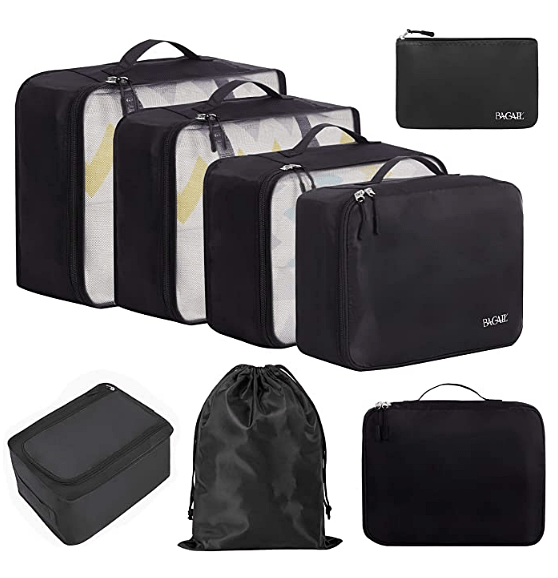 BAGAIL 8 Set Packing Cubes Luggage Packing Organizers for Travel Accessories