Olive trees have been grown in Portugal for thousands of years, and the country is renowned for its high-quality olive oil. The olive harvest is a big deal in Portugal. It marks the end of the growing season and the start of the process of making olive oil. In this blog post, I will explore the history and culture of olive harvesting in Portugal and the techniques and traditions involved in the process.
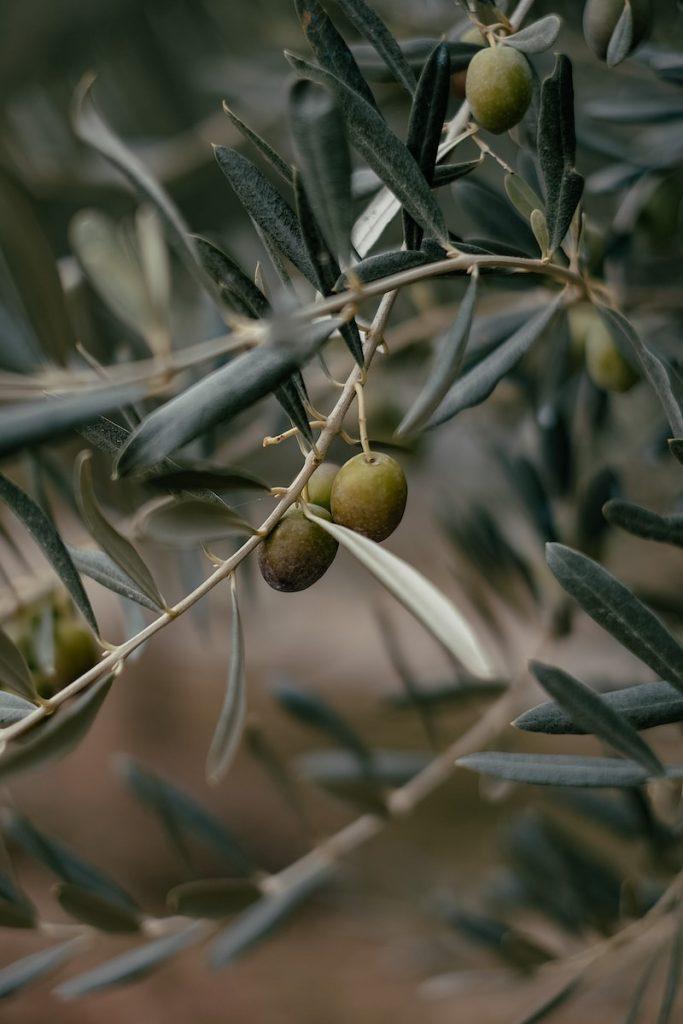
History and Culture of Olive Harvesting in Portugal
Olive trees have been grown in Portugal since Roman times, and the country has been making olive oil for a very long time. Olive trees thrive in the Mediterranean climate of Portugal, and the country has a long tradition of olive oil production, with many olive groves passed down through families for generations.
The olive harvest in Portugal is an important event that marks the end of the growing season and the start of the olive oil production process. Many families and communities work together to pick the olives. This is a very traditional and culturally important part of the process. In some parts of the country, the olive harvest is celebrated with festivals and fairs, with music, dancing, and traditional food and drink.
Techniques and Traditions of Olive Harvesting in Portugal
The olive harvest in Portugal typically takes place from late October to early December, depending on the weather and the variety of olives. The process involves picking the olives from the trees and collecting them in baskets or nets. Traditionally, farmers would pick olives by hand, but today many use machinery to speed up the process, such as vibrating combs or shakers.
Once the olives have been harvested, they are taken to the mill to be pressed into olive oil. In some parts of Portugal, the traditional way of making olive oil is still used. Stone mills are used to crush the olives, and presses are used to get the oil out. However, many modern mills now use centrifugal force to separate the oil from the olives.
Portugal is known for making high-quality olive oil, and there are strict rules in place to make sure that it meets certain standards. To keep its flavor and smell, the olives must be picked at the right time, and the oil must be extracted using specific methods and stored in the right way.