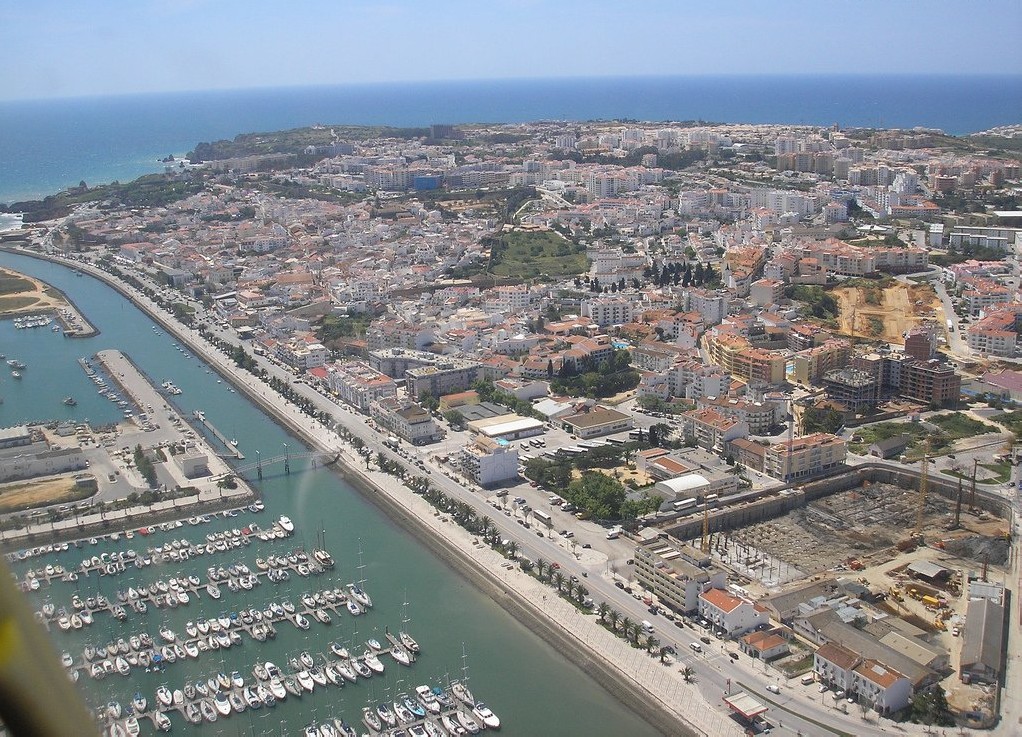
Lagos is a town in Portugal with a 2000-year maritime history. Lagos is derived from the Latin Lacobriga, which refers to a Celtic settlement established during pre-Punic civilizations. It became a Carthaginian settlement early on when the Carthaginians recruited Celtic tribesmen to fight the Romans (the Punic Wars).
-

-
-
-
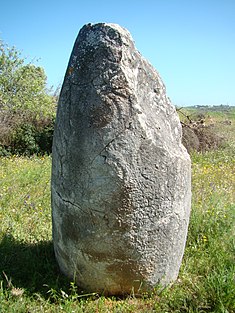
The obelisk-like Menir of Cabeça do Rochedo, representing the Neolithic history of the settlements of Lagos -
-
-
-
Owing to its already important harbour, it was colonized by the Romans and integrated into the Roman province of Lusitania, becoming known as Lacobriga. With the fall of Rome, the town of Lagos was occupied in the 6th century by the Visigoths from the Kingdom of Toledo and later by the Byzantines.
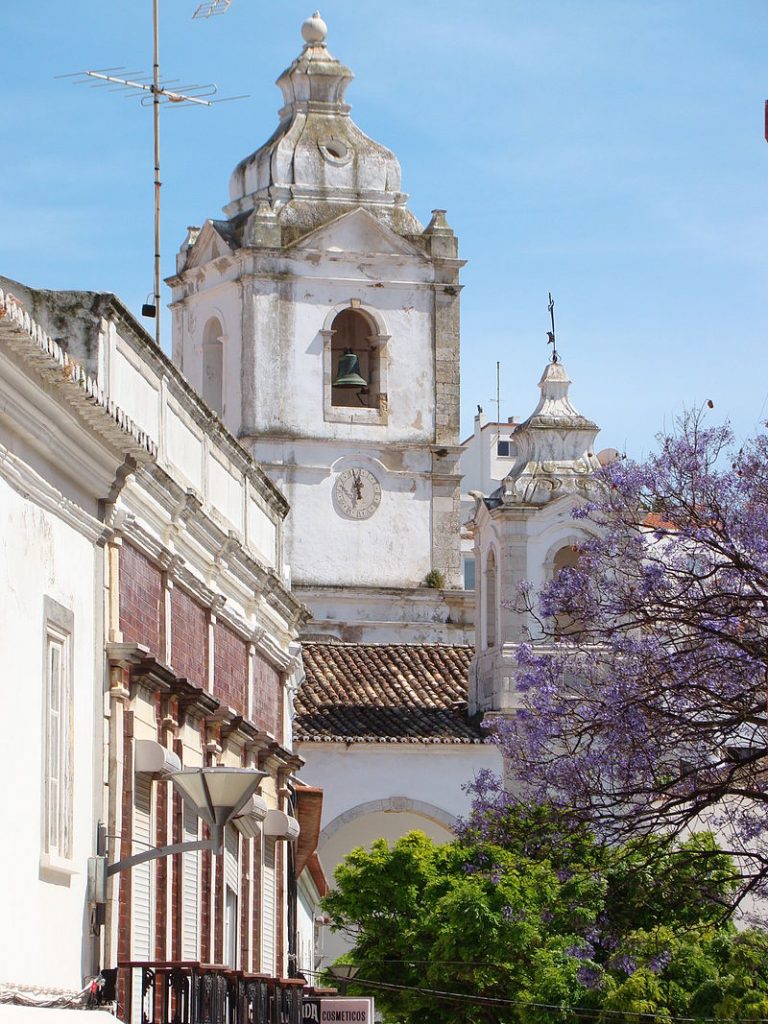
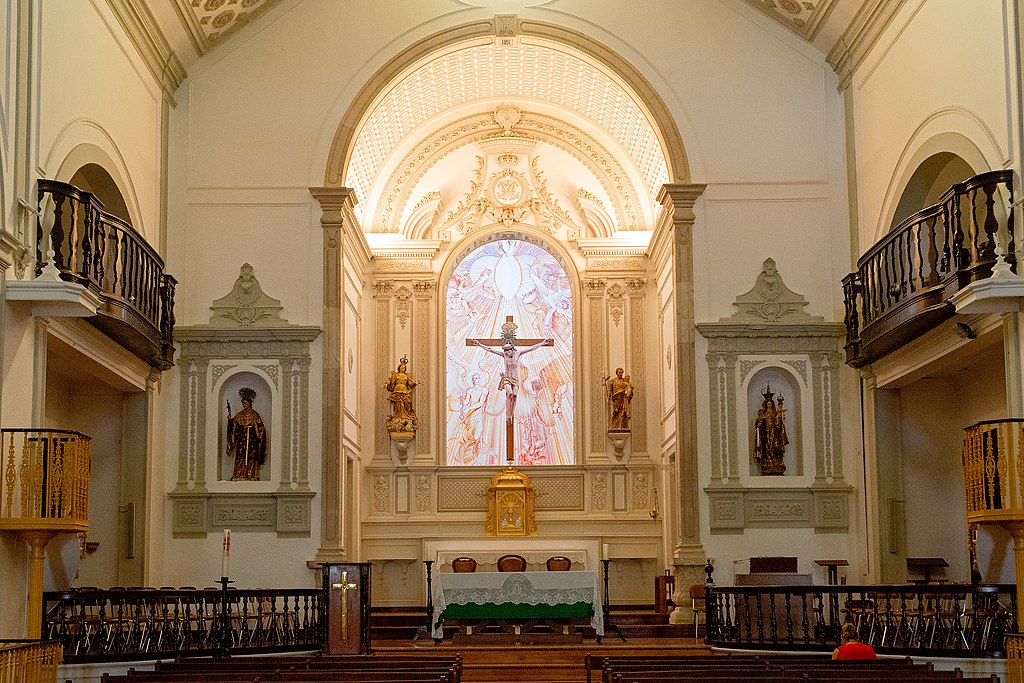
The Moors arrived in the 8th century from North Africa, renaming the settlement Zawaia (meaning lago, or lake). It became part of the much larger coastal region of al-Gharb, which eventually became known as the Algarve. The Moors fortified the town with Lagos Castle and established important trade links to Northern Africa from their bases in the Iberian peninsula. In 1174, the local Wāli gave permission for the Christian peoples to construct a church dedicated to São João Baptista, which was built outside the town’s walls (becoming the oldest church in the Algarve).
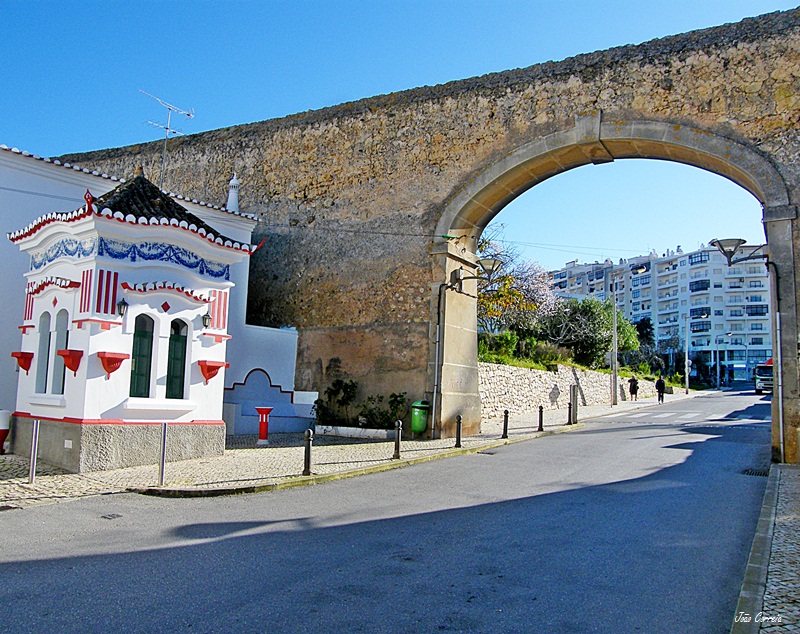
The Lagos Castle is a medieval castle located in the Portuguese municipality of Lagos. Its walls encircled the entire city of Lagos, serving as the city’s primary defence. The town walls of Lagos date back to the Roman era.
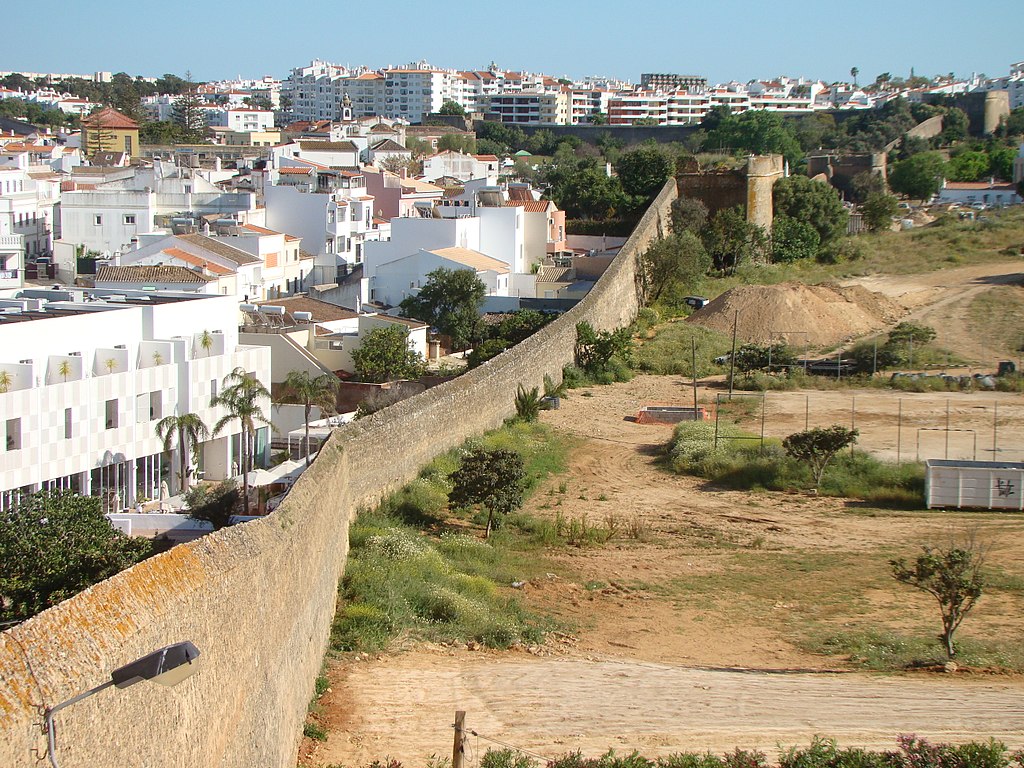
They were rebuilt by the Moors and significantly expanded during the reigns of Portuguese kings D. Manuel and Filipe I in the 16th century to protect the expanding city centre. There are nine towers and seven gates on these walls, which were constructed for artillery. In the late sixteenth century, a section of the wall was converted into a residence for the Algarve’s Governors.
Lagos has many natural interest sites, including
- Ponta da Piedade (English: Mercy Point)
- Grutas da Costa d’Oiro (English: Golden Coast Grottos)
- Laguna de Alvor (English: Lagoon of Alvor)
- “Bravura Dam” English: Bravura Dam)
- Mata Nacional de Barão de S.João (English: National Forest of the Baron of Saint John), representing a varied flora that includes Pine (Pinaceae), Acacia (Acacia), Eucalyptus (Eucalyptus) and Strawberry trees (Arbutus unedo), with six pedestrian trails and six campsites. In the zone of Pedra Branca, is a Paleolithic menhir, called the Menhir of Pedro do Galo, accessible through the pedestrian trails, visitors can use the tables and picnicking areas near the guardhouse for barbecues, while small children have access to a playground.
Lagos Beaches
Meia Praia (Half Beach) —the most popular tourist beach, consisting of soft, white sand, Meia Praia is one of the largest open bays in Europe, resulting in calm seas, permitting conditions for many nautical sports, while cliffs provide sheltered coves from strong windy conditions;
Praia Solaria (Sunny Beach)
Praia da Batata (Potato Beach) — a small beach tucked between two small cliffs (where the river meets the Atlantic Ocean), it is known for the small music festivals that take place there during summer;
Praia dos Estudantes (Students’ Beach)
Praia da Dona Ana (Dona Ana Beach) -its areal is slightly thicker than the beaches in the surrounding area and it is surrounded by striking rock formations. At high tide the beach is split by the geomorphology of the cliffs;
Praia do Canavial (Canavial Beach)
Praia de Camilo (Camilo Beach)
Praia da Luz (Beach of Light) – located in the parish of Luz, the beach is bounded in the east by Rocha Negra (English: Black Rock), providing summer vacationers with a popular escape during the summer.
Praia da Balança– located after Praia da Boneca and Praia dos Pinheiros, it is a sandy cove enclosed by towering cliffs.