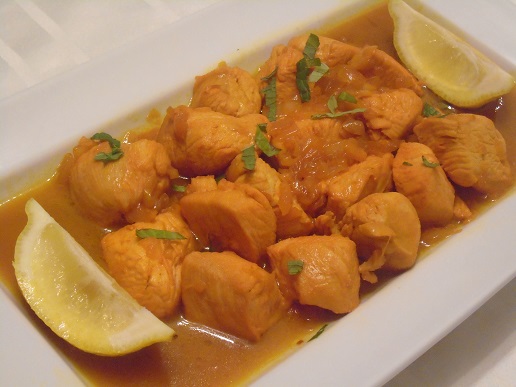
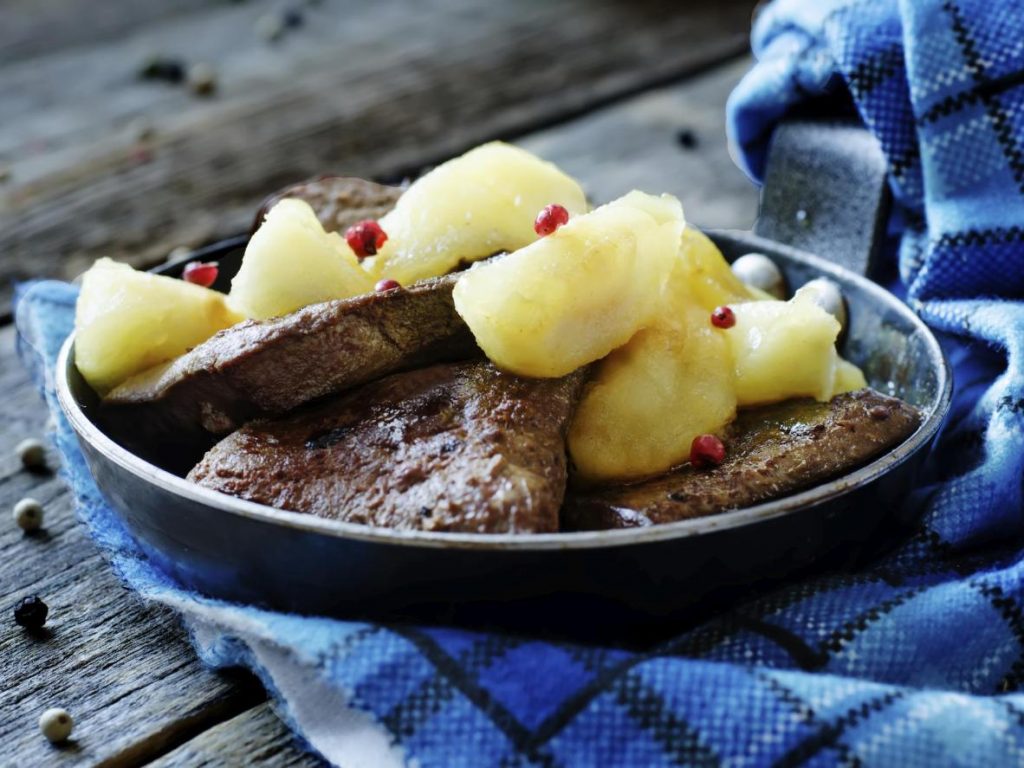
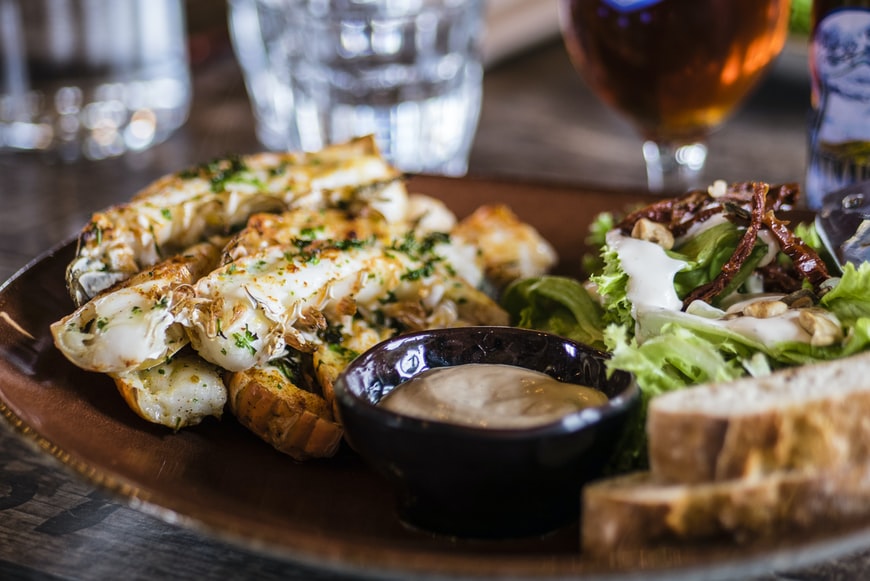
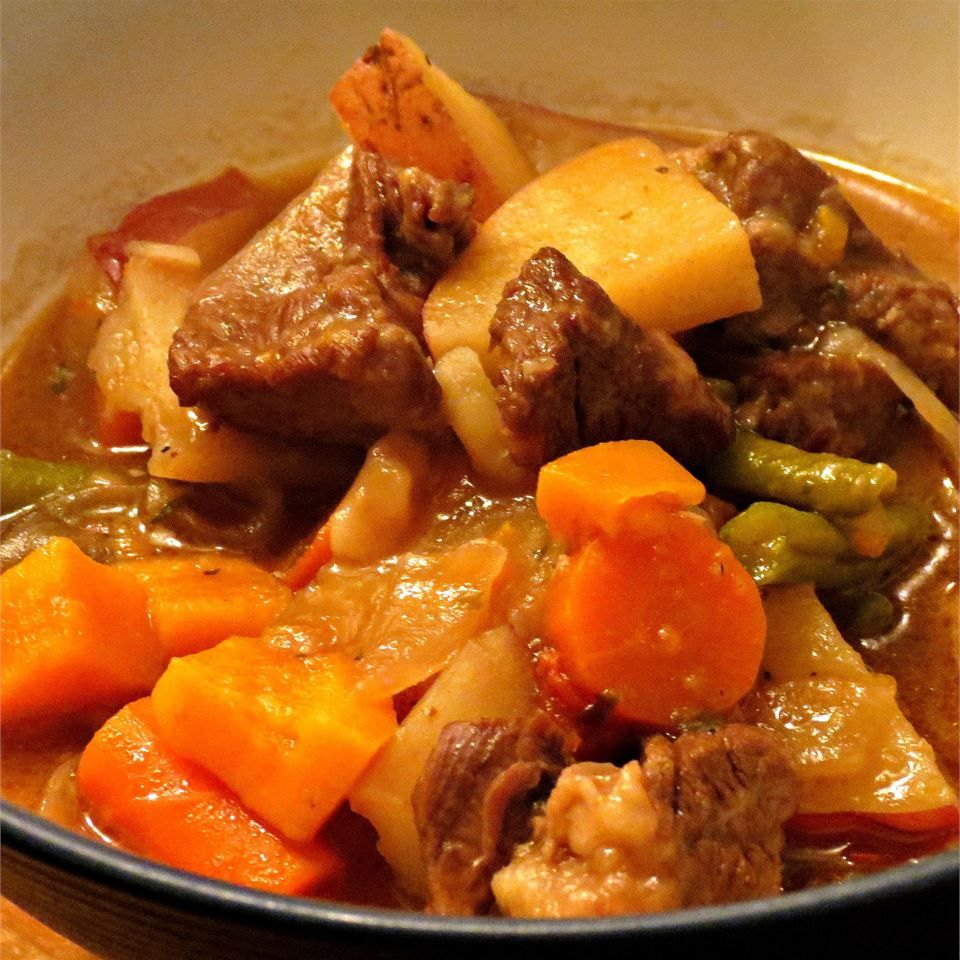
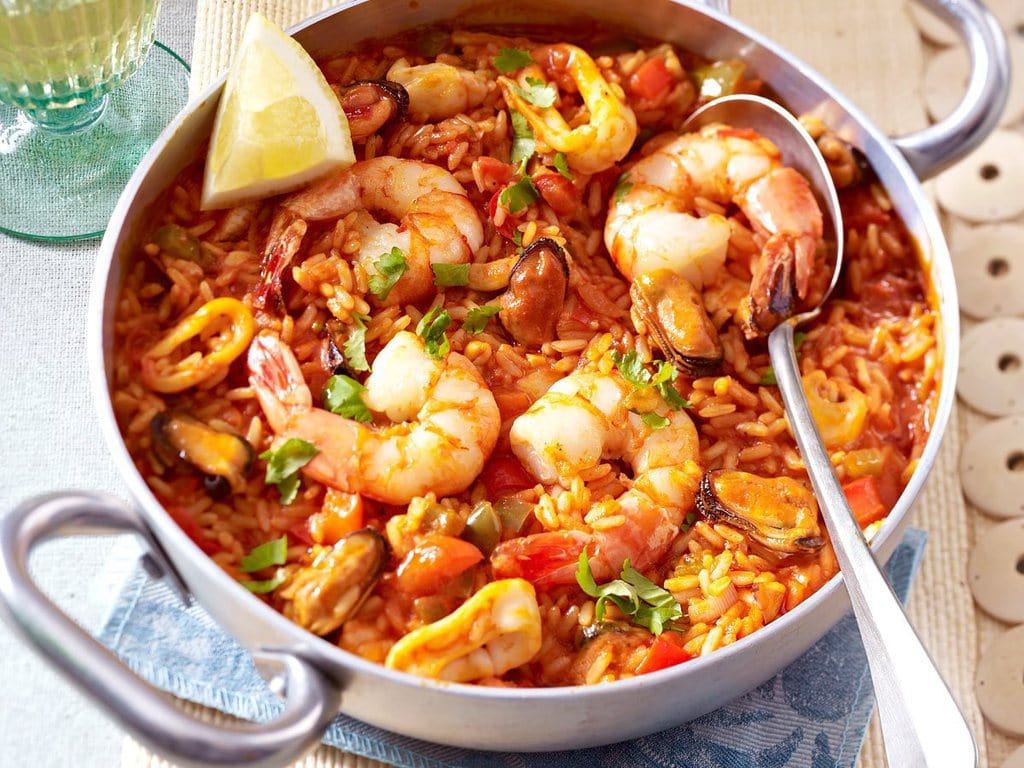
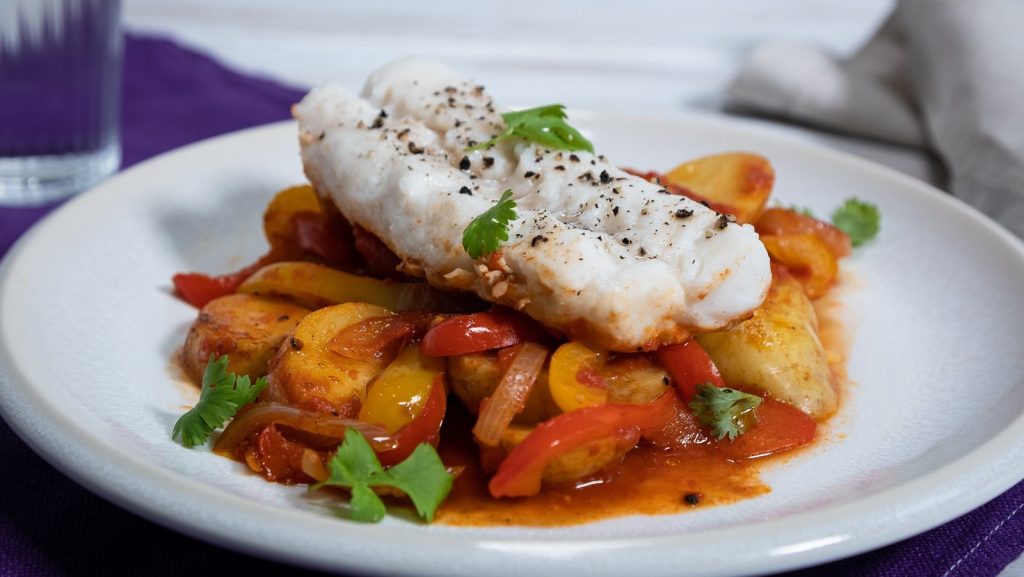
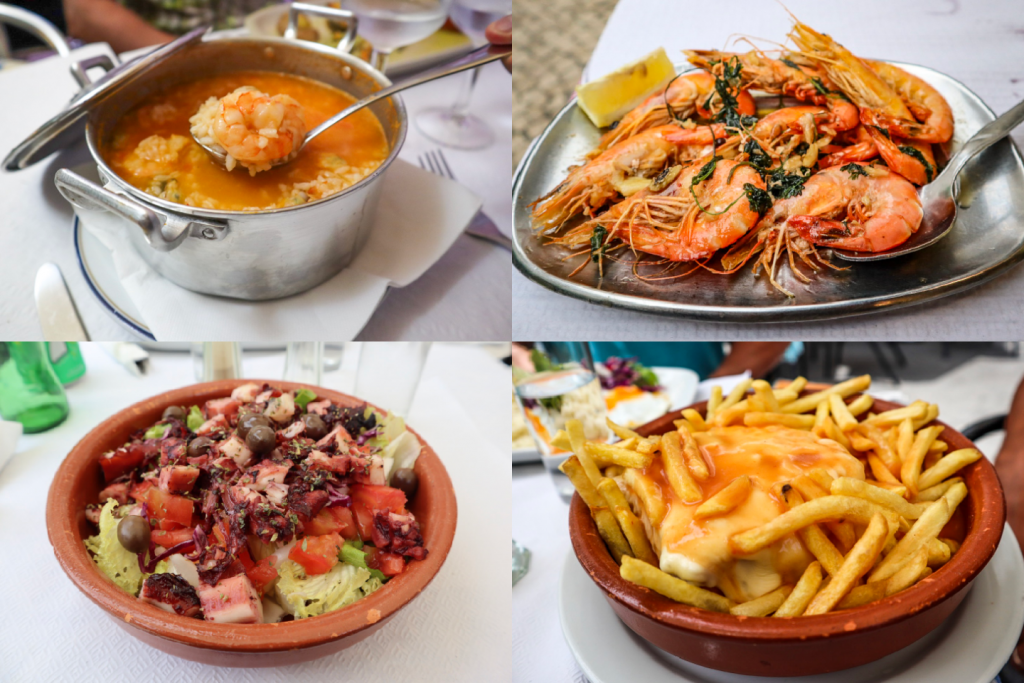
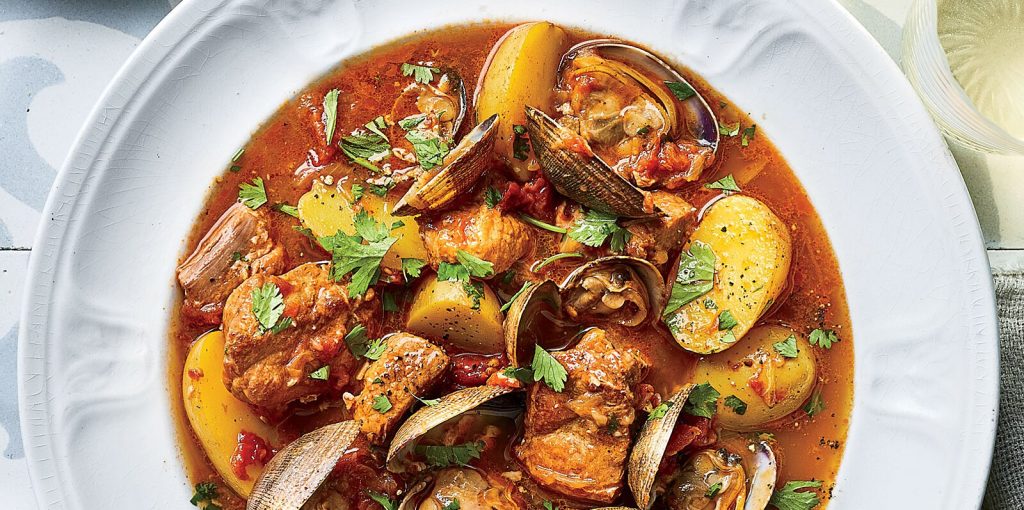
Centuries of exploration and a far-reaching empire left their mark on Portuguese cooking, while Portugal’s culinary traditions also influenced kitchens across the world. In Brazil, Portuguese roots can be seen in dishes like feijoada and caldeirada (a hearty fish stew). In Macau, Macanese cuisine blends local and Portuguese flavors, while in former territories of Portuguese India—such as Goa and Kerala—dishes like vindalho marry vinegar, chilli, and garlic into boldly spiced curries. This exchange of flavors has made Portuguese cuisine both deeply local and unmistakably global.