LUVARIA ULISSES

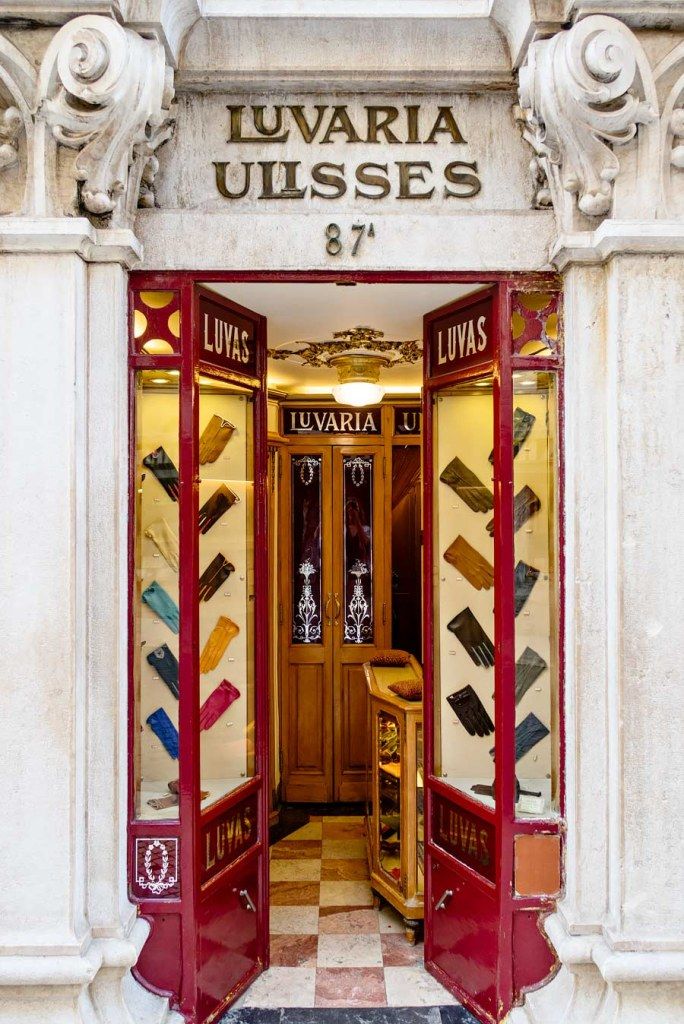
PORTUGAL’S LAST GLOVE SHOP. This ‘hand Haute couture’ business is likely one of the smallest in the world, with only one client at a time welcome within its charming Art Deco décor. It is a member of a dwindling type of vintage store that offers just gloves, custom-made for each customer. Artisanal leather gloves for men & women in a stylish neoclassical showcase open since 1925.

Rua do Carmo 87A

www.luvariaulisses.com
CAZA DAS VELLAS LORETO

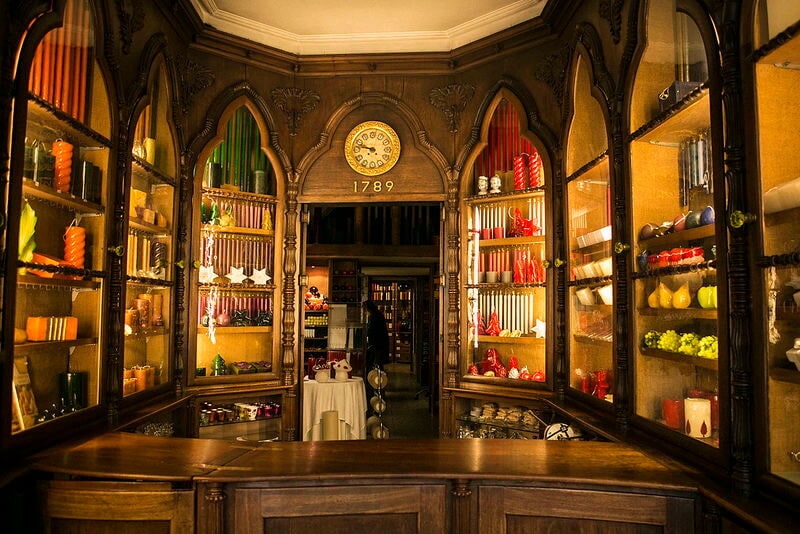
Since its inception in 1789, this magnificent shop has sold candles of all forms, sizes, smells, and colours. The shop’s wood-panelled interior is a work of art in commercial architecture. As you enter, you’ll feel as if you’ve been transported to a bygone era, where service is more personal and attentive than you’ve ever encountered.

Rua do Loreto 53/5

www.cazavellasloreto.com.pt

CHAPELARIA D’AQUINO

This is one of the few remaining shops from another era in Lisbon. Chapelaria d’Aquino is a headgear speciality boutique that has been a go-to source for hats for generations of fashionable Lisboetas.

Rua do Comércio 16-A
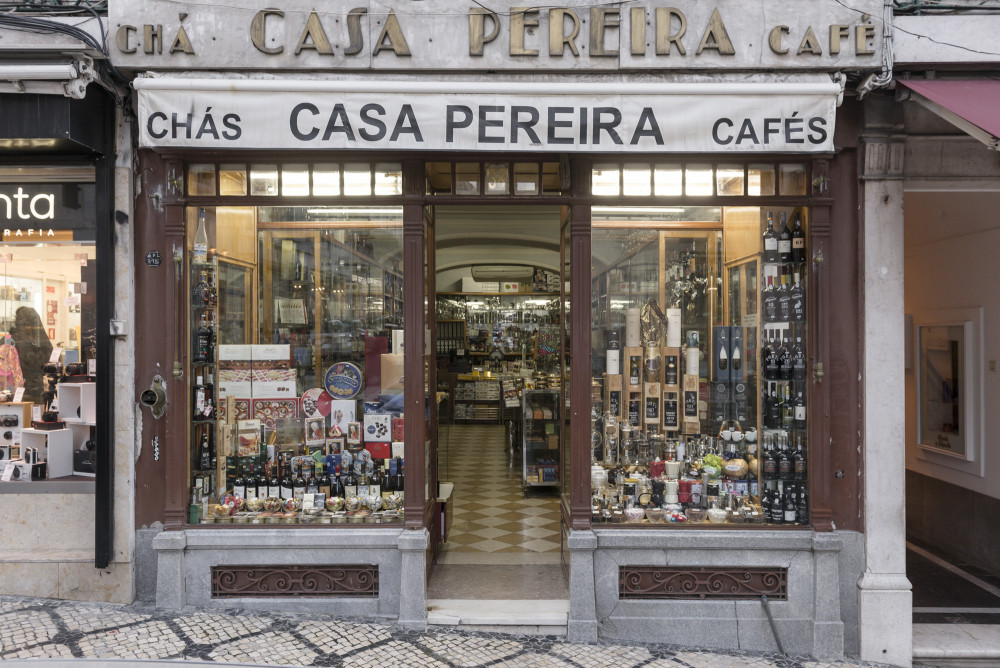
CASA PEREIRA

Since the early twentieth century, Casa Pereira has been a family business, and it remains the place to buy high-quality coffee beans, teas, and chocolates. As in the past, the shop sources a large proportion of its products from vendors in former Portuguese colonies, namely from São Tomé and Brazil.

Rua Garrett 38
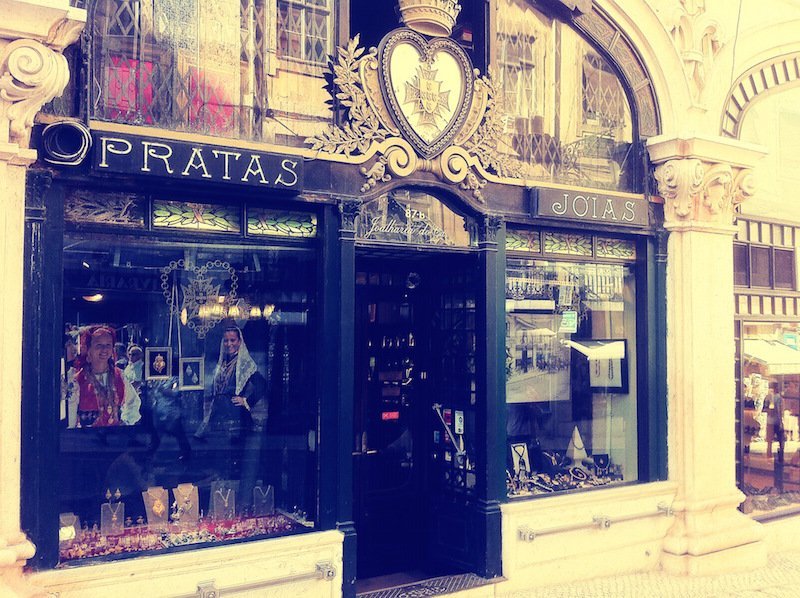
JOALHARIA DO CARMO

Adjacent to Luvaria Ulisses, the Carmo jeweller has remained in the same location since 1924. The store, which is part of a family-run business formed in late nineteenth-century Porto, is particularly lovely, with its art deco design. You may be required to ring the bell to gain access.

87B Rua do Carmo
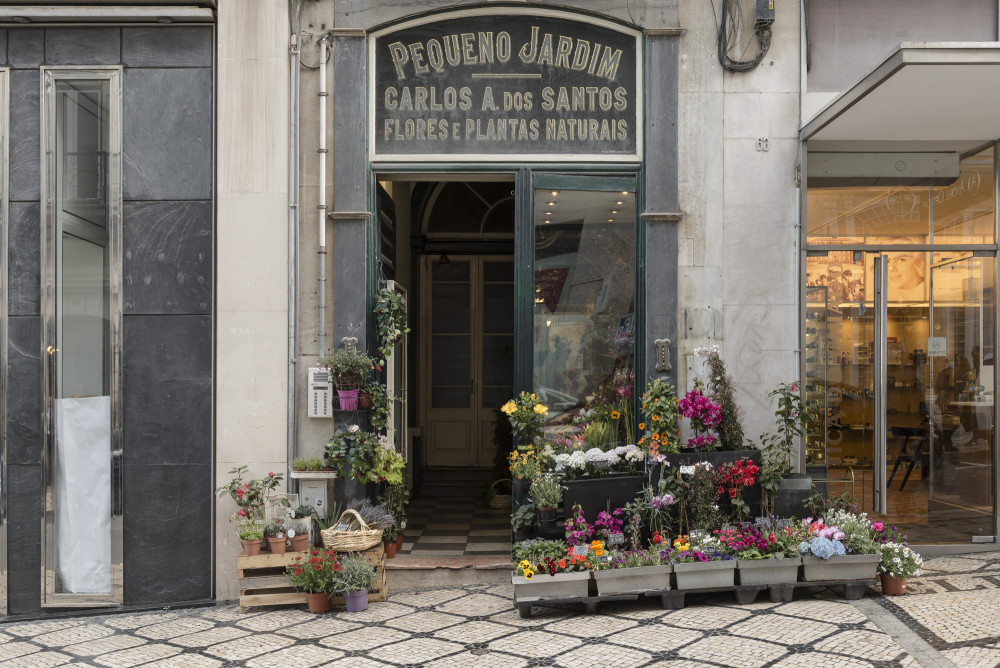
SMALL GARDEN FLORIST

Oldest Florist shop in Lisbon

A Frenchman travelling through Lisbon at the beginning of the twentieth century fell in love with the city’s delicacy and established the “Petit Jardin” in a classic stairway in the heart of Chiado.

O Pequeno Jardim (translated as The Little Garden), a Portuguese traditional florist, was founded in 1922. Since then, it has become a required stop for inspiration, with its array of colours and perfumes from around the world.

Officially elected as a  “Historical Shop”

Rua Garrett 61 , 1200-203 Lisboa

www.pequenojardim.com
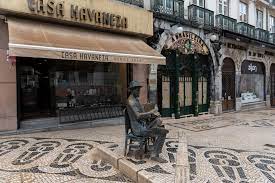
CASA HAVANEZA

Casa Havaneza, established in 1864, is Lisbon’s first cigar merchant. The location’s significance in the 1870s is attested in the writings of various Portuguese authors, including Eça de Queirós, who makes several references to Casa Havaneza in his works.

25 Avenida do Chiado
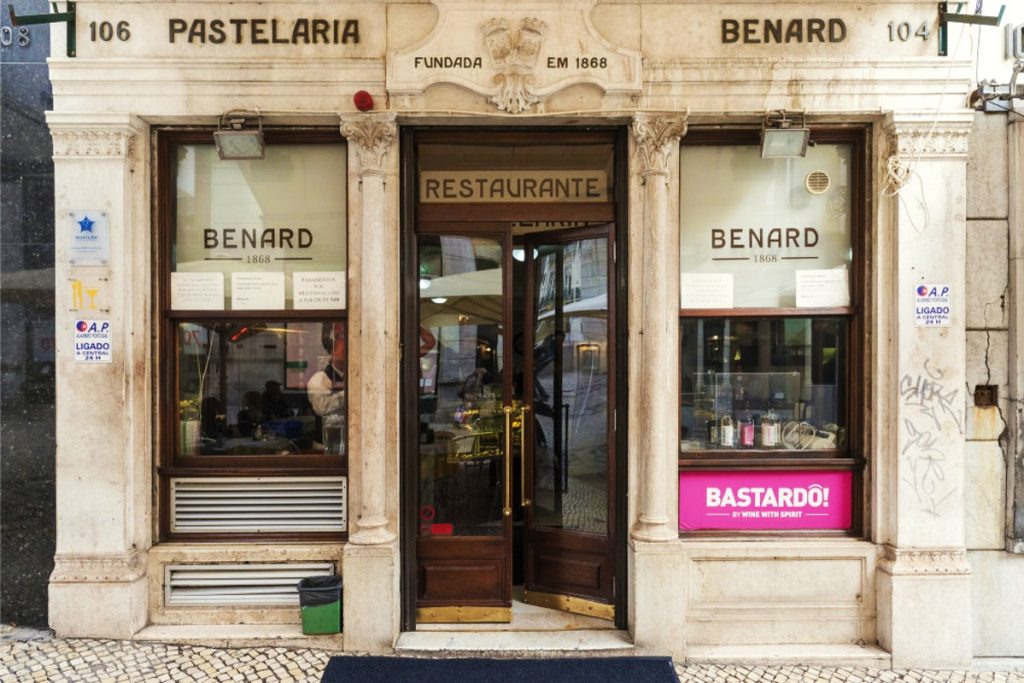
PASTELARIA BENARD

Pastelaria Benard, founded in 1868, is one of the oldest surviving patisseries in Lisbon. If you’re looking for an outstanding croissant, look no further — according to some, Benard’s croissants are the best in Lisbon.

Garrett Road, 104

PARIS EM LISBOA

Established in 1888Paris in Lisbon is evidence of the elegant Chiado of the nineteenth century. At the time, the store sold the best linen, silk and embroidery directly from Paris, becoming a supplier of the royal Portuguese court by the beginning of the twentieth century. Over the years, the shop evolved to adapt to the new shopping patterns. Today, it is a three-storey shop offering a wide selection of bed, bath, table linen and related products. 

Rua Garrett, 77
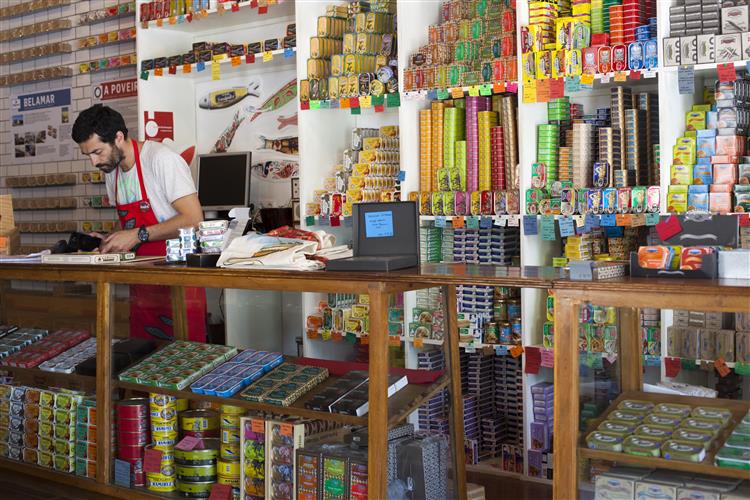
CONSERVEIRA DE LISBOA 

Conserveira de Lisboa was founded in 1930 as Mercearia do Minho. Because one of its founders, Fernando da Silva Ferreira, was a retailer of canned food at the time, canned food became the company’s mainstay. He began his career as an employee and saved enough money to buy a third of the company.

In 1942 Conserveira the Lisboa was consolidate as the official name after being through some different partnerships, even though Fernando da Silva was always a main partner in the company. During the 60s/70s the company achieved success by owning two big warehouses.

The business retains its original appearance, which is reminiscent of the 1930s. The main counter, shelving, and office remain unchanged.

No.34, Rua dos Bacalhoeiros

THE HOSPITAL DE BONECAS (The Doll Hospital)

Many toy stores sell dolls, but this is one magical establishment that cares about the relationship between the toy and its owner. In Lisbon’s Hospital de Bonecas, treasured dolls, stuffed animals, and other toys are painstakingly restored and repaired. Each wounded toy is repaired with care and accuracy – arms are reattached, eyes are replaced – and a cherished plaything is given to its thankful owner. The Hospital de Bonecas has been in business since 1830, also sells Spanish Mariquita Perez and Paola Reina dolls, German Schild Krot dolls, and recreated vintage-style doll clothing.

Praça da Figueira, Nº 7

www.hospitaldebonecas.com
Portugal is one of the oldest countries in Europe. Its history has shaped the landscape, defined culture, and influenced architecture. The castle is perhaps the most evocative of all the historical structures found throughout the country.

Portugal is densely fortified with castles. They can be found on hills and mountains, as well as plains and rivers and in towns and cities. Indeed, these mighty monuments serve as historical markers, and their romantic appeal is noticeable. Each has a distinct personality and a story to tell. They are fascinating reminders of the country’s noble, if sometimes turbulent, history.

Some of the best castles in Portugal are listed below.

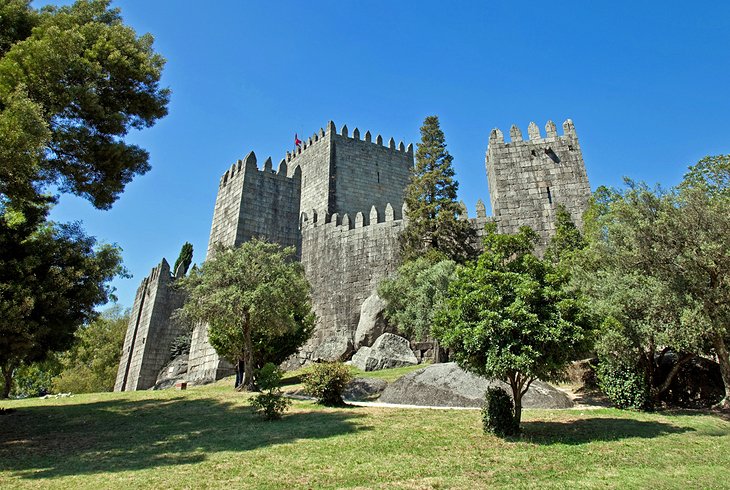
1. Castelo de Guimarães, Guimarães

Guimares, in northern Portugal’s wild and verdant Minho province, is also the birthplace of Dom Afonso Henriques, Portugal’s first king, and was once the capital of the kingdom of “Portucale.” Because of its historical significance, UNESCO designated the old town as a World Heritage Site in 2001.

The magnificent Castelo de Guimares is the most important structure. With foundations dating back to the 10th century, the structure you see today is largely the result of two centuries of expansion by Henry of Burgundy, as well as reinforcements in the second half of the 14th century. The imposing heavy-set walls and a series of crenellated towers conceal a rather modest interior, the highlight of which is the central keep – the Torre de Menagem.

Visitors can walk along the sturdy ramparts and absorb the tangible medieval atmosphere. Climb the keep, however, for a true sense of occasion and to take in some spectacular views of the surrounding area. Following that, you can pay a visit to the small Romanesque chapel of São Miguel, just outside the castle walls, where Dom Afonso was baptized.

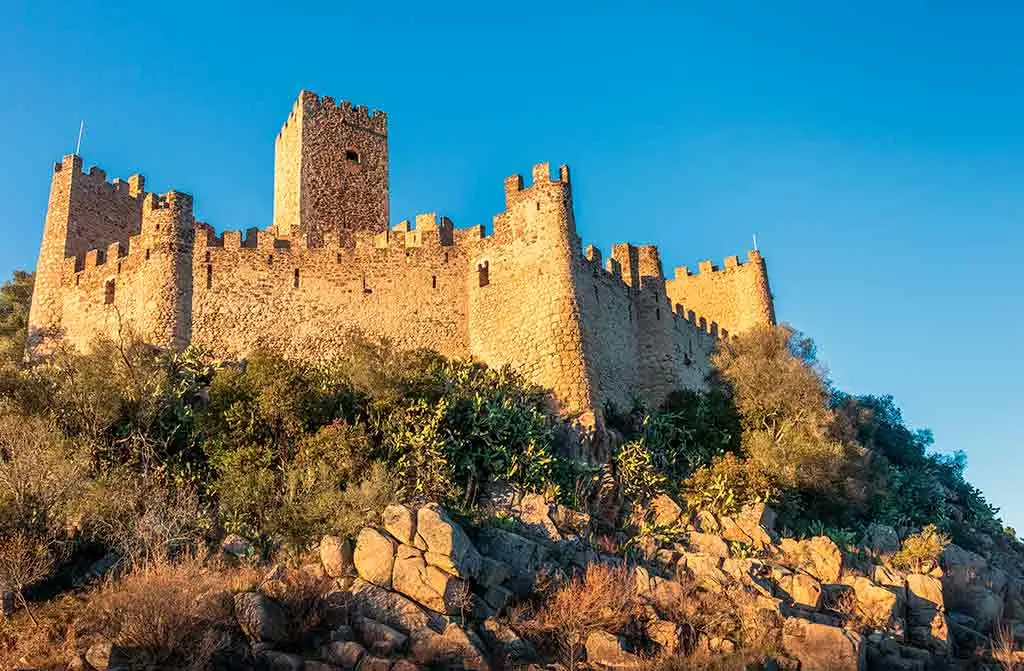
Famous Castles in Portugal-Castle-of-Almourol

2.Castelo de Almourol, Vila Nova da Barquinha

The spectacular setting of Castelo de Almourol on a stony, pocket-sized islet in the Tagus River makes it arguably the most evocative of all Portugal’s castles. The redoubt, with its tall, narrow keep and ramparts adorned with towers, is the embodiment of medieval Portugal.

Almourol Castle, built on the foundations of a Roman fortress in the late 12th century, served as a defensive trading post, guarding river traffic between the region and Lisbon, further south.

However, the Order of the Knights Templar, later known as the Order of Christ in Portugal, is most closely associated with the stronghold. The secretive order established itself on the islet, confident that even if the river was breached, the craggy shore and the castle’s vertiginous walls would keep marauders at bay.

A ferry now transports visitors from a landing stage opposite the castle. Once ashore, you can make your way through the undergrowth to the entrance. Within the walls, there isn’t much to see. Instead, reaching the top of the keep rewards you with an uninterrupted pastoral view.

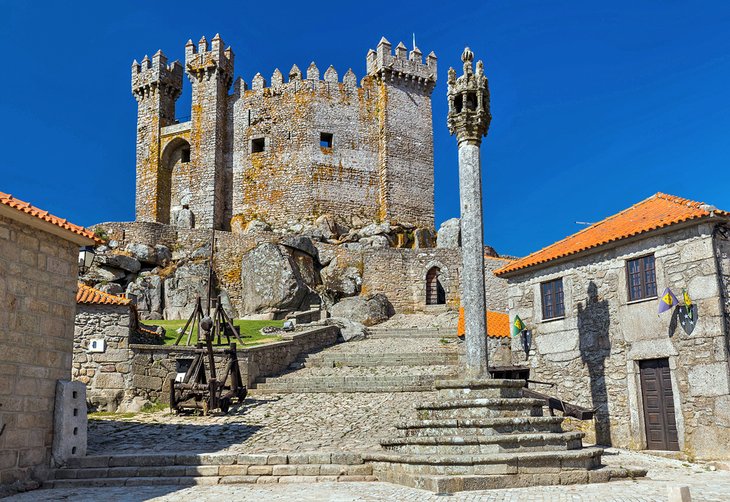
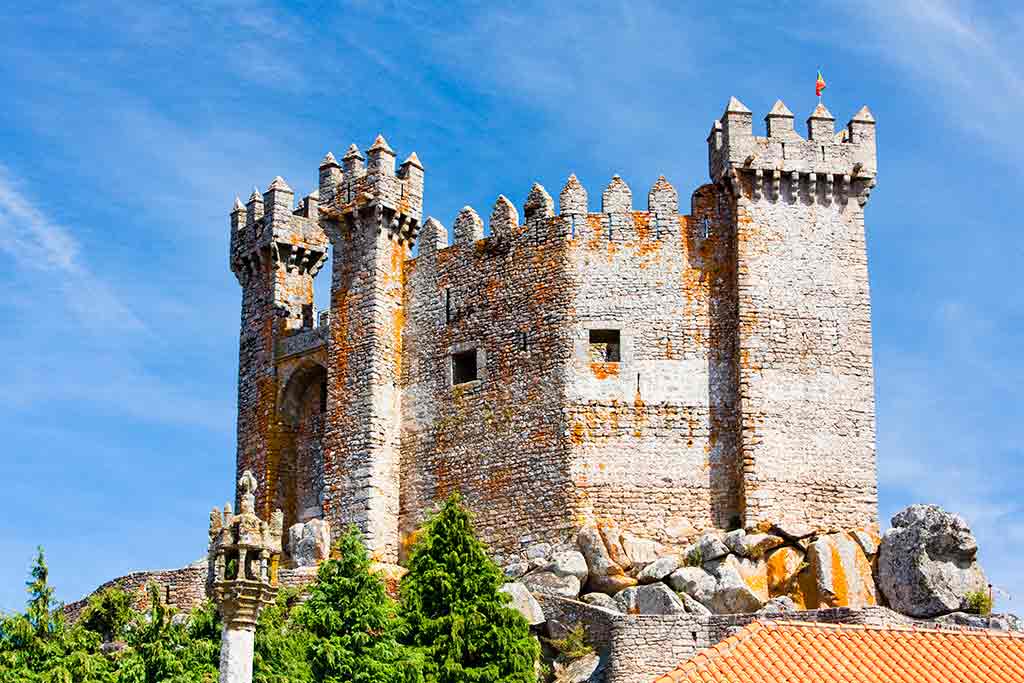
3. Castelo de Penedono, Penedono

The Castle of Penedono, also known as Castelo do Magrico, is located on the top of a rocky crest, 947 meters high, giving it a sense of grandeur and Medieval charm. This solid lichen-encrusted fortress has stood here since the 10th century.

As Penedono’s population grew in the early 16th century, the castle was converted into a residence. Since the 14th century, the castle has been a focal point for Portuguese nobility, most notably housing the Coutinho family during the Portuguese dynamic crisis of 1383-1385. By the 1800s, it had fallen into disrepair. The castle, which was renovated in the 1960s, is now a local landmark known for its heavy castellated walls crowned with pyramidal tops.

Visitors enter the castle through the town’s stone-clad square, which is notable for its toothpick-like Pelourinho (pillory). There isn’t much to see inside the castle, but the views from the battlements are spectacular.

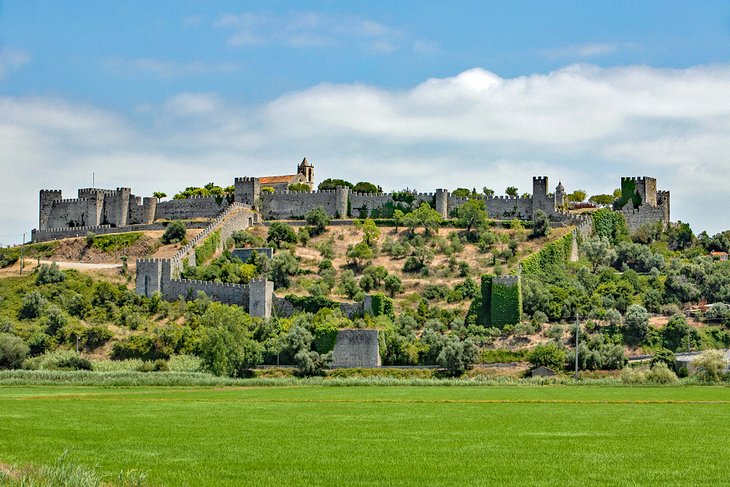
4. Castelo de Montemor-o-Velho, Montemor-o-Velho

The castle at Montemor-o-Velho, situated on a hillside and overlooking the Mondego River, was once a primary defense for Coimbra, which is located 32 kilometers to the east.

Built on the site of a Moorish mosque in the 11th century, the castle was expanded and reinforced by successive Portuguese monarchs into what it is today, a truly impressive medieval defensive structure with crenelated walls that almost reach the water’s edge.

The church of Santa Maria de Alcaçova, founded in 1090, stands within its walls. If you go inside, you’ll notice that its naves and arches reflect the flourishing Manueline style of architecture, which was created as a result of 15th-century restoration.

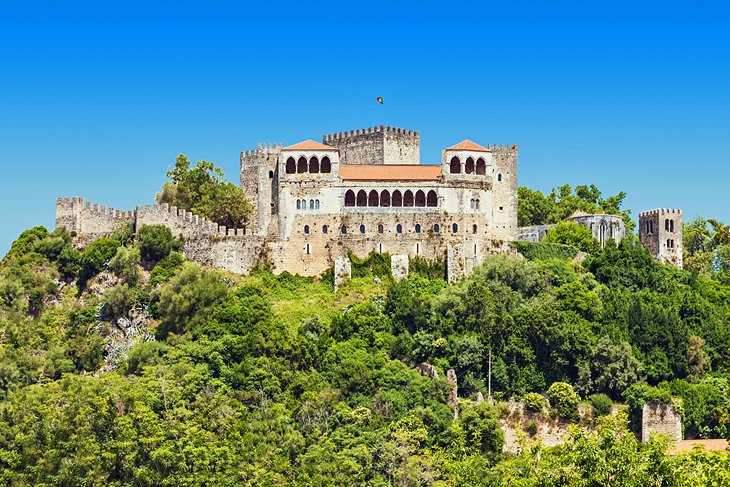
5. Castelo de Leiria, Leiria

Leiria is a lovely town with traditional charm and character that is worth a stop on your way through the Estremadura region. It is defined historically by a single outstanding monument, the resplendent Castelo de Leiria.

The castle’s foundations date back to the early 12th century, and it sits atop a hilltop in the city center. Occupied by the Moors during their dominance of the Iberian Peninsula, it was eventually recaptured in 1135 by King Afonso Henriques, only to be retaken by Moor forces five years later. Finally, in 1142, the castle came under permanent Christian control and became a popular royal retreat.

It’s a joy to visit the elevated stronghold. You enter through the Albacara Gateway before embarking on a historical stroll that takes in various points of interest. The former royal palace is an obvious draw. During the 14th century, this was King Dinis’ primary residence. The apartments are now used as a library and meeting rooms.

The keep houses a small archaeological museum. The beautiful loggia, from which you can gaze over a verdant canvas of pine forest and the town’s terra-cotta-hued rooftops, is the highlight of a tour. The castle walls also encompass the Gothic ruins of the church of Nossa Senhora da Pena.

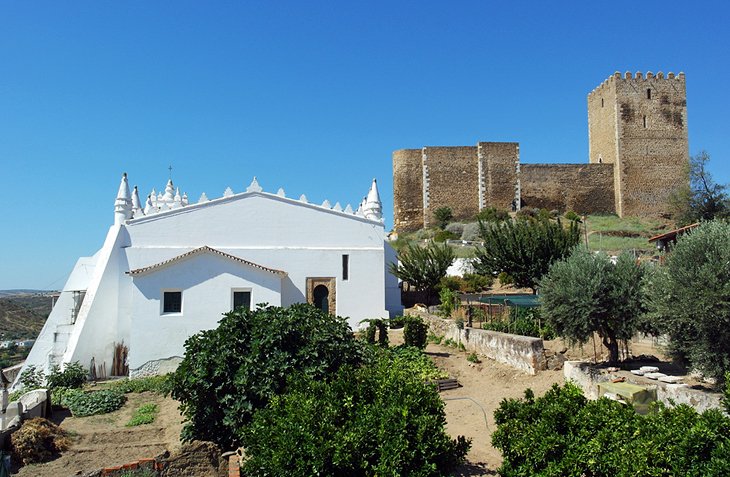
6. Castelo de Mértola, Mértola

Mértola is tucked away in the far southern reaches of the Alentejo. This charming whitewashed town is perched on a ridge high above the Guadiana River and is steeped in history. There are no less than ten mini-museums located in and around the old quarter, each dedicated to a specific era within Mértola’s time frame, a fascinating history that includes the Phoenician, Roman, and Islamic periods. The castle is the jewel in the crown of all of this.

The grounds surrounding the stronghold have been excavated to reveal the foundations of Moorish dwellings, and you should explore this archaeological wonderland before exploring the 1292 keep.

The castle was constructed to protect the approach to the town, which is located near the confluence of the Guadiana and Oeiras rivers. Mértola was once a vital river port, and lookouts stationed on the battlements could have spied the approach of a potential enemy using the waterway or threatening the town from the surrounding countryside.

Visitors can now enjoy the same valley views while peering down on the maze of narrow lanes and alleys that make the ancient walled town such a fascinating place to explore. At the same time, keep an eye out for the massive stork nests anchored on the walls near the church tower. A small archaeological museum is housed in the keep. The beautiful loggia from which you can gaze over a verdant canvas of pine forest and the town’s terra-cotta-hued rooftops is the highlight of a tour. The castle walls also encompass the Gothic ruins of Nossa Senhora da Pena church.

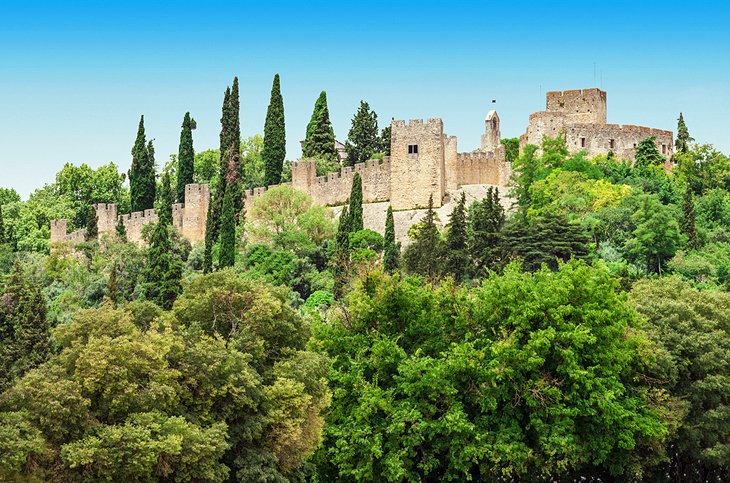
7. Castelo de Tomar ou dos Templários, Tomar

The Convento de Cristo in Tomar is one of Europe’s most significant monumental legacies of the Order of the Knights Templar, the militant monk-knights that King Dinis transformed into the Order of Christ in Portugal. The convent, one of the country’s most important historical buildings, is worth at least an hour of anyone’s time, but the adjoining castle is essential to any visit. Its oblong keep towers over the town below, one of the most beautiful in central Portugal, and serves as a model for monastic architecture.

The stronghold was built in 1160 by the Grand Master of the Templars on land given to the Order in exchange for services in battle. It consists primarily of the keep surrounded by two crenellated curtain walls. The main entrance to the Convent of Christ is nearby.

Visitors are awed by the enormous dimensions of the convent building, including the central Charola, the original Templar church, also known as the Rotunda, and the monastery’s nucleus, from the top of the keep.

The convent and its sentinel castle are so beautiful, complex, and unique that UNESCO designated the entire structure as a World Heritage Site many years ago. 

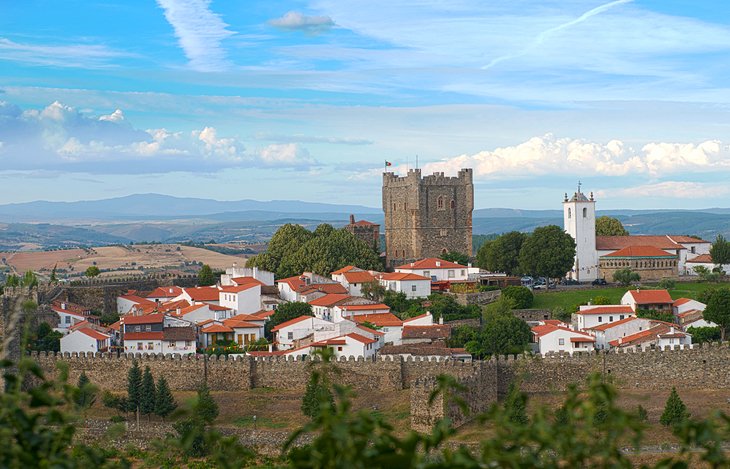
8. Castelo de Bragança, Bragança

It’s well worth the long drive northeast to visit the old town of Bragança, named after Portugal’s penultimate royal dynasty and located in the stunningly barren and wild Trás-os-Montes region. The Cidadela, or “citadel,” a complete circuit of ominous granite walls encircling a collection of superbly preserved buildings and monuments, including the formidable castle, crowns an isolated hilltop apart from the modern conurbation.

Completed in 1187 on King Sancho I’s instructions, its austere appearance is intentional, with one of its watchtowers known as the Torre da Princesa, a de facto prison where mistreated wives of deceitful noblemen frequently ended up. The fortified Gothic keep of the castle towers over the walled citadel. Inside, the Museu Militar houses a modest collection of medieval suits of armour and weaponry.

Finish the journey by ascending to the roof. The soaring viewpoint displays the walls’ overwhelming strength and impregnability.

When you return to the earth, spend some time visiting the old town. Don’t miss the Domus Municipalis, a strange-looking pentagonal council chamber and Portugal’s only surviving specimen of Romanesque civil architecture.

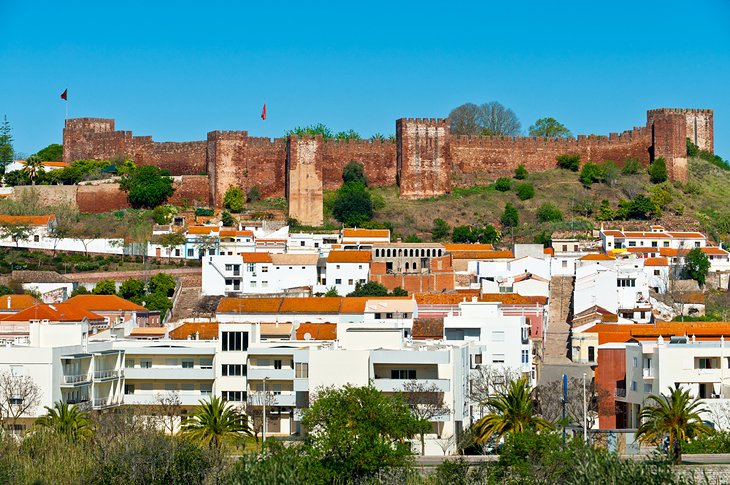
9. Castelo de Silves, Silves

The largest castle in southern Portugal’s Algarve province is also the country’s greatest example of Islamic military building, which is why the lively market town of Silves is one of the region’s most popular visitor destinations.

Silves was the cosmopolitan capital of Moorish al-Gharb as Xelb. The occupying Arabs fortified the town by constructing an apparently impregnable hilltop castle with superb walls that encircled the entire village.

By the mid-12th century, Silves had established itself as a renowned cultural centre, attracting Islamic poets, philosophers, and geographers. However, this gilded epoch was cruelly cut short by the entrance of King Sancho I and a merciless Crusader army, which devastated Silves in 1189.

Today, the castle, still clad in stunning red sandstone, provides tourists with breathtaking views of the surrounding landscape from its massive polygonal ramparts. Within the castle, there are spruce gardens and a stunning 13th-century arched water cistern, which is claimed to be haunted by the spirit of a Moorish woman.

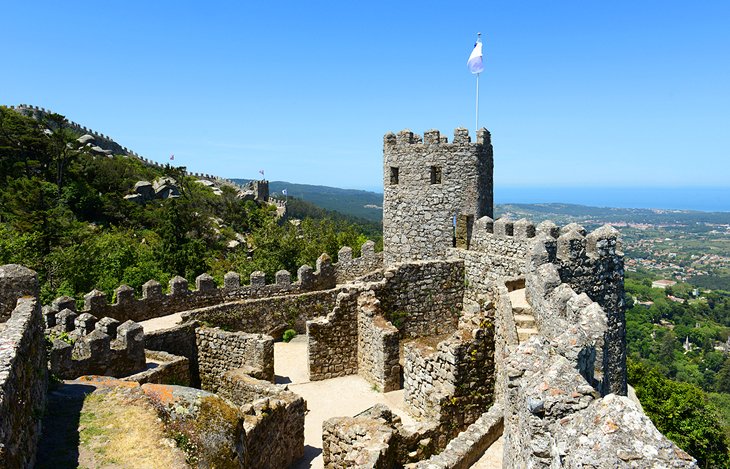
10. Castelo dos Mouros, Sintra

The spectacular late 8th-century Castelo dos Mouros, or Moorish Castle, is one of the attractions in the lush and wonderfully lovely town of Sintra. Its weather-beaten ramparts snake along the Serra’s granite-hewn outlines to resemble a line of broken teeth, clinging to a jagged cliff high up in the Serra de Sintra highlands.

The fortress remained a strategically vital stronghold for the Moors until 1147 when it was seized by Afonso Henriques, Portugal’s first ruler.

To reach the lofty redoubt on foot, you’ll need a strong set of legs (a way-marked road from the town centre leads hikers across the steep and wooded lower slopes to the castle’s curtain walls). The shuttle bus, which conveniently stops outside the main door, is used by the majority of visitors.

Allow at least an hour to explore the castle once inside. The outline of Moorish-era grain silos and a water cistern, as well as the remnants of a medieval church, may be seen on the ground. After that, climb the strong walls for a stunning stroll around the battlements, where you can appreciate dramatic views of the town below and the distant Atlantic coast.

Along the route, make a stop at “Fernando’s Tower,” a squat bulwark named for the Portuguese ruler who renovated the walls in the nineteenth century. From here, you can see why UNESCO designated the destination as a World Heritage cultural landscape.

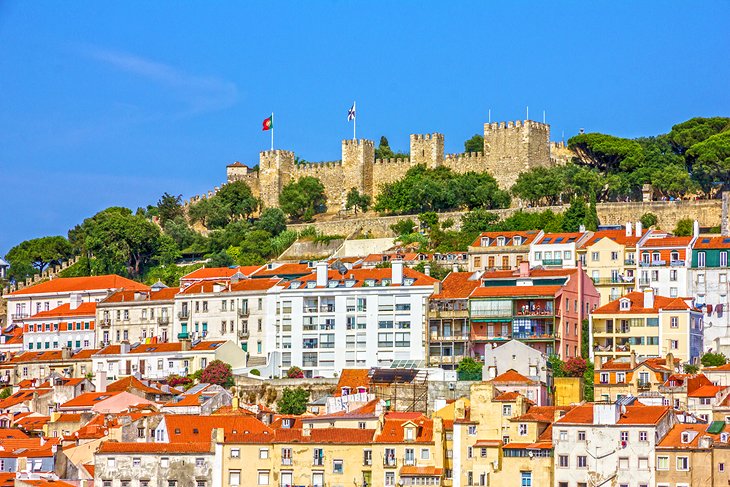
11. Castelo de São Jorge, Lisbon

The majestic Castelo de São Jorge in Lisbon is Portugal’s most visited castle. The majestic stronghold atop a hill overlooking the city’s bustling Baixa (downtown) neighbourhood is the most visible historical monument in the Portuguese capital.

The castle’s foundations date from the late 12th century, however evidence shows a fortification of some kind stood here as early as the Iron Age. It is a “must-see” on any Lisbon travel itinerary. The Moors fortified the fortifications of Lisbon sufficiently to repel Christian armies during their occupation. King Afonso Henriques ultimately reclaimed the fortress in 1147, and a palace within the fortifications was built as a royal dwelling.

The entire structure was demolished and much of the castle was damaged in the terrible 1755 earthquake. Following renovations, most of its previous magnificence was restored, and today, Castelo de São Jorge remains one of Lisbon’s most appealing tourist attractions.

Climbing atop the battlements and walking along the ramparts is the greatest way to appreciate the castle’s size. Several towers provide elevated views of the city below. Torre de Ulisses, for example, has a camera obscura that projections views of the capital onto the interior walls. Children will enjoy scrambling over the cannons that line the observation deck, which offers a wonderful view of Lisbon and the Tagus River.

Other attractions include an exploration of the foundations of the once-grand royal palace and an exhibition of objects uncovered during archaeological excavations at a nearby interpretive centre.

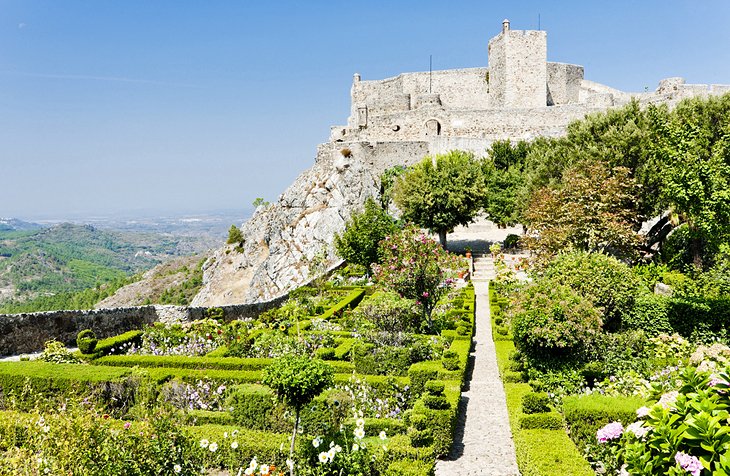
12. Castelo de Marvão, Marvão

The wide Alentejo area of Portugal is littered with spectacular castles, but few compare to the secluded beauty of Marvo. The well-preserved castle, in fact an extension of the calm medieval hamlet perched high up in the distant Serra de So Mamede, looks across an expanse of desolate plains into Spain. Indeed, it was built as a border castle over existing Moorish foundations in the late 13th century to withstand Spanish incursions.

A long, winding trip to the top of a granite cliff, where Marvo sits 861 meters above sea level, is required to visit the castle. Its 14th-century walls, as well as its later 17th-century buttresses, are impressively unscathed. The battlements encircle a keep and an outstanding cisterna, which is still full with water.

The trees that adorn the spruce lawn cradle lovely almond blossoms in the spring. The only other distraction is the village itself, a cluster of tiny, whitewashed cottages sitting over cobblestone alleys that appear to be imprisoned in a 600-year time warp. The most remarkable part, though, is the breathtakingly beautiful scenery and the history it invokes. The sensation is utterly hypnotic.

13. Castelo de Alcoutim, Alcoutim

Alcoutim, a lovely riverside village, is one of the Algarve’s untouched beauties. The little hamlet overlooks Sanlcar de Guadiana, a similar-sized village perched on the opposite side of the river in Spain, and is located on the banks of the Guadiana River, deep in the heart of the countryside. The old walls of Alcoutim’s castle, which overlooks the coastline, add a lot to the bucolic landscape.

Alcoutim Castle, built in the 14th century to replace an abandoned Moorish fortress further north along the river, acted as a barrier against Portugal’s ancient rival, Spain; the Guadiana acts as a natural border for both countries and is at its narrowest point in this beautiful postcard spot. The fort also served as a checkpoint for trade along the bustling river.

Only a small part of the wall remains nearly 600 years later. Fortunately, this faces the village and the river, so visitors are rewarded with a picturesque view of the surroundings. Within the keep, an interesting archaeological museum has been built, with a display of exhibits illustrating the region’s history.

Take a ferry to Sanlcar and see what is essentially a mirror image of Alcoutim: the Spanish settlement even has its own ruined castle, perched high in the hills to the east. The more daring can return to Portugal via zipline, the world’s only cross-border zipline trip.

14. Castelo de Monsaraz, Monsaraz

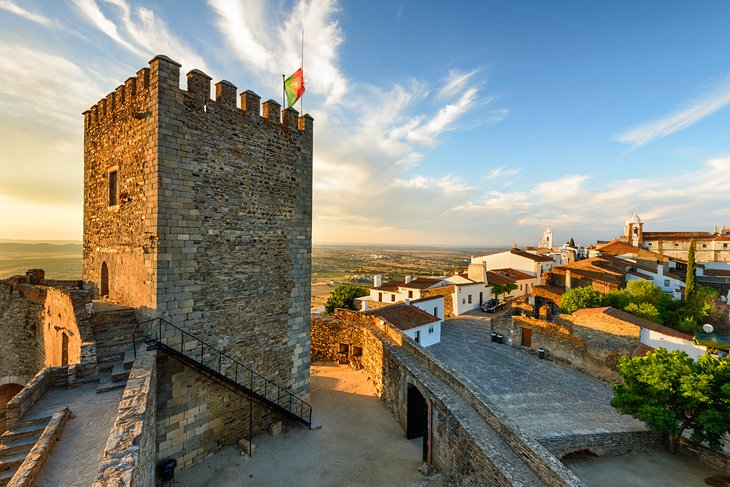
The castle linked to the walled medieval town of Monsaraz in the Alentejo region of Portugal is one of the country’s most well-known. In reality, this vast region is known for its numerous ancient forts, and this magnificent redoubt is as gorgeous as they come.

The castle, built in the 13th century on the instructions of Kings Afonso III and Dinis as part of a network of border defences to dissuade Spanish attack, perches on the western edge of the hill it’s set on, at the end of a long cobbled road that runs the whole length of the town. Its ramparts mix in with the walls that appear to support the chalk-white terraced buildings that line the narrow streets and lanes of Monsaraz.

Because this is an isolated part of the nation, don’t be shocked if you’re the only one following the battlements or scaling the keep. Needless to say, the views are spectacular, with acres of perfectly combed fields, cork oak, and, in the distance, Europe’s largest man-made reservoir, the Barragem de Alqueva.

Arrive here at sunrise if you have the chance. The rising temperature causes a mist to form on the water, gently enveloping the surrounding landscape in a magnificent gossamer shine. At dusk, though, the castle walls gleam in a tangerine wash as the treasured relic is bathed in mild lights.

15. Castelo de Santa Maria da Feira, Santa Maria da Feira

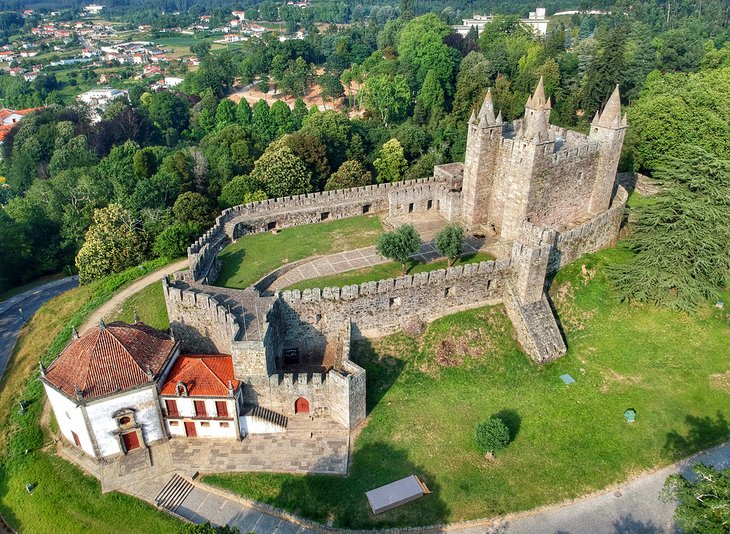
Santa Maria da Feira’s pinnacled and crenellated castle crowns a hill overlooking this rich town near Ovar in Portugal’s Beira Alta area, dating back to the 15th century but benefiting from significant 20th-century rebuilding.

The castle, a symbol of Portuguese medieval military construction, lies on the site of a temple dedicated to a local deity, the foundations of which date back to the 11th century. In the 1400s, a fortress-like structure was constructed over the hallowed ruins, which was eventually purchased by wealthy town citizen Ferno Pereira. In an attempt to transform the stronghold into a magnificent castle, he constructed watchtowers and conical turrets. It was passed down via his family until 1700.

Since 1910, the castle has been designated as a national monument, and it now provides a unique opportunity for exploration. The parapets and walls provide pleasant views of the town and surrounding countryside, and the structure has retained its picturesque aspect.

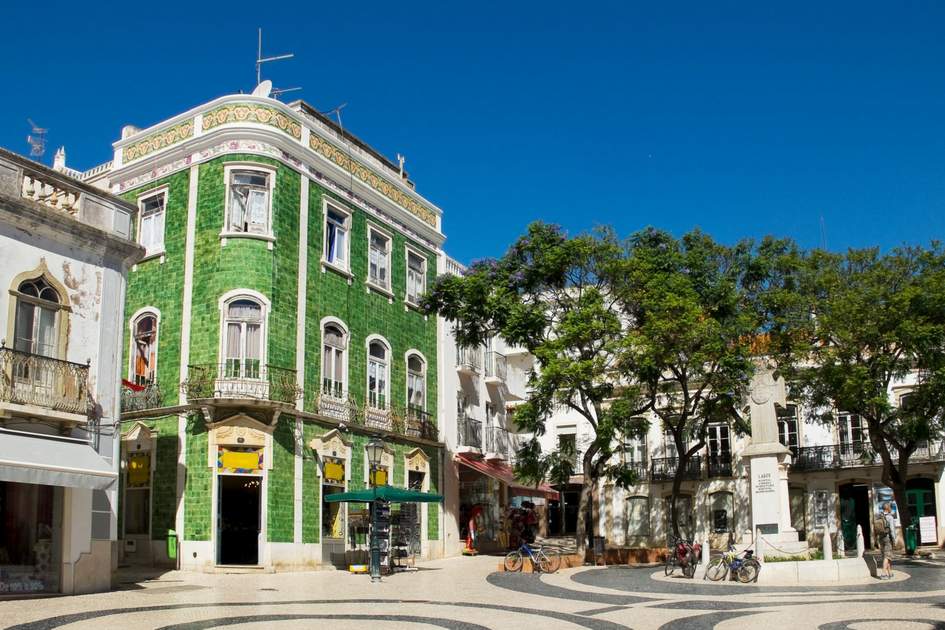
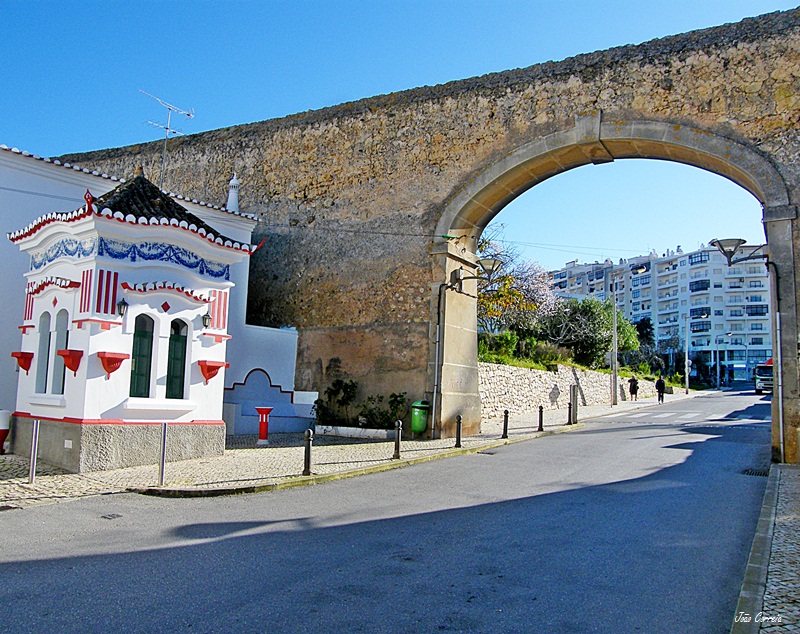
Lagos is a town in Portugal with a 2000-year maritime history. Lagos is derived from the Latin Lacobriga, which refers to a Celtic settlement established during pre-Punic civilizations. It became a Carthaginian settlement early on when the Carthaginians recruited Celtic tribesmen to fight the Romans (the Punic Wars).

Owing to its already important harbour, it was colonized by the Romans and integrated into the Roman province of Lusitania, becoming known as Lacobriga. With the fall of Rome, the town of Lagos was occupied in the 6th century by the Visigoths from the Kingdom of Toledo and later by the Byzantines.

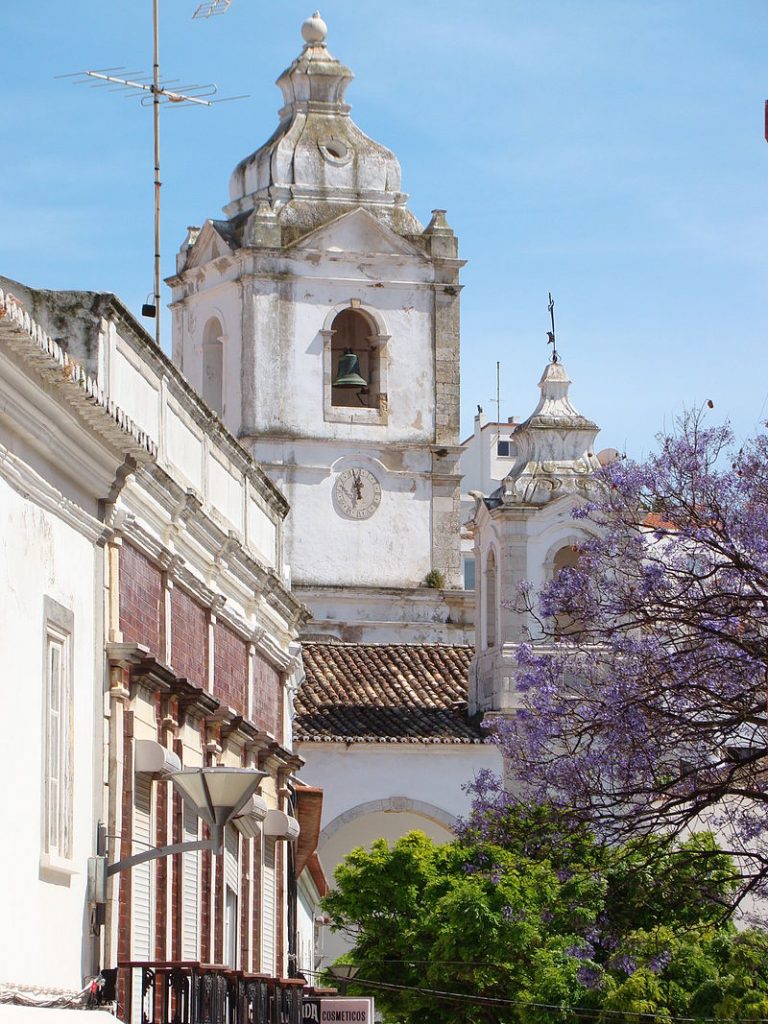
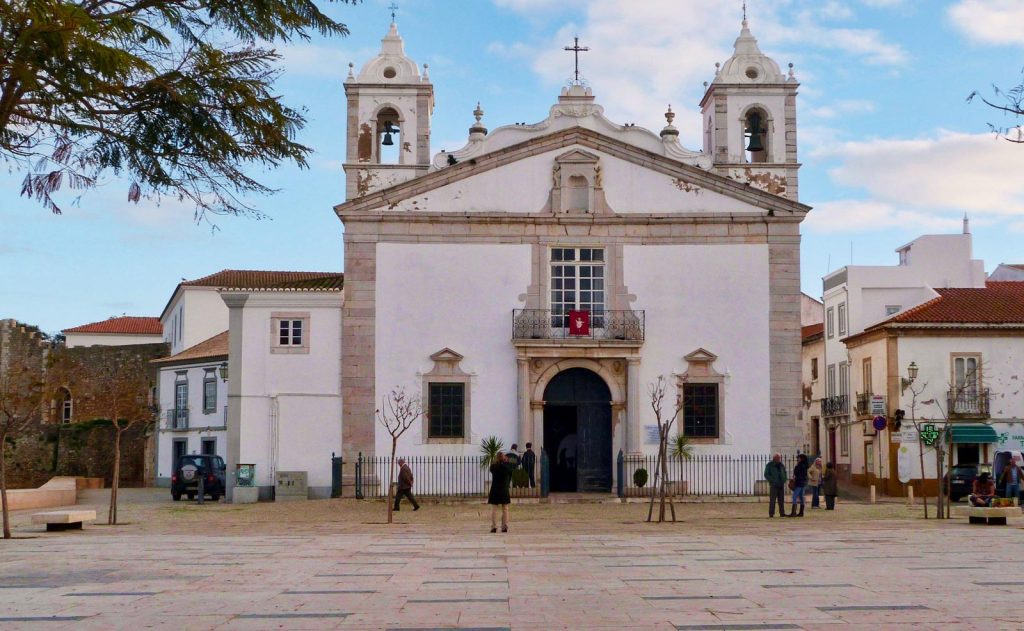
The Moors arrived in the 8th century from North Africa, renaming the settlement Zawaia (meaning lago, or lake). It became part of the much larger coastal region of al-Gharb, which eventually became known as the Algarve. The Moors fortified the town with Lagos Castle and established important trade links to Northern Africa from their bases in the Iberian peninsula. In 1174, the local Wāli gave permission for the Christian peoples to construct a church dedicated to São João Baptista, which was built outside the town’s walls (becoming the oldest church in the Algarve).

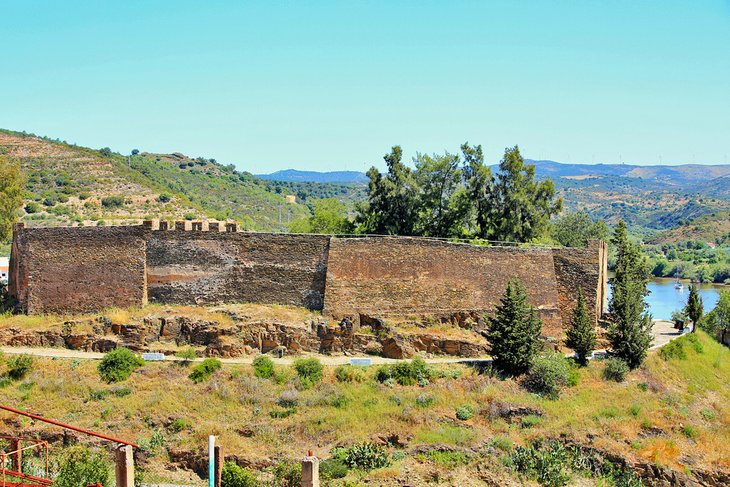
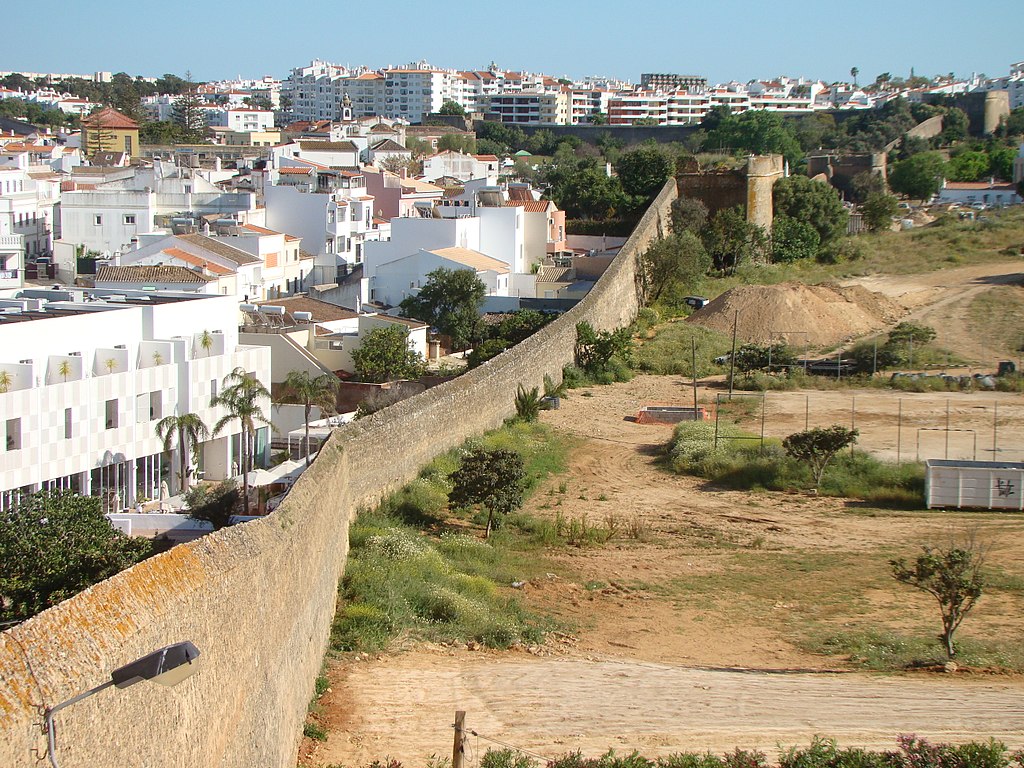
The Lagos Castle is a medieval castle located in the Portuguese municipality of Lagos. Its walls encircled the entire city of Lagos, serving as the city’s primary defence. The town walls of Lagos date back to the Roman era.

They were rebuilt by the Moors and significantly expanded during the reigns of Portuguese kings D. Manuel and Filipe I in the 16th century to protect the expanding city centre. There are nine towers and seven gates on these walls, which were constructed for artillery. In the late sixteenth century, a section of the wall was converted into a residence for the Algarve’s Governors.

Lagos has many natural interest sites, including

  • Ponta da Piedade (English: Mercy Point)
  • Grutas da Costa d’Oiro (English: Golden Coast Grottos)
  • Laguna de Alvor (English: Lagoon of Alvor)
  • “Bravura Dam” English: Bravura Dam)
  • Mata Nacional de Barão de S.João (English: National Forest of the Baron of Saint John), representing a varied flora that includes Pine (Pinaceae), Acacia (Acacia), Eucalyptus (Eucalyptus) and Strawberry trees (Arbutus unedo), with six pedestrian trails and six campsites. In the zone of Pedra Branca, is a Paleolithic menhir, called the Menhir of Pedro do Galo, accessible through the pedestrian trails, visitors can use the tables and picnicking areas near the guardhouse for barbecues, while small children have access to a playground.

Lagos Beaches

Meia Praia (Half Beach) —the most popular tourist beach, consisting of soft, white sand, Meia Praia is one of the largest open bays in Europe, resulting in calm seas, permitting conditions for many nautical sports, while cliffs provide sheltered coves from strong windy conditions;

Praia Solaria (Sunny Beach)

Praia da Batata (Potato Beach) — a small beach tucked between two small cliffs (where the river meets the Atlantic Ocean), it is known for the small music festivals that take place there during summer;

Praia dos Estudantes (Students’ Beach)

Praia da Dona Ana (Dona Ana Beach) -its areal is slightly thicker than the beaches in the surrounding area and it is surrounded by striking rock formations. At high tide the beach is split by the geomorphology of the cliffs;

Praia do Canavial (Canavial Beach)

Praia de Camilo (Camilo Beach)

Praia da Luz (Beach of Light) – located in the parish of Luz, the beach is bounded in the east by Rocha Negra (English: Black Rock), providing summer vacationers with a popular escape during the summer.

Praia da Balança– located after Praia da Boneca and Praia dos Pinheiros, it is a sandy cove enclosed by towering cliffs.


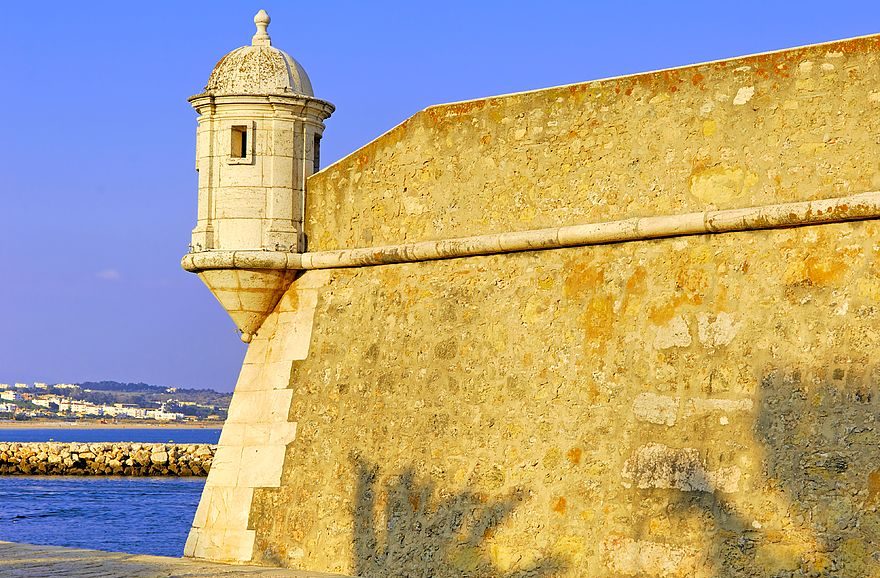
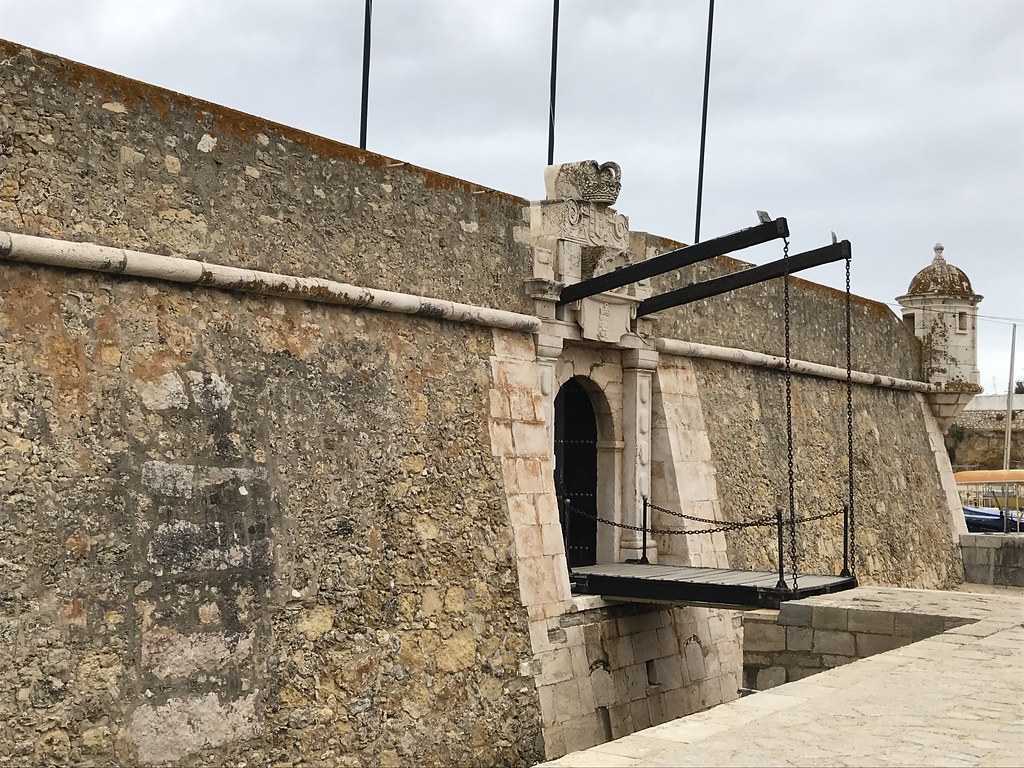
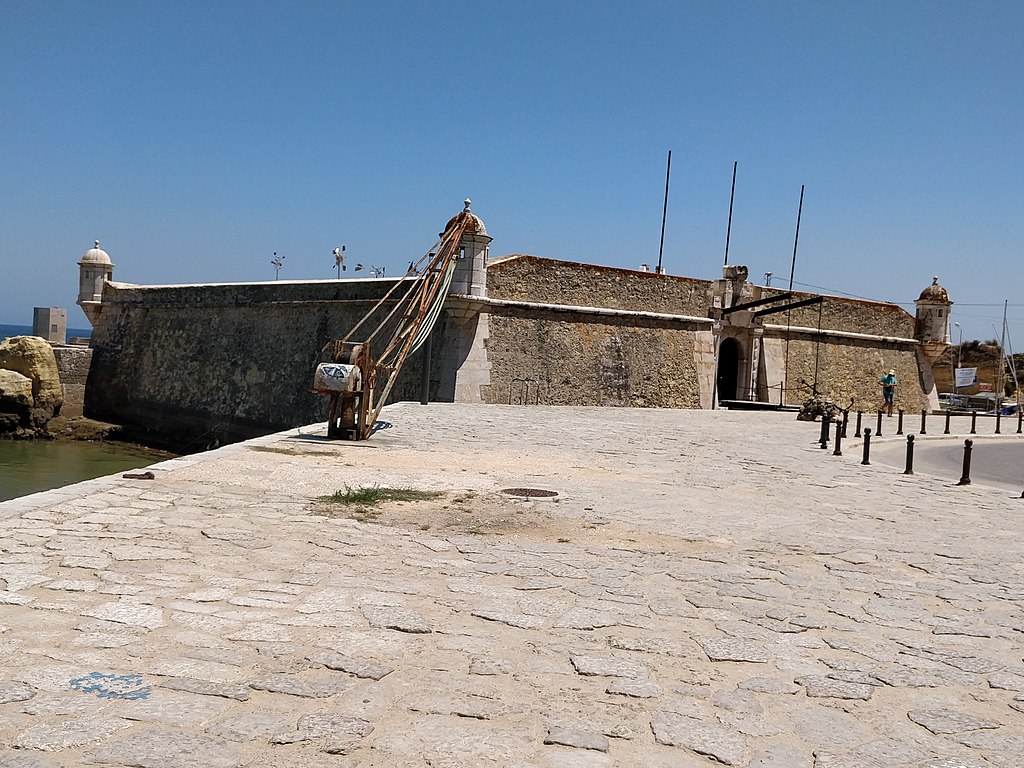
Ponta da Bandeira, also known as the Fort of Our Lady of Penha de Franca (or simply Lagos fortress), is a small fort located on Lagos’s waterfront, where the Bensafrim River empties into the sea and overlooks Praia da Batata beach. From 1577, Lagos served as the administrative capital of The Algarve, and this fortress, built around 1690, would have been one of the key defensive structures guarding the strategically important harbour against raids by Corsairs, pirates, and the Spanish.

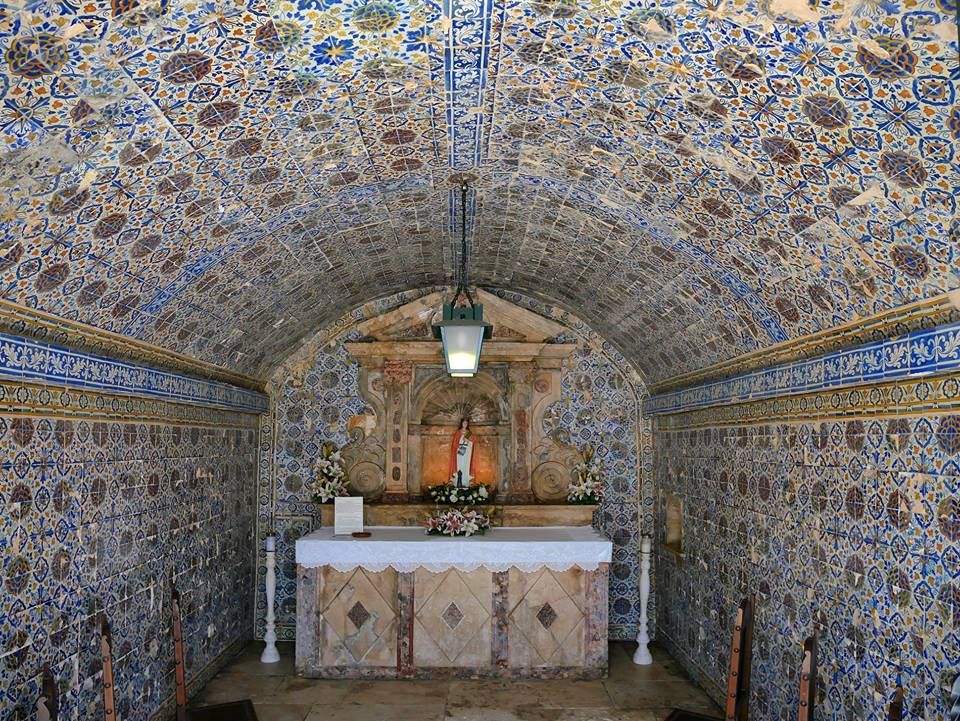
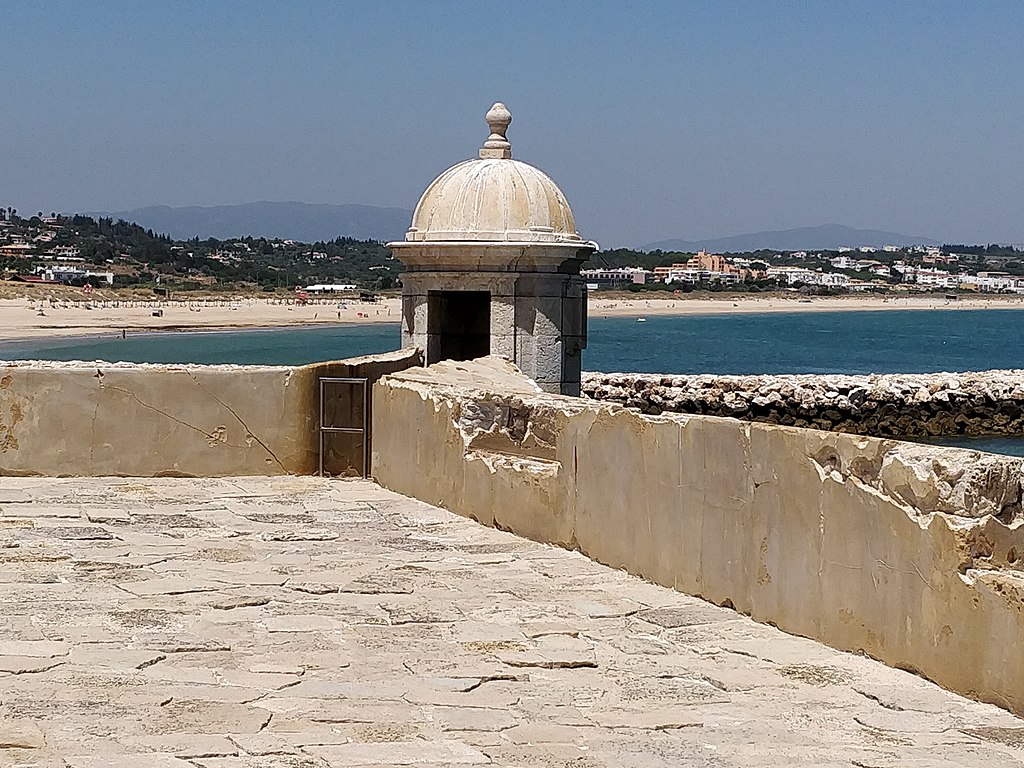
It was considered one of the most advanced in the Algarve region at the time of its construction. It was designed for artillery battles, with a square-shaped layout and thick walls on the ocean sides. The upper terrace is accessed via a ramp. The structure was partially surrounded by a moat and featured a single entrance that was accessed via a drawbridge. A stone coat of arms and a stone plaque above the entrance indicates that construction was begun by the Count of Sarzedas and completed by the Marquis of Nisa. It features several cylindrical sentry boxes that were not originally part of the structure. Inside, various exhibition halls, a cafeteria, and a modest church totally covered in tiles and dedicated to Saint Barbara have been added.

You get panoramic views of the town and seafront from the fort terrace.

Portugal: A Land of History, Culture, and Natural Beauty

Whether you’re planning a visit or simply want to dive into the intriguing world of Portugal, this nation offers a tapestry of captivating stories and vibrant traditions. From its ancient history and vibrant culture to its robust economy and natural wonders, Portugal never ceases to amaze.

Image Slide 1
previous arrowprevious arrow
next arrownext arrow
Shadow

1. Portugal’s borders have remained largely unchanged since 1139. The founding of the Portuguese nation is attributed to Afonso I, who proclaimed himself King of Portugal after the Battle of Ourique. The Treaty of Zamora in 1143 formalised Portugal’s independence from the Kingdom of Leon, and in 1179 Pope Alexander III recognised it as a kingdom.


2. Lisbon: The Timeless Capital Lisbon, Portugal’s vibrant and historic capital, is the second-oldest European capital after Athens. It is thought to have been founded by the Phoenicians around 1200 BC. Built on seven hills overlooking the River Tagus, Lisbon is a delight to explore with its unique bright pastel buildings and iconic yellow trams. The city combines ancient heritage, such as the Moorish castle of São Jorge, with modern culture and nightlife in districts like Bairro Alto.


3. The Age of Discovery Portugal was at the forefront of the Age of Discovery in the 15th and 16th centuries. Portuguese explorers such as Vasco da Gama, who found the sea route to India, and Ferdinand Magellan, whose expedition was the first to circumnavigate the globe, played a crucial role in mapping the world. The Discoveries Monument in Belém, Lisbon, pays tribute to these explorers, as does the UNESCO-listed Jerónimo’s Monastery, a masterpiece of Manueline architecture.


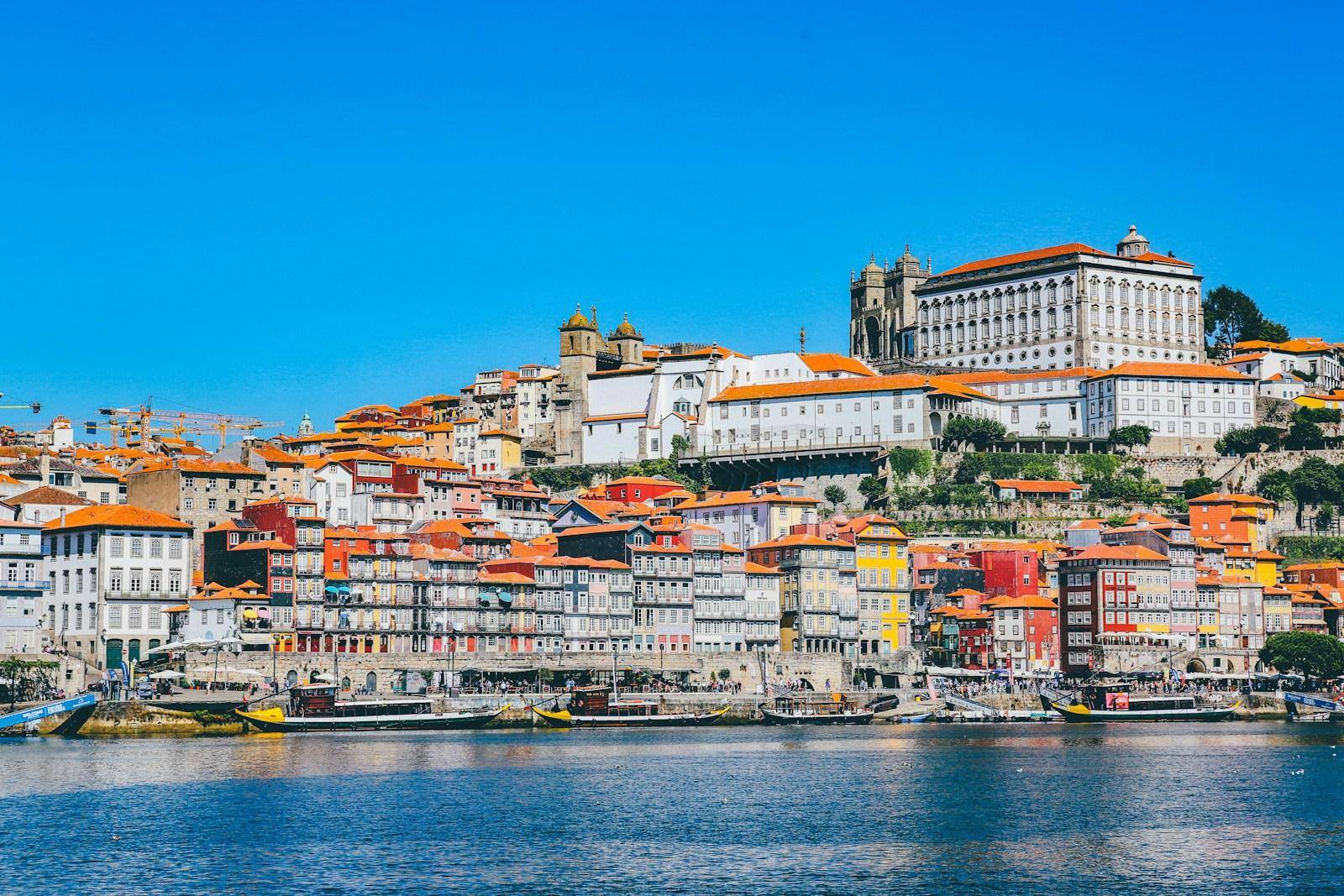
4. UNESCO World Heritage Sites Portugal is home to 17 UNESCO World Heritage Sites, showcasing its historical and cultural wealth. Highlights include the historic centre of Porto, famous for its beautiful riverside promenade, historical buildings, and port wine cellars.
Batalha Monastery: A Gothic masterpiece was built to honour the Portuguese victory at the Battle of Aljubarrota in 1385.
The cultural landscape of Sintra is famous for its colourful Pena Palace, romantic gardens, and mystical Quinta da Regaleira with its iconic Initiation Fountain.


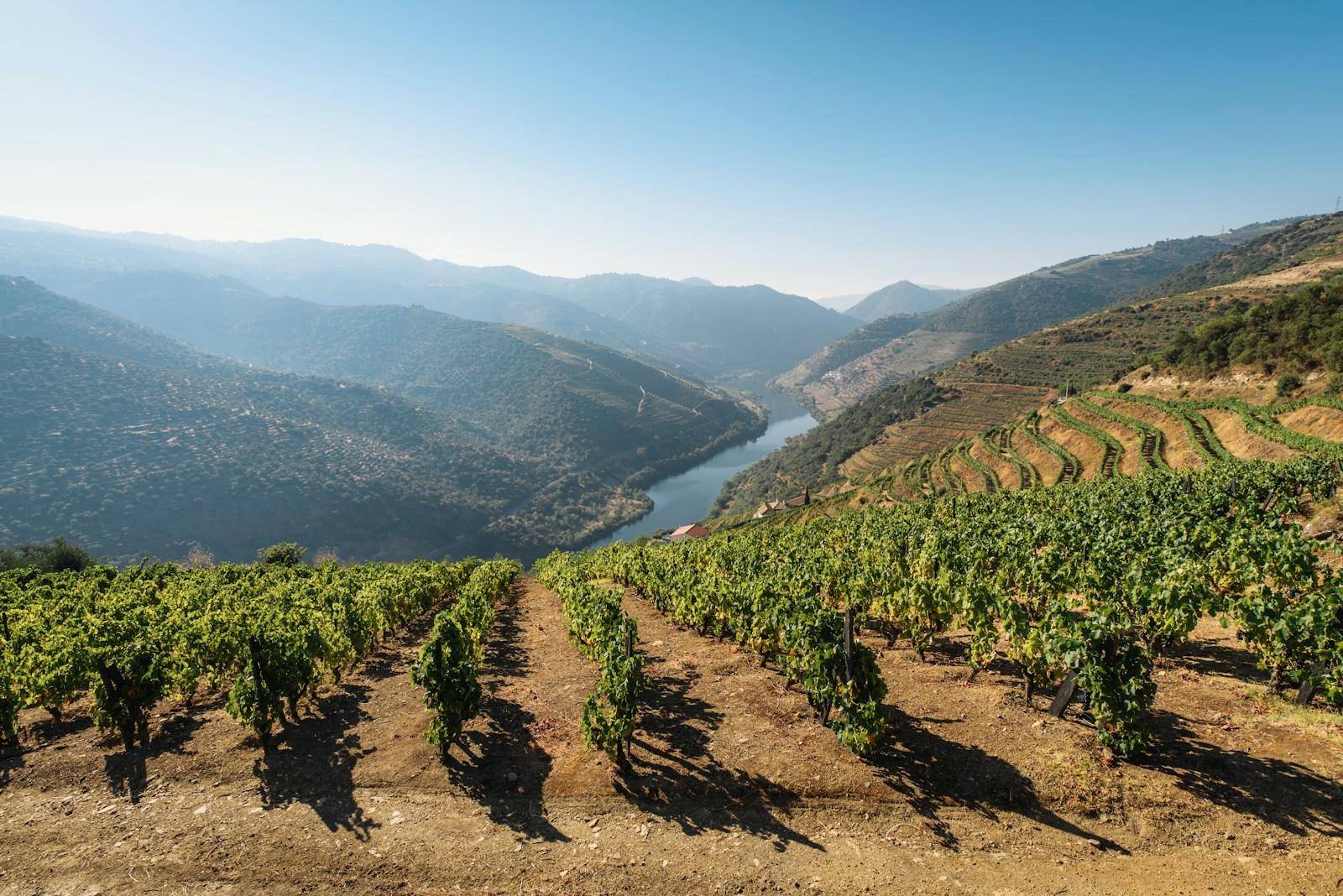
5. Portugal is famous for its wines, with the Douro Valley being the oldest demarcated wine region in the world. The port wine produced in this region is internationally renowned. The country also boasts excellent red wines from the Alentejo region and the crisp Vinho Verde from the north. Portuguese cuisine is rich and varied.
Bacalhau: They say you can eat a different cod dish every day of the year, with over 365 recipes.
Pastel de Nata: These creamy custard tarts are best eaten straight from the oven, especially at the famous Pastéis de Belém bakery.
Francesinha: A hearty sandwich from Porto, layered with meat and covered in melted cheese and a rich beer-based sauce.


6. Cork Capital of the World Portugal produces around 50% of the world’s cork. The cork oak forests, mainly in the Alentejo region, support rich ecosystems and encourage sustainable practices. Cork is not only used for wine stoppers but also in fashion and design, with innovative cork products becoming increasingly popular.


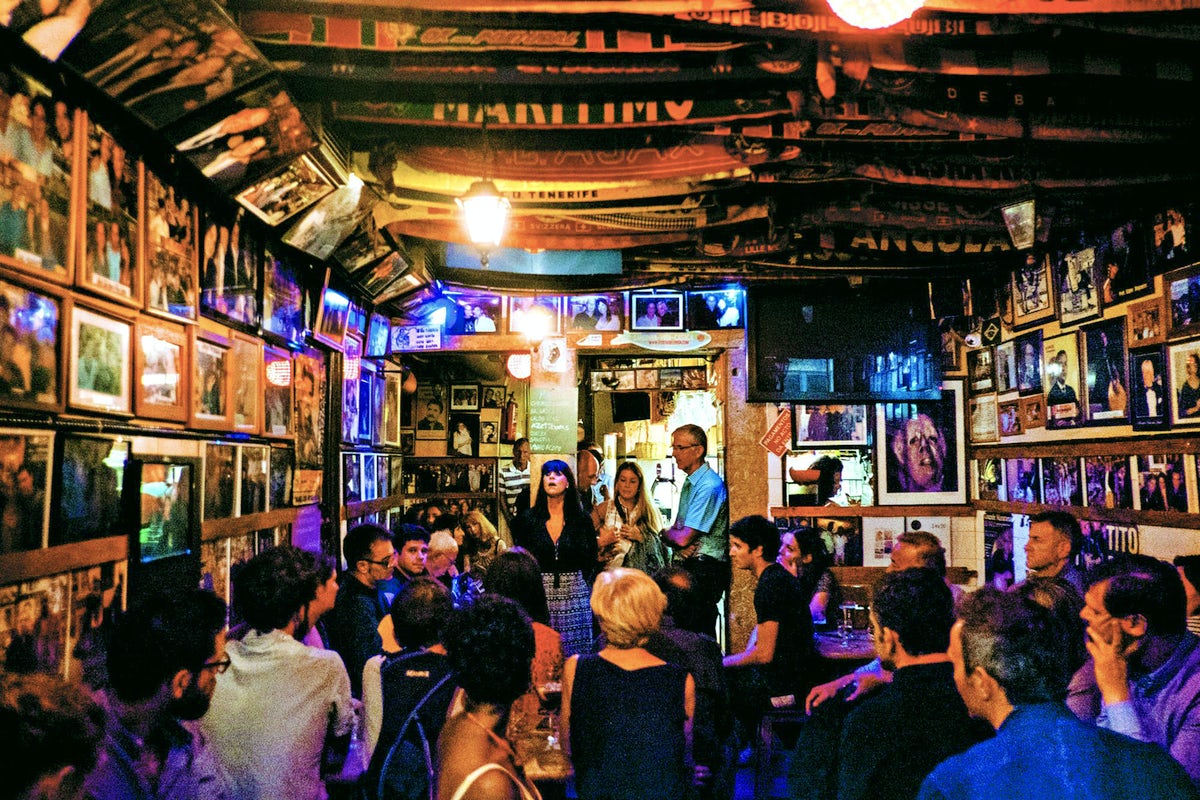
7. Fado Music: Soulful storytelling Fado, which means ‘destiny’, is a traditional genre of Portuguese music characterised by melancholic melodies and lyrics about the sea, love and longing. Lisbon and Coimbra are the epicentres of fado, each with its own style. Fado performances often take over small, intimate venues, immersing listeners in the powerful storytelling.


8. Azulejos: Art in Tiles The iconic blue and white ceramic tiles (azulejos) tell stories of Portugal’s history, religion and daily life. These tiles can be found adorning the walls of churches, palaces, and ordinary buildings. The National Azulejo Museum in Lisbon offers a deep insight into this artistic tradition.


9. Portugal has a wide variety of landscapes, from the golden beaches of the Algarve to the lush greenery of the Azores and the rugged mountains of the north. The country enjoys a Mediterranean climate, with mild winters and long, warm summers, especially along the coast.


10. Traditions and festivals Portugal celebrates many traditional festivals, such as
Festas de Lisboa (Santo António Festival): In June, the city’s streets come alive with parades, music, and grilled sardines.
Carnival in Madeira: One of Portugal’s most vibrant carnivals, with colourful parades and street parties.
Feira de São Mateus in Viseu: One of Portugal’s oldest fairs, with concerts, traditional food, and crafts.

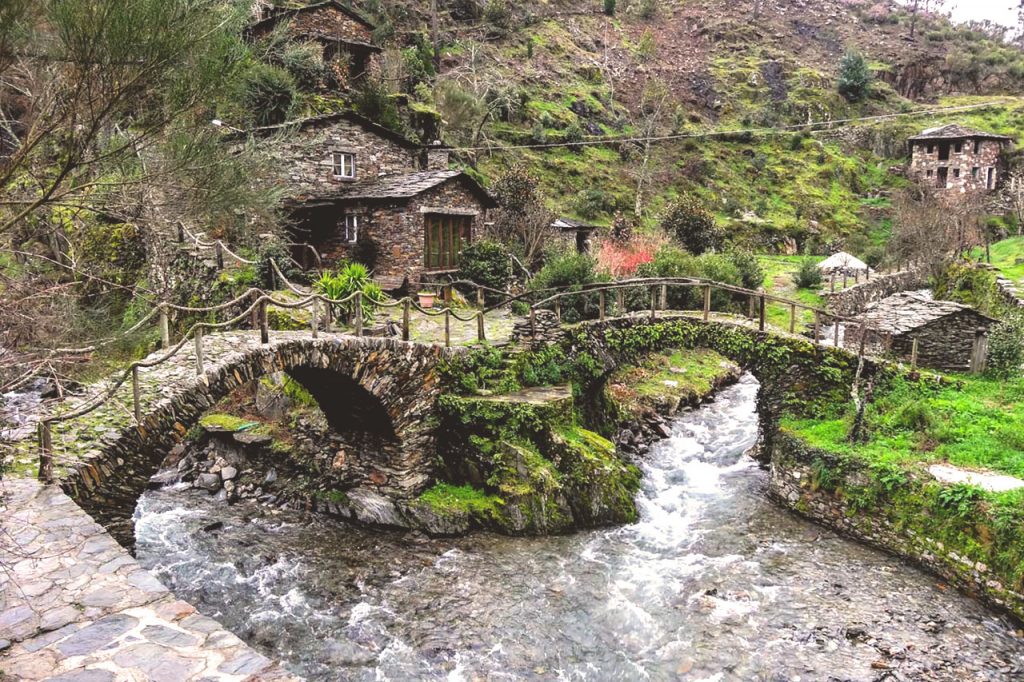
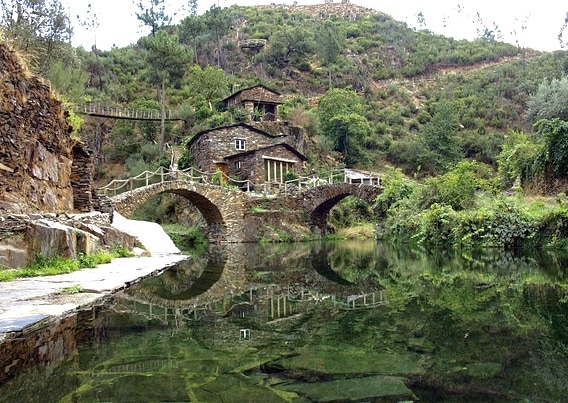
Piodão, a picturesque little village in central Portugal, clings to a steeply terraced mountainside deep within the foothills of the Serra de Açor range. This is a wilderness area with deep river valleys, pine and eucalyptus forests, and craggy peaks. It is also one of the most isolated areas in Portugal, and until the 1970s, the only way to get to Piodão was by foot or horseback.

The spring-fed pastures of the Serra de S. Pedro do Açor drew Portuguese shepherds who fed their flocks there. Agricultural and pastoral activities continue to dominate the way of life of the people of Piódo, primarily as a means of subsistence and survival.

Note the Eira, from which you can enjoy a beautiful panoramic view, and the Forno do Pão.

Piódo’s architecture will surprise you, as it is an excellent illustration of Man’s capacity to adapt gracefully to the most hostile but exquisite environments. Between tiny winding lanes, the buildings stand along the hills’ terraces, which reveal blue and schist. Schist is a stone found in abundance locally and has an appearance somewhere between slate and granite, with rich warm tones. The history of Piódo is hidden around every corner.

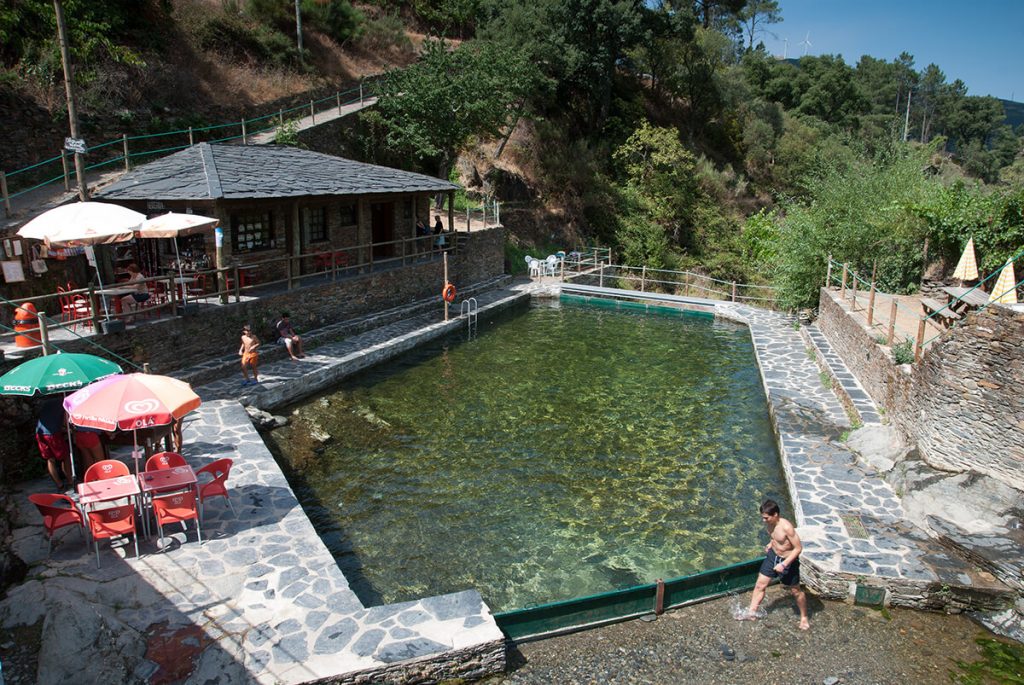
RIVER BEACH

In the Piódo creek, there is a perfect bathing spot. The water is crystal clear and refreshing, and it is bordered by trees.

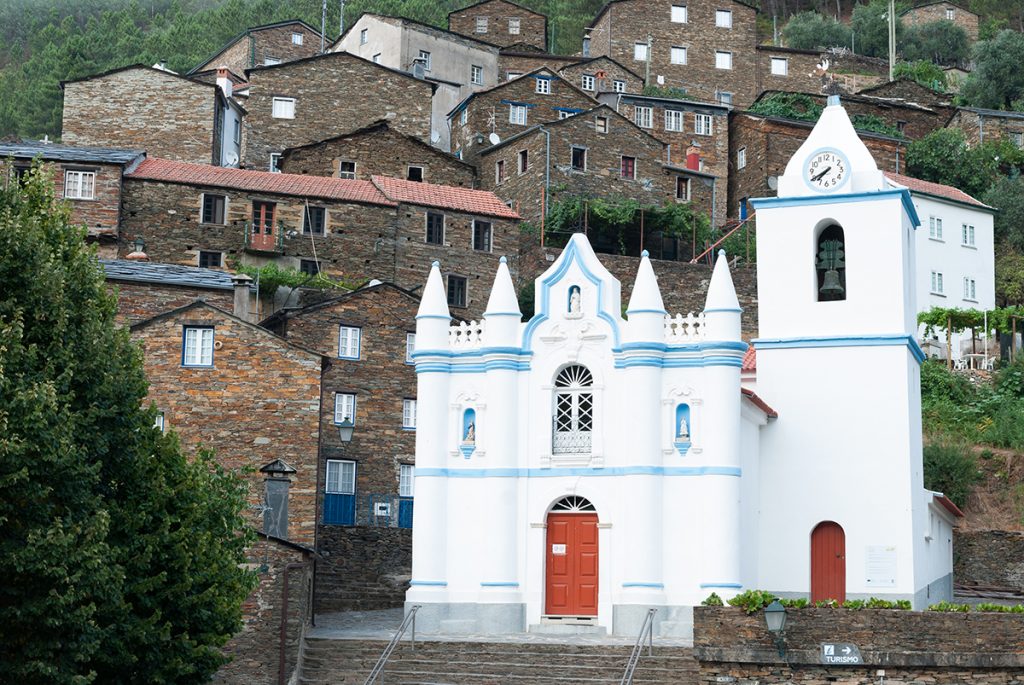
PARISH CHURCH

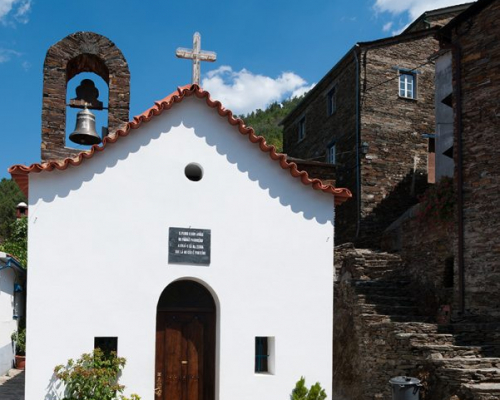
The second half of the 18th century saw the construction of this small church. Its façade was at risk of collapse in the late 1800s. To get to the church, you must ascend a flight of broad schist stairs. It consists of two portions that are juxtaposed, as well as a vestry. It has been repaired and extended multiple times and is dedicated to Our Lady of the Conception. The current façade has four powerful cylindrical buttresses that rise above the nave and are crowned by the cone, thanks to work done between 1898 and 1900. The bell tower and choir loft were also built around this time. The chancel was expanded and four cylindrical columns with buttresses at each corner were added. Canon Manuel Nogueira was in charge of the changes. A renaissance-style carved altarpiece in gilded wood with images of Our Lady of the Conception, St Michael, and St Sebastian is found inside the high altar. Other historical artefacts in the church include: In a niche in the front, a 16th-century limestone figure of Our Lady of the Conception watches over the square and blesses passers-by.

ALMAS CHAPEL

It has a wooden altarpiece with a simple painting of purgatory souls. It served as the mortuary chapel for Piódo and the nearby village.

SÃO PEDRO CHAPEL

In the 17th, 18th, and 20th centuries it was a simple place of worship within the village. It houses a St. Peter image from the 16th century.

THRESHING FLOOR

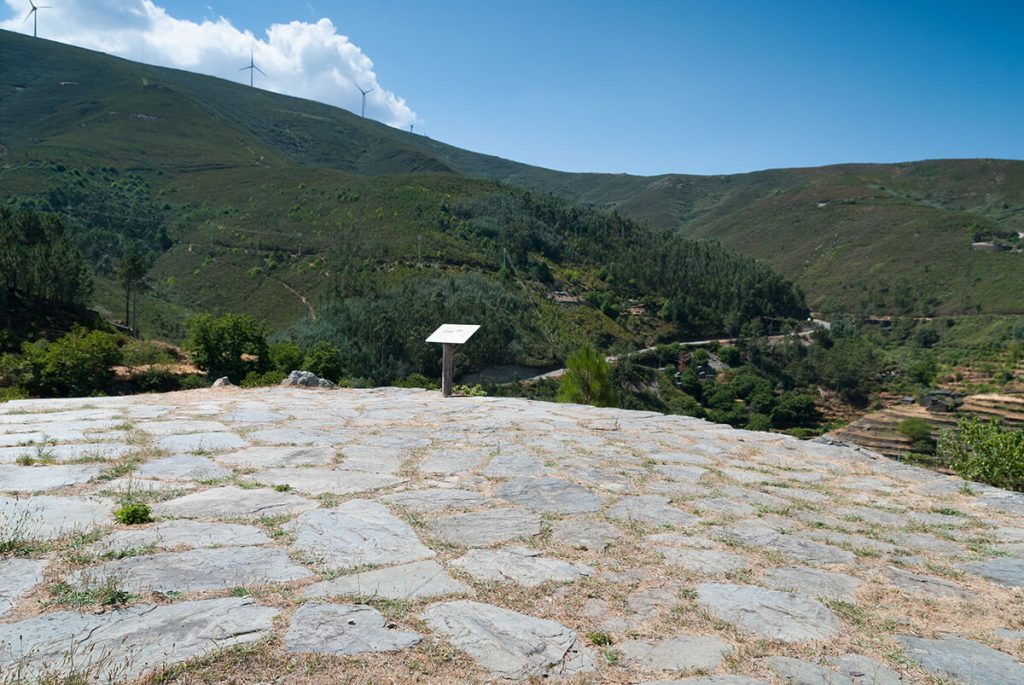
At the top of the village, there is a communal threshing floor. In small, isolated villages, residents worked together to use infrastructure (such as irrigation systems, ovens, and threshing floors) or places (common land). This was critical for their survival. This area was used to dry and thresh grain (for example, rye) and legumes (e.g. beans).

On the stones, we can see carvings such as dents and drawings, many of which represent individual or pairs of foot soles. We can assume they were associated with good luck charms for crops or product preservation.

bust

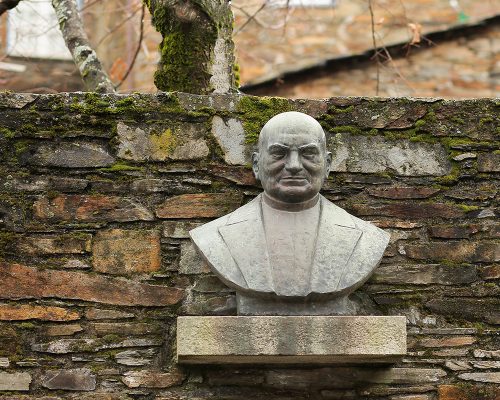
BUST OF CANON MANUEL FERNANDES NOGUEIRA

In 1861, Manuel Fernandes Nogueira was born in Loriga. In 1884, he was ordained as a priest, and in 1885, he arrived in Piódo. In 1886, he established a college to prepare students for admission to the Seminary. More than 200 boys attended the school, which was demolished in 1906 as part of the square improvement project. Many students pursued higher education, and approximately thirty were ordained, priests. He passed away in 1944

ALGARES FOUNTAIN

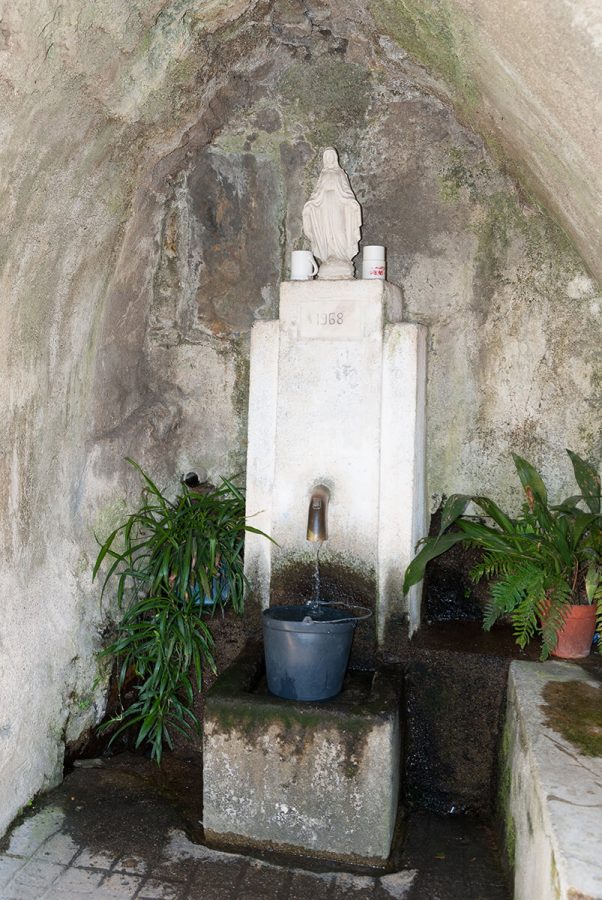
With an ogival arch, this little fountain is made of schist. It’s encased in a schist wall and mixes in perfectly with the village’s austere yet lovely surroundings.

O FONTINHA

It has been in operation since 1989, but it was recently renovated in 2012. This restaurant serves traditional regional dishes such as wood-fired goat stew, pork sausage, and grilled trout, among others. Restaurante Fontinha is located within the village (near the fountain), giving it a rustic feel.

The structure is made of traditional schist on the outside and inside, and it is extremely beautiful.

How to get to Piódão

Piódão is located in the municipality of Arganil, between Serra do Açor and Serra da Estrela, right in the center of Portugal . The village is about 60 km away from Covilhã and about 90 km away from Coimbra. The easiest way to get there is by car.

Once on the IP3 you should exit to the IC6 towards Arganil/Covilhã/Oliveira do Hospital and then take the N17. On the N17 you can choose one of the following alternatives: go to Arganil or go to Coja and then continue to Piódão.

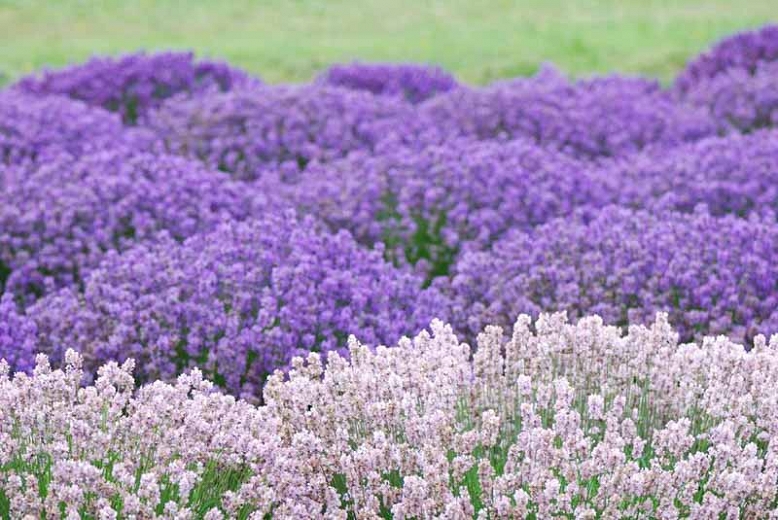
Did you know that Portugal’s national flower is lavender?

There are currently 45 different species of lavender, it is part of the mint family, and there are over 450 varieties worldwide.

What Is Lavender? Possible Health Benefits, How to Grow It, and Best  Sellers | Everyday Health

Although Provence in France is famous for its lavender fields, farms in Portugal’s Alentejo region grow lavender fields, including the ‘Portuguese Giant,’ a variety of Lavandula stoechas that has the most pungent aroma and vibrant colours. A visit to the lavender farms is a must; the fields are a riot of colour, and when combined with the heady smell, this must be one of Portugal’s best-kept secrets. This variety can grow up to 30″ tall, has a mature spread of up to 24″, is drought tolerant, and prefers full sun. It can be grown in a pot or directly in your garden and prefers dry, fast-draining soil. However, it will not survive long in shady, damp, or extremely cold conditions.

Lavender was well known as a type of medicinal herb in ancient Rome, and the Romans, who were famous for taking hot baths, would add lavender to the water to enjoy the pleasant, relaxing aroma. Lavender’s scientific name, “lavandula,” is derived from “lavare,” which is Latin for “to wash,” and ultimately translates to “lavar” in Portuguese.

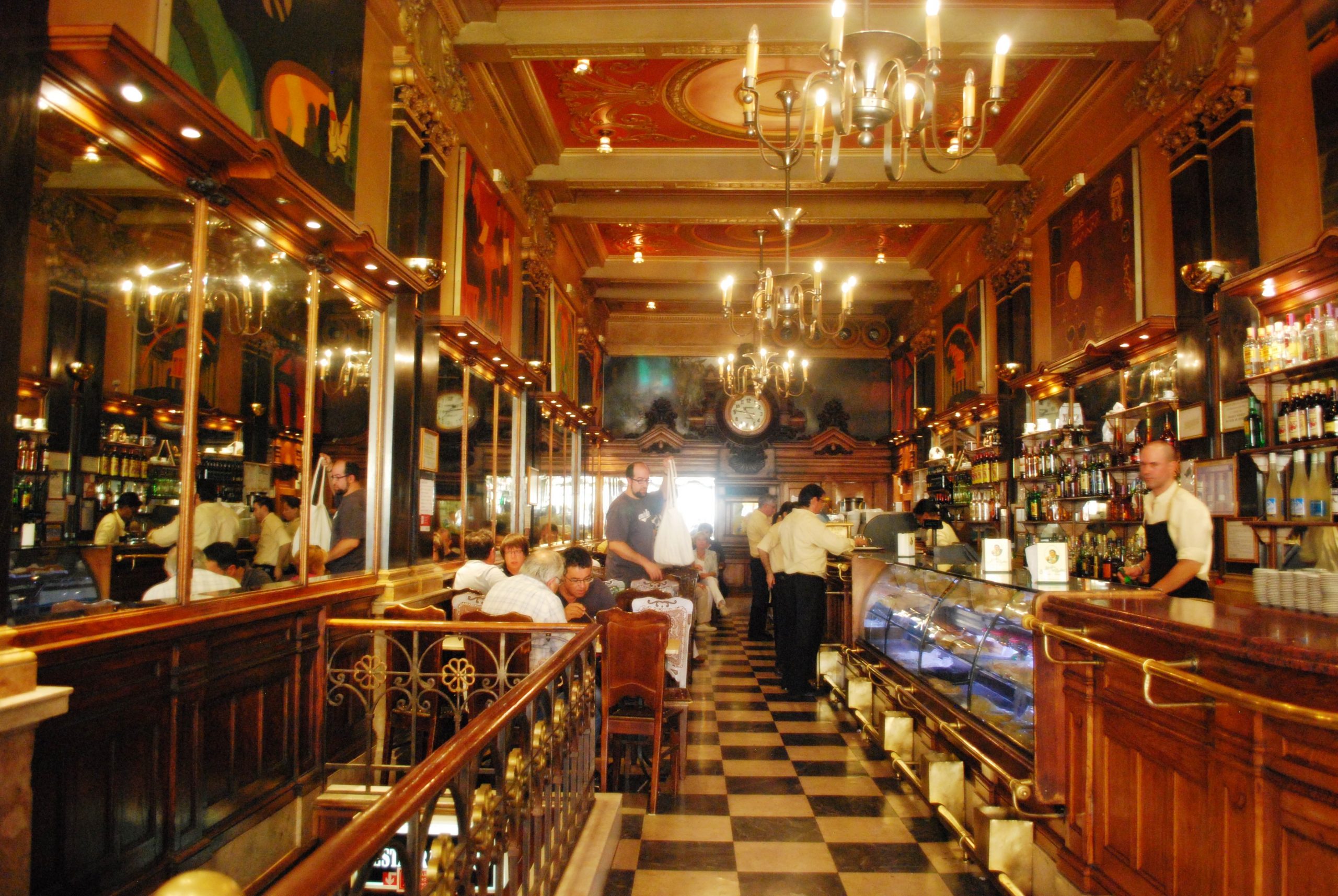
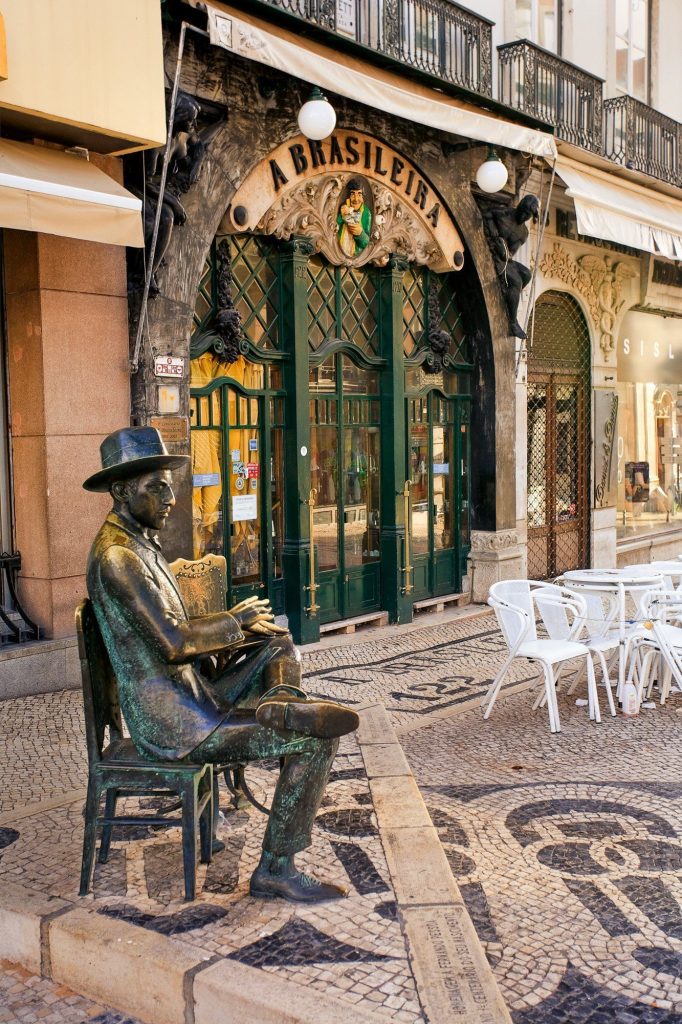
Brasileira is perhaps Lisbon’s most well-known and iconic cafe. It opened its doors in 1905, centrally located in Largo do Chiado, with an Art Deco style, gold and green facade. It has since become a symbol for Portuguese intellectuals and the artistic community. Brasileira cafe has inspired names such as Fernando Pessoa, who sought inspiration and wrote part of his literary masterpieces there, as well as Almada Negreiros and Stuart Carvalhais, who have exhibited their artworks there.

File:Café A Brasileira e envolventes 8545.jpg - Wikimedia Commons

When it first opened, you could buy a kilo of Brazilian coffee. The company’s first owner was a former coffee vendor.

Brasileira is now a tourist destination, and some of its liaise fair charms have faded as a result of the buzz and people. However, a small expresso (order a Bica) with any Portuguese sweet treat is still worth a visit.

Café A Brasileira is located at 120 Rua Garrett in Sacramento’s civil parish, near the Baixa-Chiado metro stop and close to the University.


A Seat by the Water, A View You’ll Carry Home

Some places don’t advertise. They wait for you to arrive on your terms.
Ponto Final is one of them.

Tucked along the far bank of the Tagus River, away from Lisbon’s bustle, this unassuming restaurant doesn’t scream for attention. It whispers. And those who listen end up with something they’ll quietly treasure: a long lunch at the edge of the water, the kind that seeps into your memory and stays there.

The Journey Begins Across the River

Start at Cais do Sodré. Board the public ferry bound for Cacilhas. It’s a short ride, just ten minutes, but the perspective shift is immediate. Lisbon grows smaller behind you. The water widens. The pace slows.

When you reach Cacilhas, don’t follow the crowd. Turn right and walk—past shuttered warehouses, faded murals, and broken stone. There’s no signage, no cafés luring you in. Just a footpath tracing the river’s edge, with the occasional passerby and the steady lap of water below.

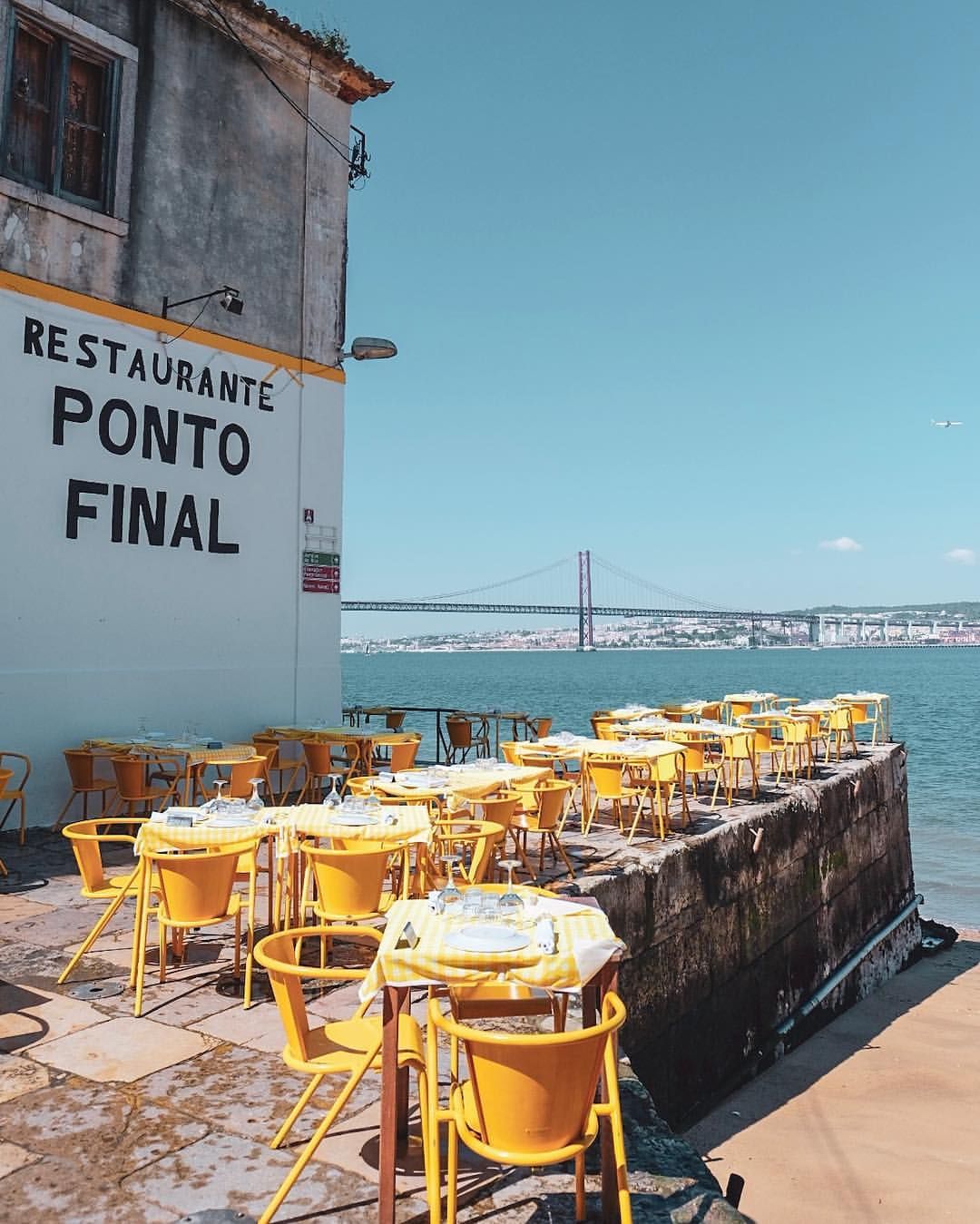
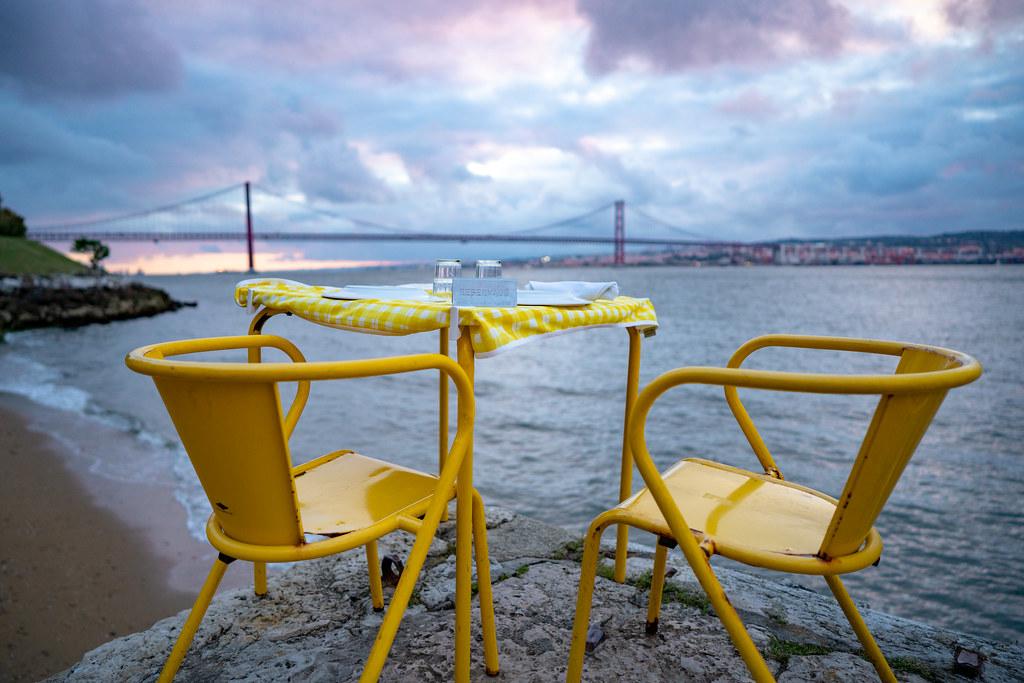
Then the bend appears. Around it, a scattering of yellow chairs, white cloth-covered tables, and a setting that stops you in your tracks.

This is Ponto Final.

A Restaurant That Faces the City, Not the World

Everything here looks toward Lisbon. Across the river, the city seems softer, quieter. The 25th of April Bridge frames the view on one side, while the towering Christ the King statue rises behind you like a silent guardian. Boats drift past. The light catches on waves. And between all of this, you’re handed a menu.

The restaurant itself is modest. Indoors, the decor leans rustic—bare stone, vintage posters, and a few shelves stacked with wine bottles. But it’s the outdoor tables people come for: perched just above the river, close enough to hear every splash and ripple.

Here, even the breeze seems part of the experience.

The Kind of Food That Speaks for Itself

The dishes are straightforward, rooted in tradition and made with confidence. You won’t find theatrics or over-explanation—just well-prepared Portuguese classics served without fanfare.

Starters might include octopus in olive oil and vinegar or clams swimming in garlic and wine. Main courses arrive unhurried: perhaps a whole grilled fish, its skin blistered and crisp, or a rich seafood rice studded with prawns and mussels. Each bite is full of salt, smoke, and sun.

It’s food with nothing to prove—and everything to offer.

If there’s dessert, it’s familiar. A soft pudding. A slice of almond cake. A cup of espresso, short and strong. And all of it shared under an open sky.

Wine and Water

With a setting like this, wine feels almost required. The list is small, thoughtful, and proudly Portuguese. A crisp white pairs well with anything from the sea, while a young red brings warmth to richer dishes.

There’s no pressure to choose the “right” bottle. Just something that suits the moment—and the view.

You’re Not in a Hurry. That’s the Point.

There’s no sense of turnover here. No ticking clock. Once seated, you stay. The meal takes the time it takes, and that’s part of the charm. People linger. They pour another glass. They stare out across the river and let themselves be still.

It’s rare to find a place that invites silence. Ponto Final is that kind of place.

You won’t find loud music or scripted service. Just a quiet hum of plates being cleared, waves brushing against the pier, and conversations held low between sips.

Planning Your Visit

Though you can arrive spontaneously, it’s advisable to call ahead, especially in the warmer months. The restaurant is small, the pier seating is even smaller, and tables fill quickly—especially on sunny days when Lisbon sparkles across the river.

Hours may shift seasonally, and winter brings occasional closures. Check before setting out, particularly if your heart is set on sitting outdoors.

Remember, this isn’t a place for flash or fuss. Don’t expect a polished service or a curated social media moment. Expect something simpler and far more lasting.

Why It Matters

In a city where restaurants rise and fall with trends, Ponto Final has endured—not by changing, but by staying exactly the same.

It doesn’t try to “wow” you. It doesn’t chase fame. It just offers what matters: food made with care, a setting that feels like a secret, and a reminder that some things are best left untouched.

The view across the river is reason enough to come. The walk there, the quiet, the honest flavours—that’s what makes you stay.

You won’t leave with a receipt worth bragging about. But you will leave with something better: a feeling. The kind that follows you home, even after the ferry docks.


How to Find Ponto Final

  • Ferry Departure: Cais do Sodré terminal, Lisbon

  • Destination: Cacilhas (10-minute ferry ride)

  • Walk: After disembarking, turn right and follow the river walk ~10 minutes

  • Restaurant Location: Rua do Ginjal 72, Almada

  • Booking: Strongly advised, especially in spring/summer

  • Best Time: Late lunch or early dinner for golden hour views

  • Payment: Bring cash or a local bank card