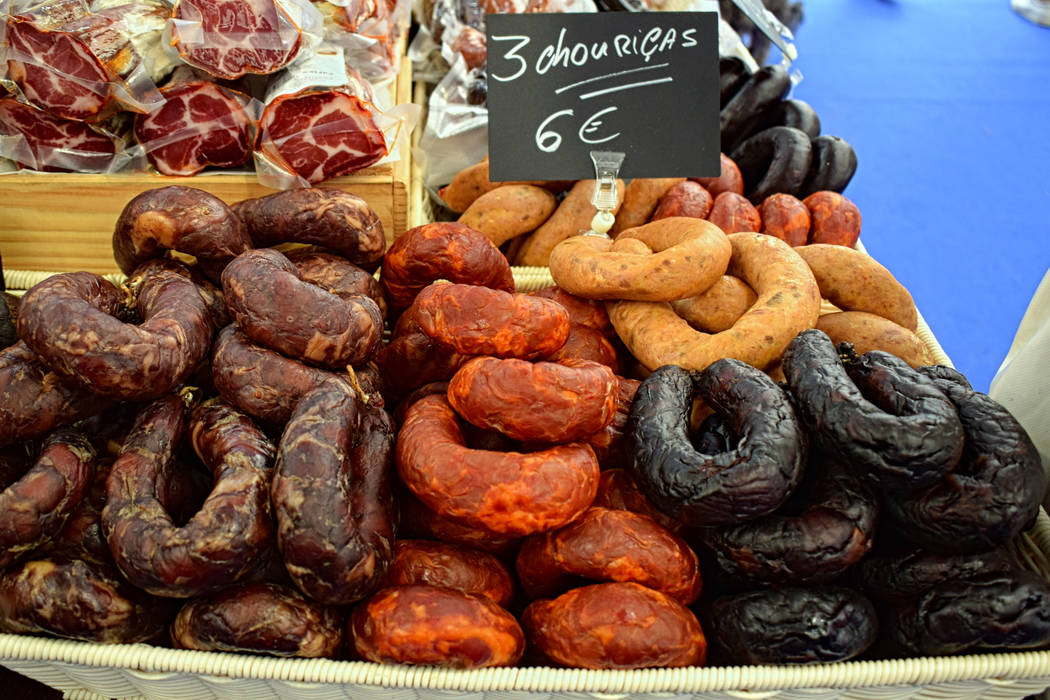
Sausages are a staple of Portuguese cuisine, whether served as a light snack in the afternoon or as an accompaniment to a full meal in the evening. A meat dish in Portugal would be incomplete without the inclusion of at least one type of traditional Portuguese sausage. It can be found in a variety of dishes such as cozido, feijoada (bean stew), and even soups such as Caldo Verde.
It doesn’t matter if you prefer them raw, grilled, baked, or fried; there are countless ways to prepare and consume Portuguese sausages.
Chouriço In the local tascas, Chouriço is the most popular petisco. In Portugal, chouriço pairs well with foods such as Caldo Verde soup and fried rice.
The greatest way to enjoy chouriço assado, though, is on the flame grill. As a whole culinary experience, this is much more than just one dish!
While dining out, your waiter will bring the sausage to your table on a clay plate. This is done directly in front of you. In terms of cooking time, you can leave the chouriço on the table for however long you desire. On the outside, you want the chouriço to be somewhat charred and crispy.
pão com chouriço (chorizo bread) is another typical Lisbon street meal.
Linguiça
Linguiça is a lighter form of chouriço with stronger paprika, chile, and garlic flavour. Due to the paprika, it has a similar flavour profile to chouriço but is notably heavier on the garlic.
Typically fried, this Portuguese sausage is a key component of Porto’s characteristic meat sandwich, the francesinha.
Morcela
Morcela is a blood sausage that is traditionally served in rural Portugal, particularly in Guarda and Portalegre.
Apart from pork, morcela contains animal blood, which gives it a different texture (soft and crumbly) and a deeper colour than chouriço and linguiça. Seasonings include a variety of spices, such as cloves and cumin, which contribute to the dish’s robust flavour.
Morcela is usually prepared as part of cuisines such as cozido or feijoada.
Farinheira
Named from the Portuguese word farinha, which translates “flour” in English. As you might expect, flour is a key component of this smoked sausage, alongside pork fat, garlic, white wine, and massa de pimento (bell pepper paste).
As with morcela, it can be eaten with bread, but it is also frequently combined with scrambled eggs (look for ovos mexidos com farinheira). It is orange-coloured and has a sweeter flavour than chouriço.
Alheira
Alheira is an exception to the rule that most Portuguese sausages contain pork.
Portuguese Jews invented this sausage in the 15th century to trick the Inquisition. Because they were unable to eat swine, they created sausages from other types of meat, such as fowl and game, and added bread for texture. Garlic (alho in Portuguese) was also a frequently used ingredient, resulting in the name alheira.
Nowadays, alheira is available with or without pork. The most famous kind originates in the Mirandela region of northern Portugal. Locals prefer it grilled and served with boiled potatoes.
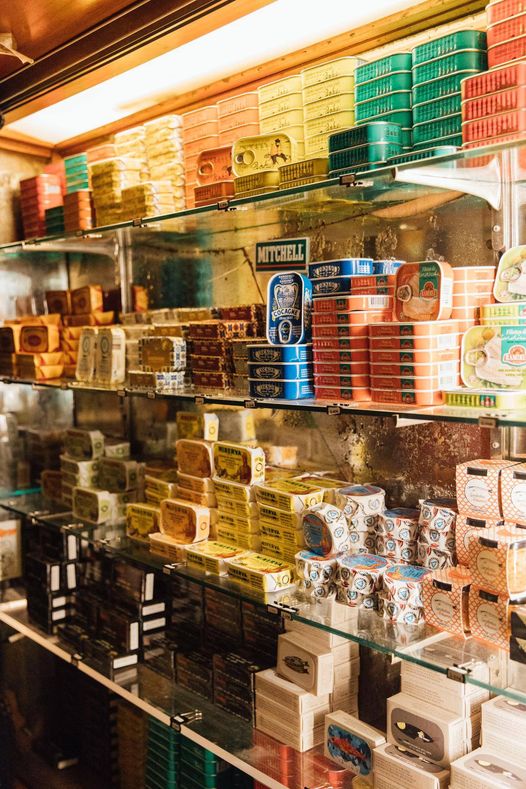
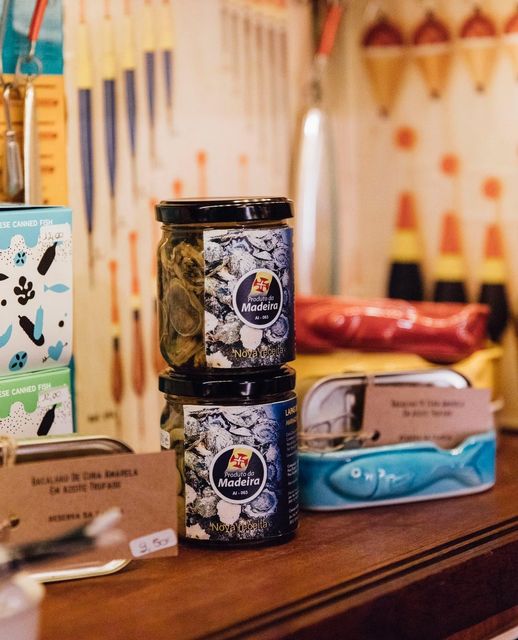
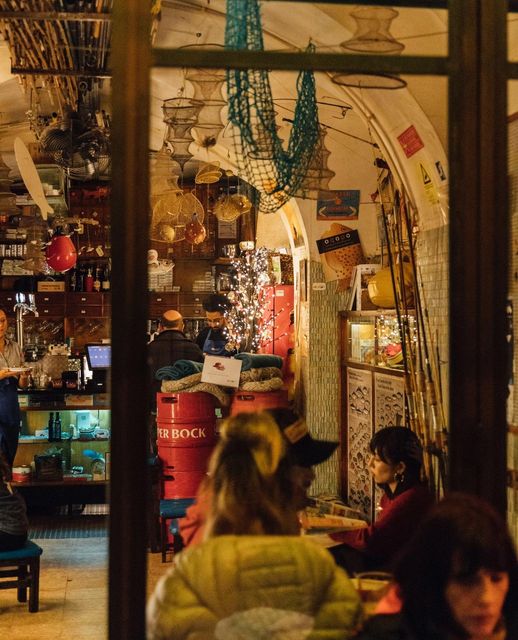
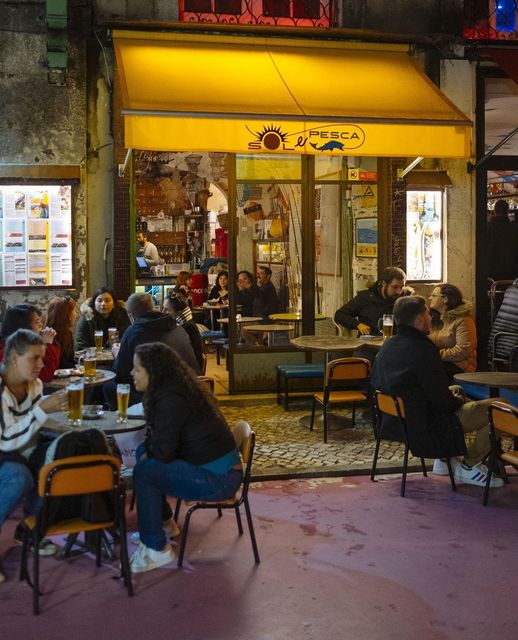
Here’s the thing about Sol e Pesca in Lisbon: it’s tiny, quirky, and unforgettable. If you walk past without knowing what it is, you’ll think it’s a fishing-tackle shop that somehow survived the changing times of Cais do Sodré. Look closer, and you realise that’s exactly the point — the whole place is styled like an old bait-and-hook store, but instead of gear, you’re handed a menu built entirely around conservas, Portugal’s legendary tinned fish.
Let’s break it down so you have a clean, ready-to-use snapshot.
What Sol e Pesca Is About
A no-nonsense bar where every dish is built around canned seafood: sardines, mackerel, tuna belly, octopus, scallops, razor clams, you name it. Served simply, usually straight from the can with good bread, olive oil, pickles, maybe a sprinkle of herbs. That’s the charm: rustic Portuguese tradition done with confidence.
Why People Love It
It’s one of the most authentic quick stops in Lisbon.
You feel like you’ve stepped into old Lisbon, not a polished “concept.”
Their selection of tins is huge and genuinely high quality.
It’s casual. It’s loud. It’s salty. It’s perfect with a cold beer or a glass of vinho verde.
Atmosphere
Think:
tiny tables
shelves stacked with tins
conversations spilling into the street
walk-ins only
a mix of locals, in-the-know travellers, and late-night wanderers in Cais do Sodré
It’s not a sit-down dinner spot. It’s a drop-in, nibble, chat, and move-on kind of place.
What to Try
If you want the classics:
Sardinhas em Azeite (sardines in olive oil)
Carapau Picante (spicy mackerel)
Atum Ventresca (tuna belly) — rich, tender, always a win
If you want something bolder:
Polvo (octopus)
Navalheiras (razor clams)
Mexilhão (mussels)
Pair with:
a cold imperial
or a crisp vinho verde
Best Time to Go
Early evening, before the Cais do Sodré nightlife floods the street. Expect it to be small and busy — that’s part of the mood.
Who This Place Is For
Curious food lovers
People who appreciate Portuguese tradition
Anyone who likes simple food done well
Travellers who want a spot that feels local and raw, not staged
In every region of mainland Portugal, as well as on several of the islands of Madeira and the Azores, there are numerous excellent hiking paths to choose from, each with a different difficulty level and a vast variety of sceneries.
Some of these walking routes are quite short, requiring only a few hours of walking, whilst others may require a week or more to complete the entire path.
Camino Português
There are two options for walking along the trails before they come together in Redondela: you can choose to walk through the beautiful towns, villages, and countryside surrounding Barcelos and Ponte de Lima as well as Valença and Porrio, or you can choose to walk through more coastal scenes and communities in Vila do Conde, Esposende, Viana do Castelo as well as Caminha, Oia, Baion, and Vigo.
Following Redondela, the route heads inland, passing through the picturesque city of Pontevedra and the charming towns of Caldas de Reis and Padron.
Depending on the route you take and where you begin, you can expect to travel around 240 kilometres (150 miles) from Porto to Santiago de Compostela by foot. It is also feasible to begin from Lisbon, which is around 641 kilometres (398 miles) away.
The opportunities to bond with fellow pilgrims on the pilgrim trail, the sense of accomplishment at the end of each long walking day and when you reach the cathedral, and the opportunity to experience rural lifestyles and landscapes as well as local culture and history in the towns and cities along the way are just a few of the highlights of the Portuguese Camino de Santiago.
You will need to train for this adventure because walking days are on average 20 kilometres long. You will also need to allow for more time and shorter walks where possible.
The Rota Vicentina Fishermen’s Trail is located near Odeceixe in the Algarve.
From an hour to a half-day journey via spectacular coastline and countryside. The Rota Vicentina is one of the best-maintained routes on the Portuguese mainland, with volunteers constantly inspecting and repainting waymarkers. It is divided into two linear trails: the Fishermen’s Trail, which runs along the coast from Sagres to Porto Covo, although a portion of it is inland, and the Historical Route, which connects Sagres to Santiago do Cacem.
Levada walking around Madeira Island
Levada walks in Madeira
Levadas are irrigation canals, and many of Madeira’s hiking trails follow them. The advantage is that the watercourses are often level, yet this does not mean that the trail is without obstacles, such as tunnels and steep drops that are not suitable for vertigo sufferers.
Levada do Rei, a leisurely half-day linear walk, or Vereda dos Balces, a one-hour excursion with panoramic vistas.
Levada do Rei is a rather easy trek with only a couple of very short tunnels to crouch through and a tiny waterfall to walk behind (bring a poncho!). The views of the jagged peaks of Madeira’s highest mountains are breathtaking, as is the lush vegetation that lines the trail.
The levada comes to an end at a little waterfall and lake surrounded by stones called Ribeiro Bonito, which translates as Pretty Stream. After some time relaxing by the water, simply turn around and retrace your steps back to the starting spot. Each route is 5.3 kilometres / slightly more than three miles.
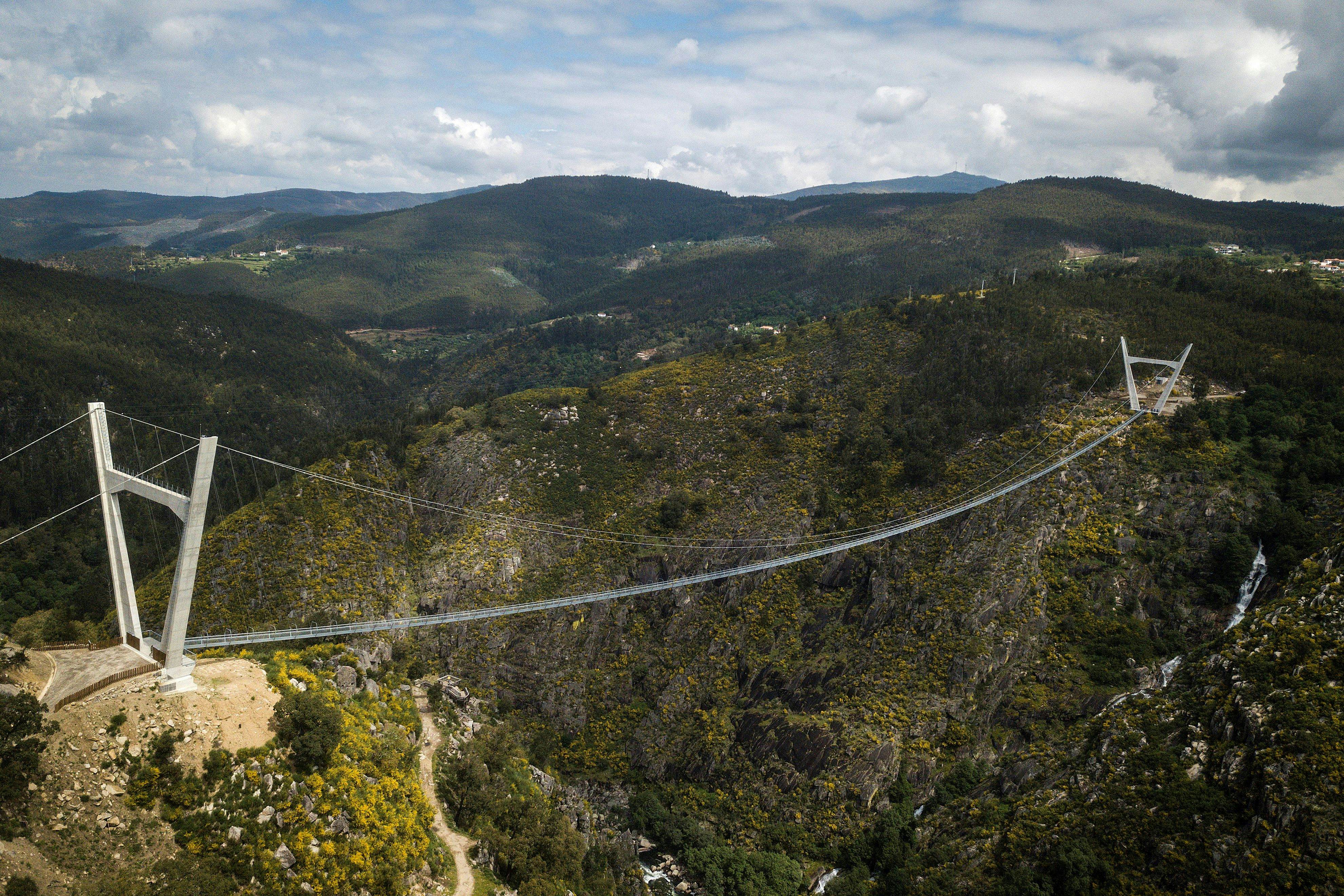
Paiva Boardwalk and 516 suspension bridge
The eight-kilometer-long (5-mile-long) wooden walkway along the Paiva River allows visitors to walk through a lovely valley that was previously inaccessible on foot. The environment is breathtaking, and Vau has a tiny river beach near the midway mark.
It features the world’s largest pedestrian suspension bridge.
Serra do Topo to Caldeira de Santo Cristo and Fajã dos Cubres hike
From the hills to a volcano crater on the Azores’ São Jorge island
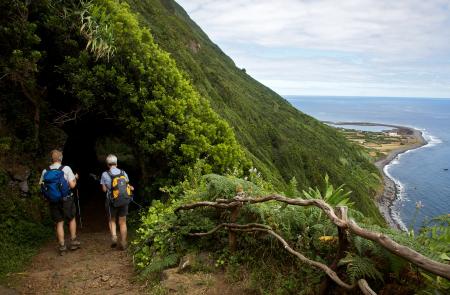
The PR1 route on the island of So São Jorge is a pleasant hike in the Azores.
Before reaching Caldeira de Santo Cristo, the initial descent passes past hillsides filled with blue hydrangeas and a tract of lovely woods. This is a volcanic crater that has resulted in the formation of an ocean-facing lagoon. Take full advantage of the opportunity to stop for a refreshing swim and a picnic along the lake.
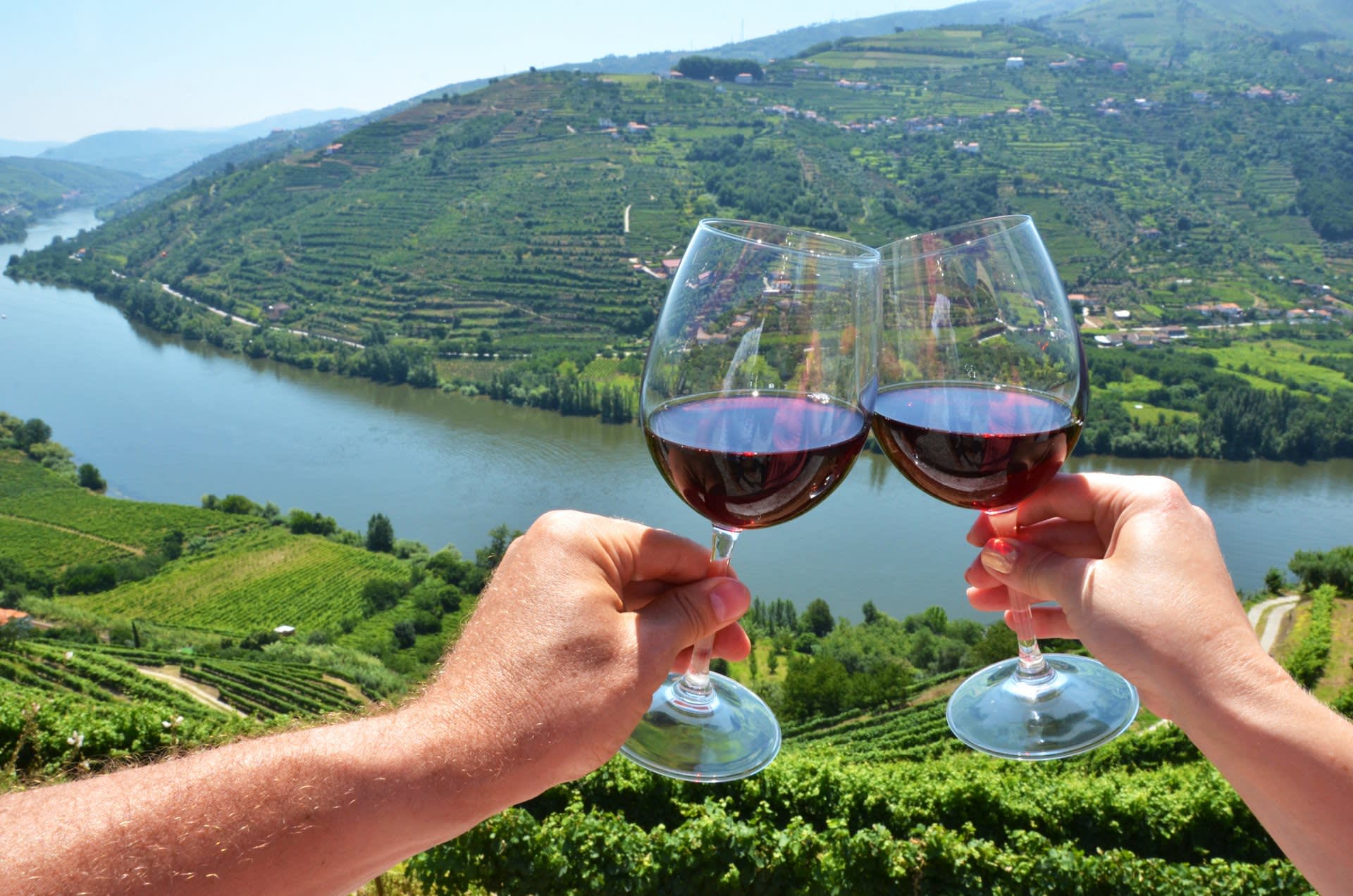
If you love wine, stories that come with it, and landscapes that stir something inside you, the Douro Valley in northern Portugal is one of those places you’ll never forget. It’s not just a destination—it’s an experience that connects centuries of winemaking with the raw beauty of nature and the rhythm of rural life. Here’s why this region belongs on every wine lover’s travel list.
A Historic Wine Region With Deep Roots
The Douro Valley is one of the world’s oldest demarcated wine regions, officially established in 1756. Long before modern boundaries were drawn, farmers here were already carving terraces into steep schist hillsides, shaping vineyards that have endured wars, economic downturns, and changing tastes.
To walk through these vineyards is to trace history with your own footsteps. The ancient stone walls and hand-built terraces are living proof of human persistence and respect for the land. Each bottle that comes from this valley carries centuries of knowledge—passed quietly from one generation to the next.
What makes the Douro unique isn’t just its age, but its authenticity. The traditions of grape growing, hand harvesting, and small-batch winemaking have remained largely intact. Even as technology has entered the scene, the heartbeat of the region still echoes with craftsmanship, patience, and pride.
The Landscape: Terraces, Rivers and Dramatic Views
The first thing you notice in the Douro Valley is how dramatic the scenery feels. The land seems to fold and unfold endlessly, with steep hillsides plunging toward the silver ribbon of the Douro River below. From a distance, the hills look like ripples of green stone. Up close, you see how every inch of land has been tamed by hand, stacked with narrow terraces lined by stone walls.
Driving through the valley is an adventure in itself. The roads twist and turn with every contour of the hills, offering glimpses of the river far below and the endless pattern of vines above. The light here shifts constantly—morning gold, midday blaze, and soft pink hues as the sun drops behind the ridges.
This dramatic terrain does more than inspire awe; it defines the character of the wines. The steep slopes, the schist soils that retain heat, and the river that moderates temperature—all of it combines to give Douro wines their strength, depth, and distinct sense of place.
For photographers, it’s heaven. For winemakers, it’s a challenge. For travelers, it’s unforgettable.
The Grapes and the Wines
If you’re used to the same few grape varieties from around the world, the Douro is a revelation. Here, indigenous grapes thrive—Touriga Nacional, Touriga Franca, Tinta Roriz, Tinto Cão, and many others. These varieties create complex, aromatic wines full of character.
Traditionally, the Douro was known for Port, the fortified wine that put Portugal on the global map. But in recent decades, local winemakers have embraced a new chapter—crafting world-class table wines that showcase the valley’s potential beyond Port.
Today, you’ll find:
Elegant reds with dark fruit, spice, and mineral notes.
Crisp whites from high-altitude vineyards that surprise with freshness.
Rosés that balance Douro power with modern finesse.
Ports ranging from rich, sweet tawnies to vintage bottles meant to age for decades.
The diversity of the Douro’s wines reflects the diversity of its landscape. Each bend in the river, each altitude, each soil layer adds nuance. This is wine you can taste, smell, and feel.
Visiting the Quintas: Wine Estates Full of Character
One of the best ways to experience the Douro Valley is by visiting its quintas—the traditional wine estates that dot the hillsides. Each quinta tells its own story, often run by families who’ve worked the same land for generations.
At some, you’ll find boutique tasting rooms overlooking the river. Others welcome guests with rustic meals under olive trees. Some estates offer full accommodation, allowing you to wake up surrounded by vines and end the day sipping wine at sunset.
Here’s what to expect:
Guided tours and tastings: Learn how grapes are hand-harvested and crushed, then sample the results directly from barrel or bottle.
Wine-paired meals: Enjoy local dishes like roasted cod, goat stew, or olive-oil-drizzled bread with estate wines.
Hands-on experiences: Some quintas let you join harvests, blend your own bottle, or participate in a Port-making workshop.
Stay overnight: Many estates now double as small hotels with charming rooms, infinity pools overlooking vineyards, and warm hospitality.
The secret is to plan ahead. Distances between quintas can be deceiving—narrow roads and steep climbs make travel slow but beautiful. Choose two or three estates per day, take your time, and let the rhythm of the valley set your pace.
More Than Port: A Region Reinvented
For centuries, the Douro’s fame rested on Port wine—sweet, fortified, and exported worldwide. Yet what’s happening today is a quiet revolution. Younger winemakers are reclaiming the valley’s full potential, crafting wines that stand alongside the world’s best without losing their Portuguese soul.
They’re experimenting with organic methods, single-vineyard bottlings, and minimalist winemaking that lets the terroir speak. You’ll taste the energy of a new generation—bold, creative, and deeply rooted in tradition.
Still, Port remains a symbol of the Douro. Visiting the great Port lodges and cellars lets you see how heritage coexists with innovation. Whether you’re sipping a vintage Port in a stone cellar or tasting a modern Douro blend on a terrace, you’re witnessing a region that honors its past while shaping its future.
Beyond Wine: The Rhythm of the Valley
To truly understand the Douro, you need to slow down. This is not a place to rush. The valley invites you to linger—to walk among the vines, listen to cicadas, watch boats glide by on the river, and breathe in air scented with rosemary and wild herbs.
Here, every village has its own character. Pinhão, with its famous azulejo-tiled train station, feels like the valley’s heart. Peso da Régua is the main hub, lively yet surrounded by calm. Provesende, high on a hill, gives you views that stretch to infinity.
You can explore by car, by train, or even by river cruise. The Douro River winds through the landscape like a silver thread, connecting small villages and centuries-old estates. Taking a traditional rabelo boat along the river is one of the most beautiful ways to see the valley—the same boats once used to transport barrels of wine to Porto.
Come during harvest season, usually September to October, and you’ll see the valley come alive with color and celebration. Locals gather to pick grapes, stomp them barefoot in granite tanks, and toast to the year’s work.
Where to Stay
If you can, spend at least two nights in the valley. Mornings are misty and cool, afternoons warm and bright, evenings painted in gold. Staying overnight lets you experience the shifting moods of the landscape and the quiet luxury of rural Portugal.
You’ll find every style of accommodation here—boutique hotels in renovated manor houses, elegant spa resorts overlooking vineyards, or simple family-run guesthouses where you’ll be treated like an old friend. Many quintas offer rooms, meaning you can wake up surrounded by vines and end the night under a blanket of stars with a glass of red in hand.
Wherever you stay, the hospitality is genuine and grounded in pride. Meals are hearty and seasonal, featuring local olive oil, fresh bread, and vegetables from the garden. Breakfast often comes with homemade jams, and dinners stretch into long, easy conversations.
When to Visit
Each season in the Douro has its charm.
Spring (April–June): The vines burst into life, wildflowers cover the hillsides, and temperatures are perfect for hiking and touring.
Summer (July–August): Hot and sunny, ideal for lazy afternoons by the pool or shaded tastings with chilled white wines.
Autumn (September–October): Harvest season—perhaps the most magical time to visit. The air smells of ripe grapes, and the valley glows in gold and rust tones.
Winter (November–March): Quiet and reflective, with cozy fires, fewer tourists, and time to enjoy long dinners and tastings at a slower pace.
Practical Tips for Wine Travellers
Book tastings ahead: Many estates require reservations, especially during harvest.
Consider a driver or guided tour: Roads can be narrow and steep, and wine tasting deserves your full attention.
Bring layers: Even in summer, nights can be cool in the hills.
Buy at the source: Some wines are made in small quantities and rarely exported.
Plan for slow travel: This region isn’t meant to be rushed. The pace is part of the experience.
Why It’s Worth It
The Douro Valley isn’t just for wine drinkers—it’s for anyone who loves beauty, authenticity, and connection. But for wine enthusiasts, it’s an education. You’ll see how geography shapes flavor, how time deepens patience, and how heritage and innovation can coexist in one glass.
It’s rare to visit a place that feels this alive, this untouched, and this rooted in its own story. The Douro doesn’t pretend or perform; it simply exists as it has for centuries—majestic, honest, and quietly proud.
A Final Thought
There’s something deeply moving about sipping a glass of Douro red while watching the sunset over the river. You realize that wine, at its best, is about more than taste—it’s about time, place, and people.
In the Douro Valley, those three elements meet in perfect balance. So yes, every wine lover should make the journey. Not just to taste, but to feel what makes this valley one of the world’s true treasures.
When you leave, you’ll carry more than bottles. You’ll carry a memory of the valley’s light, its rhythm, and its deep, grounded joy—the kind that only comes from a land that has given itself to wine for centuries.
On display here is a private collection of 43,000 matchboxes and another 16,000 matchbox covers compiled in dozens of books. It’s a vast and fascinating collection housed in an adorably charming courtyard at the Convento de San Francisco, adjacent to the old church of the same name.
Aquiles da Mota Lima, the collector who initiated the borderline compulsive display, was a simple trader from Tomar who travelled the world. In 1953, he developed an interest in matchbox designs. On his route to London by ship to witness Queen Elisabeth II’s coronation, he encountered an American woman who requested him to check if he could pick up a few commemorative matchboxes. She asked if he might gather additional matchboxes in other countries and send them to her during his travels.
Mota Lima kept a similar design for himself whenever he discovered an unusual matchbox. When he returned to Portugal, he had amassed a collection of more than 100 quite distinctive matchboxes. This led him to gather matchboxes from 127 countries, containing “at least two, three million matchsticks,” according to Ana Cristina Rosário, one of the museum’s welcoming and helpful hosts.
The collection’s earliest matchboxes originate from the late nineteenth century. The design subjects range from social history to kitsch; pin-ups from the 1890s to the mid-1980s; architecture, both old and new; uniforms of numerous armies; vehicles ranging from horse-drawn to Formula 1, movie stars, soccer players, animals, including racehorses and snakes, royalty portraits, erotica, windmills. classic ballet dancers. paintings by world-famous artists, and a variety of weaponry.
After Aquiles’s death, the collection was overseen by his daughter Maria Helena da Mota Lima. While she is frail, she can still be found on the premises at least once a week as of 2017. She is devoted to the collection and the museum, which proudly displays the matchbox portraying the young crowned Elisabeth II.
The display of matchboxes is organized by country of origin and occasionally by subject. The exhibitions overwhelm the viewer row after row in seven big rooms. A single visit is insufficient; repeated trips reveal discoveries each time. There is so much… matchboxes from the Soviet Union’s early Communist era, Olympic Games, book covers and film posters, brilliant authors, long-forgotten sports stars, tyrannical rulers and democratically elected officials, warlords and peaceniks.
While some designs are rudimentary, others are really well executed in typography and colour control. Some are crude reproductions of larger images, while others are meticulously drawn originals. And although some are historically significant, others are simply “for fun” or intended to be a result for small children. Even the print quality varies between brands, as well as between countries and time periods.
Address: Avenida General Bernardo Faria, Tomar, Portugal
Throughout the year, the generally staid and courteous Portuguese have numerous opportunities to let their hair down and celebrate with friends and family. Each municipality has a patron saint and a saint’s day, which is celebrated with church processions, dancing, music, wine, and fireworks in honour of the patron saint. Another popular festival in Portugal is known as a sarau, which is an athletic or cultural event in which participants paint, play music, read poetry, or express themselves in other ways through art. While the majority of Portugal’s festivals are religious in character, no event is more vibrant than Carnaval, which takes place in February.
Carnaval
Portugal’s Carnaval, one of the country’s most famous exports to its largest former colony, Brazil, may not be as well-known as its Brazilian or Caribbean counterparts, but it ranks among the world’s most unforgettable events. Each municipality celebrates differently, but none more than Lisbon’s Parque Naçes, where street parades and theatrical performances are adorned with elaborate costumes, masks, and floats that take weeks to construct. The Algarve celebrates Carnaval by sailing along the coast in intricately adorned traditional Portuguese boats.
Holy Week
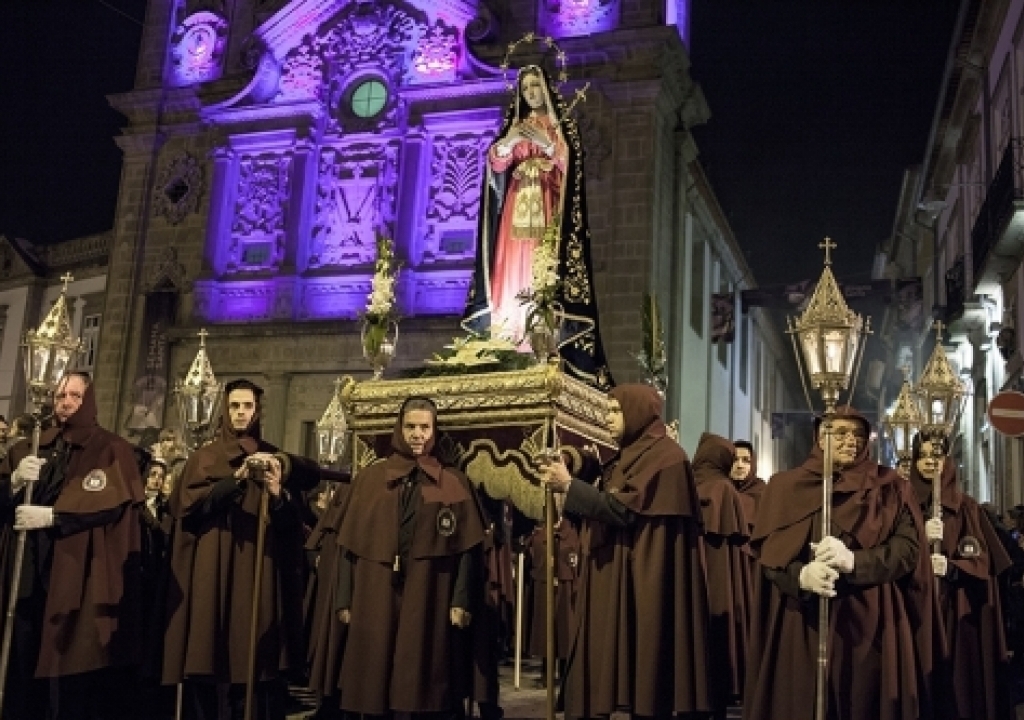
Braga has the most ornate of Portugal’s numerous Holy Week processions, with streets decorated with religious symbols and alters draped with flowers and lights known as passos. On Easter Sunday, after parades of floats and torchbearers assemble at the parish church, the priest enters on a flower-strewn floor. Folk dancing and pyrotechnics lend a festive element to these solemn religious observances
Fatima Pilgrimage
None of the monthly pilgrimages to Portugal’s Our Lady of Fatima sanctuary are as huge as those held on the anniversary of the Virgin Mary’s appearance at this precious spot. Between May 11 and 13, thousands of faithful attend mass in a variety of languages, Stations of the Cross, and candlelit processions during which spectators wave white handkerchiefs as they bid farewell to Jesus’ mother.
Festa De São João
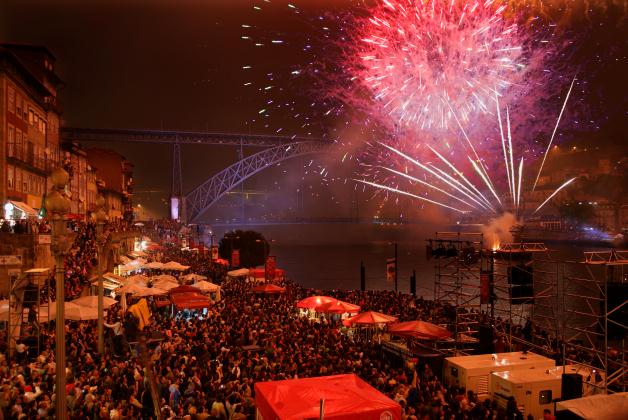
Festa de São João is a Midsummer festival held in the northern Portuguese city of Porto on the night of 23 June, when thousands of people descend on the city centre and more traditional neighbourhoods to pay homage to Saint John the Baptist in a party that combines sacred and profane traditions.
Sintra Festival
Between June and July, the UNESCO World Heritage site of Sintra hosts some of the finest ballet dancers, pianists and chamber musicians during this cultural celebration. Past performers have played for the likes of Paris’ chamber philharmonic and Lisbon’s Gulbenkian Orchestra. Former palaces, churches, parks, and country estates are among the festival’s stately venues.
National Agriculture Fair at Santarém
Each year, the largest agricultural show in Portugal takes place for ten days in June in Santarém, the capital of the fertile agricultural province of Ribatejo. While the Ribatejo Fair is centred on agriculture and animal production, it also has a vibrant program of bullfighting, folk singing, and dancing, as well as a procession of campinos, or bull herders. Numerous other European countries participate in the Feira Nacional de Agricultura by exhibiting farm animals and machinery. Santarém also has an annual gastronomy festival in October that focuses on regional cuisine.
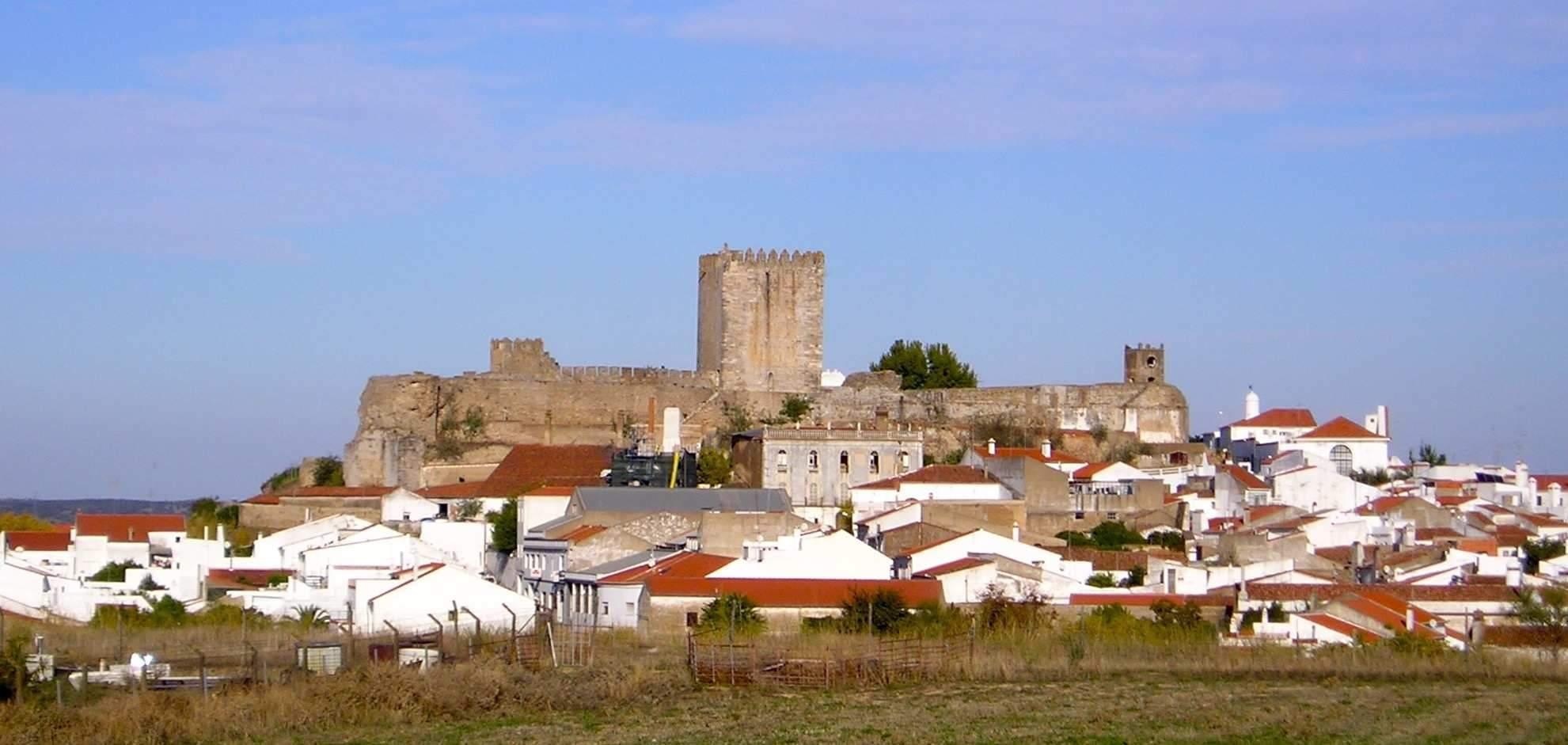
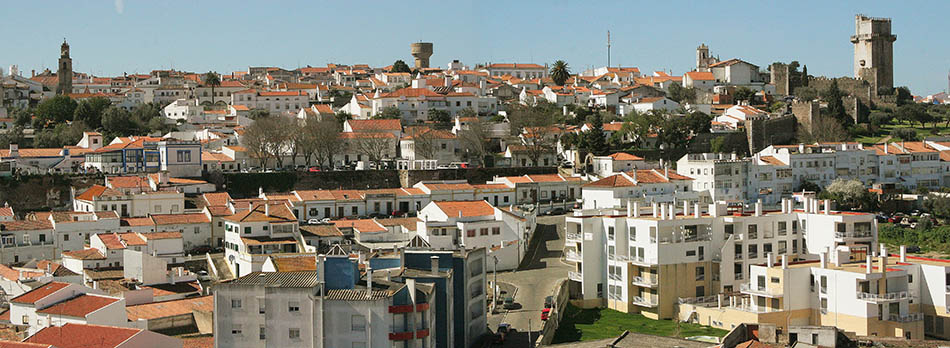
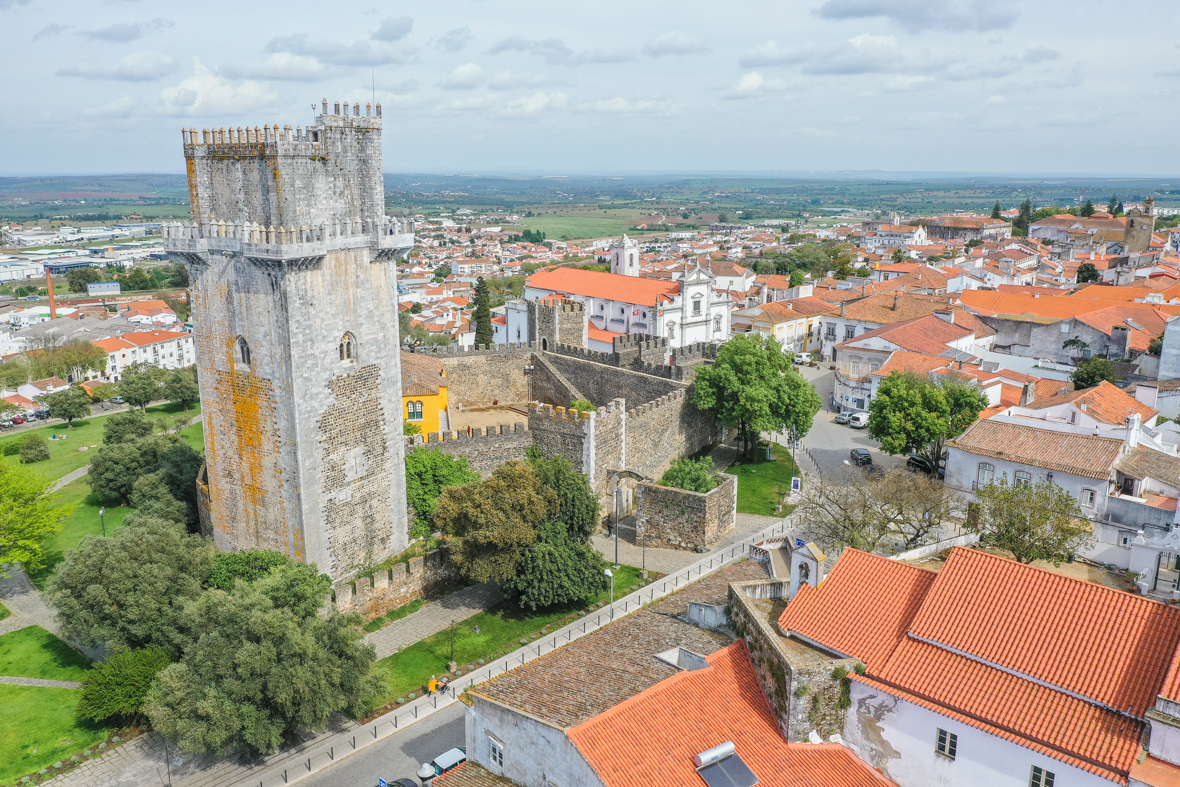
The Alentejo, a region in southern Portugal, encompasses a vast area of approximately one-third of the country, extending south from the Rio Tejo to the northern mountain ranges of the Algarve and encompassing a wide range of climates. The name Alentejo comes from the Portuguese phrase além do Tejo, which means “beyond the Tejo River.” It’s called Portugal’s garden because the vast majority of the region is devoted to cork plantations, wheat fields, and vineyards. Even though much of it is flat, the region is worth exploring because it contains a wealth of unexpected surprises, ranging from ancient dolmens and superbly sited castles to Roman ruins and expansive Atlantic beaches.
The majority of the population subsists on the vast agricultural estates known as latifndios, which are passed down through generations — many have existed since Roman times. The large farms are often wildlife-friendly – the Alentejo is home to wild boar and hundreds of different bird species, ranging from the black stork to the great bustard.
Townsin theAlentejo, Portugal
Elvas-Portugal
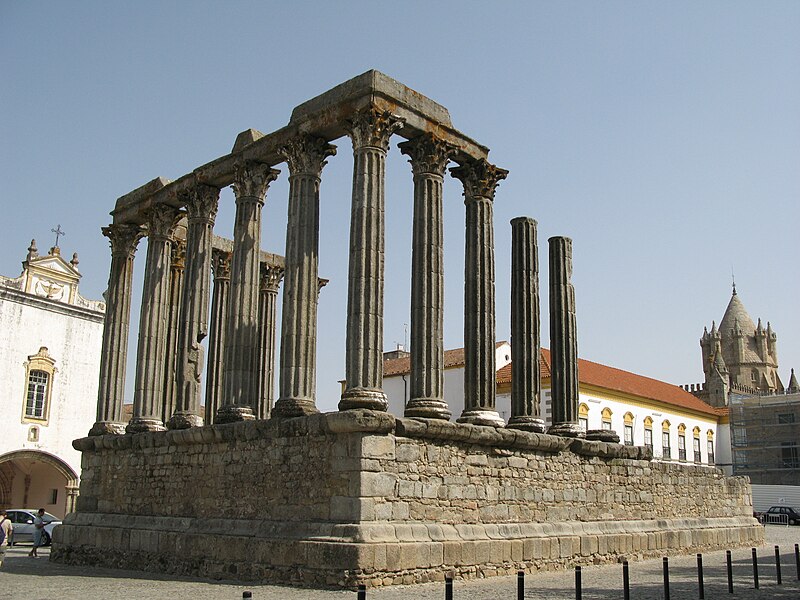
Roman Temple at Evora, Portugal
Monsaraz
Marvo
Estremoz
Vila Viçosa
Two towns have been designated as UNESCO World Heritage Sites: Elvas, a beautiful walled town, and Évora, a city whose Roman temple, medieval walls, and cathedral have established it as a popular tourist destination. Alto Alentejo (Upper Alentejo) is home to the sparkling hilltop villages of Monsaraz and Marvo and the marble towns of Estremoz and Vila Viçosa, where the marble quarries have given many of the buildings a luxurious appearance thanks to the local marble quarries.
South of Évora, in the plains of Baixo Alentejo (Lower Alentejo), the sights are more dispersed and harder to view without a car. However, there are some excellent overnight destinations, including the major town of Beja as well as adjacent Moura, Serpa, and Mértola, all of which are charming medieval towns. Also unexpectedly enjoyable is a trip to the coast.
Cork
Cork Tree
While travelling through the southern Alentejo, you’ll pass miles and miles of cork oak groves, so it should come as no surprise that the region produces around half of the world’s total supply of cork. Since the late nineteenth century, it has been a substantial Portuguese export, and it has been a prominent crop for more than seven hundred years.
Estremoz
It is in the heart of a marble-rich region that the tranquil but immensely appealing walled market town of ESTREMOZ is located. The material is employed widely in even the most banal surroundings, as you will notice as you stroll its marble-clad streets and squares, which are lined with marble. Historically, it was a significant border village, and it was here that Dom Dinis, an early ruler who began the process of reinforcing Portugal’s borders, opted to build his hilltop palace.
On Saturdays, one of Portugal’s most beautiful markets is held in the Rossio, the city’s huge central square (officially known as the Rossio Marquês de Pombal), which has been the site of one of the country’s most beautiful markets for decades. Since the event begins and ends early, it is beneficial to spend the night in town on Friday night if possible.
The Rossio also plays host to the yearly festival of Estremoz (during the first weekend in September), as well as the massive five-day agricultural extravaganza known as the Feira Internacional de Agricultura e Pecuária, which takes place in April and includes cattle exhibitions, concerts, and handicrafts.
Alter do Chão
Even though it’s a charming town with rounded towers overlooking a shady central plaza, the main reason to go there is to view the royal stud farm, Coudelaria Alter-Real, which was established by royal decree in 1748. Throughout the years, Alter-Real Lusitano horses have been highly sought after; both the Lisbon Riding School and the Portuguese mounted police rely on them for their horses. The stallions are kept in their vaulted stables, and you can see the picadeiro (riding ring) and an assortment of antique carriages on guided tours. Every year on April 24, the annual stud show and sale takes place, making it an excellent day to pay a visit.
Marvão
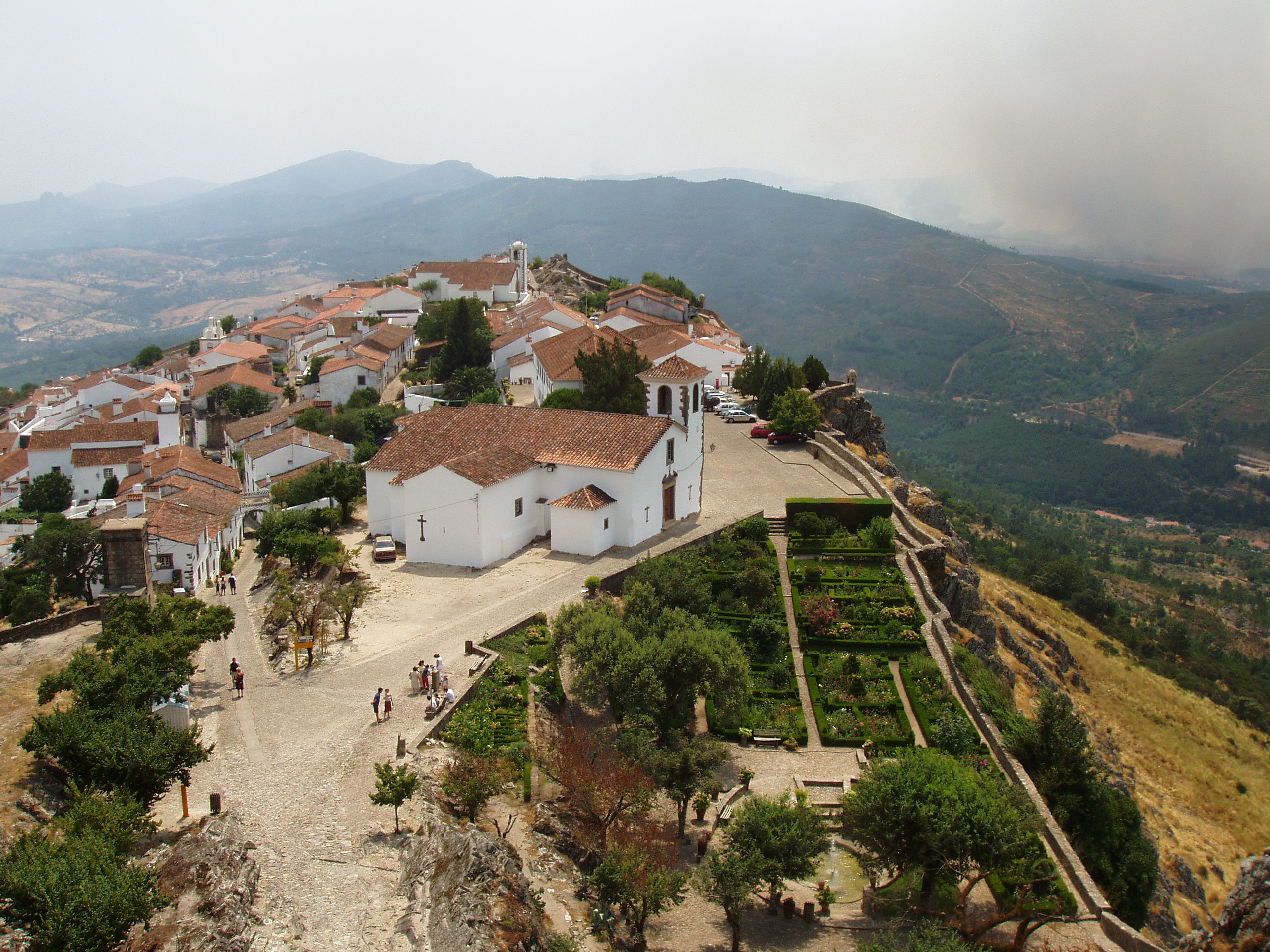
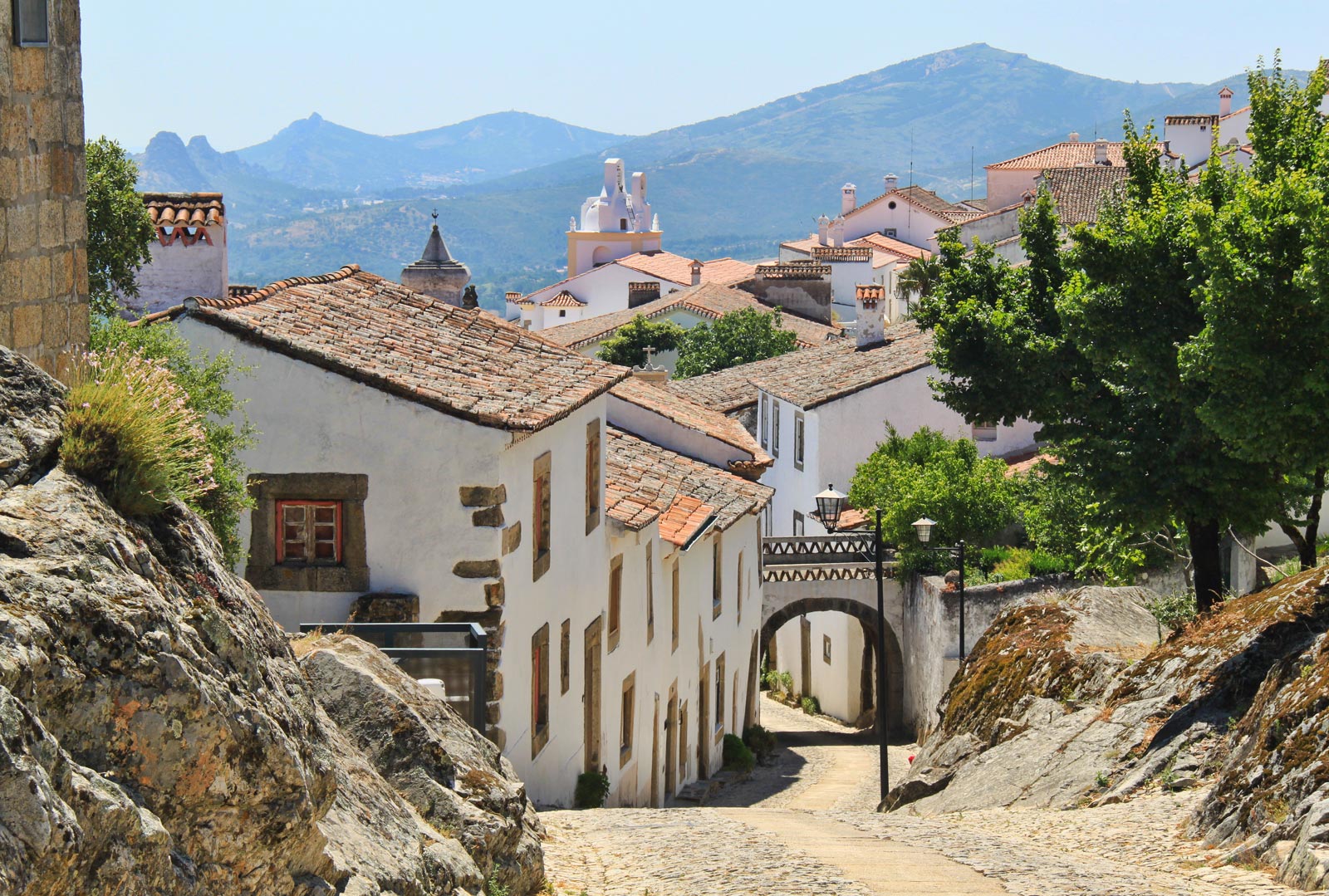
Unbeatable views from the strikingly located rocky outcrop high above the undulating Serra, the settlement has fewer than a thousand individuals living within a complete circuit of seventeenth-century walls, in compact dwellings with granite windows and pitched red roofs.
Naturally, it’s a mainstay on the tourist circuit, although many visitors only drive up for a quick peek, making staying the night here an appealing idea. The community has only a few physical attractions aside from an amazing castle ruin, historical museums, and some exhibits at the Casa da Cultura, which is housed in the old town hall.
The village shop, post office, and ATM are all located along the centre of Rua do Espirito Santo. However, climbing the switchback cobblestone lanes or the (unguarded) outer town walls, or simply sitting in the immaculately managed terrace gardens, is just as satisfying.
Elvas
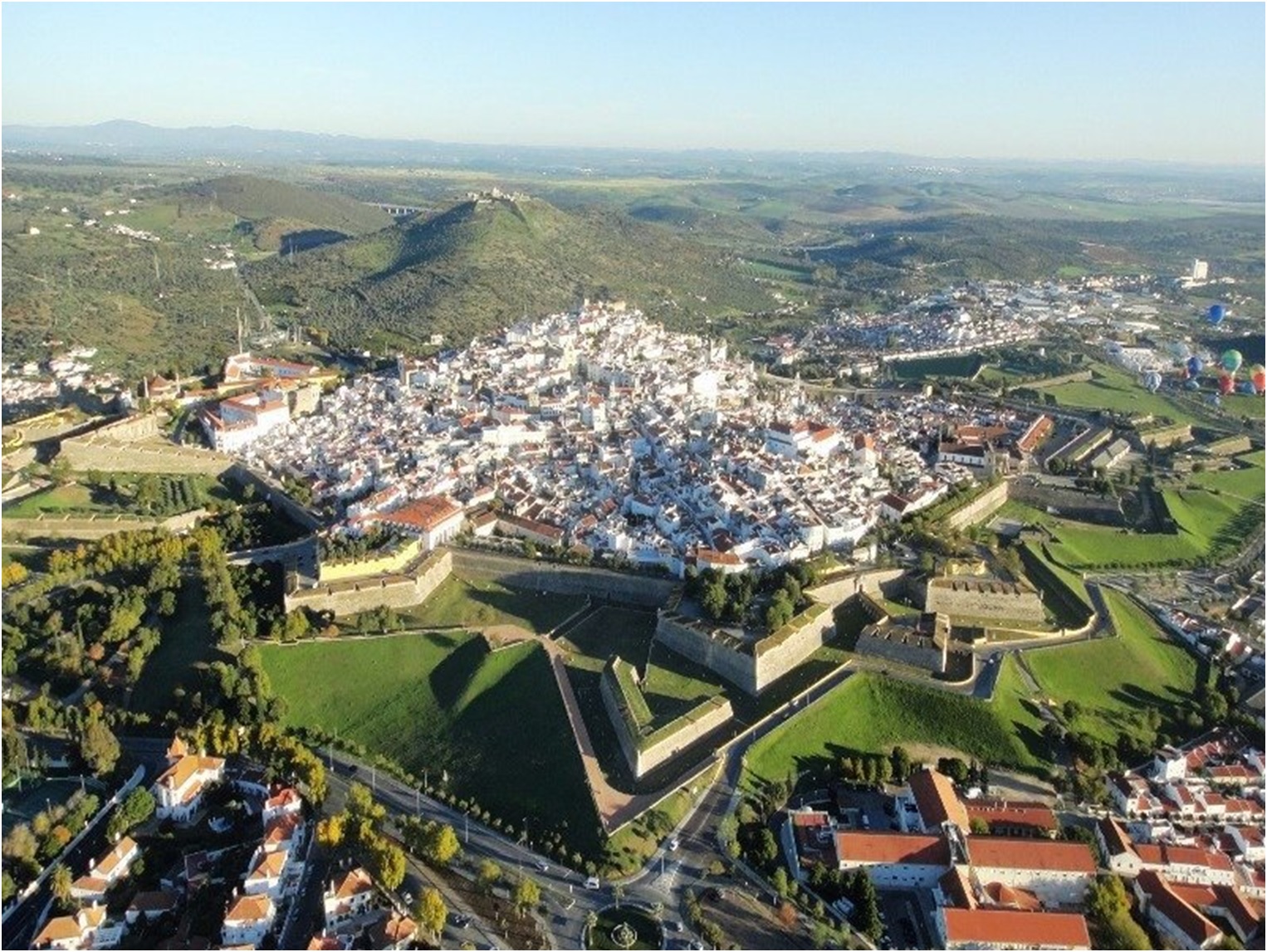
The picturesque hilltop town of ELVAS was formerly one of Portugal’s mightiest frontier posts, strategically located just 15 kilometres to the east across the Rio Guadiana from Spanish Badajoz. Its star-shaped walls and outlying forts of Graça and Santa Luzia are among Europe’s best-preserved military defences, which contributed to the town’s later UNESCO World Heritage designation. With its military significance long gone and a population of around 25,000, the town now relies heavily on tourism – Spanish day-trippers flock here to climb the steep cobblestone streets and sit in the restored central square, the Praça da Repblica, which is ringed by cafés and dominated by the mighty but ultimately underwhelming Igreja de Nossa Senhora da Assunção.
Another popular feature is the bustling Monday market (hosted on alternate weeks), which takes place just outside town behind the aqueduct. Otherwise, the town’s yearly highlight is the week-long Festa de S. Mateus, which commences on September 20.
A brief history Today’s fortifications originate primarily from 1643–53 when they were constructed during the Restoration Wars with Spain (1641–68). Padre Cosmander, a Dutch Jesuit, oversaw the addition of huge moats and star-shaped ramparts to an already remarkable circuit of walls. The resulting structure is often regarded as the finest example of the Dutch school of fortifications in the world. Elvas’ garrison withstood a nine-day siege by Spanish troops in 1644, and in 1658, with its population down to a mere thousand due to an epidemic, Elvas defeated a fifteen-thousand-strong Spanish army. The fort served as a base for Wellington’s victorious attack on Badajoz during the Peninsular Wars in 1811.
Vila Viçosa
The charming hamlet of VILA VIOSA is fully dominated by its ducal palace – the last abode of the Portuguese monarchy. As in Estremoz, marble is the major building material: the road from Borba, 5 kilometres away, is surrounded on both sides by massive marble quarries, and everything in town, from the sidewalks to the most basic structures, is built of the native stone.
A short history The Bragança dukes built their residence here in the fourteenth century, initially in the fortress and then in the Paço Ducal in the early 16 century. The Bragança family was always an influential member of Portugal’s governing class, but it was not until Spain’s Philip II assumed the Portuguese throne in 1581 that the family achieved true prominence. After sixty years of Spanish domination, Portuguese soldiers rose up and took control of the Lisbon palace. The Duke of Bragança was an obvious option to usurp the Spanish throne and was duly crowned Dom Joo IV of Portugal.
From 1640 till the establishment of the Republic in 1910, the dynasty maintained monarchical rule. Although the Bragançan dukes and monarchs possessed sumptuous homes around the kingdom, they frequently opted to remain in Vila Viçosa — indeed, it was here that Dom Carlos slept the night before he was assassinated in the capital in 1908 during a republican rebellion.
Manuel II’s son, Manuel, also frequented the palace prior to his final exile to Britain two years later. Following that, the family was barred from visiting Portugal until 1950, and it is believed that when the present duke, Dom Duarte Pio – who still considers himself heir apparent – was born (1945), he was born in the Portuguese embassy in Berne, Switzerland, to safeguard any future right of succession.
Monsaraz
Monsaraz
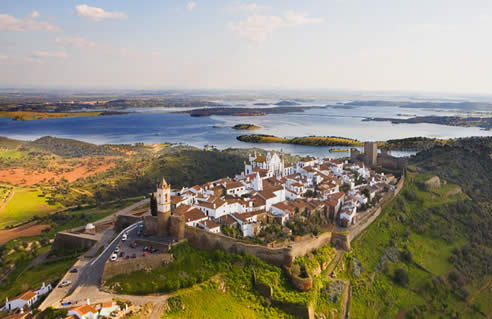
MONSARAZ – colloquially referred to as Ninho das guias (Eagles’ Nest) – is positioned high above the border plains, a little settlement surrounded by strong walls near the Spanish border. Monsaraz has a permanent population of only a few hundred and only two main streets, Rua Direita and Rua de Santiago, which run parallel to one another. The Igreja Matriz is located in the village’s core, close to the main square, which features an unusual eighteenth-century pillory.
While the village does have a few galleries, craft shops, and restaurants, it is the castle, the jumbled streets, and magnificent views from the walls that draw visitors: to the north and west, you survey a typically flat Alentejan plain of vineyards and olive groves, while to the south and east, a watery expanse glitters far below the village, forming part of Europe’s largest artificial lake.
The territory near Monsaraz was a major centre of megalithic civilisation four thousand years ago, and numerous dolmens (covered temples or tombs), menhirs (standing stones), and stone circles still exist today.
Monsaraz Castle
Monsaraz Castle
The Torre das Feiticeiras (Witches’ Tower) rises from the castle at Monsaraz’s southern end, part of a chain of impressive frontier fortresses once ruled by the Knights Templar and later the Order of Christ, who ensured the fortified town remained in Christian hands long after it was taken from the Moors in 1167. Climb the outside walls for spectacular views, which surround a central space within the castle that was once used as a bullring.
Moura
Moura, 50 kilometres south of Monsaraz, is a delightfully provincial town filled with beautiful mansions, attractive squares, and pedestrian-friendly retail districts. Additionally, it is the nearest village to the controversial Alqueva dam. Moura is named after a Moorish maiden, Moura Saluquia, who ostensibly threw herself from the castle tower in despair when Christians murdered her betrothed and overran the town in the eighth century – an Arabic well still exists in the old town.
Moura’s eventual prosperity was inspired by the discovery of naturally carbonated thermal springs in the late nineteenth century; the spa water still dribbles from the Fonte das Três Bicas (Fountain of Three Spouts), but the spa is no longer operational. Nonetheless, the adjacent Jardim Doutor Santiago grounds provide a lovely promenade, thanks to their abundance of shady trees. The Manueline Igreja de São João Baptista rises west of here, with the castle entrance immediately beyond the huge market building.
Serpa
SERPA is a tiny market town located thirty kilometers southwest of Moura and the same distance east of Beja. It features characteristic Alentejan attractions such as a walled center, a castle, and narrow, whitewashed alleys lined with elegant bougainvillea-clad buildings and verdant gardens.
Celts, Romans, and Moors have all occupied the town at various periods, and its highest point is crowned by the ruins of its Castelo. Serpa’s charm lies in its peaceful, little-visited streets, which stretch barely a few hundred metres within the city’s encircling walls. The Praça da Repblica is the settlement’s focal point, with its inviting cafés, while arched gates allow entry to the more modern town beyond. To the south, verdant public gardens give shade during the day’s warmest hours. The town’s traditional feira is held on the weekend closest to August 24, and there are large Easter celebrations in honor of Nossa Senhora de Guadalupe.
Beja
Beja is the capital of the Baixa Alentejo (Lower Alentejo). Due to its inland location, it is typically the hottest area in Portugal, something to keep in mind if visiting during the summer months. After passing through the modern suburbs, you’ll discover a laid-back ancient neighborhood complete with a historic convent and a thirteenth-century castle.
The Torre de Menagem is entirely composed of marble and is a striking sight to behold while touring the grounds of Castelo de Beja. Among other buildings, churches, and museums, Beja provides ample opportunity for history buffs. In Beja, you’ll find Roman ruins and Moorish castles from the time of Arab dominance, providing a visual timeline of Portugal’s ever-changing past under the influence of invaders. Among the other notable locations are the Convento de Nossa Senhora da Conceicao, the Misericordia Hospital, and the Jorge Vieria Museum. If everything else fails, a day spent meandering through the old district and stopping at cafes is a wonderful way to spend the afternoon.
It has always been an important and rich city due to its strategic location in the heart of the plains. It was christened Pax Julia by Julius Caesar in 48 BC in honor of the peace treaty struck here between Rome and the Lusitanians, but eventually became Pax Augusta and then simply Pax – which gradually deteriorated to Paca, Baca, Baju, and finally Beja. To the north, at the dramatic Ruinas Romanas de So Cucufate, visitors may still experience the Roman impact, as the history of three distinct Roman villas is revealed through significant excavations and restorations.
Mértola
MÉRTOLA, 54 kilometers southeast of Beja, is as picturesquely located as any town in the south, perched high above the junction of the Guadiana and Oeiras rivers and defended by the ruins of a Moorish frontier castle. It’s an ancient town brimming with activities and calm rural surrounds that are part of the Parque Natural Vale do Guadiana: the N265 through the park to Serpa is one of Portugal’s most beautiful drives. The region is home to the rare black stork and other endangered species, and the region’s hills, riverbanks, and valleys provide good walking opportunities, particularly around the historic mining community of São Domingos.
Mértola’s history dates all the way back to Phoenician times, when it was a vital river port. It was then fortified and extended by both the Romans (as Myrtilis) and the Moors (as Martulah), before being captured by Dom Sancho II in 1238 as part of the Christian Reconquest. With the walled town occupying such a limited area, successive conquerors and settlers simply built on what they found, which is what continues to fascinate Mértola today – the proof of thousands of years of existence seen in practically every building and street.
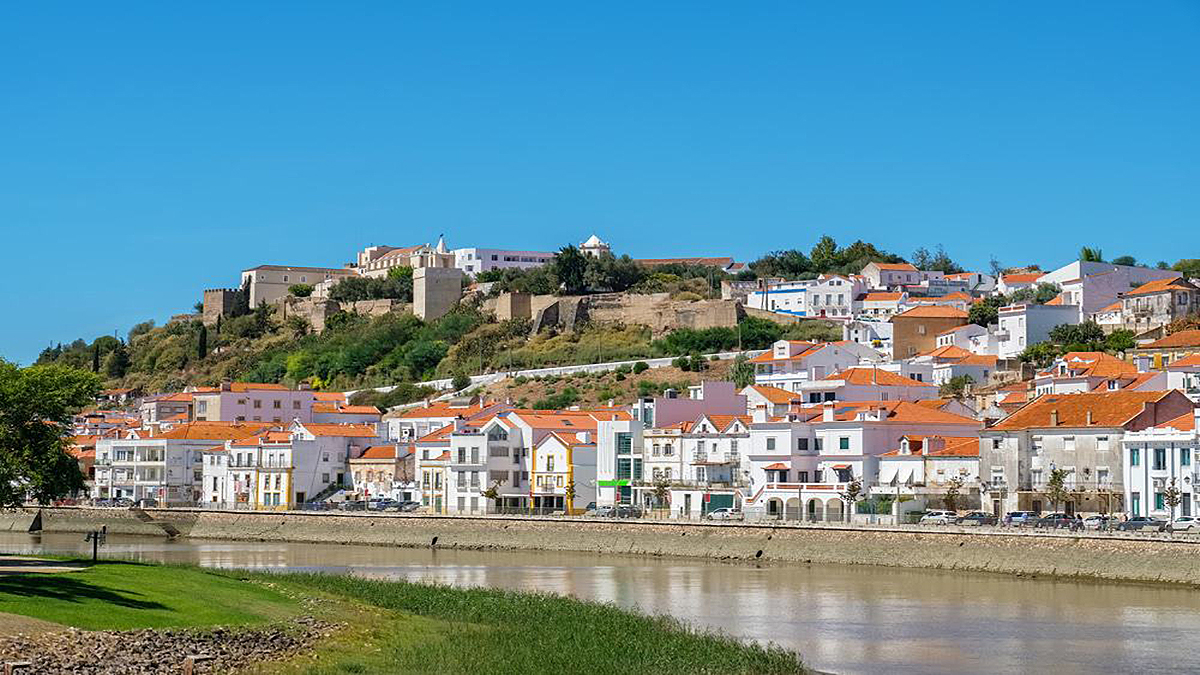
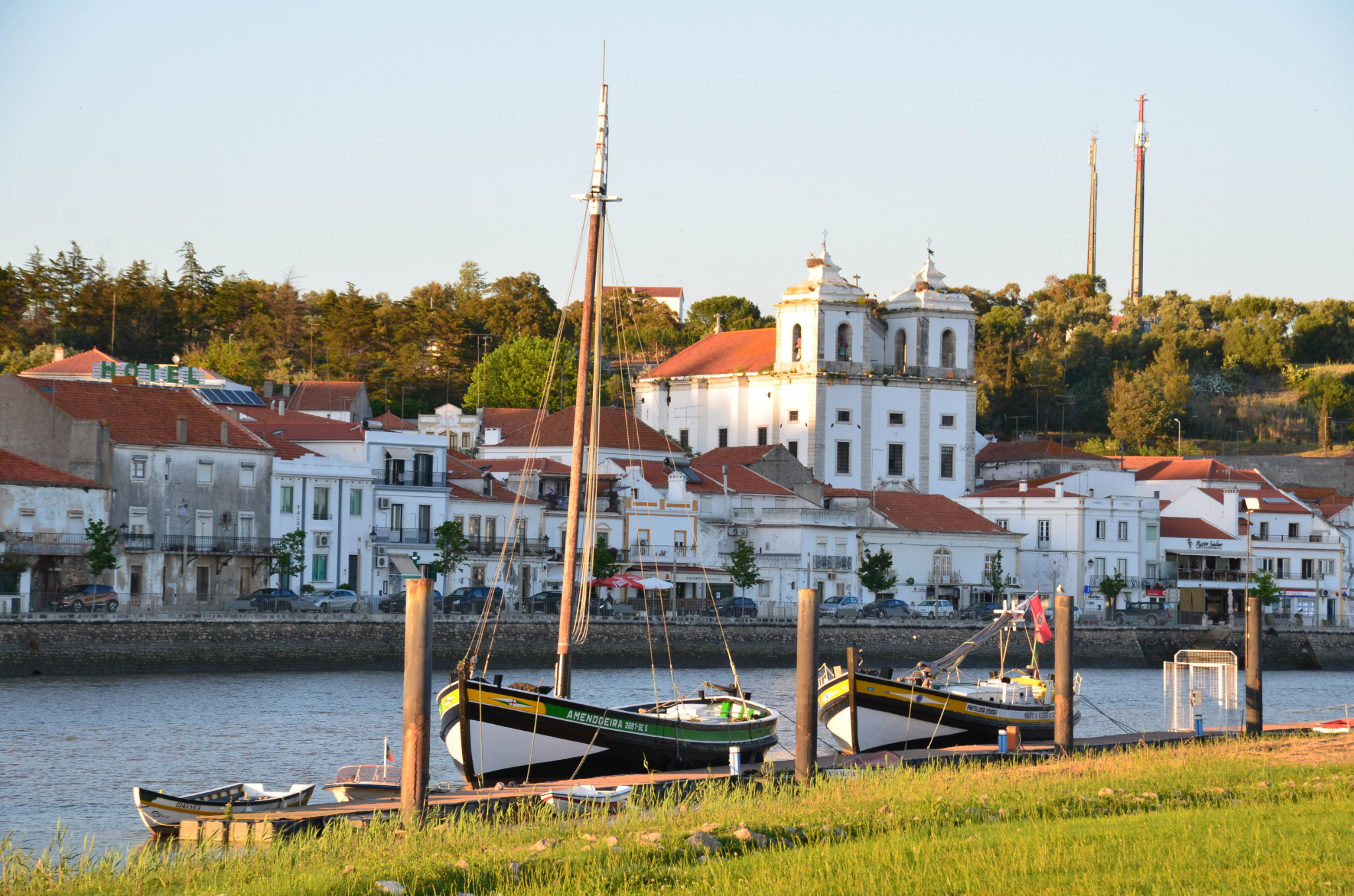
Alcácer do Sal is a picturesque village in the Alentejo region that is definitely worth a visit. If you’re travelling from Lisbon to Comporta, taking a detour to Alcácer do Sal is highly recommended. This stopover will give you the opportunity to explore one of Portugal’s oldest towns, situated on the right bank of the Sado River. The town is famous for its many historic landmarks and for the stunning rice fields that stretch out as far as the eye can see.
Alcácer do Sal is a town steeped in history, enclosed by castles, and featuring ancient cobblestone streets that have withstood the test of time. The town is located in the Setúbal region, nestled along the banks of the Sado River. Wrought-iron balconies adorn buildings that overlook the river, beneath which you can find a variety of cafes and restaurants. While the Sado River flows peacefully, the imposing ramparts and towers serve as a reminder of a time when Alcácer do Sal, like many other hilltop towns in Portugal, played a crucial role in territorial conflicts.
The name of the town, Alcácer do Sal, has Moorish roots and means “the castle of salt.” The second part of the name refers to the town’s longstanding salt industry. The surrounding land features cork trees, which are a typical sight in Portugal’s Alentejo region. These trees have a distinctive, gnarled appearance and are often used in the cork industry.
For countless generations, this rocky peninsula on the Sado River has been inhabited.
Castle and Pousada D. Afonso II, Alcácer do Sal, Alentejo, Portugal
During the period of Moorish rule, Alcácer do Sal was a significant provincial stronghold. The town boasted a formidable keep and twenty turrets, each towering over 25 metres in height. However, by the sixteenth century, the fortress had become obsolete and was transformed into a monastery.
Over time, neglect and earthquakes took their toll, and the property fell into a state of disrepair. It wasn’t until the 1990s, when a pousada, or heritage hotel, was established, that the property was revived.
As you explore the upper levels of the monastery, take a moment to appreciate the vast, flat plains that stretch out along the river’s path. These plains are home to beautiful rice fields that are a defining feature of the region.
The castle in Alcácer do Sal has its origins in the Muslim era but was built on a site that the Romans had used as early as the sixth century for their own fortress. The castle features dozens of formidable towers, most of which are constructed from durable dressed stone. However, some of the towers and part of the encircling wall are made of mud, making it one of the few surviving examples of mud wall construction used for this purpose.
Atop the hill, you’ll find the Santa Maria do Castelo church, which was constructed after the Christian reconquest of the area in the 13th century. The site previously housed a pagan temple and later a mosque before being repurposed for the construction of the church.
Cripta Arqueológica Do Castelo
Beneath the castle, there is an intricate network of underground tunnels that contain 27 centuries of history. As you wander through the tunnels, you’ll discover remnants of different civilizations that inhabited the area throughout history.
These tunnels, foundations, streets, and abandoned structures were discovered during the restoration of the castle in the 1990s. The oldest remains found in the tunnels date back to the Iron Age, around 700 BC. Subsequent civilizations followed, culminating with the Moors during the Middle Ages.
The displays within the tunnels showcase artefacts from each overlapping period, including busts, pottery, and statuettes. It’s a fascinating journey through time and a unique way to experience the rich history of Alcácer do Sal.
Old bridge and highway bridge, Alcácer do Sal, Alentejo, Portugal
Igreja do Espirito Santo is another notable church in Alcácer do Sal, with a magnificent entryway that reflects the Manueline architectural style of the era in which it was built. It is believed that King Manuel married his second wife, the Spanish Infanta Maria, here. Inside the church, visitors can marvel at a spectacular crown-shaped font and explore the town’s archaeological museum, which features prehistoric artefacts discovered in the local area.
In addition to the churches and museums, Alcácer do Sal also boasts Roman ruins that were discovered in the 1980s, providing insight into the town’s ancient past. Visitors can also explore the Sado Estuary Natural Reserve, which is home to a variety of animals and birds and features wetlands that are a must-see for nature enthusiasts.
The Santa Maria do Castelo church is located in the city square of Alcácer and was founded in 1217 after the reconquest of the city. The Church of Santiago features blue-tiled friezes depicting saints’ lives from the 18th century, and the Chapel of the Eleven Thousand Virgins in the 16th-century Convent of Santo Antonio is a unique example of Renaissance architecture in Portugal.
The Santa Maria do Castelo church is located inside the castle’s walled perimeter and has elements of Gothic, Manueline, and Baroque architecture. The ornate stone pulpit, which features a carving of an archangel that supports it, was built in the 1700s. The nave walls were tiled during this period, and the chapels were adorned with ornate gilded woodcarving.
The church’s modified Gothic spire is home to a stork’s nest, a common sight in many of the larger structures in the estuary.
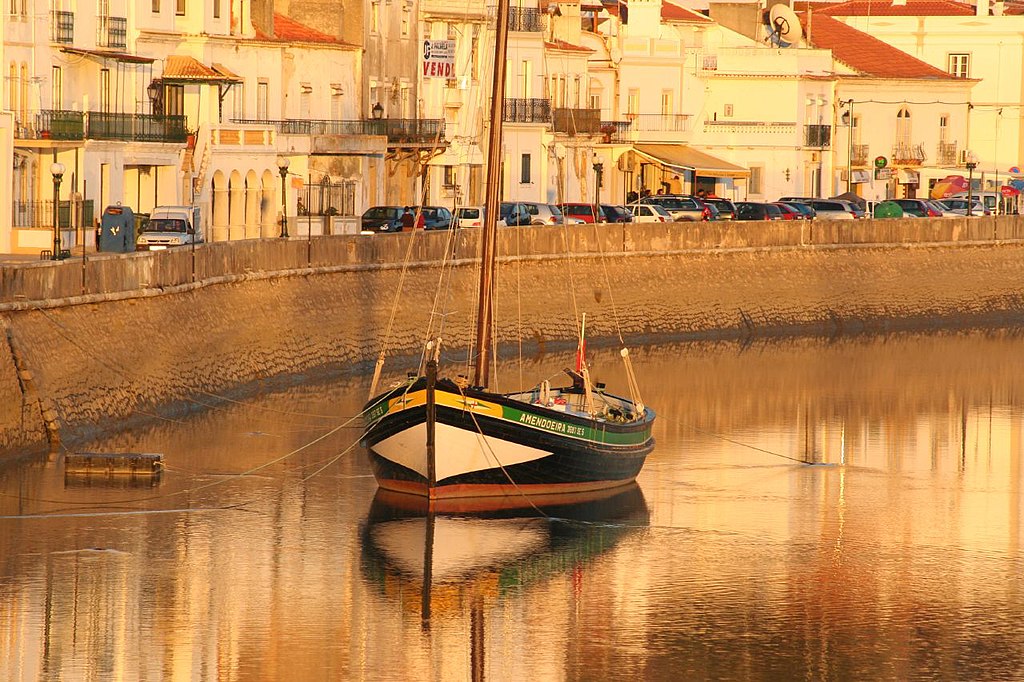
Historical boat along the Sado River in the town of Alcácer do Sal
The Sado River begins in the city of Beja and flows for 180 kilometres from east to west. It eventually reaches the vast estuary after passing through Alcácer do Sal. This estuary has been designated a natural reserve, yet there is still a fishing village thriving there. Fishermen coexist with a group of dolphins that inhabit the calm, salty waters. The area along the riverbank is adorned with rice fields, while drier regions are dotted with pine and cork oak trees. Visitors can observe remnants of old salt ponds and enjoy peaceful walks under the expansive sky, watching birds such as storks nesting on rooftops and electrical pylons.
Museu Do Arroz
To immerse yourself in the culture of the Sado Estuary, one approach is to learn about its rice-growing heritage. An old rice husking station in Comporta has been converted into a museum and café situated next to a sea of rice fields. Along with the husking machine in the old factory’s centre, the museum exhibits how this remote location was self-sufficient, showcasing a blacksmith forging harvesting implements and a farrier shoeing the workhorses ploughing the fields.
Tróia Peninsula
If you’re looking for more secluded white-sand beaches, after visiting Praia do Comporta, you can continue up the peninsula for miles until you reach the tourist resort at the northern tip. On the ocean side, the beaches seem endless, with human settlements few and far between. Catching the sunset behind the Serra da Arrábida is an unforgettable experience, if you’re lucky enough to see it.
All of the beaches are suitable for swimming, but the one near the tip of the peninsula is exceptional. Praia de Tróia, with its sugar-white sand and facing the estuary, feels like a tropical island. Although the water can be quite cold, it is calm, safe, and crystal clear.
Santuário Do Senhor Dos Mártires
If you continue past the western outskirts of Alcácer do Sal, you will reach the chapel of Santuário Do Senhor Dos Mártires. The chapel was constructed in the 1200s for the Order of Santiago’s knights and served as the order’s pantheon or funerary chapel. The chapel features strong Gothic influences, including buttresses, vaults, and traceried windows.
The site of the chapel has a rich history, having served as a burial ground since the Iron Age and as an early Christian hermitage during Roman times.
Cais Palafítico Da Carrasqueira
As you travel along the south shore of the Sado Estuary, you will encounter a series of wooden piers that are connected to crooked-looking posts. These charming structures extend far out into the water and were built by fishermen to aid in the launch of their boats during low tide.
Some of these posts have basic wooden cottages and boats tied to them, while others have completely collapsed, leaving only a column of skeletal piles protruding from the water. These piers date back to the 1950s and 1960s, and the vast open sky, rickety piles, crystal-clear water, and marshy vegetation create incredible opportunities for photography.
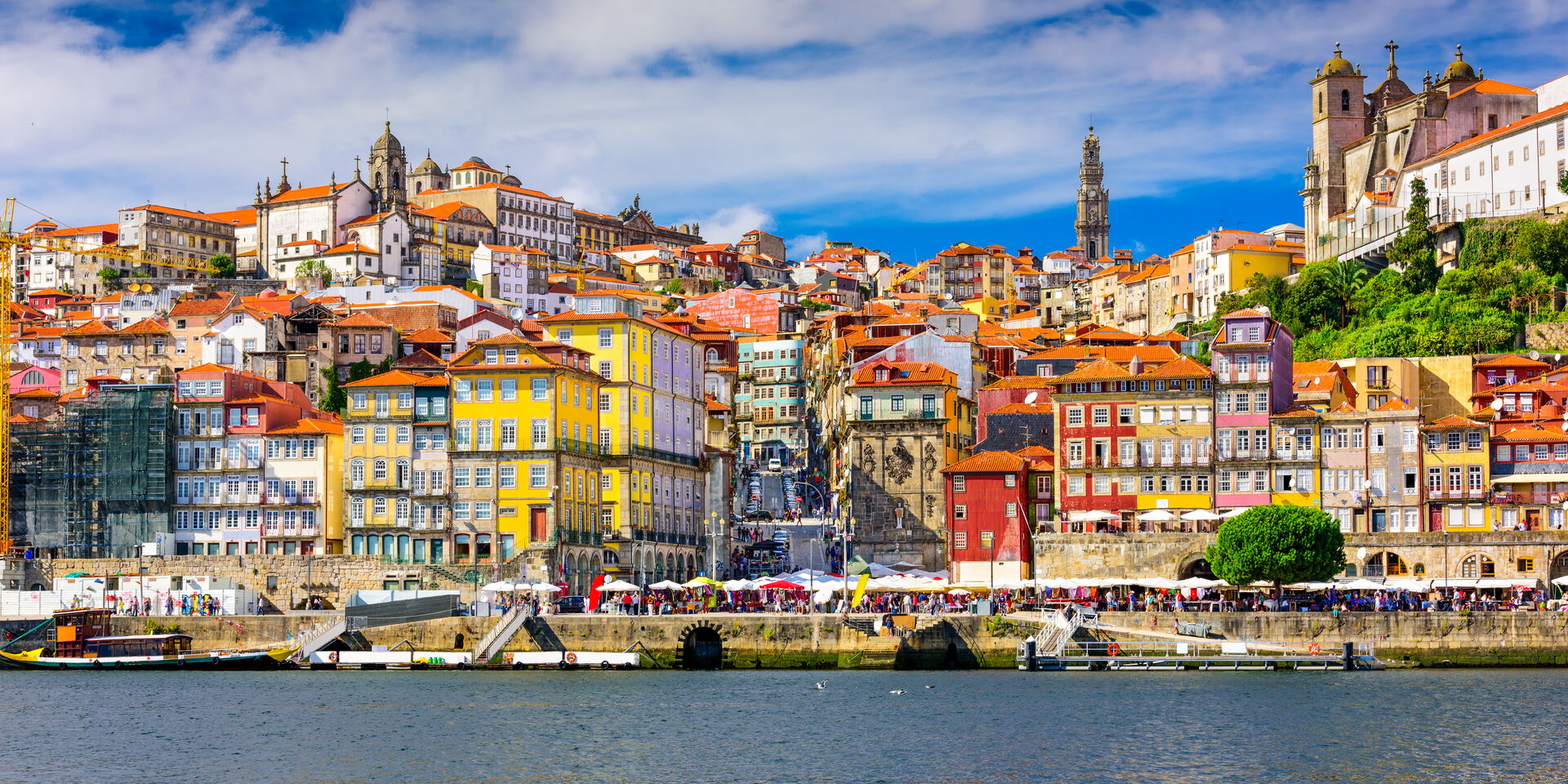
The city of Porto was developed along the hills overlooking the Douro river estuary, and its historical centre was designated a UNESCO World Heritage Site in 1996. It has been continually inhabited since at least the 4th century when it was known as Portus Calle by the Romans.
Porto has a semi-Mediterranean climate, however, it is heavily influenced by the Atlantic Ocean, making it cooler than other cities in a similar climate. Temperatures might reach 40 degrees Celsius in August during heat waves. Winters are pleasant and humid, with a few chilly nights when temperatures fall below 0ºC.
Porto has traditionally been a commercial city, as seen by the architecture of the buildings that line the Avenida dos Aliados, the city’s main thoroughfare. Unlike other large Portuguese cities, which lean toward the baroque, the town centre is granite and colossal.
Porto is a treasure trove of things to see and do, and we’ve compiled a list of some of the best.
Cais da Ribeira
In Porto, Cais da Ribeira is known for being the riverbank area, and it is the best spot to go if you want to take a stroll down sun-dappled streets. In addition to a wealth of cafés and restaurants to pick from, fresh seafood is often the order of the day on this waterfront strip.
A plethora of sights and attractions can be found across Porto, particularly in this area of town.
Dom Luis I Bridge
The Dom Luis I Bridge, which spans the Douro River and is one of the most recognizable sites in Porto due to its sheer grandeur, is one of the city’s most iconic sights. This has to be one of the most impressive sights to witness in Porto, at least in terms of sheer scale.
The bridge, which is similar in style and design to the Eiffel Tower, was created by a student of Gustav Eiffel, who is best known for the construction of the Eiffel Tower.
There’s an option to go across the top of the bridge, and I’d highly recommend it because it offers one of the nicest views of the city.
Church of São Francisco (Porto)
The Church of Saint Francis is the most famous Gothic landmark in Porto, Portugal, and it is also notable for its exceptional Baroque interior décor, which is well worth mentioning. It is located in the historic centre of the city, which has been designated as a UNESCO World Heritage Site.
São Bento Train Station
The São Bento Railway Station (Estaço Ferroviária de Porto-São Bento) is one of Portugal’s most visually arresting railway stations, and it is located in the city of Porto.
The São Bento Railway Station in Porto was built on the site of a former Benedictine monastery and opened its doors to the public in 1916. The edifice exudes a gloomy and nostalgic atmosphere that is characteristic of the city.
Although the train station appears to be beautiful from the outside, the true beauty may be seen on the inside. The main hall is a sight to behold, with more than 20,000 tiles depicting scenes from Portugal’s past.
The Palácio da Bolsa (Stock Exchange Palace)
Construction on the building began in the mid-nineteenth century in the neoclassical style and was completed in the city centre, near to the St Francis Church, in 1898. This historical structure was built on the ruins of the St Francis Convent, which was destroyed during the Liberal Wars and rebuilt on the same site. The Palácio da Bolsa was constructed in 1842, but it was not completed and opened to the public until 1891.
Upon entering this neoclassical National Monument, you will be able to see the huge central courtyard known as Pátio das Naçes (Courtyard of the Nations), which is enclosed by a glass structure that allows for an abundance of natural light to flood the whole building.
In the next rooms, you will see the Golden Room, which is totally covered in gold leaf, and other magnificent rooms until arriving at the Palace’s crowning achievement, the Arab Room, which is located on the top floor of a magnificent marble and granite stairwell. The ceremonial receptions are conducted in this 300-metre-square space, which has been furnished in Moorish style, with inspiration taken from the Alhambra.
Livraria Lello & Irmão
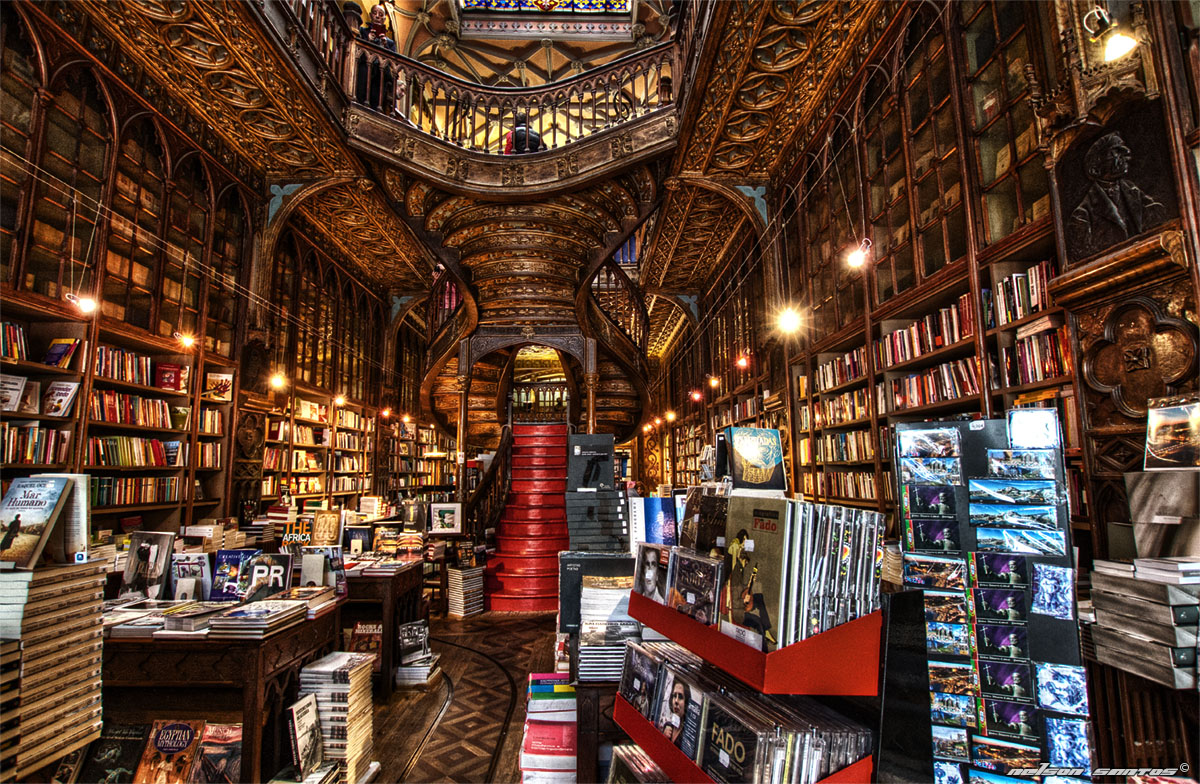
Found close to the Torre dos Clérigos, the Livraria Lello & Irmão is considered the most beautiful library in Europe and one of the most beautiful in the world.
As the name suggests, Livraria Lello and Irmo is a bookshop in the heart of Porto that is set in a neo-gothic building from 1906 that has been so magnificently decorated with wood panelling that it will transport you back in time to the nineteenth century.
The bookstore is spread over two storeys, with shelves crammed with books of various shapes and sizes lining every wall and reaching all the way to the ceiling on the first floor. While a beautiful wooden and red velvet staircase runs through the centre of the library, connecting the two floors, a stained-glass window at the top of the staircase floods the area with natural light, bringing the entire room to life.
A setting reminiscent of a fairy-tale You really must pay a visit to this one-of-a-kind bookshop, where you’ll feel as if you’ve wandered into a fairy-tale setting rather than a traditional library.
Livraria Lello is so beautiful that it served as an inspiration for author J.K. Rowling when she was writing Harry Potter while she was living in Porto.
The Crystal Palace Gardens
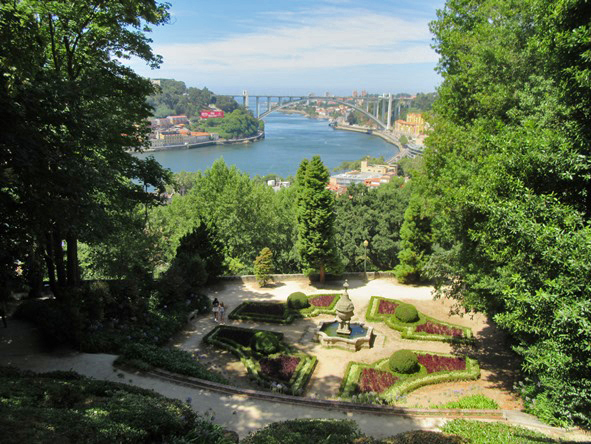
The Crystal Palace Gardens is a delightful park in Porto, designed at the end of the 19th century.
The Crystal Palace Gardens are located in the upper section of Porto and are a wonderful green park with panoramic views of the city, the Duero’s mouth, and the Atlantic Ocean.
You can visit numerous themed areas inside the gardens, including an aromatic plant garden, a medicinal plant garden, a feelings garden, a rose garden, and a woodland.
Excellent Views Visiting these gardens is an excellent way to unwind, take a break, and take in some breathtaking views of the city.
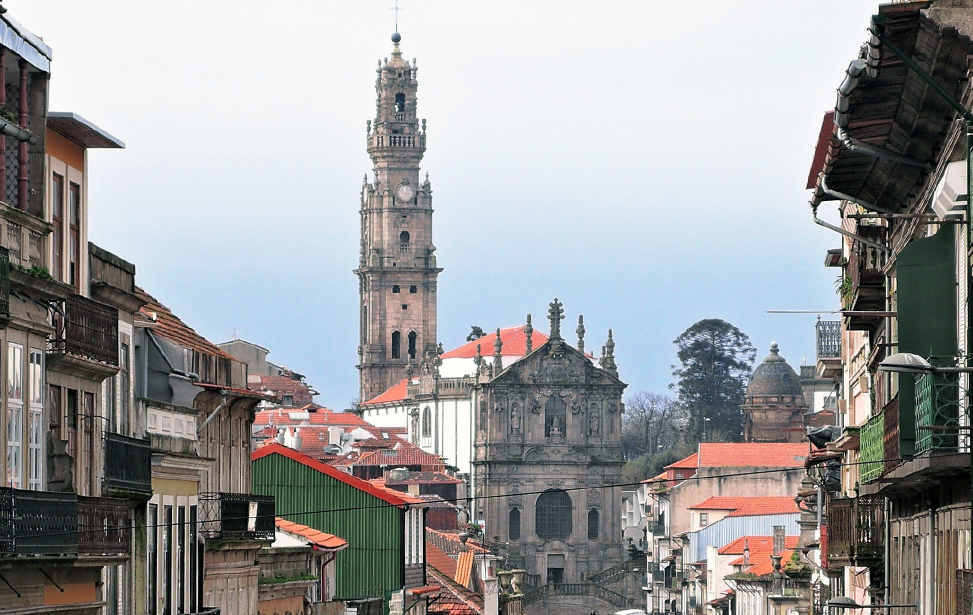
Clérigos Church and Clérigos Tower
The Clérgios church was built in the baroque style between 1735 and 1748. It is topped by the Clérgios tower, which is one of the city’s most recognizable landmarks.
The Brotherhood of the Clérigos commissioned this eighteenth-century complex in the old town, atop the “hill of the hanging men,” where the slain criminals were interred.
Clérigos Tower is a structure in the city of Clérigos Clérigos Tower (Torre dos Clérigos in Portuguese) is Portugal’s tallest campanile. It stands 249 feet (76 meters) tall, and climbing its 200 steps provides a unique view of the city and the river.
As you climb, you’ll come across 49 bells that create a massive carillon, which can be rather frightening if you’re in the bell tower when they ring. When you reach the top and look out from the tower’s observation deck over Porto, you’ll find that the effort of climbing all those steps was well worth it. This is also an excellent location for photography.
It is well worth a visit. The Clérigos Church and its bell tower are two of Porto’s most prominent attractions. We recommend climbing the steep steps for a spectacular view of the old city and the Douro River.
Are sweets considered sinful? It’s not the case in Portugal, where for ages, monks and nuns have been cooking up the most delectable delicacies. The following are seven of the country’s most beloved sweet delights, along with recommendations for the best venues to experience them in the capital.
Portugal is a land of sweet temptation, which may be found everywhere. It’s a country where you can’t turn a corner without being enticed into yet another confeitaria or pastelaria for a crisp, oven-warm pastel de nata (custard tart) or a fluffy, bite-size queijada (cheesecake) to accompany your early morning espresso. The Portuguese are notoriously difficult to please, so follow their lead and look for the fabrico próprio (‘made in house’) signage, and prepare to be spoiled.
Portuguese pastries have had an enchanted history. To appreciate Portugal’s national fascination with cakes, sweets, and desserts, you have to go back to the 15th-century Age of Discoveries, when the country was riding the waves in search of land, power, and wealth, and the country’s fixation with sweets and desserts began. Intrepid navigators set sail for the new globe, establishing trade routes and bringing back treasure chests loaded with exotic spices from the Azores, Africa, America, and Asia.
The monasteries and convents where the explorers stayed, where the inmates prayed for their souls while they braved the storm-tossed sea, received several of these as gifts. As a result, the habit of manufacturing doces conventuais (conventual sweets) began to spread throughout Europe. As they had lots of free time on their hands, the monks and nuns began to cook up delectable delicacies utilizing sugar and spices sourced from far-flung locations throughout the world. They flavoured their eggs, butter, and flour with spices such as cinnamon, vanilla, coconut, and citrus, and they often gave their new concoctions spiritual names. These were a hit with the royals and nobility of the great kingdom, and the recipes have remained mostly unchanged over the years.
Here are seven delectable Portuguese sweets that you must sample if you ever find yourself in Portugal.
Pastel de feijão (bean pastry)
This flaky puff-pastry tartlet, which is literally stuffed with beans (feijões), may blow your mind with its buttery, caramelized crispness and creamy, unctuous egg yolk, almond, and white-bean cream. A late 19th-century chef in the coastal city of Torres Vedras, Joaquina Rodrigues invented this dish for his family and close friends, who were the only ones to enjoy it. Nonetheless, the word went out, and it has since become a solid Portuguese pastelaria favourite to this day. You can even convince yourself that the bean portion is beneficial to your health.
Where can I eat it?
Nowhere in Lisbon does a better pastel de feijão than the Fábrica do Pastel de Feijão (Rua dos Remédios 33), tucked away in the Alfama district. Here, chef António Amorim has subtly improved the art by making them rectangular in shape
Bola de Berlim (Berlin ball)
You only have to bring up the bola de Berlim with the Portuguese and you’ll see them sigh with nostalgia. Anyone who has ever eaten one of these fluffy, egg cream-filled, sugar-coated dough balls — a local twist (thus the name) on Germany’s Berliner doughnuts – has a favourite childhood story to tell about it. However, there is a difference: the Portuguese version is cut lengthwise to allow for a thicker, oozier filling to be accommodated. Vendors endure the heat, sand, and flying bats and balls to bring sunbathers these sticky sweets, which they deliver in boxes full of bolinhas (‘little balls.’)
Where can I eat it?
Besides the beach, you can grab a bola de Berlim at numerous pastelarias in Lisbon, but the best are those sold in myriad flavours at Berlineta (Estação de Santa Apolónia). Try the beetroot, carob and activated-charcoal versions if you’re feeling adventurous. Vegans are also catered for.
Queijada (cheesecake)
If you look at it on paper, the components appear to be delectably straightforward: flour, eggs, sugar, cinnamon, and fresh cheese. However, in reality, the queijada is a thing of beauty, consisting of a paper-thin pastry casing filled with a marzipan-like cheesecake filling and topped with a caramelized sugar coating on top. It’s gone in a couple of nibbles — and you’ll be hankering for another. While you can find queijadas all across Portugal, some of the best are found in Sintra, a UNESCO World Heritage Site known for its beautiful palaces and located only a short drive from the capital, Lisbon.
In this location, the nuns once maintained their faith by baking these delectable treats to use up an excess of fresh cheese from the nearby meadows, occasionally seasoning them with almonds, oranges, coconut, and honey.
Where can I eat it?
For the real deal, head to the old-school Fábrica das Verdadeiras Queijadas da Sapa (Volta Duche 12), a bakery founded in 1756, and either scoff them straight away or buy a half-dozen to take away, hand-wrapped in vintage paper.
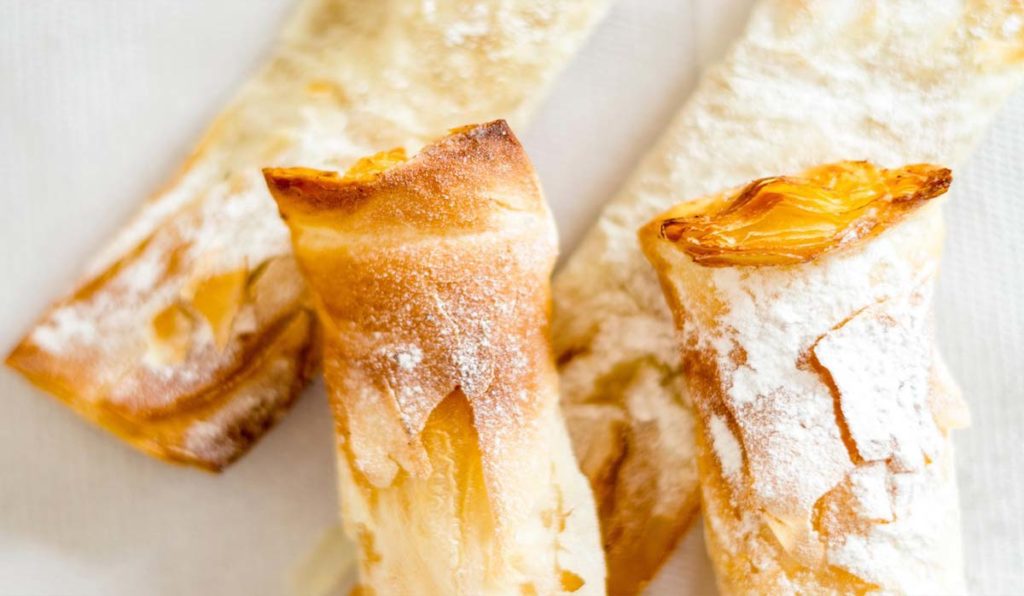
travesseiro (pastry pillow)
It is a puff pastry delight that flakes beautifully when cut, filled with delectable egg and almond cream, and coated with powdered sugar. It is a Portuguese dessert. Casa Piriquita, a bakery in Sintra that has been in operation since 1862, is where this dessert was conceived and first served to customers. The specific recipe for the travesseiro is a well-held family secret, although it is reported that during World War II, the family was experimenting with new sweets when they came upon a collection of old recipes that included the travesseiro.
Where can I eat it?
Naturally, Casa Piriquita (Rua das Padarias 1/18,) in Sintra is the number-one place to sample a travesseiro, but you’ll also find them at Lisbon’s 19th-century Confeitaria Nacional (Praça da Figueira).
Pão de Deus (God’s bread)
It’s reasonable to expect wonderful things from this brioche-like bun, and the chances are good that you won’t be disappointed. Perfect for breakfast with an espresso or as a savoury snack (the Portuguese commonly serve it with cheese and ham), this fluffy, sweet bread gets its golden crunch from a coconut crust that is baked on the outside and baked inside. Some are added a splash of rum, vanilla, and lemon to give them a little additional kick.
As is customary in Portugal, Pão de Deus is related to the holiday known as dia do todos Santos (also known as All Saints’ Day) or All Hallows’ Day, which takes place on November 1.
Where can I eat it?
Pão de Deus is no longer reserved for All Saints’ Day. Find it at Lisbon patisseries such as Sacolinha (Rua Paiva de Andrada 4/12) and A Padaria Portuguesa (Rua Barata Salgueiro 30).
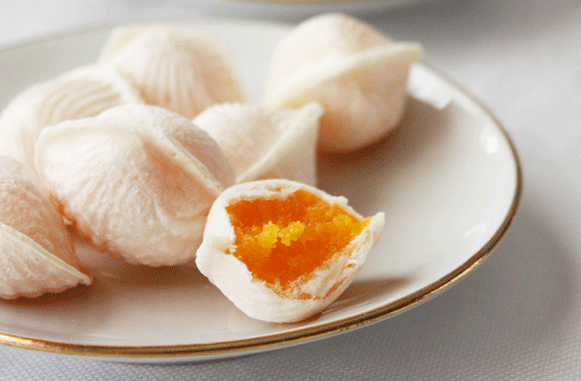
Ovos moles (soft eggs)
It should come as no surprise that the Portuguese are obsessed with eggs in their desserts, especially the ovos moles (soft eggs) that come from the city of Aveiro, on the country’s west coast. According to the authentic spiritual tradition of doces conventuais, these rice-paper communion wafers are filled with an egg yolk and sugar cream that has been carefully churned over a precise heat until thick and rich. They are formed in the shapes of shells, clams, whelks, and barrels, all of which allude to Portugal’s naval tradition and melt in your mouth.
Where can I eat it?
If you can’t get to Aveiro, the next best place has to be Lisbon’s Casa dos Ovos Moles (Calçada da Estrela 142). Incidentally, this is also a terrific spot to try toucinho do céu (‘bacon from heaven’), a dense almond cake made with pork fat.
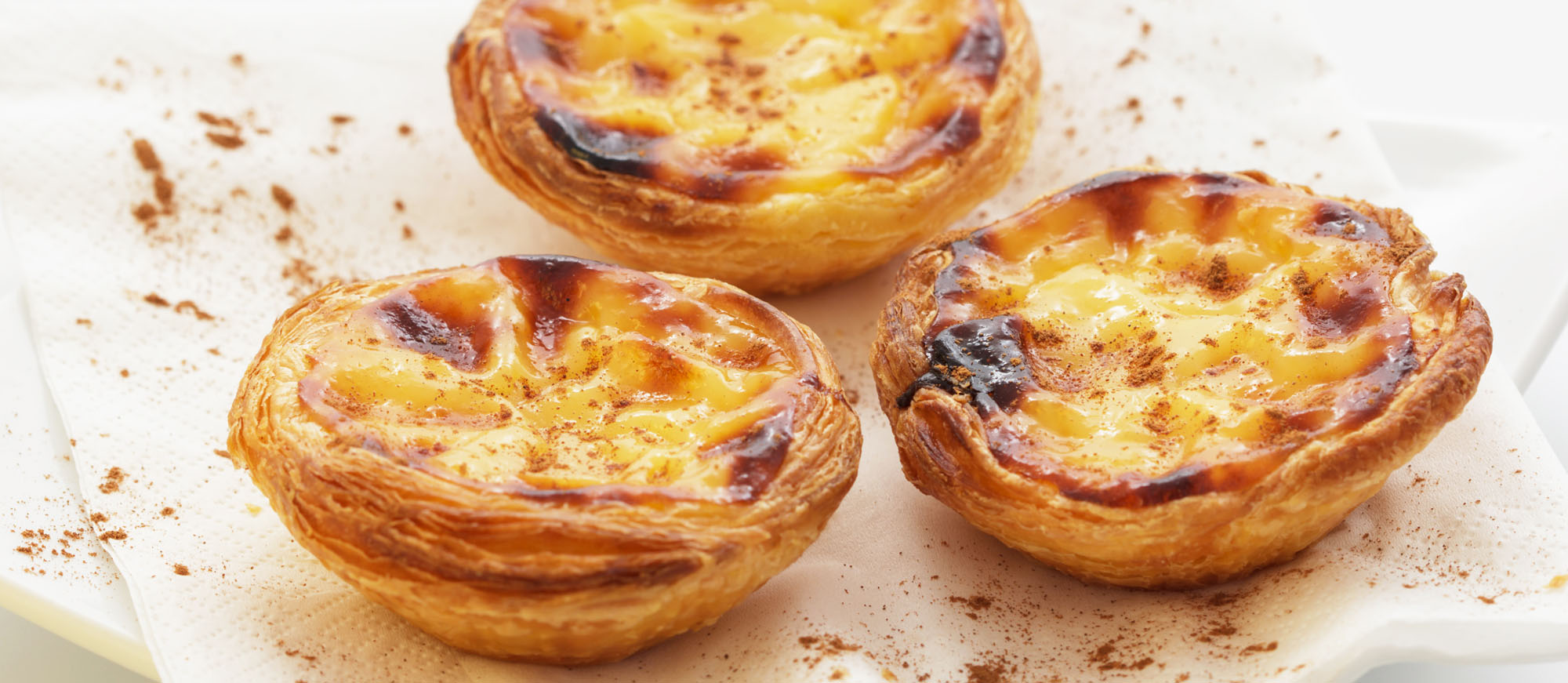
Pastel de nata (custard tart)
We’ve saved the best for the very end. Unless you’ve been living in a cave for the past decade, you’ve almost certainly heard of Portugal’s world-travelling star sweet, the pastel de nata (custard tart), which is now gobbled everywhere from Sydney to So Paulo. These tarts, which are best eaten fresh from the oven, are incredibly delectable: they are filled with a silky smooth egg vanilla cream and encased in flaky, caramelised puff pastry that has been dusted with cinnamon. One bite will have you hooked, just as the monks at Jerónimos Monastery in Lisbon were back in the 19th century when they discovered the dish. According to legend, when the dissolution of the monasteries was implemented in 1834, the monks turned to sugar and baking in order to live, concocting a secret recipe for pastéis de Belém that has remained constant to this day.
Where can I eat it?
Some say you can’t beat the originals (since 1837) at Pastéis de Belém (Rua de Belém 84), but we’d argue that the pastéis de nata at former butter factory Manteigaria (Rua do Loreto 2) are every bit as good.
We use cookies on our website to give you the most relevant experience by remembering your preferences and repeat visits. By clicking “Accept All”, you consent to the use of ALL the cookies. However, you may visit "Cookie Settings" to provide a controlled consent.
This website uses cookies to improve your experience while you navigate through the website. Out of these, the cookies that are categorized as necessary are stored on your browser as they are essential for the working of basic functionalities of the website. We also use third-party cookies that help us analyze and understand how you use this website. These cookies will be stored in your browser only with your consent. You also have the option to opt-out of these cookies. But opting out of some of these cookies may affect your browsing experience.
Necessary cookies are absolutely essential for the website to function properly. These cookies ensure basic functionalities and security features of the website, anonymously.
Cookie
Duration
Description
cookielawinfo-checkbox-analytics
11 months
This cookie is set by GDPR Cookie Consent plugin. The cookie is used to store the user consent for the cookies in the category "Analytics".
cookielawinfo-checkbox-functional
11 months
The cookie is set by GDPR cookie consent to record the user consent for the cookies in the category "Functional".
cookielawinfo-checkbox-necessary
11 months
This cookie is set by GDPR Cookie Consent plugin. The cookies is used to store the user consent for the cookies in the category "Necessary".
cookielawinfo-checkbox-others
11 months
This cookie is set by GDPR Cookie Consent plugin. The cookie is used to store the user consent for the cookies in the category "Other.
cookielawinfo-checkbox-performance
11 months
This cookie is set by GDPR Cookie Consent plugin. The cookie is used to store the user consent for the cookies in the category "Performance".
viewed_cookie_policy
11 months
The cookie is set by the GDPR Cookie Consent plugin and is used to store whether or not user has consented to the use of cookies. It does not store any personal data.
Functional cookies help to perform certain functionalities like sharing the content of the website on social media platforms, collect feedbacks, and other third-party features.
Performance cookies are used to understand and analyze the key performance indexes of the website which helps in delivering a better user experience for the visitors.
Analytical cookies are used to understand how visitors interact with the website. These cookies help provide information on metrics the number of visitors, bounce rate, traffic source, etc.
Advertisement cookies are used to provide visitors with relevant ads and marketing campaigns. These cookies track visitors across websites and collect information to provide customized ads.























 Portugal