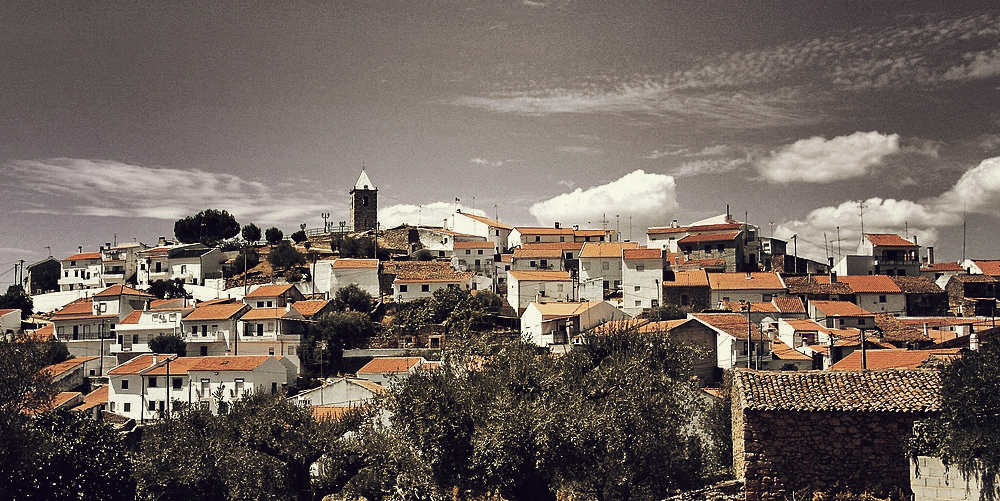
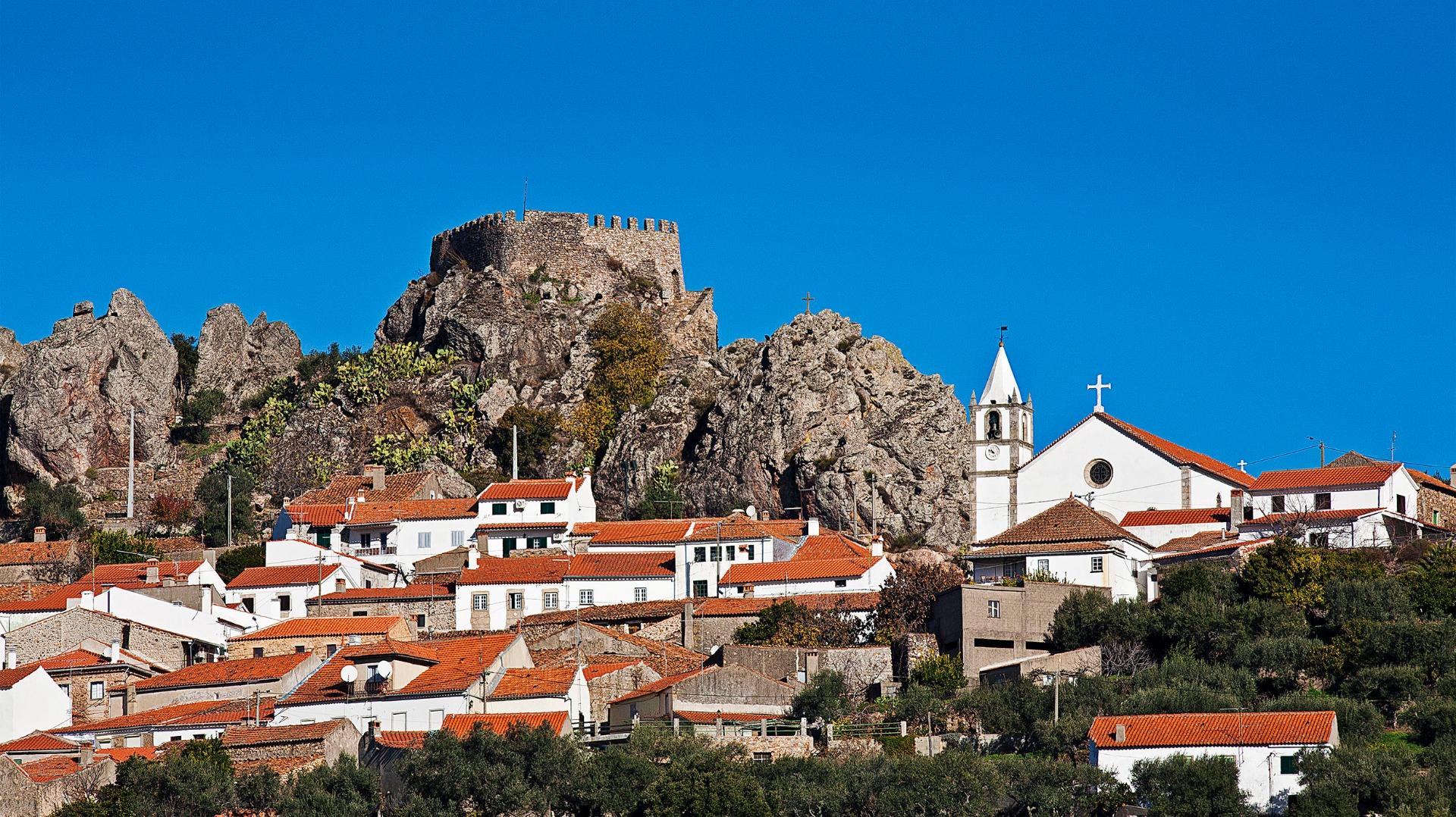
Nature has carved out nine tiny islands of beauty from the vastness of the Atlantic. As a result, São Miguel is one of them. Take to the road and experience the Green Island’s beauty.

Lagoa de Santiago

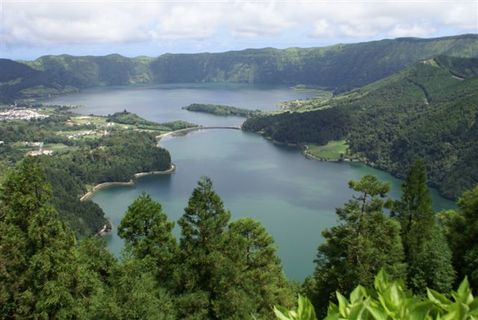
The dark green Santiago Lagoon, located at the bottom of a crater near the Seven Cities Lagoon in the Serra Devassa, astounds everyone with its distinctive beauty. Without any agricultural areas nearby, it is surrounded by steep cliffs dotted with thick and green woods. Climb to the Canário Lagoon’s Belvedere – you will feel small in the face of such wild nature.
The legend of the origin of the Lagoon of the Seven Cities on São Miguel  island in the Azores - Folkrealm Studies

Lagoa das Sete Cidades

“Lagoon of the Seven Cities” is a twin lake situated in the crater of a dormant volcano. It consists of two small, ecologically different lakes connected by a narrow strait, which is crossed by a bridge.

Ponta da Ferraria, a unique ocean experience in the Azores

Ponta da Ferraria

This is a natural rock pool with hot springs entering from the land end. Natural thermal-water pool along the ocean, reachable via a climb over basalt rocks & a ladder.

Pin by Kerri Timberlake Haire on Get Out There! | São miguel island, Sao  miguel, Travel dreams

Mosteiros Beach

Although the sand is as black as coal, close examination reveals small brilliant green crystals: olivine, a mineral found in volcanic rocks. The water is warm, and in the sea, quite near to the shore, two enormous boulders provide the beach with an enticing air of mystery, evocative of mermaid and pirate tales.

Pin by Azoresilove on HOT SCHMALTZ | Rainforest, Volcano, Scenery

Gruta do Carvão

Put on some comfortable shoes and a warm coat and journey to the Earth’s interior. The Gruta do Carvo (Coal Grotto) is a lava-carved cave filled with stalactites and stalagmites that is accessible to the public.

Environmental Interpretation Centre of Caldeira Velha (Ribeira Grande) -  2018 All You Need to Know Before You Go (with Photo… | Trip advisor,  Ribeira grande, Azores

Caldeira Velha

A waterfall of warm, iron water where you can take a dip, it is located on the north slope of the Fogo Volcano. Caldeira Velha is a spectacular hot springs experience located in the heart of São Miguel Azores. Unlike the more well-known thermal pools at Furnas, the pools in Caldeira Velha are set in a beautiful green tropical forest valley. Relax outside in this stunning natural setting.
Ilhéu Vila Franca do Campo - Preços, Horário, Como visitar - São Miguel

Islet of Vila Franca do Campo

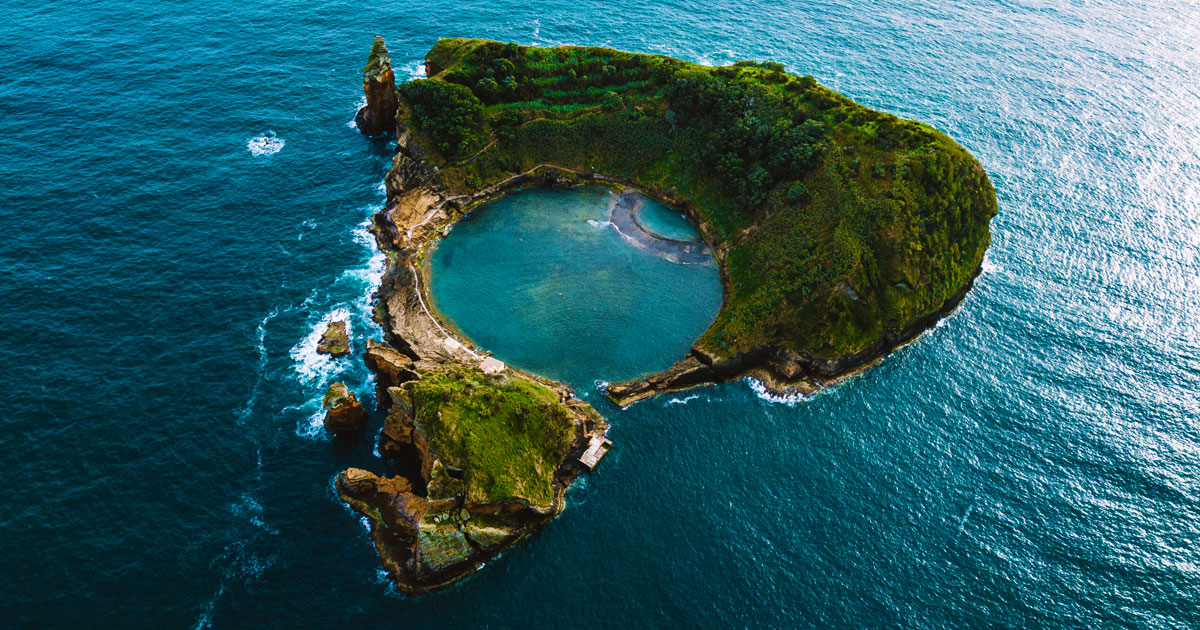
Vila Franca Islet is a vegetated uninhabited islet situated in the Portuguese archipelago of the Azores. It is located off the south-central coast of the island of São Miguel. While the whole islet and surrounding seas are a designated nature reserve, they remain a popular swimming and cliff diving destination.
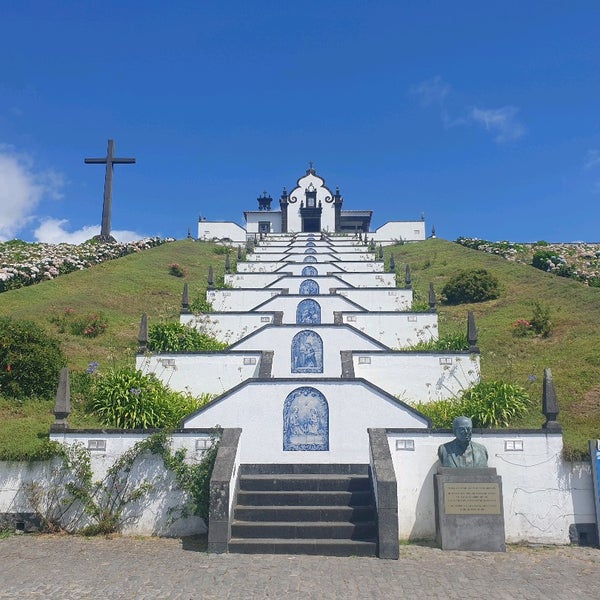
Ermida de Nossa Senhora da Paz - 1 tip from 235 visitors

Hermitage of Nossa Senhora da Paz

This chapel, constructed in the eighteenth century but with sixteenth-century roots, overlooks the lovely town of Vila Franca do Campo. To reach the chapel, you must climb about a hundred stairs, but the effort will be rewarded with a breathtaking view of the town and surrounding area, the vast blue sea, and the islet of fanciful forms.

Portugal, Azores, Sao Miguel, Fumaroles of Furnas lake – Stockphoto

Fumarolas – Caldeiras das Furnas

The Furnas volcano, which has been asleep for millennia, is showing indications of life in every corner of this area. On the lagoon’s banks are fumaroles, boiling water geysers, and iron-coloured hot springs. Everything smells like smoke, and the sulfur scent takes some getting used to, but it’s worth it to loiter here. Try the traditional Furnas stew, cooked in earthenware pots in the hot springs for five hours!

Fantastic garden with thermal baths - Parque Terra Nostra, Furnas Traveller  Reviews - Tripadvisor

Terra Nostra Park

Whether in the summer or winter, this is a must-see location for everyone visiting Furnas. After all, what could be more restorative to the body and soul than a stroll through this beautiful 18th-century botanical garden filled with camellias, cycas, and exotic trees? Or how about a soak in a pool of mineral-rich thermal water that bubbles up from the spring at temperatures between 35 and 40 degrees?
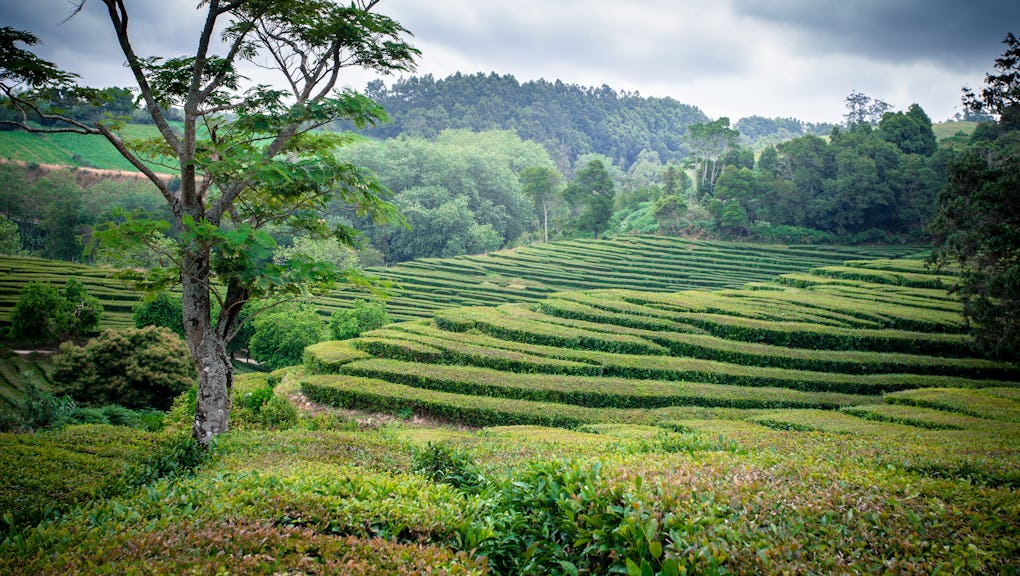
How Chinese tea arrived — and flourished — on an island in Portugal

Gorreana Tea plantations

Did you know that the Azores is home to Europe’s oldest and nowadays the only tea plantation in Europe? Since 1883, the Gorreana plant near Ribeira Grande has been producing green and black tea without the use of herbicides, pesticides, colours, or preservatives. Discover the history, the manufacturing process, and delight in a cup of tea while strolling through the 32 hectares of lush green fields that reach down to the sea.
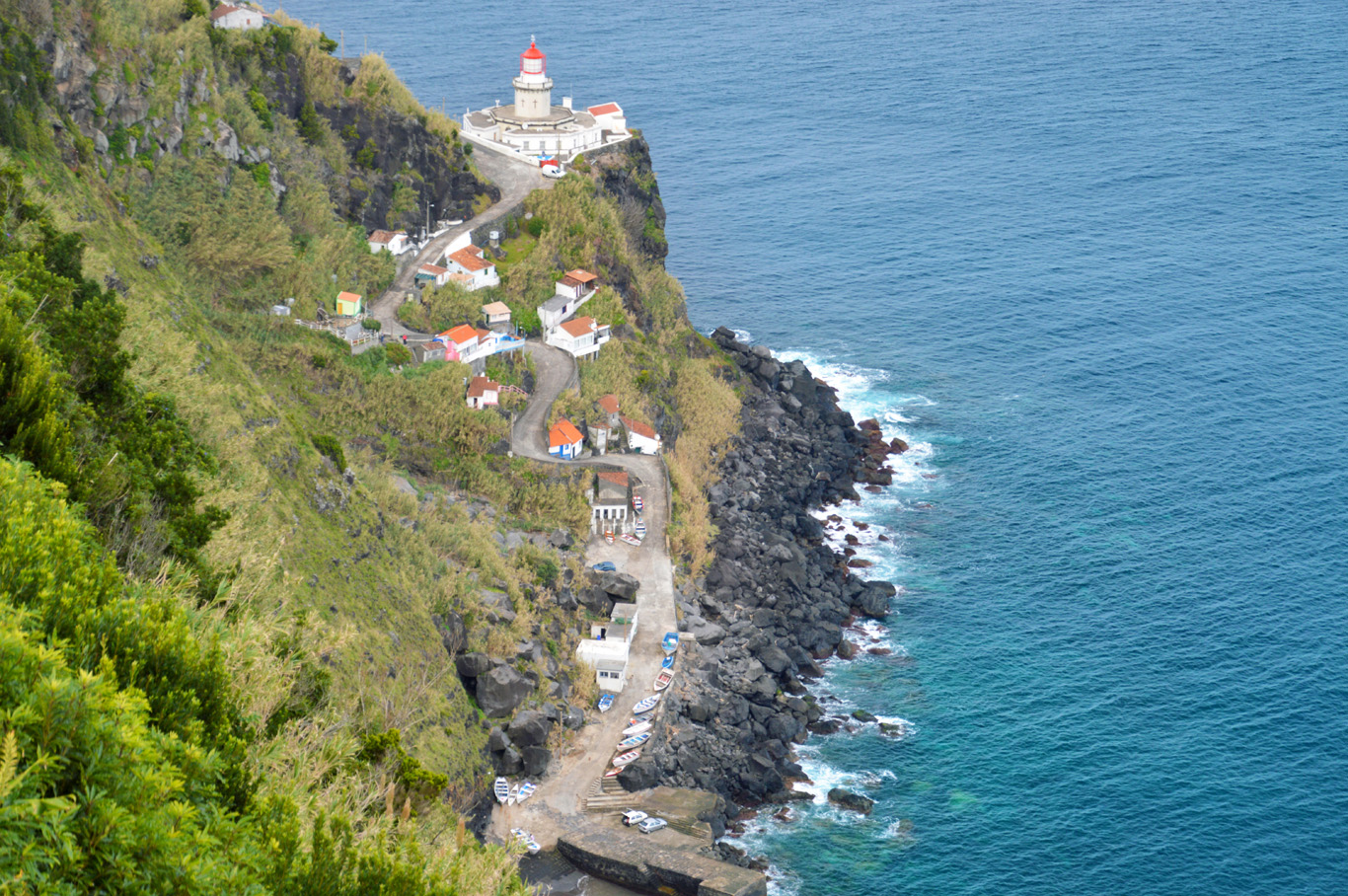
Nordeste, Azores, Portugal - The Charming Village and Spectacular Coastline  — Adventurous Travels | Adventure Travel | Best Beaches | Off the Beaten  Path | Best Countries | Best Mountains Treks

Nordeste

Nordeste is a municipality on the northeastern coast of the island of São Miguel. It is the least inhabited region on the island of S. Miguel, with the majority of its interior covered in forest, rocky peaks, and river basins interrupted by rich pastureland. But that does not mean that it is less charming. Walk aimlessly along the winding roads of the northeast of São Miguel, between bays and coves, waterfalls and luxuriant vegetation. On the way, you will find numerous viewpoints overlooking the sea. The one in Ponta da Madrugada, for example, is the perfect place to watch the sunrise.


In Portuguese taprooms, modernism and history coexist at the table and in the glass, establishing craft beer as a benchmark for exploring the country’s nightlife; when it comes to craft beer, Portugal is one of the places to be. In addition to the well-known national brands, there are Portuguese craft beers that are gaining popularity both locally and abroad. Brands such as Sovina, Musa, Dois Corvos, Letra, or Vadia are examples of this.

If you enjoy trying new drinks or are already passionate about craft beer, discover the list of options Lisbon has to offer.

None

Outro Lado

This bar in the centre of Lisbon welcomes you to spend a tranquil day sipping on craft beer and snacking on some appetizers. Inside, whether watching a sporting event or relaxing on the patio, there is seating and beverages to suit every taste. Additionally, the area serves as a shop, which is accessible online.

Beco do Arco Escuro, 1
1100-585,Lisboa

  • tel:960061470
  • email: shop@outrolado.beer
  • website: https://outrolado.beer/
  • social network:https://www.facebook.com/OutroLadoLisboa/
None

Pub Lisboeta

The title is self-explanatory. This capital bar offers a welcoming and traditional ambience, inviting you to spend an evening with a craft beer in hand.

Rua Dom Pedro V, 63
1250-093,Lisboa

  • tel:917427013
  • email: publisboeta@gmail.com
  • social network:https://www.facebook.com/publisboeta
None

Cervejaria Artesanal Adamastor

Adamastor is a grandiose moniker, but the mission is straightforward: to share some of the most popular craft brews. The recommendation is to pair this nectar with some nibbles.

Rua Marechal Saldanha, 13
1200-259,Lisboa

  • tel:933824088
  • social network:https://www.facebook.com/cervejariaartesanaladamastor/
None

Cerveteca Lisboa

The availability of craft beer continues to grow in the Portuguese capital. Cerveteca Lisboa allows you to explore the world with your taste by mixing a variety of beverages and seasonal foods.

Praça das Flores, 63
1200-192,Lisboa

  • tel:214023509
  • email: info@cervetecalisboa.com
  • website: https://www.cervetecalisboa.com/
  • social network:https://www.facebook.com/cervetecalisboa/
None

Delirium Café Lisboa

Beer, whether keg or bottle, is the star of this area in Lisbon, earning it an enormously famous moniker among bars. Along with Belgian beer, there are hamburgers, salads, a variety of meals, and even desserts.

Calçada Nova de São Francisco, 2-A
1200-300,Lisboa

  • tel:213460920
  • social network:https://www.facebook.com/deliriumcafelisboa/
Dois Corvos

Tap Room – Two Crows

A craft beer factory in Lisbon, in the historic district of Marvila, the Dois Corvos space has a Tap Room open to the public.

Rua Capitão Leitão, 94
1950-052, Lisbon

  • tel: 211384366
  • email: info@doiscorvos.pt
  • website: https://www.doiscorvos.pt/
  • social network:https://www.facebook.com/doiscorvoscerveja
Duke Brewpub

Duke Brewpub

This space has 12 taps and, in addition to the beers it produces, there are several brands of Portuguese craft beer.

Calçada do Duque, 49-51
1200-156, Lisbon

  • tel: 927106092
  • email: info@duquebrewpub.com
  • website: https://www.duquebrewpub.com/
  • social network:https://www.facebook.com/DuqueBrewpub/
Fábrica Musa

Fábrica Musa – Taproom Marvila

Musa, one of the most popular places in Lisbon for craft beer, has expanded to include a series of taprooms. Musa takes on its most multiple forms at Marvila, where the major plant is also located: factory, bar, and concert venue; production and consumption coexist.

Rua do Açúcar, 83
1950-006,Lisboa

  • tel:213877777
  • email: geral@cervejamusa.com
  • website: http://cervejamusa.com/
  • social network:https://www.facebook.com/fabricadamusa/
None

Museu da Cerveja

Incorporated within the beer museum, this venue overlooking the Tagus recreates the ambience of the ancient brewery, serving Portuguese-inspired cuisine and traditional fares such as steaks, shellfish, and appetizers.

Terreiro do Paço – Ala Nascente, 62-65
1100-148,Lisboa

  • tel:210987656
  • email: reservas@museudacerveja.pt
  • website: http://www.museudacerveja.pt/
  • social network:https://www.facebook.com/MuseuDaCerveja/
None

The Beer Station

The Beer Station.  This “station” is defined by its tranquillity and conviviality, with an emphasis on the craft beer that pairs with various light meals. Indeed, the name is very appropriate given its proximity to the Rossio Train Station.

Largo Duque de Cadaval 17-B/C
1200-160,Lisboa

  • tel:964344296
  • email: marco.leyva@muchik.pt
  • website: http://www.muchik.pt/
  • social network:https://www.facebook.com/The-Beer-Station-1407459
None

21 Brewpub Gallas Craft Beer

While Gallas beer is the primary reference, other nectars abound in this area in Lisbon. Along with the 12 taps, there are over 150 craft beers on tap, both domestic and foreign. Enjoy the beverage with a hamburger or a salmon sandwich.

Rua Angelina Vidal, 53-A
1170-122,Lisboa

  • tel:962996126
  • email: info@gallas.beer
  • social network:https://www.facebook.com/21brewpubgallas/

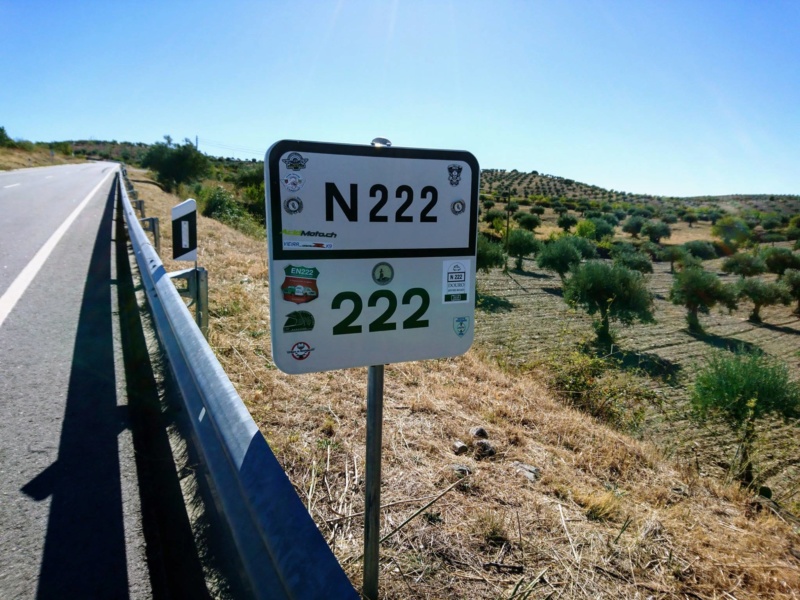
The National Road 222, or EN222, which links Vila Nova de Gaia and Vila Nova de Foz Côa, is widely regarded as one of the world’s most beautiful roads.

N 222 / Peso de Regua to Pinhao

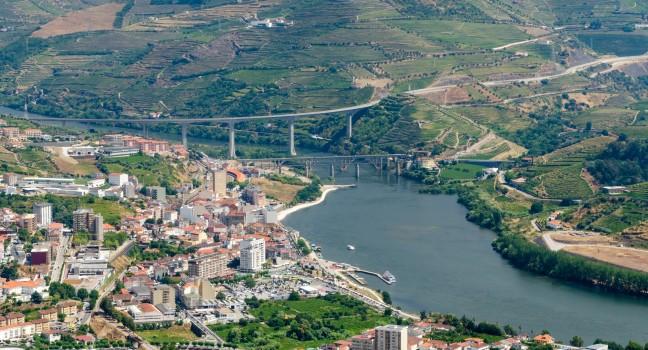
Among the factors that contribute to this northern road’s appeal are its layout and beautiful surroundings, especially along the Douro River.

The route is situated in northern Portugal’s wine area. The route is 27 kilometres long and passes through beautiful scenery.

The road’s most well-known stretch runs between Peso da Regua, commonly known as Regua (a municipality in the Vila Real region) and Pinho, a municipality in Alijo.

Its breathtaking bends entice a large number of cars, motorcycle riders, and cyclists for scenic and memorable journeys.

You may visit the following attractions in the area:

Peso da Regua, Porto and the North Guide | Fodor's Travel

Régua Peso

The name of the town is said to have come from the name of a Roman mansion that formerly existed here—the “Villa Reguela.” Its remarkable development, however, began only after 1756, with the establishment of the Real Companhia Geral da Agricultura das Vinhas do Alto Douro (Royal Company of Vine-Growers from the Alto Douro Region), which established the world’s first-ever delimited wine-producing region. Peso da Régua, located on the banks of the River Douro, was crucial in the manufacture and sale of Port wine since it was from here that the barrels were brought in special boats known as barcos rabelos to Vila Nova de Gaia, where the wine was allowed to mature in the local wine lodges. The wines are planted on terraced hills descending to the river in this region, presenting tourists with a succession of breathtaking vistas, best viewed from the area’s various overlooks, such as those of São Leonardo at Galafura and Santo António do Loureiro. In the surrounding region, the spa of Caldas de Moledo, located on the right bank of the River Douro, has its own mooring spots and is a very beautiful destination to spend a quiet vacation.

Train Station tiles Pinhão,Portugal - Motoroaming

Train Station of Pinhão 

The station is well-known for its 19th-century tiles depicting regional life.

Pinhão resembles a scenario from an old film: the Douro River and the Pinho River crossing in the lovely river region, as well as the station where the antique train sometimes stops, are all linked, producing a lovely environment that was previously designated as a UNESCO World Heritage Site.

You may visit the Wine Museum in São João da Pesqueira, which is dedicated to documenting and preserving Douro’s wine history.

Things-to-Do-in-Douro-Valley-Casal-de-Loivos - Two Find a Way

Casal de Loivos Viewpoint

Casal de Loivos viewpoint is an observation point in Alijó. Casal de Loivos viewpoint is situated near Igreja de São Bartolomeu, and close to Quinta do Jalloto.

sao-salvador-do-mundo - Detours

São Salvador do Mundo Viewpoint

This is one of the region’s most magnificent views, where the Sanctuary of São Salvador do Mundo, with its tiny chapels, also stands out. Along with the lovely sight created by the vineyards around the river, there is a view of the Valeira Dam and, in the distance, the Douro Railway.

Indeed, Porto’s bridges, or “pontes,” as they are known in Portuguese, are celebrated for their striking visual appeal, architectural significance, and historical importance. Spanning the Douro River, these bridges form an integral part of the city’s landscape, blending seamlessly with its charming waterfront and hilly terrain.

Dom Luís I Bridge

Ponte de D. Luís | Ponte d luis, Ponte, Portugal

The description provided aligns with the Dom Luís I Bridge in Porto, Portugal. This magnificent bridge, spanning 395 metres in length and eight metres in width, is indeed one of Europe’s most splendid architectural marvels. It has one of the largest wrought iron arches in the world, and Théophile Seyrig, a student of Gustave Eiffel, designed it.

The bridge consists of two overlapping iron decks. The upper deck serves as a pathway for the Porto Metro’s D Line, connecting the historic Cathedral area of Porto to the Morro Garden in Vila Nova de Gaia. This upper deck provides not only efficient transportation but also stunning panoramic views of the Douro River and the surrounding cityscape, making it a popular spot for photographers and tourists alike.

The lower deck of the Dom Luís I Bridge serves as a thoroughfare for vehicular traffic, pedestrians, and cyclists, connecting Porto and Vila Nova de Gaia. It offers convenient access to Gaia Pier and the riverside promenade, allowing visitors to explore the vibrant riverfront area and enjoy leisurely strolls along the water’s edge.

With its grandeur, historical significance, and practical utility, the Dom Luís I Bridge stands as one of Porto’s most cherished landmarks and a symbol of the city’s enduring spirit and architectural prowess.

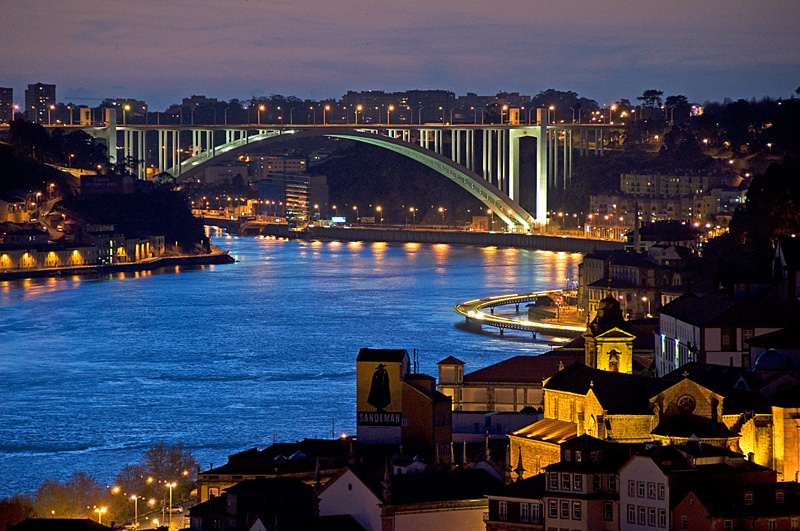
Ponte da Arrábida

The Arrábida Bridge, designed by the renowned architect Edgar Cardoso and completed in 1963, stands as a testament to the sophisticated arch

The Arrábida Bridge, designed by the renowned architect Edgar Cardoso and completed in 1963, stands as a testament to the sophisticated architectural innovation of its time. With its 270-metre concrete span, it proudly held the world record for this type of bridge for many years. Rising gracefully from the landscape, the arch spire reaches a height of 52 metres, while the highway gracefully ascends to a towering elevation of 70 metres. technological innovation of its time. With its 270-metre concrete span, it proudly held the world record for this type of bridge for many years. Rising gracefully from the landscape, the arch spire reaches a height of 52 metres, while the highway gracefully ascends to a towering elevation of 70 metres.

As a vital link between the cities of Porto and Vila Nova de Gaia, the Arrábida Bridge is not just a marvel of engineering but also a beloved icon of the Douro region. Its elegant design and strategic positioning have made it one of the most preferred crossing points over the majestic Douro River, facilitating the flow of traffic and connecting communities on either side. Over the years, it has become more than just a transportation artery; it is a symbol of connectivity, progress, and the enduring spirit of human ingenuity.

The Maria Pia Bridge, designated as a National Monument, holds a special place in history as Gustave Eiffel’s first major construction project. Opened in 1877, it marked a significant milestone in Porto’s economic development by facilitating the entrance of the railway into the city. This iron bridge, an engineering marvel of its time, remains a testament to Eiffel’s ingenuity and the progress of industrialization.

The Maria Pia Bridge’s 160-metre-long arch, soaring 61 metres above the river, captured the imagination of observers then and continues to awe spectators today. Named after the royal couple Luís I and Maria Pia, who presided over its inauguration ceremony, the bridge symbolises not only technological achievement but also regal elegance and sophistication.

For 114 years, the Maria Pia Bridge served as a vital link for rail transport, contributing to the region’s connectivity and economic growth. However, with the advancement of rail transport technology and the evolving needs of modern infrastructure, the bridge was decommissioned in 1991. Despite its retirement from active service, the Maria Pia Bridge remains a beloved landmark, cherished for its historical significance, architectural beauty, and enduring legacy in Porto’s landscape.

São João Bridge

File:Ponte de São João, Vila Nova de Gaia - Porto.JPG - Wikimedia Commons

The São João Bridge stands as one of Porto’s most contemporary and significant infrastructure projects, serving as the primary railway connection between the city and destinations to the south. Designed by the esteemed architect Edgar Cardoso, this remarkable piece of architecture represents a triumph of engineering and innovation.

Opened in 1991, the São João Bridge was dedicated to St. John’s Day (São João), a beloved saint revered in the region. With a clear central span of 250 metres, the bridge set a new world record for rigid-frame bridges, showcasing Porto’s commitment to pushing the boundaries of structural design.

Comprising three spans supported by two massive pillars on each side, the São João Bridge stretches a total length of 969 metres. Its sleek and modern design not only serves as a crucial transportation link but also adds to Porto’s architectural legacy, symbolising progress and connectivity in the city.

As a testament to Edgar Cardoso’s vision and expertise, the São João Bridge continues to play a vital role in facilitating travel and trade while standing as an enduring symbol of Porto’s ingenuity and devotion to honouring its cultural heritage.

Freixo Bridge

File:A Montante (4381115427).jpg - Wikimedia Commons

The Freixo Bridge, inaugurated in 1995, stands as a vital component of Porto’s transportation infrastructure, designed to ease traffic congestion on the iconic Luís I and Arrábida bridges. António Reis and Daniel de Sousa are leading this initiative, which responds to the region’s growing need for effective travel routes.

Every day, countless vehicles traverse the Freixo Bridge, connecting Oliveira do Douro on the Gaia side of Porto to the Drago Stadium area. By providing an alternative route for commuters, the bridge plays a crucial role in improving traffic flow and enhancing accessibility within the city.

Constructed using reinforced and pre-stressed concrete, the Freixo Bridge features two parallel decks separated by ten millimeters. This innovative design not only maximises the bridge’s structural integrity but also allows for smooth and safe passage for both vehicular and pedestrian traffic.

Furthermore, the completion of the Freixo Bridge has contributed to the enhancement of Porto’s internal road network, facilitating improved access to the northern regions of the city. As a key element of Porto’s modern infrastructure, the Freixo Bridge underscores the city’s commitment to sustainable urban development and efficient transportation systems.

Infante Bridge

The Infante Bridge, opened in 2003, stands as the most modern of Porto’s bridges, dedicated to the memory of Henrique of Portugal, also known as Prince Henry the Navigator. This architectural marvel boasts a nearly horizontal 280-meter concrete arch span, reaching a towering height of 72 metres. Its sleek design and impressive dimensions make it one of the largest single-deck arch bridges in the world.

Regarded as a masterpiece by specialists in the field, the Infante Bridge is celebrated for its beauty and engineering excellence. It serves as a vital link, connecting the Porto neighbourhood of Fontainhas to the picturesque mountainous region of Serra do Pilar in Vila Nova de Gaia. The bridge’s construction aimed to provide an alternative route for commuters, relieving traffic congestion on the upper deck of the Dom Luís I Bridge, which is now designated primarily for the passage of subterranean railway lines.

Measuring 371 metres in length and 20 metres in width, with two lanes on each side, the Infante Bridge offers smooth passage for vehicles travelling between Porto and Vila Nova de Gaia. Its strategic location and modern design contribute to the efficient flow of traffic and enhance connectivity between the two cities. With its graceful arches and sweeping views of the Douro River, the Infante Bridge stands as a symbol of progress, innovation, and beauty in Porto’s urban landscape.

Casa na Serra, Sabugueiro, Sabugueiro – Updated 2021 Prices

Sabugueiro, located on a plain above the Alva river, is Portugal’s highest settlement (an altitude of 1050 metres). It began with the shacks of shepherds who grazed their sheep and goats on the mountain’s meadows. The inscription on the rock near the Canariz Fountain bears witness to the area’s early settlement.

While shepherds and associated businesses (wool and cheese manufacturing) continue to exist, rural tourism has grown in recent years, and many traditional homes have been modified. As in the ancient days of Viriato, the shepherds still migrate to the Douro area in the winter and to the mountain in the summer.

Estrela mountain cheese
Sabugueiro river beach

The parish has a community oven and many local artisan businesses. The Fervença Waterfall, whose appearance varies with the seasons, and the former Covo Grande glacier, which is now utilized for climbing and walking, are notable. Sabugueiro is a must-see for anybody visiting Estrela Mountain.

The mother church, the church’s crucifix, the Ferreiro (blacksmith) fountain, and the ethnographic museum are all part of the village’s cultural and architectural history. Local cuisine includes queijo da serra (Estrela mountain cheese) and sausages, as well as roasted varieties and fish.

Explore this village deep in the magical world of Lousã Mountain, hidden among lush vegetation where deer, roebuck, wild boar and many other species lurk.

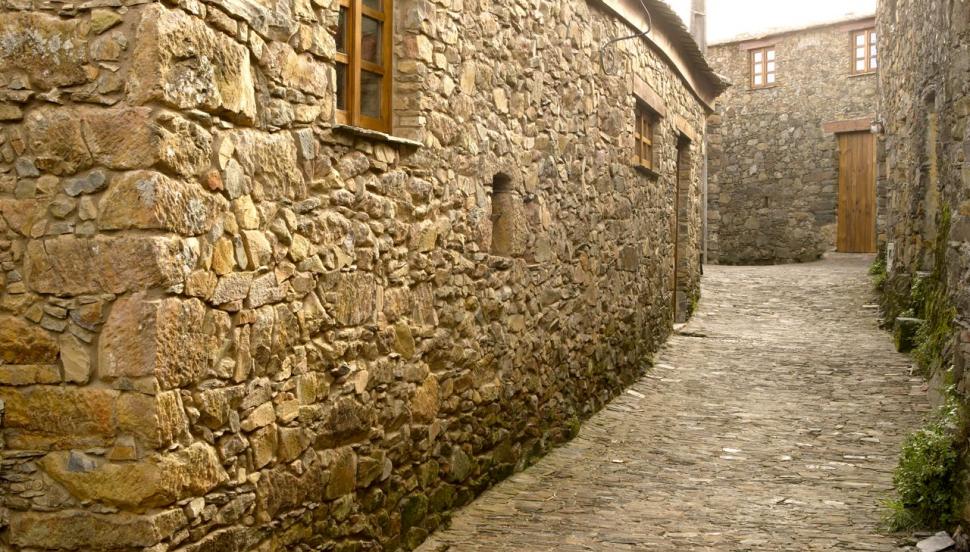
The village layout is complex, with homes scattered over a south-facing hill (which encompasses most of the settlement) and another north-facing slope. The main roadway follows the steep slope of the mountain. It is surrounded by lanes and alleyways, which foster an atmosphere of discovery, encouraging everyone to explore in anticipation of a surprise around the next turn. The main construction material is dark-coloured schist, and almost all of the buildings’ facades are surrendered.

In general, the history of this village is similar to the histories of the other four Schist Villages in Lousã municipality.  Permanent settlement of the villages of the Lousã Mountain occurred in the second half of the 17th century or the beginning of the 18th century.  Until then, occupation was only seasonal, in the spring and summer, with pastoralism practices. Indeed, the “Register of the population of the Kingdom (1527)” mentions none of these villages in its entry for Lousã.

The oldest documents that point to their occupation are a fine imposed by the Lousã Council in 1679 and the register of tenant properties ordered by King Pedro II in 1687. At the beginning of the 19th century, only Candal and Cerdeira escaped pillaging by the Napoleonic army. In 1885 the population of the seven villages (the five Schist Villages, plus Catarredor and Vaqueirinho) corresponded to 8.7% of the total population of the parish of Lousã (5340 inhabitants).

The resident population reached its peak in 1911 with 129 inhabitants. It possessed a school and two olive presses.  The school was the pride of the “population who gave contributions to build it. Afterwards, when it was ready, it lacked teachers, and when they arrived, it lacked pupils until 1975, when it was closed when only two children were attending.” In 1981 there were only two permanent inhabitants. Today, all the original inhabitants have departed, many of them to other continents. The houses have changed hands and have been converted into second homes, visitor accommodations or commercial establishments.

Things to do and see

Shrine of Our Lady of Mercy

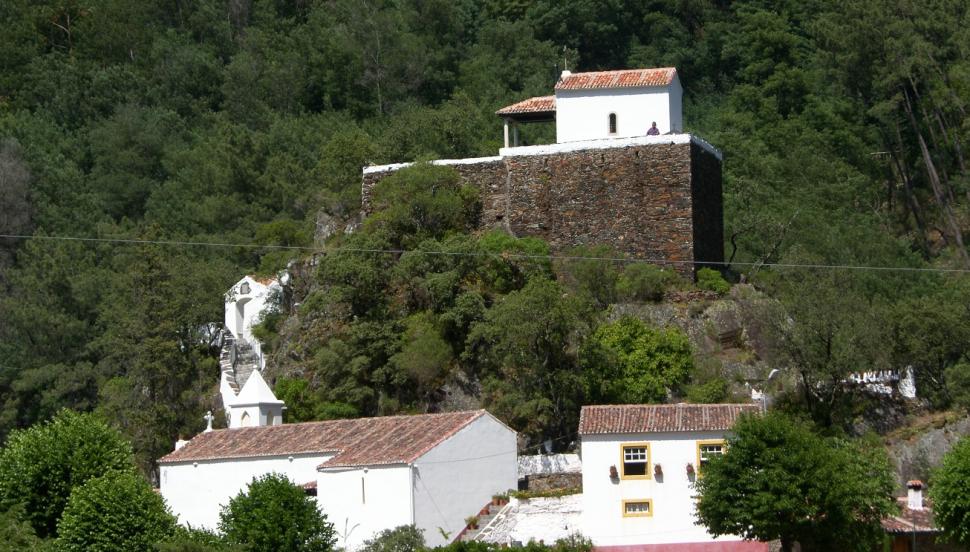
Serra da Lousã contain truly monumental landscape gems. The natural and landscape complex of Our Lady of Mercy is an almost enchanted valley where lofty cliffs rise beside the river running through it, surmounted by a religious complex of great beauty, at whose feet lie the river swimming pools.

Chapel of Nossa Senhora de Fátima

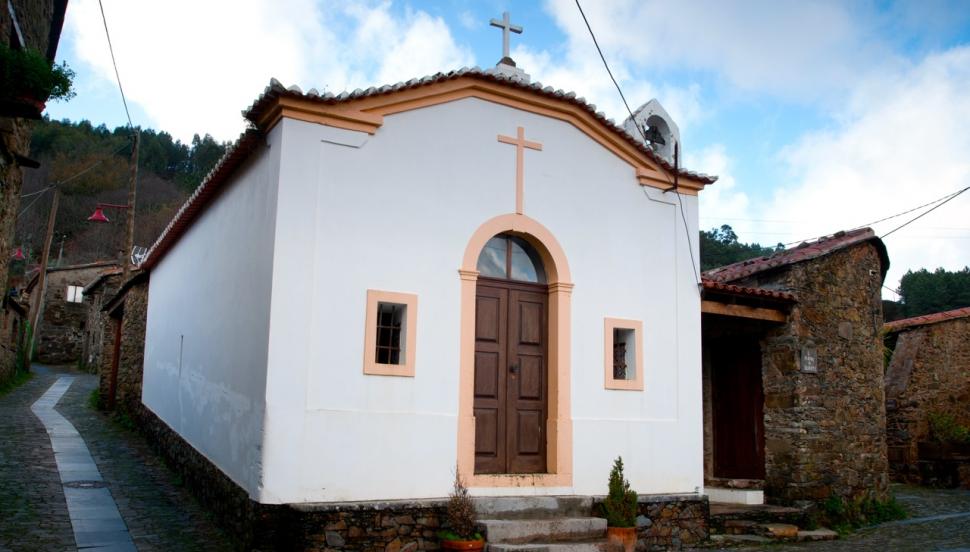
Historically, the towns of Cerdeira, Silveira de Cima, and Silveira de Baixo shared an old church dedicated to St. Lawrence situated halfway up the mountain slope. This was the custom among the nine mountain villages: each cluster of three settlements had its own church.

When this chapel was in danger of crumbling, the residents of the two Silveiras constructed a new chapel and took the figure of St. Lawrence from the old. Cerdeira’s residents, for their part, decided in the 1950s to construct their own chapel.

Senhora da Piedade River Beach

The Senhora da Piedade River Beach is located on the São João river, in the middle of the Serra da Lousã, in an area of exceptional natural beauty.

Lousã Castle welcomes tourists with a lovely location filled with secret nooks ideal for leisure and peace and quiet.

Shale is an inescapable presence. Everything on the beach is schist, including the roughly 1.75-metre-high diving board.

A small natural pool provides a safe environment for youngsters to splash and play. Additionally, it provides excellent access for individuals with limited mobility.

The beach area has a bar with a patio that overlooks the mountains and the hermitages of Nossa Senhora do Piedade. At the summit, the “Burgo” restaurant offers a panoramic view of the beach.

Additionally, changing rooms with showers and restrooms are provided. During the bathing season, a lifeguard supervises the beach, and there is a first aid station.

Lousã Castle

Also known as Arouce Castle, it is part of one of the first defensive lines established in the second half of the 11th century to secure Coimbra’s southern entrances.

The location was important as a border town during the early years of the Portuguese monarchy. In 1124, an Islamic assault captured the fortress, and after it was recaptured by the Condado Portucalense, King Afonso Henriques granted it a charter in 1151.

According to an old tale, during the Muslim domination, the emir (Arab leader) Arunce constructed the fortress to safeguard his daughter Peralta and his riches after his loss and expulsion from Conimbriga.

The predominant building material is schist and most of the facades are unrendered. Gondramaz preserves a genuine village spirit in a very developed settlement that maintains its traditional architectural lines.

Worth a visit:

  • Chapel of Nª Srª da Conceição
    A chapel of simple design that contains statues of Our Lady of the Immaculate Conception and Our Lady of the Lanterns.
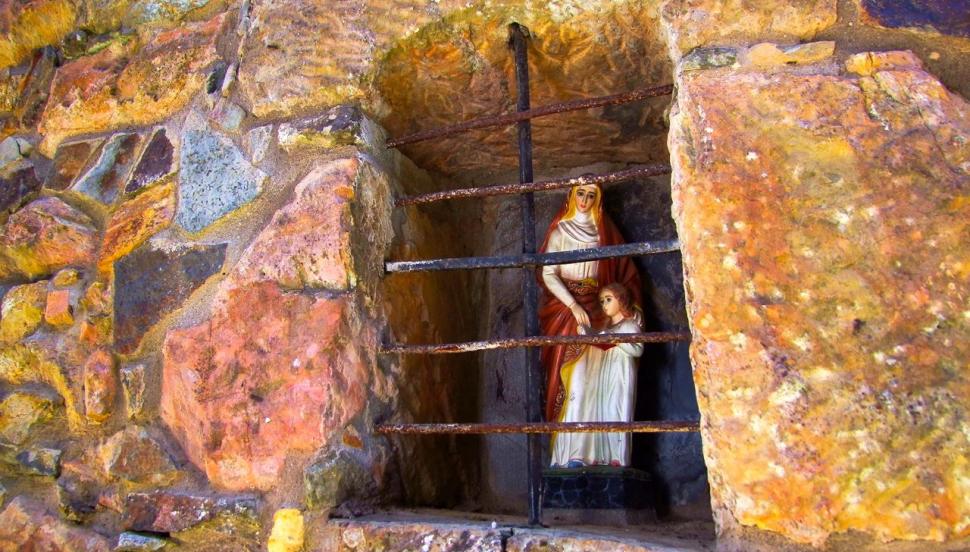
  • Wayside Shrine
    Built into the facade of a private house.
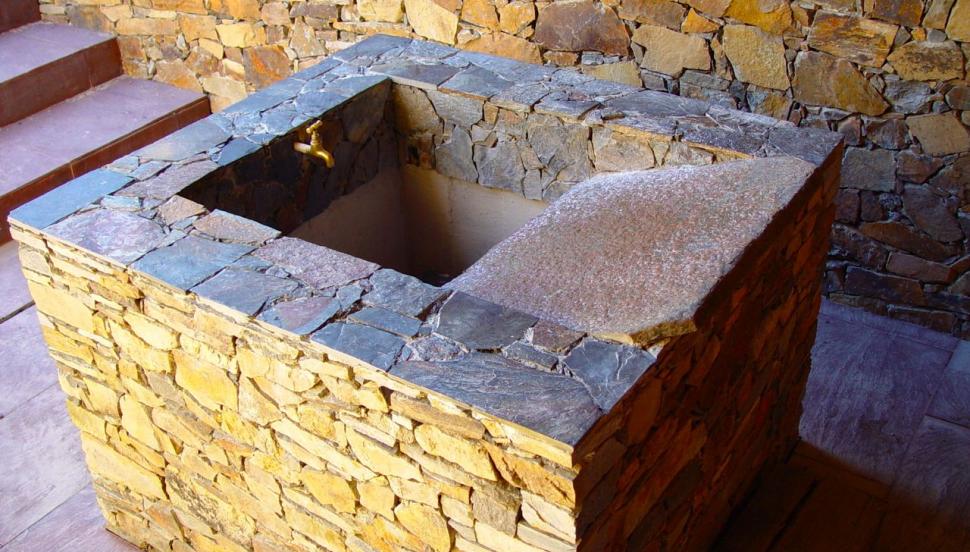
  • Public Washhouse and Drinking Fountain
    The public washhouse, situated in the centre of the village, and the drinking fountain, which provides piped water, are the only public facilities in the village.
The Candal Aldeias do Xisto Shop is conveniently situated and provides tourists with the full range of Aldeias do Xisto goods while also enjoying a cup of tea and a piece of cake.
Here, you may sample delectable liqueurs, wines, sausages, honey, and other items that are characteristic of this area of Portugal’s diverse cuisine. Along with stomach comforts, visiting this Aldeias do Xisto Shop allows you to discover one-of-a-kind items of traditional or modern crafts and to admire the work of local artisans.

However, if you’re looking to unwind, visit the sunny patio or, in the winter, pair a piece of cake with a steaming cup of tea on the comfortable upper level.

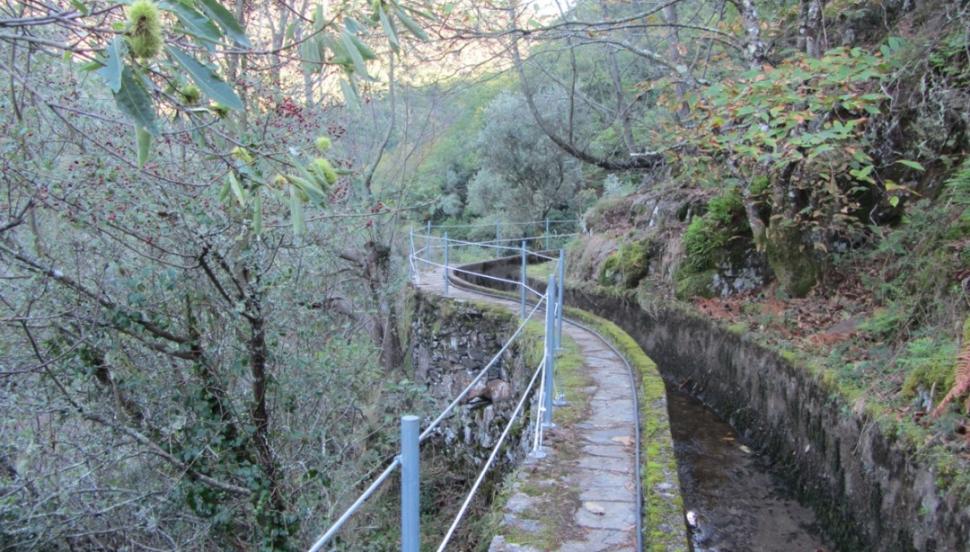
The path mostly follows the Lous Mountain’s slopes, linking Lousã Castle and the Shrine of Our Lady of Mercy with two of these mountains’ most famous Schist Villages: Talasnal and Casal Novo.

It is also a trip through time, as we retrace the steps of the ancient residents of these mountain settlements as they descended the few routes available to reach the town of Lousã. Almost the whole path is surrounded by vegetation and is reasonably sheltered at all times of the year. Due to the drop, this is a physically demanding route; however, there is an alternate that shortens the trip.

A beleza agreste de Monsanto


File:Paisagem de Monsanto.jpg - Wikimedia Commons

Monsanto, perched atop a mountaintop and interwoven with the Portuguese landscape, epitomises a geographical marvel. The village is characterized by houses that are cleverly nestled among, atop, and beneath colossal boulders. The remnants of a Templar castle, partially demolished by an explosion in the 19th century, crown this mountaintop, which has held significant strategic importance since prehistoric times.

The architectural fabric of Monsanto has remained largely unchanged for centuries, affirming its status as a living museum within Portugal. This designation prohibits any alterations, allowing the village to maintain its quintessential charm.

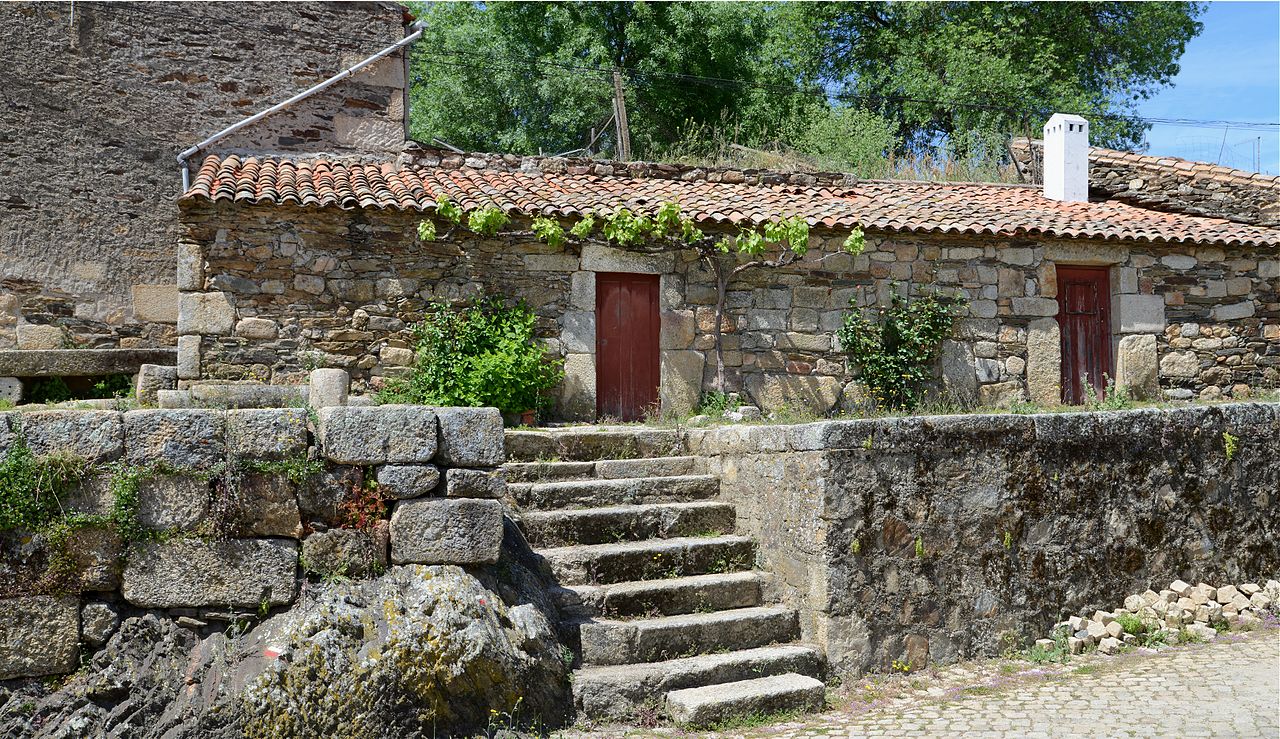
The village’s narrow lanes ascend steeply, flanked by cottages with red roofs pressed against verdant boulders, some of which feature doors leading into interiors carved directly from the rock. This integration of natural elements provides a distinctive twist on traditional Portuguese architecture.

A stroll along its cobblestone streets reveals that Monsanto is a condensed representation of Portugal itself. The architecture here reflects the Manueline style, as evidenced by several edifices and a church. While it adheres to the classic Portuguese village aesthetic, the unique ‘boulder chic’ cottages frequently eclipse the appeal of the mediaeval Romanesque or Manueline styles.

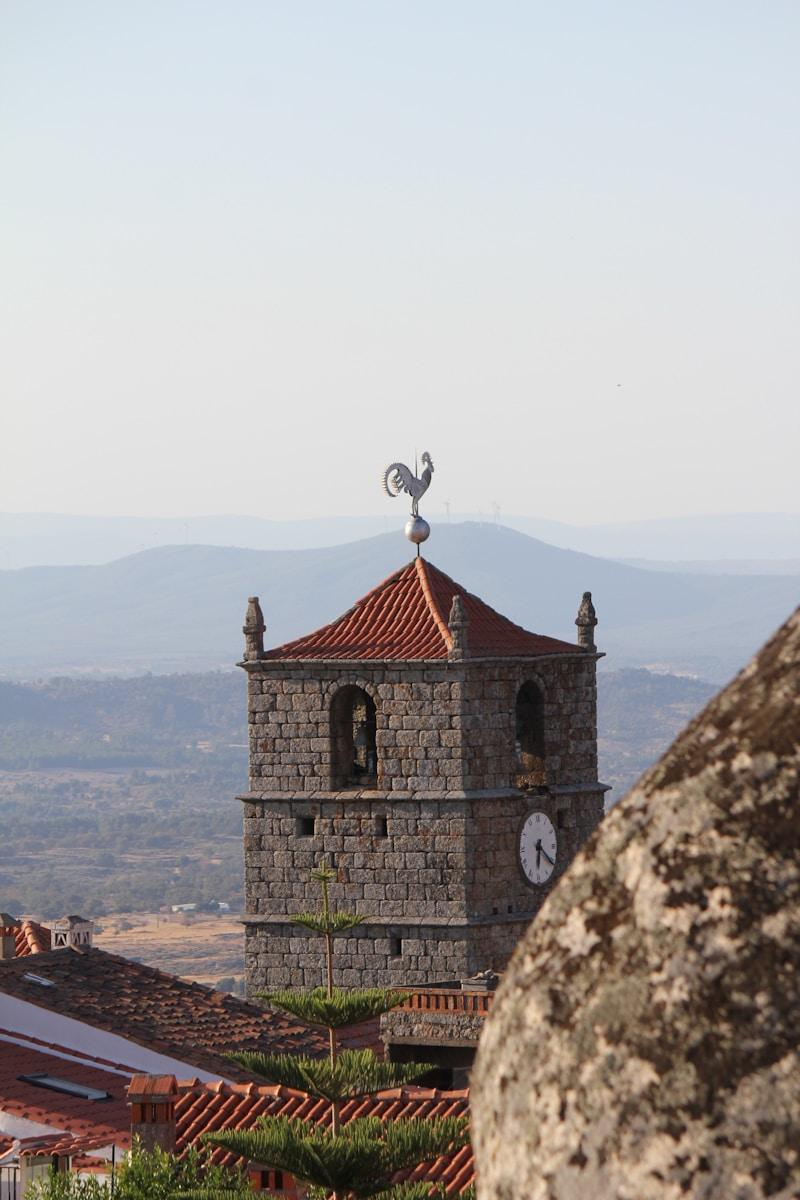
Monsanto exudes a timeless aura, encapsulating a panorama that includes Castelo Branco and the Estrela Mountains. For centuries, the village’s Lucan’s Tower has chimed the hours in an unaltered cadence, anchoring the community in a seemingly eternal moment.

The village’s ancient origins, steeped in prehistoric ties to pagan rituals, and its subsequent history under the stewardship of Gualdim Pais, Master of the Knights Templar, who fortified it with an impregnable castle, illustrate its remarkable and enduring legacy.

Monsanto is widely recognized as “Portugal’s most Portuguese hamlet”

Monsanto boasts an extensive and multifaceted historical background, distinguished by its centuries-long strategic importance and unique cultural legacy.

Periods: prehistoric and ancient

Evidence suggests that humans recognized Monsanto’s advantageous position as early as the Palaeolithic period. It is probable that prehistoric civilisations utilised the elevated, craggy vantage point for defensive purposes. During their rule of the Iberian Peninsula, the Romans recognised Monsanto’s strategic value and built a colony at its foot.

The mediaeval era

Throughout the Middle Ages, Monsanto’s historical importance increased. The Reconquista, a sequence of campaigns led by Christian states to reclaim territory from the Moors, regarded the village as a pivotal location due to its formidable position. The Moors initially conquered Monsanto, but Afonso Henriques, the coronation monarch of Portugal, recaptured it in the 12th century. In 1165, King Afonso Henriques gave the village to the Knights Templar, a military order that was very important in the Reconquista. The Templars constructed the fortress, which is still partially standing today, bolstering Monsanto’s position as a military bastion.

An organization called the Order of Knights

Following the fall of the Templars in the early 14th century, the Order of Christ, and then the Order of Santiago, seized possession of Monsanto. These orders were responsible for the preservation of the village’s fortifications and the promotion of its progress. The Templar citadel expanded and underwent numerous modifications throughout this time period.

Preservation and declination

By the turn of the nineteenth century, Monsanto had undergone a substantial decline. An explosion in 1815 caused damage to the castle, leading to the neglect of its walls. However, the twentieth century revived Monsanto as a historical and architectural landmark. In 1938, the declaration of Monsanto as a “most Portuguese village of Portugal” sparked attempts to conserve its cultural history and distinctive architectural elements.

Modern Era

In addition to its historical significance, people today celebrate Monsanto as a living museum of Portuguese mediaeval architecture. Houses nestled into narrow cobblestone roadways and expansive boulders offer a unique glimpse into the past. The settlement appeals to both visitors and historians because of its gorgeous surroundings and the legends contained in its old stones.

Monsanto’s continuing legacy as a fortified hamlet, its importance in Portuguese military history, and its preservation as a cultural heritage monument make it an intriguing topic for history and architectural buffs.


brown and gray concrete church near body of water during daytime


  • PLACES OF INTEREST
  • Castle of Monsanto
  • Chapel of Saint Peter de Vir à Corça o Chapel of Saint Peter de Vira-Corça
  • Roman archaeological site of Saint Lawrence
  • Old village of Monsanto
  • Pillory of Monsanto
  • Tower of Lucano
  • Chapel of Our Lady of Azenha
  • Chapel of Our Lady of the Foot of the Cross
  • Chapel of Saint Mary of the Castle
  • Chapel of Saint Anthony
  • Chapel of Saint Joseph
  • Chapel of Saint Michael of the Castle
  • Chapel of Saint Sebastian
  • Chapel of the Holy Spirit
  • Ferreiro Fountain
  • Church of Mercy of Monsanto
  • Parish Church of Monsanto or Church of the Saint Savior
  • Solar of the Marquis of Graciosa Family (Posto de Turismo do Monsanto)
  • Solar of Melo Family or Solar of the Counts of Monsanto
  • Solar of Pinheiro Family or Solar of the Mono Fountain
  • Solar of the Priors of Monsanto


Monsanto is a historic village in central Portugal’s municipality of Idanha-a-Nova, within the district of Castelo Branco. Known for its striking granite boulder houses and ancient fortress, it offers a glimpse into a unique architectural and cultural heritage.

To reach Monsanto, there are several options, depending on your starting point:

From Lisbon:

  1. The most straightforward way to get to Monsanto is by car. It’s approximately a 2.5- to 3-hour drive from Lisbon, covering about 270 kilometers. You would take the A1 from Lisbon, switch to the A23 at Torres Novas, and continue towards Castelo Branco before following local roads to Monsanto.

  2. Public Transport: Although there is no direct train service to Monsanto, you can take a train or bus to Castelo Branco. From Castelo Branco, you can catch a local bus to Monsanto, though services might be limited, so it’s advisable to check the latest schedules.

From Porto:

  1. By Car: Driving from Porto takes around 3 to 3.5 hours, covering a distance of approximately 280 kilometers. The route typically involves taking the A1 south, then the A25 towards Viseu, and switching to the A23 that leads to Castelo Branco and onwards to Monsanto.

  2. By Public Transport: Similar to Lisbon, there’s no direct rail or bus connection to Monsanto. You can travel by train or bus to Castelo Branco and then take a local bus to Monsanto. Ensure to verify the timetable, as the frequency of local buses can be sparse.

Local Tips:

  • Renting a car may be the most flexible option for exploring Monsanto and the surrounding countryside.
  • Accommodation: To fully experience the region, it might be beneficial to stay in Monsanto or nearby towns like Idanha-a-Nova or Castelo Branco.
  • Navigation: GPS or a reliable map is recommended, as rural road signage can sometimes be inadequate.

Visiting Monsanto offers a time travel experience with its medieval streets, ancient castle ruins, and distinctive houses integrated into the boulder-strewn landscape. Whether you choose to drive or use public transport, the journey is well worth the experience of reaching this unique village.

Village Of Monsanto (Portugal)

Idanha-a-Velha (Idanha “the old”), one of Portugal’s oldest towns, has been characterized as a “tiny village with a rich historical past.” Idanha-a-Velha is constructed on the ruins of the city of Egitânia, which formerly numbered in the thousands. The town has been continuously attacked and plundered throughout history, and the remains bear witness to the impact of many eras: structures from the Pre-History, Celtic, Classic Roman, Suebic, Visigothic, Moorish, Medieval, and Portuguese Manueline periods.

The village is said to have been the birthplace of both the renowned Visigothic King Wamba and fourth-century Saint Pope Damasus. Roderic, the Visigoth king, is also believed to be buried here.

Idanha-a-Velha

The town is home to a rebuilt 16th-century church known as “the Cathedral,” constructed on Suebi remains going all the way back to the fourth century – the Iberian Peninsula’s earliest Visigothic cathedral.

The greatest collection of Roman epigraphs in Europe is located near the cathedral, in an old structure that has been renovated into a contemporary museum to house the carved and engraved Roman stones. Idanha-a-Roman Velha’s epigraphic collection is one of the most extensive and representative in Portugal. It was produced throughout various stages of the village’s archaeological research. It is situated on the grounds of the village’s ancient olive press in the village’s south-eastern section and was established to house the collection, which was formerly housed at Santa Maria Church or the Cathedral.

The new museum initiative enabled the research and publication of this significant collection, as well as the organization of the exhibition Verba Volant, Scripta Manent (words fly but writing endures). 86 of the 210 works are on view, combining conventional exhibition methods with multimedia technologies. Due to the scientific correctness of the contents, it was essential to provide effective access to them to a broad audience, and so an interactive display was created in which technology-assisted in contextualizing and interpreting the pieces. This project promotes the utilization of local history via scientific study, archaeological preservation, and the use of modern technologies in order to fulfil the requirements of qualified tourism in the area.

Additionally, the town square has a 17th-century pillory. The remains of a Torre dos Templários, a tower built on the foundations of a Roman temple dedicated to Venus, are nearby. From 1900 until the early 1930s, it was a part of the civil parish of Alcafozes. In 2013, the civil parish of Idanha-a-Velha united with the parish of Monsanto e Idanha-a-Velha to become the new parish of Monsanto e Idanha-a-Velha.

Idanha-a-Velha

Tucked away in the scenic landscapes of Idanha-a-Nova, Segura is a historic Portuguese village brimming with Roman heritage, geological wonders, and cultural traditions. From exploring ancient mines and hiking along the Erges River to birdwatching in the UNESCO-designated Tagus International Natural Park and savoring local cuisine at the Festa das Migas, Segura offers a rich and immersive experience for travelers seeking both adventure and authenticity.

Perched above the Pônsul River, Penha Garcia is a small Portuguese village where geology meets legend. Think fossil trails, medieval castle ruins, and a river beach hidden between quartzite cliffs — the kind of place that invites you to breathe and linger.