Trains in Portugal make touring the country that much more enjoyable. Routes take you along the Atlantic coast and down to the Algarve’s beautiful beaches. Ride comfortable trains through the verdant hills of Braga to the exciting cities of Lisbon and Porto, and connect with Portugal’s distinctive, rich, and magnificent past through some of Portugal’s most spectacular train stops.
Here are 3 of the most spectacular train stations in Portugal
PINHÃO RAILWAY STATION
The Douro line’s Pinhão Railway Station, constructed in the nineteenth century, is a must-see for anybody visiting the Douro area.
In 1937, the station acquired the tile panels that made it famous and transformed it into Douro’s most beautiful railway station. There are 24 panels that cover almost all of the main building’s walls and almost depict the many steps of Port wine production, from grape harvest to grapevine transit on Rabelo boats down the Douro River to the vaults in Vila Nova de Gaia.
São Bento Train Station, Porto
Jorge Colaço created this stunning train station in 1903, and it is regarded as one of the most beautiful in the world. We can certainly see why.
When we go inside São Bento, no one can deny the enormity of the place. The blue and white tiles (azulejos) that cover the walls transport you to another era, around the nineteenth century. This train station’s striking characteristics have turned it into a tourist magnet… and it’s free!
The tiles depict historical events such as major battles and the transportation revolution.
Rossio Train Station, Lisbon
This beautiful train station, built by order of the Portuguese Royal Railway Company in the late nineteenth century, was once noteworthy because it served as a link between Lisbon and Sintra.
The most fascinating element of this station is its tunnel (approximately 2.6 km long), through which trains enter the station and, as a result, people arrive in the city’s core region. Because of its length and complexity, this tunnel is regarded as one of the most remarkable works of Portuguese engineering.
This station was formerly known as Central Station, as shown by the name on its façade, and it served as a passenger terminal until 1957.
Portugal is an enthralling destination recognised for its rich culture, picturesque landscapes, and bustling towns. However, like with any renowned tourist destination, it’s critical to be wary of frequent tourist traps that might possibly ruin your trip. Here are ten recommendations for avoiding these mistakes to ensure a pleasant and satisfying encounter.
Restaurant appetizers
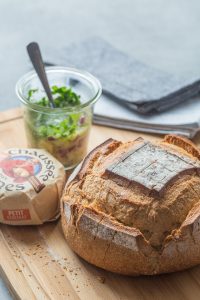
When dining at a Portuguese restaurant, it is traditional to start with a variety of appetisers known as “couverts.” This category often includes a variety of products, such as cheese, bread, butter, and olives. Although there are some countries that provide this service for free, it’s vital to remember that in Portugal, there’s usually a small price of between €5 and €10. To avoid any unexpected costs, it is a good idea to politely ask your server if certain things are complimentary and to express clearly that you would prefer not to eat them if that is the case.
Pickpockets
Pickpockets are likely to be in places with a lot of people, like Baixa and Alfama, in Portugal’s cities. The busy crowds and narrow, winding streets can deceive tourists who aren’t paying attention. Be careful where you are going, and keep your things safe. To keep thieves away, you might want to wear a money belt or a shoulder bag.
Fake discounted tickets
There is a possibility that you will come across street vendors selling what appear to be cheap tickets when you are visiting popular tourist attractions such as the Tower of Belém. Be wary, as these are frequently phony attempts. It is best to only buy tickets from official sources or get there early to avoid waiting in long lines.
Property rental forgery
Property or holiday rentals are one of the most concerning fraudulent enterprises. Individuals engaged in fraudulent activities may entice naïve individuals with enticing offers linked to accommodation arrangements, eventually leading to their arrival at a predetermined place only to realise that the property does not exist. When facing recently posted apartments with disproportionately positive ratings, unusually low pricing, or owners who insist on upfront payments via unconventional means, it is best to proceed with caution. In order to secure personal safety, it is best to only use reliable rental platforms such as Airbnb, as well as traceable payment methods.
Job scams
If you’re looking for work in Portugal, be wary of job fraud. Scammers may publish bogus job postings for fictitious organisations, impersonate legitimate businesses, or pose as bogus recruiting brokers. To be safe, properly research potential employers and avoid disclosing personal information or making advance payments. It’s worth investing time in due diligence to prevent falling into these traps.
Parking scam
Finding parking in Portugal, particularly in cities such as Lisbon, can be difficult. While parking attendants may offer to assist you in finding a spot, some will seek tips in exchange. While tipping is not required, many tourists prefer to pay a small sum to prevent the chance of damage to their vehicles. Always examine the circumstances and decide whether the tiny fee for peace of mind is worth it.
“Hashish, Marijuana, Cocaine”
In bustling Portuguese cities like Lisbon, you may come across people quietly selling narcotics like hashish, marijuana, or cocaine. However, it’s very possible that what they’re selling is counterfeit, and you could find yourself paying a lot of money for things like licorice or baking powder. Remind yourself that using drugs is prohibited in Portugal and decline these offers.
Late night street vendors
In Lisbon’s busy nightlife districts, such as Bairro Alto, you’ll find street sellers offering a wide array of goods, including fedoras, sunglasses, and other accessories. These vendors frequently target late-night revellers who may not hesitate to pay a premium for items they are likely to lose by the end of the night. Although they may appear cordial, be wary of the prices they offer.
Taxi fares
When taking a cab in Portugal, keep in mind that drivers are required by law to use a meter. Some taxi drivers may propose a set fare, particularly while driving to or from the airport, stating that it is less expensive. To prevent these surcharges, insist on using the meter and researching the usual rate for your route ahead of time. Ask the driver for an estimated journey time to verify you’re on the right track.
Currency exchange rates
Currency exchange offices in Portugal, like those in many other European nations, frequently advertise competitive exchange rates in their front windows. They can, however, add additional commissions and fees during the trade, making it an expensive process. Consider using your bank card for transactions or converting money in your home country before your vacation to avoid additional fees.
Avoiding the tourist traps in Portugal
While these tourist traps exist, they are minor and are not commonly found in Portugal. You may tour Portugal securely and appreciate its wonders without fear if you stay educated and follow these suggestions. Travel with curiosity and caution, and you’ll have a wonderful time in this fascinating country. Travel safely!
Monasteries are wonderful locations to visit, particularly if you’re going solely for the goal of finding inner peace. Portugal, being one of Europe’s oldest countries, has a large number of monasteries, some of which are said to be as ancient as the country itself. Because Portugal is not well-known for its monasteries, we feel that including these wonderful places on your itinerary should enhance your experience.
Alcobaça Monastery
The Alcobaça Monastery (Portuguese: Mosteiro de Alcobaça, Mosteiro de Santa Maria de Alcobaça) is a Catholic monastery complex in the central Portuguese town of Alcobaça. Afonso Henriques, the first Portuguese monarch, founded the monastery in 1153.
The church and monastery were the earliest Gothic structures in Portugal, and it was one of the most significant mediaeval monasteries in Portugal, along with the somewhat older Augustinian Monastery of Santa Cruz in Coimbra. It was included on the UNESCO World Heritage List in 1989 due to its aesthetic, cultural, and historical significance.
Batalha Monastery
This is another UNESCO World Heritage Site, having been declared in 1983. Officially known as the ‘Monastery of Saint Mary of the Victory,’ this is one of Portugal’s best-preserved monastery complexes. It was erected in the 14th century to commemorate the Battle of Aljubarrota, but it became the burial church for Portuguese kings from the 15th century onward. There’s a lovely fountain in the older Manueline cloister that will capture your attention right away. There’s also a unique chamber with the Tomb of the Unknown Soldier from World War I.
Hieronymites Monastery
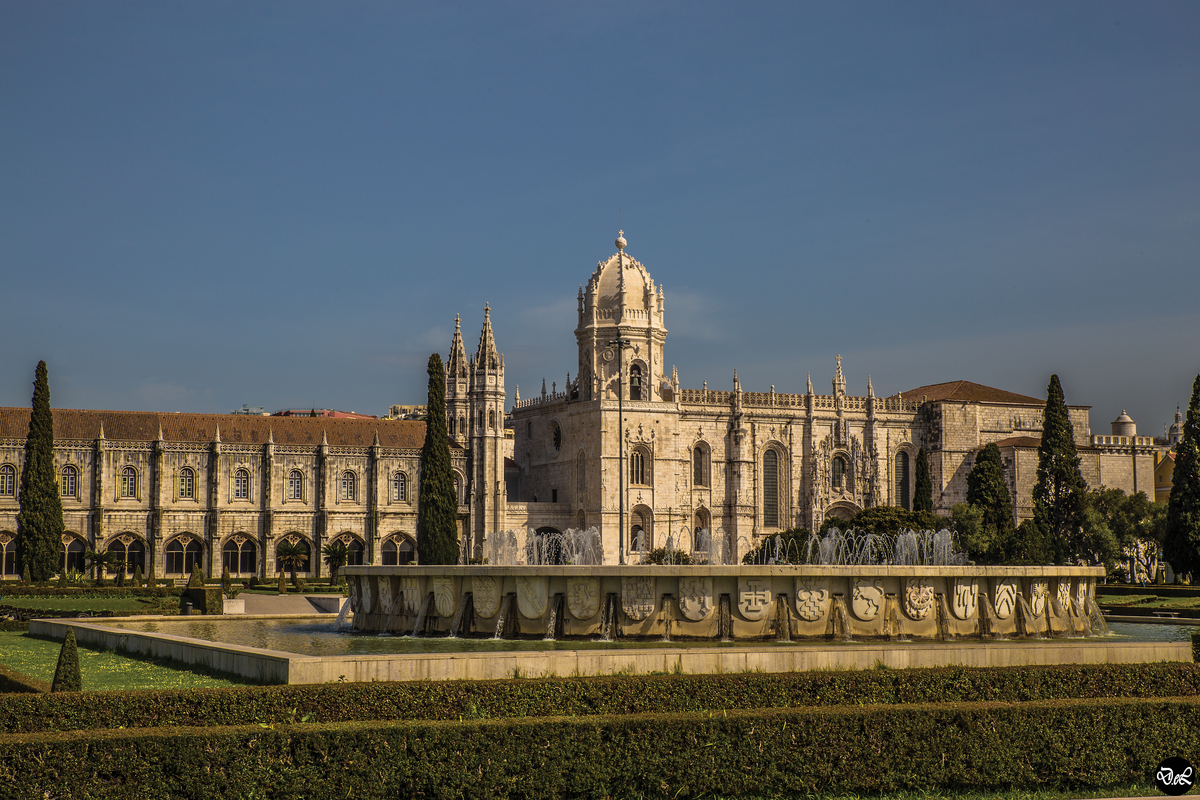
Jerónimos Monastery is another name for it. This complex, located in the parish of Belém in western Lisbon, was commissioned by King Manuel I in the early 16th century on the site of the ancient church of Santa Maria de Belém. This monastery structure is approximately 55 square metres (592 square feet) in size and has two storeys. Diogo de Boitaca, a prominent Manueline architect, constructed the bottom floor, which includes large arcades embellished with elaborately carved Gothic and Renaissance-style colonnettes. The upper storey was constructed by Iberian architect Joo de Castilho and contains the tombs of poet Fernando Pessoa and author Alexandre Herculano.
Monastery of the Saviour of Travanca
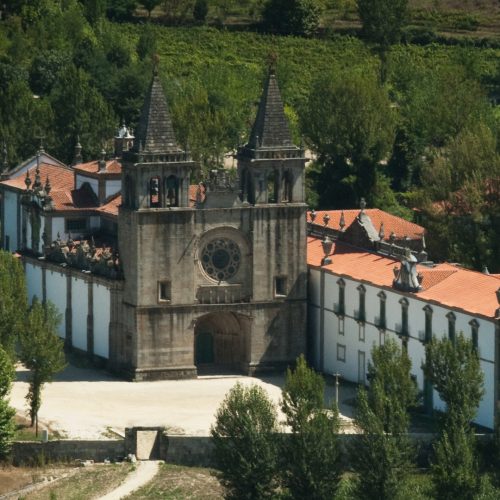
The Monastery of the Saviour of Travanca was founded in the 13th century by the Portuguese lord Garcia Moniz. Even now, it is considered one of Portugal’s most prominent Benedictine temples. Located directly on the Portuguese-Romanesque road, the monastery benefited from a strategic location throughout the Middle Ages. However, following the crusades, the Order seemed to have faded into obscurity until the early twentieth century, when it was restored and eventually designated as a Portuguese National Monument.
Monastery of São João de Tarouca
This was possibly the country’s first Cistercian Order monastery, located approximately 9 miles (15 kilometres) southeast of Lamego in northern Portugal. The monastery is set against a beautiful background of terraced hills. However, it is now in a condition of disrepair. The church and monastery were at their peak until the 17th century. However, once the religious orders were disbanded in Portugal in 1834, the complex fell into disrepair. Despite the fact that the monks’ lodgings are in disrepair, the church has some of its original features, such as gilded choir stalls and 15th-century painted tiles, owing to 17th-century restoration attempts.
Monastery of Saint Mary of Pombeiro
Dom Gomes Aciegas is thought to have built and finished this Romanesque-style monastery structure around 1059. It was one of Portugal’s most prominent Benedictine monastery complexes until 1834 when the Benedictine monks were exiled and their religious orders were disbanded. Following then, the entire facility fell into disrepair. It was designated a national monument and officially opened to the public in 1910. The church was extensively restored between 1958 and 1987, and again between 1993 and 2006. It houses stunning Romanesque sculptures and paintings from the 14th, 15th, and 16th centuries.
Pedroso Monastery
This beautiful Benedictine abbey complex in Portugal was built in the 11th century. This monastery is located in the beautiful Vila Nova de Gaia in the country’s northwestern region. This magnificent Romanesque-style structure includes a church and a convent. The church is shaped like an irregular hexagon, with a deep chapel and two high bell towers. The monastery was at its heyday until 1560 when the Jesuit monks were ejected from the holy orders. Following that, the property was demolished. Later, in 1803, a high-rising wall divided the church from the monastery.
Monastery of Celas
The magnificent Romanesque monastic complex was founded in 1221 by Princess Sancha, daughter of King Sancho I of Portugal, and is located in the ancient city of Coimbra. The structure began as a simple chapel encircled by a cloister of tiny cells housing the nuns’ sisterhood. It evolved through time to become one of the most important monastic complexes in Portugal. However, once the religious organisations were destroyed in 1834, this monastic order, like most other Portuguese monasteries, was disbanded, although the sisters were permitted to remain.
The existing ensemble incorporates numerous 16th-century components, such as the noble entrance on the façade and the choir door to the chapter room’s antechamber.
Monastery of Lorvão
This 6th-century monastery complex, also known as the Abbey of Our Lady of Lorvão or simply Lorvão Abbey, is located in the municipal parish of Lorvão in Portugal’s Coimbra District. According to historical sources, this complex prospered at first because it was a key centre of commerce between northern Christian populations and southern Muslim authorities. Indeed, this monastery’s workshops were well-known in the 12th century for their magnificent illuminated manuscripts.
However, this structure was unable to withstand the decline that most Portuguese monasteries experienced following the dissolution of religious organisations in the nineteenth century. Surprisingly, the buildings were converted into a mental institution around the turn of the twentieth century. At the same time, it was designated as a national monument. The hospital closed in 2012, and the property has since become home to a museum showcasing religious arts.
Monastery of Saint Peter of Cête
This monastery structure from the tenth century is located in the civil parish of Cête in the municipality of Paredes in northern Portugal. Although the majority of the complex is constructed in late-Romanesque style, there are some magnificent Gothic components, such as the church’s bell tower. The complex was originally commissioned by the Portuguese nobleman Gonçalo Oveques and then renovated during the 12th and 14th centuries under the patronage of the abbot D. Estêvão Anes. Following these repair attempts, certain Manueline period features were added, which may be seen in the chapter hall and major cloister. The monastery’s interior features magnificent limestone reliefs of Saint Peter, Saint Lucia, and Our Lady of Grace, as well as a fresco of Saint Sebastian.
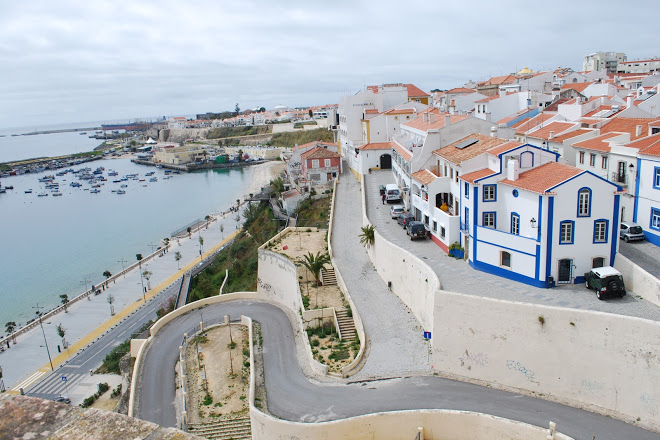
Sines is a small fishing village situated along the southern coast of Portugal, just south of Lisbon. As a traditional fishing town, it preserves the unique colours, traditions, and charm of a quaint village.
Sines is a wonderful place to visit and explore, located about 1 hour and 45 minutes south of Lisbon and just 53 minutes from Comporta. You’ll find plenty of opportunities for cultural and gastronomic experiences, as well as fun and relaxation on the beach. Whether you’re looking to immerse yourself in local traditions or simply unwind in a beautiful setting, Sines has something to offer at every level.
The sea and its resources have played a crucial role in shaping the economy and culture of the small village of Sines. Once a humble fishing village, fishing remains an important local activity to this day, but it has also evolved into a popular tourist destination.
Sines is the birthplace of Vasco da Gama, the renowned Portuguese explorer credited with discovering the sea route to India, and he remains one of the region’s most enduring symbols. The village hosts a number of festivals throughout the year, including the Feast of Our Lady of Rooms, the Feast of Our Lady of Solitude, and the Carnival of Sines. However, Sines is also renowned for its gastronomic and artisanal traditions, which make it a great destination for foodies and shoppers alike.
Sines is a culturally rich village with an abundance of monuments and archaeological sites to explore.
Sines bears the influence of the Romans, and visitors can discover the most iconic streets and places of the area in addition to the natural beauty of its beaches and cliffs. These include Rua Direita, Rua da Praça, Praça Tomás Ribeiro, Largo do Muro da Praia, Largo do Poeta do Bocage and Largo dos Penedos.
Sines Castle, a medieval castle with a history dating back to the Paleolithic era, sits atop a cliff, offering stunning views of the bay. It was constructed in the early 15th century and is open to visitors from Monday to Sunday, except for Christmas Day, New Year’s Day, and the Easter holiday, between 9:00 a.m. and 5:00 p.m.
The Fort of Revelim (or Nossa Senhora das Salas) was built in the 17th century by Eng. João Rodrigues Mouro to protect the residents and boats of Sines, along with the castle. It is not open to the public, but guided tours can be arranged through the Museum of Sines.
The Fort of Pessegueiro, constructed in the 17th century by Dom Pedro II to protect the coast from pirates and privateers, is located on a rock overlooking Peach Island in Porto Covo. It was used in combination with the island’s fort, which was destroyed in the 1755 earthquake. The fort is not open to the public, but guided tours can be arranged through the Sines Museum.
The landscape of Sines is characterised by vast cliffs, dune complexes, small streams, heathlands, and mountain ranges. There are several fascinating sites to discover on foot, by bike, or on horseback in the county’s interior, from the almost-secret Lagoa da Sancha (which recently opened a pedestrian route) to the agricultural districts of Cabeça da Cabra, Provence, and Sonega. The southernmost part of the county is connected to the Rota Vicentina, a network of trails in southwest Portugal.
Visitors to the area are also close to the “jungle on Alentejo dirt,” and those travelling with children may enjoy a trip to Badoca Safari Park, which promises an amazing experience.
Praia Vasco da Gama
The beaches of Sines
Sines is a coastal town in Portugal that boasts a diverse range of beaches spread over 30 kilometres of coastline. From vast sands in the north to tiny beaches surrounded by cliffs in the south, Sines has a range of habitats and scenery to suit everyone’s tastes. Here are some of the beaches worth visiting:
Vasco da Gama Beach: This urban beach is located in the centre of Sines and is a witness to the city’s major historical events. With a length of 360m, it is administered by the Port of Sines Administration and is adjacent to the Fishing Harbour. Its two jetties offer protection and tranquilly.
S. Torpes Beach: This beach, associated with the legend of São Torpes, is the most frequented beach in the county. It is a large beach with a shoreline of 2000 metres and offers the warmest water, making it a popular tourist destination. It also provides excellent surfing conditions and has 696 parking spaces.
Morgavel Beach: This non-urban beach is easily accessible, has good parking, and has several restaurants in the surrounding area. With a length of 350 metres, it offers good conditions for surfing.
Vale Figueiros Beach – Vieirinha: This beach is connected by dunes and has paved parking for 226 vehicles. It boasts excellent surfing conditions and eateries.
Small beaches of Porto Covo: The picturesque settlement of Porto Covo has tiny beaches of fine sand and crystal blue water, separated by huge cliffs that create an air of intimacy and exclusivity. Some of the beaches, such as Samoqueira and Buizinhos, are difficult to access and lack permanent supervision.
Salto Beach (naturist): This private and quiet beach has been a part of Portugal’s restricted group of naturist beaches since 2002. It is located between Cerro da Guia and Cerca Nova in Porto Covo.
Porto Covo Beach: This is the primary urban beach in the village of Porto Covo. With a roughly 200-metre beachfront expansion, it offers excellent surfing conditions and enough parking. It is also close to a large number of other tiny beaches to the south and north.
Ilha do Pessegueiro Beach: The island of Ilha do Pessegueiro has remnants of a Roman fish salting plant, and there were once ambitions to develop the island into a great harbour in the seventeenth century. The beach has paved access from a municipal road and 131 parking spaces, and the Forte do Pessegueiro is located on a cliff overlooking the coastline.
North Coast Beach: The Alentejo coast is divided into two by Cape Sines, with small rocky beaches to the south and miles and miles of uninterrupted sandy beaches stretching all the way to the Troia peninsula to the north. The North Coast is a region of vast expanses and ferocious seas, offering a unique beach experience.
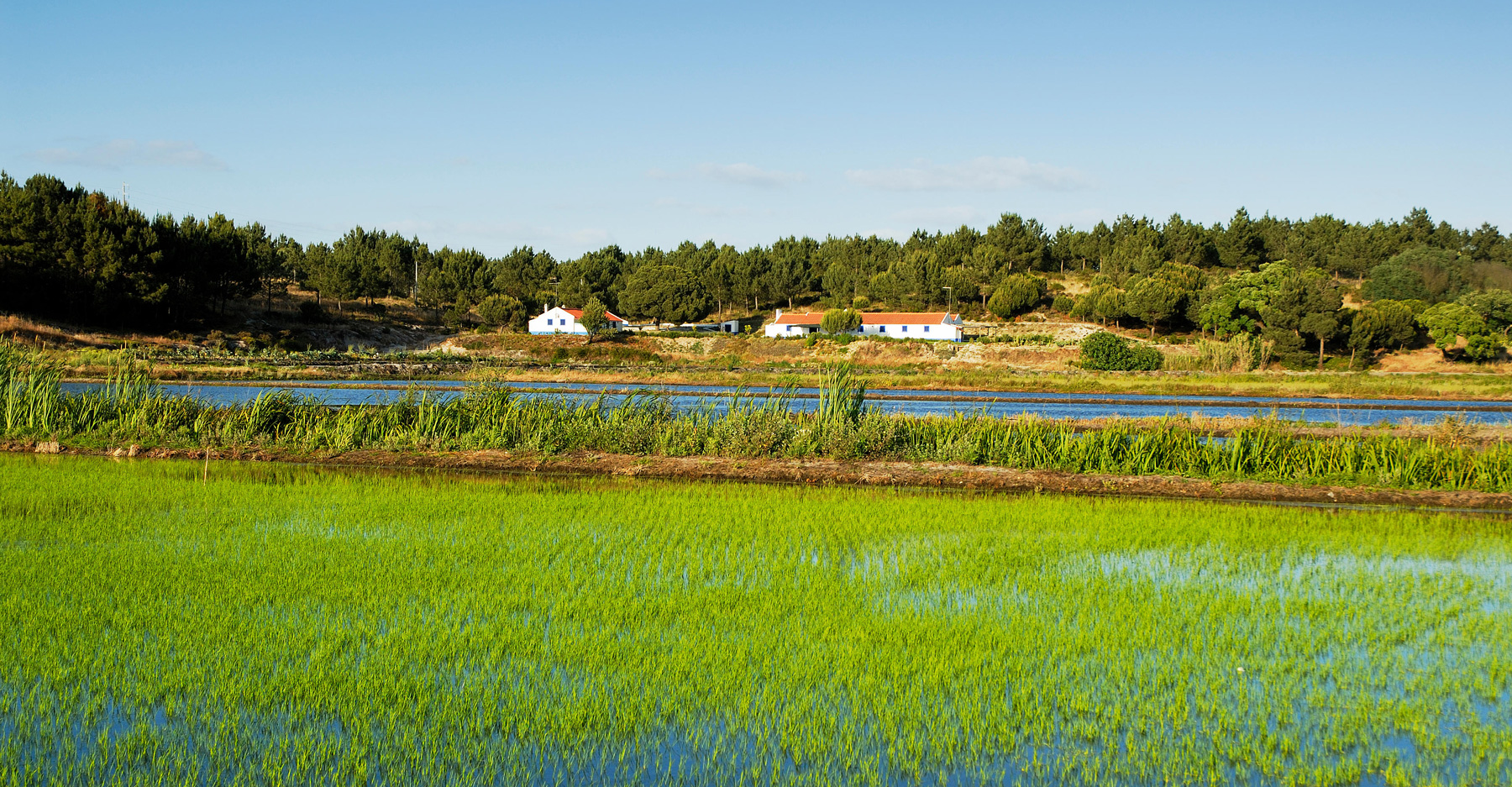
Preserved nature, rice fields and pines as far as the eye can see …
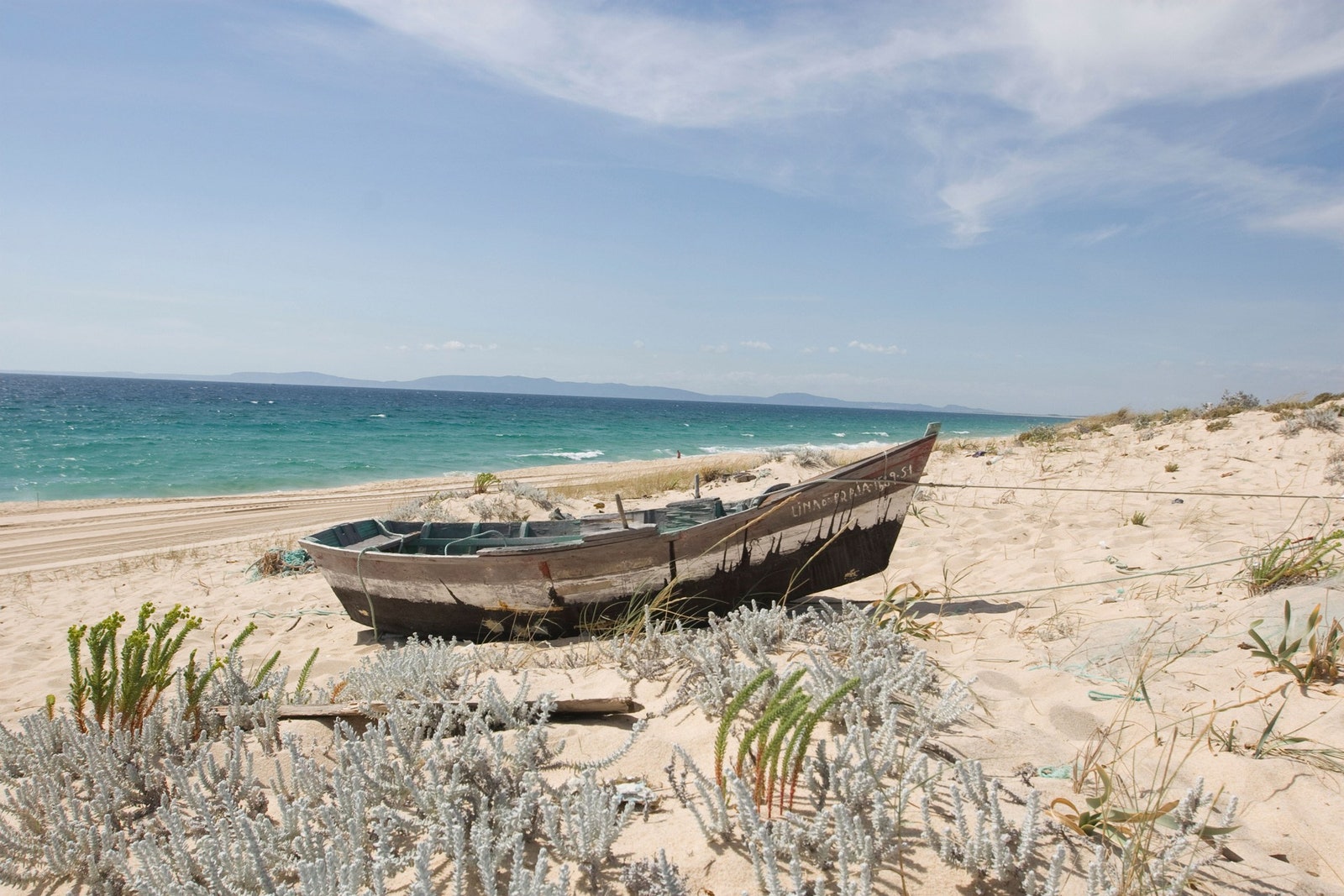
It is surrounded by rice paddies, the coastline, sand dunes, and pine trees, among other natural features. It’s a one-of-a-kind setting where you can reconnect with nature while remaining present in the moment. Although the fishing cottages on stilts recall ideas of Asia for some, and the stunning white-sand beaches bordering the ocean conjure images of the Hamptons for others, Comporta has its own rhythm and atmosphere that is distinct from any other place on the planet.
A secret for many years, this wild spot has been kept hidden by regular visitors who love the ‘tranquillity of this peculiar territory. In addition, despite the fact that vacationing in Comporta is becoming increasingly ‘in style,’ make no mistake: this isn’t the new Ibiza. In this small corner of paradise, suspended between the ocean and the rice terraces, you will find yourself in the midst of slowness and simplicity.
In the communities of the region, tradition and simplicity are the order of the day. The buildings blend in seamlessly, and the locals can still be found at the same cafés that they have frequented for decades. Tourist hordes and nightclubs are non-existent in this area. What you will discover is the authenticity and ease of life that Portugal has to offer.
The region’s primary feature is the Comporta beach, which stretches for 20 kilometres over a stretch of continuous white sand and is a beach lover’s paradise. Days in Comporta are leisurely and relaxed.
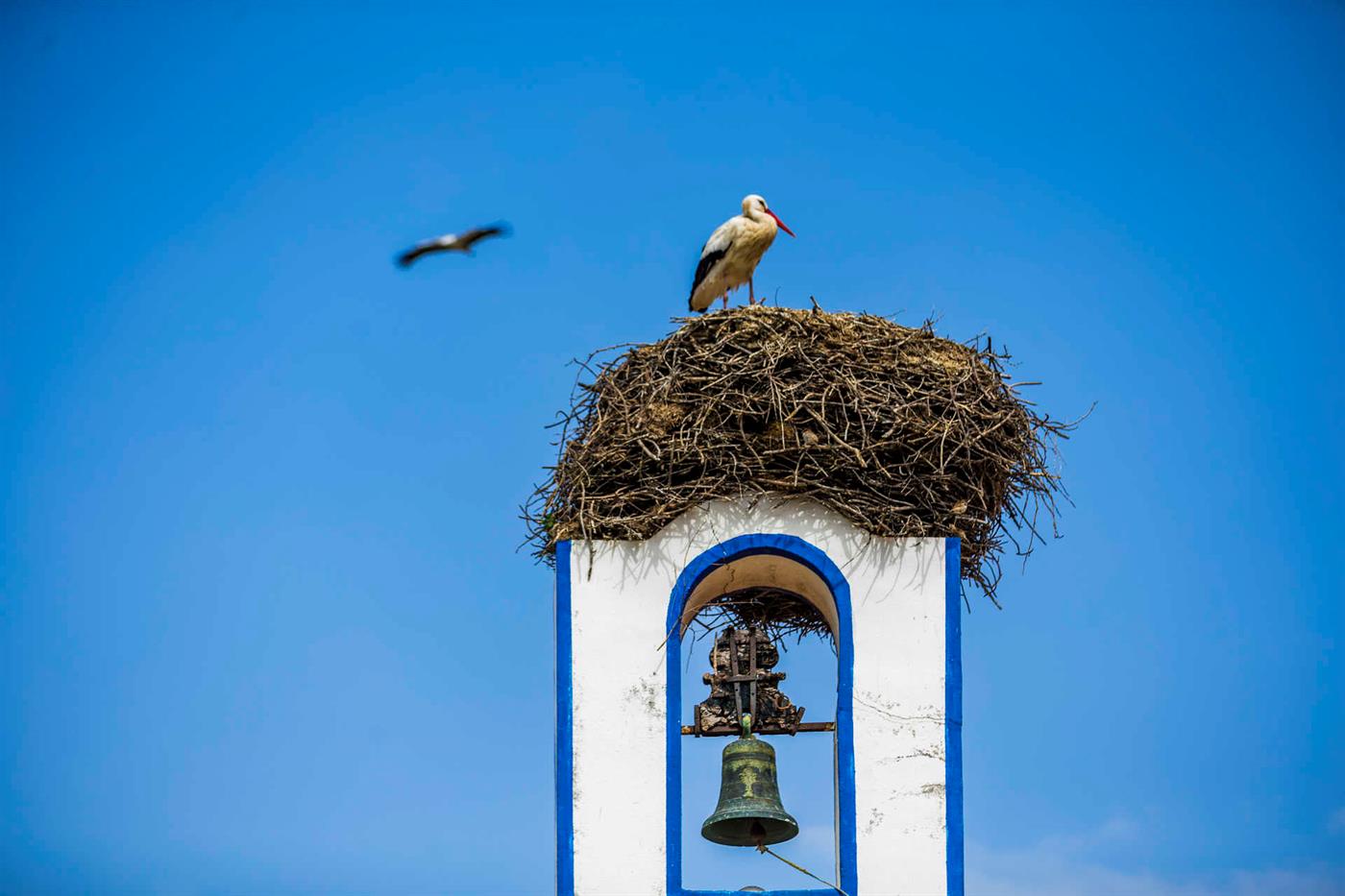
The Sado nature reserve is home to some 200 species of birds, including the storks, emblems of the city of Comporta. Have fun spotting them on horseback, on foot, by bike or even by paddle.
If tourists appreciate Comporta for its peace and quiet, as well as the quality of its surroundings, the storks appear to concur with their assessment of the town. Every year, the population of these birds in Comporta and the adjacent villages grows by a significant amount. This particular stage of their migratory trip appears to have influenced them. It is possible for them to settle down and complete their breeding cycle in optimal conditions because of the mild environment throughout the year. The Sado Nature Reserve prevents them from being hunted and provides them with an adequate food supply to feed the storks without exerting any effort. Why go on a difficult road every year when happiness is right around the corner? Come to Comporta and, like the storks, you’ll want to remain as long as possible!
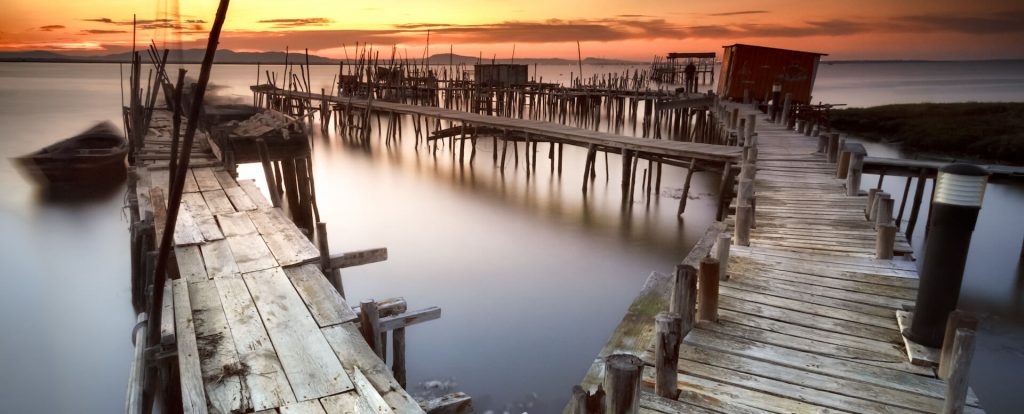
Comporta is home to a port built on stilts and perched between the sky and the sea, seemingly untouched by time. Located in Carrasqueira on the Sado River, which is the starting point for the Alcácer do Sal. These makeshift landing, constructed of open-work boards and supported on stilts, serve as the foundation for this modest fishing port.
This exceptional example of popular architecture, which is the only one of its kind in Europe, was built between the 1950s and 1960s. It is a national treasure. The port served as an anchorage for fishing boats in the surrounding area, a function that it has continued to provide to this day.
The fishing industry, particularly for oysters, was responsible for much of the growth in the Carrasqueira area. The port was built particularly to ensure that fishermen would always be able to access their boats, regardless of how the tides were acting at the time.
In fact, when the tide is low, the land is separated from the water by around ten metres of mud (or occasionally as much as a hundred metres!). As a result, the very first fisherman pounded in stilts at the edge of the tidal wall (which protects the farmland) and built a few planks on top of them to shield themselves from the elements. They were followed by a group of fishermen who banded together to build a new pile of stilts and boards. Building on stilts and planks was a developing form of construction that allowed the tangle of stilts and planks to be gradually expanded by several hundreds of metres. This is how the peculiar jetty came to be, and it is now one of the most popular tourist attractions in the municipality of Alcácer due to its unique location.
Depending on the tides, the boats either float on the surface of the water or are submerged in the muck at times. A great number of modest wooden huts, some of which are recognised as national heritage buildings, line the length of the jetty, adding to the natural beauty of the surroundings.
This is the ideal place for those who enjoy taking photographs.
The port on stilts of Carrasqueira in Comporta, Portugal
10 Best things to do in Comporta
Consume food in the manner of the locals! If you want to try something different, try the local dish of beans with rice and linguiça served with bacon, chorizo, and coriander and cooked in an earthen pot or over an open fire.
Catch some waves with Surf in Comporta – They provide surf training for both children and adults, as well as board and wetsuit rental services
Riding a horse along the beach, kayaking in the ocean or cycling are all options.
Take some beautiful images of the stunning beach and town to share on social media.
There are plenty of stunning birds you can enjoy watching. You can take a stroll through the Sado Estuary to check out a variety of birds like flamingos, storks, and herons and the beautiful wildlife and nature
Also part of the Sado Estuary is an area of freshwater that is home to a pod of bottlenose dolphins. You can relax on the shore while enjoying these beautiful animals.
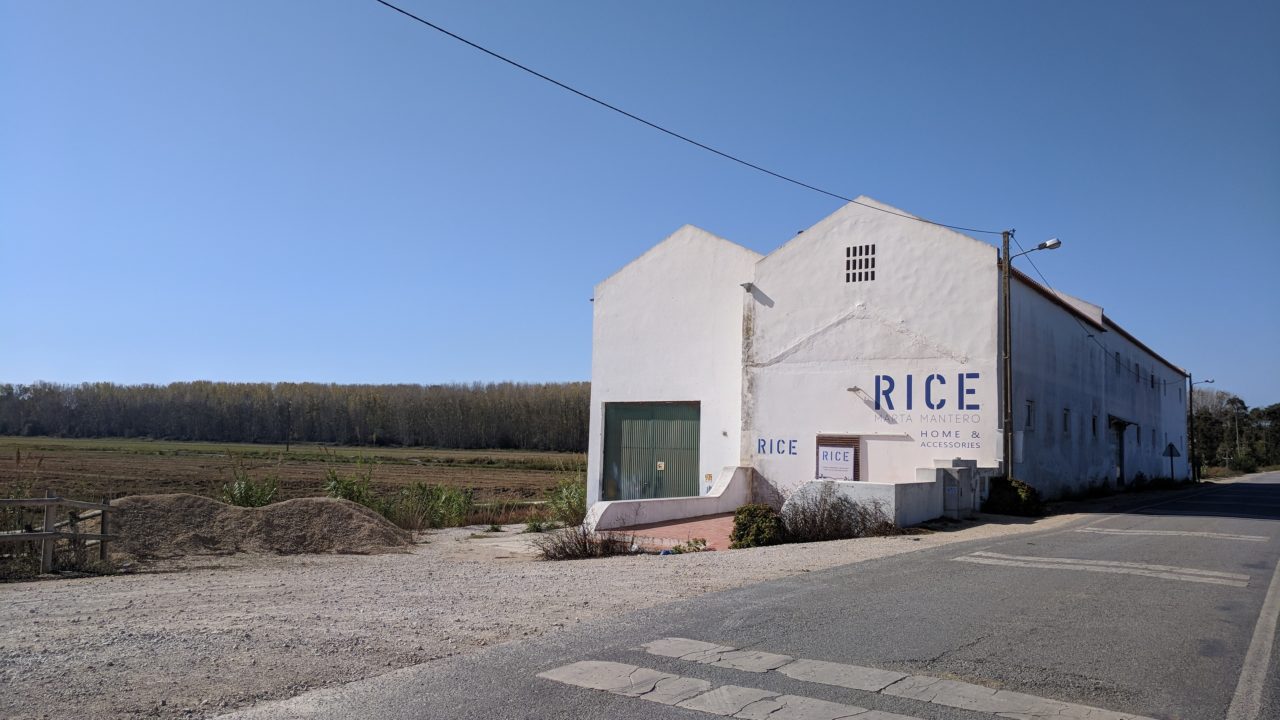
Make sure to stop by the Rice Museum, (Museu do Arroz), which is also the town’s oldest restaurant that specialises in rice delicacies. It is housed in a rice-husking mill built in 1952 and contains a museum displaying instruments and implements used in the rice harvesting process.
Want to stretch your legs? You can rent bicycles to ride up and down the coast to explore the various towns that makeup Comporta.
Discover the Cais Palafitico do Porto da Carrasqueira, a fascinating harbour filled with historic wooden docks and fishing boats.
At the Casa da Cultura pop-up shop, you may peruse the wares of local artisans.
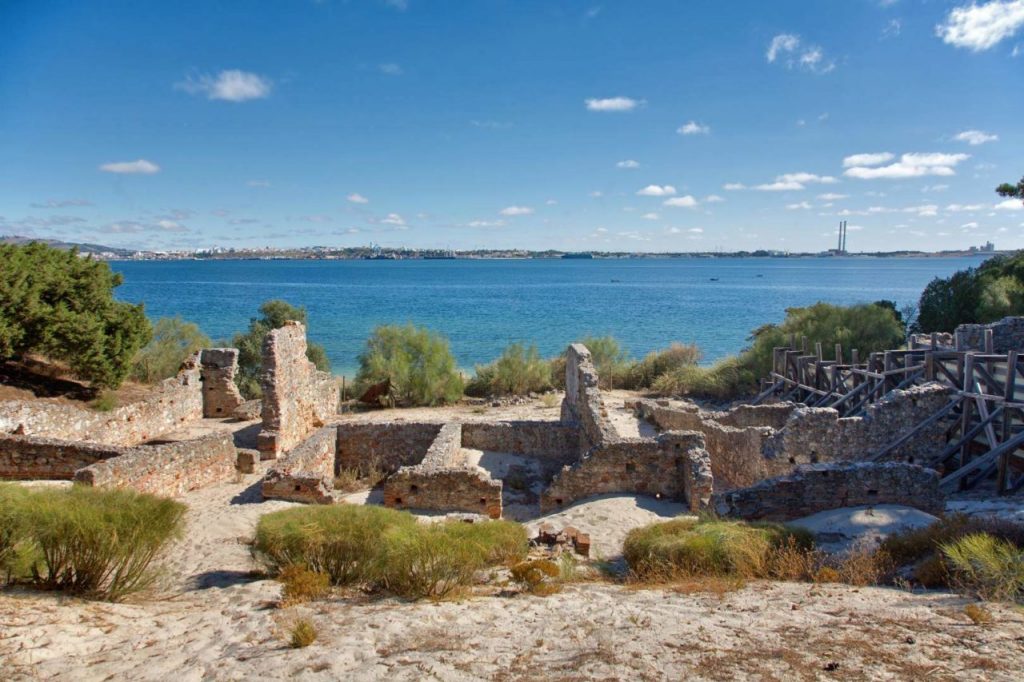
The Roman ruins of Tróia, Comporta
Tróia’s Roman ruins are located on a beach peninsula approximately ten minutes from Comporta. This site, which is surrounded by water, was originally a significant complex specialising in the manufacturing of salted and pickled fish. It was constructed in the first century and remained continuously occupied until the sixth century.
Here, salt fish and fish sauces were prepared using the abundant fish in the Atlantic Ocean and the exceptional salt generated on the Sado River. These same goods were then distributed across the Empire.
The site evolved into a complicated metropolitan region over time. It included not only several “salting factories,” but also residences, other factories, thermal spas, and the mausoleum and necropolis typical of Roman civilisation.
Excavations conducted in 1956 unearthed 450 m2 of Roman baths. There are pools with hot, temperate, and cold water, as well as an underground heating system, a swimming pool, and a sports arena.
Since 1910, this spectacular complex has been designated a “Monumento Nacional.” Throughout the year, it organises archaeological exhibitions, guided tours, equestrian shows, and other themed activities.
A timeless and unmissable destination that provides an authentic glimpse into the Comporta region’s distinctive history.
Museu do Arroz, Comporta
The Rice Museum in Comporta, Portugal, is located at the village’s entrance. It is devoted to the cultivation of rice in the region and its associated customs. In this cultural space, we retrace the history and development of “Herdade da Comporta” in order to better comprehend the effect of this unusual culture.
The museum is housed in a historic 1952 rice husking mill.
Along with this factory, there were other workshops, each equipped with a range of locksmithing, carpentry, and forging tools. These workshops were used to maintain the factory, employees’ housing, the office, the canteen, the butcher shop, the bakery, and the chapel, as well as to contribute to the creation of agricultural tools and automobiles. As a result, the realm could remain autonomous until the late 1960s.
Following this enlightening cultural and historical tour, we recommend stopping for a drink or meal at the museum’s adjacent restaurant, which bears the same name.
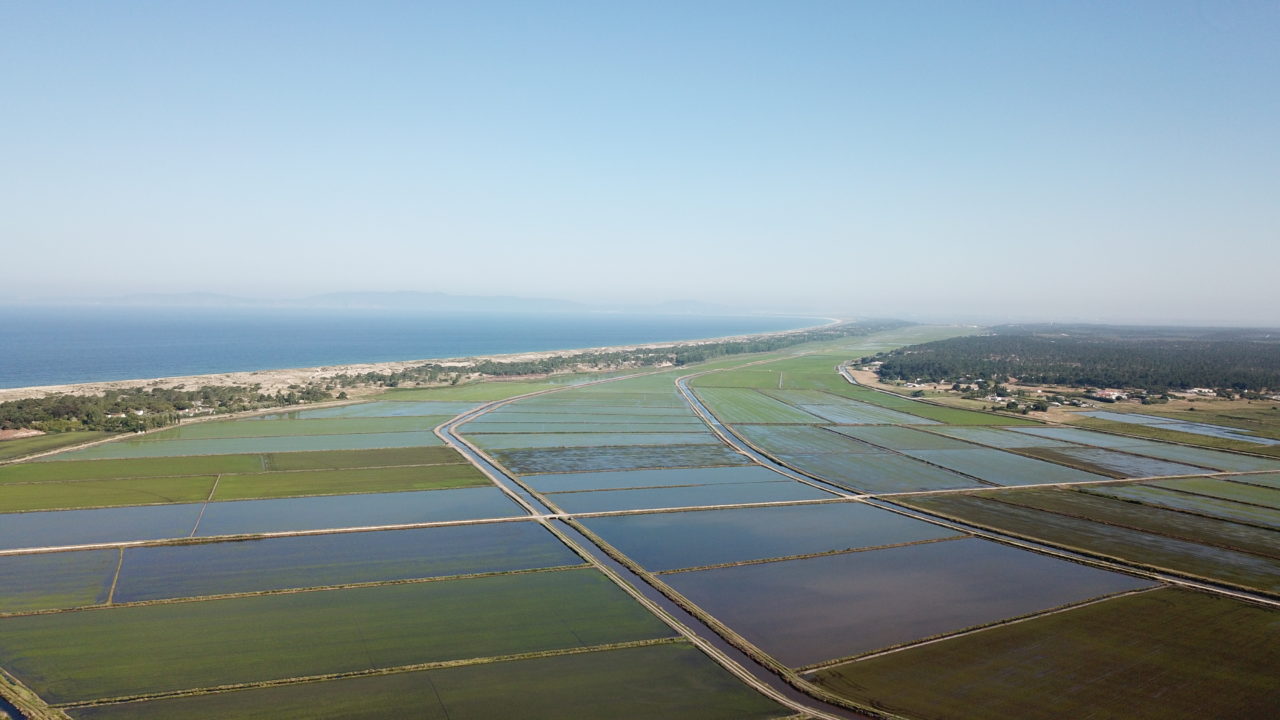
Strolling in the rice fields
Rice fields are important in Comporta and to the village’s heritage. Rice has been grown on this property since 1925. Seasonally, these fields form and colour the landscape. Whether they are green, yellow, or a mirror-like pool of water, they provide this landscape with a sense of magic and rhythm.
The densely packed shoots grow erratically and impart an element of wildness and primitiveness to Comporta. Although rice has been planted by hand for a long period of time, this method has been nearly entirely replaced by small planes that disperse seeds at low altitude across fields. Once sowed, the seeds fall to the ground and sprout at random.
Thus, the environment that exists today in Comporta was built about a century ago through rice cultivation, a relatively uncommon activity in Portugal. These tracts of land have been maintained by or are part of the Sado Estuary Nature Reserve, ensuring the protection of these attractive rice fields, as well as the species and flora that inhabit them.
To properly understand the rice fields, one must immerse oneself in them, inhale the aroma of the surrounding pine forests, and spend time observing the birds, canals, and old fishermen’s huts. There is a pleasant sense of harmony here, which is strangely countered by the sound of storks snapping their beaks in increasing numbers. Following this enlightening cultural and historical tour, we recommend stopping for a drink or meal at the museum’s adjacent restaurant, which bears the same name.
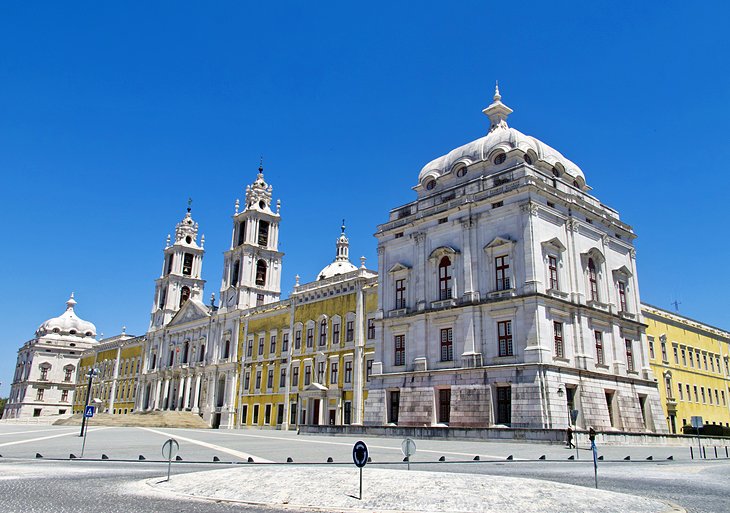
It is the only National Monument that contains a Royal Palace, a Basilica, and a Convent and is located in the centre of the village of Mafra – in the square named after the monarch who ordered its construction.
Mafra’s stately National Palace and Monastery towers above the lovely countryside village of Mafra and is an excellent example of extravagant excess.
The Palace of Mafra, also known as the Palace-Convent of Mafra and the Royal Building of Mafra, is a massive Baroque and Neoclassical palace-monastery in Mafra, Portugal, approximately 28 kilometres from Lisbon. Under King John V of Portugal, construction began in 1717 and was completed in 1755.
There are about 40,000 m2 and 1200 rooms with unique settings and instruments throughout. This is the case with the Library, which houses a collection of over 36 thousand books; the bell set, which consists of two chimes with a total of 98 bells; and the six ancient organs, which returned to reverberate throughout the Basilica in 2010.
In addition to these distinguishing features, the Palace-Convent of Mafra has received a number of awards throughout the years. It was designated a National Monument in 1910, was a finalist in the 2007 election of the Seven Wonders of Portugal and has been a UNESCO World Heritage Site since 2019.
XVIII century library in Baroque style included in the Palace of Mafra.
The monastery, castle, cathedral, and basilica are all accessible by tour.
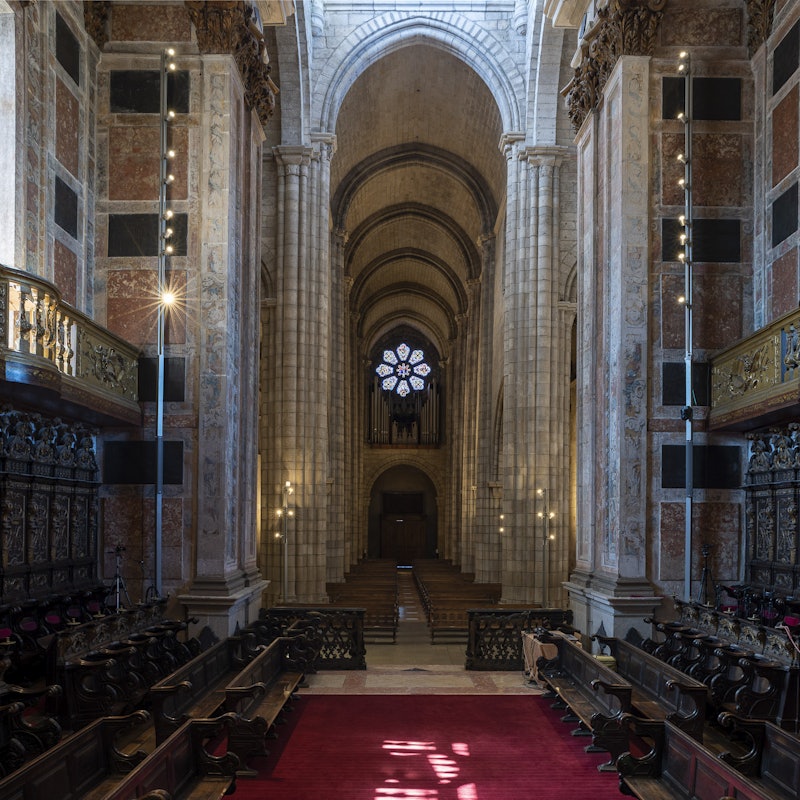
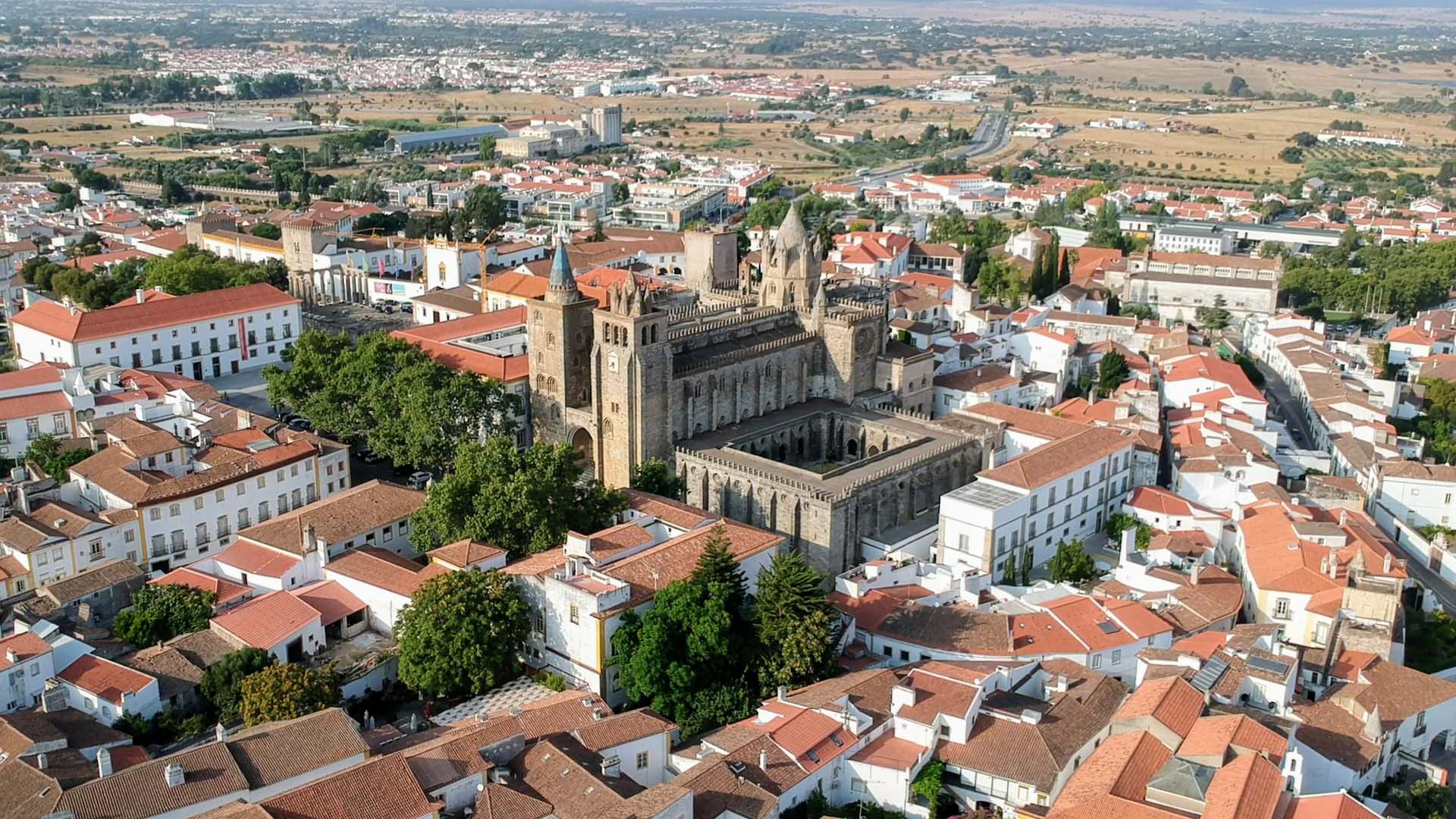
Évora, one of the country’s most beautiful cities, is located deep in southern Portugal’s sun-drenched Alentejo province. Although the Romans established themselves here in 57 BC, it was during Moorish control that the town took shape, with its maze of tiny streets and alleyways characteristic of Islamic urban architecture. The Sé, Évora’s magnificent cathedral and one of the numerous outstanding visitor attractions in the ancient town, was built during the Christian reconquest.
Consecrated in 1204, this famous ecclesiastical structure combines Romanesque, Gothic, and Baroque styles, and visitors may pop up to the top for great views of the surrounding area after viewing the interior.
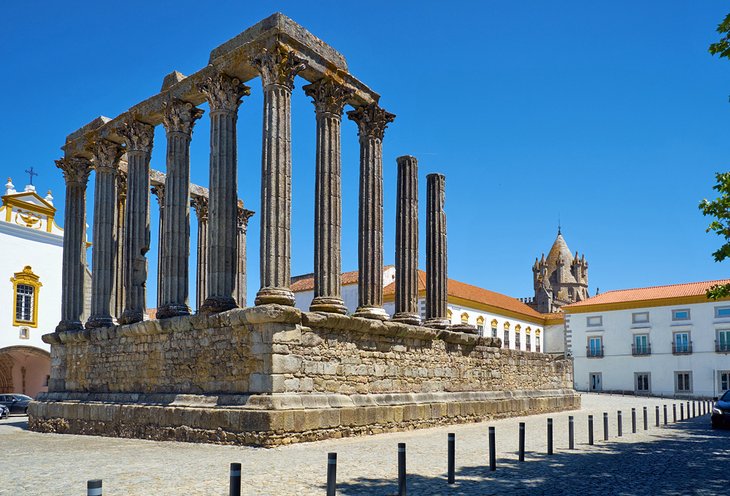
The Roman Temple, Évora’s most recognisable landmark, lies nearby. This is the most magnificent Roman structure in the nation, dating from the second or third centuries AD. Indeed, Évora’s historic heritage is so significant that it has been designated a UNESCO World Heritage Site.
The Historic Centre of Évora, capital and seat of the Alentejo Province, has been moulded by almost two centuries of history, dating all the way back to Celtic times. It was conquered by the Romans and contains the remnants of the Temple of Diana, among others. The Christian city inhabited the surface area enclosed by the Roman wall during the Visigoth era, which was later renovated. Under Moorish rule, which ended in 1165, additional modifications to the initial defensive system were constructed, as shown by a fortified entrance and the ruins of the old Kasbah. There are several mediaeval structures, the most well-known of which is the Cathedral, which was constructed in the 13th century. However, it was in the 15th century, when the Portuguese monarchs began to visit Évora on a more regular basis, that Évora entered its golden era. At that time, convents and royal palaces sprung up everywhere: St Claire Convent, the royal church and convent of San Francisco, not far from the same-named royal house, and Os Lóios Convent, which is next to the São João Evangelista Church. These are notable monuments that were either totally new structures or additions to older structures and are characterised by the Manueline style that persisted in the 16th century’s main works.
Évora became Portugal’s second city in 1553 when the University of the Holy Spirit was founded. However, the university’s precipitous downfall began in 1759, when the Company of Jesus was expelled by minister Marquis of Pombal.
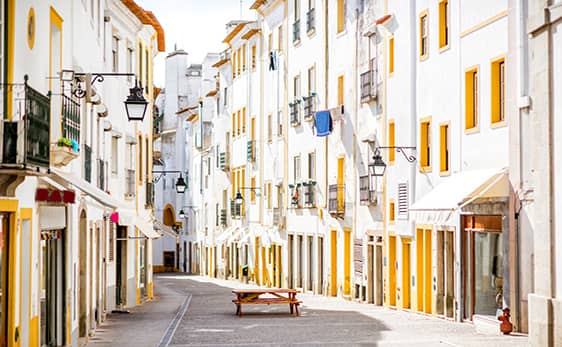
Évora is also noteworthy for reasons unrelated to its magnificent legacy associated with major historical events. The sixteenth-century saw extensive urban development and considerable intellectual and religious impact. While Évora also contains a number of notable sixteenth-century aristocratic homes (Cordovil House, Garcia de Resende House), the city’s distinctive quality stems from the coherence of the city’s minor architecture from the sixteenth, seventeenth, and eighteenth centuries. This homogeneity is exemplified by the numerous modest whitish buildings adorned with Dutch tiles and wrought-iron balconies and topped with tile roofs or terraces that line narrow mediaeval alleys and bore evidence to the town’s concentric expansion until the 17th century. Additionally, it served to reinforce the essential unity of an architectural style that is well suited to the climate and location.
Évora was mostly unaffected by the great earthquake that struck Portugal in 1755, destroying numerous towns, including Lisbon. The monuments in Évora’s Historic Centre attest to their significant effect on Portuguese architecture in Brazil.
Criterion (ii): The cityscape of Évora’s Historic Centre provides a unique setting for appreciating the influence of Portuguese architecture in Brazil, as seen by places such as Salvador de Baha’s Historic Centre.
Criterion (iv): Évora’s Historic Centre is the greatest surviving example of a city from Portugal’s golden era following the devastation of Lisbon by the 1755 earthquake.
Since the 2nd century B.C., Évora has been inhabited. It was the royal home for lengthy periods of time during the Middle Ages, and it acquired importance in the 16th century when it was elevated to the status of an ecclesiastical city. Despite considerable urban changes throughout the ages, Évora nevertheless bears witness to a variety of aesthetic forms.
Despite rapid population expansion, which necessitated the building of new quarters to the west, south, and east, the Historic Centre of Évora has kept its features within the Vauban-style wall erected in the 17th century according to the plans of French engineer Nicolas de Langres. In addition, the road network created around the city walls in the twentieth century has aided in their preservation. The general integrity of Évora has been preserved in terms of both individual monuments and the townscape. The rural terrain to the north has mostly stayed unaltered.
Megalithic Monuments
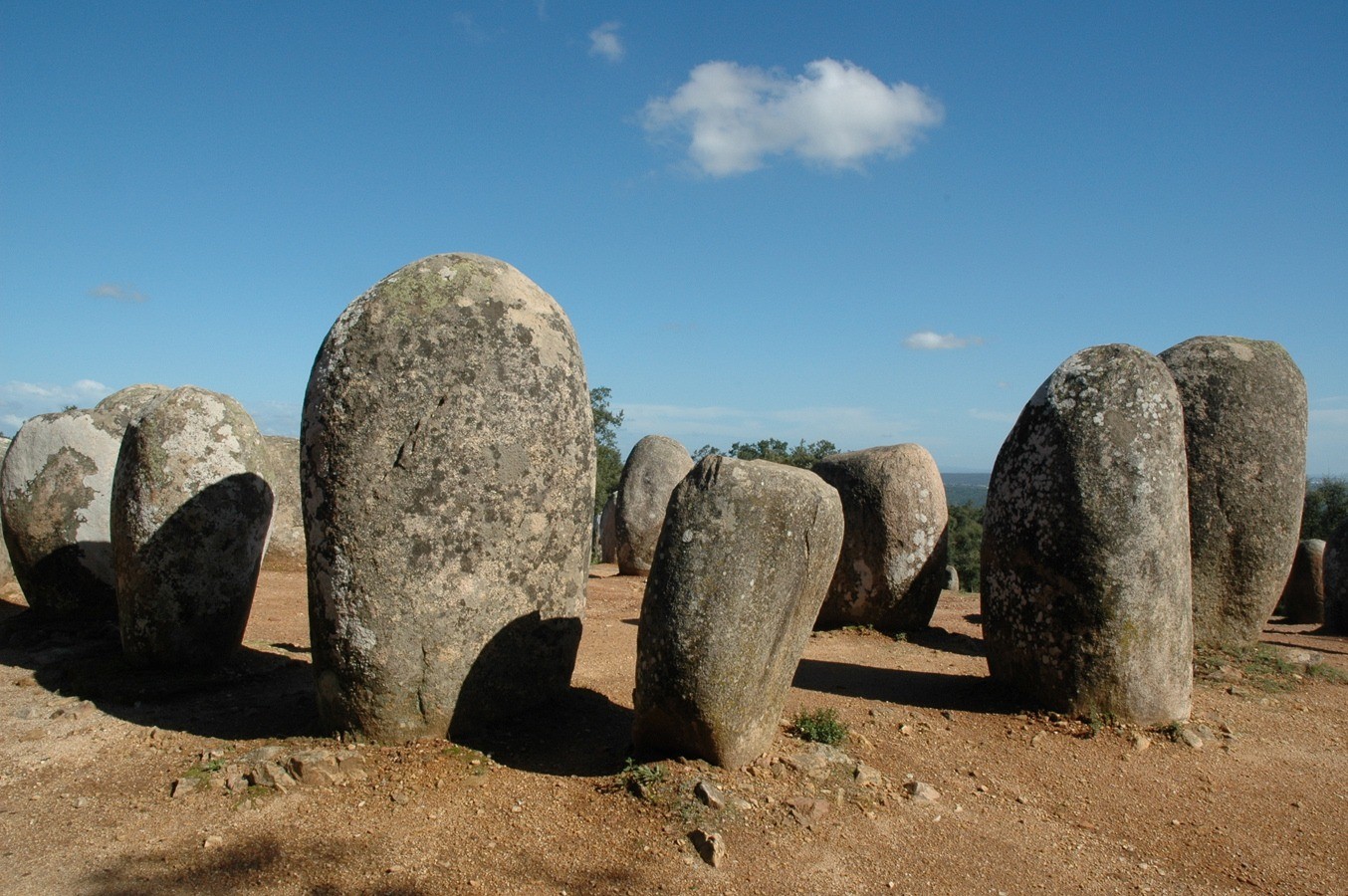
Because of its natural qualities, man has lived in the Evora region from prehistoric times. As a result, this is another reason to visit Evora and its distant past, which has earned it the title of Iberian Megalithic Capital.
Anta Grande do Zambujeiro (dolmen), Cromeleque dos Almendres (cromlech), and Menir dos Almendres (menhir) are only a few of the prehistoric remains near Evora that are part of the Megalithic Circuit. To supplement your tour, travel to the Megalithica Ebora interpretive centre at Convento dos Remédios, where you will learn about two important phases in the construction of Evora, the megalithic period and the Roman period.
For over two centuries, this venerable tree’s canopy has provided a haven for songbirds and lovers.
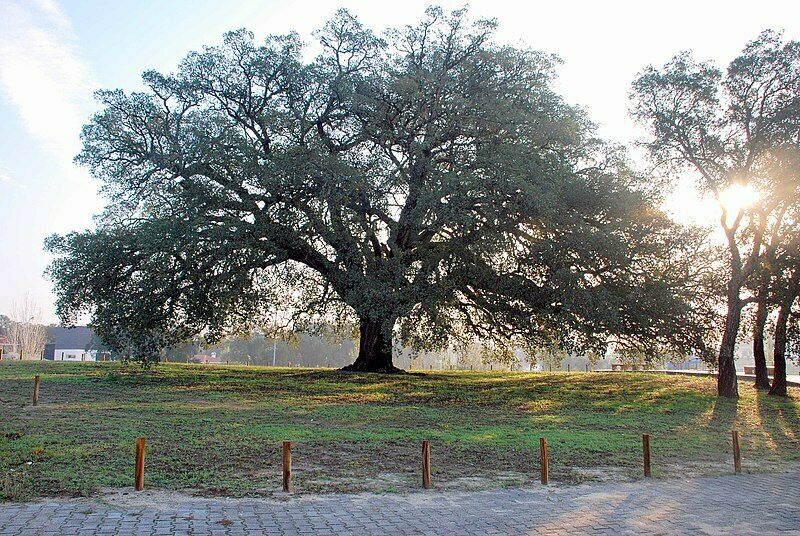
IN THE SMALL VILLAGE OF Águas de Moura, in the Alentejo area of Portugal, lies the world’s biggest Cork oak tree (Quercus suber). The tree, which is well over 230 years old, was planted in 1783, the year the Treaty of Paris was signed, thereby ending the American Revolutionary War. Sobreiro Monumental is also known lovingly as “The Whistler Tree [Sobreiro Assobiador]” because of the noises created by dozens of songbirds when they land and take refuge amid its branches.
The majestic tree reaches a height of about 53 feet and has a trunk diameter of more than 14 feet. The Guinness Book of World Records named it the world’s “biggest and most prolific Cork oak” in 2009. Sobreiro Monumental was named “European Tree of the Year” in 2018.
These plants’ spongy, cork-producing bark has been utilised for almost 5,000 years. Portugal is credited with producing almost half of the world’s cork nowadays. The bark of a Cork oak is collected typically every 10 years, with the first harvest happening when the tree reaches the age of 25. The bark of Sobreiro Monumental has been harvested over twenty times. The tree had its most prolific crop in 1991 when it yielded 2,646 pounds of raw cork. It had enough cork to stopper over 100,000 wine bottles and much surpassed the lifetime output of the majority of other Cork oaks.
Sobreiro Monumental has offered refuge for nomads and travellers for decades, as well as seclusion for lovers’ trysts. Locals refer to the tree as “Casamenteira” or “Matchmaker” due to its popularity as a location for courtship and marriage proposals. Numerous people are said to have been conceived beneath its protecting branches. Perhaps most noteworthy are the hundreds of thousands of gallons of wine that its bark has safeguarded throughout the decades.
The tree came dangerously close to extinction in 2000 when developers began cutting land without permission. Regrettably, 411 trees next to Sobreiro Monumental were killed before the illegal deforestation activity was identified and halted. This Cork oak was granted even greater protection in 2001, and the Portuguese Parliament designated it a national emblem in 2011. The community now has a park-like environment centred on its celebrity tree.
With everything from a superb fado concert in Lisbon to sunning on the beaches of the Algarve and drinking wine in Porto, Portugal offers something for everyone! From natural parks to historic cities, fishing villages, and paradisiacal islands, the country has something for everyone.
Here are 7 little known places we have found for you to explore.
PONTA DA PIEDADE, LAGOS
Lagos is one of Portugal’s most attractive seaside cities, with a rich history and a wide range of historical landmarks in its old town. La Ponta da Piedade, an area of cliffs and rock formations with marine arches and secret caverns, is arguably the region’s most popular attraction. By joining one of the guided excursions, you may climb the cliffs from the top, down the stairs to the beach, and manoeuvre through the boat forms. The greatest time to visit this location is unquestionably around sunset when the rocks become yellow.
VILA NOVA DE MILFONTES, ALENTEJO
The Natural Park of the Southwest Alentejo and Costa Vicentina is ideal for coastal road excursions! Just make a pit stop in Vila Nova de Milfontes around halfway through. Because this is one of the least frequented locations by foreign tourists, some portions of the beach still have a wild appeal to them. Apart from swimming on its beautiful beaches, you may also enjoy coastal hiking trails and cycling on its deserted roads. And, in the summer, there’s the thriving nightlife!
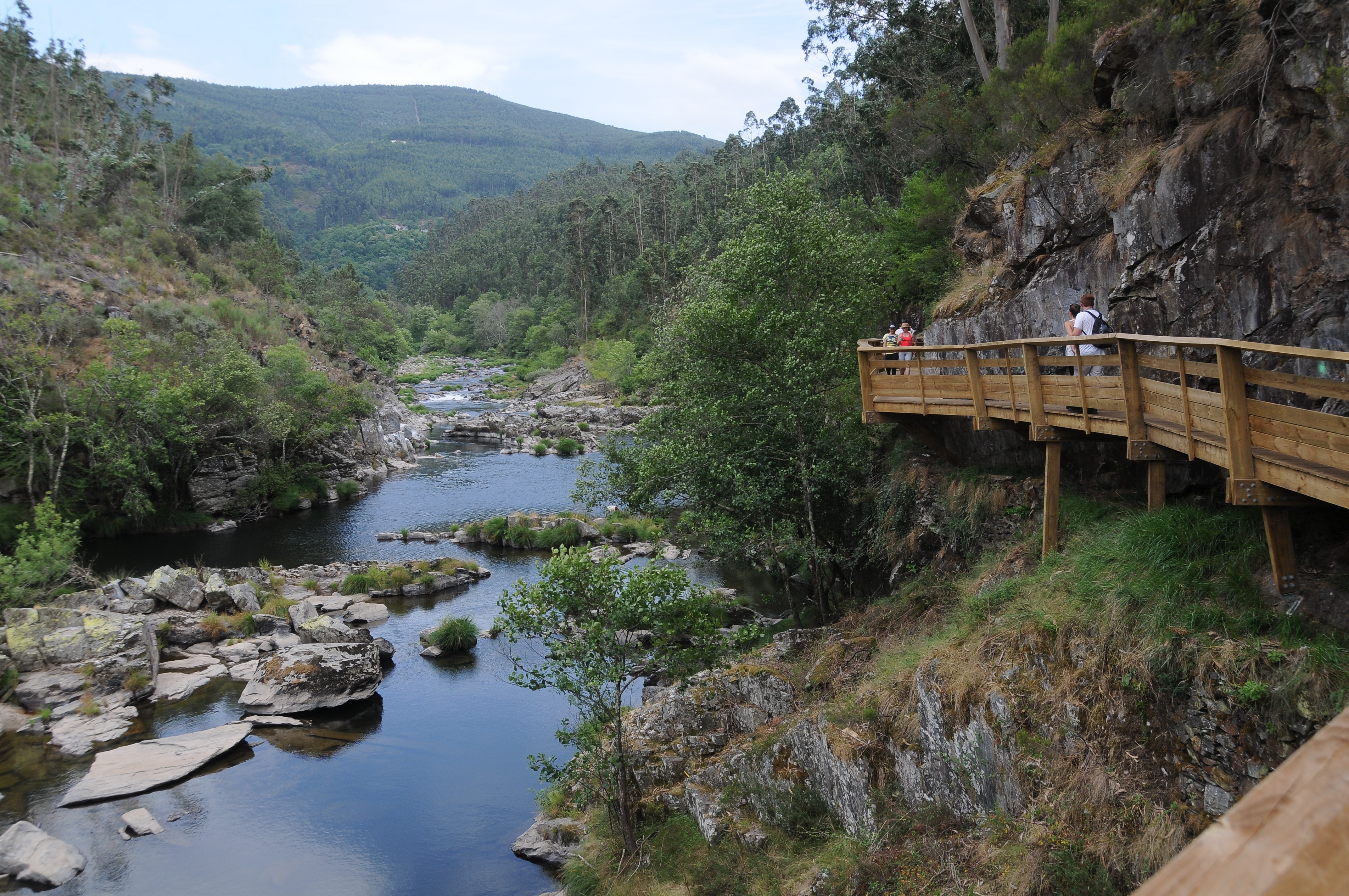
PASSADIÇOS DO PAIVA, AVEIRO
The Passadiços do Paiva is a nearly 9-kilometre walk along the Paiva river that allows you to breathe fresh air, commune with nature, and observe endangered animals. It is accessible through Areinho or Espiunca. However, if you begin the journey at Areinho, it will be physically easier and you will have greater views of the river from the right bank, as well as the possibility of spotting some kayaks descending. If the round journey is too much for you, taxis are available to transport you between the ends. Bring your swimsuit, since the passadiço provides access to three river beaches! Additionally, there are pubs that provide quick food.
BERLENGAS ISLANDS, LEIRIA
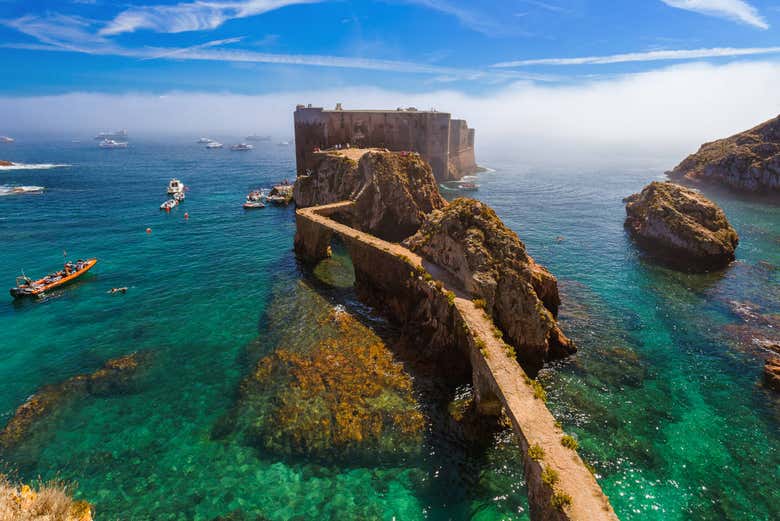
The coastlines of Berlenga Grande, Islas Estelas, and Farilhoes-Forcadas, which are made up of three islands with crystal blue seas, are a haven for water sports and diving enthusiasts. In Berlenga Grande, a tiny footbridge connects the São João Baptista fort to the island. The fort was erected in the 17th century to protect the island from pirates and other countries’ forces. It has been largely renovated and is now suitable for sleeping! Additionally, camping is permitted on the island. Other attractions include the Duke of Bragança’s solar-powered lighthouse and the 16th-century remains of the Monastery of Mercy.
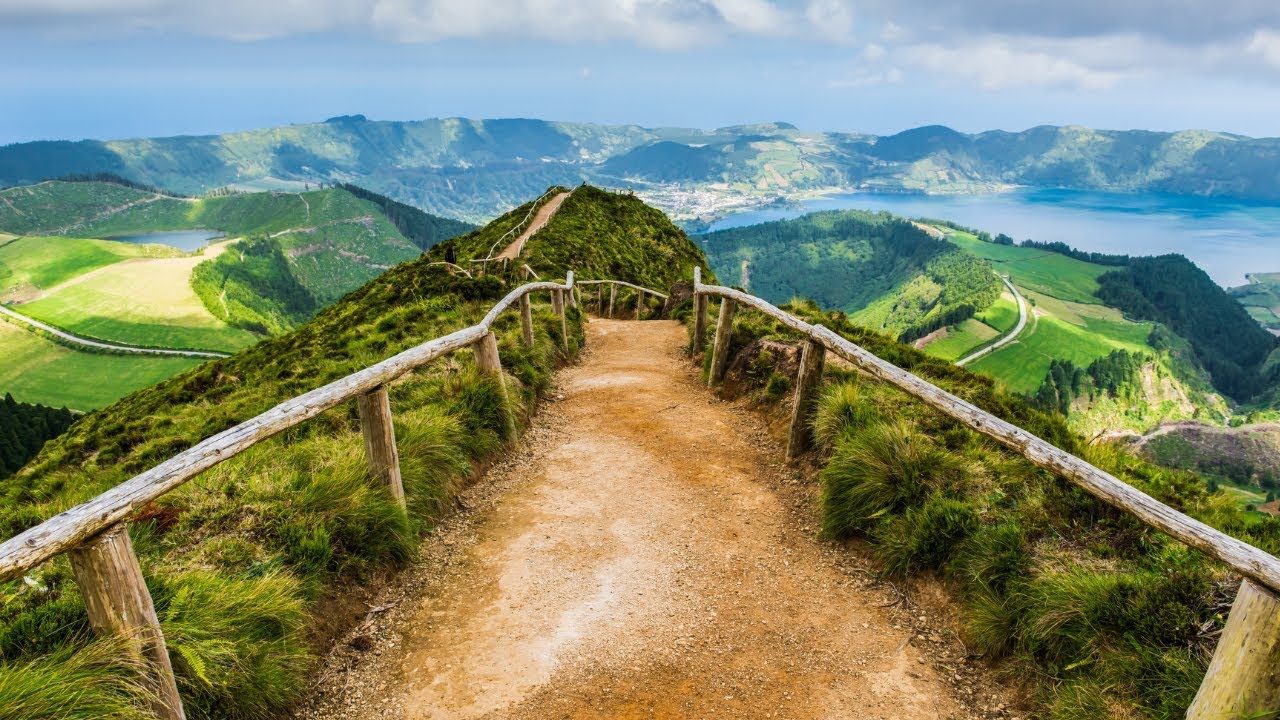
SETE CIDADES, AZORES ISLANDS
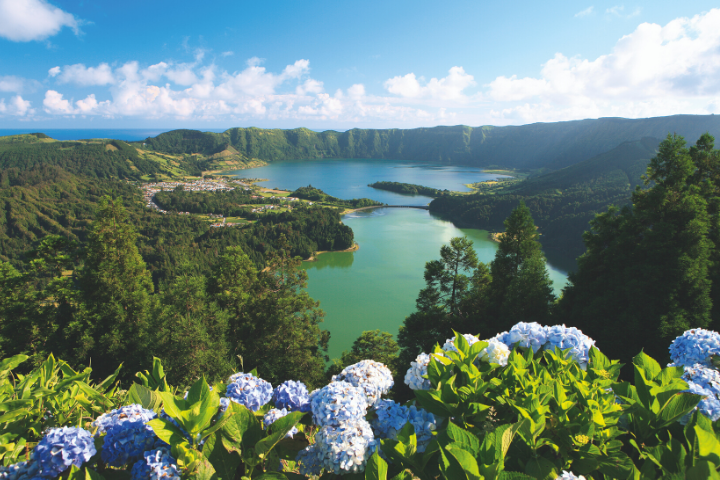
The Azores are a group of nine unique islands in the Atlantic Ocean that are ideal for an eco-friendly vacation. Only 5% of the land is developed, with the remainder being natural. One of the most well-known locations in the magnificent volcanic crater known as the Sete Cidades on São Miguel Island. You can go hiking and explore the area’s stunning lakes. The most well-known is Lagoa Verde and Lagoa Azul, but for a more quiet location, head to Lagoa do Canario. From there, a trail leads to Miradouro Boca do Inferno.
GORREANA TEA PLANTATION, AZORES ISLANDS
You do not need to travel to Asia to stroll among tea farms. On the island of São Miguel sits one of Portugal’s hidden jewels and Europe’s oldest tea plantation! The route begins in front of the facility and is around 3.4 kilometres in length, taking roughly an hour and a half to finish. Passing across a stone bridge transforms the view from field to woodland! At the conclusion of your tour, you will have the opportunity to learn more about the tea-making process and, of course, sample and purchase some tea!
MIRADOURO DA PEDRA BELA
The Miradouro da Pedra Bela is one of the most recognised views in the whole Peneda-Gerês National Park. It overlooks the northwest and southwest. It is better to visit on a clear day to see the mountains, the Caniçada lagoon, and the Cávado-Clado river confluence. However, even if the weather is not ideal — this being a wet region – the trek is still worthwhile. Perhaps if you wait a little while longer, the clouds that cover the valley will lift!
Travelling is ‘fun’ until minor inconveniences like getting lost or losing your wallet the following morning spoil your vacation.
Here are some travel tips you may apply on your next trip to make your journey less stressful and more enjoyable.
Turn on “Private Browsing” in order to find lower-cost flights.
The majority of individuals have a set budget for their vacations, and all of their choices are guided by that budget. If you want to take advantage of the greatest chances while also using some important tricks to reduce the strain on your wallet, here is one of the most effective ways to do so.
It is common for flight costs to fluctuate, and certain travel websites are able to monitor what you are looking at online and increase the prices appropriately. This implies that if you return to the site more than once, you may discover a greater price on your purchase. To get out of this bind, turn on the “Private Browsing Mode” on your browser and search for cheaper flights to save money.
Always carry a portable charger
In today’s world, your phone serves as a companion, a guide, a mentor, and a personal source of entertainment. Carrying a dead phone around without a charger nearby seems like a horrible reality, doesn’t it? If you find yourself in such a situation, always bring a portable charger and a power bank with you.
Pack sparingly to conserve space and bring an additional bag.
Effective packing abilities are a lifesaver. Have you ever travelled with someone who knows how to pack things properly as you stare at the state of your suitcase? The atrocities are undeniable.
Develop the ability to roll your clothes, tuck your belt under your shirt, choose your outfits carefully, and bring only what you need. We understand that the urge to pack everything prior to a trip is extremely irresistible, but this time, try telling yourself that you do not need more than ten tops for a two-day excursion. Additionally, never leave packing until the last minute!
Ensure that you bring an extra-large with you in case of an emergency.
Email yourself a scan of your passport
While a hard copy is necessary to carry around, forgetfulness can sometimes be a disease that afflicts you indefinitely. Emailing yourself a passport scan is the most secure method of ensuring that a copy of your passport is only a click away. Simple steps like these can save you a lot of time and aggravation in the future.
Purchase a dummy wallet to fool pickpockets
You don’t want to wake up in a new country with no money in your pocket. While the image may appear to be highly fun and film-like, the reality might be quite nasty. While you may like to travel without fear, pickpocketing is a very regular occurrence on an unfortunate day. Carry a dummy wallet with you on your trip to avoid similar incidents and to enjoy every moment without continually reaching for your pocket to check if your wallet is still there.
Download Google Maps for offline use
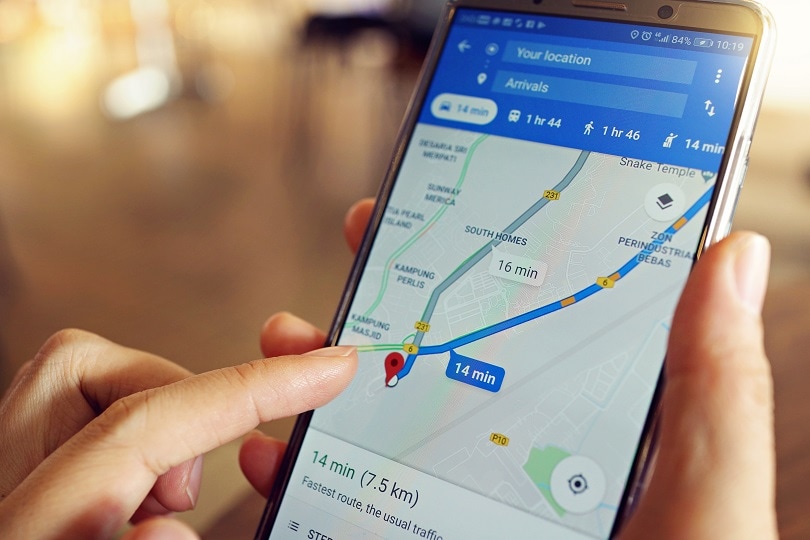
If you’re not confident in your data connection or like to have backups to feel secure, you can always download Google Maps and use it offline. All that is required is sufficient storage on your phone. The procedure for downloading Google Maps is straightforward- Navigate to the area you wish to save on the map, type ‘ok map’ into the search field, and then click ‘Download’.
Fight jet lag with exercise
Jet lag causes insomnia and exhaustion, which can be a huge downer on a holiday. To combat the aftereffects, try exercising; it may help reduce the interruptions to a person’s circadian rhythm. You are not required to immediately begin a high-intensity workout. Yoga, running, and light resistance band training all appear to have the same impact.
By driving your body to engage in physical activity, you can overcome lethargy, sleeplessness, and other jet lag symptoms more effectively than if you suffer through them. While exercise has a small direct effect on your internal clock, it can help you sleep better and longer throughout the adjustment period. Through exercise, you can increase your heart rate and breathing, and your body will respond similarly: by peaking at times when it would normally be calming down. This can have a direct impact on the duration of your jet lag symptoms.
Compression socks will assist in making your flight more bearable.
How long is the flight?
Compression socks can literally save your life.
Spending lengthy periods of time cramped up can ruin your entire trip, especially when you land and discover your ankles swollen and in pain as you walk to retrieve your bags. While the risk of developing blood clots during a flight is low, it increases with increased travel time. Compression socks come to your rescue in such situations. On a lengthy journey, these stockings assist in increasing circulation and reducing the danger of swelling or worse, deep vein thrombosis (DVT) and clotting.
Label your luggage as fragile.
This process is as simple as asking for a ‘fragile’ label at the counter and does not cost you anything extra. Not only does the sticker guarantee that your luggage will be treated with care, but it also guarantees that you will not have to wait long for your luggage to get on the belt, as the delicate labelled luggage usually comes on first.
Keep a pen in each of your bags/pockets.
Pens are usually useful in the modern world, and asking a stranger for one every time you need to sign a paper or jot down a detail might be a tedious chore. So, always bring a pen in your luggage or pocket while travelling to save time and make things easier to handle.
We use cookies on our website to give you the most relevant experience by remembering your preferences and repeat visits. By clicking “Accept All”, you consent to the use of ALL the cookies. However, you may visit "Cookie Settings" to provide a controlled consent.
This website uses cookies to improve your experience while you navigate through the website. Out of these, the cookies that are categorized as necessary are stored on your browser as they are essential for the working of basic functionalities of the website. We also use third-party cookies that help us analyze and understand how you use this website. These cookies will be stored in your browser only with your consent. You also have the option to opt-out of these cookies. But opting out of some of these cookies may affect your browsing experience.
Necessary cookies are absolutely essential for the website to function properly. These cookies ensure basic functionalities and security features of the website, anonymously.
Cookie
Duration
Description
cookielawinfo-checkbox-analytics
11 months
This cookie is set by GDPR Cookie Consent plugin. The cookie is used to store the user consent for the cookies in the category "Analytics".
cookielawinfo-checkbox-functional
11 months
The cookie is set by GDPR cookie consent to record the user consent for the cookies in the category "Functional".
cookielawinfo-checkbox-necessary
11 months
This cookie is set by GDPR Cookie Consent plugin. The cookies is used to store the user consent for the cookies in the category "Necessary".
cookielawinfo-checkbox-others
11 months
This cookie is set by GDPR Cookie Consent plugin. The cookie is used to store the user consent for the cookies in the category "Other.
cookielawinfo-checkbox-performance
11 months
This cookie is set by GDPR Cookie Consent plugin. The cookie is used to store the user consent for the cookies in the category "Performance".
viewed_cookie_policy
11 months
The cookie is set by the GDPR Cookie Consent plugin and is used to store whether or not user has consented to the use of cookies. It does not store any personal data.
Functional cookies help to perform certain functionalities like sharing the content of the website on social media platforms, collect feedbacks, and other third-party features.
Performance cookies are used to understand and analyze the key performance indexes of the website which helps in delivering a better user experience for the visitors.
Analytical cookies are used to understand how visitors interact with the website. These cookies help provide information on metrics the number of visitors, bounce rate, traffic source, etc.
Advertisement cookies are used to provide visitors with relevant ads and marketing campaigns. These cookies track visitors across websites and collect information to provide customized ads.