A Wild Jewel in the Atlantic
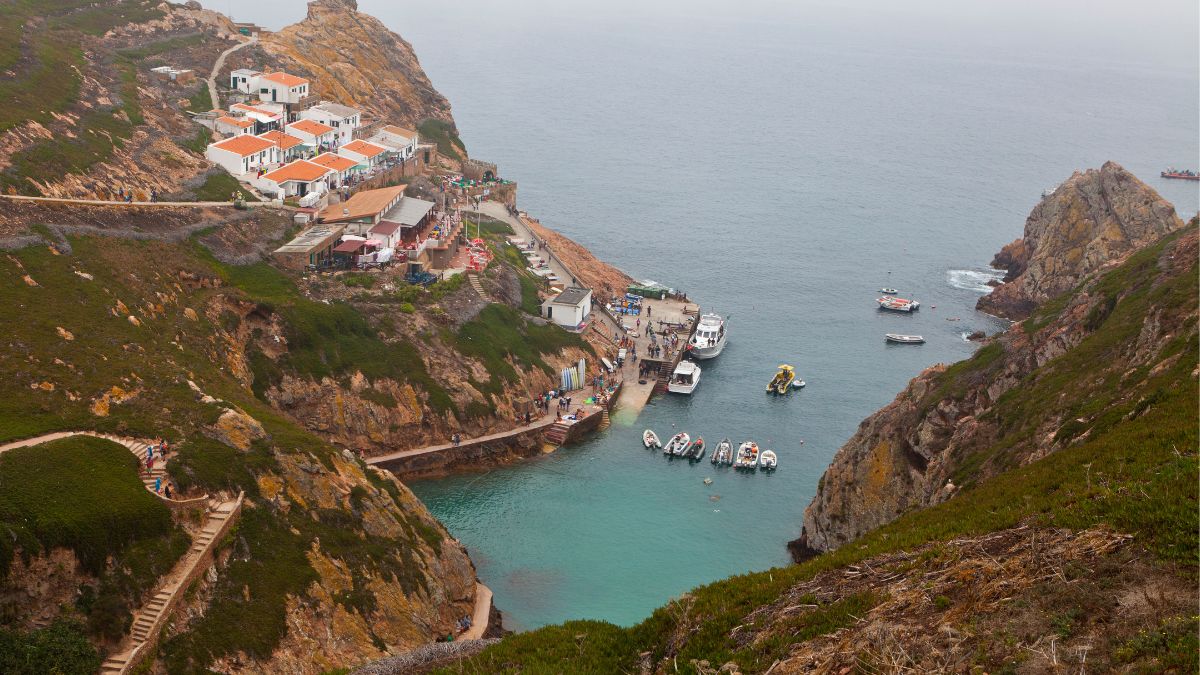
Just 10 kilometers off the Portuguese coast, opposite the fishing town of Peniche, rises Berlengas Island—a rocky, wind-beaten outcrop that feels worlds away from the mainland. Declared a UNESCO Biosphere Reserve in 2011, the Berlengas archipelago is made up of the main island (Berlenga Grande) and several smaller islets scattered in the Atlantic swell.
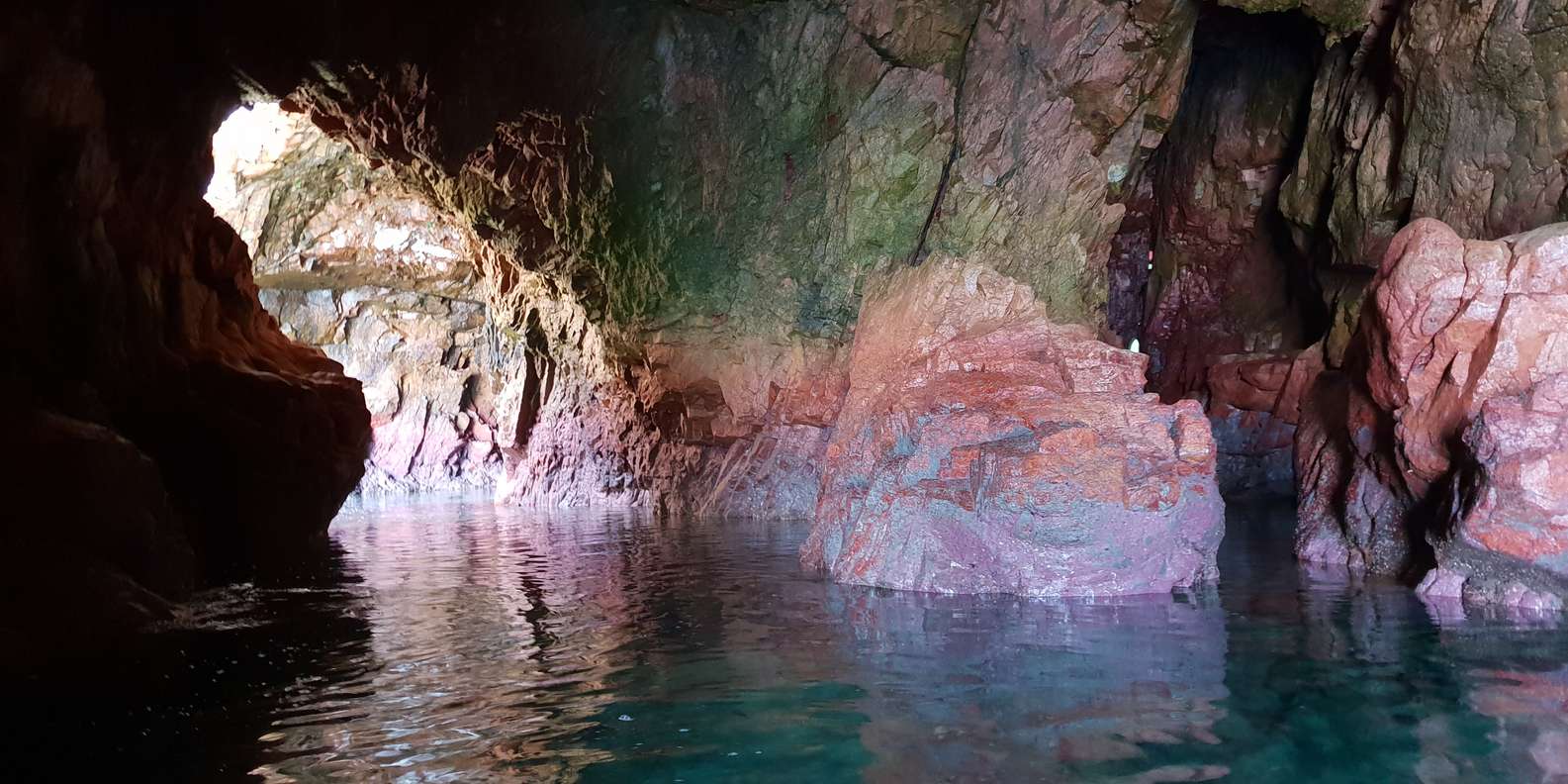
Unlike Portugal’s mainland beaches with their golden sands and bustling resorts, Berlengas offers something different: cliffs pounded by waves, waters that glow turquoise in the sunlight, and a rugged coastline riddled with sea caves and secret coves. It’s not a place for mass tourism but for those who crave adventure, solitude, and raw beauty.

Pirates, Monks, and Fortresses: A Storied Past
The history of Berlengas is as dramatic as its landscapes. In the Middle Ages, monks established a monastery here, seeking isolation in this windswept setting. But life was hard, and their presence was brief—supplies were scarce, storms relentless, and the sea unforgiving.
The island soon became notorious as a pirate hideout. Its isolated cliffs and coves provided perfect shelter for raiders targeting Portuguese shipping routes. In the 16th and 17th centuries, corsairs prowled these waters, and the island became both a danger zone and a strategic outpost.
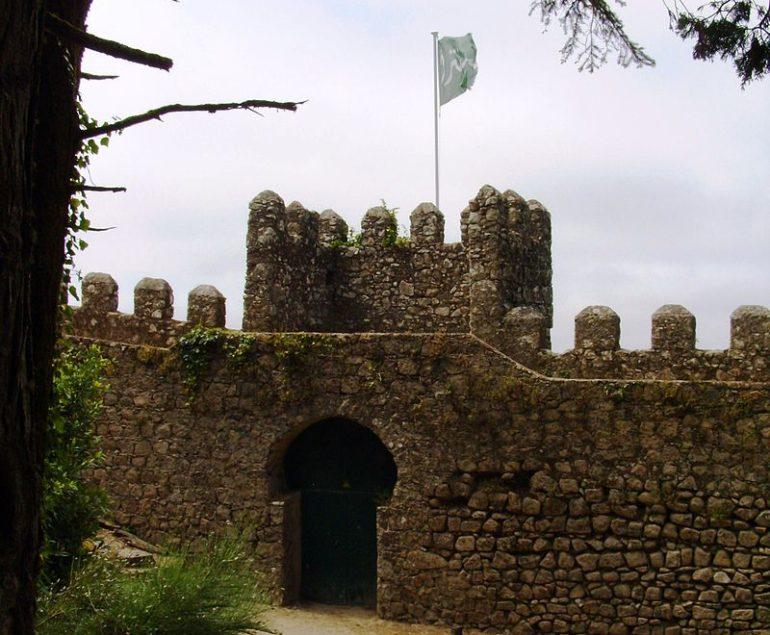
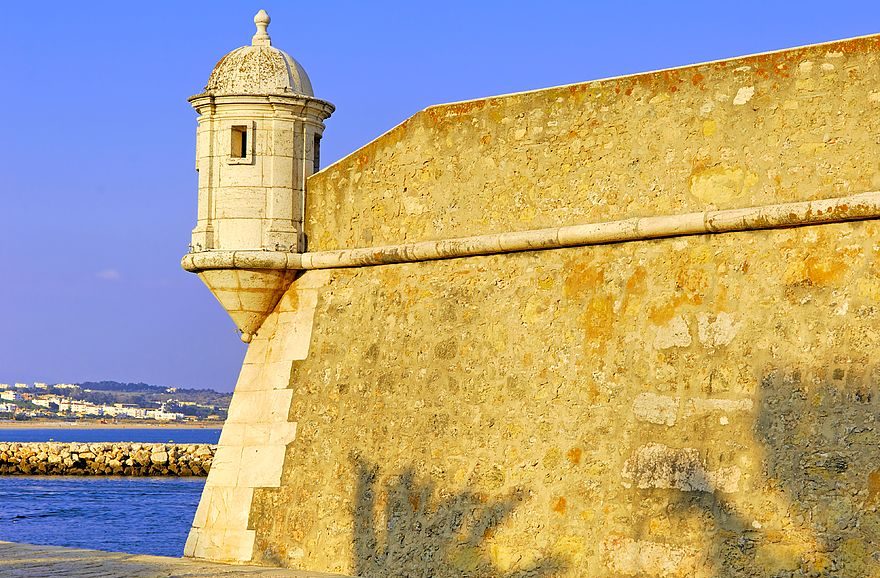
The most enduring reminder of that turbulent past is the Forte de São João Baptista, a striking fortress perched on the rocks and connected to the island by a narrow stone causeway. Built in the 17th century to defend against pirates, it looks like something from a fantasy novel: a squat, weathered structure surrounded by crashing surf. Today, visitors can explore its stone ramparts and even stay overnight in simple rooms maintained by a local association—an unforgettable way to experience the island’s wild atmosphere.
A Living Biosphere
In 2011, UNESCO declared the Berlengas a Biosphere Reserve, recognizing its fragile ecosystem and the need for careful conservation. The island may look barren at first glance, but it teems with life.
-
Birdlife: The Berlengas are a haven for seabirds, including gulls, storm petrels, and the rare Cory’s shearwater. Birdwatchers will find the cliffs alive with nests and calls, especially in spring and summer.
-
Marine world: Below the surface, the waters are equally rich. This is one of Portugal’s top diving spots, with underwater caves, reefs, and wrecks. Octopuses, lobsters, colorful fish, and even dolphins can be spotted.
-
Flora: Hardy plants adapted to salty winds cling to the rocks, creating surprising splashes of green and color across the island’s otherwise stark terrain.
Things to Do on Berlengas Island
Visiting Berlengas is less about ticking off sights and more about immersing yourself in the island’s unique environment. Still, there are plenty of ways to experience its beauty:
-
Hike the Trails
A network of paths leads across Berlenga Grande, offering dramatic coastal views. The circular walk around the island takes you past cliffs, sea caves, and lookout points. -
Kayak or Paddle Through Sea Caves
Guided tours from Peniche often include kayaking around the island, slipping into caves and narrow channels where the Atlantic glows a surreal shade of blue. -
Dive Into the Atlantic
The crystal-clear waters are ideal for snorkeling and diving. Visibility is excellent, and the mix of rocky reefs and shipwrecks makes this one of Portugal’s most exciting dive sites. -
Birdwatching
Bring binoculars if you can—this is one of the country’s best spots for seabird watching, especially during nesting season. -
Explore the Fort
The Forte de São João Baptista is a must-see, not just for history buffs, but for anyone wanting that picture-perfect shot of the fortress clinging to the rocks. -
Simply Disconnect
With limited facilities, a patchy phone signal, and few places to stay, Berlengas is a natural digital detox. It’s a place to slow down, watch the horizon, and breathe in Atlantic air.

Practical Travel Tips
-
Getting there: Boats run from Peniche to Berlengas Grande during the summer months (typically May to September). The trip takes around 30–45 minutes, depending on conditions.
-
Permits: To protect the ecosystem, visitor numbers are limited. It’s wise to book tickets in advance.
-
Facilities: The island is basic. There’s one small restaurant, simple guesthouses, and a campsite. Bring snacks, water, and sturdy shoes.
-
Best time to visit: Summer is the most reliable for ferries, but late spring and early autumn offer quieter experiences.
-
Stay overnight or day trip?: Most visitors come for the day, but staying overnight—especially at the fort—lets you experience the island in silence after the boats leave.
Why Berlengas Matters
What makes Berlengas special is its combination of history, wild beauty, and raw Atlantic power. It’s not polished or convenient, but that’s precisely the point. The island reminds us of an older Portugal—one shaped by monks and pirates, fishermen and sailors, seabirds and storms.
For travelers willing to step off the well-trodden path, Berlengas offers something rare: an island where nature still dominates, where human history clings stubbornly to the rocks, and where every view is framed by sea and sky.

Final Thought
Berlengas Island isn’t for everyone. If you want resorts, nightlife, or endless cafés, stay on the mainland. But if you want to stand on a fortress wall with waves breaking around you, paddle into a glowing sea cave, or fall asleep to the cries of seabirds and the roll of the Atlantic—then this is the place.
Portugal has many treasures, but few feel as wild, raw, and unforgettable as Berlengas.