There is a moment on the road to Bragança when Portugal starts to feel very far away from the postcards. The motorways thin out, the land lifts and folds into long ridges, and villages shrink to a handful of white houses pressed against the hills. This is Trás-os-Montes, literally “beyond the mountains,” and Bragança is its watchtower.
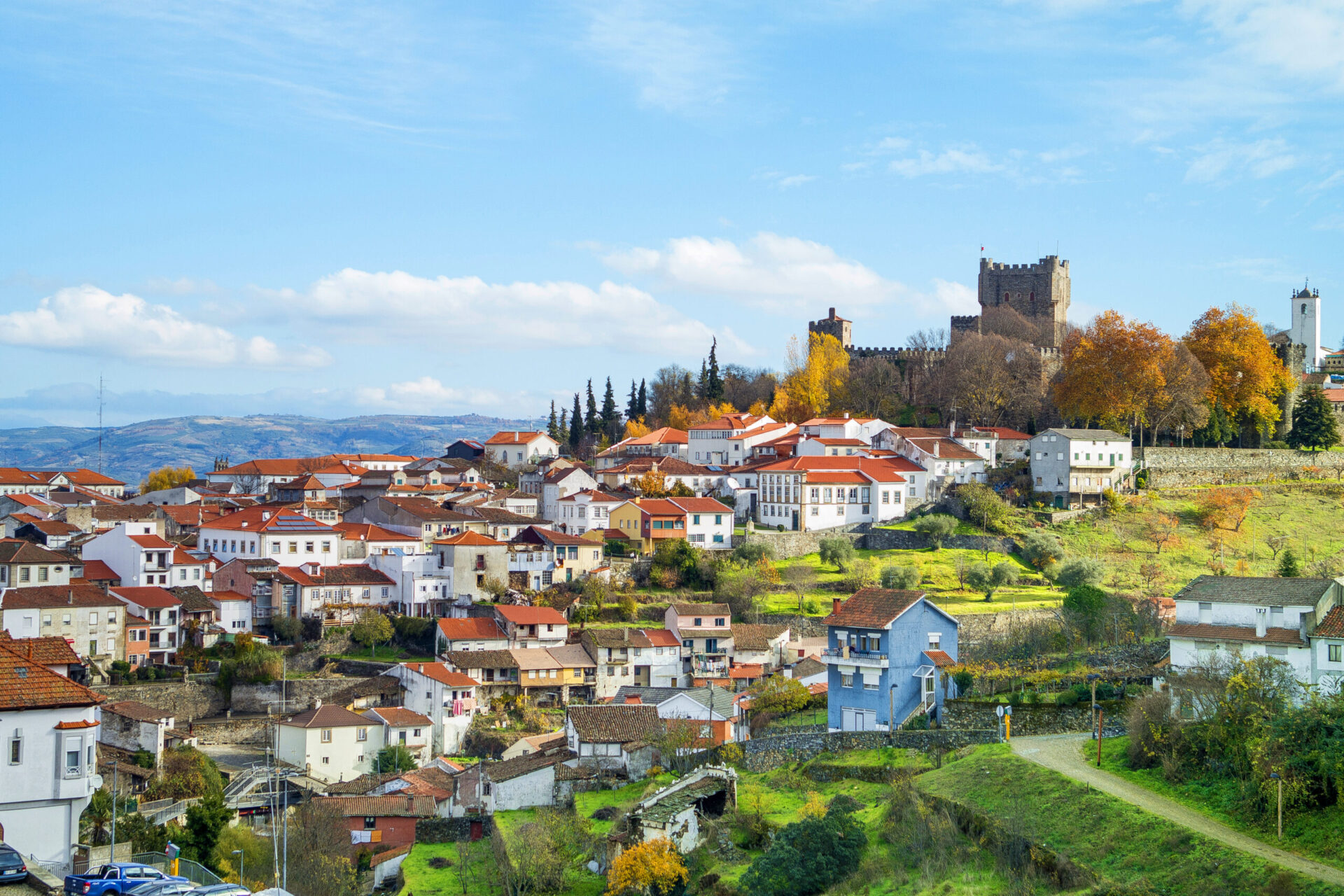
Perched in the far northeast of the country, almost touching Spain, Bragança is a medieval frontier city that still looks the part. The castle dominates everything, a 12th-century keep and ring of walls sheltering a compact stone citadel. Inside, an old urban core survives almost intact, with lanes, walls, and civic buildings that feel like they slipped the grip of time.
For most visitors to Portugal, Bragança is “too far.” Which is precisely why it is worth the journey.


Why Bragança Belongs On Your Map
If you stand on the castle walls and look out, you understand the city in a single sweep. To one side, red-tiled roofs spill down the hill, then flatten into the modern town. To the other, the land runs out into open country, fading toward the Spanish border and the wide, green folds of Montesinho Natural Park.
Bragança is:
- A remarkably preserved medieval citadel, still ringed by walls
- A gateway to one of Portugal’s largest and wildest protected areas, Montesinho Natural Park
- A living provincial capital that feels more like a big village than a city
- A stronghold of northern gastronomy, where smoked meats, chestnuts, and hearty dishes rule the table
It is not polished tourism. It is not curated for Instagram. It is a place that simply is, and that is its power.
A Short History Of A Long Frontier
Bragança’s roots run back to pre-Roman times, but the city truly steps into the spotlight in the Middle Ages. Its position on the edge of the Iberian plateau gave it strategic importance in the long tug-of-war between the emerging Portuguese kingdom and neighboring powers. By the 12th century, the current castle rose over older fortifications, and the walled citadel took shape as both shield and symbol.
For centuries, Bragança guarded the border and anchored a largely rural hinterland. Even as Portugal turned outward toward the sea, the northeast kept its gaze fixed on the land, on livestock, on the slow movements of the seasons rather than the fast fortunes of empire.
Today, that history is everywhere. You see it in stone carved almost a thousand years ago, in civic buildings that pre-date most modern parliaments, and in the stubborn independence of the region’s villages.
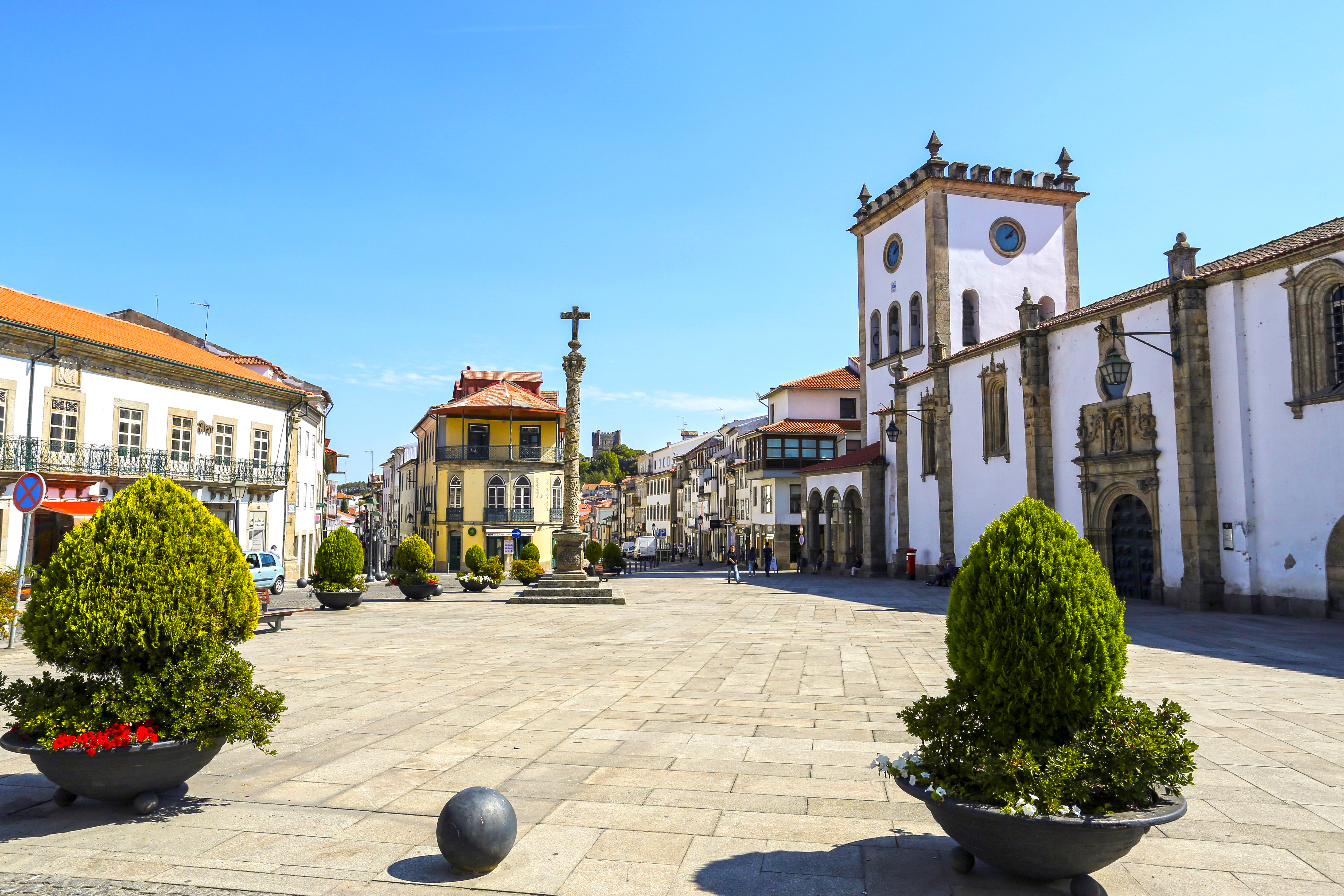
Most travelers arrive by road, usually from Porto or the Douro. The final stretch lifts you onto a broad plateau, framed by distant ridges. The city appears gradually: a sweep of apartment blocks, a tangle of streets, and then the unmistakable silhouette of the castle keep watching from its hill.
At street level, Bragança feels modest and grounded. People know each other’s names. Elderly locals move slowly between café, market, and church. The pace is not slow for show. It is simply how life has always worked here.
Give yourself time to adjust. Take a walk through the lower town, find a pastelaria, and sit with a coffee while you get your bearings. Only then start climbing toward the old city.
Inside The Walls: The Citadel And Castelo de Bragança
The medieval citadel, the Cidadela, is the heart of Bragança and the clearest expression of its frontier soul. You enter through old stone gates and the noise of the modern city drops away. Inside, whitewashed houses cluster around narrow streets, and the castle rises above them, square and compact, its keep nearly 33 metres high.

Built in the 12th century and reinforced over time, the keep and walls form one of the best preserved defensive complexes in Portugal.
Climb the internal staircases and you are rewarded with a full panorama:
- The tiled roofs of the citadel at your feet
- The modern city spreading out down the slope
- The distant line of Montesinho and the Spanish plateau
Inside the keep, the Military Museum covers Portugal’s armed forces through weapons, uniforms, and artifacts. You do not have to be a military enthusiast to appreciate it; what the museum really offers is a sense of how often this region found itself on the fault line of Iberian history.
Walk the battlements afterwards. Feel how narrow the patrol paths are, how exposed the turns. This was not built as a romantic backdrop. It was built to work.
Domus Municipalis: A Stone Mystery In The Citadel
Across a small square from the church of Santa Maria stands one of the most unusual buildings in Portugal: the Domus Municipalis.
This Romanesque civic hall, shaped as an irregular pentagon, is the only surviving example of Romanesque civil architecture in the country.
Its function is still debated. The lower level is a vaulted cistern used to store spring water. The upper room, ringed with small windows and stone benches, seems to have served as a meeting space for the “good men” of the city, a kind of medieval council chamber.
Step inside and let your eyes adjust. The room is low and heavy with stone, punctured by narrow openings of light. Human faces and strange creatures are carved into the outside cornice, watching over the space. It is not a grand palace, but it radiates authority, a reminder that civic power here was once as solid and local as the granite itself.
In a city rich with historic buildings, the Domus Municipalis is still the quiet highlight, the place that makes even history-saturated visitors pause.
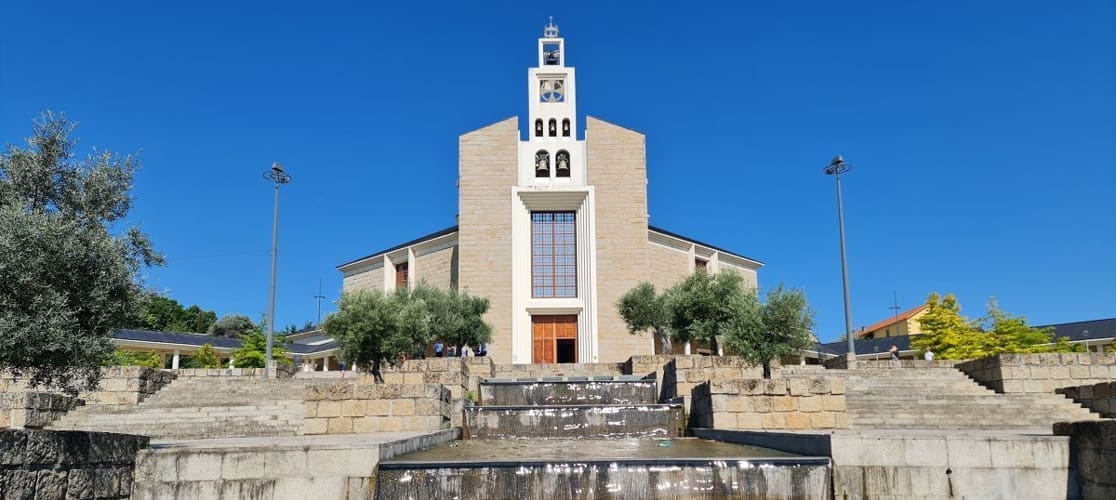

Back outside, the citadel offers more than walls and fortifications.
- Igreja de Santa Maria sits beside the Domus Municipalis with a baroque façade and painted interior that softens the sense of stone and power with colour and devotion.
- Down the hill, the Sé (cathedral) anchors the lower town, a 16th-century building with simple, harmonious lines that reflect the austere beauty of the north.
Between these religious landmarks, Bragança unrolls as a lived-in city. There are squares where children play football, streets lined with independent shops, and cafés where the same regulars have been arguing about football and politics for decades.
This is where the magazine-style charm of Bragança comes through. You can structure your day around “sites,” but the best moments are usually the unscripted ones: the shopkeeper who insists you try a local cheese, the older man who points out his childhood home on the hill, the quiet of a side street in late afternoon.

Museums And Culture: Abade de Baçal And Graça Morais
Beyond the medieval core, Bragança has two cultural stops that add depth to your visit.
Museu do Abade de Baçal
Housed in the former episcopal palace, the Museu do Abade de Baçal is a regional museum that pulls together archaeology, sacred art, ethnographic pieces, and documents that tell the story of Bragança and the northeast over centuries.
You move through Roman inscriptions, medieval stonework, religious sculptures, and displays that explore rural life: tools, textiles, photographs. It is a museum of layers, more about atmosphere and accumulation than blockbuster pieces, and it helps you understand how deeply rooted this region is in land and ritual.
Centro de Arte Contemporânea Graça Morais
Named after the celebrated local painter Graça Morais, this contemporary art center sits in the lower town and offers exhibitions that often reflect on identity, territory, memory, and the human figure.
Visiting after the castle creates a compelling contrast: medieval stone and contemporary reflection, the past that built the region and the artists who interpret it now.

Bragança As Gateway: Montesinho Natural Park
One of the great privileges of staying in Bragança is how close you are to true wilderness. A short drive north takes you into Montesinho Natural Park, a 75,000-hectare protected area that straddles the border with Spain. It is one of Portugal’s largest natural parks and home to 92 villages and about 9,000 inhabitants.
This is Terra Fria Transmontana, the “cold land,” where winter temperatures can fall to well below freezing and summer can still push past 35 to 40 degrees. The climate, harsh at times, has shaped both the landscape and the people.
Here you find:
- Oak and chestnut forests
- Heather-covered hills
- Rivers cutting through meadows and pasture
- Wildlife such as roe deer, wild boar, and, with great luck, the Iberian wolf
- More than a hundred bird species, including golden eagles and, in certain areas, the elusive black stork
Montesinho is not a manicured park. It feels like a lived-in landscape, dotted with villages that still use communal ovens, watermills, and shared pastures.
For hikers, there are marked trails near villages such as Gimonde and Montesinho itself, ranging from gentle walks to day-long routes.
Rio de Onor: A Village Shared By Two Countries
Among the villages of Montesinho, Rio de Onor stands out. Straddling the border, with one half in Portugal and the other in Spain (Rihonor de Castilla), it functions almost as a single community.
Traditional shale houses with wooden balconies line narrow streets. The river serves more as a mirror than a barrier. The village is one of the best preserved examples of communal rural life in the region.
Walk up from the small bridge into the Portuguese half and you get a sense of how isolation preserved customs here. Shared ovens, joint grazing lands, and an old dialect, Rionorês, still echo in conversation among older residents. Even a brief visit reveals why this village is often singled out as the soul of Montesinho.
Gimonde And Other Gateways
Closer to Bragança, Gimonde sits about seven kilometres from the city, at the entrance to Montesinho Natural Park.
Gimonde is known for:
- A handsome Roman stone bridge spanning the river Onor
- Rural architecture and a postcard-pretty setting
- Strong gastronomic traditions, including cured meats made from Bísaro pig, posta Mirandesa, and home-made jams
It is a perfect base if you prefer to stay in the countryside rather than in the city. From here, you can drive deeper into the park toward villages such as Montesinho, Aveleda, and Guadramil, each with its own landscape and character.
What To Eat: Bragança On A Plate
Trás-os-Montes cuisine is not shy. It is built for cold winters, hard work, and celebration.
Expect:
- Posta à Mirandesa
Thick-cut, grilled beef from local cattle, usually served simply with potatoes and greens. - Butelo com casulas
A smoked pork sausage cooked with dried bean pods, a classic winter dish. - Alheiras
Smoked poultry sausages originally developed by Jews during the Inquisition to appear Christian while avoiding pork. Today they are a beloved regional staple. - Fumeiro from Bísaro pigs
High-quality cured meats and sausages, especially around Gimonde and other villages. - Chestnuts and wild mushrooms
Autumn brings roasted chestnuts and rich, earthy dishes drawn directly from the forests of Montesinho. - Local wines
The Trás-os-Montes DOC produces reds and whites that are less known abroad but pair beautifully with the food here.
Most of the best meals in and around Bragança happen in family-run restaurants or rural guesthouses. Look for simple dining rooms with handwritten menus and the steady hum of local conversation. If you see a wood-fired oven, you are in the right place.
Where To Stay: Sleeping In A Frontier City
Accommodation in and around Bragança leans towards small rather than grand:
- Comfortable hotels in the lower town, within walking distance of the citadel
- Guesthouses inside or just below the medieval walls, perfect if you want to wake up under the gaze of the castle
- Rural tourism houses in villages like Gimonde or Rio de Onor, ideal if you want to hear more owls than cars at night
When choosing, think about the balance you want between city and countryside. A night in each can be the best combination.
Practical Tips For Visiting Bragança
When To Go
- Spring (April to June)
Green hills, mild temperatures, wildflowers in Montesinho. - Autumn (September to early November)
Golden chestnut forests, harvest season, rich food, cooler air. - Winter
Atmospheric but cold. This is Terra Fria, and temperatures can drop well below freezing, especially at night.
Summer brings heat, clear skies, and long evenings, but hiking in the middle of the day is best avoided.
How Long To Stay
- One full day gives you the citadel, castle, and a taste of the lower town.
- Two to three days lets you add Montesinho, Rio de Onor, and at least one slow village lunch.
Getting There
Bragança is reachable by road from Porto, the Douro, and even from Spain. There are long-distance buses connecting it to major cities. Having a car is ideal if you want to explore Montesinho and the surrounding villages deeply.

Suggested Two-Day Frontier Itinerary
Day 1 – Inside The Walls And Through The Centuries
Morning
- Start at the citadel gates and walk slowly up through the lanes.
- Visit Castelo de Bragança and climb the keep for a full view of city and countryside.
- Explore the Military Museum inside the keep.
Lunch
- Eat in a small restaurant inside or just below the citadel. Order alheira or posta and let the meal run at the local pace.
Afternoon
- Visit the Domus Municipalis and spend time in its upper hall, imagining the council sessions that once took place there.
- Drop down into the lower town to visit the Sé and wander the main streets.
- Stop at a café for coffee and a pastel, watching daily life unfold.
Evening
- Head to the Museu do Abade de Baçal if you still have energy.
- Dinner in town: choose something with smoked meats or roasted local beef.
- Finish the day with a gentle walk back towards the citadel, which is beautifully lit at night.
Day 2 – Montesinho, Rio de Onor, And The Rural Northeast
Morning
- Drive out of the city toward Gimonde, stopping to admire the Roman bridge and the village streets.
- Continue into Montesinho Natural Park, choosing a short hiking trail near one of the villages or simply enjoying the scenic drives.
Lunch
- Eat in a rural restaurant in Gimonde or another village, focusing on regional specialties like fumeiro, posta, and chestnut-based dishes.
Afternoon
- Head to Rio de Onor and spend time walking through both the Portuguese and Spanish sides of the village. Notice the details of the houses, the shared infrastructure, and the quiet of the valley.
- If you still have energy, continue exploring other park villages or return to Bragança for a final stroll.
Evening
- Back in the city, find a simple tasca for a farewell dinner. Raise a glass of local wine to the frontier and to the parts of Portugal that still belong mostly to themselves.