Where Borders Fade and Time Slows in the Alentejo
Some places reveal themselves slowly. Campo Maior is one of them.
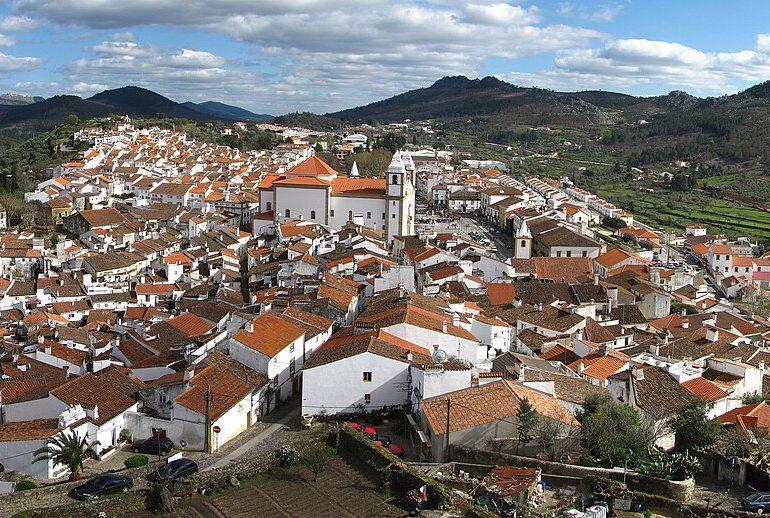
You arrive across the wide Alentejo plain, the road cutting through cork trees and open fields, Spain somewhere beyond the horizon but never announced. The town appears gently rather than dramatically. White houses. Quiet streets. And above it all, almost modest in its presence, Campo Maior Castle.
This is not a destination built for spectacle. It’s a place you feel rather than photograph obsessively. A border town that has learned how to live with history instead of packaging it.
A Castle That Belongs to Its Town
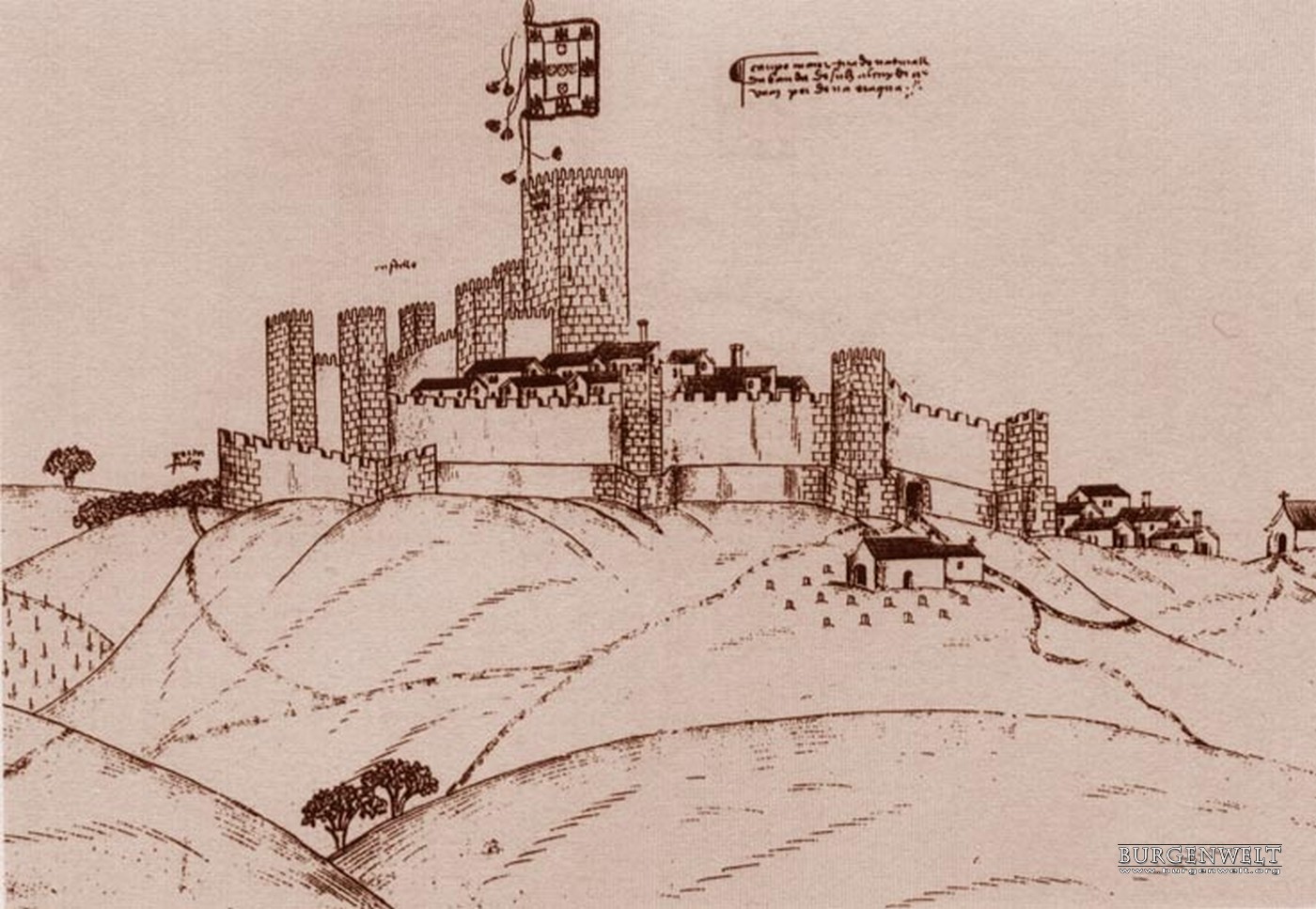
What strikes you first about Campo Maior Castle is how closely it’s woven into daily life. It doesn’t sit aloof on a distant hill. It rises from within the town itself, its walls brushing up against homes, streets, and small squares.
This closeness tells you everything. The castle was never just a military structure. It was protection, shelter, and reassurance for generations who lived with uncertainty just beyond the border.
Built on medieval foundations and shaped by centuries of conflict between Portugal and Spain, the castle evolved pragmatically. Walls were reinforced. Towers adjusted. Nothing excessive. Everything necessary.
Today, that restraint is part of its charm.
Walking Through Quiet History
Exploring the castle is unhurried by nature. There are no grand entrances or choreographed routes. You enter and wander, guided more by instinct than signage.
The stone walls bear the marks of time. Some sections are intact, others fractured. This is not neglect. It’s honesty. Much of the castle was destroyed in 1732 when lightning struck a gunpowder magazine, triggering an explosion that devastated both fortress and town. What you see today is a place that chose not to erase that memory.
Standing along the remaining walls, the view opens across Campo Maior’s rooftops and the rolling Alentejo beyond. The land stretches quietly in all directions, and you begin to understand why vigilance once mattered so deeply here.
Now, the silence feels earned.
“Campo Maior Castle doesn’t demand attention. It rewards it.”
A Border Town With Its Own Rhythm
Campo Maior itself is compact, authentic, and refreshingly unpolished. Narrow streets curve naturally, cafés spill into shaded corners, and daily life unfolds without performance.
The town is best known for the Festa do Povo, when residents transform streets into tunnels of handmade paper flowers. During the festival, Campo Maior becomes one of the most visually striking places in Portugal. The castle looks on quietly as colour and community take over the streets below.
Outside festival time, the town’s appeal lies in its calm. This is a place for slow lunches, long conversations, and walking without an agenda.
Light, Landscape, and Atmosphere
The Alentejo defines the experience here as much as the architecture. The light is soft but intense, especially in late afternoon when the castle stones warm to golden tones. Mornings are cool and still. Evenings stretch gently into dusk.
Campo Maior Castle is best experienced slowly. Sit on a low wall. Watch shadows move. Listen to the wind. The lack of crowds allows space for reflection, something increasingly rare in historic sites.
Photographers will find beauty in texture rather than scale. Cracked stone. Soft light. White façades beyond the walls.

Why Campo Maior Is Worth the Detour
Campo Maior Castle may not feature on every Portugal itinerary, and that’s part of its appeal. It’s ideal for travellers drawn to places with depth rather than drama.
This is a destination for:
-
Curious travellers exploring beyond Lisbon and Porto
-
Lovers of slow travel and authentic towns
-
History enthusiasts interested in borderlands and lived heritage
-
Anyone seeking quiet beauty in the Alentejo
Campo Maior doesn’t compete for attention. It simply offers presence.
“Some places don’t try to impress you. They stay with you instead.”
Practical Tips for Visiting
Campo Maior is easily reached by car from Elvas or Portalegre and makes a rewarding stop on a broader Alentejo road trip. The castle is centrally located and can be explored on foot as part of a wider walk through town.
There’s no need for strict planning. Arrive, explore, pause for coffee, and let the place set the pace.
Spring and autumn are ideal, offering comfortable temperatures and beautiful light. Summer brings heat but also a powerful sense of stillness. Winter strips everything back to essentials.
How to Get to Campo Maior Castle
Campo Maior sits in eastern Alentejo, close to the Spanish border, and is easiest to reach by car. Getting there is part of the experience. Long roads, open land, and very little rush.
By Car (Best Option)
Driving is the most practical and flexible way to reach Campo Maior.
-
From Lisbon
Around 2.5 hours
Take the A6 towards Elvas, then follow signs for Campo Maior. The route is straightforward and scenic once you leave the motorway. -
From Elvas
About 20 minutes
A short, easy drive through classic borderland countryside. -
From Portalegre
Around 45 minutes
Ideal if you’re already exploring northern Alentejo.
Once in Campo Maior, the castle is within the town itself. Park anywhere near the centre and walk. You’ll naturally find your way up.
By Bus
There are regional bus connections from Elvas and Portalegre, but services are limited and schedules can be sparse.
This option works if you’re travelling slowly and planning ahead, but it’s not ideal if you’re short on time.
By Train
There is no direct train station in Campo Maior.
The nearest stations are in Elvas or Portalegre, from where you would need a bus or taxi to continue the journey.
On Foot in Town
Once you arrive, everything is walkable. Campo Maior is compact, and the castle rises gently above the town. No steep climbs. No long detours. Just follow the streets upward.
Travel Tip
Combine Campo Maior with nearby destinations like Elvas or a wider Alentejo road trip. This part of Portugal rewards unrushed travel more than tight itineraries.
Final Thoughts
Campo Maior Castle is not a headline act. It’s a quiet chapter.
It tells a story of borders, resilience, and community without ever raising its voice. In a region defined by space and time, it stands as a reminder that travel doesn’t always need highlights. Sometimes it needs honesty.
If you let it, Campo Maior will give you that.