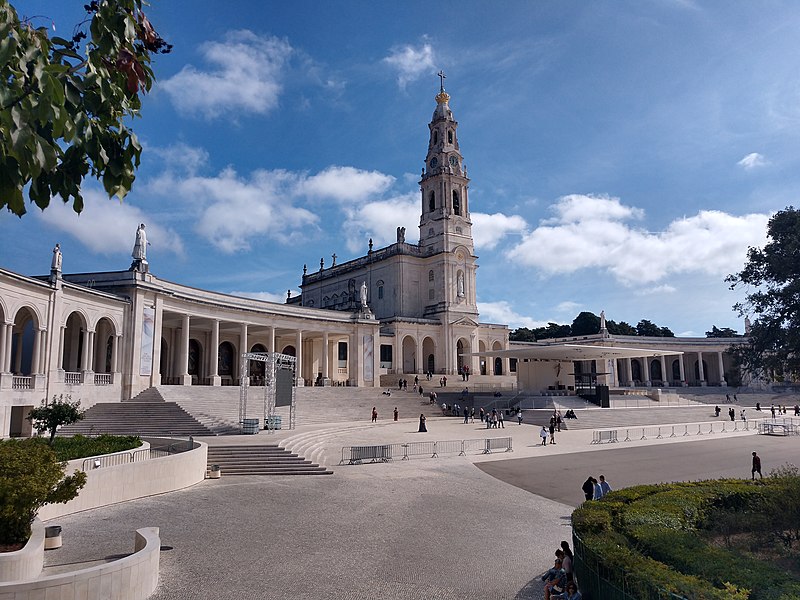
Churches and Monuments of Portugal
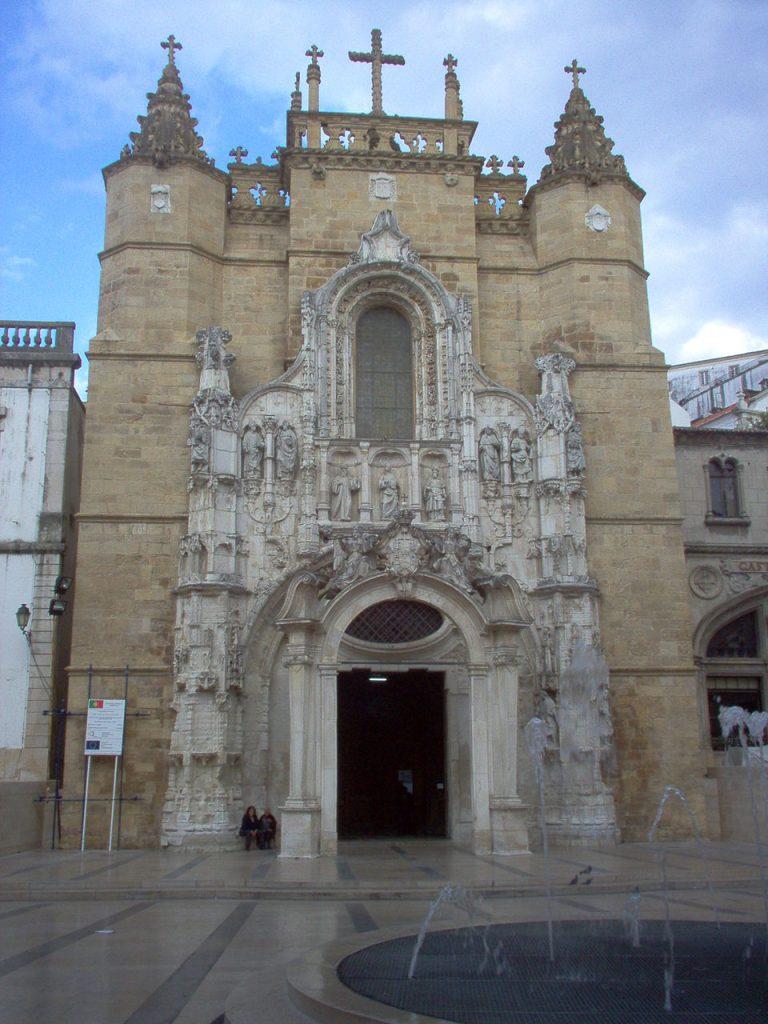
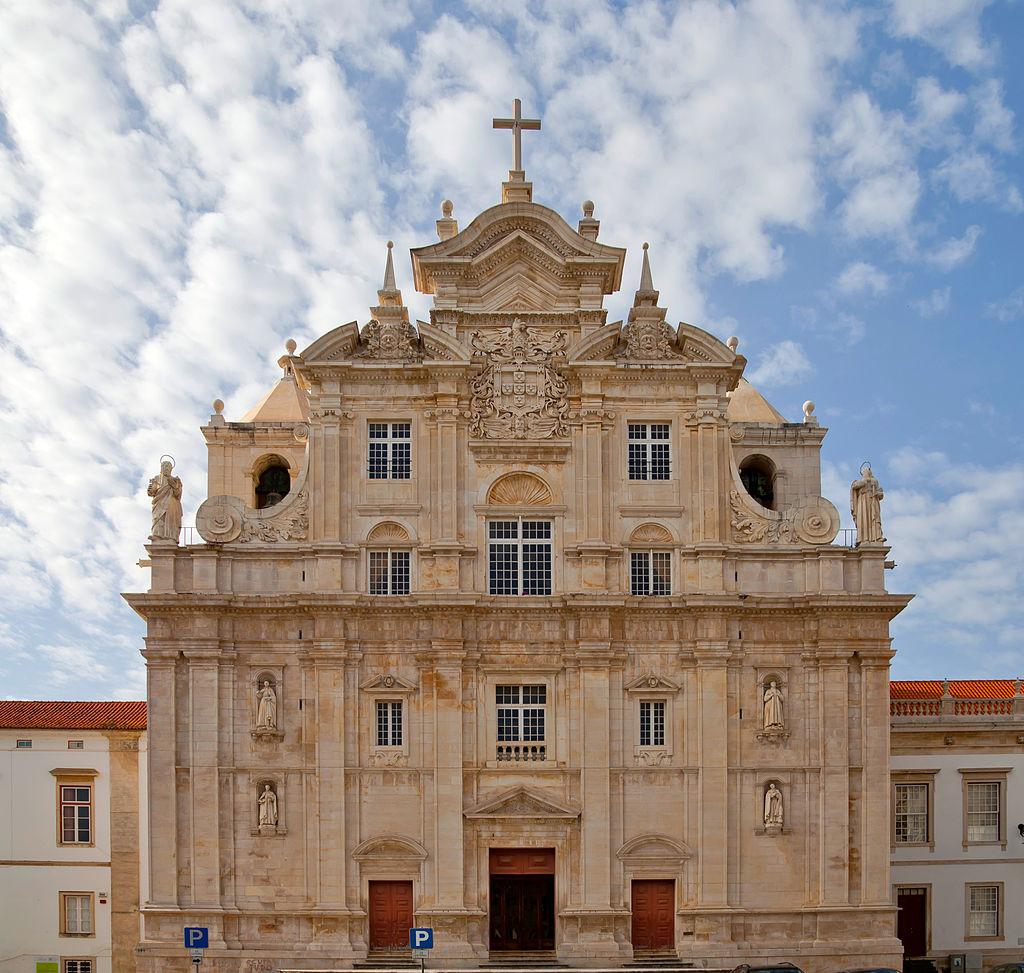
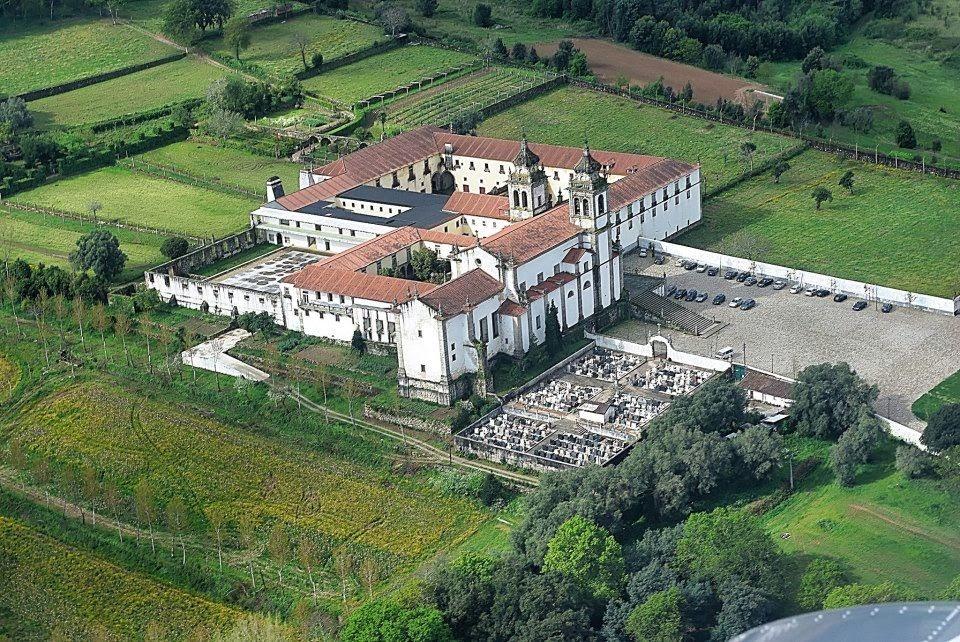
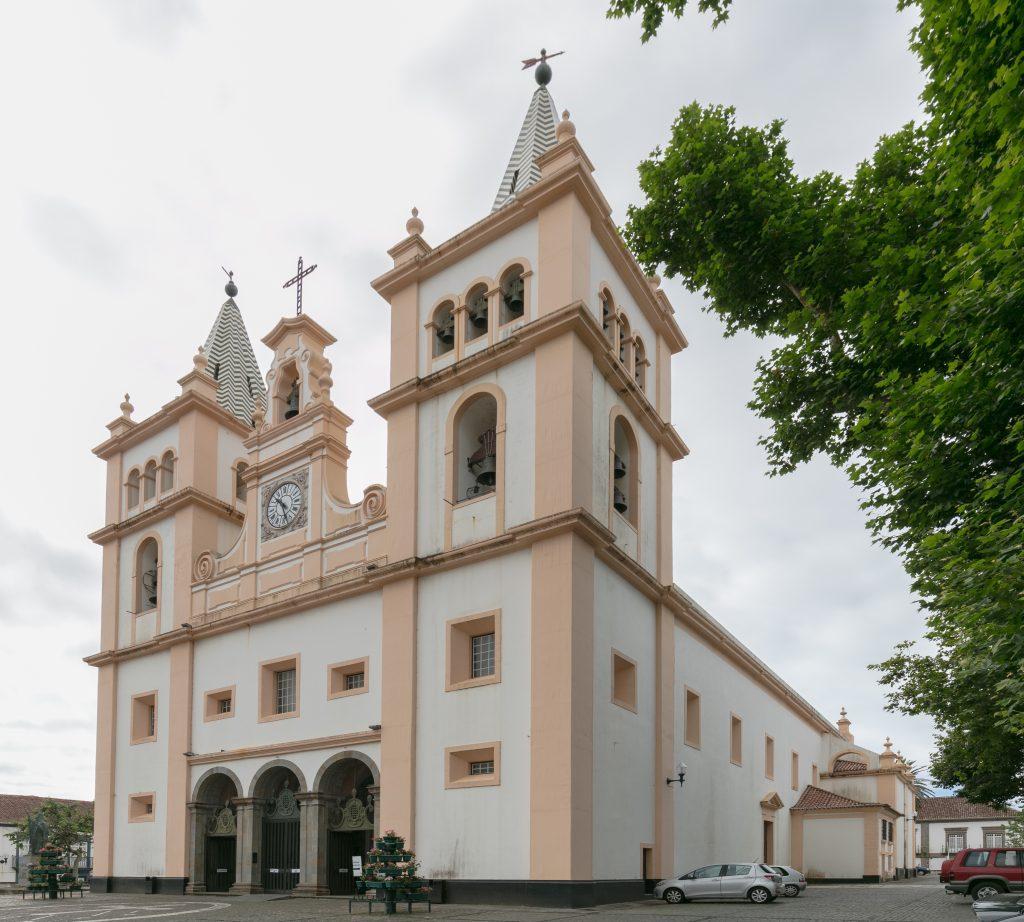
Portugal’s story is carved in stone and told through its churches and monuments. From medieval fortresses to gilded baroque sanctuaries, each landmark reflects a chapter in the nation’s past — conquests, discoveries, dynasties, and devotion.
The Romanesque cathedrals of Porto and Coimbra recall the early centuries of the Portuguese kingdom, their thick walls echoing with centuries of prayer. Lisbon’s Jerónimos Monastery, a Manueline masterpiece, celebrates the Age of Discoveries with intricate carvings of sea motifs and explorers’ dreams set in stone. Further north, Braga—often called the “Rome of ”Portugal”—brims with churches, most famously Bom Jesus do Monte, where a baroque stairway climbs heavenward in a swirl of symmetry and faith.
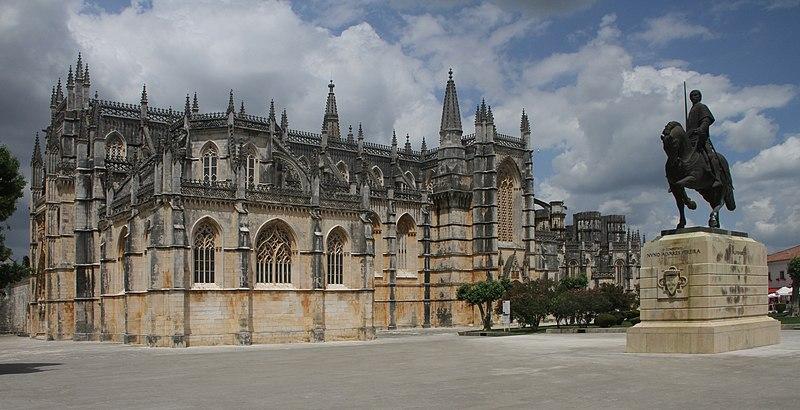
Monuments are just as central to the country’s identity. The Tower of Belém stands sentinel on the Tagus, once a lighthouse of empire and now a UNESCO World Heritage Site. The Monastery of Batalha, built to honor a decisive victory in 1385, shows off soaring gothic lines and the delicate Manueline style. In Tomar, the Convent of Christ, founded by the Knights Templar, whispers of crusaders and secret orders.
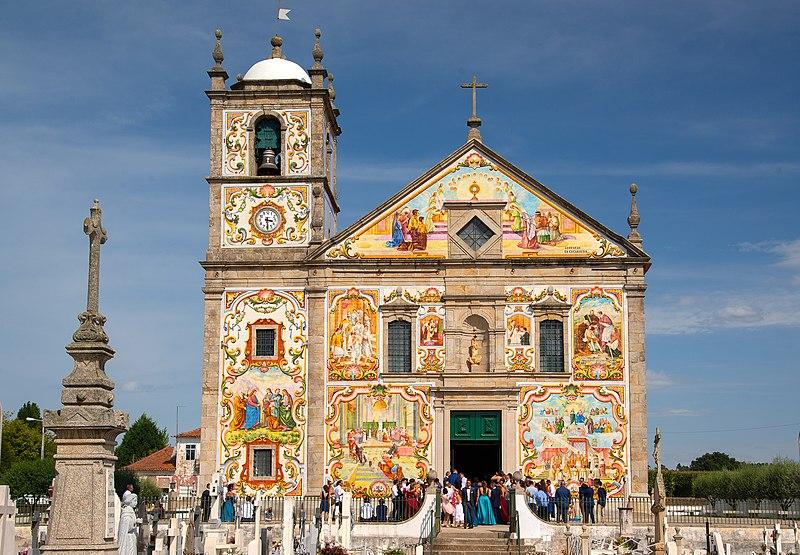
Across the country, village churches shelter gilded altarpieces and azulejo panels, while castles crown hilltops, guarding valleys as they did for centuries. Together, they are more than landmarks — they are living witnesses to Portugal’s faith, artistry, and resilience.