High on the southeastern slope of the Serra da Estrela, where Portugal’s roof meets the sky, sits Covilhã — a town of wool, stone, and perseverance. It’s a place where the smell of lanolin once filled the air, where narrow cobbled lanes twist like yarn between granite houses, and where snow-dusted peaks watch over the town like old sentinels.
Covilhã is both ancient and alive. Its story stretches from the medieval wool trade to the hum of university life and the bright color of modern murals. It’s not a place that shouts for attention — it draws you in slowly, revealing itself layer by layer, like a mountain unfolding through morning mist.
A Town Built on Wool and Wind
For centuries, Covilhã thrived as Portugal’s wool capital. Shepherds from the Serra da Estrela brought their flocks down these slopes, and the town transformed their fleece into fine cloth that dressed soldiers, nobles, and merchants. The spinning wheels turned day and night; watermills clattered along the Carpinteira River.
This was Portugal’s “Manchester of the South,” an industrial powerhouse long before smokestacks and railways arrived. But unlike the great cities of the north, Covilhã’s industry was deeply tied to its land — to the rhythm of seasons, to the endurance of its people.
“Covilhã was never a city of privilege; it was a city of hands — hands that built, spun, and created.”
You can still see that story in the Museu de Lanifícios (Wool Museum), part of the University of Beira Interior. Housed inside a restored textile factory, it feels like stepping back in time. The old looms still stand tall, belts and pulleys intact, as if the workers had just stepped out for a break. Exhibits trace how the town’s economy and identity were woven from wool, water, and ingenuity.
The museum isn’t dusty nostalgia. It’s part of the university now — a bridge between the old and the new, between mechanical craft and digital creation.
A University Town with a Pulse
When the textile factories began to close in the mid-20th century, Covilhã faced a slow decline. But then came the University of Beira Interior (UBI), a transformation that redefined the town.
Founded in 1979, UBI used the bones of the old mills as its foundation. Lecture halls replaced warehouses, students replaced spinners, and the energy of learning replaced the monotony of machinery. It’s one of the most inspiring urban revivals in Portugal — a university growing out of the remnants of industry.
Walk through the campus and you’ll see modern glass buildings beside centuries-old stone walls. There’s a sense of continuity — a rhythm that never quite stopped. Cafés and bars have sprung up around the university, bringing warmth to cold mountain evenings. In Covilhã, the laughter of students is part of the soundtrack now, just like the hum of looms once was.
Walking Through Time
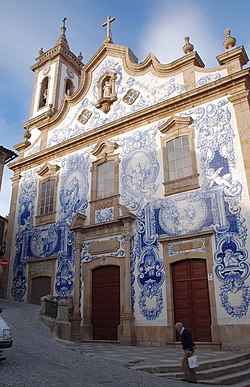
Covilhã is best explored slowly, on foot. The old town curls up the hillside in a maze of steep streets and tiled façades. Start at Praça do Município, the main square, where sunlight spills over the arcades and the Igreja de Santa Maria stands dressed in blue and white azulejos. The church’s façade is a work of art — a story told in ceramic tiles, with scenes from the Virgin Mary’s life shimmering under the mountain light.
From there, wander toward the Judaic quarter, a narrow network of lanes that once housed one of Portugal’s most significant Jewish communities. During the Inquisition, many Jewish families lived here in secrecy, carving symbols into doorways to mark their faith. Some of those carvings remain — silent witnesses to centuries of survival.
Stop at the Centro de Interpretação da Judiaria to learn more about this heritage. It’s a small but meaningful space that reveals a piece of Covilhã’s identity often hidden beneath the surface.
Continue upward, and you’ll reach the Torre da Covilhã, an ancient tower offering views across the Cova da Beira valley. From here, the landscape rolls out like a tapestry — fields of olive and cherry trees, dotted with stone houses and crossed by ribbons of road leading into the Serra da Estrela.
“From up here, the land looks like it’s breathing — the same rhythm that’s shaped Covilhã for centuries.”
Serra da Estrela: Portugal’s High Country
Beyond the town, the Serra da Estrela rises — a world of wind, rock, and snow. It’s Portugal’s highest mountain range, and Covilhã is its southern gateway.
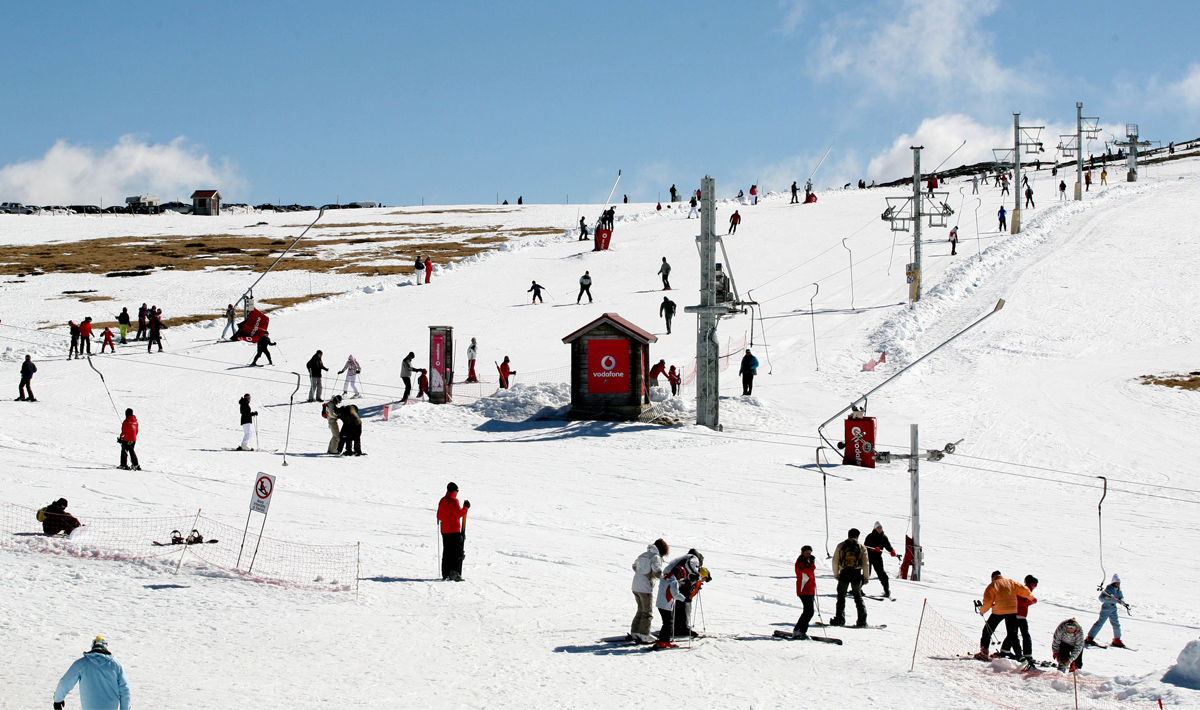
Drive a few minutes upward and the landscape changes completely. Olive groves give way to pines, and granite outcrops tower over valleys carved by glaciers. In winter, this becomes the country’s main ski area, with lifts leading up to Torre, the highest point on mainland Portugal (1,993 meters).
But even without snow, Serra da Estrela is full of life. The Poço do Inferno waterfall, near Manteigas, plunges dramatically between moss-covered cliffs. The Zêzere Glacier Valley, shaped during the Ice Age, offers breathtaking hiking routes. And the Covão dos Conchos, a mysterious circular sinkhole that looks like a portal to another world, has become a magnet for photographers and hikers.
Villages like Penhas da Saúde, Manteigas, and Loriga cling to the slopes, where locals still make the legendary Queijo da Serra — a buttery, tangy cheese that’s the pride of the Beira region. It’s best enjoyed melted over bread, with mountain honey and a glass of red wine.
Art, Memory, and the Wool Festival
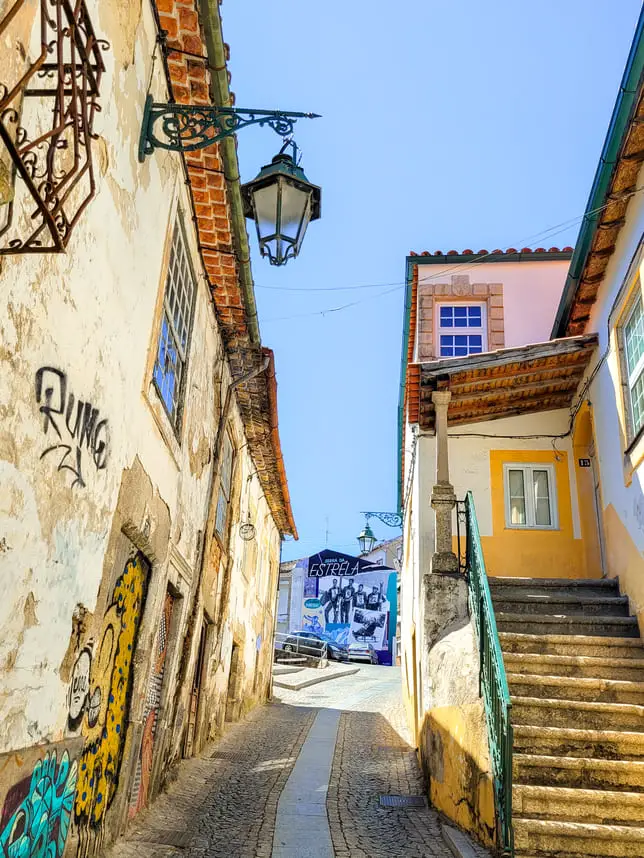
Covilhã isn’t just about history — it’s about transformation. Every summer, the town hosts the WOOL Urban Art Festival, a celebration that turns old factory walls into monumental canvases. Artists from around the world come to paint murals inspired by Covilhã’s identity — wool, mountains, and resilience.
The result is a city alive with color. Walk through Rua do Senhor do Calvário or around the university, and you’ll find massive works of art blending into the stone. It’s a living dialogue between past and present — art as renewal.
The Wool Festival is also a statement of pride: this mountain town refuses to fade into obscurity. It reinvents itself, again and again, through creativity.
What to See and Do
There’s more to Covilhã than its slopes. Here’s how to fill your days — whether you’re here for a weekend or a week.
1. Museu de Lanifícios (Wool Museum)
Explore the restored textile factories that built Covilhã’s legacy. Guided tours explain how wool was sorted, washed, dyed, and woven. It’s industrial history told with reverence.
2. Igreja de Santa Maria
A masterpiece of Portuguese tile art. The church’s exterior alone is worth the walk — a stunning visual mosaic against the mountain sky.
3. Jewish Quarter and Interpretation Centre
Discover the traces of Covilhã’s Jewish community and the symbols that mark the survival of faith through centuries.
 4. Torre da Covilhã
 4. Torre da Covilhã
The town’s old defensive tower and lookout. The view from here captures the essence of Beira Interior — rugged, timeless, and vast.
5. Serra da Estrela Natural Park
Portugal’s highest mountains, filled with hiking trails, waterfalls, and lakes. In winter, ski or snowboard. In summer, trek or cycle.
6. Penhas da Saúde
A picturesque alpine village just 9 km from Covilhã. Great for snow in winter, hikes in summer, and hot chocolate any time.
7. Zêzere Valley Drive
A breathtaking road trip through one of the most scenic valleys in Portugal, with viewpoints at every bend.
8. Street Art Trail
Pick up a map from the tourism office and explore Covilhã’s open-air gallery of murals. Every wall tells a story.
9. Try Local Flavors
From feijoada à beirã to enchidos (smoked sausages) and Queijo da Serra, Covilhã’s mountain cuisine is hearty and authentic. Pair it with Beira Interior DOC wine for the full experience.
10. Ride the Carpinteira Pedestrian Bridge
A striking piece of modern architecture connecting two parts of the city across a deep valley — a must for photographers.
Where to Stay
-
Pousada da Serra da Estrela – A luxury retreat set in a former sanatorium, redesigned by architect Eduardo Souto de Moura. Elegant, quiet, and surrounded by mountain views.
-
Luna Chalets da Montanha – Ideal for families or winter travelers; cozy cabins with fireplaces.
-
Casa com História – A boutique guesthouse in the town center with personalized charm and lovely hosts.
-
HI Covilhã Hostel – Simple, clean, and friendly, great for budget travelers and backpackers.
Best Time to Visit
Covilhã is beautiful year-round, but each season has its charm:
-
Spring (March–May): Wildflowers bloom across the mountain slopes, and temperatures are perfect for hiking.
-
Summer (June–August): Warm but not scorching — ideal for exploring trails, villages, and outdoor festivals.
-
Autumn (September–November): The landscape glows gold and red; the food is at its best.
-
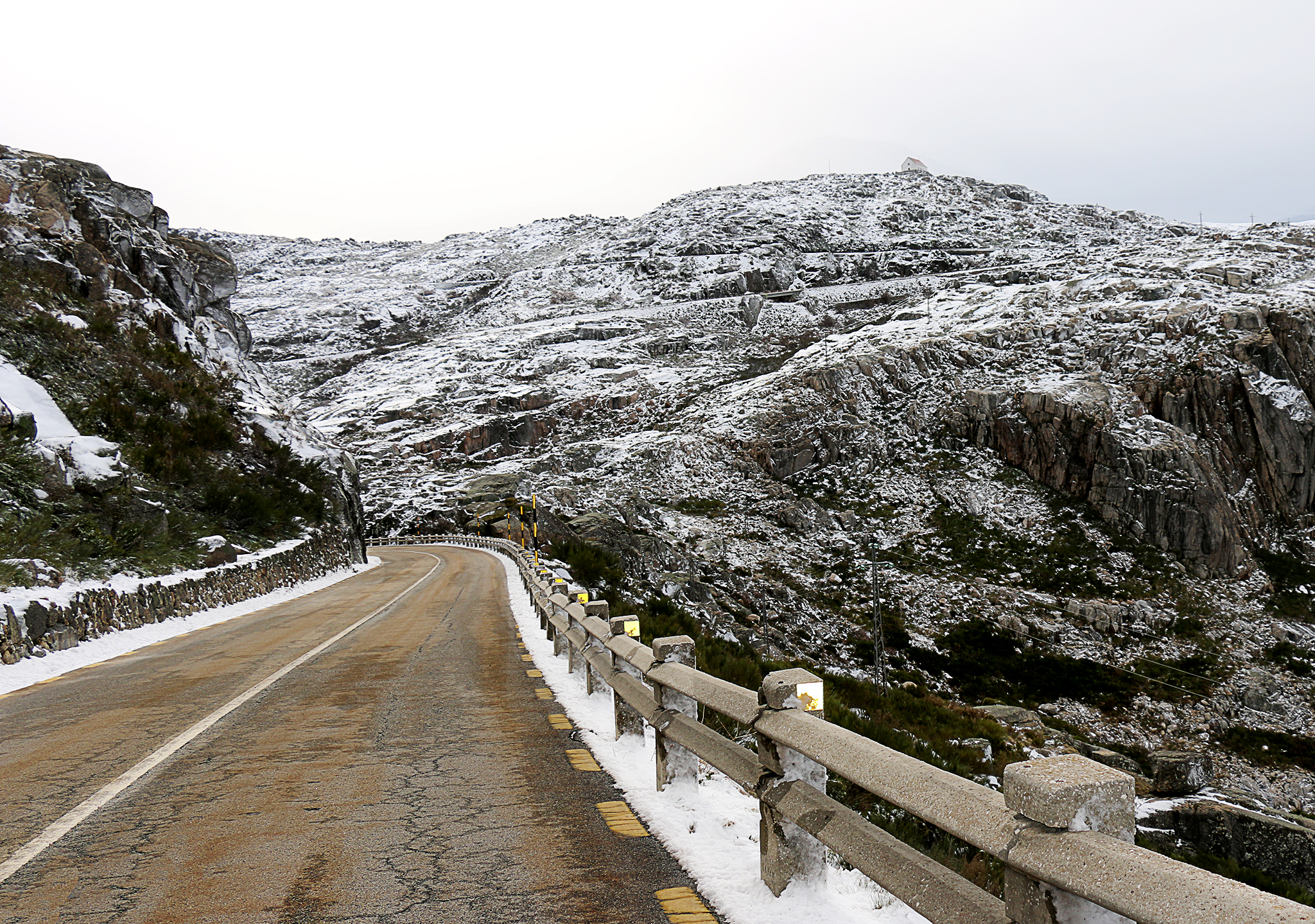
Winter (December–February): Snow blankets Serra da Estrela, and Covilhã becomes a winter base for skiing and cozy nights by the fire.
If you want both peace and beauty, late September is perfect — fewer tourists, warm days, and crisp nights.
How to Get There
By Car:
From Lisbon, take the A1 north and then the A23 toward Covilhã (about 3 hours). From Porto, it’s around 2.5 hours via A1 and A25.
By Train:
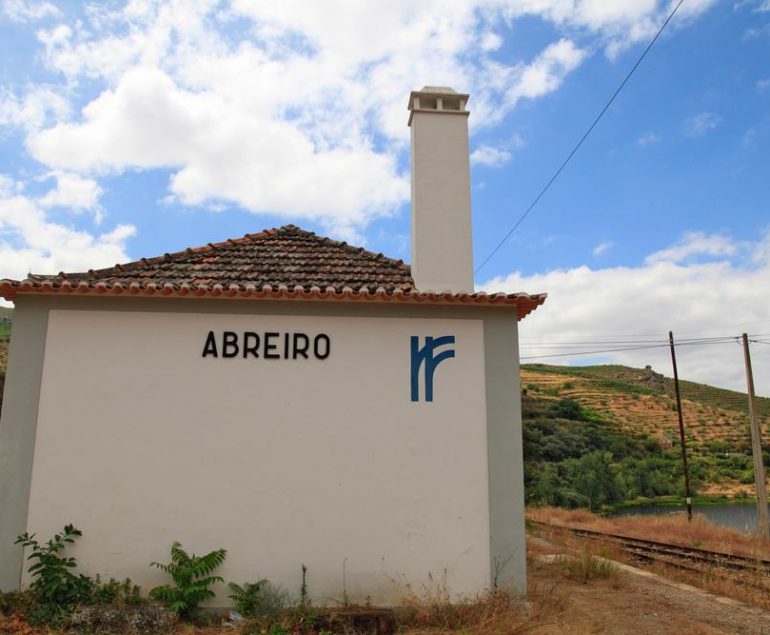
The Beira Baixa Line connects Lisbon and Covilhã with scenic mountain views. The train stops at Covilhã’s lower station, from where a funicular carries you into the upper town.
By Bus:
FlixBus and Rede Expressos operate daily routes from Lisbon, Coimbra, and Porto. The bus terminal is close to the town center.
By Air:
Nearest airports are Lisbon (3h drive) and Porto (2.5h drive).
Taste and Tradition
Mountain food is simple, rich, and generous. Covilhã’s restaurants know how to feed the soul.
Try Taberna A Laranjinha, a cozy spot where the chouriça assada comes sizzling on the table and the house wine flows easily. At Restaurante Alkimya, traditional dishes meet creative flair — think lamb confit with mountain herbs or creamy Serra cheese brûlée.
In winter, order ensopado de borrego (lamb stew) or feijoada à beirã (a local bean and meat stew). And don’t leave without a slice of bolo de azeite, the olive oil cake that tastes like sunshine and memory.
A City of Layers
Covilhã isn’t polished. It’s rugged, honest, and alive. Its beauty lies in contrasts — in modern murals rising over old factories, in students chatting beside retired shepherds, in the snow that melts into springtime rivers.
It’s the kind of town that doesn’t perform for visitors. It just is. And that’s its charm.
“Covilhã doesn’t ask to be discovered — it simply waits for you to arrive.”
Whether you come for the mountain air, the art, or the silence, Covilhã leaves a mark that lingers. Long after you leave, you’ll remember the feel of the wind off the Serra, the echo of your footsteps on cobblestones, and the quiet resilience of a town that turned work into art.