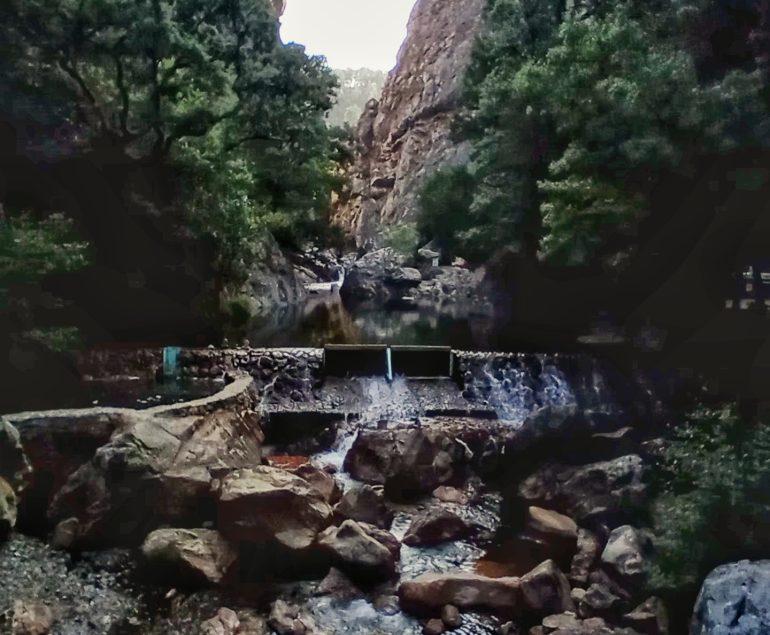
Flores Island is one of the islands in the Azores Archipelago’s western side. This island is rich in natural beauty, with craters, lakes, cliffs, bays, fajãs, forests, vistas, natural pools, and so on.
It is hard to arrange a path along the island’s shoreline due to its orography. As a result, it is best to start in Santa Cruz das Flores, the main city, and explore the island for at least two or three days.
It is best to tour the interior, where there are various vistas and two lagoon groups, and the southern section of the island on the first day, and save Santa Cruz das Flores, the island’s capital, for the following day. There, visitors may visit the Casa Pimentel de Mesquita House Museum, the Flores Museum, the Igreja Matriz de Nossa Senhora da Conceiço Mother Church, the Baleia Factory, and the Enxaréus Grotto, as well as the Northern shore.
It is recommended to spend the third day only on hiking trails that run all along the littoral shore or down to the fajãs.


Although the original yellow flowers have been replaced by gladiolus, hydrangeas, and other alien species, the general environment of this 141 square kilometre island only reinforces why this Island is called Flores. When you arrive, you feel alone since you are in an abandoned location left to its own fate. It’s hardly unexpected, given the island’s population of fewer than 4,000 people.
Here you will discover quiet, relaxation, and the necessary interaction with nature to relieve stress. The island includes a large number of natural places, including various reserves. Seven volcanic lakes may be found in the centre area and in the neighbourhood of Morro Alto. The Rocha dos Bordes Formation and the Ribeira Grande waterfalls are also noteworthy.
Unlike the other Azores islands, there have been no known volcanic eruptions on the island, and its calderas are usually thought to be extinct. Flores (together with her smaller neighbour Corvo) is located on the western side of the tectonic plate boundary that separates the North Atlantic plate from the Eurasian plate (with the Azores Microplate squeezed in-between). The plates are gradually sliding apart.
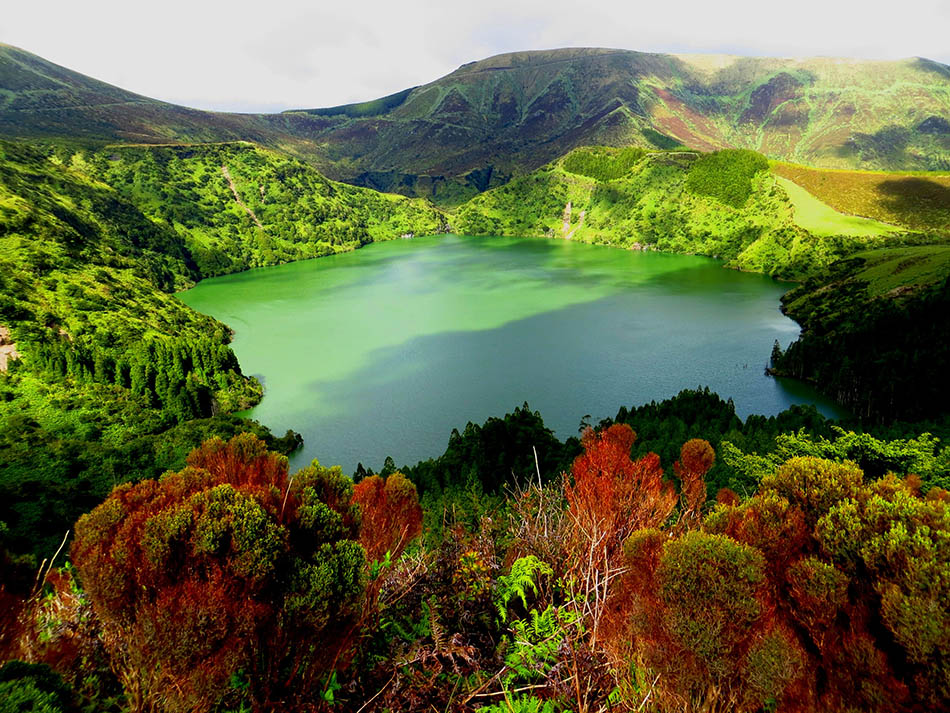
The island is teeming with picturesque overlooks from which you may appreciate the island’s stunning sceneries in peace. Among the most popular are the Miradouro da Fajã do Conde and Miradouro da Caveira Viewpoints, both of which are located on the highway to Lajes; the Miradouro de Ladeira de Cima Viewpoint, which offers views of Ribeira da Cruz and Ponta do Caveira; and the Miradouro Pico da Casinha Viewpoint, which is located at 511 metres above sea level and offers views of the village of Santa Cruz, the Miradouro de Arcos Ribeira da Cruz Viewpoint, located in the island’s centre, offers views of a magnificent waterfall that cascades down through forest covered cascades, from which you can descend to the Nossa Senhora das Flores Chapel and the Lagoa da Lomba Lake, a 15-metre-deep circular lake teeming with frogs, toads, seaweed, and fish; the Miradouro Craveiro Lopes and the Miradouro de os Cambros Viewpoints provide views over the Atlantic Ocean with Corvos Island in the background, enclosing a wild bay that is a popular scuba diving location.